
Filters
136 products



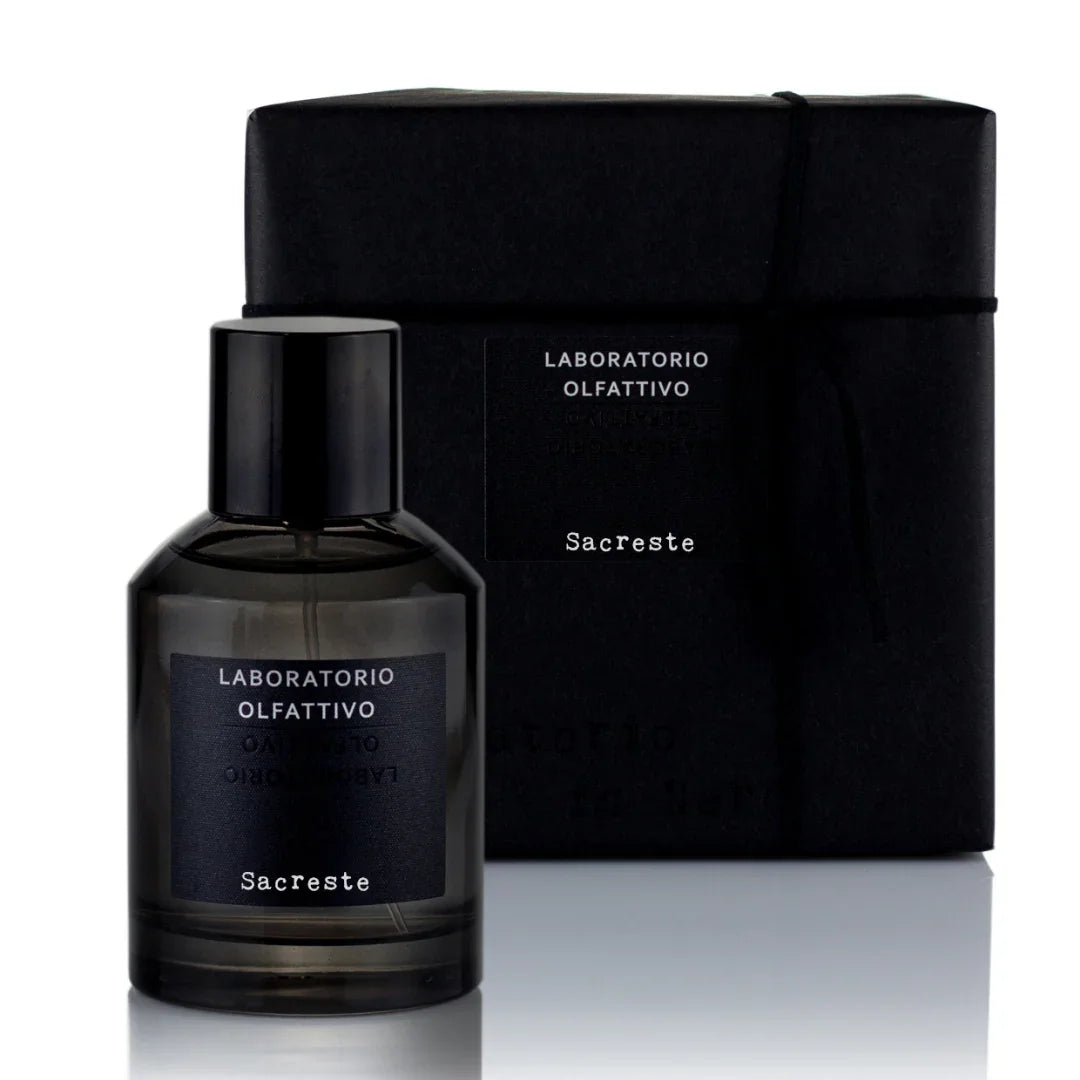
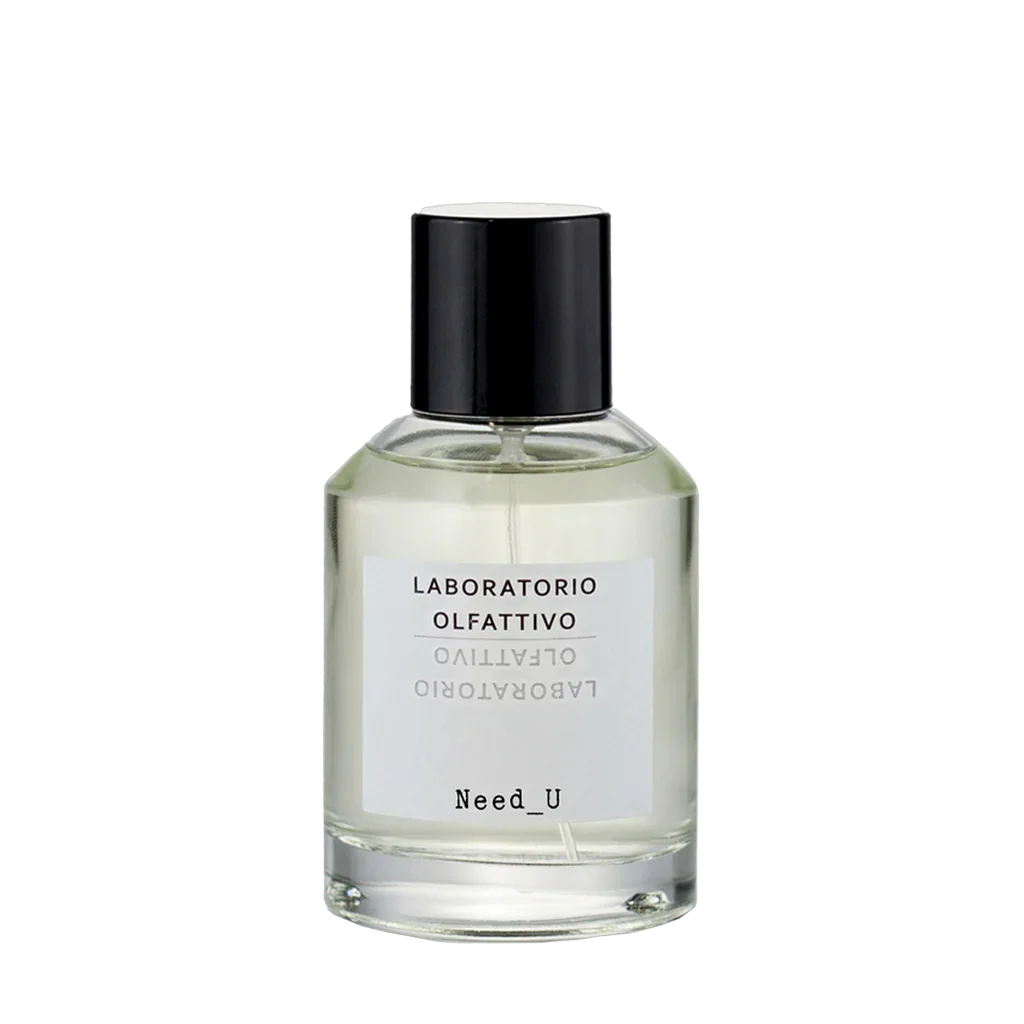
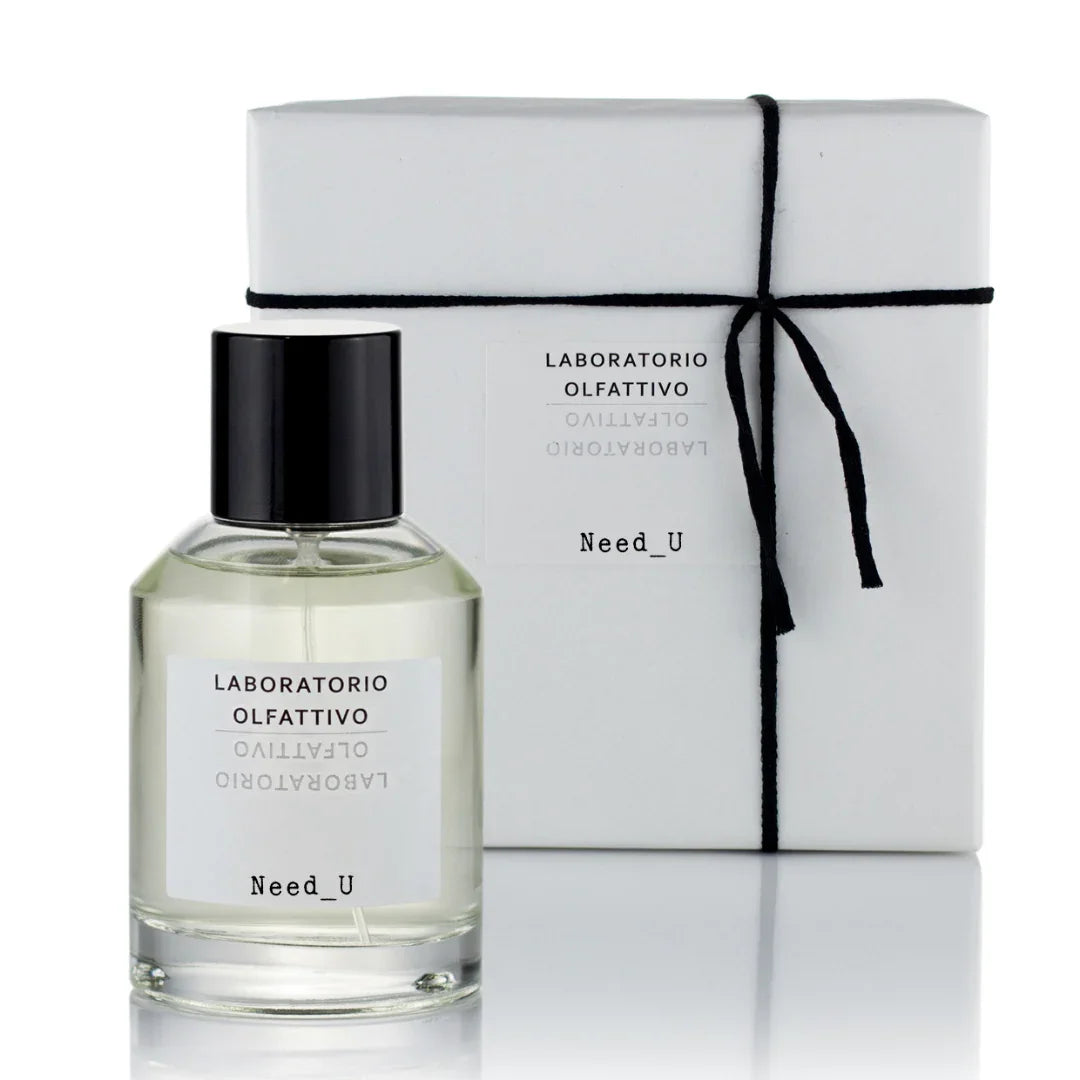
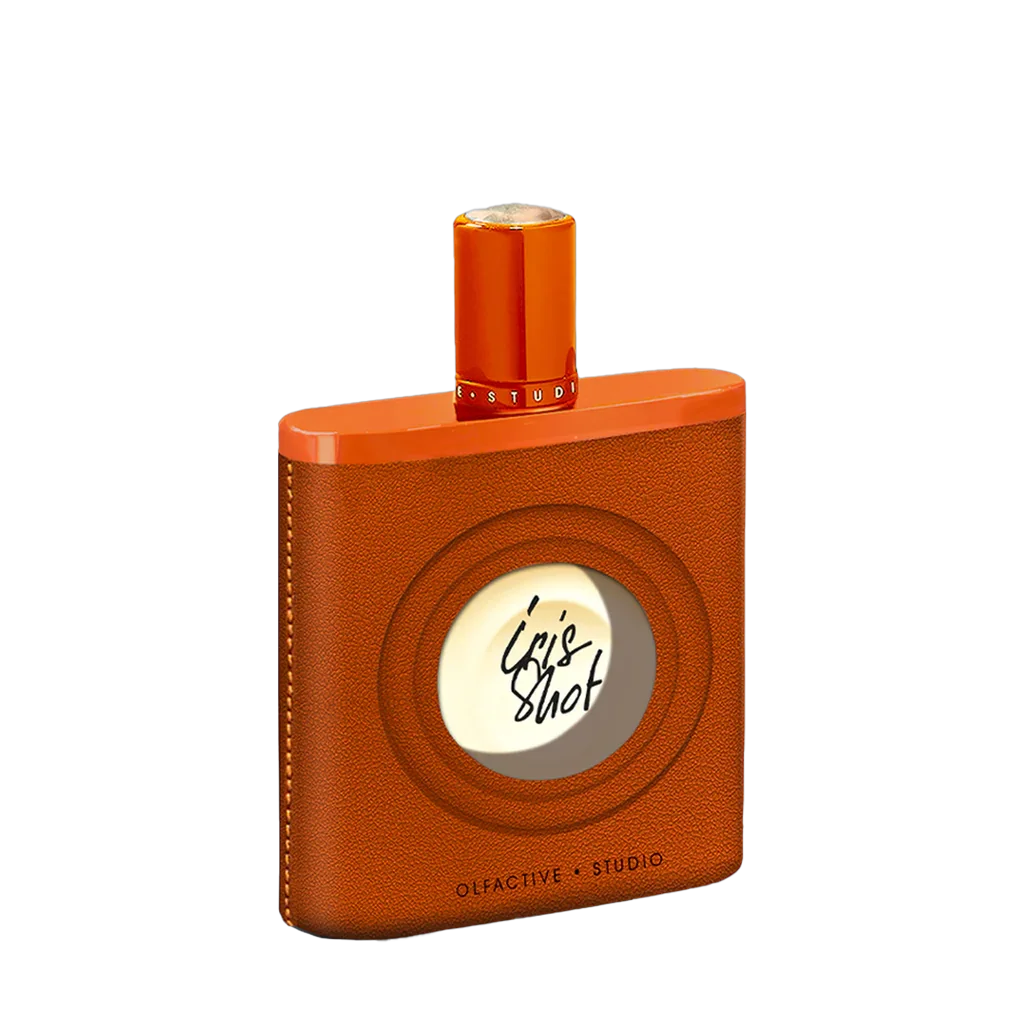
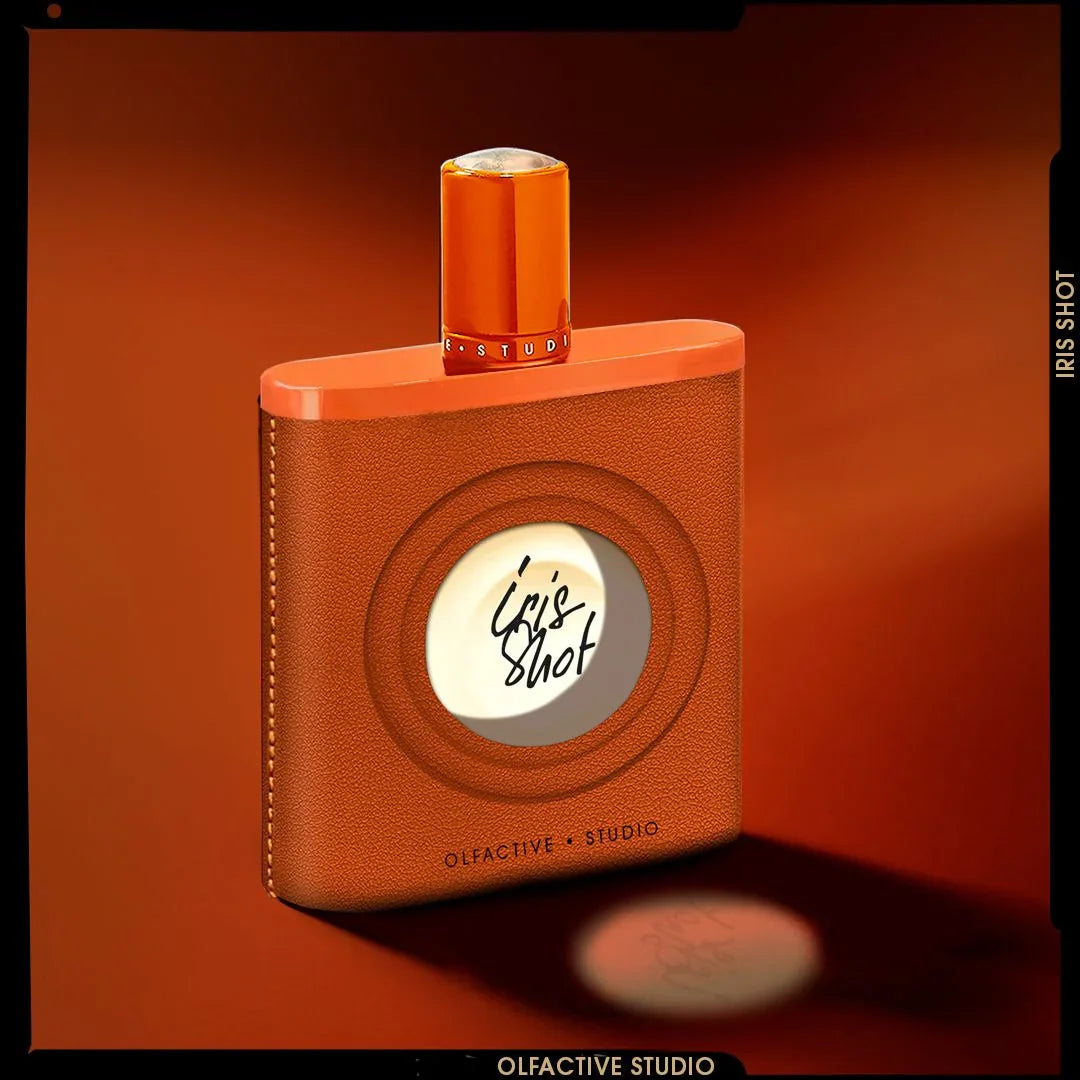
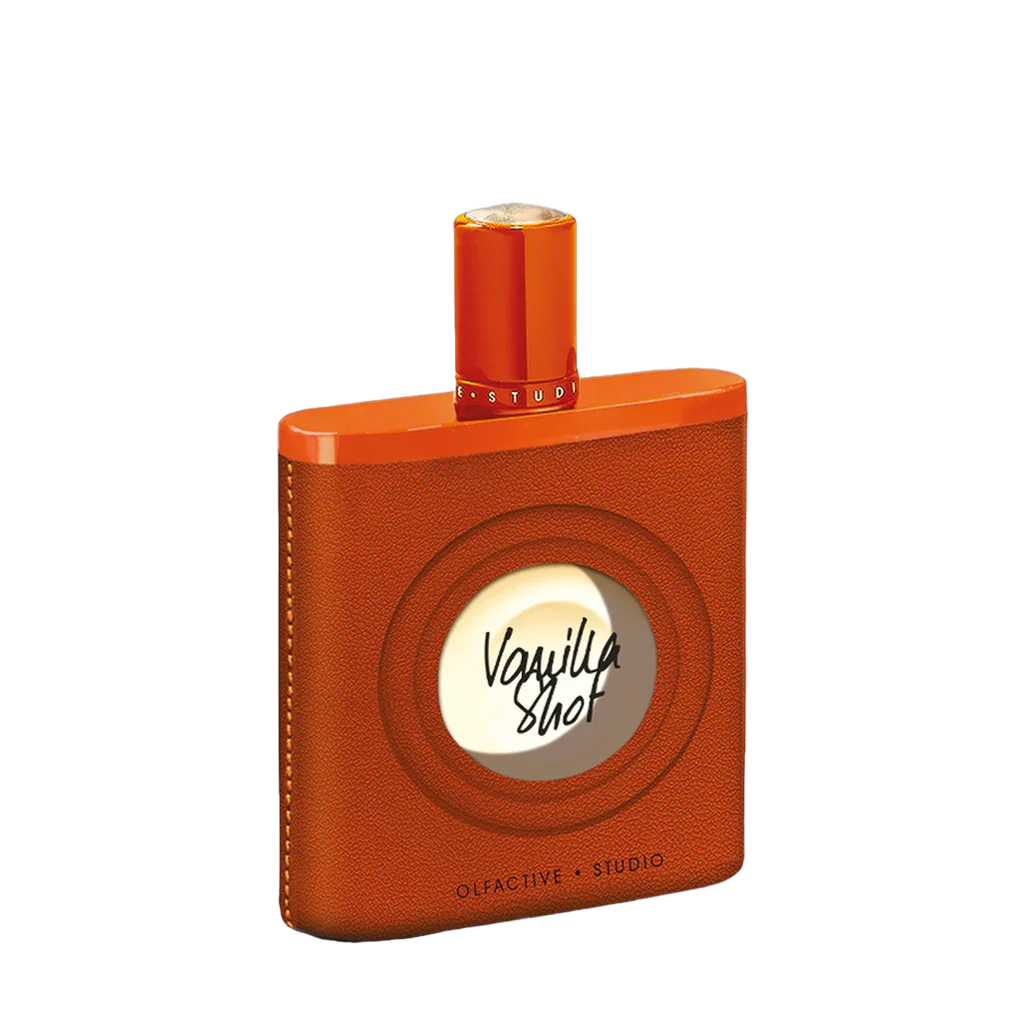
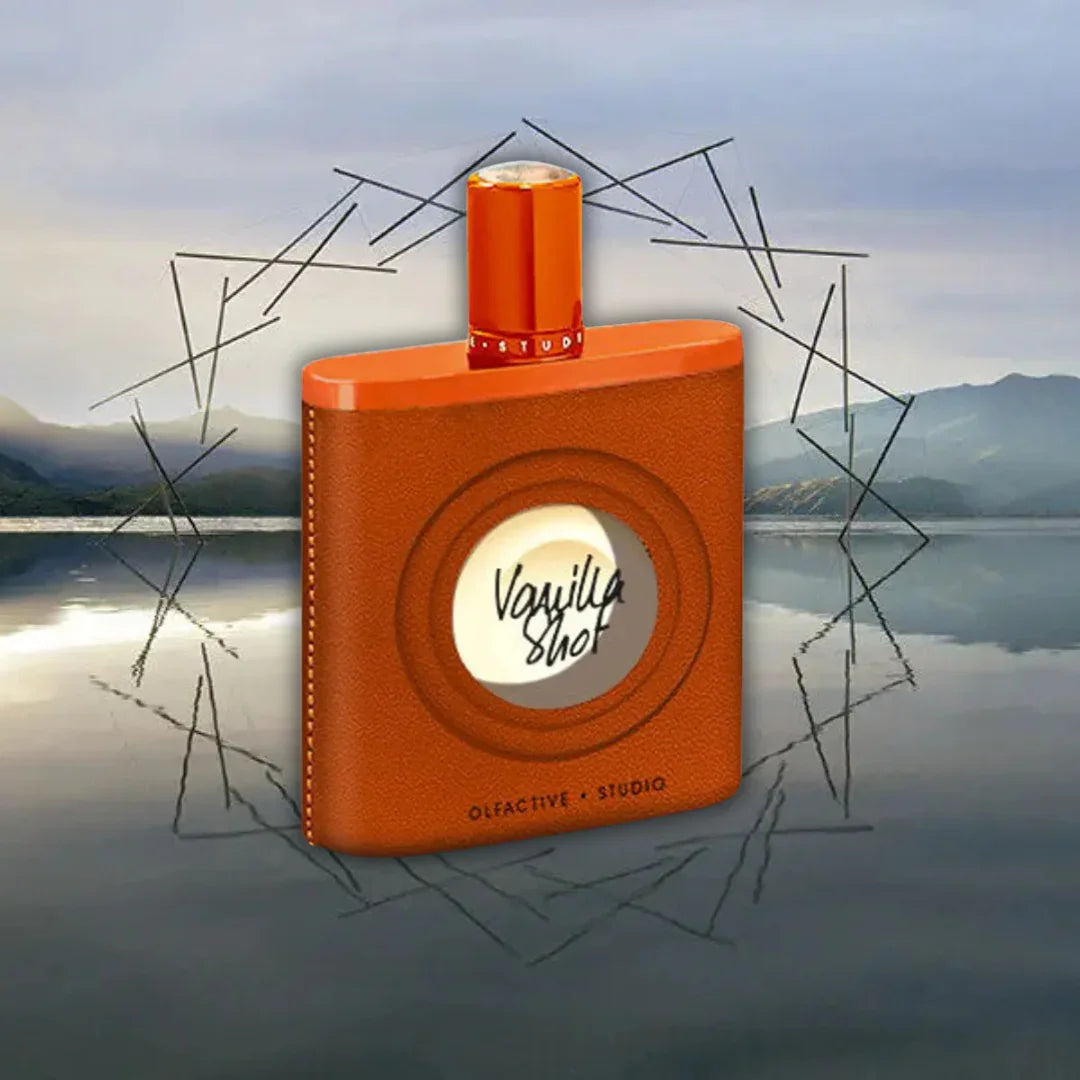
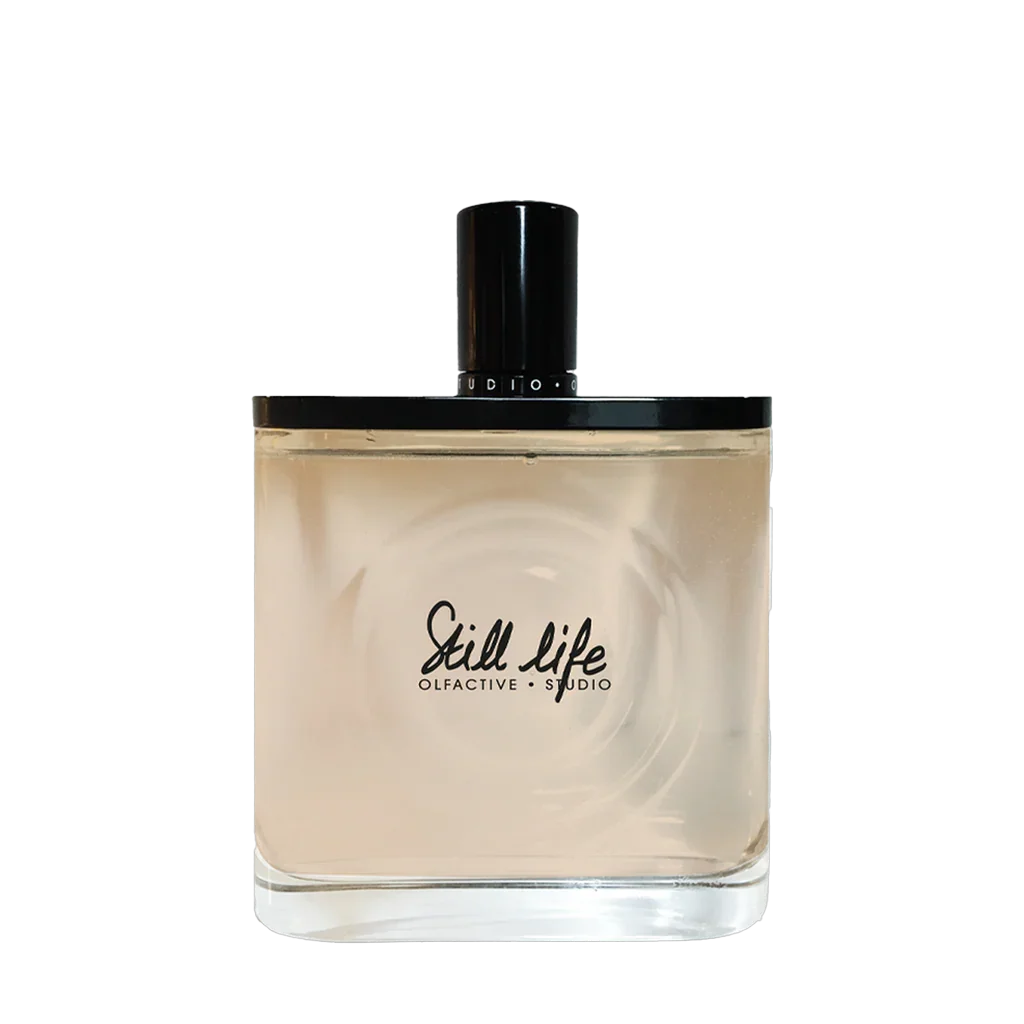

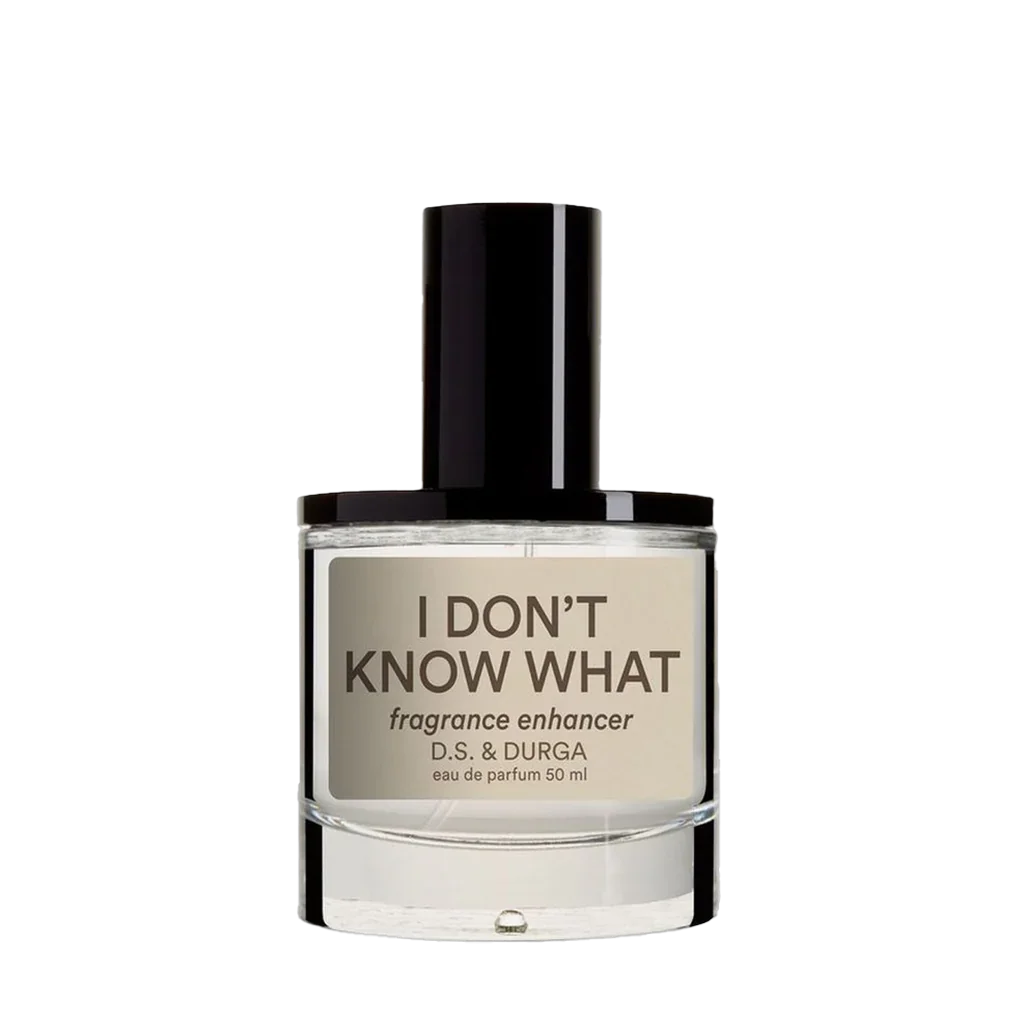
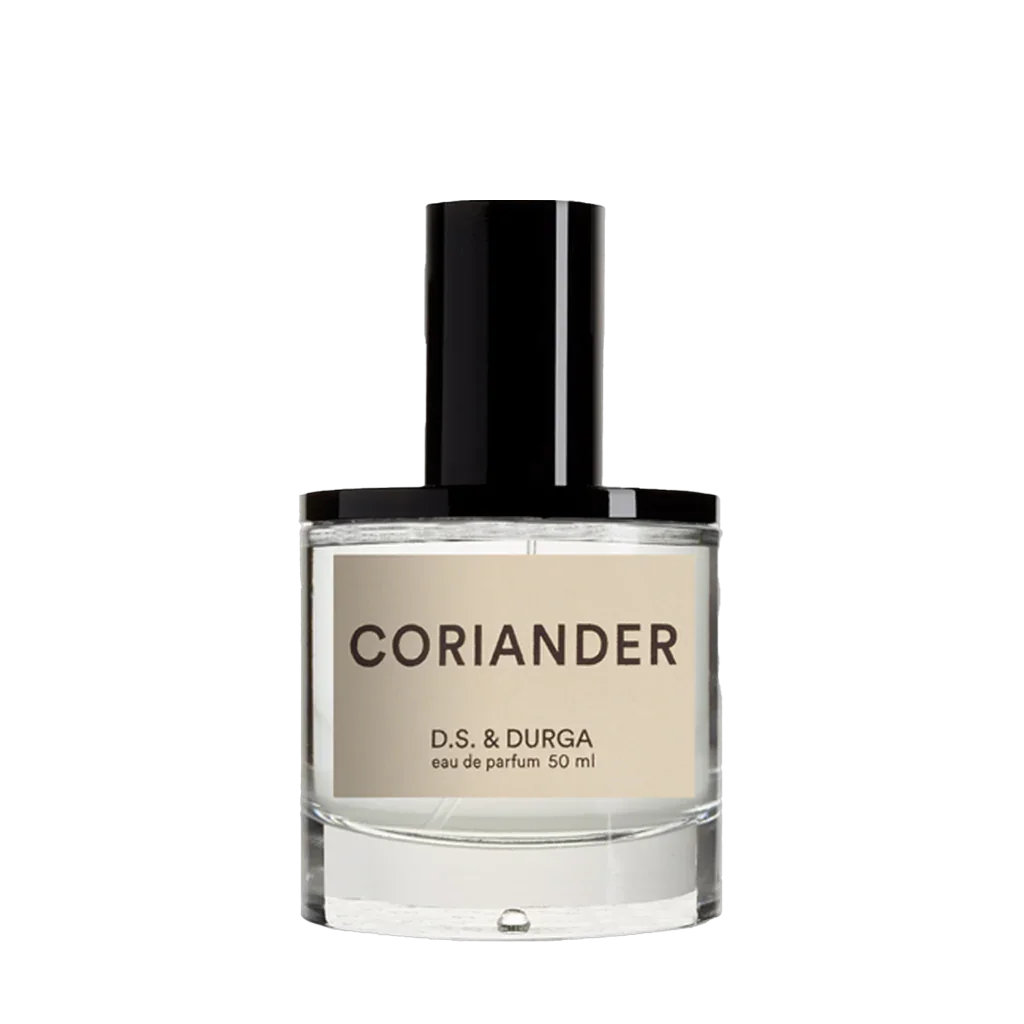

The alchemy of the niche – 10 molecules that change everything
Molecule Compass – the modern niche trinity and its tools
The Holy Trinity of niche perfumery
ISO E Super – Room made of wood
ISO E Super is not a "fragrance picture," but an architecture. Originating as a synthetic wood molecule (a laboratory development of the late 20th century), it delivers a velvety, cedar-like transparency that smells less like wood than it evokes wood. In modern niche perfumery, ISO E Super is used to create volume without adding heaviness: it lifts citrus, smooths floral hearts, stretches woods, and makes bases airier. Its famous "come-and-go" effect—this temporary disappearance and sudden reappearance—is not a flaw, but part of its charm: ISO E Super acts like a halo that shifts with skin chemistry.
Ambroxane – mineral ambergris without the myth
Ambroxane (often spelled Ambroxan) is the modern interpretation of ambergris aesthetics: warm, salty-mineral, close to the skin, and extremely long-lasting. Historically, the idea stemmed from the analysis of ambergris's scent; today, ambroxane is produced industrially and synthetically, often from plant precursors such as sclareol (clareol) or via biotechnological methods. In its niche , ambroxane is the quiet backbone of "clean, warm, skin" signatures: it fixes, connects, prolongs – and gives the fragrance that vibrant presence that evokes not sweetness, but dry warmth.
Hedione – light, air, floral radiance
Hedione is the modern idea of jasmine, but with transparency: less floral bouquet, more air around the blossoms. Chemically developed as a jasmonate derivative, Hedione became famous for its ability to "open up" fragrances: it makes them bigger, brighter, more wearable – and lends many formulas a floating diffusion. In niche perfumery, Hedione is not a secondary ingredient, but a style-defining tool: it enhances citrus and green accords, makes musk cleaner, and brings floral themes into a modern, non-sweet elegance.
Structure and texturizers in niche perfumery
Cashmeran – textile warmth with mineral shade
Cashmeran is a synthetic "texture" molecule with a history in modern aroma chemistry: warm and woody, slightly spicy, with a mineral, almost metallic expansiveness. In niche fragrances, Cashmeran serves as a material element: it softens wood, makes ambergris more substantial, and warms musk. In the right dosage, it feels like cashmere on skin; in too high a dosage, it becomes flat. Its strength lies in the in-between: not wood, not musk, not ambergris – but rather a connecting element.
Javanol – Sandalwood of the future
Javanol is a powerful sandalwood molecule: creamy, radiant, modern, with high diffusion and enormous persistence. It was created out of the need for a consistent, sustainable sandalwood aesthetic, independent of fluctuating natural products. In niche markets, Javanol is used when sandalwood is not meant to evoke a nostalgic feeling, but rather a clear, bright, and "polished" one – as a supporting element in minimalist wood fragrances or as a smoothing body component in floral and amber structures.
Galaxolide – clean skin, soft laundry, quiet suction
Galaxolide is a classic (polycyclic) musk, iconic for the "clean musk" aesthetic: soft, powdery, pristine, and unobtrusive. In niche perfumery, galaxolide is often deliberately used to make a fragrance wearable and intimate—as a "background velvet" that smooths edges, reduces volume, and tightens the composition. It's less a statement than a signature: the subtle pull to "smell it again."
Effect molecules in niche perfumery
Ethyl maltol – gourmand effect in a precise dose
Ethyl maltol is the quintessential caramel-like, sugary effect molecule: it can evoke the glow of burnt sugar, cotton candy, and warm caramel. In niche applications, ethyl maltol is both a risk and a gift: micro-doses round out fruit, ambergris, and wood, creating an "edible" warmth; too much makes everything sticky and masks personality. As an effect substance, it's not a raw material for depth, but for surface – and that's precisely why it must be controlled.
Aldehydes – sparks, soap, steel and champagne air
Aldehydes are not a single substance, but a family. Their use can range from soapy and clean to metallic and cold, to sparkling and airy. Historically, aldehydes have shaped the idea of abstract elegance; in the modern niche, they are used to "dematerialize" top notes: citrus becomes brighter, florals become airier, musk becomes clearer. Aldehydes are both effect and structure – they create brilliance, but also distance if overused.
Calone – the sea as a molecule, freshness with a polar effect
Calone is the famous aquatic molecule that evokes the scent of the sea: melon-fresh, ozonic, and with a salty, evocative quality. In niche fragrances, it's experiencing a kind of rehabilitation: not as a 90s aquatic cliché, but as a deliberate effect to create transparency, coolness, and expansiveness – often tempered by woods, incense, or mineral ambergris. Calone is extremely polarizing: in the right dose, it's like a breeze; in the wrong dose, like synthetic surf.
Coumarin – Hay, Tonka, warmth with shade
Coumarin is the classic tonka bean/hay core: warm, almondy, slightly tobacco-like, dry-sweet. Historically important (in fougère structures), coumarin remains a key to a comforting warmth without cloying vanilla in the niche market. It binds lavender, woods, amber, and resins together to create a darker, drier comfort. In too high a dose, it can sound dusty; used precisely, it provides the warm, shadowy edge that elevates a fragrance.
Copyright by scent amor © 2026 (grw)
Frequently asked Questions about Synthetic Perfume Molecules
How do "skeleton molecules" like ISO E Super, Hedione, and Galaxolide invisibly support a fragrance?
What gives niche fragrances their fascinating textures—from "wet concrete" to "creamy sandalwood" (Cashmeran, Javanol, Coumarin)?
How do Aldehydes, Calone, and Ambroxan create artificial atmospheres like sea breezes or metallic freshness?
Why are Ethyl Maltol and modern molecular combinations the reason for the global success of "Gourmand" fragrances?
Discover all fragrances
Amber Perfumes
Ambergris Perfumes

Ambroxan
Aquatic Perfumes
Bergamot Note
Cashmeran
Chypre Perfumes
Floral - Flowery Perfumes
Fougère Perfumes
Fresh Perfumes
Fruity Perfumes
Gourmand Perfumes
Green Perfumes
Woody Perfumes

Iris Perfumes

ISO E Super
Jasmine
Lavender Note
Leder Parfums
Lily of the valley
Mint
Musk Perfumes
Myrrh
Neroli Note
Orientalische Parfums
Osmanthus
Oud Perfumes
Patchouli Perfumes
Petitgrain Note
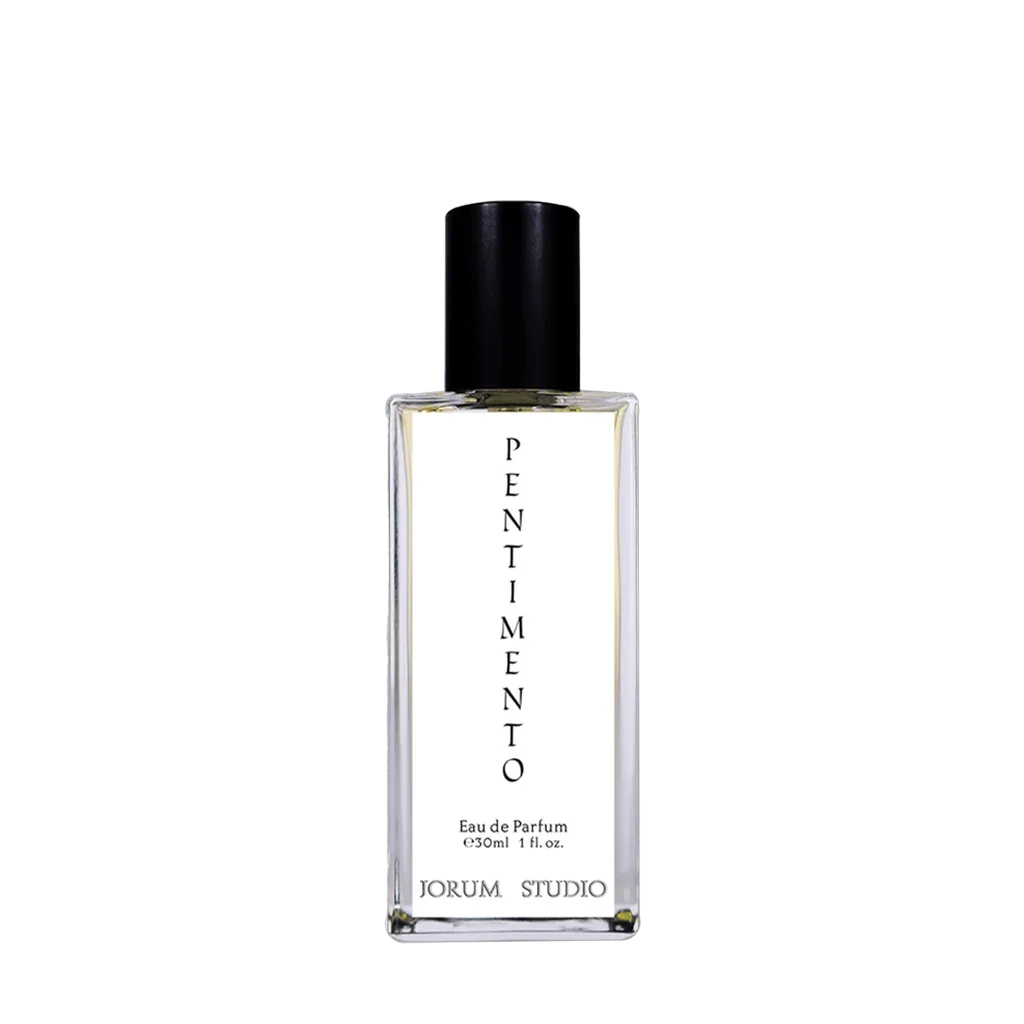
Pepper Notes

Powdery Perfumes

Rose Perfumes
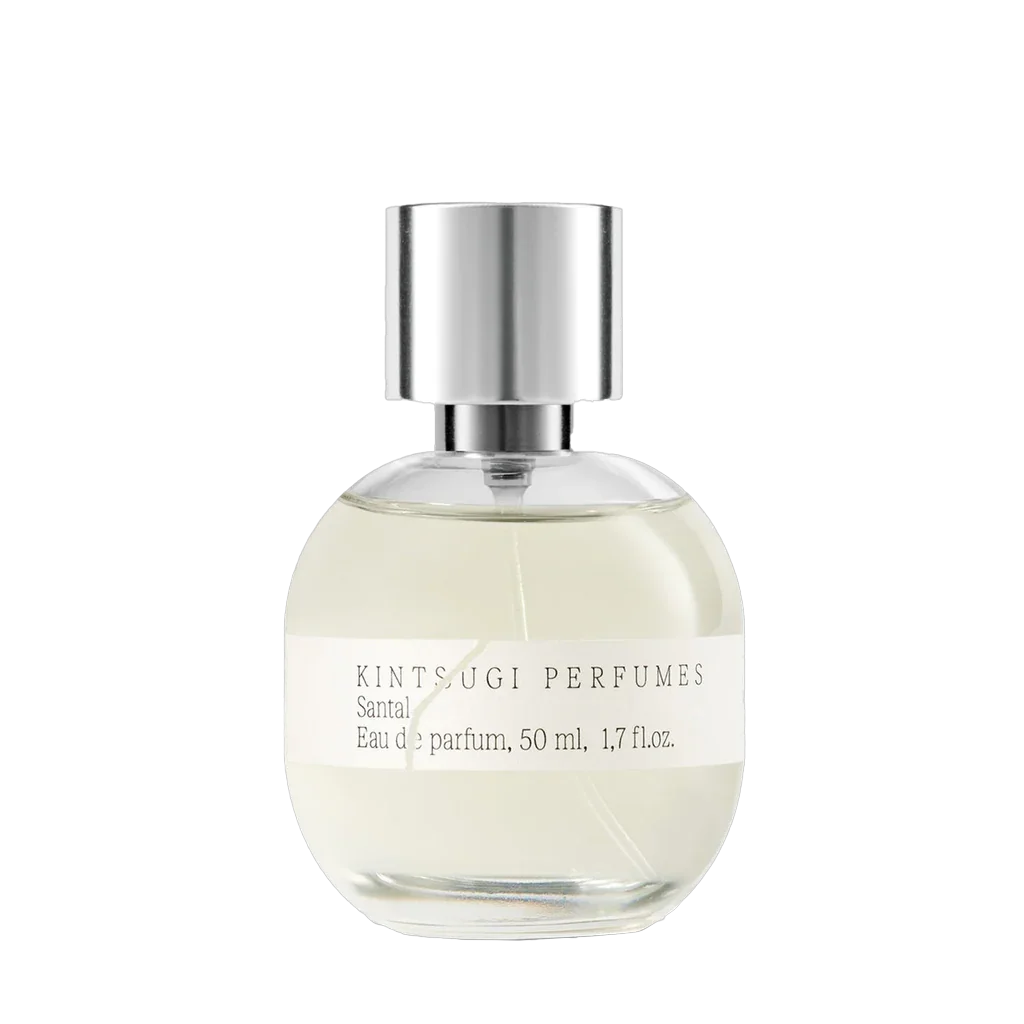
Sandalwood Note
Sweet Perfumes
Synthetic Perfume Molecules
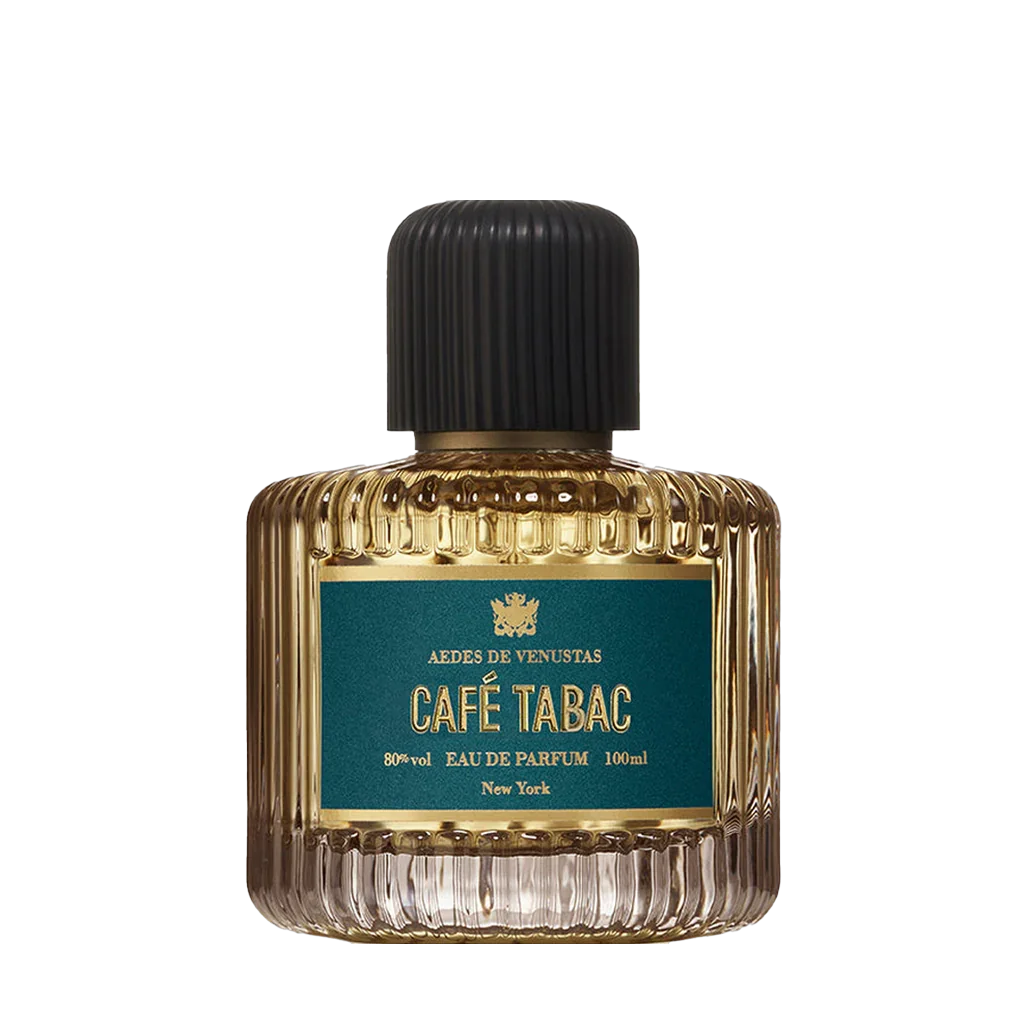
Tobacco Perfumes
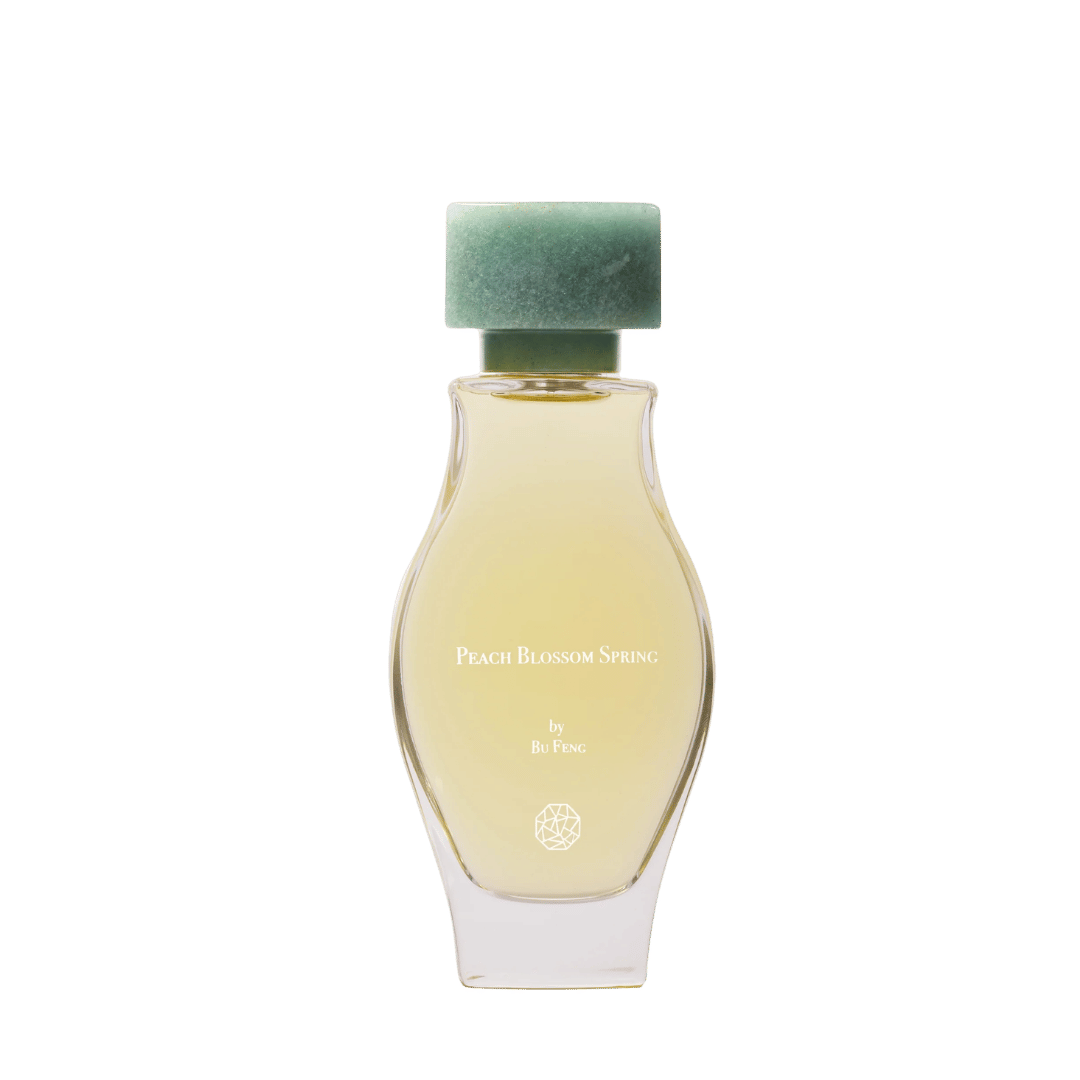
Tropical Perfumes
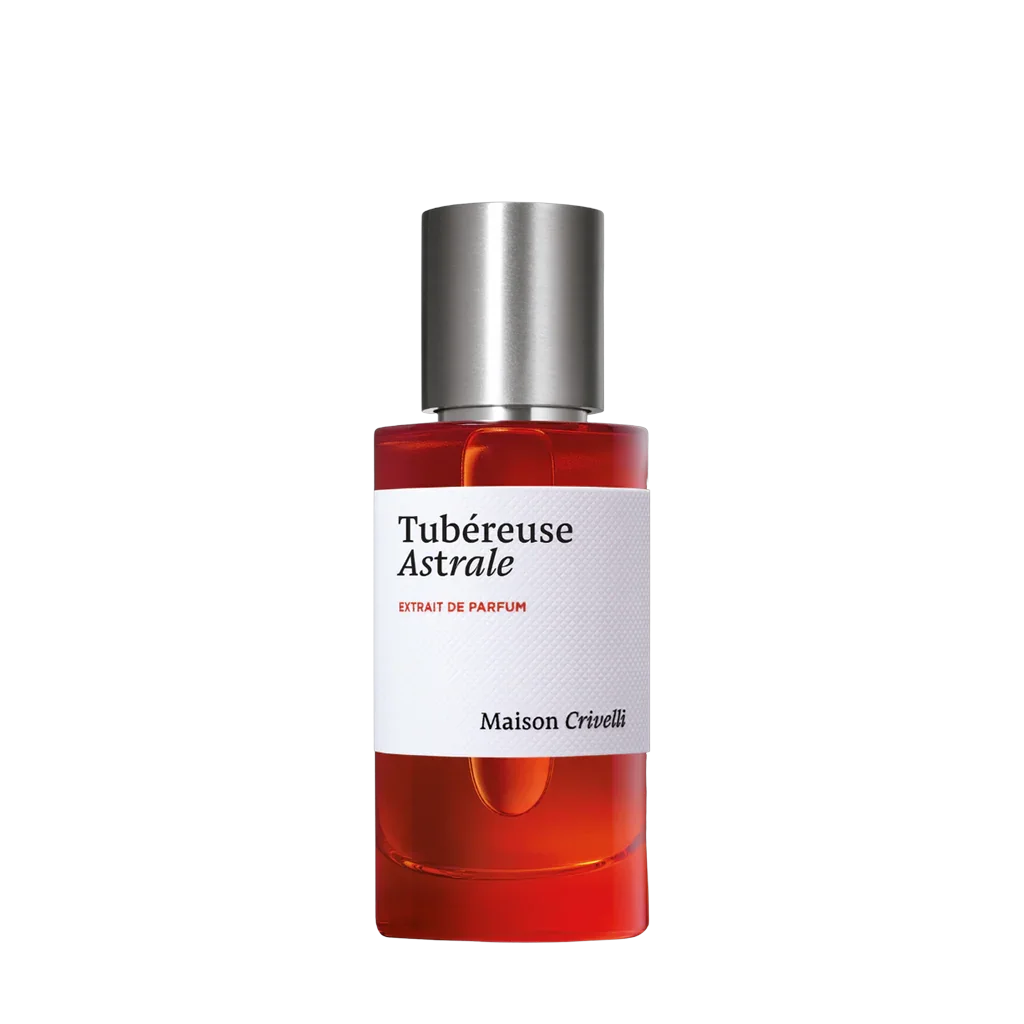
Tuberose Perfumes
Vanilla Perfumes

Violet
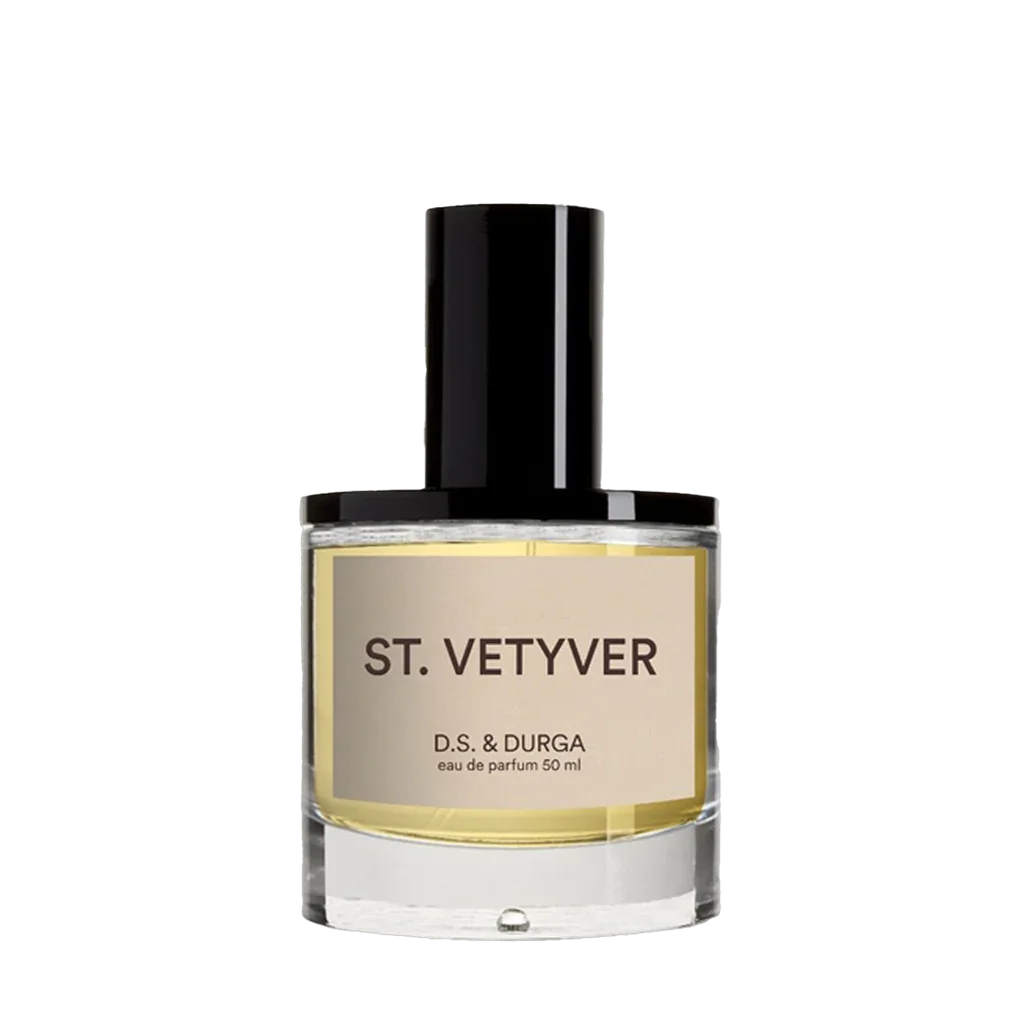
Vetiver Perfumes
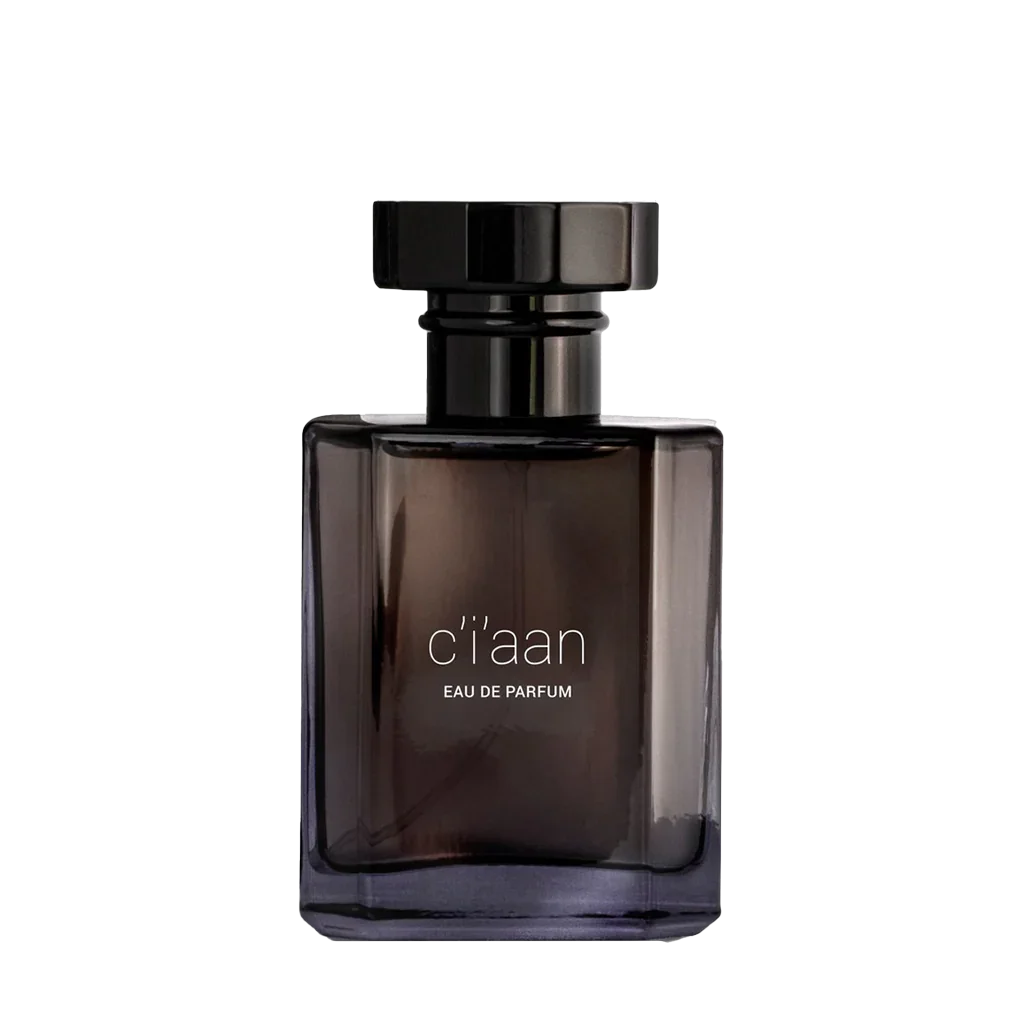
Juniper
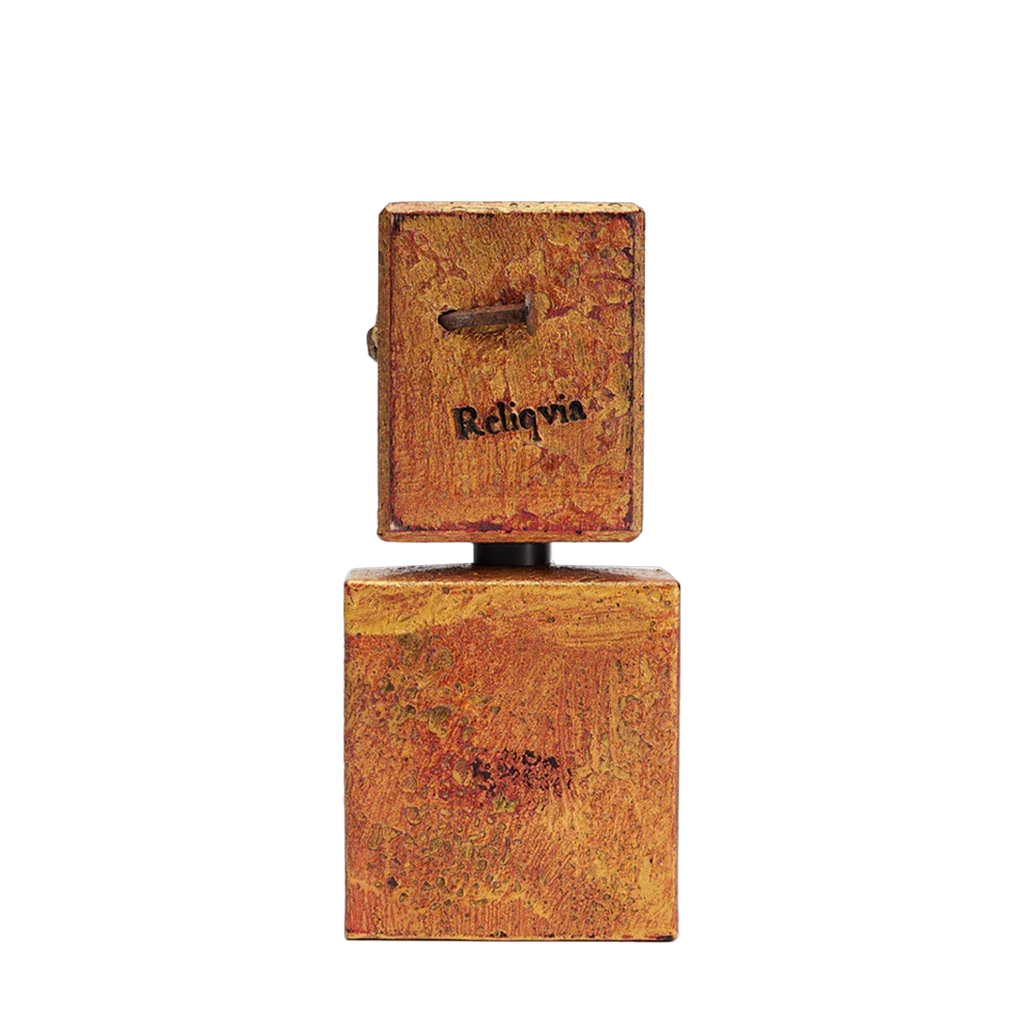
Frankincense Perfumes

Spicy Perfumes

Cinnamon
Citrus Perfumes

Our fragrance news.
Curated for you.
To subscribe to our newsletter and secure your discount, please accept our cookies. Also, make sure that your ad blocker (uBlock, AdBlock) is disabled and JavaScript is enabled.
Our fragrance news.
Curated for you.
To subscribe to our newsletter and secure your discount, please accept our cookies. Also, make sure that your ad blocker (uBlock, AdBlock) is disabled and JavaScript is enabled.