

Filters
366 products
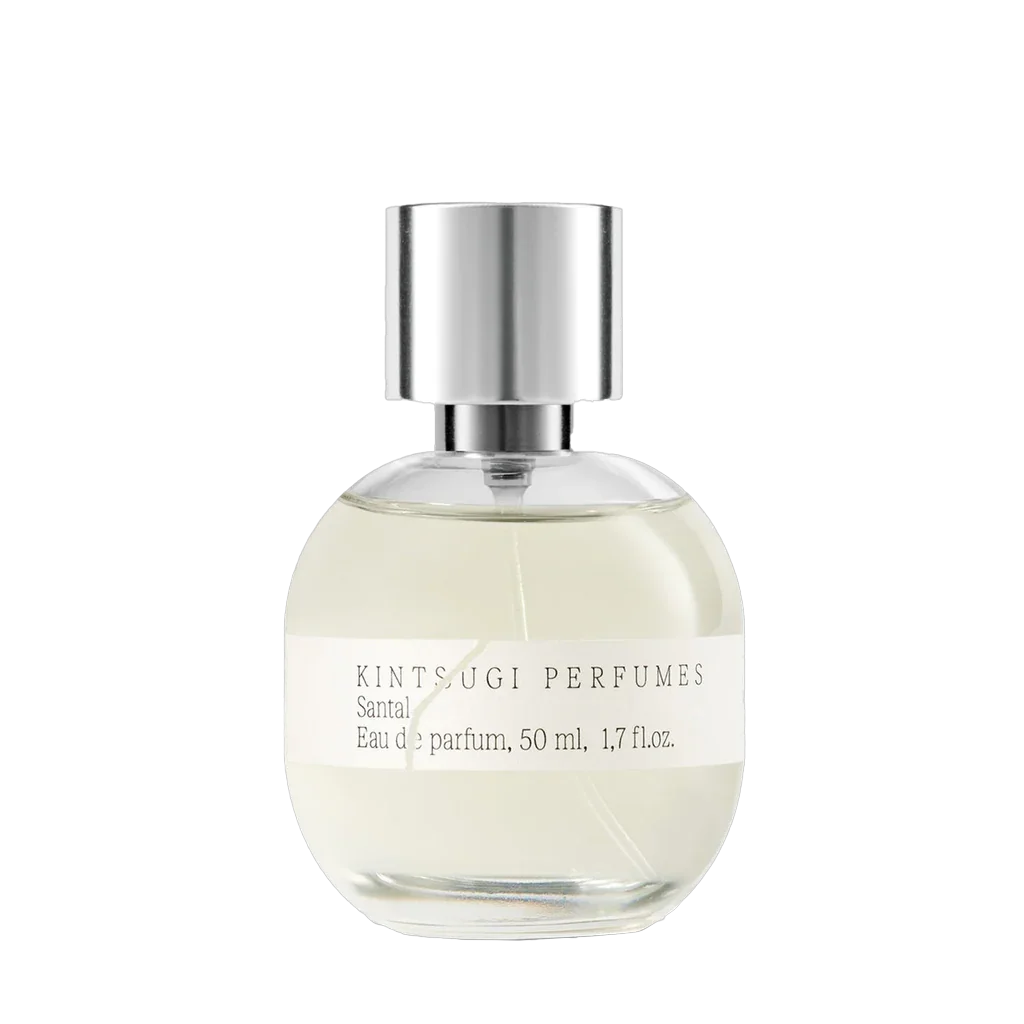






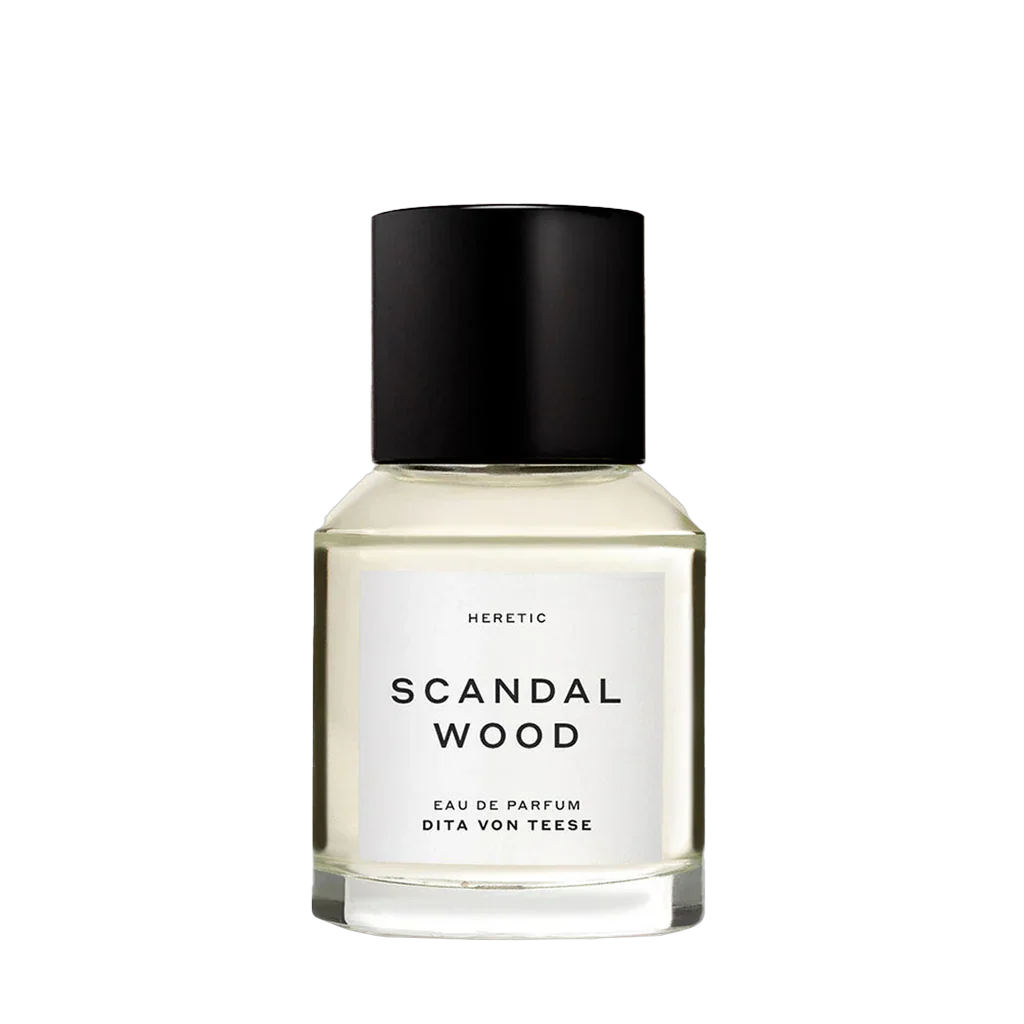
Sandalwood – the quiet depth of perfumery
Sandalwood – quiet warmth, precisely described without aromatic embellishment.
Sandalwood is one of the most tranquil yet effective raw materials in perfumery. It's not a showy accord, not a sweet ornament – but rather a creamy-woody, almost skin-warm base note that lends compositions depth, serenity, and body. Sandalwood is quiet but present: a raw material that doesn't make a fragrance louder, but more complete.
Origin and identity – why sandalwood is a sensitive terrain
The classic, highly prized Santalum album comes from Mysore (India). For decades, it was the benchmark for the distinctive, warm, milky sandalwood tone. Due to overexploitation, its production was strictly regulated – and thus even more precious.
Today, two legal, more sustainable sources dominate:
– Australian sandalwood (Santalum spicatum) : drier, woodier, with subtle spice.
– New Caledonian sandalwood (Santalum austrocaledonicum) : creamier, softer, with an almost balsamic roundness.
The differences are clear. Indian sandalwood feels warm, deep, and intimate – almost like melting, light resin. Australian sandalwood has a more austere, drier texture. New Caledonian sandalwood lies in between: round, warm, but somewhat lighter in texture.
Manufacturing – a slow, precise process
Sandalwood oil is distilled from the heartwood – not the bark, not the sapwood, but from the deepest, richest part of the tree. The trees must grow for decades before their wood reaches the required concentration of santalols – the molecules responsible for its creamy, warm profile.
The extraction process usually involves steam distillation over many hours until the dense, oily fraction is obtained.
Modern CO₂ extractions provide a more rounded, complete picture of the wood, almost as if you were smelling the trunk directly: soft, warm, silky.
The fragrance characteristics of the most important qualities
Indian sandalwood – Santalum album
Warm, milky, creamy, almost velvety. A skin accord that deepens the profile of any niche fragrance .
Australian sandalwood – Santalum spicatum
Drier, cleaner, with subtle spice and less sweetness. Ideal for men's fragrances and unisex perfume compositions that seek structure rather than opulence.
New Caledonian sandalwood – Santalum austrocaledonicum
Round, balsamic, warm, but somewhat lighter and more modern. Perfect for exceptional fragrances that emphasize balance rather than richness.
Sandalwood in modern perfumery – tranquility with depth
Sandalwood is an architectural raw material. It supports, shapes, and smooths. It combines floral, spicy, or resinous accords into a warm, natural skin signature.
In luxurious niche perfumes, sandalwood never appears decorative; it is the foundation that holds the composition together – elegant, calm, sovereign.
Copyright by scent amor © 2025 (grw)
Frequently asked Questions about Sandalwood Note
What olfactory properties make sandalwood so sought after in perfumery?
From which parts of the sandalwood tree is the oil extracted, and what makes it a luxury item?
Where is sandalwood placed in the fragrance pyramid and with which notes does it harmonize particularly well?
Why are synthetic sandalwood alternatives often used in modern perfumery?
Discover all fragrances
Amber Perfumes
Ambergris Perfumes

Ambroxan
Aquatic Perfumes
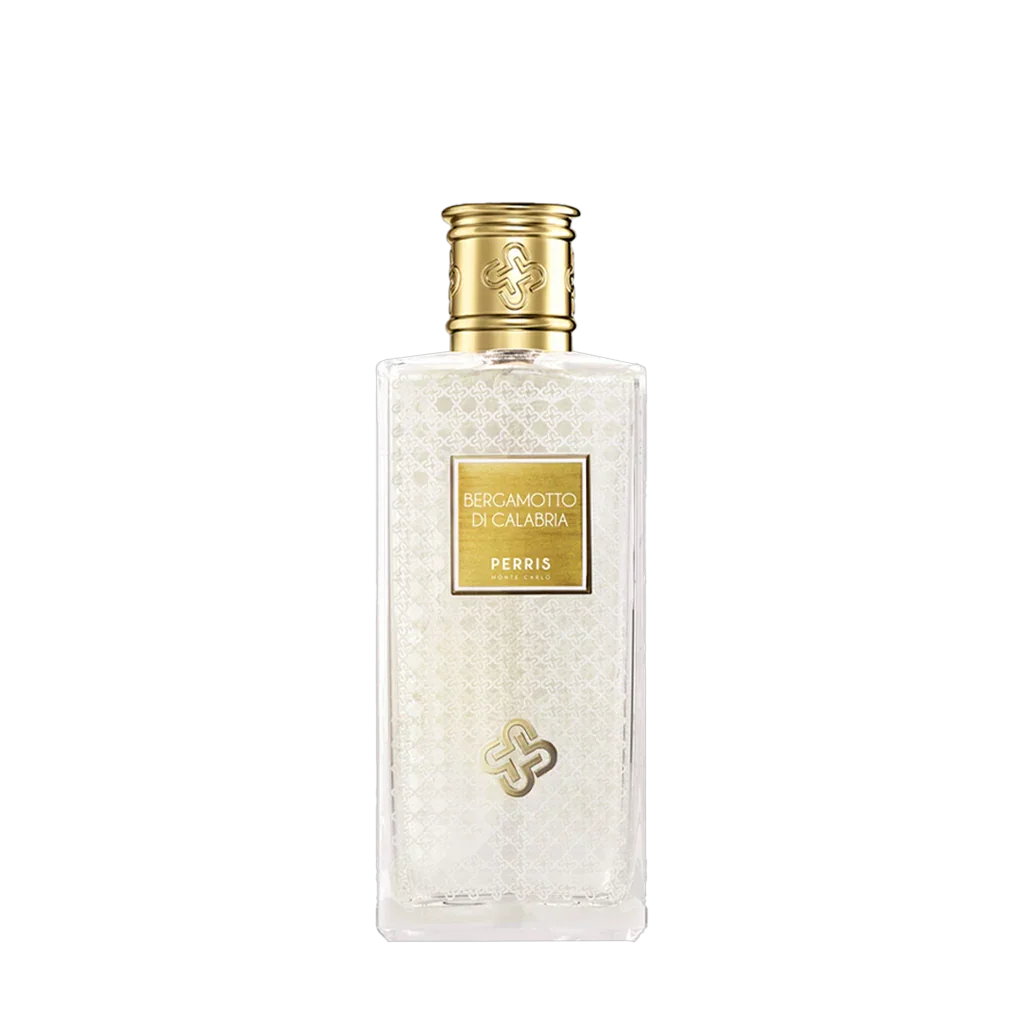
Bergamot Note
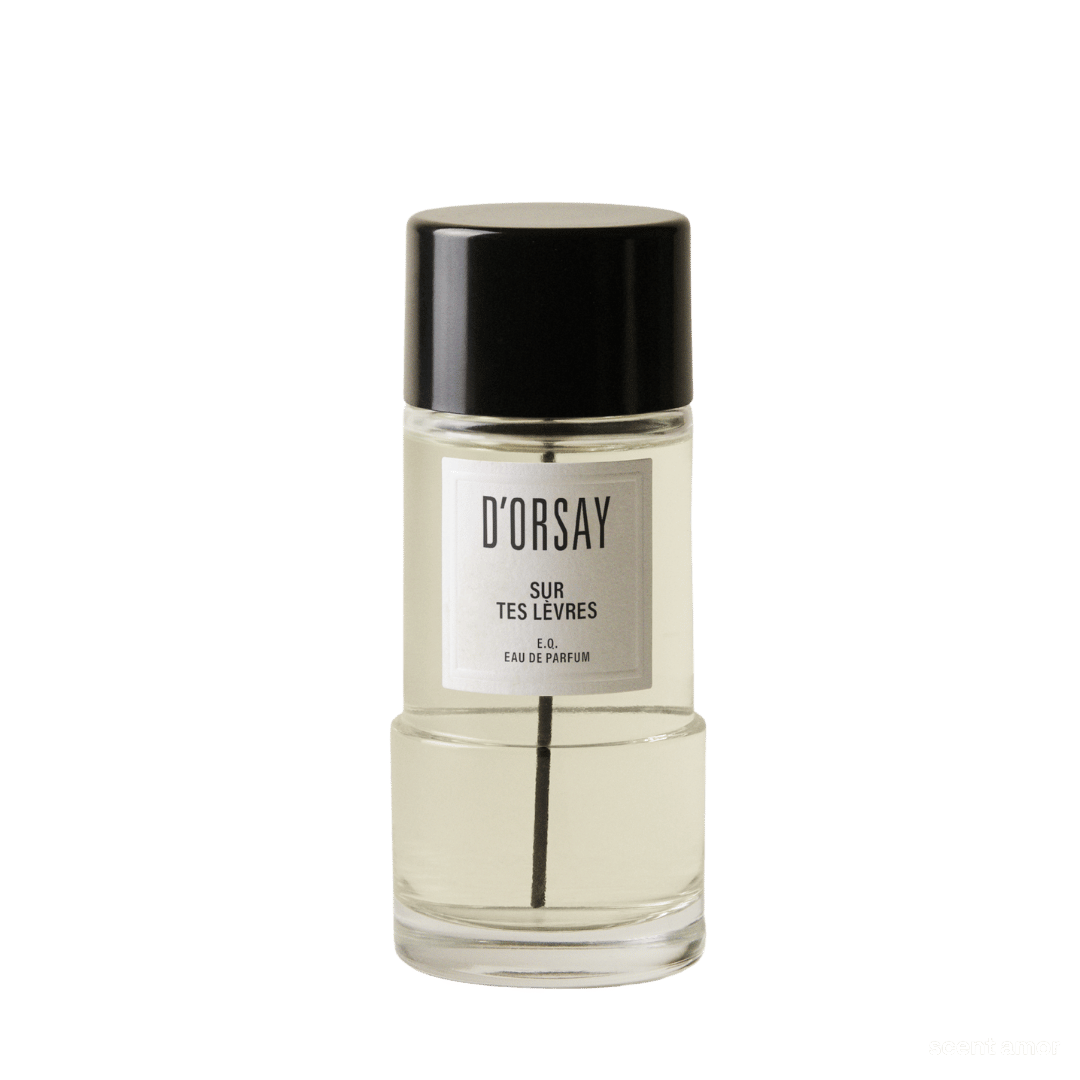
Cashmeran
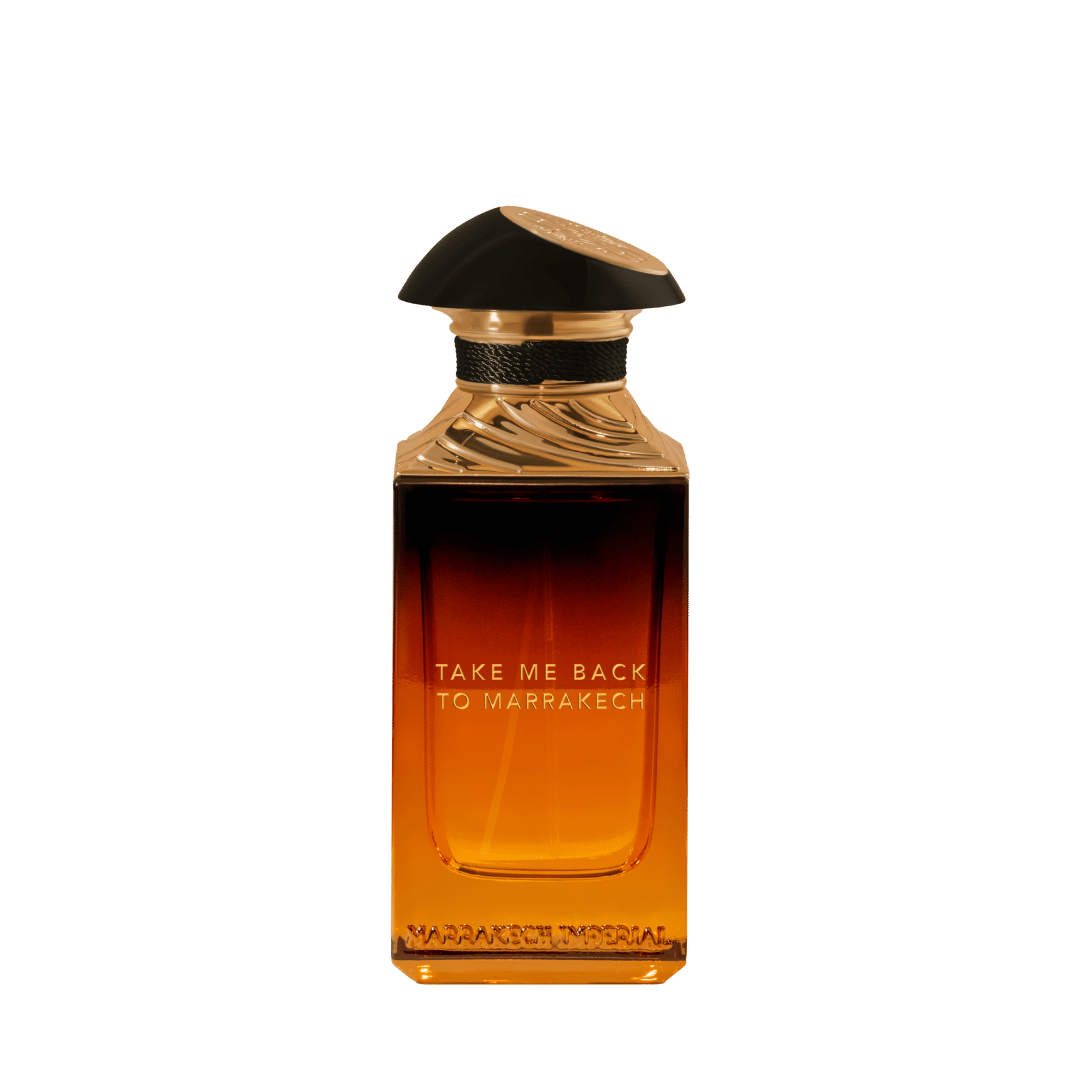
Chypre Perfumes
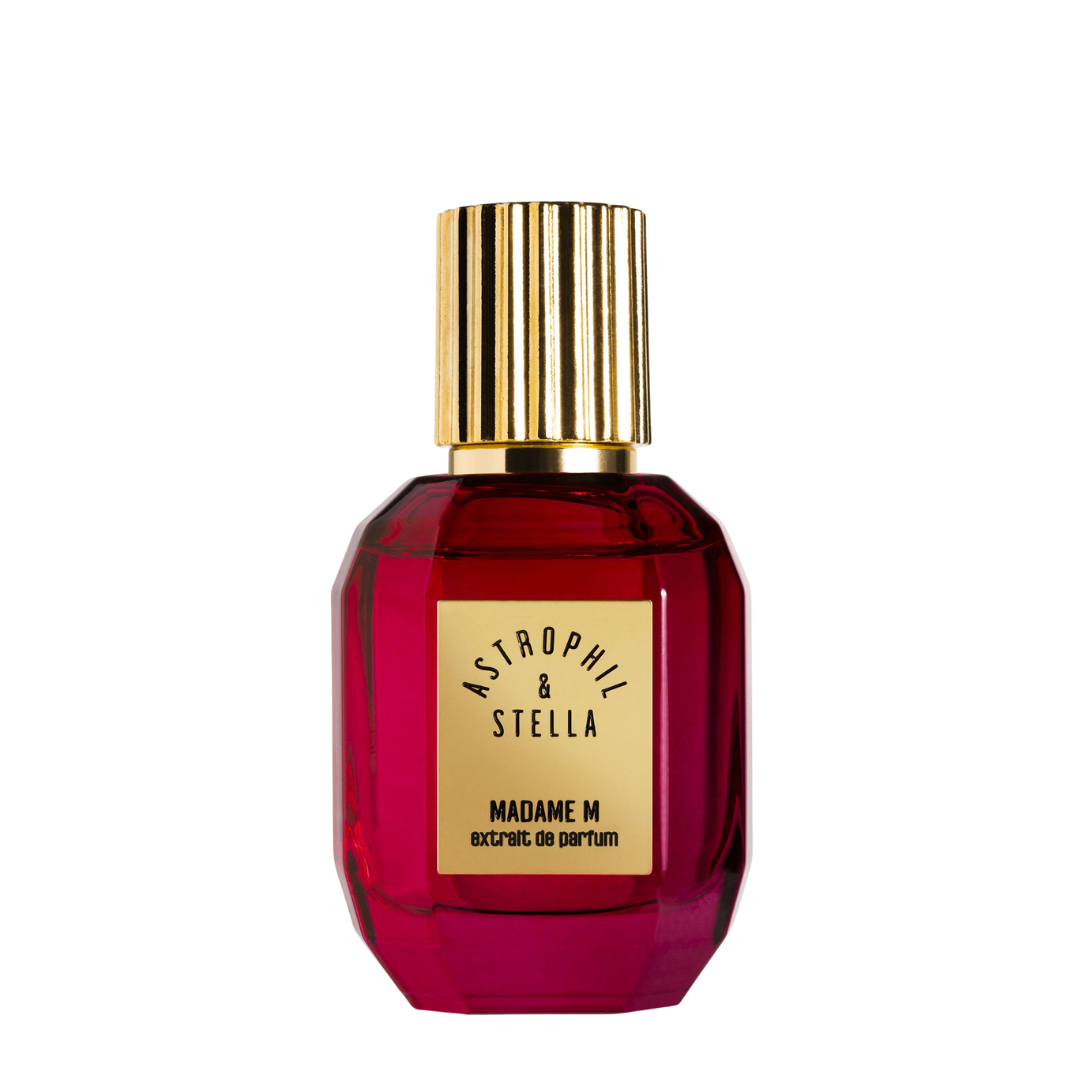
Floral - Flowery Perfumes
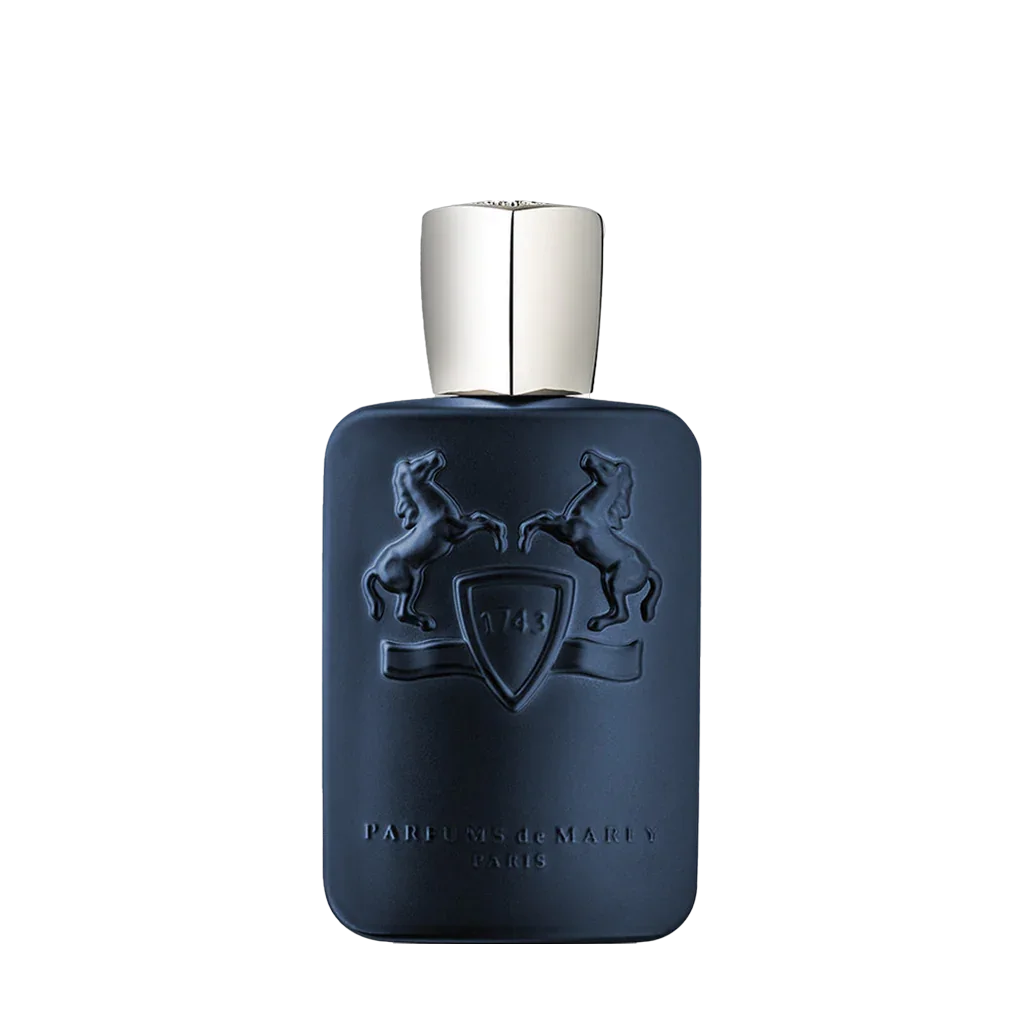
Fougère Perfumes
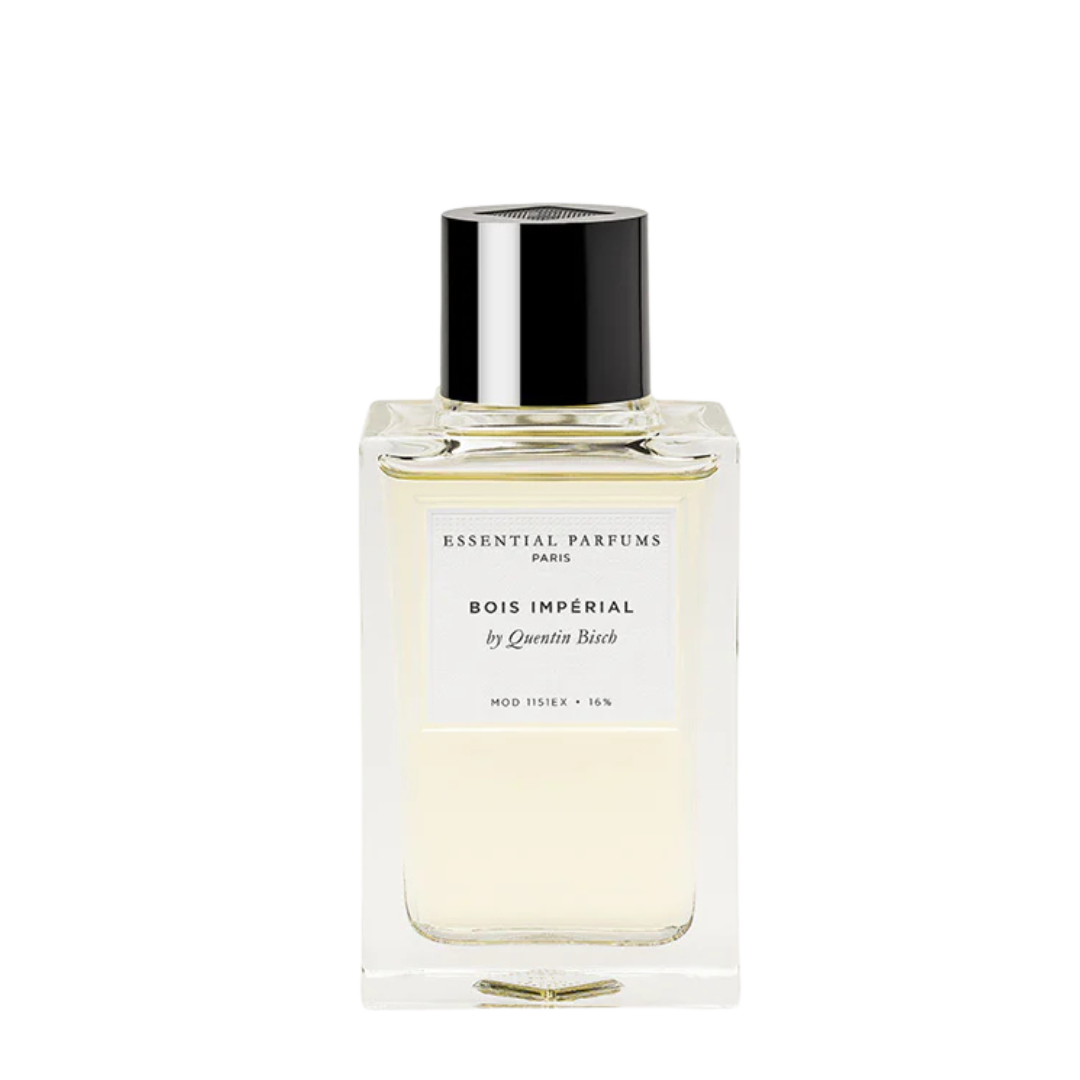
Fresh Perfumes
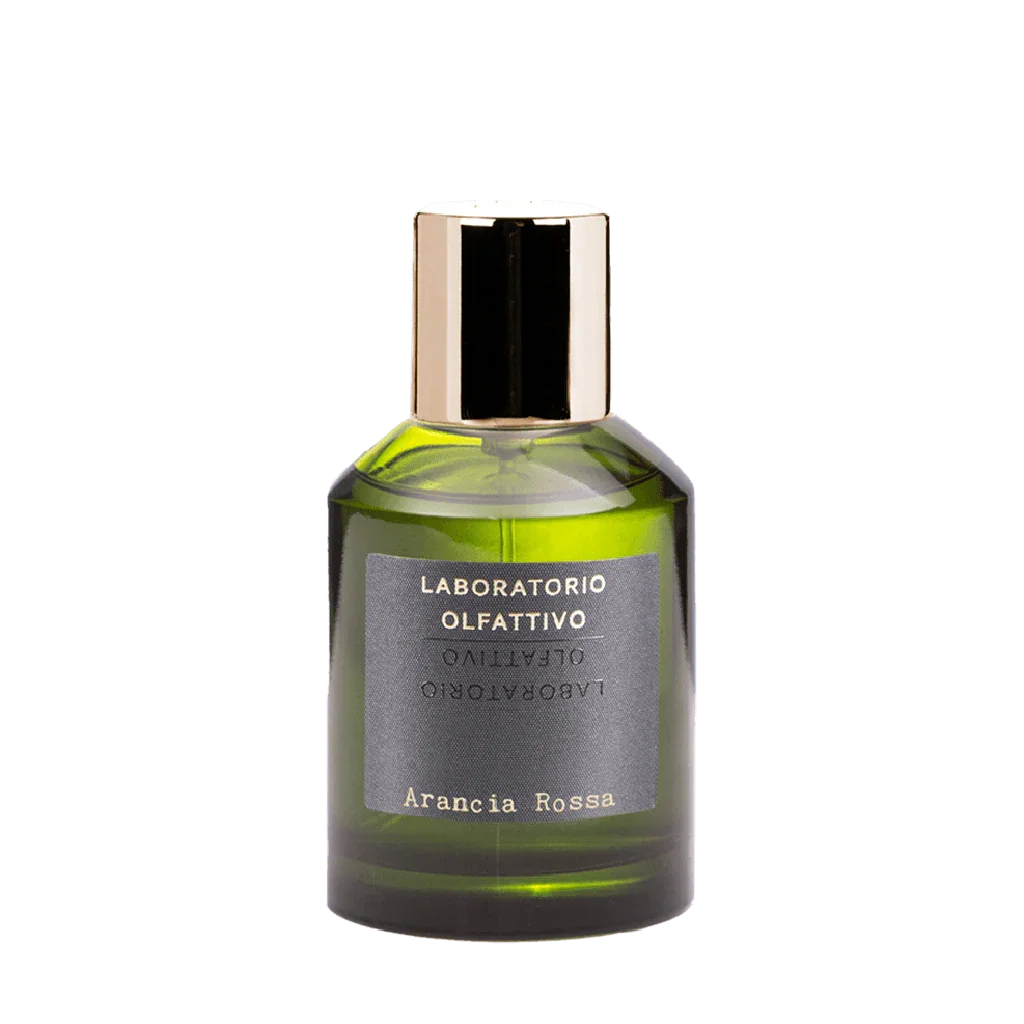
Fruity Perfumes
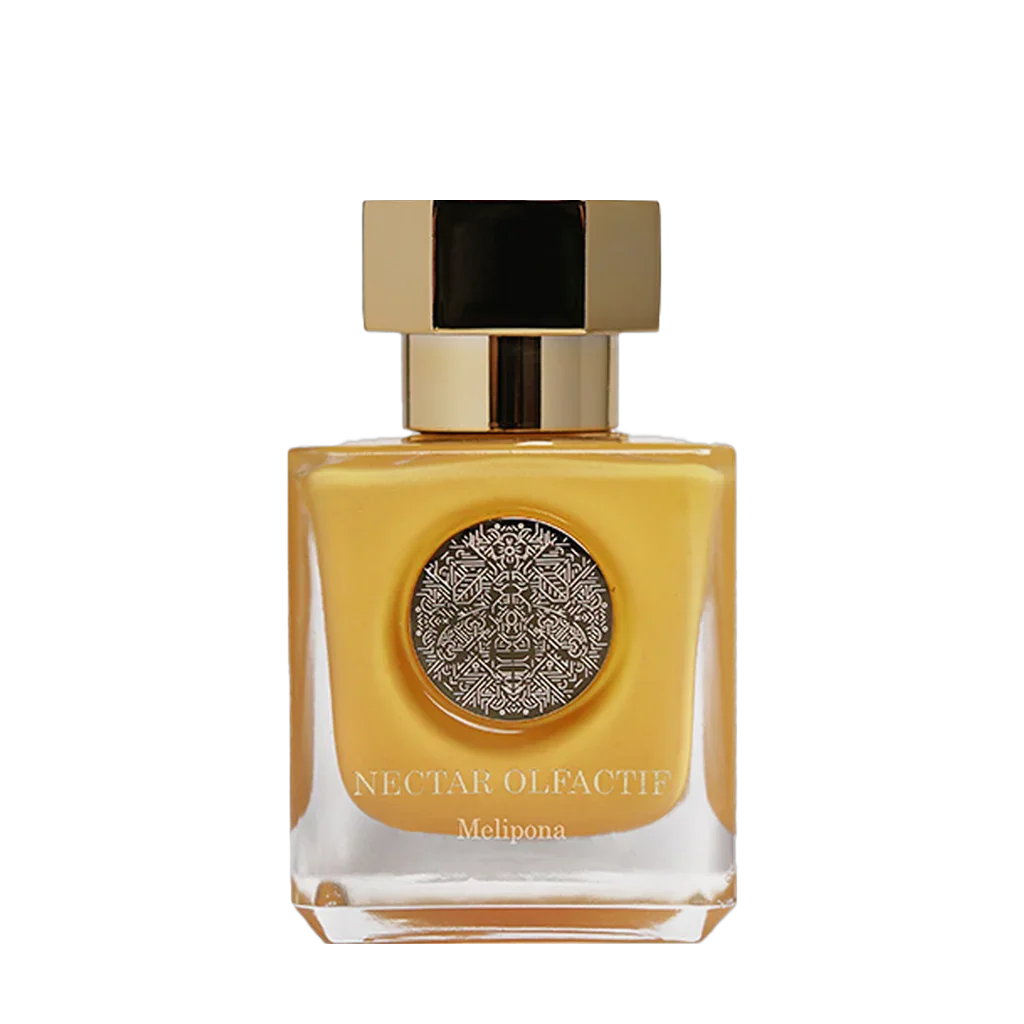
Gourmand Perfumes
Green Perfumes
Woody Perfumes

Iris Perfumes
ISO E Super
Jasmine
Lavender Note
Leder Parfums
Lily of the valley
Mint
Musk Perfumes
Myrrh
Neroli Note
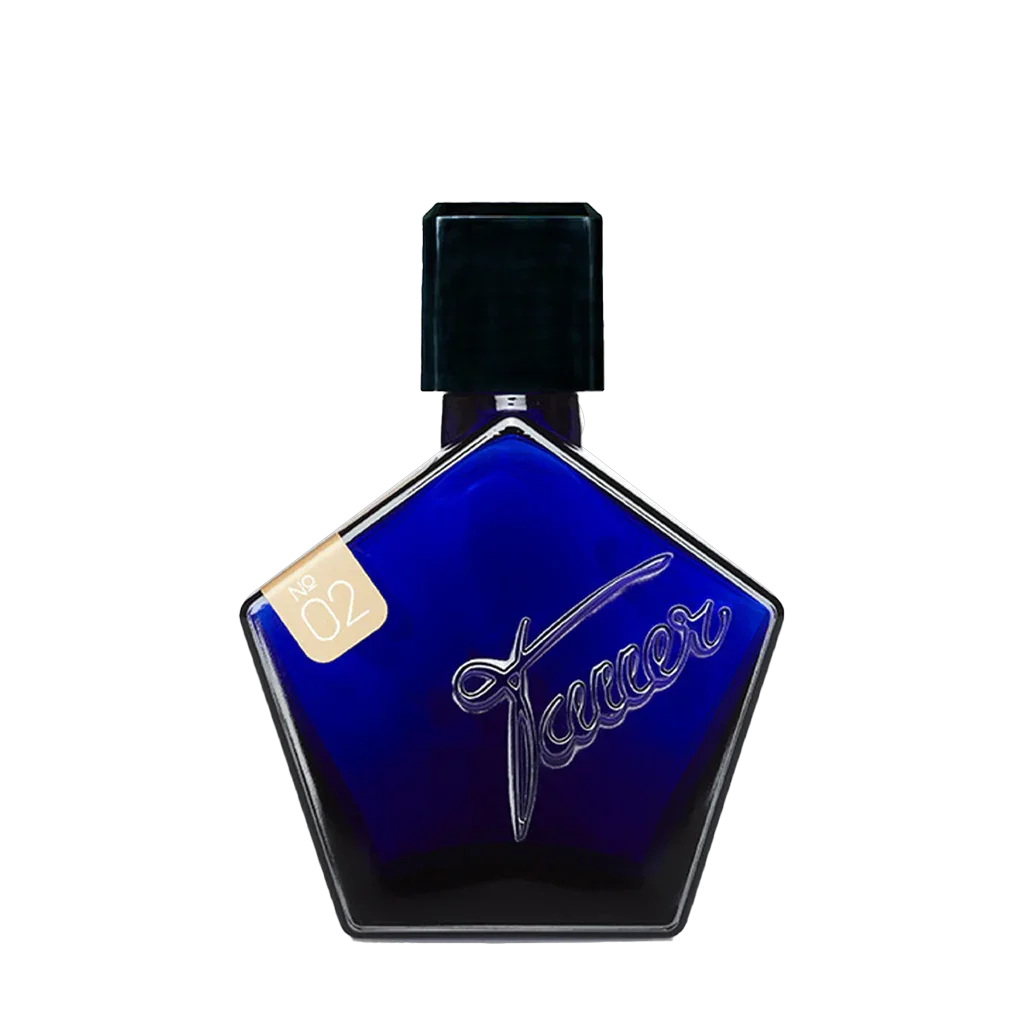
Orientalische Parfums
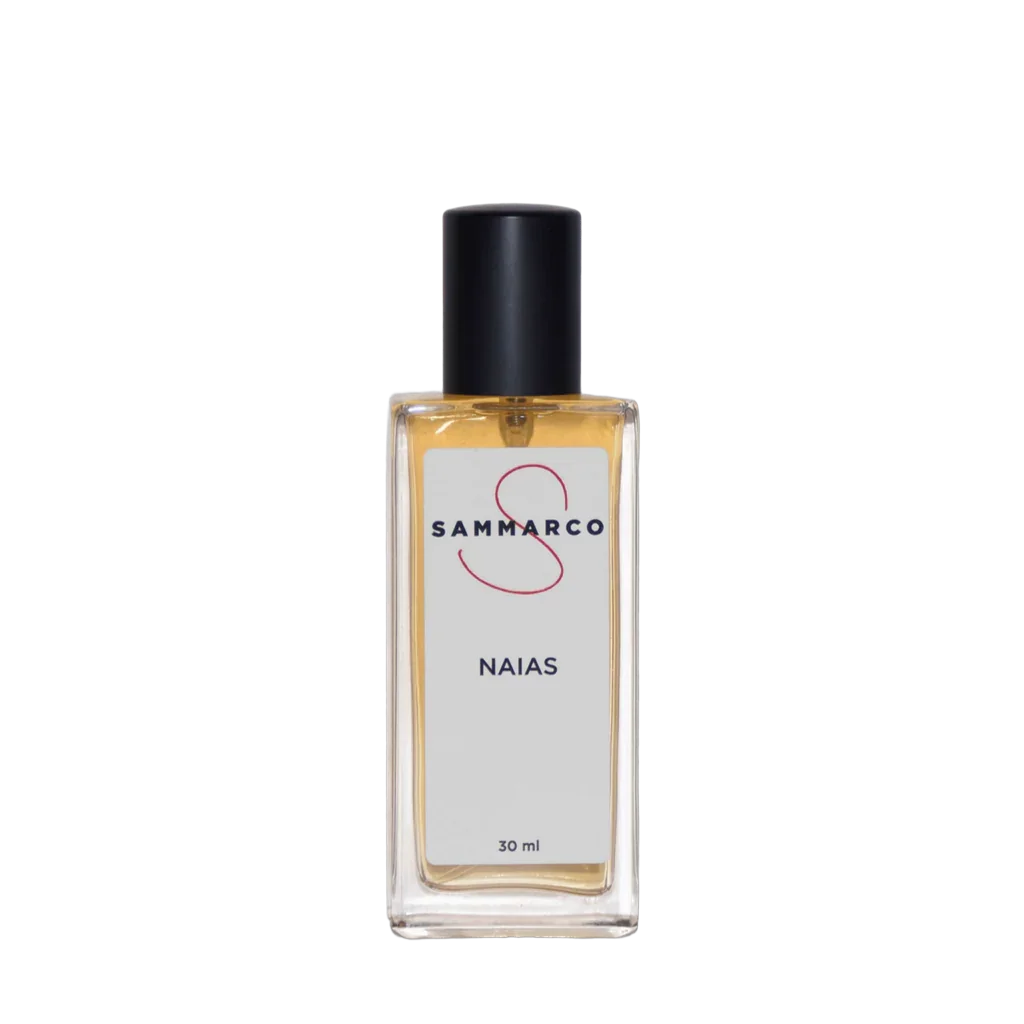
Osmanthus
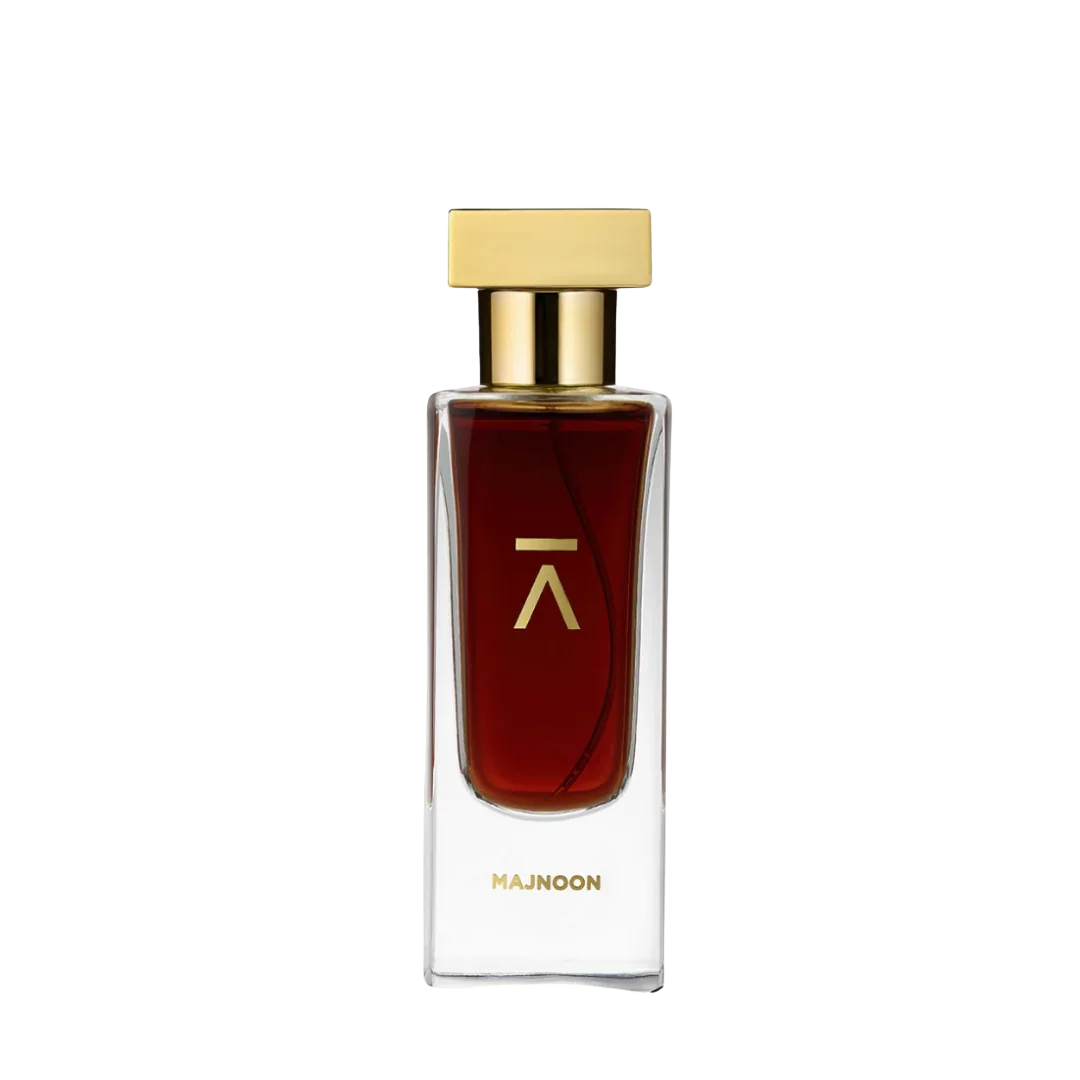
Oud Perfumes
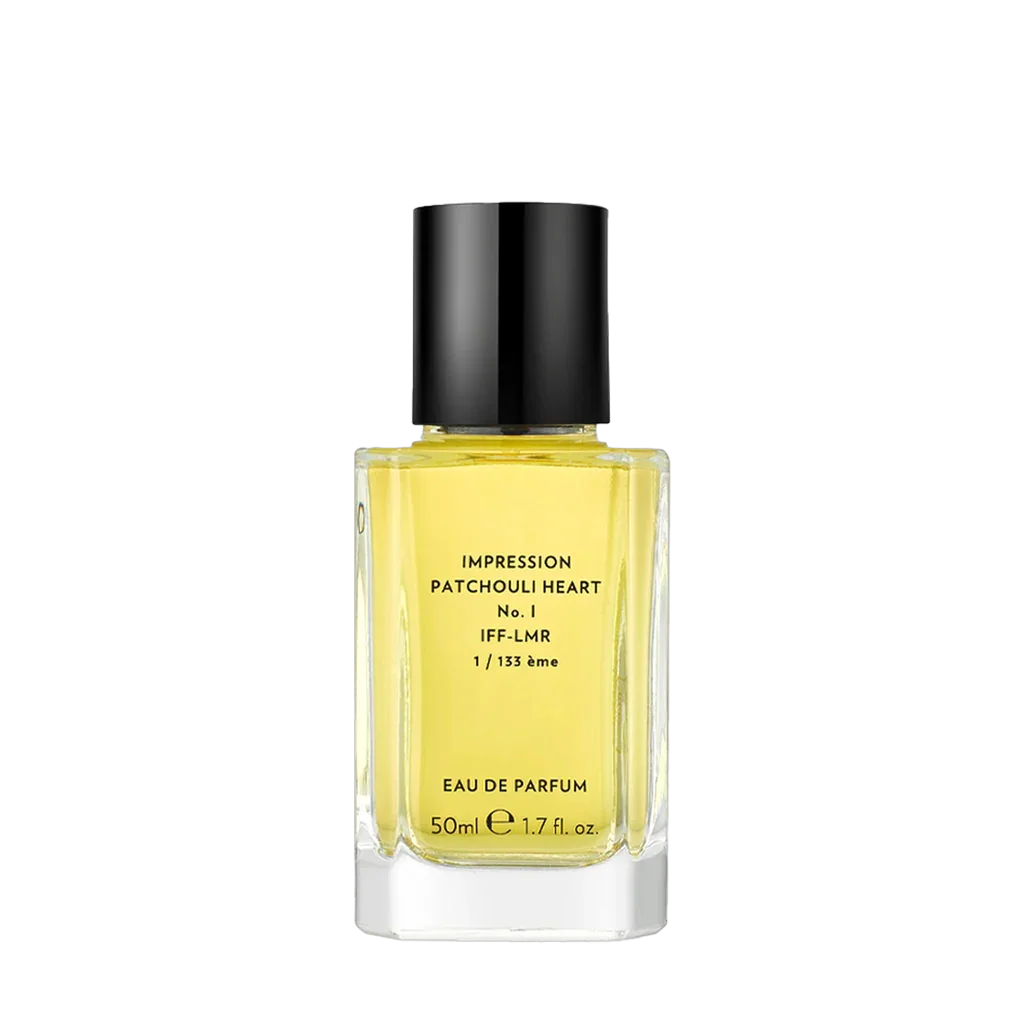
Patchouli Perfumes
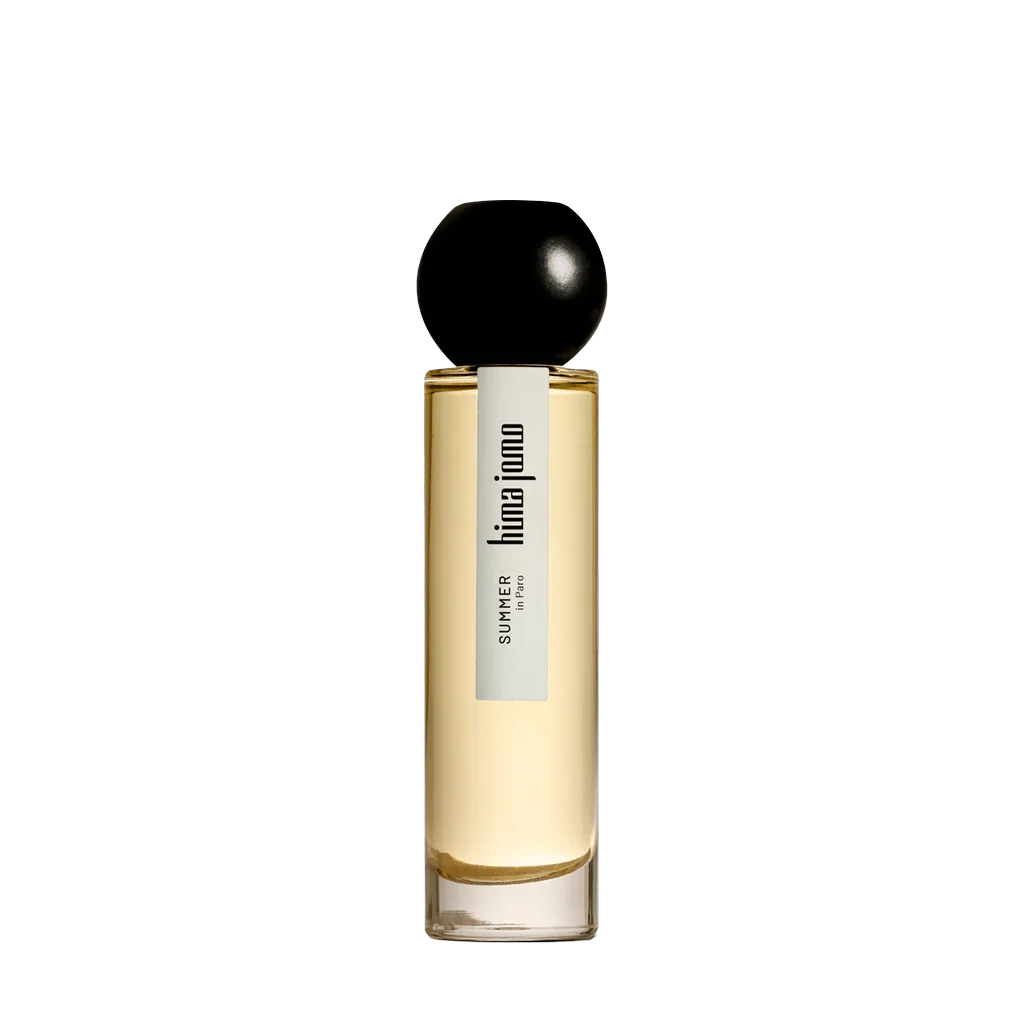
Petitgrain Note
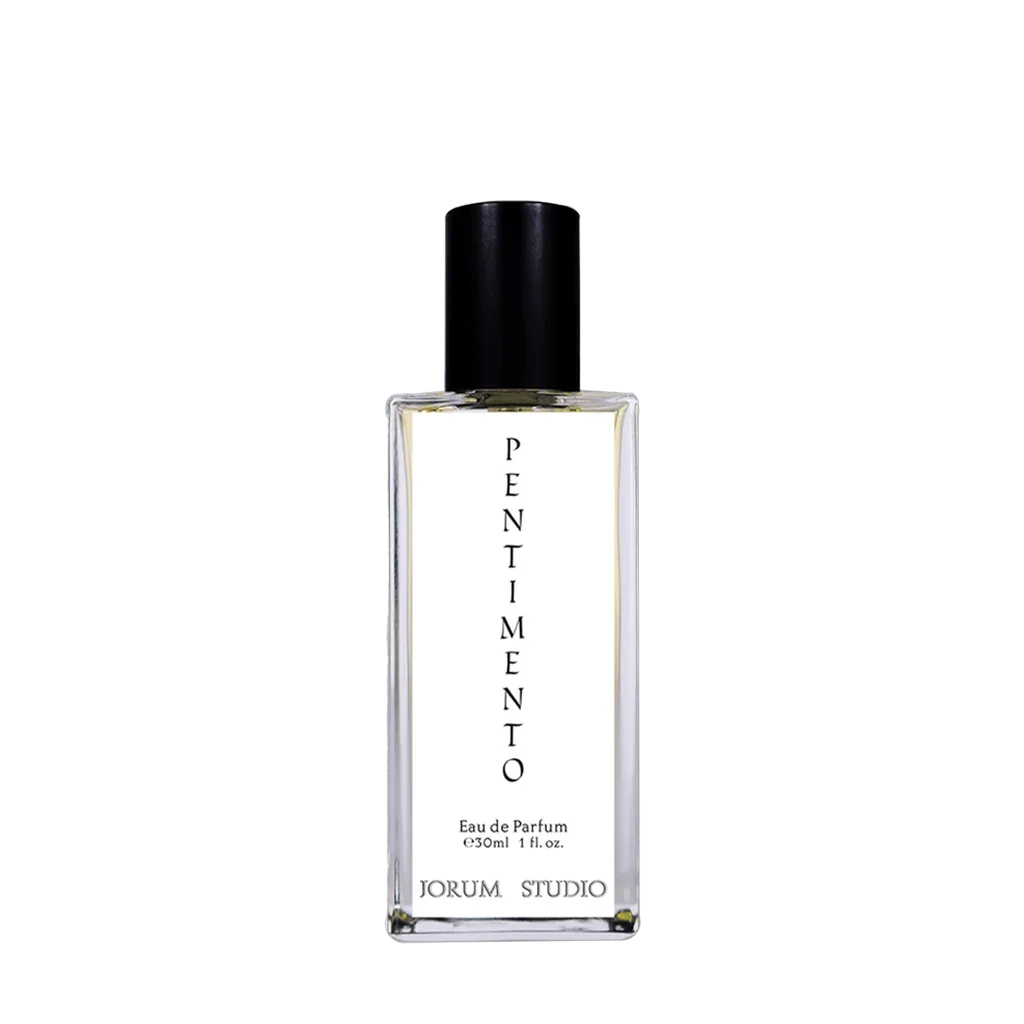
Pepper Notes

Powdery Perfumes

Rose Perfumes
Sandalwood Note
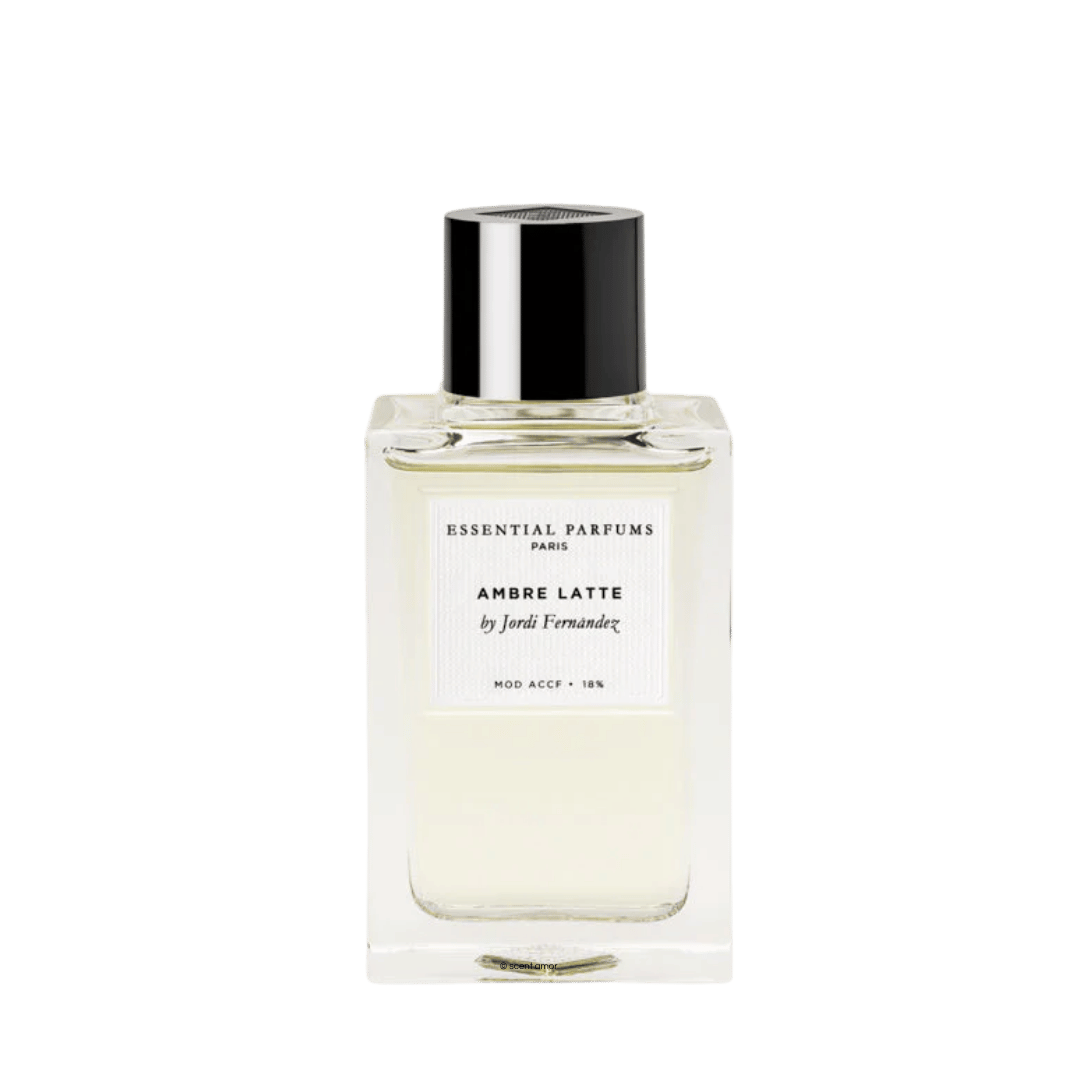
Sweet Perfumes
Synthetic Perfume Molecules
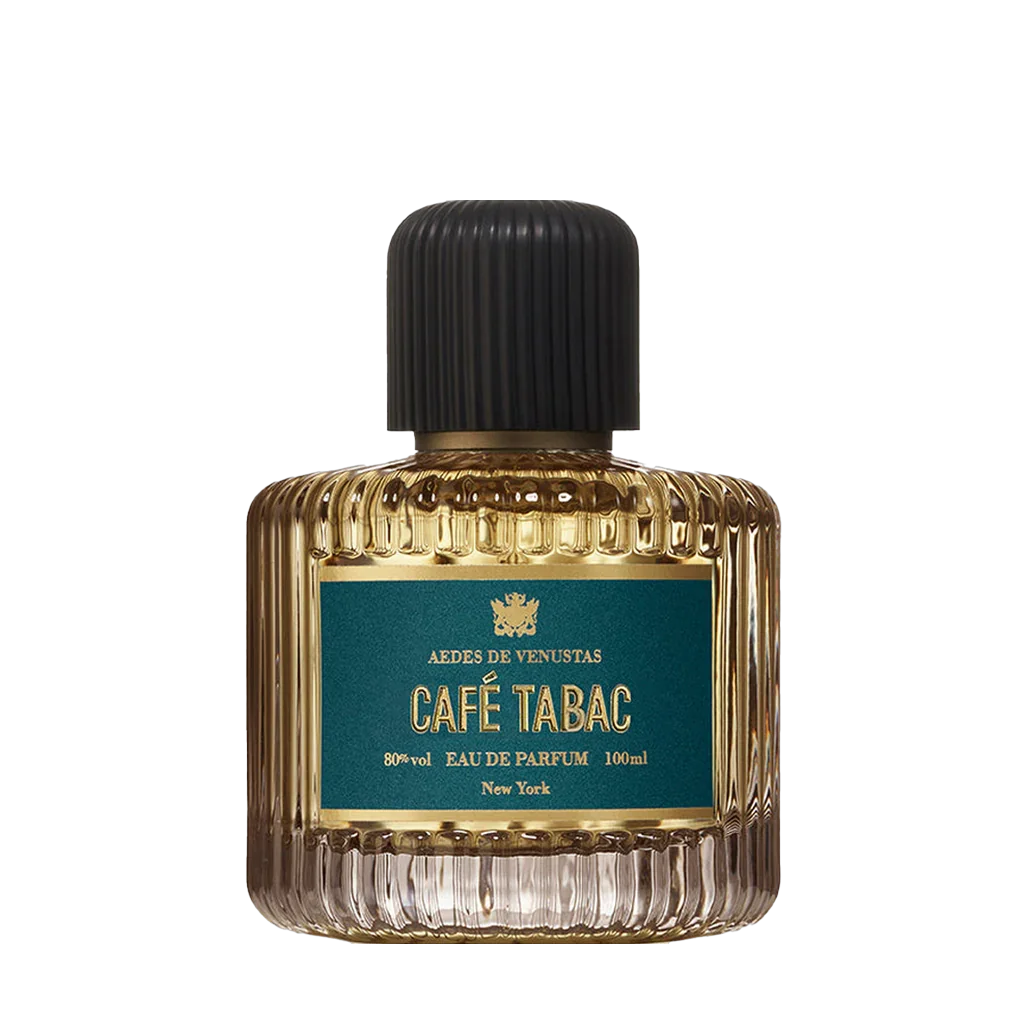
Tobacco Perfumes
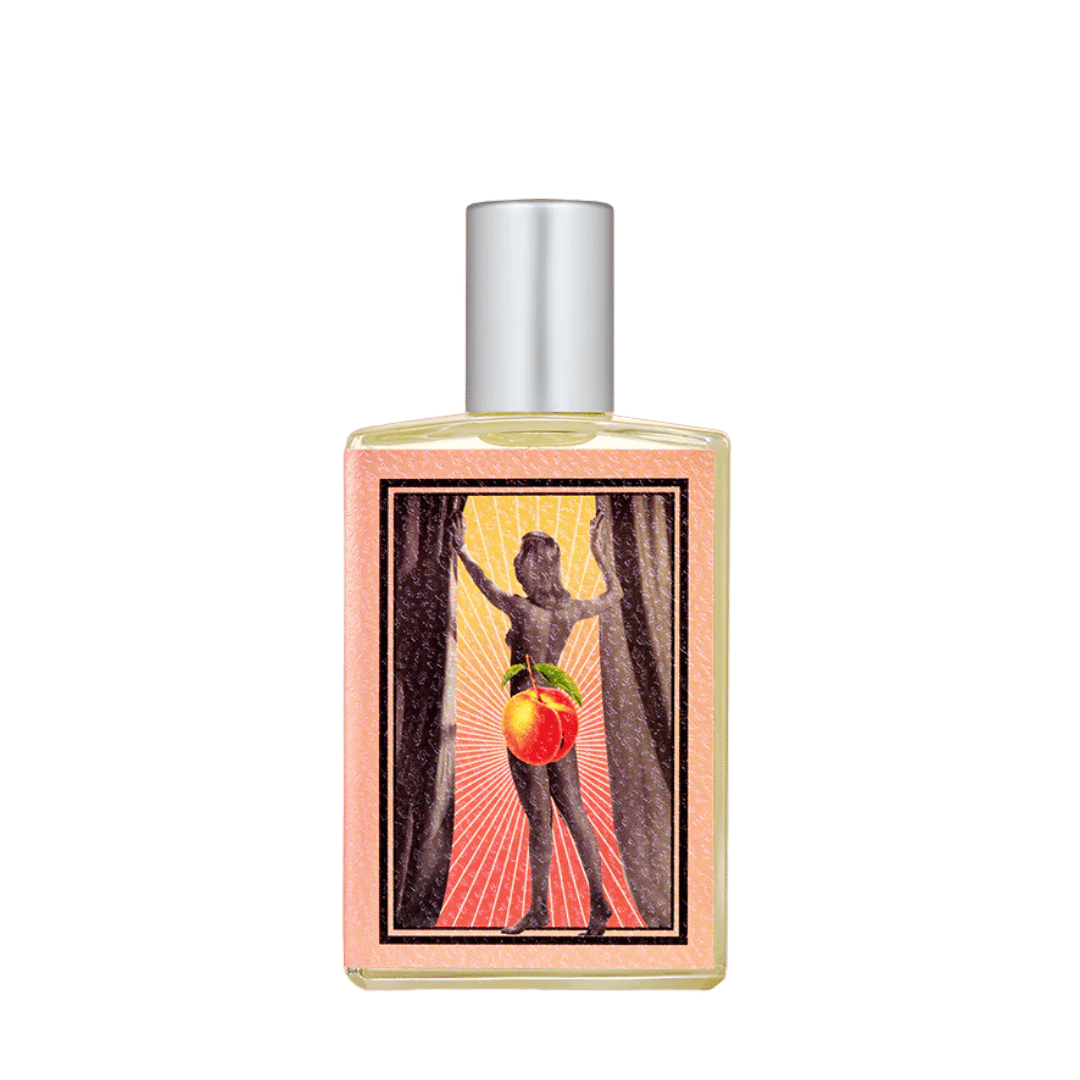
Tropical Perfumes
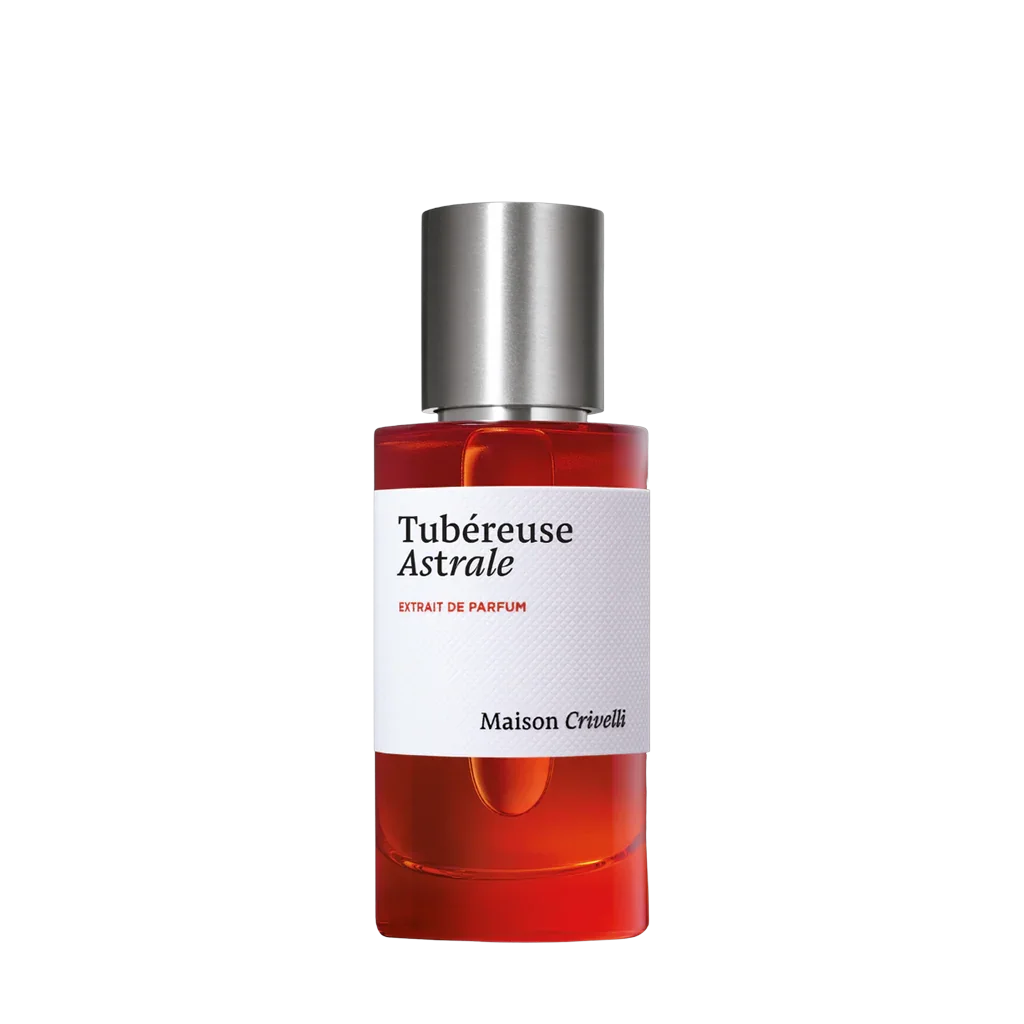
Tuberose Perfumes
Vanilla Perfumes

Violet
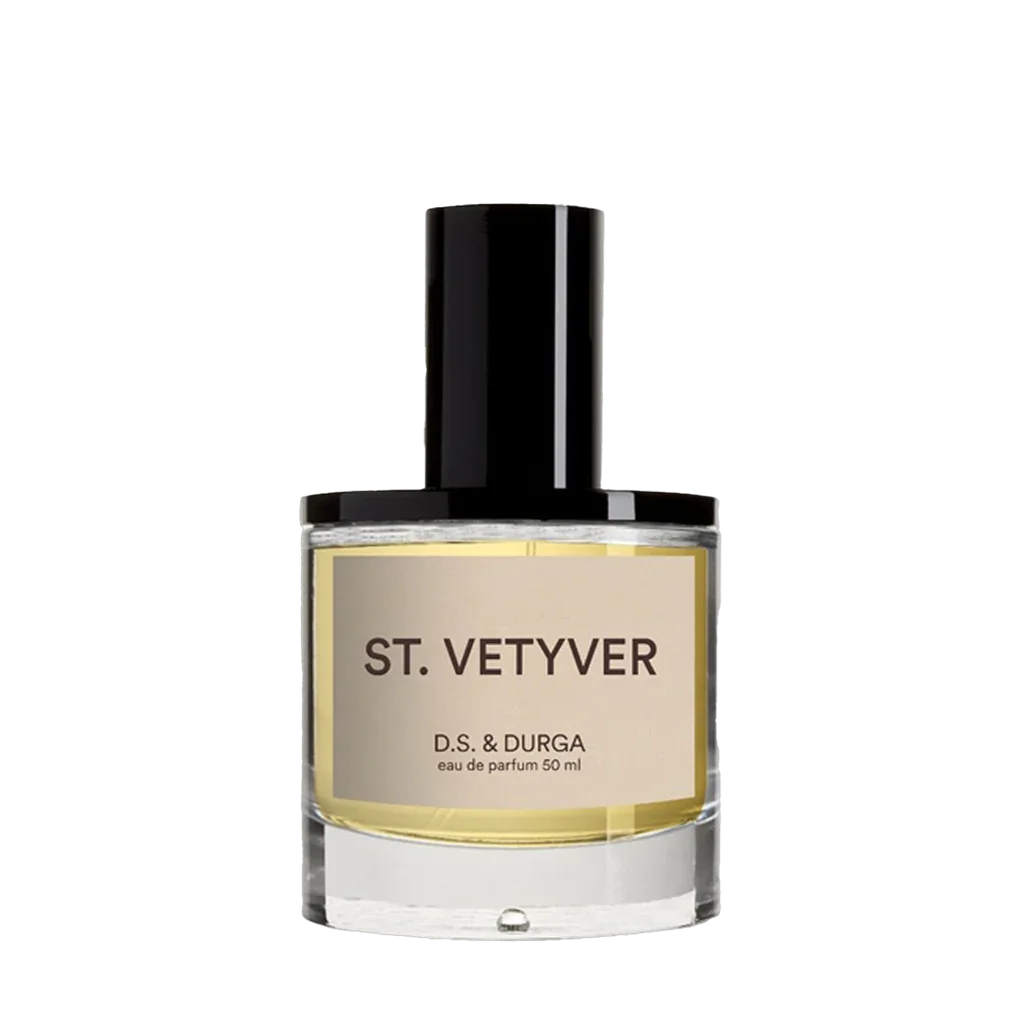
Vetiver Perfumes
Juniper
Frankincense Perfumes

Spicy Perfumes

Cinnamon
Citrus Perfumes

Our fragrance news.
Curated for you.
To subscribe to our newsletter and secure your discount, please accept our cookies. Also, make sure that your ad blocker (uBlock, AdBlock) is disabled and JavaScript is enabled.
Our fragrance news.
Curated for you.
To subscribe to our newsletter and secure your discount, please accept our cookies. Also, make sure that your ad blocker (uBlock, AdBlock) is disabled and JavaScript is enabled.