

The Different Company – French Perfume Art and the New Extraits Extrêmes Collection
From Jean-Claude Ellena’s Visionary Beginnings to the New Extraits Extrêmes: A French Fragrance Story That Georg R. Wuchsa, the Soul of scent amor, Has Followed for More Than Two Decades.
There are perfume brands that want to be different. And then there’s The Different Company – a house that made divergence its name, aesthetic program, and creative commitment as early as 2000. What began with the vision of perfumer Jean-Claude Ellena and designer Thierry de Baschmakoff evolved into one of the defining voices of modern French niche perfumery. With the Extraits Extrêmes collection, introduced in 2026, the house goes further than ever before: five independent compositions with fragrance concentrations between 50 and 55.15 percent, created for maximum density without sacrificing the brand's refined signature.
In 2000, a different vision of luxury begins
The Different Company was founded in 2000 in Paris by Jean-Claude Ellena and Thierry de Baschmakoff. Both came from different disciplines but shared a clear conviction: a perfume house should not be dictated by marketing concepts, target audience clichés, or short-term trends. The fragrance itself had to become the focal point again.
Jean-Claude Ellena was already one of the most influential perfumers of his generation. Born in Grasse and trained in the traditional world of raw material houses there, he developed an unmistakable aesthetic. His fragrances thrive on transparency, precise contrasts, and an almost calligraphic reduction. Ellena removed everything superfluous until only the true idea of a composition remained visible.

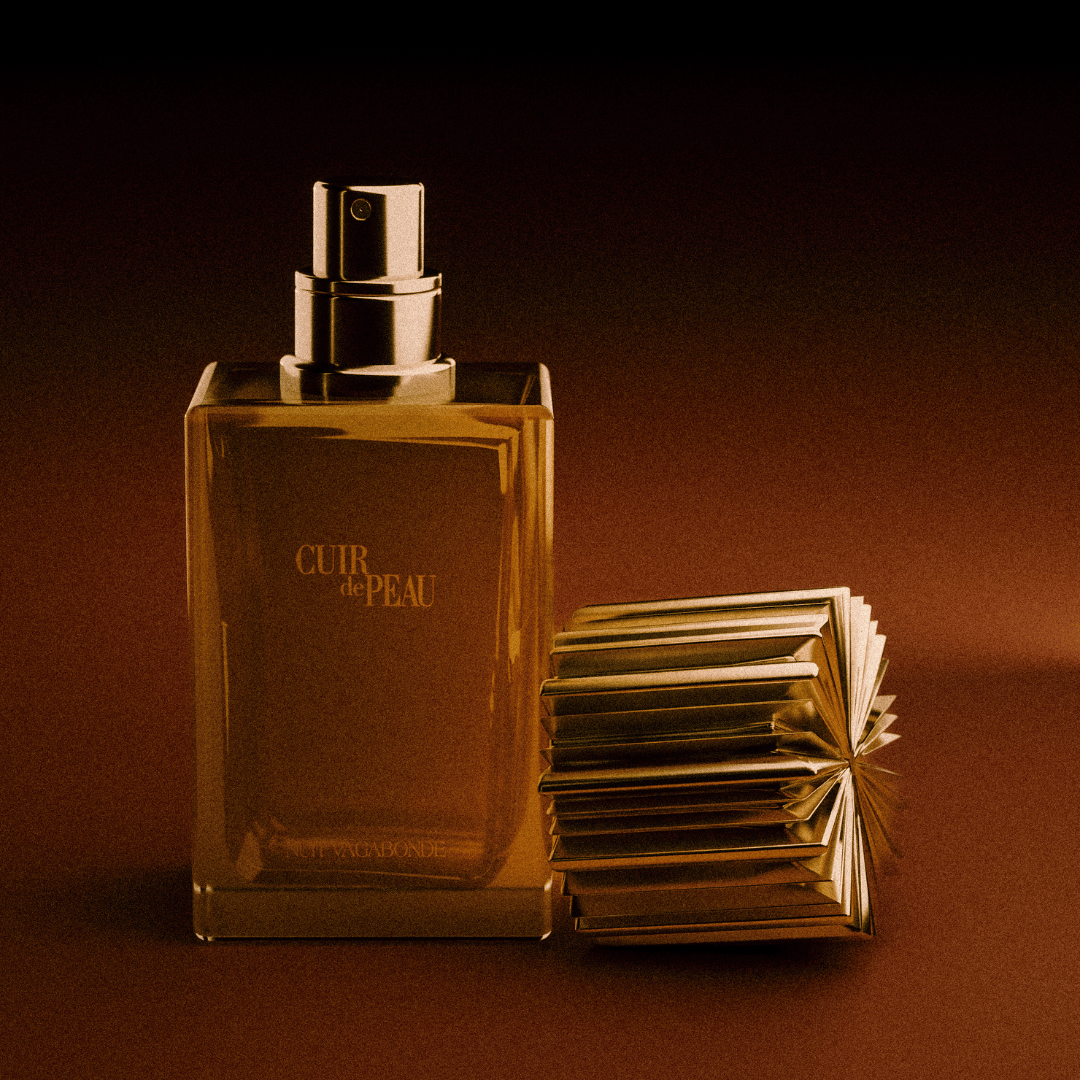
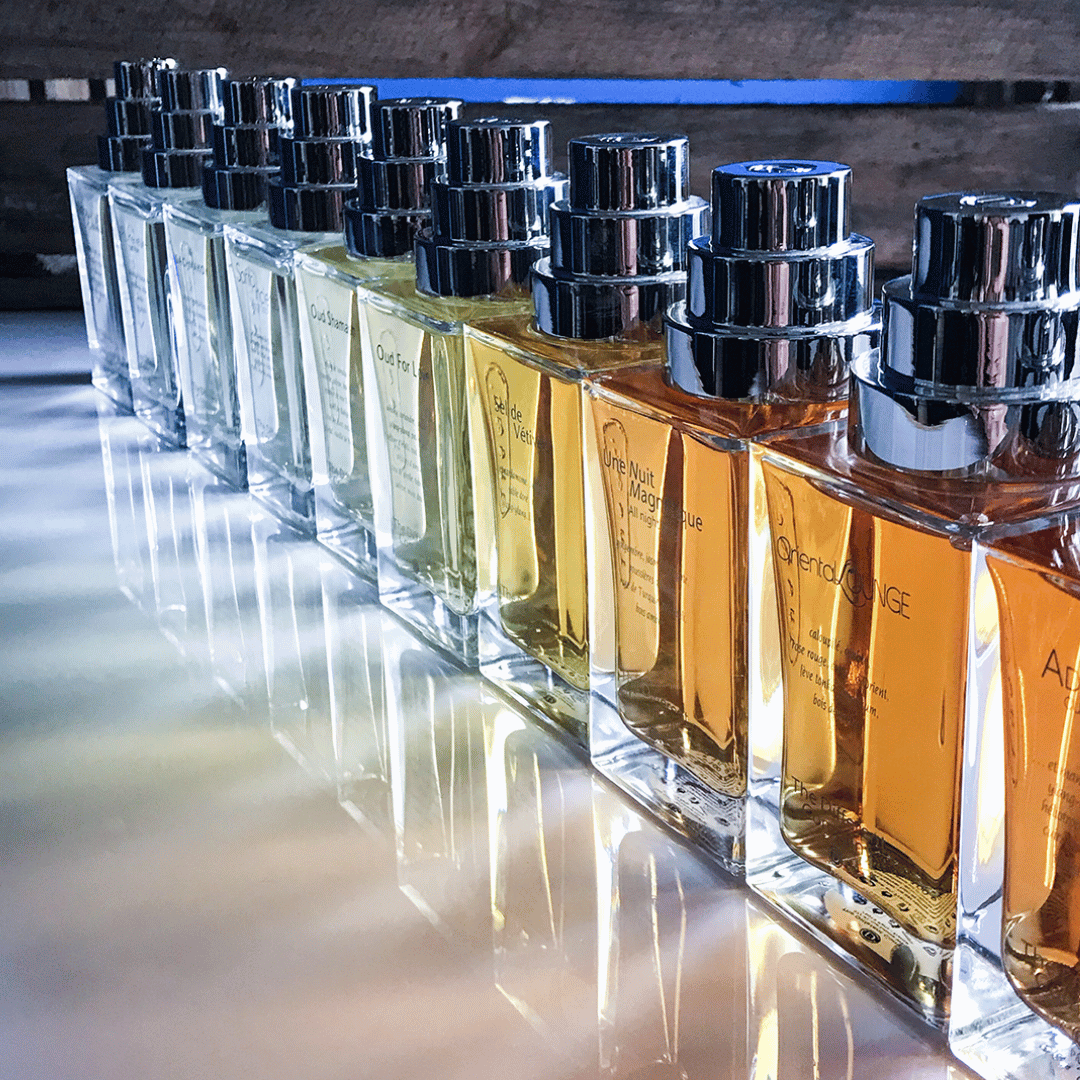
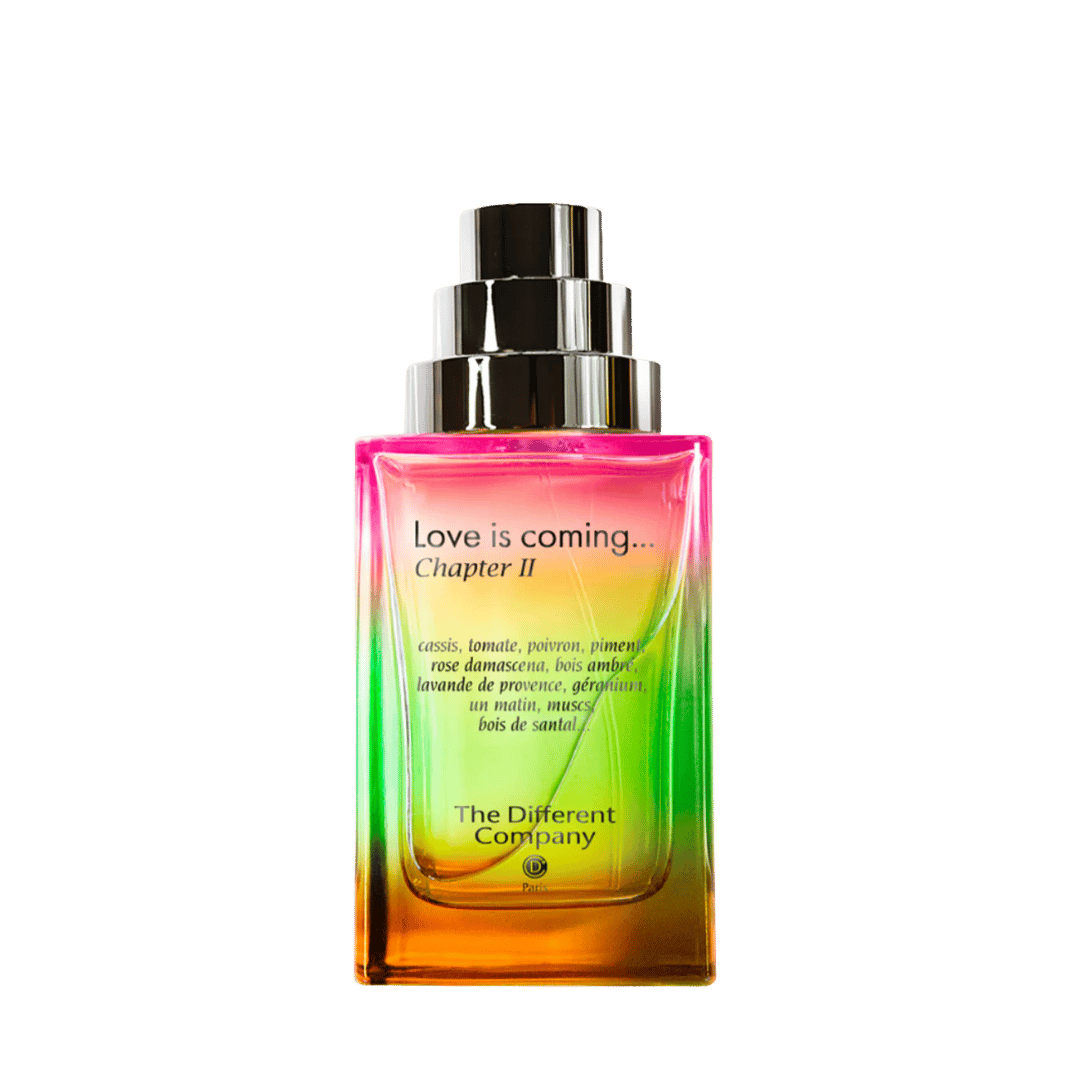
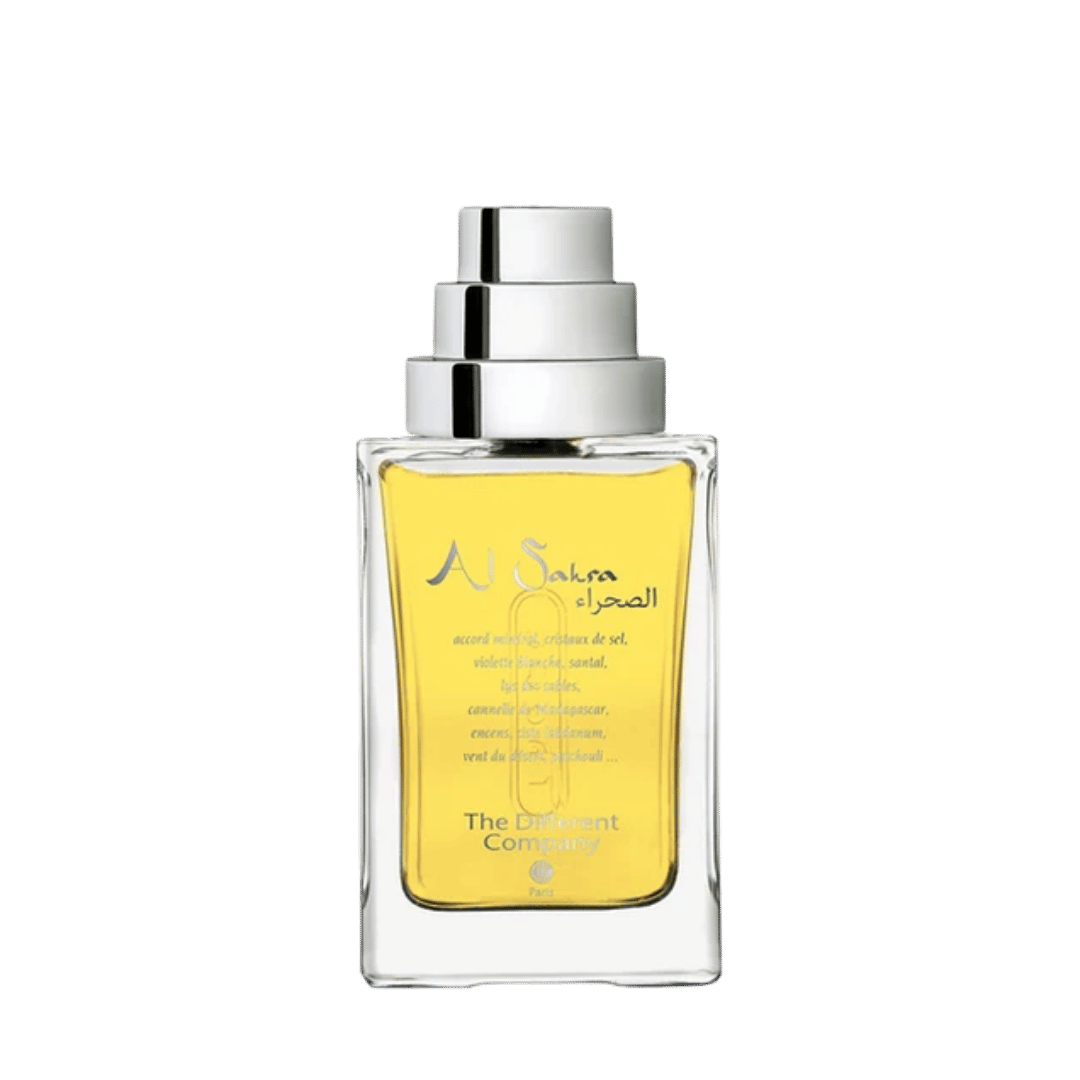
Thierry de Baschmakoff gave this olfactory attitude a form. The French designer and creative director specialized in the visual identity of luxury brands. For The Different Company, he designed a bottle that deliberately moved away from decorative nostalgia and conventional perfume codes. The heavy, clear glass block, the invisibly integrated pump, the labeling with real platinum, and the solid, multi-stage crafted metal cap made the bottle an object of contemporary French design.
The name was not a retroactive advertising slogan. "The Different Company" was a promise: this house truly wanted to do things differently.
Jean-Claude Ellena writes the first olfactory signature

The early fragrances established the brand's reputation. BOIS D’IRIS from the founding year 2000 did not present the precious iris as a powdery reminiscence but combined its cool elegance with a finely drawn woody structure. In 2001, OSMANTHUS centered on a flower that many perfume lovers at the time were barely familiar with. Its apricot-like, leathery, and shimmering floral ambiguity perfectly matched Ellena's quiet precision.
Also in 2001, ROSE POIVRÉE was released, one of the most unusual rose interpretations of its time. The rose was not romanticized but confronted with pepper, warm spices, and carnal-animalic facets. The fragrance felt alive, intimate, and unsettlingly beautiful. BERGAMOTE followed in 2004, a radiant, transparent interpretation of the citrus fruit.
These four compositions established the DNA of the house: precious raw materials, understandable fragrance ideas, no gender-specific limitations, and an elegant clarity that must never be confused with arbitrariness.
When Jean-Claude Ellena became the in-house perfumer for Hermès in 2004, his active work for The Different Company ceased. However, his fundamental aesthetic idea remained anchored in the house.
Luc Gabriel takes over – and turns the project into a perfume house
A new chapter also began in 2004. Luc Gabriel, who already knew Thierry de Baschmakoff, took over the operational and strategic responsibility for The Different Company. In some newer accounts of the house, Gabriel is referred to as a co-founder. However, it is historically more accurate to say: the brand was founded in 2000 by Jean-Claude Ellena and Thierry de Baschmakoff; Luc Gabriel joined in 2004, took over the company, and developed it into its current form.
Gabriel's connection to perfumery dates back to his childhood. His mother owned a perfumery, which he passed almost daily after school. Nevertheless, he initially pursued a classical business career, working in strategy and management consulting. When he was looking for a company to acquire and develop further in the early 2000s, contact with de Baschmakoff led him back to the world of his early fragrance impressions.
Luc Gabriel preserved the original idea of the house but did not want to turn The Different Company into a museum for Jean-Claude Ellena's early work. He opened the brand to other perfumers, new fragrance languages, and an international audience. Today, he is the owner and creative director of the house. Under his leadership, the brand remained independent – a crucial point in an industry where many former niche houses have long belonged to global luxury conglomerates.
Céline Ellena continues the story
After her father’s move to Hermès, Céline Ellena took on a central creative role. She did not act as a copy of Jean-Claude Ellena but developed a more personal, sensual, and at times more oriental language.
With JASMIN DE NUIT, released in 2005, a dark, spicy jasmine emerged, combining floral luminosity with mysterious warmth. SEL DE VÉTIVER from 2006 interpreted vetiver through mineral, salty, and earthy facets. This was followed by, among others, CHARMES & FEUILLES, SUBLIME BALKISS, ORIENTAL LOUNGE, PURE EVE, and DE BACHMAKOV, whose name is dedicated to Thierry de Baschmakoff.
Céline Ellena respected the transparent architecture of the house but gave it more warmth, movement, and narrative depth. The clear founding idea thus became a growing olfactory vocabulary.
New Perfumers, New Chapters, Same Independence
Later, Luc Gabriel invited other renowned perfumers to develop their own language within the brand. Bertrand Duchaufour created, among others, OUD FOR LOVE, OUD SHAMASH, and SANTO INCIENSO, SILLAGE SACRÉ. Emilie Coppermann developed the L'Esprit Cologne collection and composed MAJAÏNA SIN, an opulent blend of Madagascan vanilla, cinnamon, ginger, neroli, and bergamot.
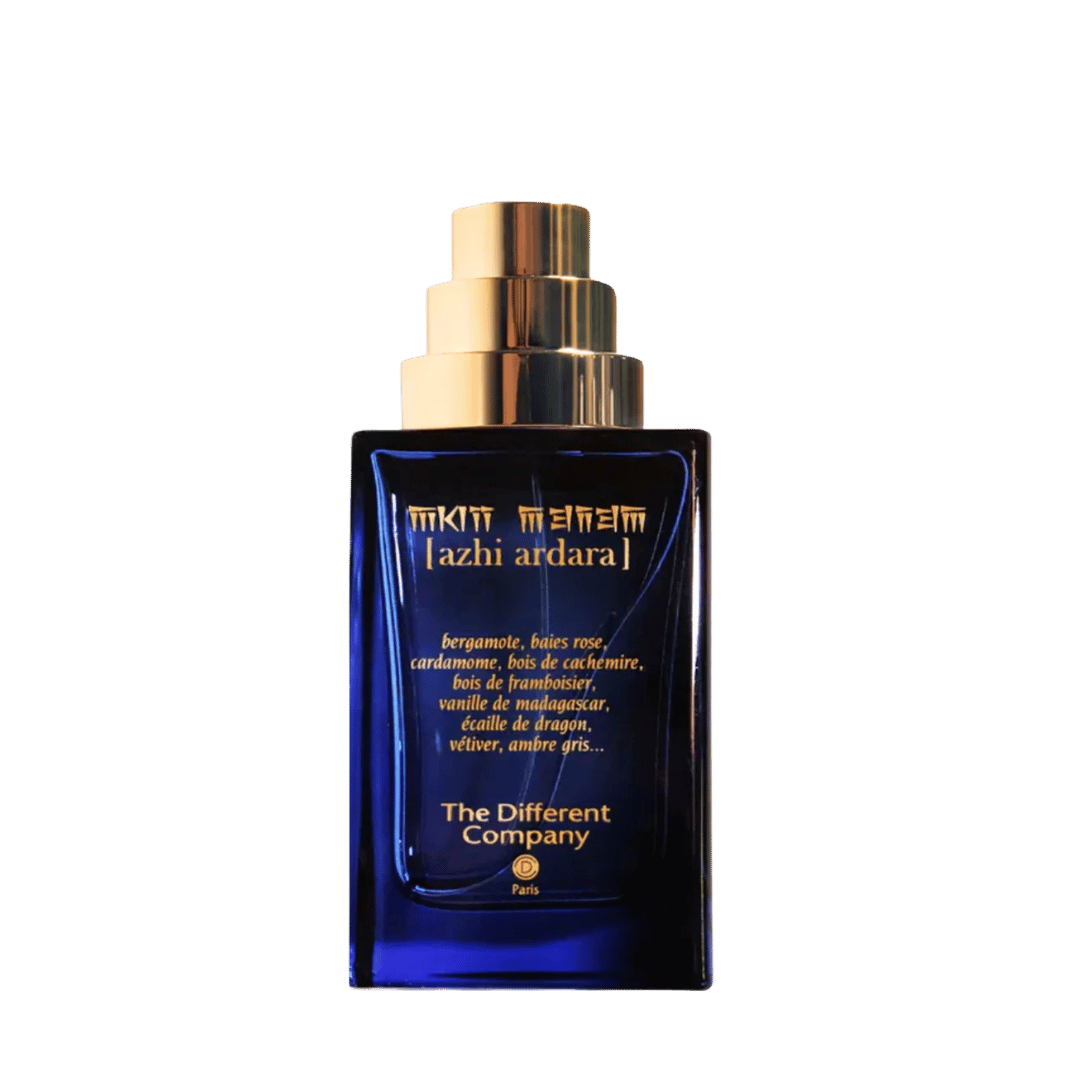
Christine Nagel, Alexandra Monet, Mathieu Nardin, Marion Costero, and other perfumers added new perspectives to the house. Fragrances like UNE NUIT MAGNÉTIQUE, ADJATAY, AL SAHRA, DANCE OF THE DAWN, RED BURNING NIGHT, AZHI ARDARA, and LOVE IS COMING … CHAPTER II show that The Different Company today does not adhere to a single stylistic formula.
The unifying force is not in a specific fragrance family. It lies in careful composition, independence from short-term trends, and the aspiration to treat each perfume as a standalone idea.
A fragrance bottle that is meant to last
Refillability was part of The Different Company's concept early on and was not discovered only when sustainability became a sales-boosting term. The bottles of the main collections are designed for long-term use, and many sizes can be refilled with matching refills.
The travel formats also follow this idea. Small refillable sprays, protective aluminum cases, and leather sleeves combine mobility with a thoughtful design language. For the Extraits Extrêmes, the house states that 95 percent of the components used are recycled or recyclable. This does not automatically make a perfume product ecologically neutral but shows that design, material usage, and reuse have long been considered together.
THE DIFFERENT COMPANY - Extraits Extrêmes – more than five particularly strong perfumes

In 2026, The Different Company opens a new chapter. The Les Extraits Extrêmes collection was presented during Paris Perfume Week and launched in June 2026. It comprises five compositions in 50 ml bottles and complementary 10 ml travel sizes.
The concentrations range from 50 to exactly 55.15 percent. This places all five fragrances significantly above the usual concentration of many classic Extraits de Parfum. Crucially, however, these are not retrospectively fortified versions of existing fragrances. Each composition was developed from the outset for this unusually high dosage.
Luc Gabriel is certainly responding to the current demand for performance and longevity. However, he rejects the common equation of performance with maximum loudness. The fragrances are meant to be intense, dense, and enduring, without being dominated by crude amberwoods or undifferentiated projection. The collection's declared antithesis is: radical intensity and absolute elegance.
This is technically more demanding than the impressive percentages might suggest. A high concentration does not automatically make a fragrance higher quality. It can make a composition feel heavy, static, and suffocating. In Extraits Extrêmes, each accord had to be constructed so that, despite its density, it could breathe and develop on the skin.

MADDY – 54 percent memory, butter, and nightlife
MADDY was composed by Véronique Nyberg and has a concentration of 54 percent. The fragrance begins with the French madeleine, that small pastry that became a cultural symbol of a suddenly returning memory through Marcel Proust. However, Nyberg does not leave this memory in a quiet childhood scene.
Lemon zest initially brings a bright, almost frozen tension. An accord of madeleine with salted butter combines with roasted almond and aged rum. This shifts the familiar comfort into an exuberant, urban night. Vanilla pod and white musk give the fragrance a warm, long-lasting base.
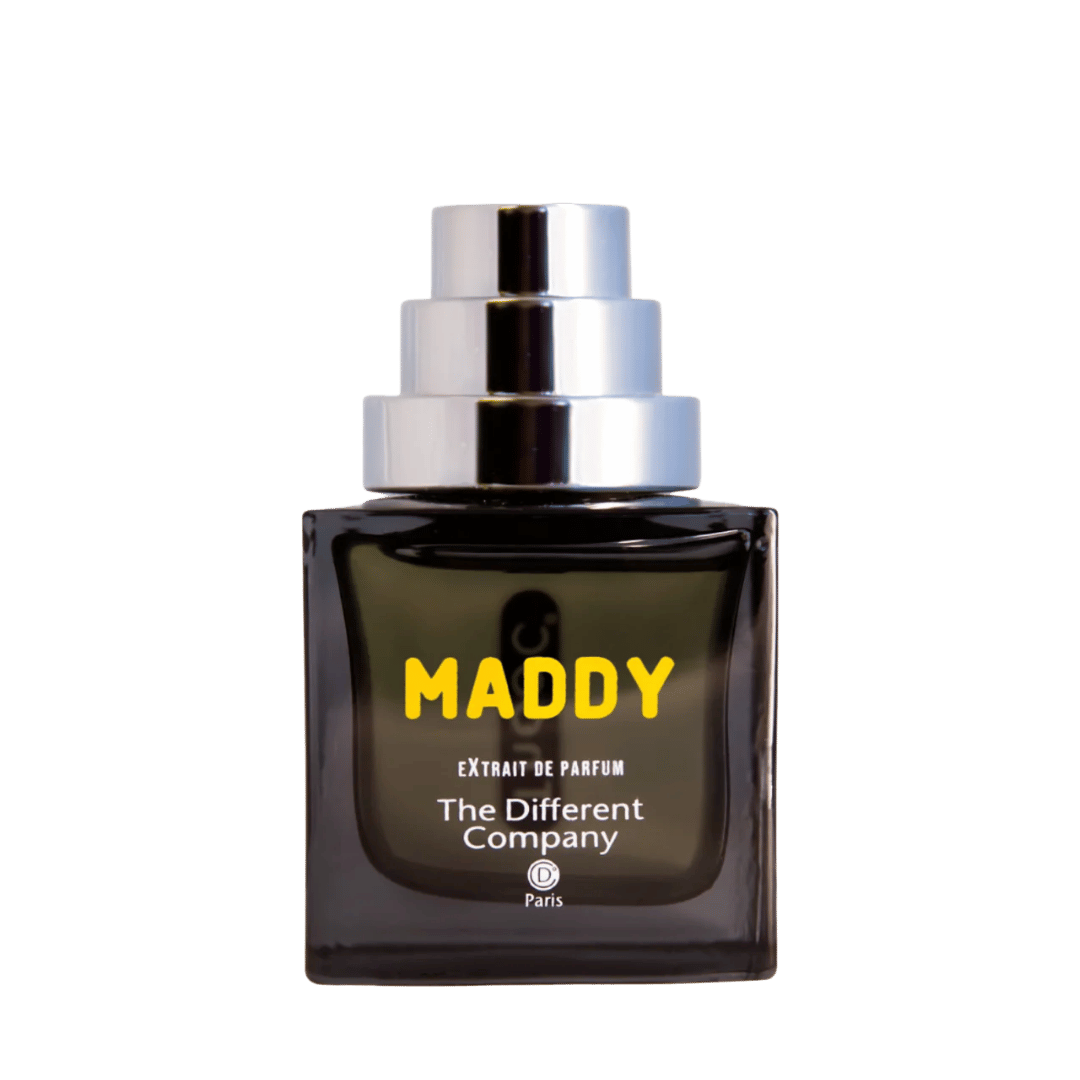
MADDY is a modern gourmand, but not a simple baked goods illusion. The pastry becomes a cocktail, memory becomes nocturnal desire. Precisely this tension prevents the enormous concentration from appearing merely sweet or heavy.
SALTY KISS – 55.15 percent between sea salt and caramel
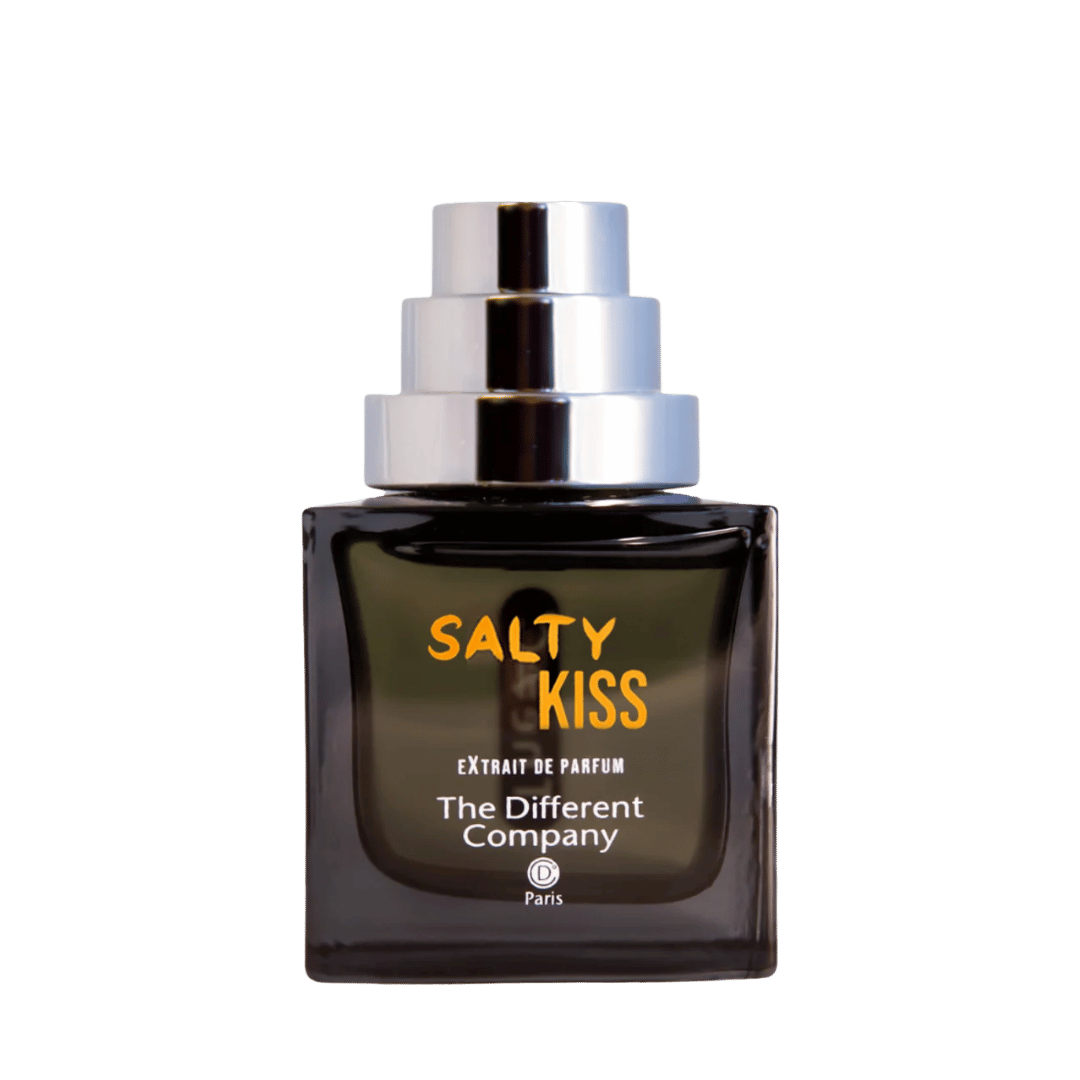
At 55.15 percent, SALTY KISS is the highest concentrated composition in the collection. Cristiano Canali creates a late afternoon moment: the skin is still warm from the sun, the water has evaporated, and dry sea salt crystals remain. At the same time, the desire for something sweet awakens.
At the heart, salted butter caramel melts with toasted pecan. An accord of crunchy speculoos adds spicy pastry notes, while white musk ties the composition back to the skin.
The appeal lies in the alternation between dry and creamy, salty and sweet, mineral and gourmand. SALTY KISS is neither a classic maritime summer scent nor a conventional caramel perfume. It translates the taste of salt on warm lips into a haptically perceptible fragrance signature.
GOTHIC INCENSE – 53.5 percent smoke between cathedral and steel
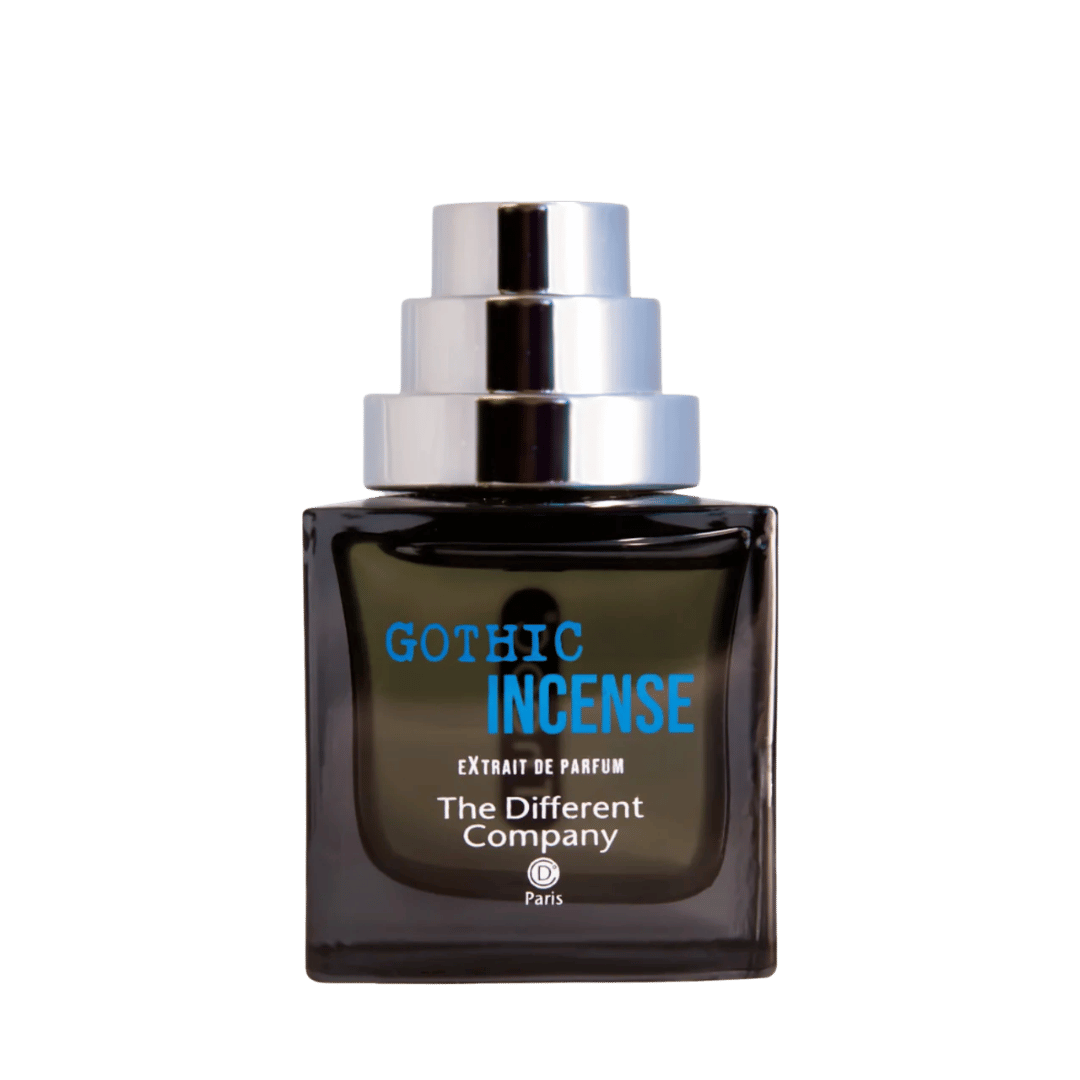
Serge de Oliveira composed GOTHIC INCENSE with a concentration of 53.5 percent. Black and pink pepper, green spices, and an almost metallic-cool tension open the composition. Then, burnt cedarwood, frankincense essence, and frankincense absolute condense into a dark, smoky core.
In the base, deeply smoked woods, damp oakmoss, and Atlas cedar meet. The fragrance moves between two architectures: the cold stone of a cathedral and the steel framework of a nocturnal metropolis.
GOTHIC INCENSE stages incense neither purely ecclesiastical nor oriental. The smoke meets urban cold, sacred silence meets industrial severity. The result is a characterful niche fragrance with great depth and controlled darkness.
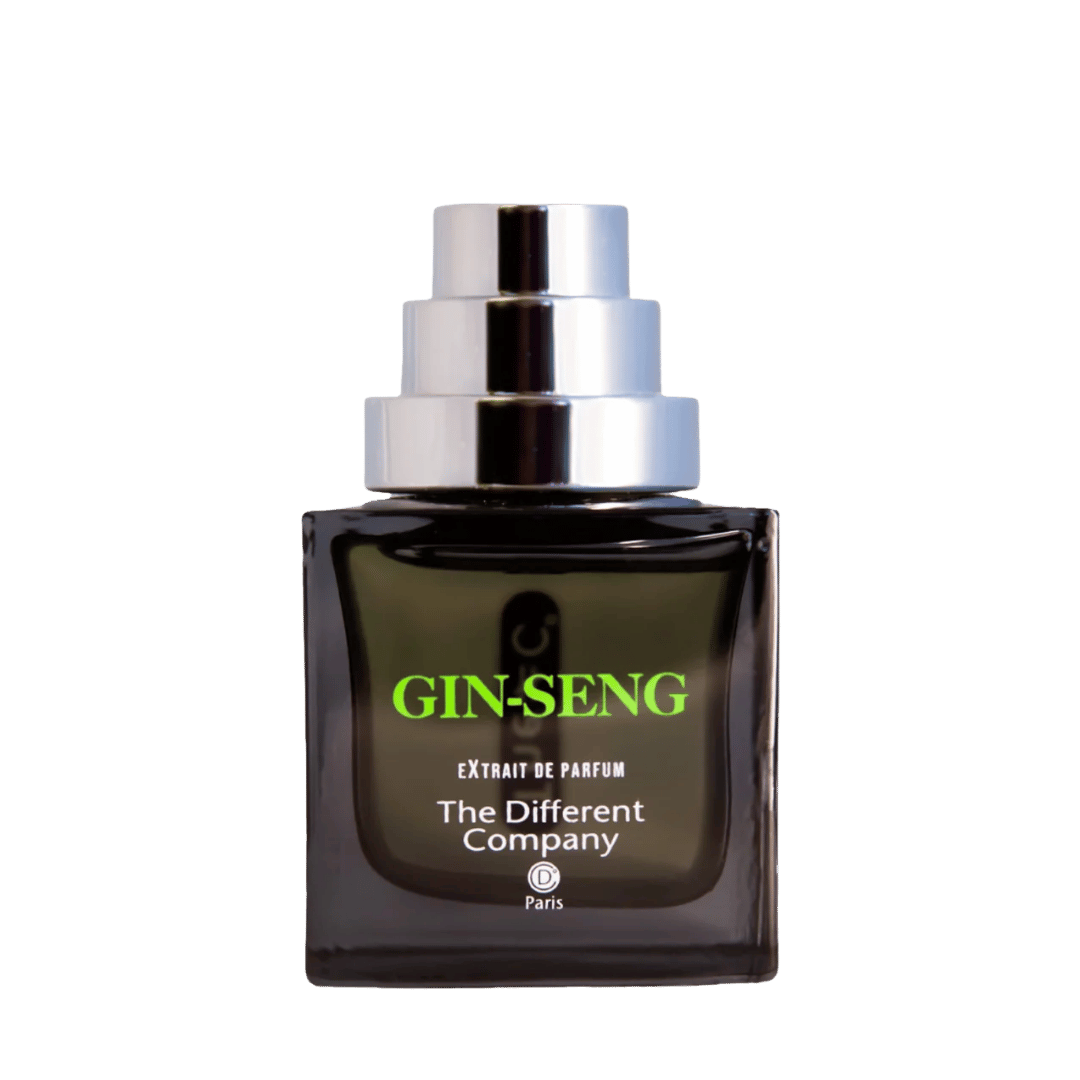
GIN-SENG – 50 percent radical botanics
In GIN-SENG, with 50 percent concentration, Chinese perfumer Meng Gu combines the imagery of traditional Chinese medicinal plants with modern perfumery. Goji berry, fresh ginger, and basil open the fragrance vibrantly and green. In the heart, blue chamomile, red ginseng, and watery fruits meet.
Grassy musk, vetiver, and cedarwood carry the composition into a clear, calming base. Despite the extreme concentration, GIN-SENG does not feel dark or heavy. The fragrance conveys energy, botanical freshness, and aromatic depth.
This makes it perhaps the most surprising extrait in the collection. It proves that high concentration does not necessarily require vanilla, amber, leather, or opulent resins. GIN-SENG turns green into a dense, almost physically palpable experience.
CRAZY TUBEREUSE – 50 percent white flower in black leather
Alexandra Monet releases the tuberose in CRAZY TUBEREUSE from its domesticated, politely floral environment. At a concentration of 50 percent, the intoxicating white flower meets cold aldehydes, black pepper, jasmine, and dark Russian leather.
The aldehydic coolness gives the opening a crystalline, slightly metallic sharpness. In the heart, tuberose and jasmine spread with narcotic intensity. Subsequently, the leathery facets take over, leading the floral opulence in a darker, more carnal direction.
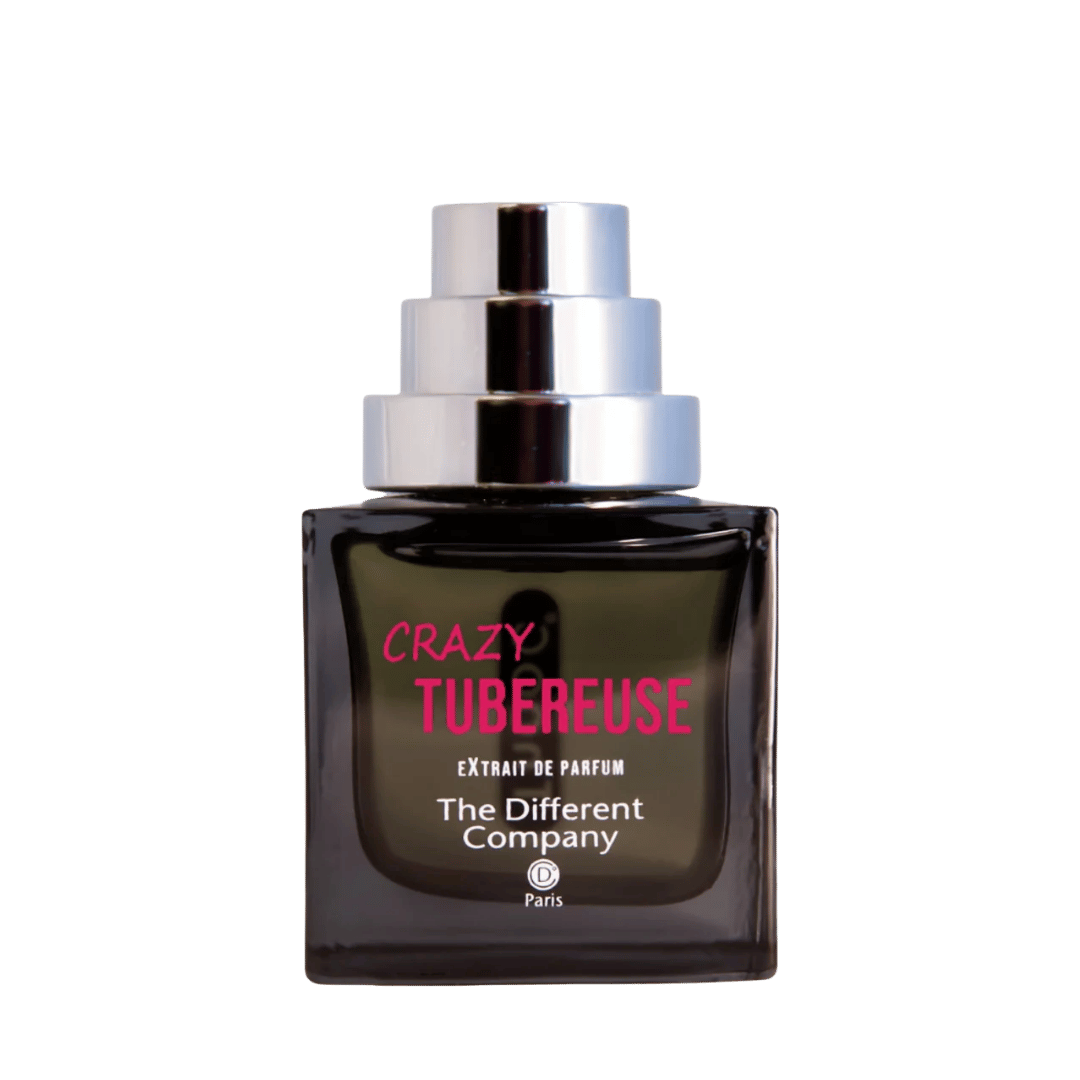
CRAZY TUBEREUSE is not a soft, creamy interpretation of a white flower. The fragrance feels nocturnal, uncompromising, and provocative. It shows tuberose as a plant that is as beautiful as it is dangerous.
Why this Extrait Collection is important for The Different Company

Extraits Extrêmes is a recognizable response to a changing market. Many people today demand immense longevity, strong presence, and an immediately understandable fragrance concept from a niche perfume. This carries the risk that independent perfumery will be reduced to loudness and impressive percentage figures.
The Different Company addresses this demand without ignoring it or fully submitting to it. The concentrations are openly and precisely stated. At the same time, the five fragrances remain compositionally different. Two are gourmand, one is green-aromatic, one is smoky-woody, and one is floral-leathery. The collection does not seek a common sales trick but explores five different forms of intensity.
From my perspective, that is precisely their strength. After more than 25 years of experience with niche fragrances, I quickly recognize whether a high concentration serves a fragrance idea or merely functions as a number on the packaging. With the Extraits Extrêmes, the concentration became an integral part of the composition. However, these fragrances require restrained application. A few sprays are enough for them to develop over many hours.
The Different Company and Georg R. Wuchsa from scent amor – connected for more than two decades

The connection between The Different Company and scent amor is not a newly formed business relationship. Georg R. Wuchsa has known the French perfume house, its development, and Luc Gabriel for more than two decades. Even in the brand's early years, The Different Company was one of those independent houses whose philosophy perfectly matched his own vision of sophisticated perfumery.
Both share the conviction that a truly good niche fragrance should not be driven by short-term trends or artificially generated hype. What matters are an independent idea, the perfumer's signature, high-quality materials, and a fragrance character that doesn't have to please everyone. The Different Company stands for precisely that independent, intellectual, and at the same time sensual perfume culture that scent amor also wants to convey to its customers.
The fact that the brand once again holds a special place at scent amor today is therefore much more than a mere assortment decision. It is the continuation of a long-standing personal and professional connection. Georg R. Wuchsa has accompanied the house's development from Jean-Claude Ellena's transparent early compositions through Céline Ellena's era to Luc Gabriel's current creative leadership. With the Extraits Extrêmes, a new chapter in this shared history now begins.
If you don't know The Different Company yet, you shouldn't start with a random blind buy. Discover the collection at scent amor through carefully decanted fragrance samples and find out which composition truly suits you. In addition to the house's classics, you can now also experience MADDY, SALTY KISS, GOTHIC INCENSE, GIN-SENG, and CRAZY TUBEREUSE. We offer personal, honest advice based on decades of experience – so you don't just buy any niche perfume, but find the fragrance that can stay with you.
The Different Company - A brand that still takes its name seriously

Since its founding in 2000, The Different Company has gone through several creative phases. Jean-Claude Ellena defined the original clarity. Thierry de Baschmakoff gave it its visual form. Céline Ellena expanded the olfactory vocabulary, and Luc Gabriel led the brand as an independent perfume house into the present. Numerous perfumers subsequently contributed their own signature without dissolving the house's identity.
With Extraits Extrêmes, the brand leaves its comfort zone and poses a legitimate question: Can a perfume with more than 50 percent fragrance concentrate be powerful without losing its elegance? The five answers are very different. What they have in common is the will to understand intensity not as mere loudness, but as a condensation of an idea.
If you are looking for extraordinary fragrances that were created beyond interchangeable luxury aesthetics, an encounter with this house is worthwhile. At scent amor, you can discover The Different Company, the new Extraits Extrêmes collection, and suitable fragrance samples before deciding on a bottle.
Copyright by scent amor © 2026 (grw)
More articles in the scent news blog by scent amor:
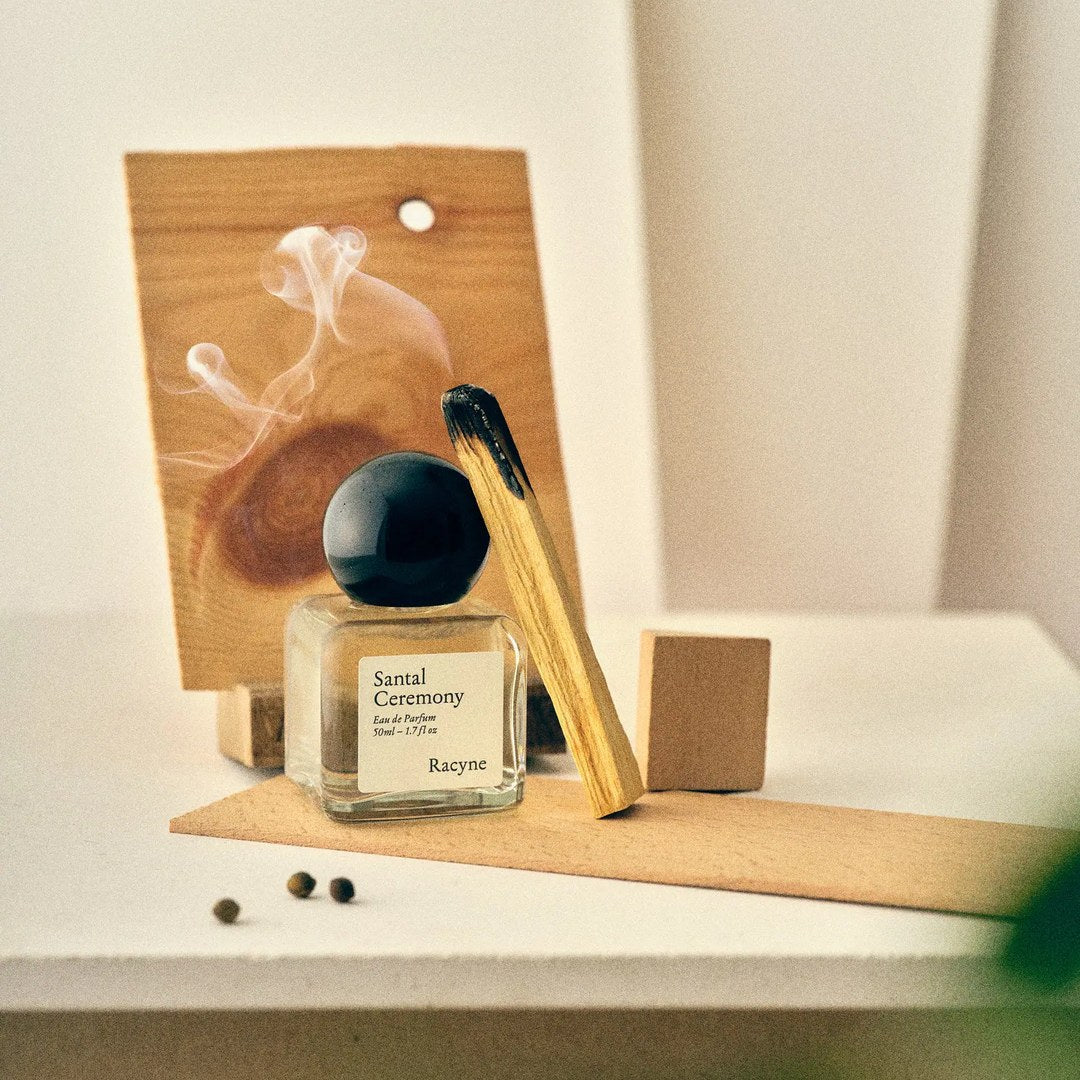
RACYNE at scent amor – the quiet power of modern niche perfumery
RACYNE is bringing five Eaux de Parfum and a Discovery Set to the world of modern niche perfumery at scent amor. From GARDEN SONG to LA TERRE, LA NUIT and QUELQUE PART to SANTAL CEREMONY and VERDEU...

Leave a comment
All comments are moderated before being published.