

Filters
107 products



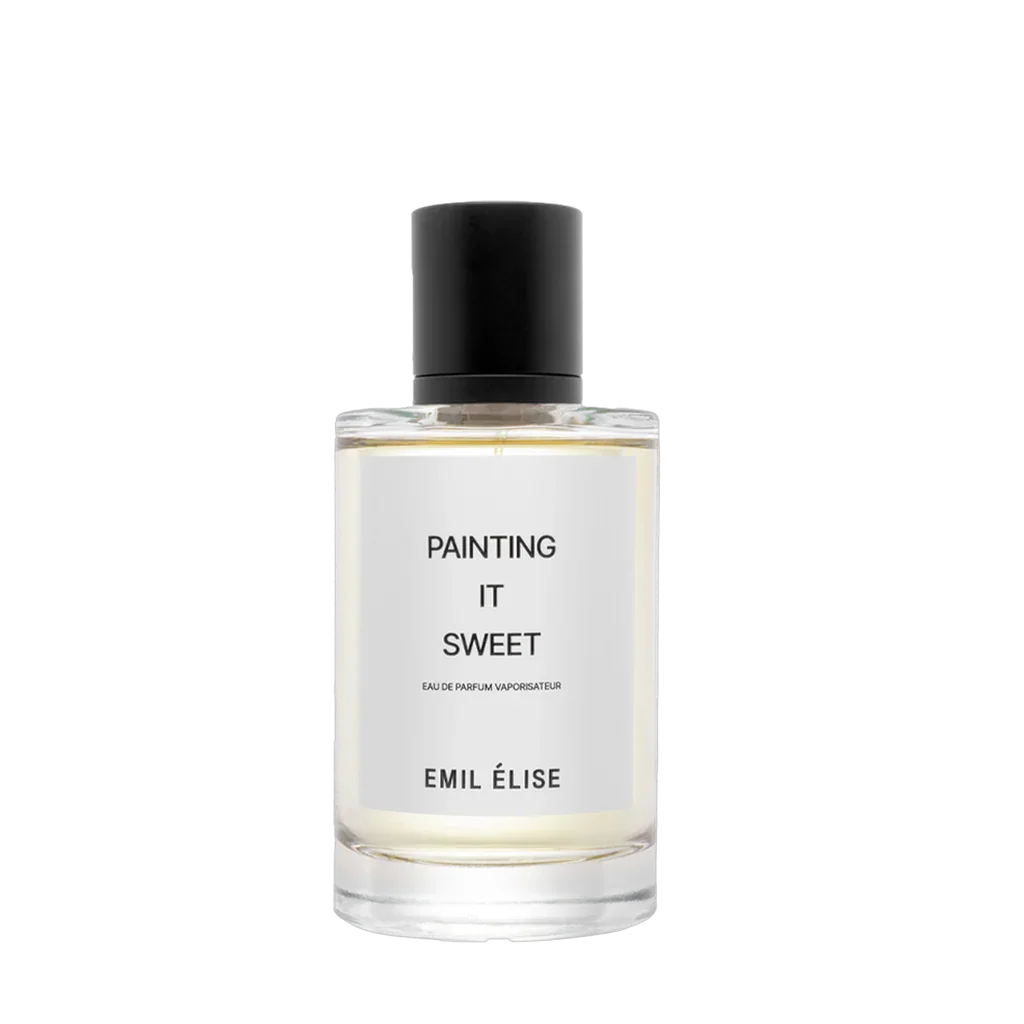
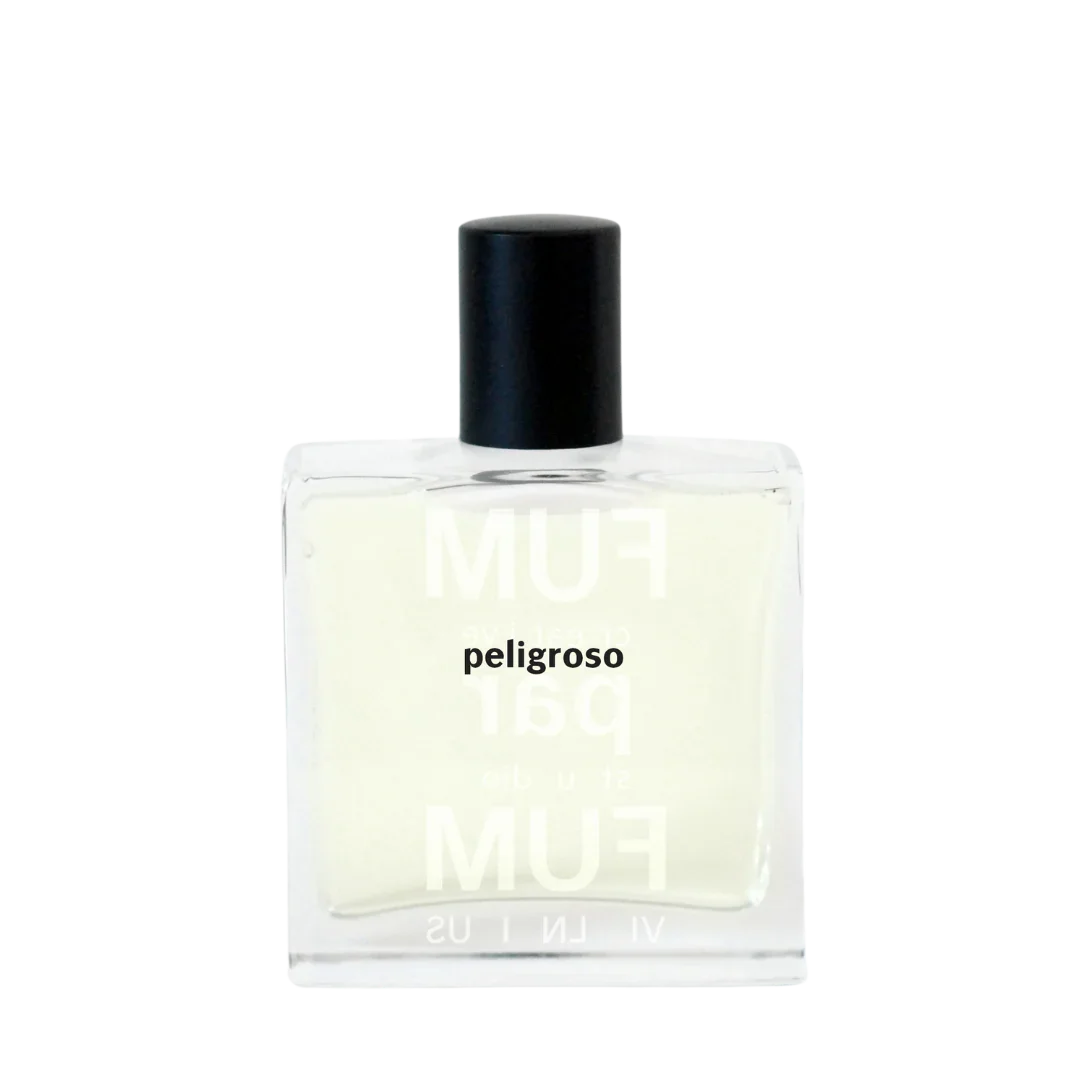
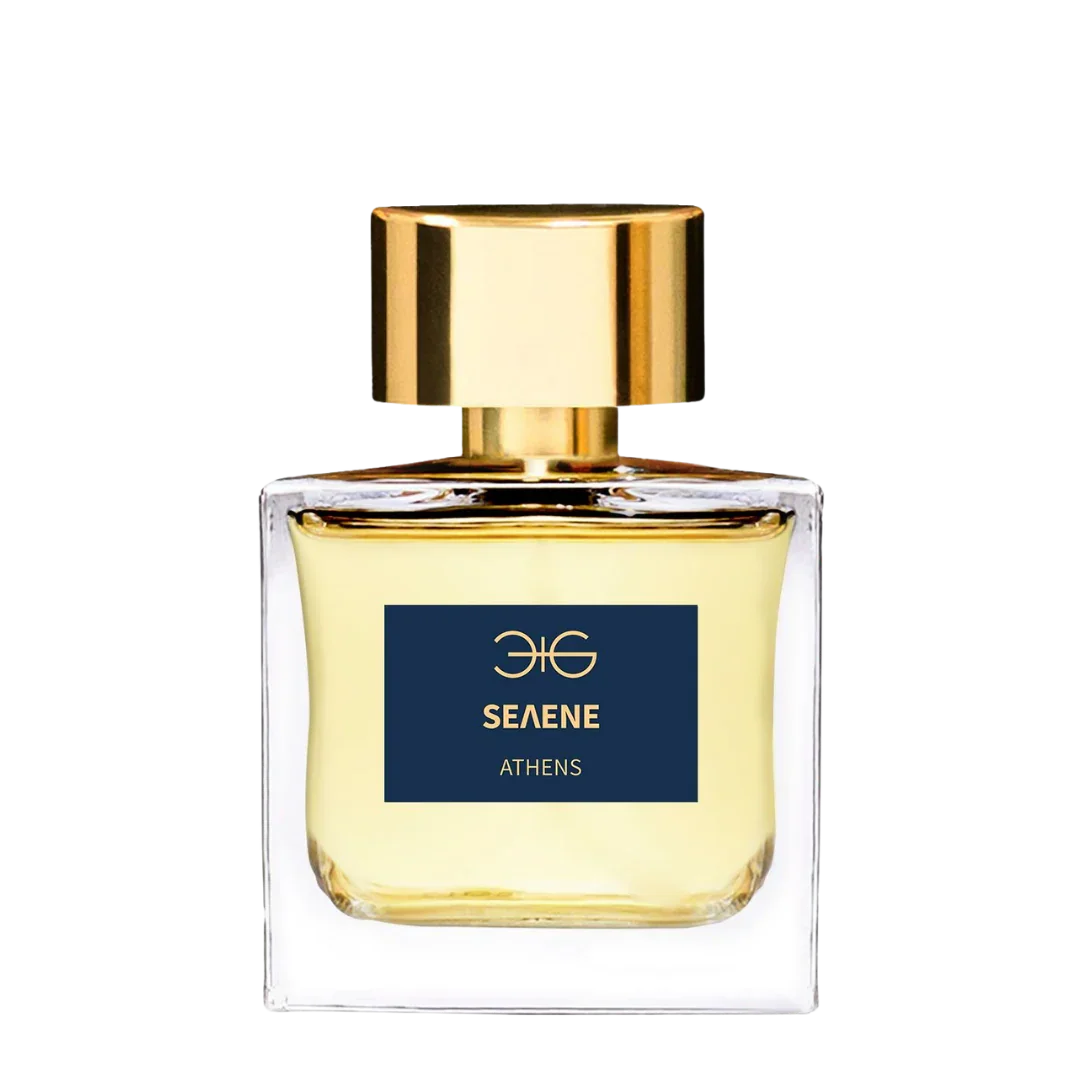
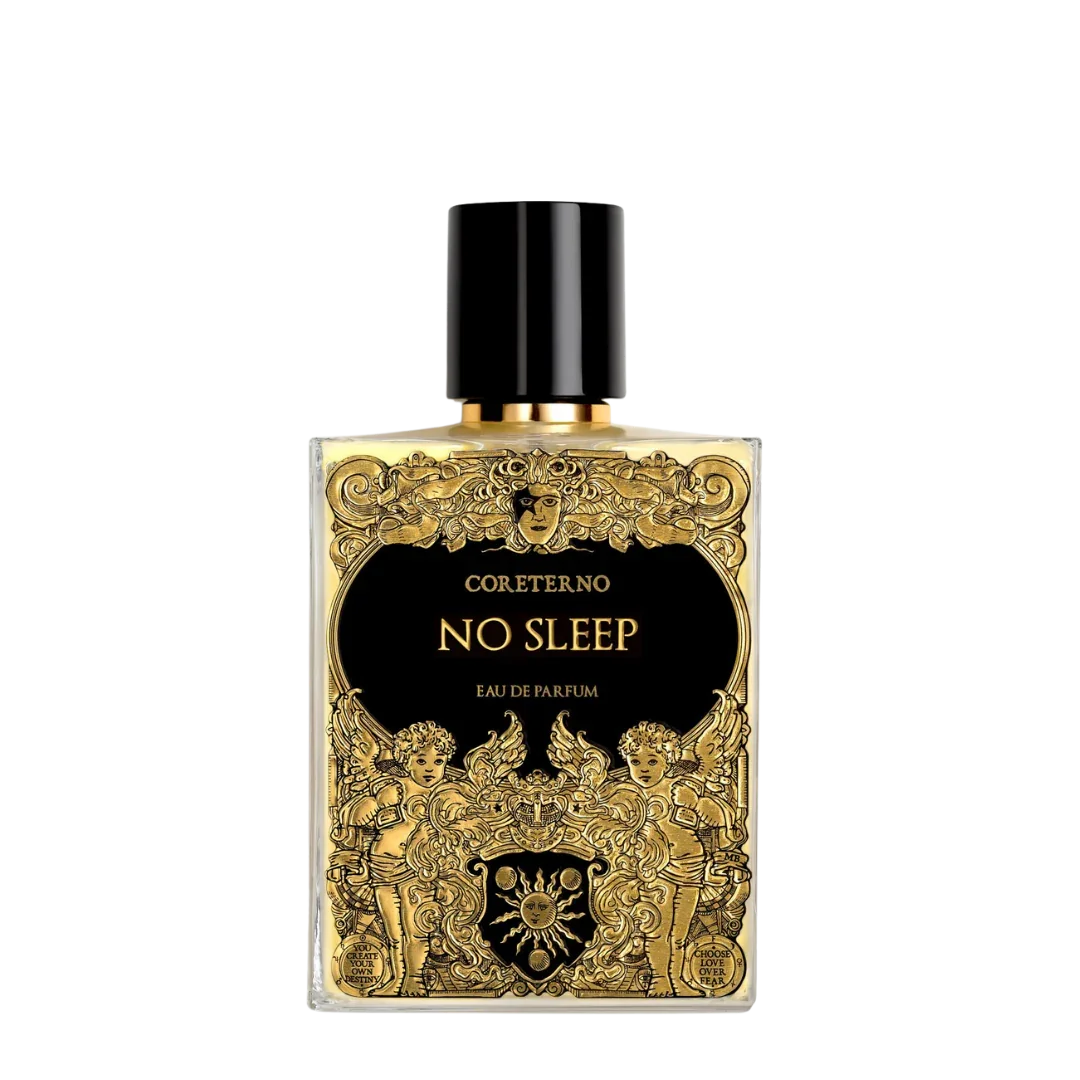
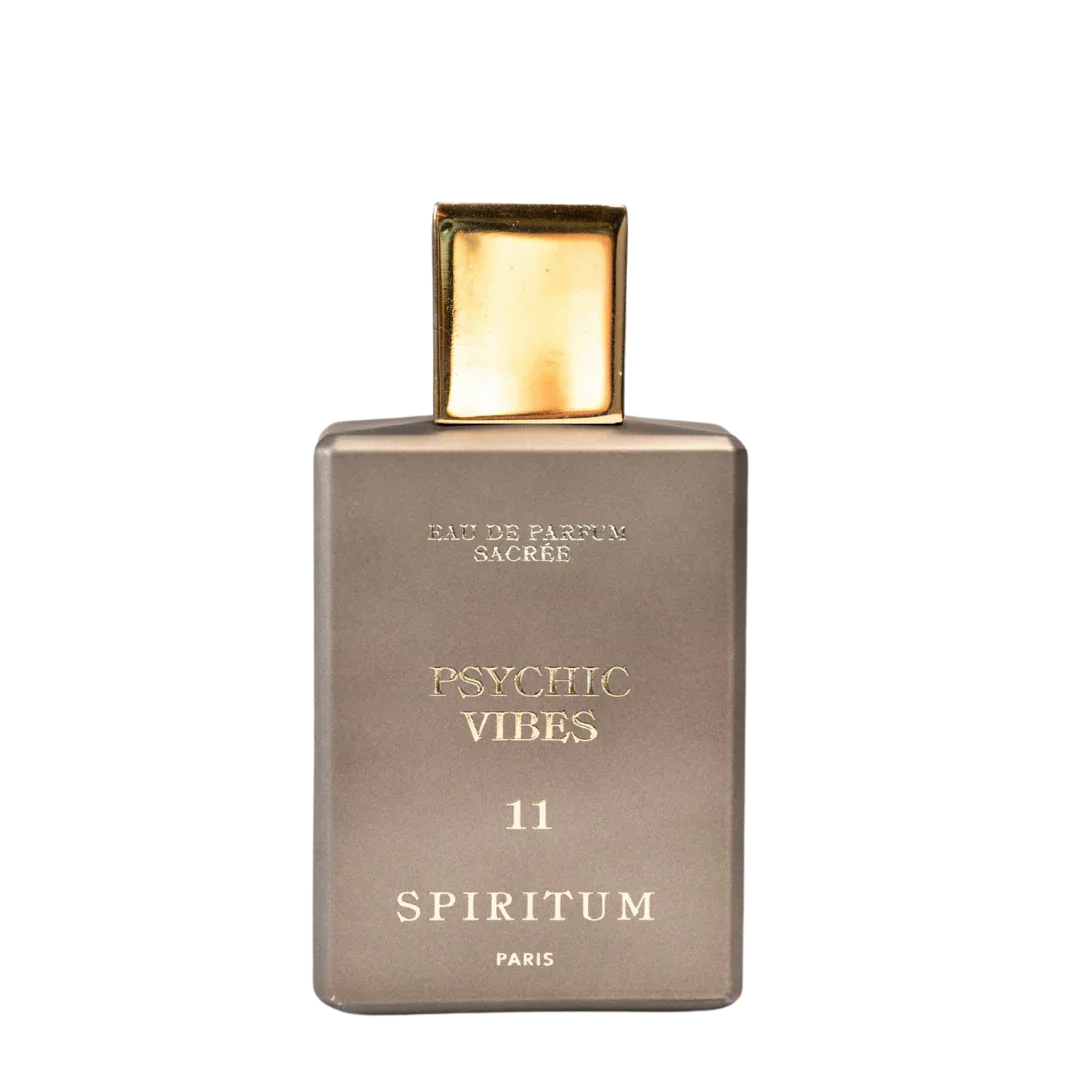
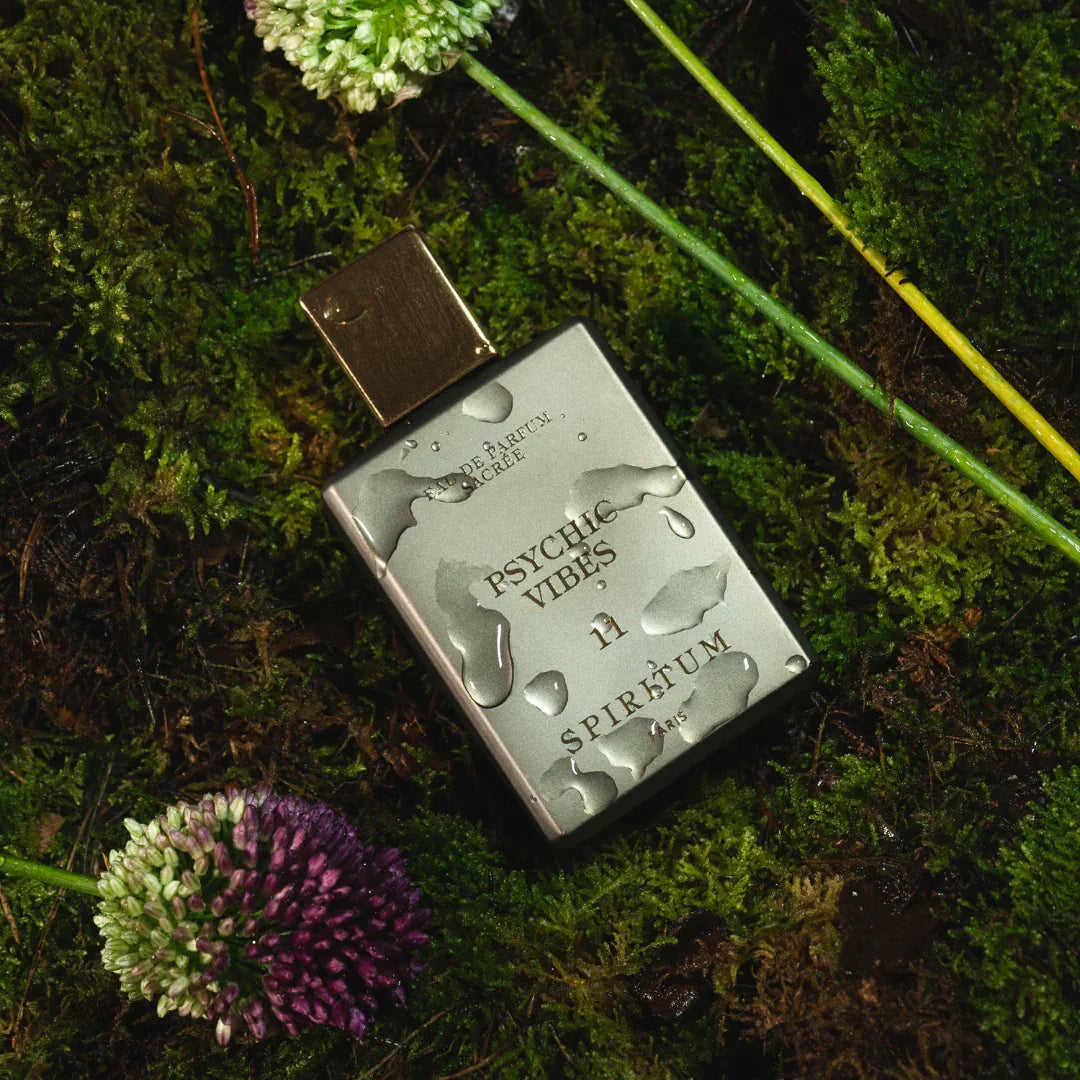
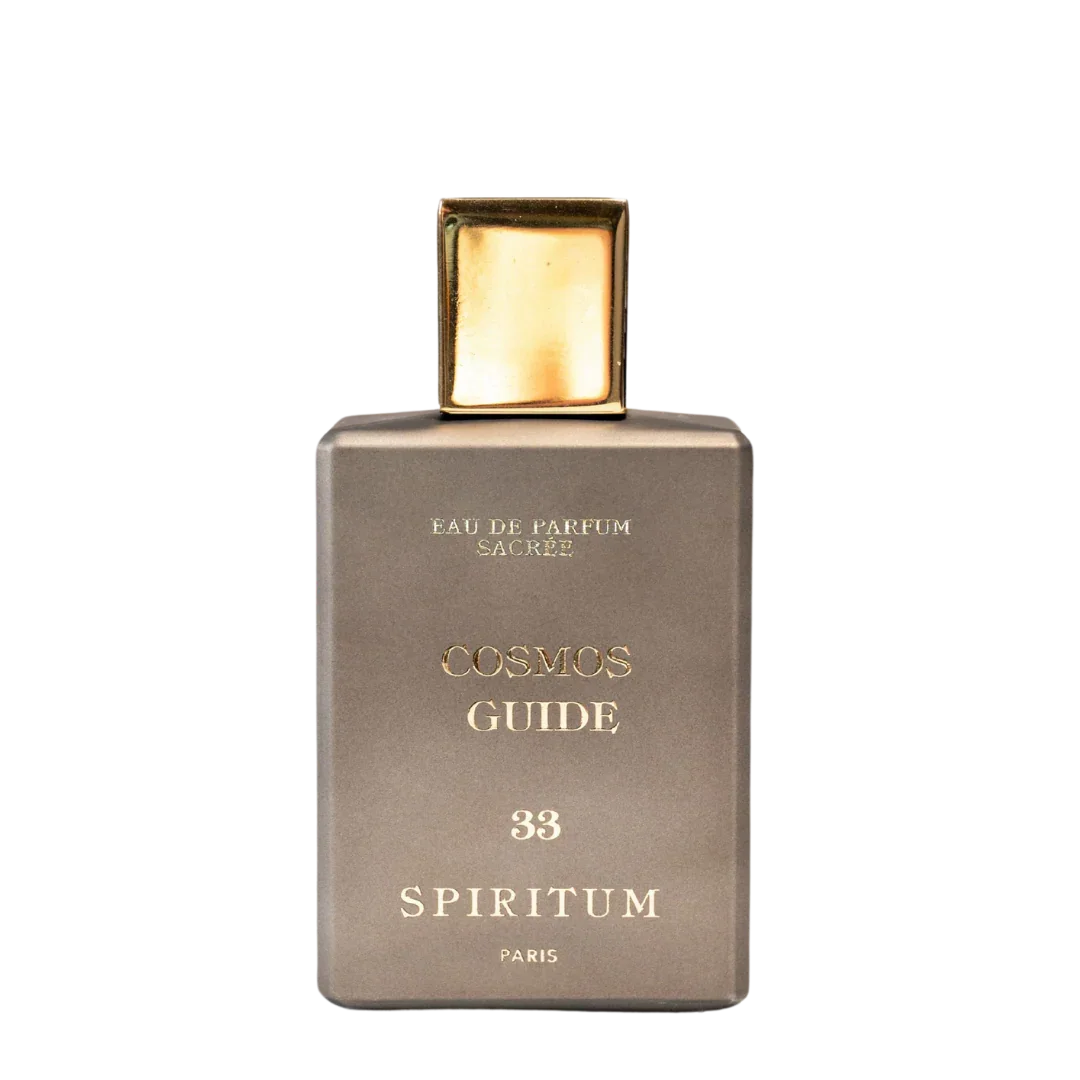
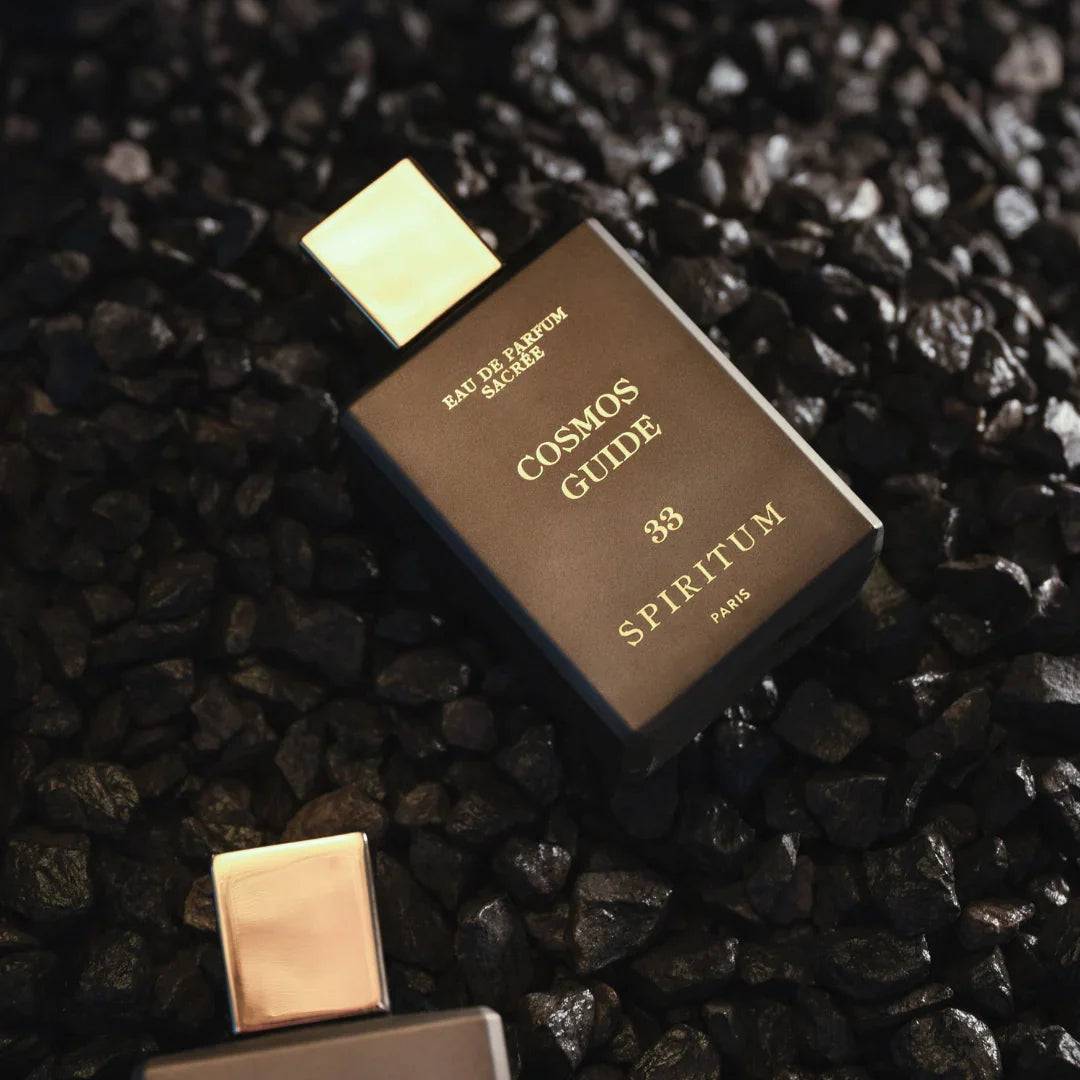
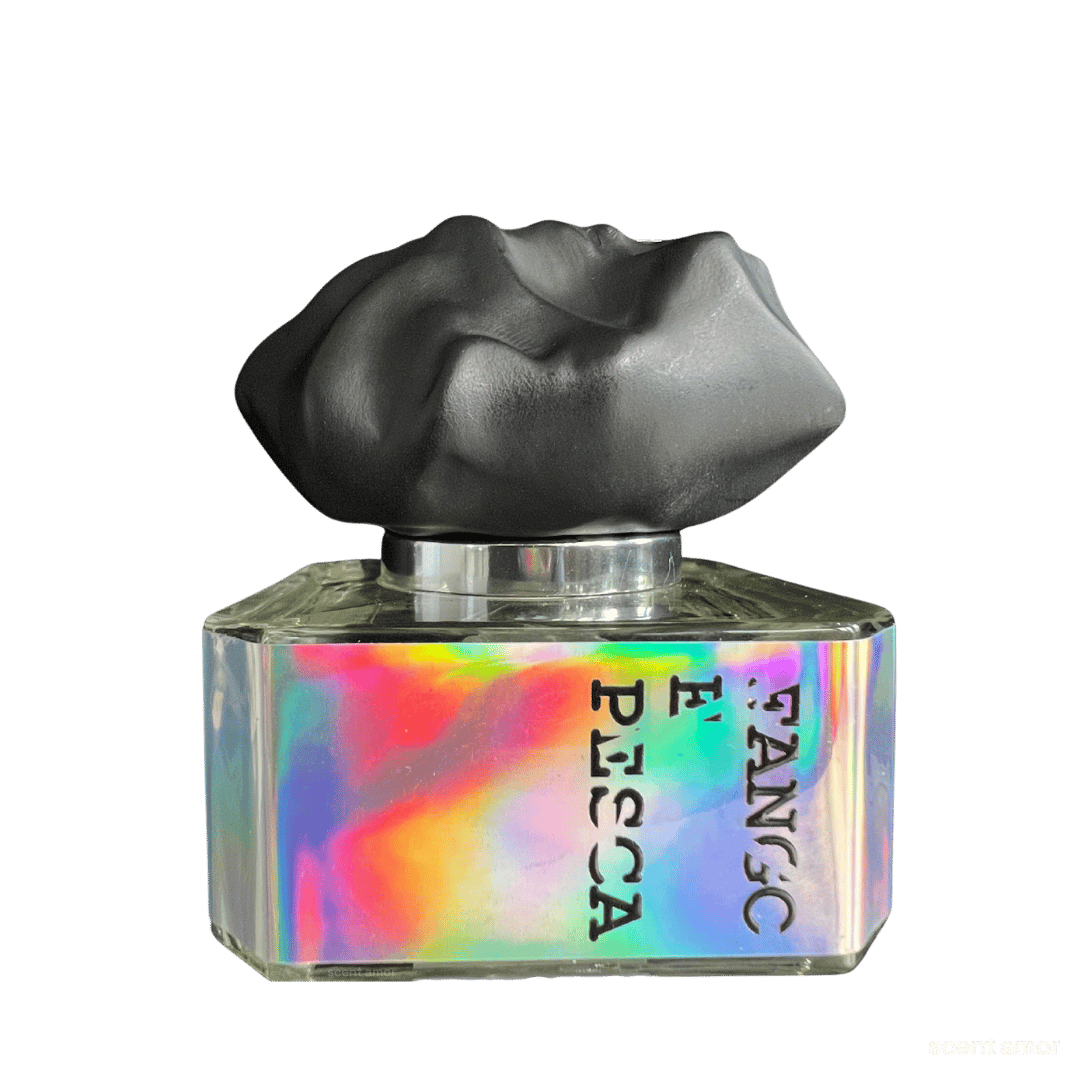
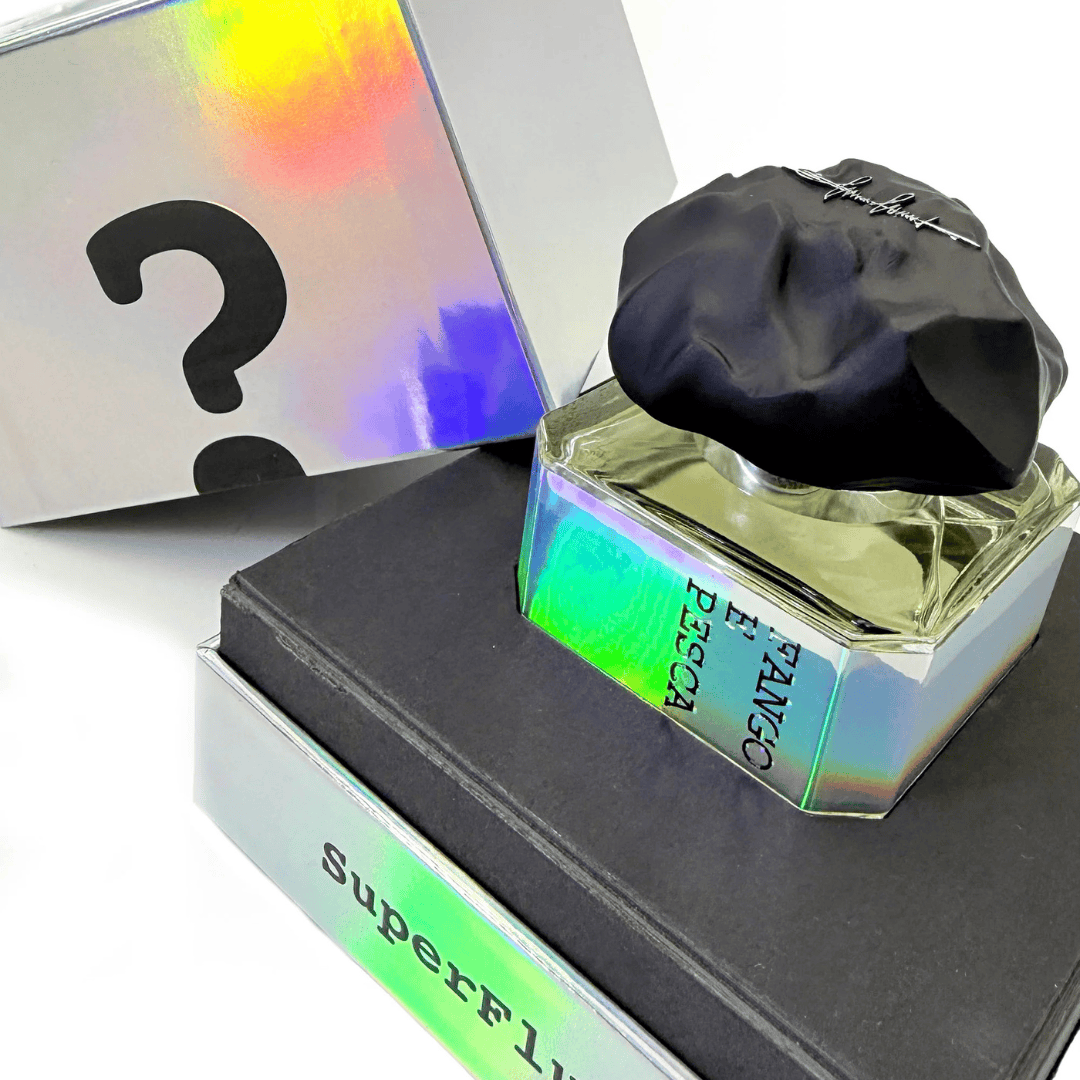
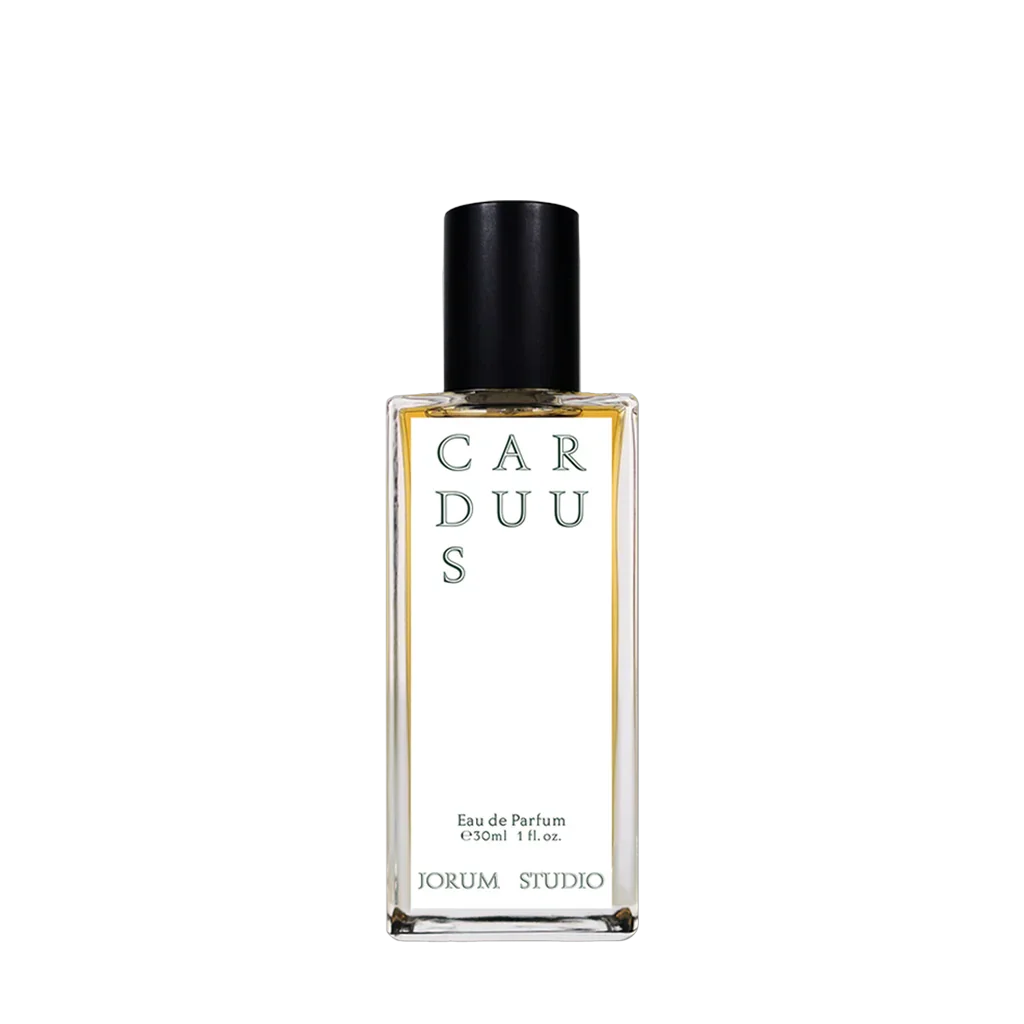
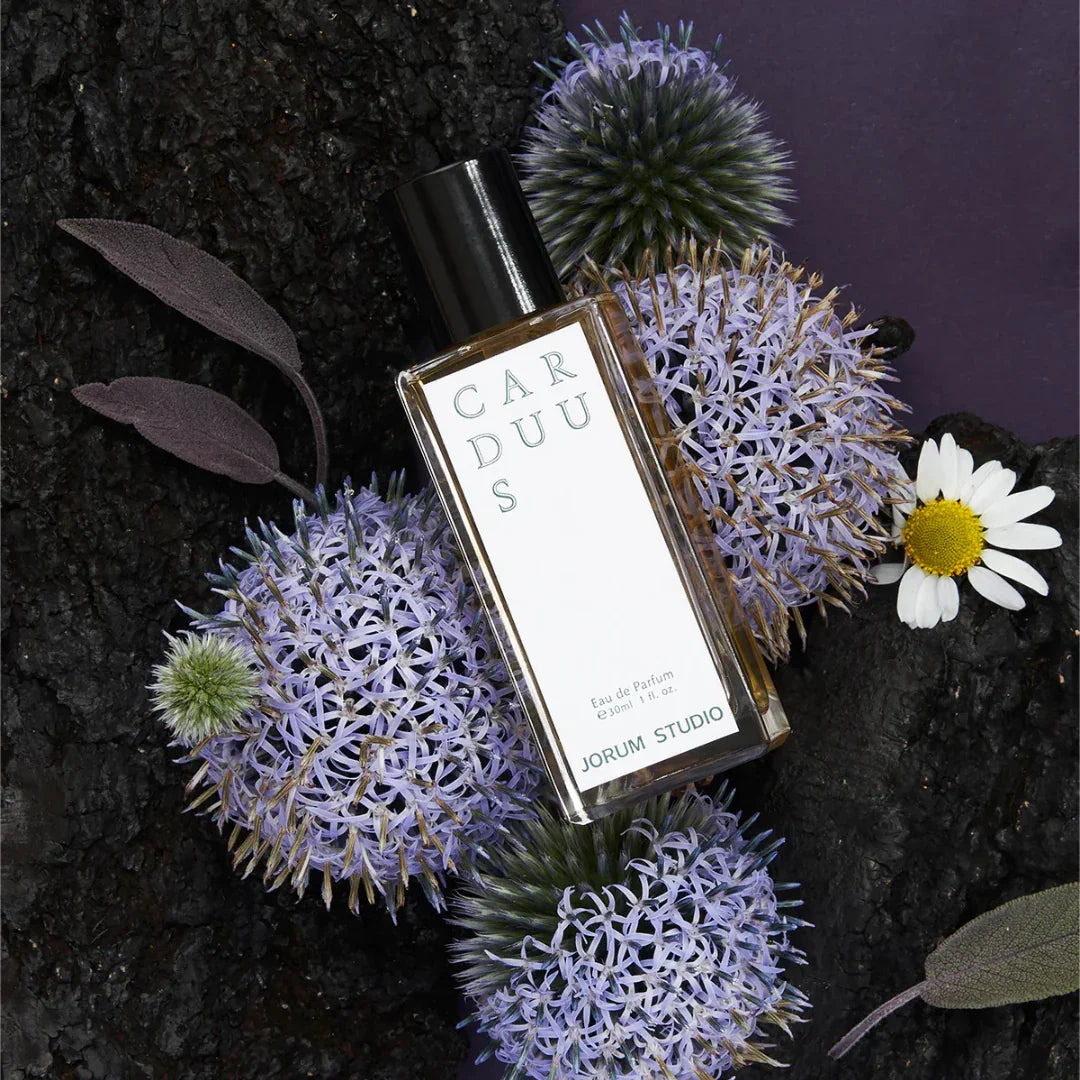

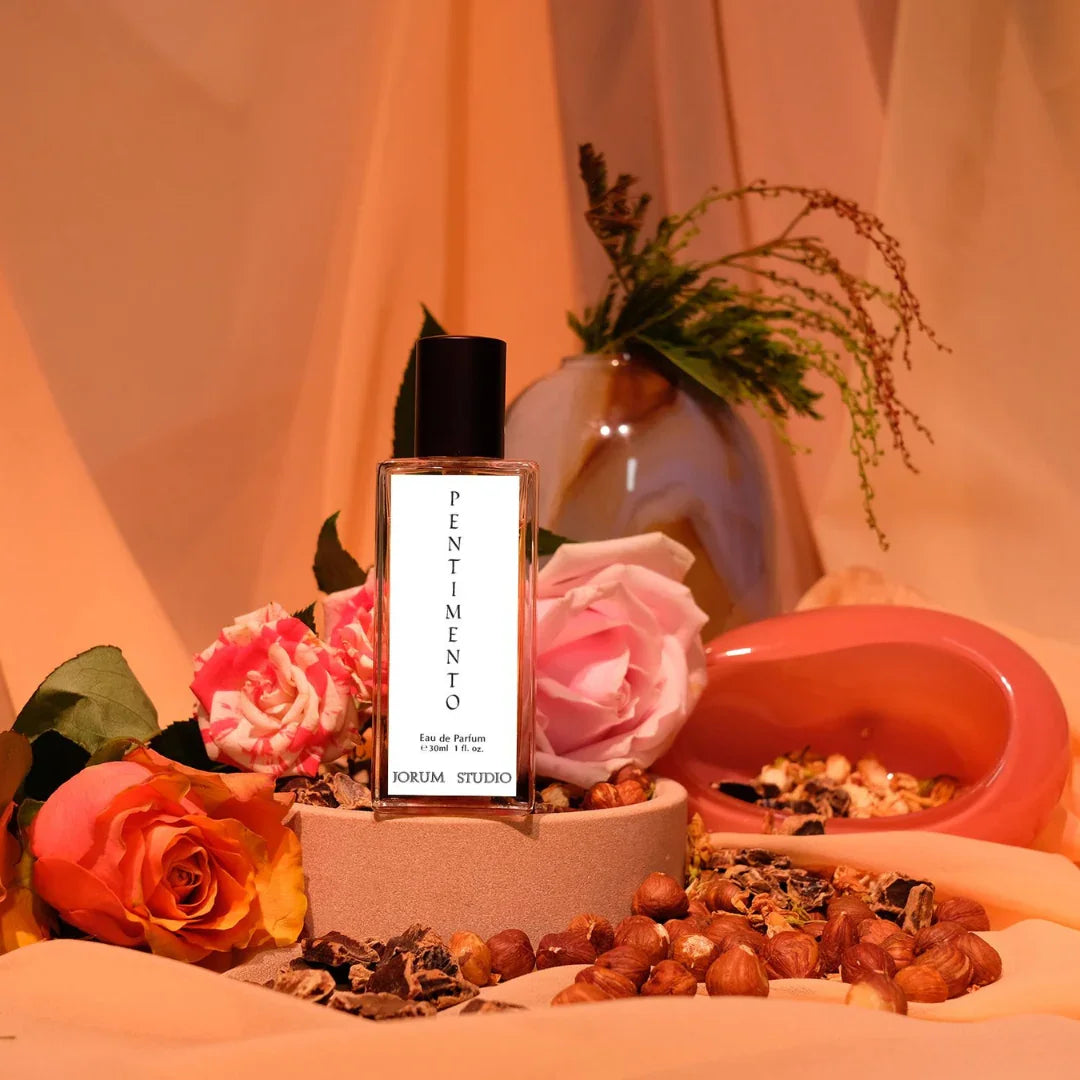
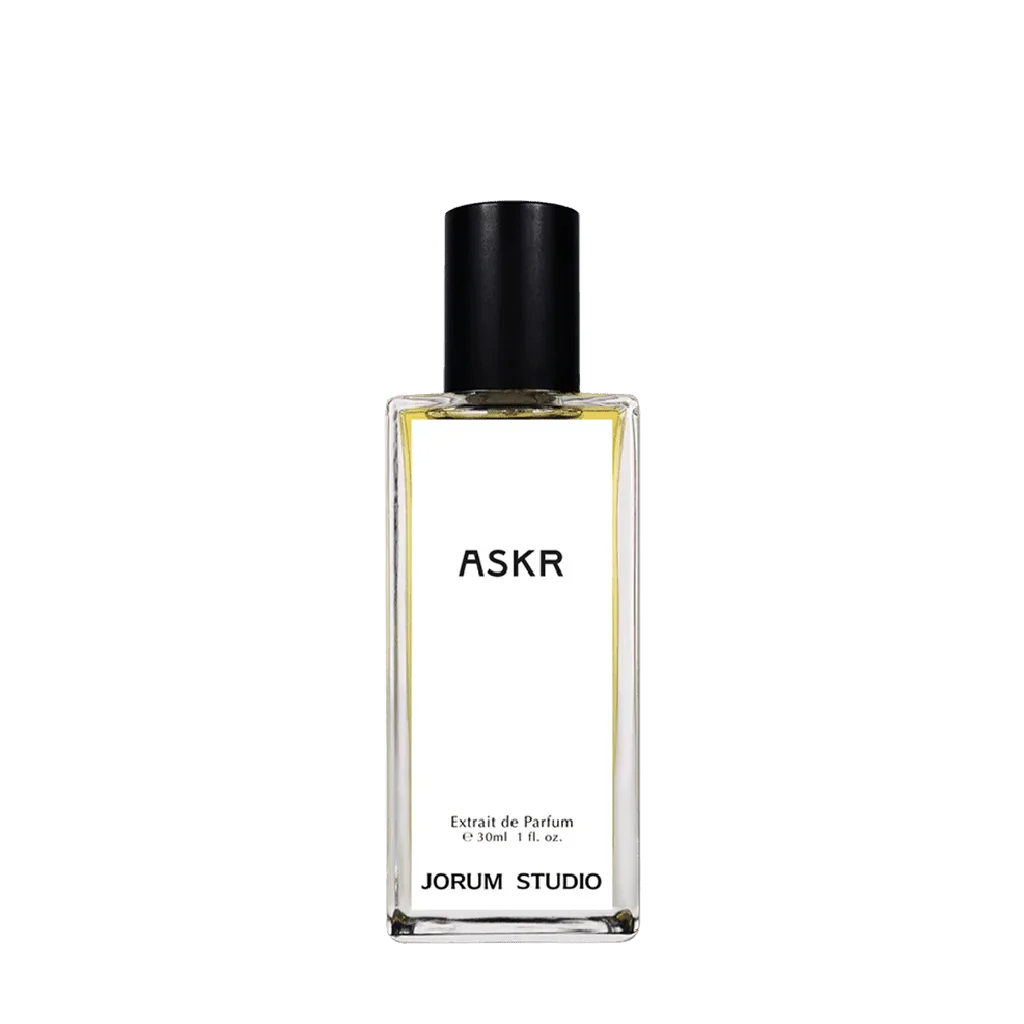
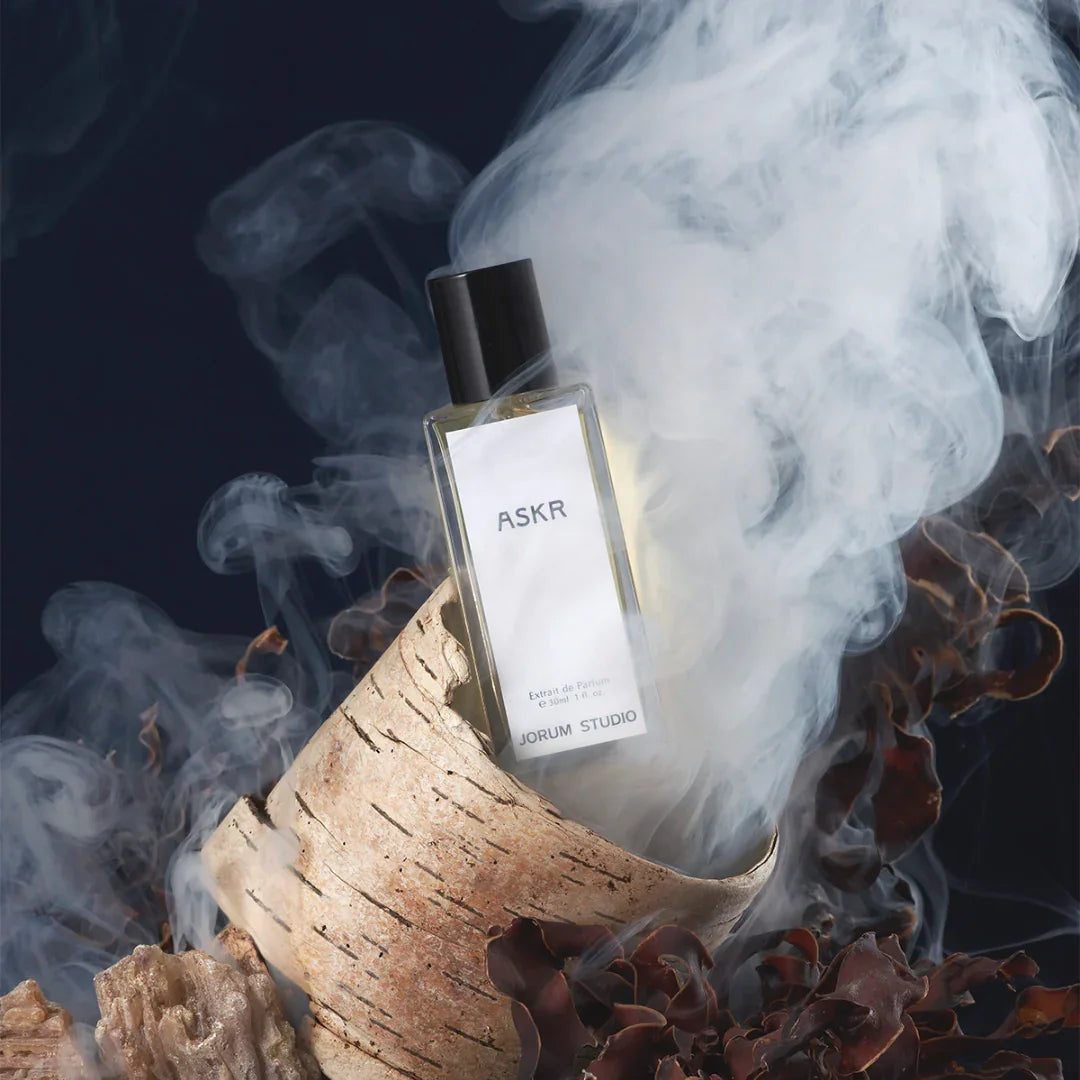
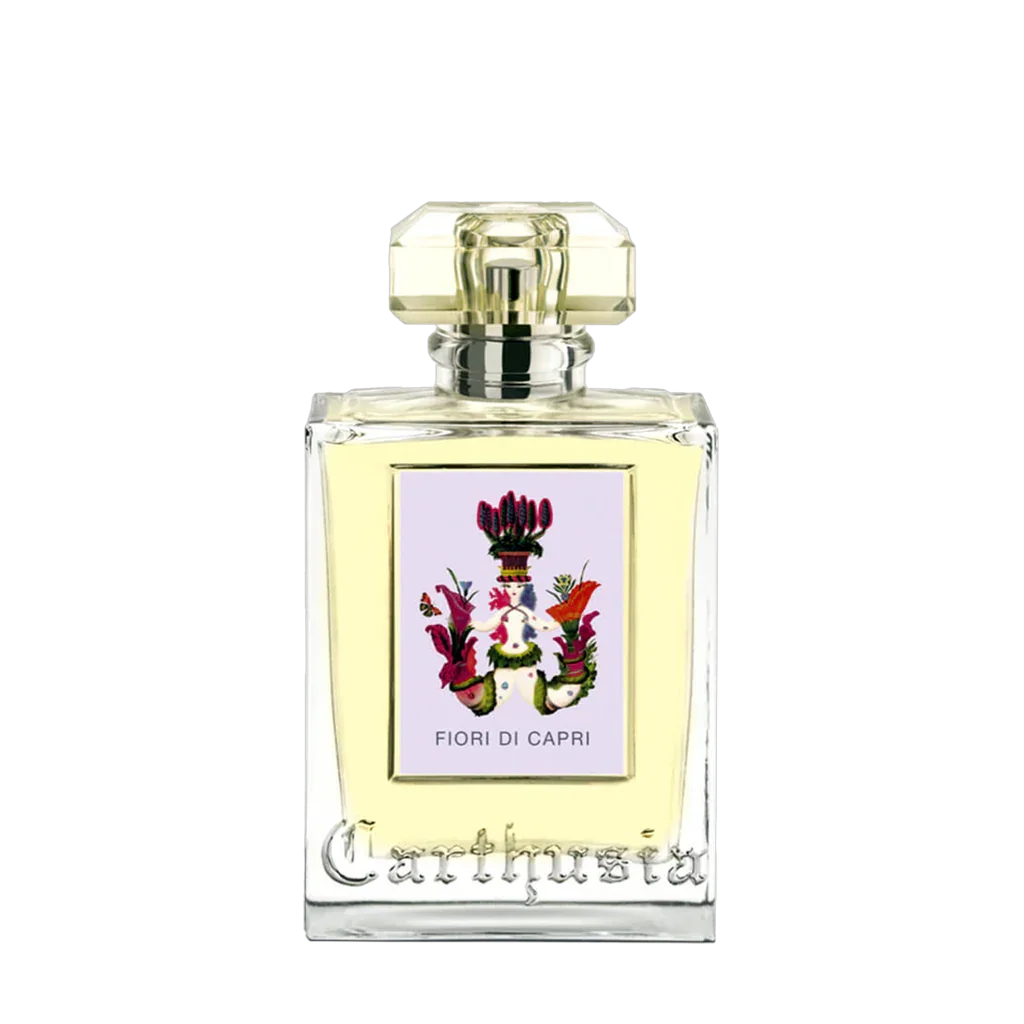
The violet – from powdery nostalgia to metallic green
Violet – powder, green bite, and the quiet art of illusion
Violet in perfumery is never “just romantic.” It is a material that hovers, deceives, and slips away: cool and powdery, sometimes like paper dust or an old make-up compact, then suddenly green, wet, and metallic—like freshly crushed leaves. Violet builds atmosphere, not volume. It’s a core tool in niche fragrance compositions where elegance doesn’t need to announce itself.
Two violet worlds – flower and leaf as entirely different voices
When you say violet, you often mean two scent ideas that barely resemble each other. The violet flower impression is the archetype of cool powder: soft, iris-adjacent, gently sweet yet never gourmand—more like a vintage powder haze on clean skin. Violet leaf, by contrast, is green, watery, metallic-cool, with a bitter, almost cucumber-like freshness. This leaf note is less nostalgia and more precision: it cuts air into a formula and makes a structure feel sharper and more modern.
Origin – why violet always carries its climate
Violet aesthetics are historically tied to Europe—especially France and Italy—but in practice what matters most is where the raw materials for each extract are grown and how they’re handled. Leaf material from humid, temperate regions often reads juicier and more “alive.” Leaves grown in drier conditions can feel more angular, bitter, and mineral. With flowers, there’s an added twist: violet blossoms rarely yield the iconic “violet perfume” effect directly—which is why violet became, early on, a craft of reconstruction rather than straightforward extraction.
Extraction routes – why violet is often built, not simply harvested
The famous violet flower accord is a paradox: you can’t easily distil the classic violet impression from real violet blossoms. That familiar violet signature is frequently created via ionones and related molecules—a deliberate illusion. This isn’t a cheat; it’s skill. Violet proves perfumery isn’t photography, it’s painting.
Violet leaf is different. Here, extracts and absolues are genuinely usable, and method shapes style. A violet leaf absolute can feel deep green, wet, slightly leathery, and distinctly metallic—often with that cool “garden air” realism that makes a fragrance feel instantly more grown-up. Where available, CO₂ extraction can render the leaf portrait more transparent and detailed, often less heavy, with fresher edges. Either way, violet leaf is a structural material: not sweet, not charming—precise.
Quality – how to recognise a great violet
High-quality violet powderiness never turns soapy or candy-like. It stays cool, fine, iris-like—more cashmere dust than sugar. Great violet leaf doesn’t smell like “green shower gel”; it smells like real leaves: watery, bitter, metallic, with a quiet leathery shadow. Lower grades go flat, overly sweet, or synthetically “smooth.” The best qualities breathe: cool on top, dark-green underneath, air in between.
Violet in composition – powder as stance, green as a clean cut
In modern fragrance architecture, violet is either the soft powder layer that gives dignity, or the green leaf that gives contour. The flower idea pairs beautifully with iris, musk, and pale woods like sandalwood, making an unisex perfume feel textile and refined. Violet leaf, meanwhile, loves contrast: it dries down bergamot, neroli, or petitgrain, sharpens vetiver, and makes leather accords feel less heavy and more focused. Violet is not floral decoration. It is line, texture, and temperature.
Copyright by scent amor © 2026 (grw)
Frequently asked Questions about Violet
What is the fundamental difference in the scent profile between Violet Flower and Violet Leaf?
Why does the scent of Violet Flowers often seem to disappear after a while? (The Ionone Phenomenon)
Why is natural Violet Flower oil nearly impossible to find, while Violet Leaf Absolute is a standard ingredient?
What role does Violet Leaf play in modern masculine and unisex fragrances?
Discover all fragrances
Amber Perfumes
Ambergris Perfumes
Ambroxan
Aquatic Perfumes
Bergamot Note
Cashmeran
Chypre Perfumes
Floral - Flowery Perfumes
Fougère Perfumes
Fresh Perfumes
Fruity Perfumes
Gourmand Perfumes
Green Perfumes
Woody Perfumes

Iris Perfumes

ISO E Super
Jasmine
Lavender Note

Leder Parfums
Lily of the valley
Mint
Musk Perfumes
Myrrh
Neroli Note
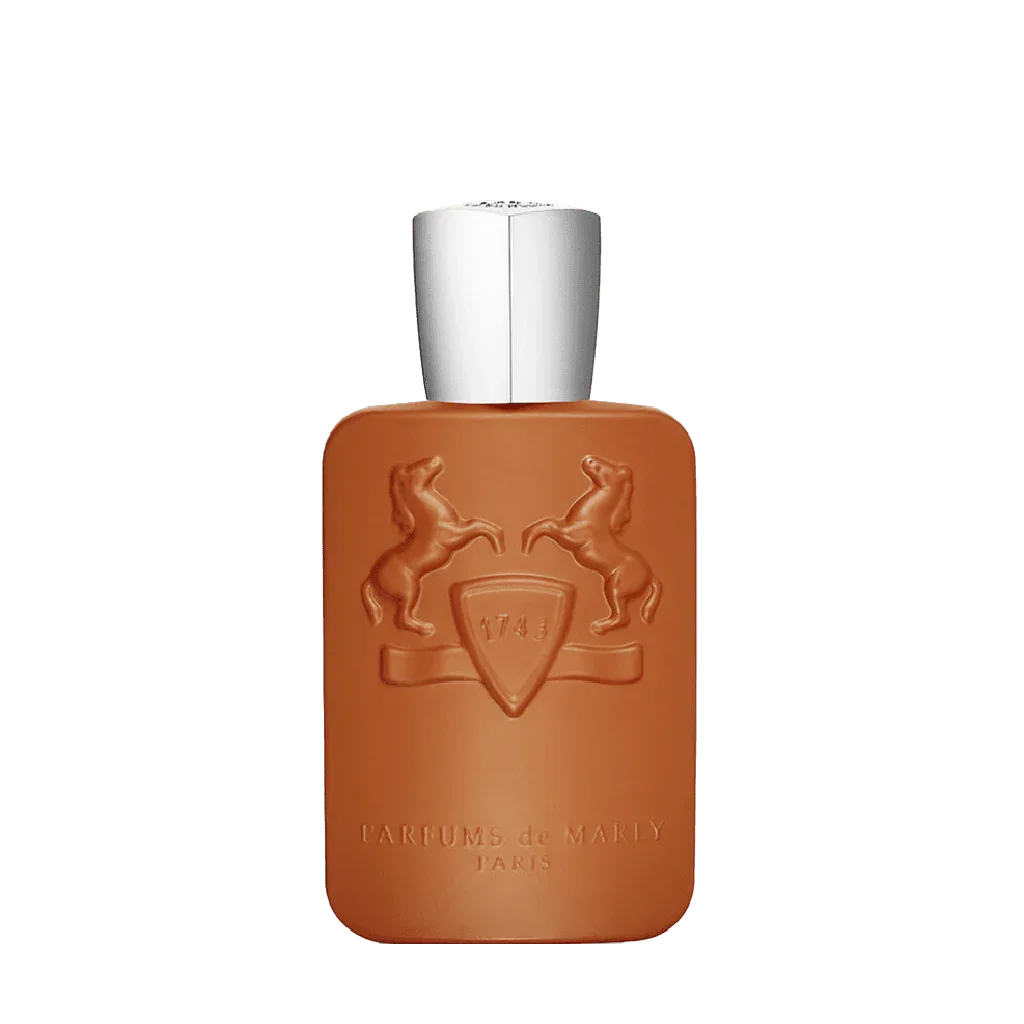
Orientalische Parfums
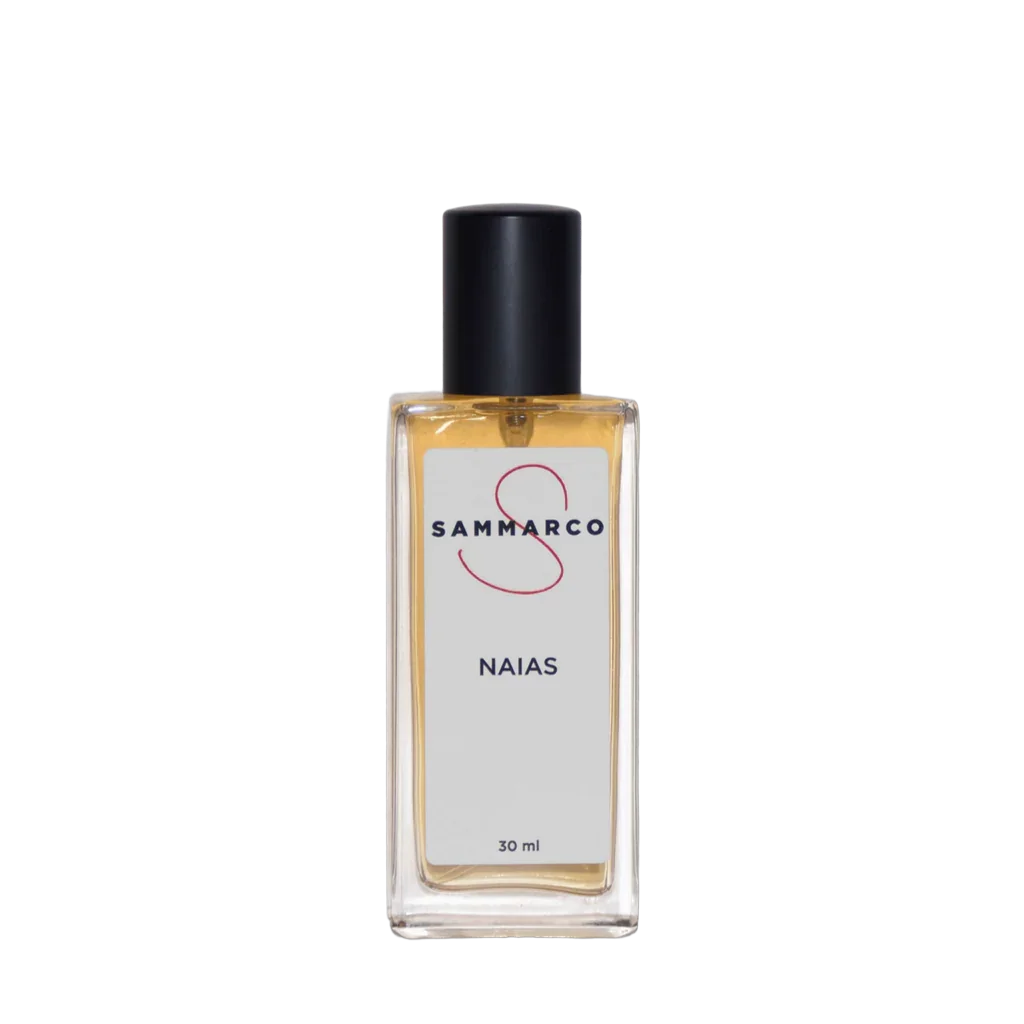
Osmanthus
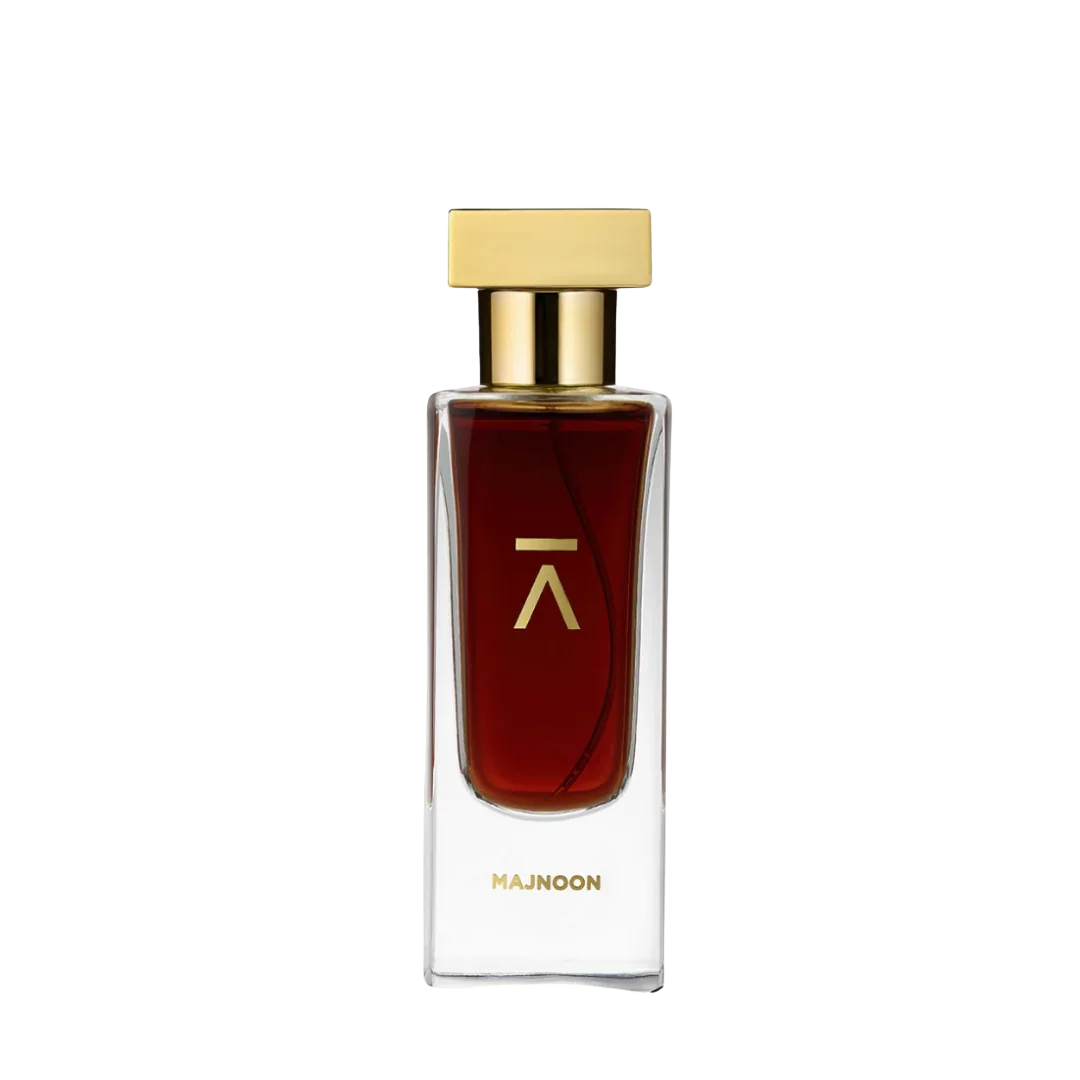
Oud Perfumes
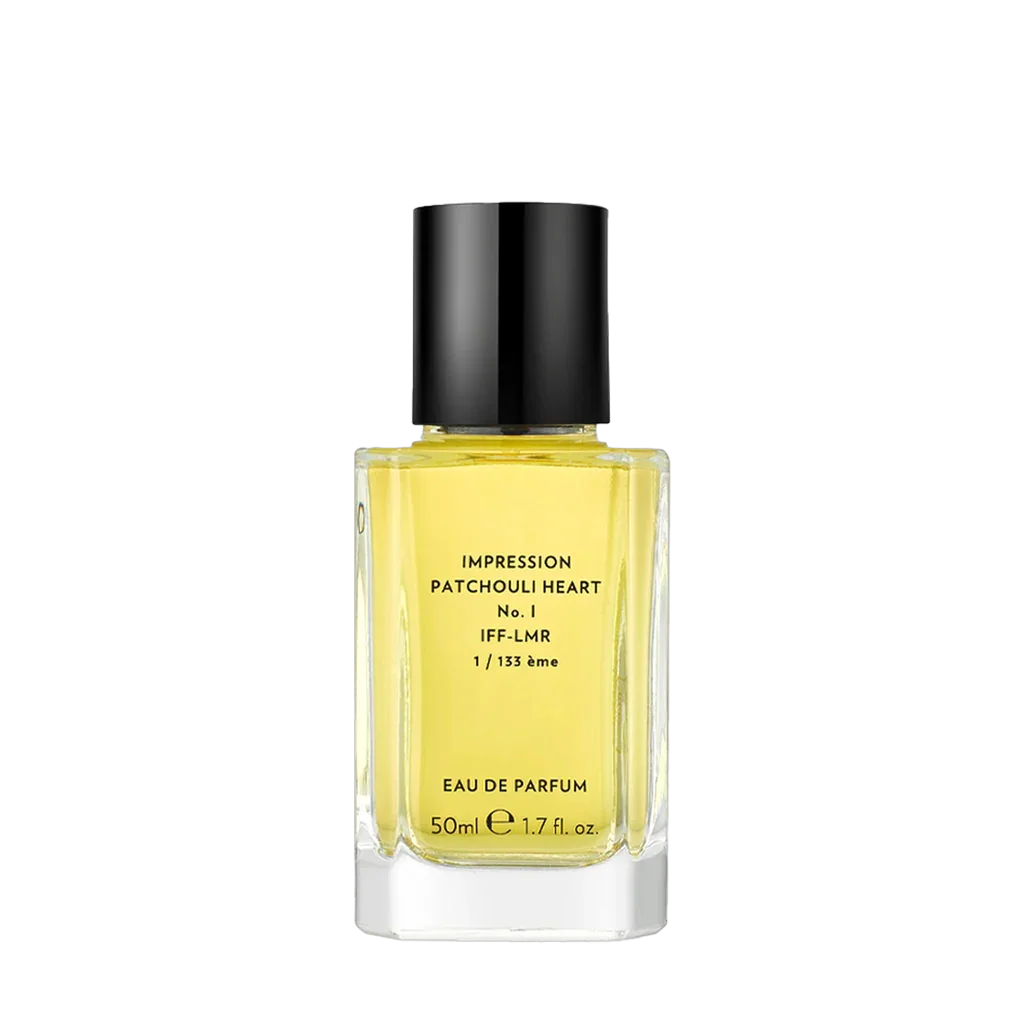
Patchouli Perfumes
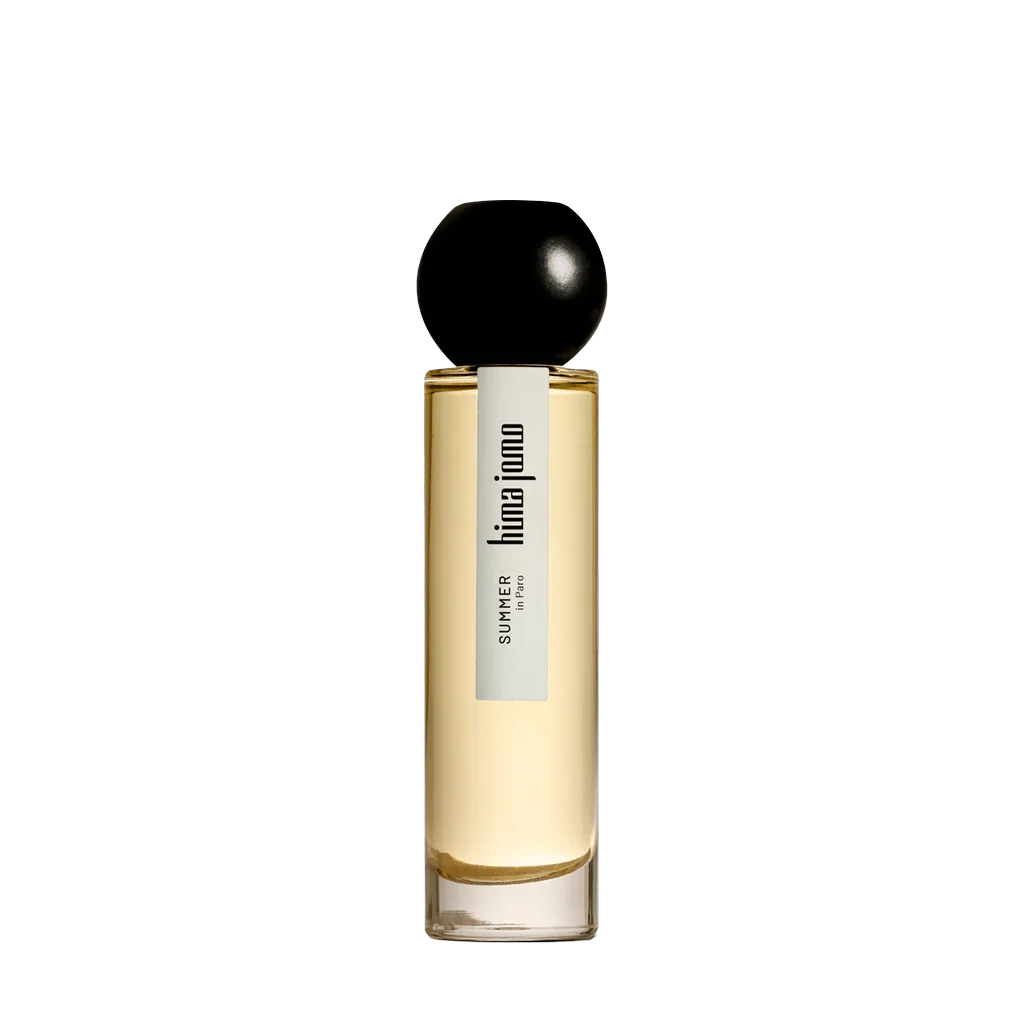
Petitgrain Note
Pepper Notes

Powdery Perfumes

Rose Perfumes
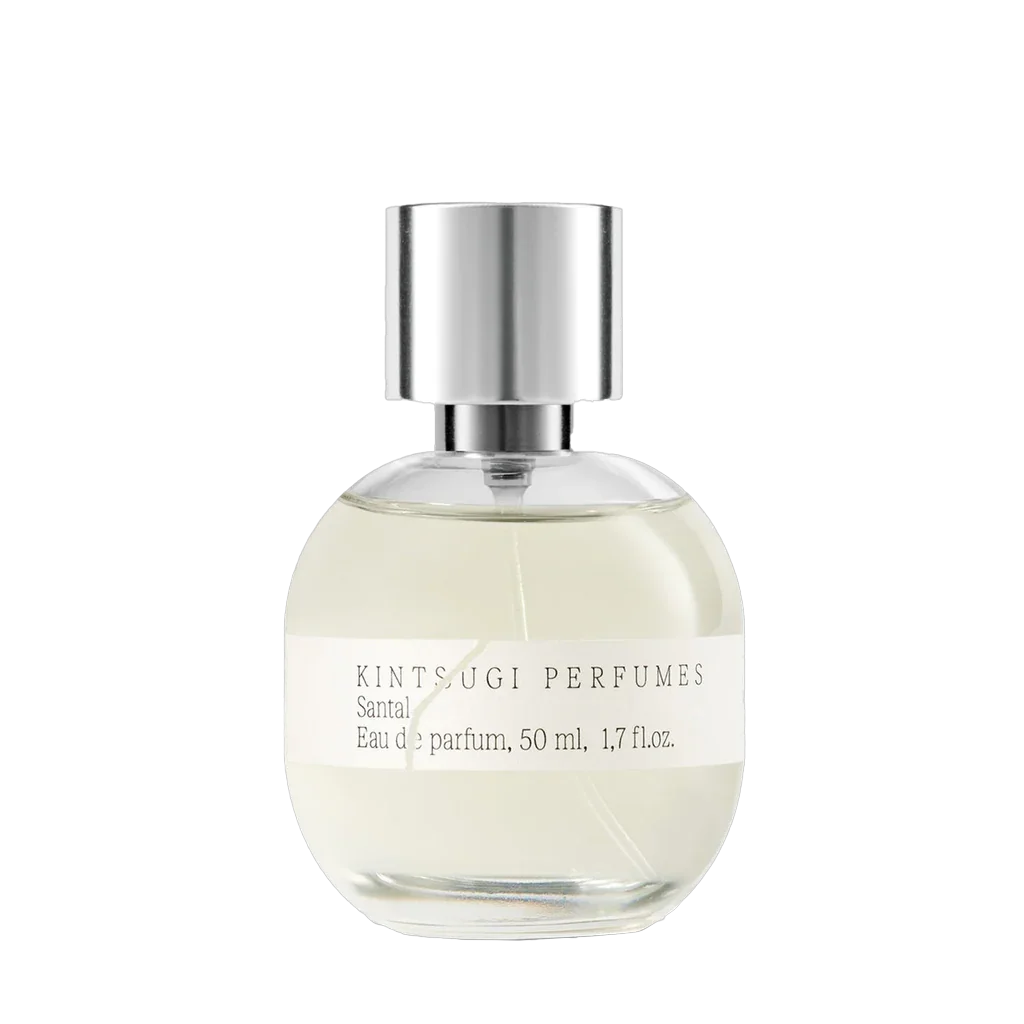
Sandalwood Note
Sweet Perfumes
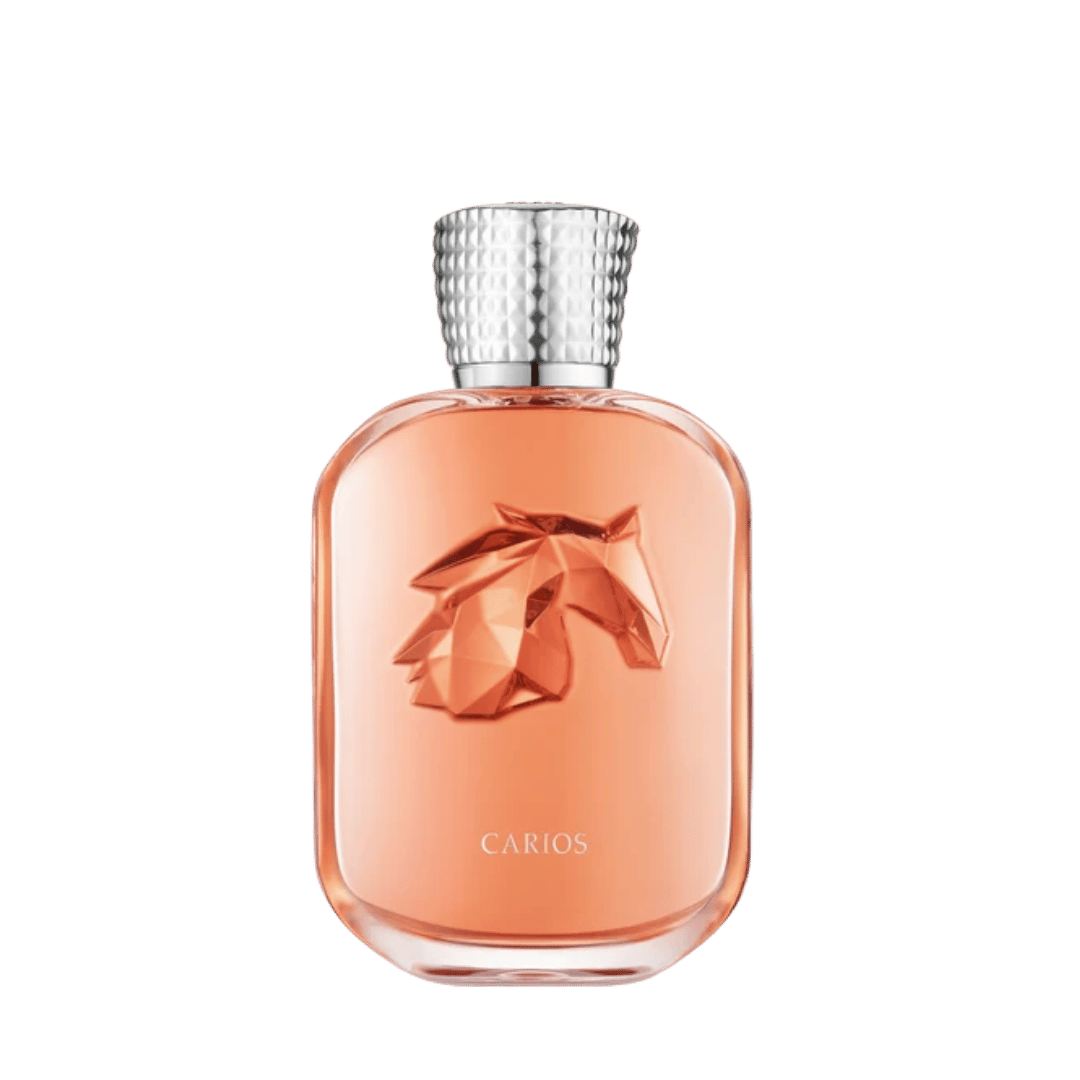
Synthetic Perfume Molecules
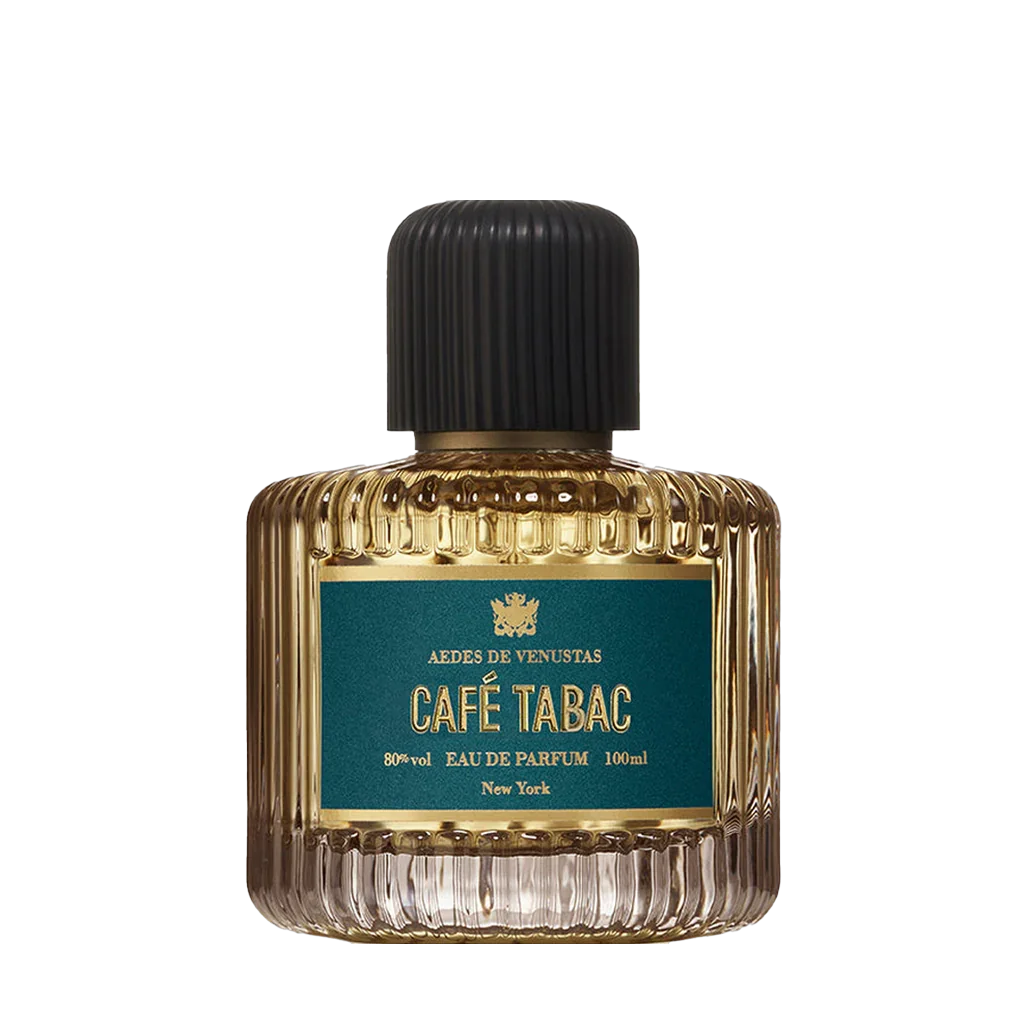
Tobacco Perfumes
Tropical Perfumes
Tuberose Perfumes
Vanilla Perfumes
Violet
Vetiver Perfumes
Juniper
Frankincense Perfumes
Spicy Perfumes

Cinnamon
Citrus Perfumes

Our fragrance news.
Curated for you.
To subscribe to our newsletter and secure your discount, please accept our cookies. Also, make sure that your ad blocker (uBlock, AdBlock) is disabled and JavaScript is enabled.
Our fragrance news.
Curated for you.
To subscribe to our newsletter and secure your discount, please accept our cookies. Also, make sure that your ad blocker (uBlock, AdBlock) is disabled and JavaScript is enabled.