

Filters
49 products

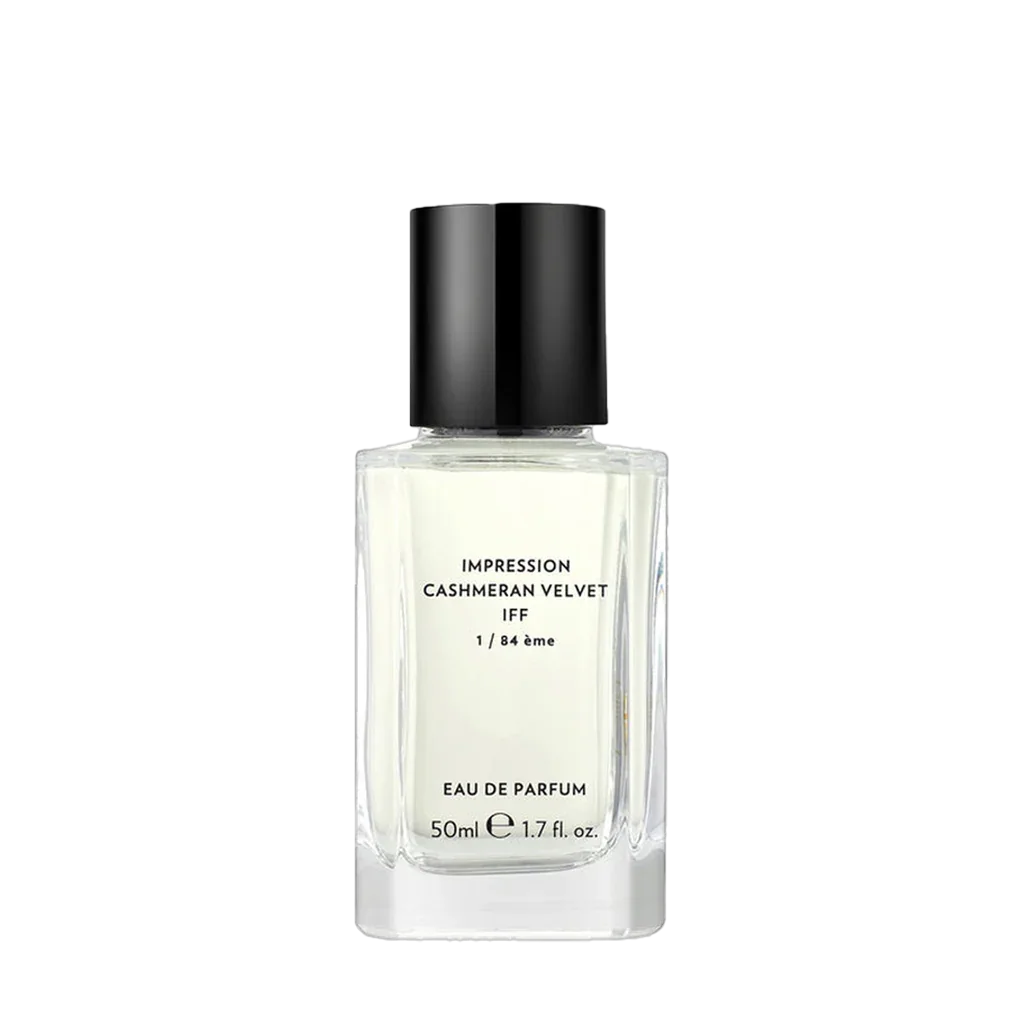
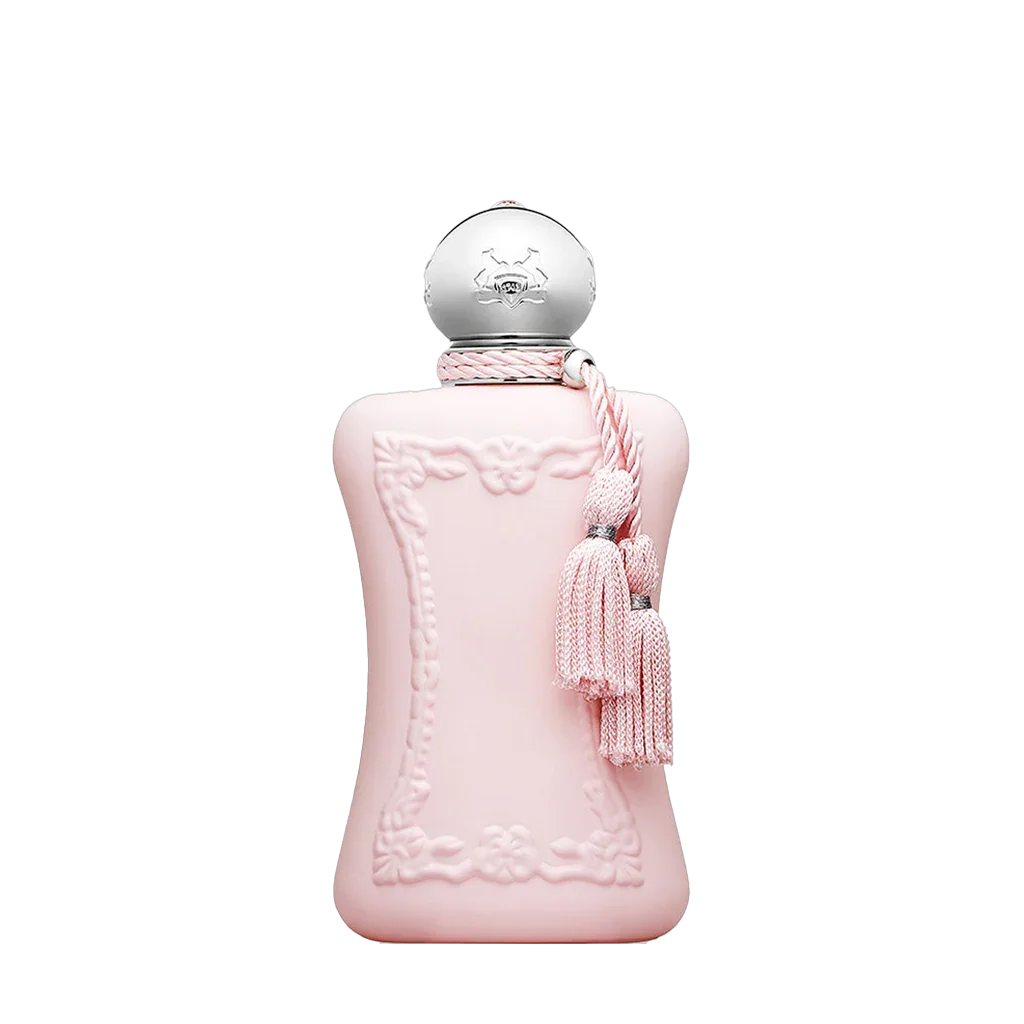
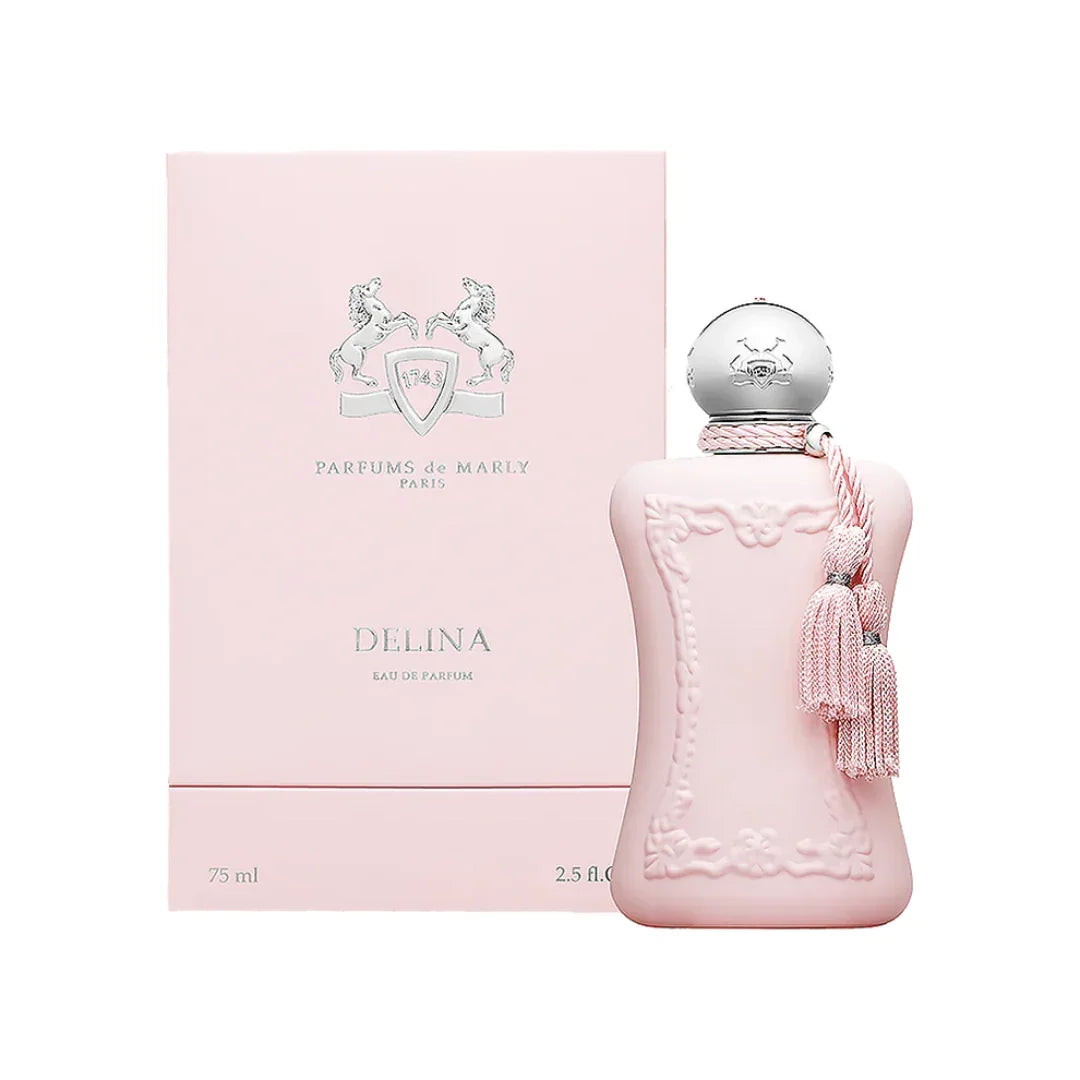
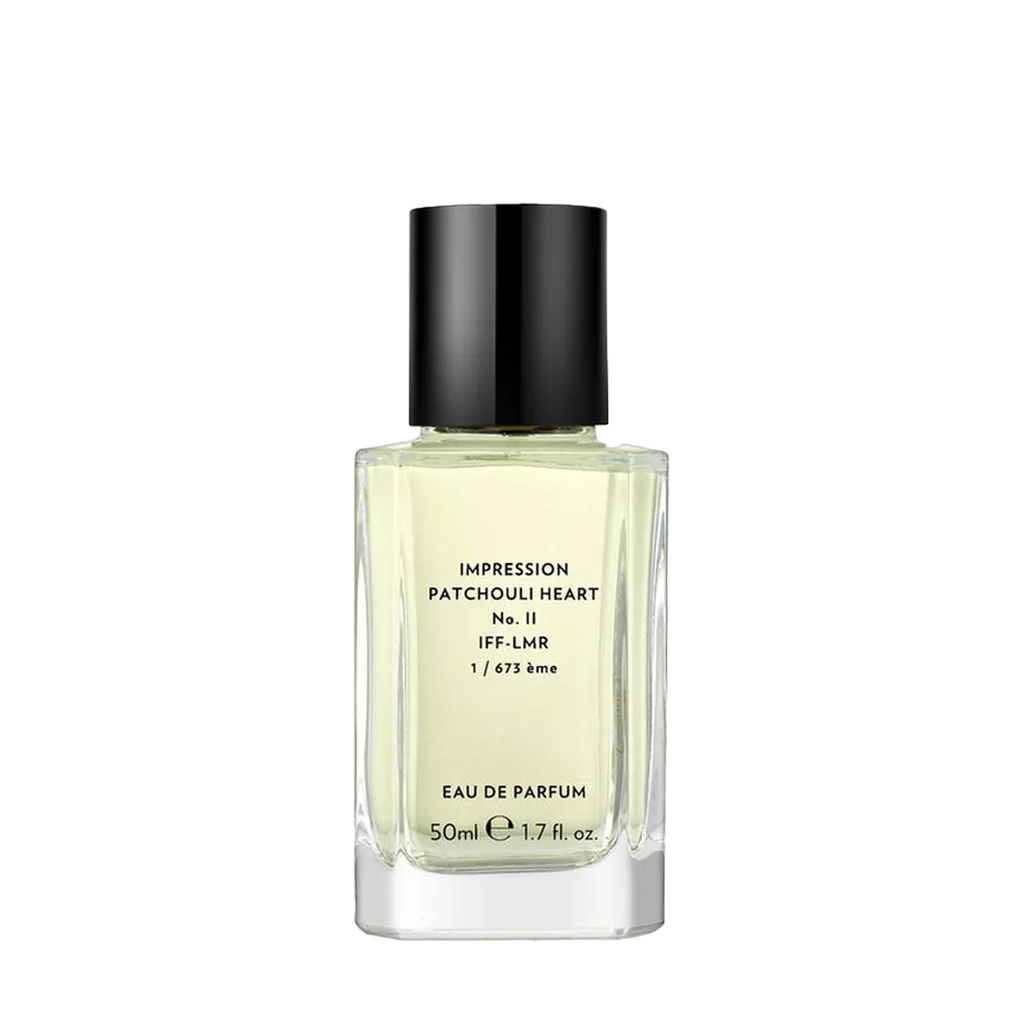
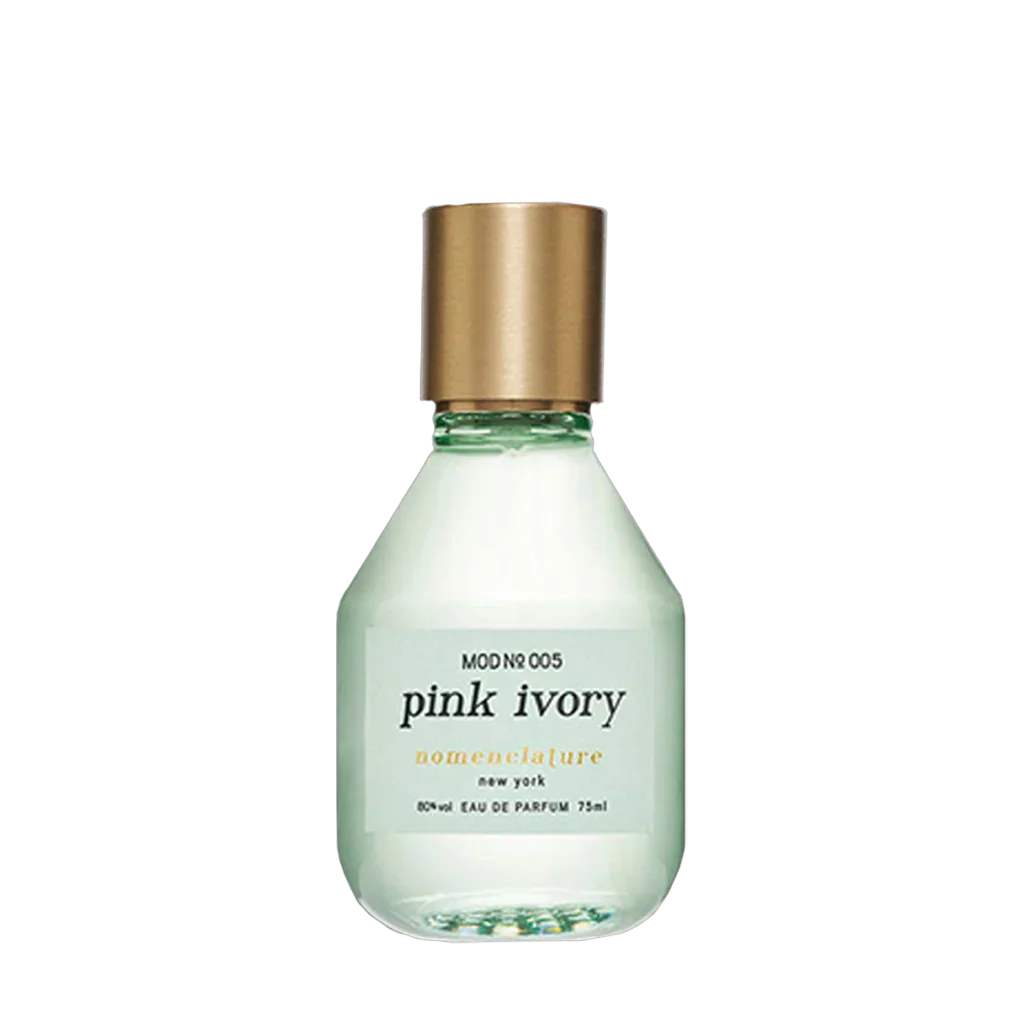
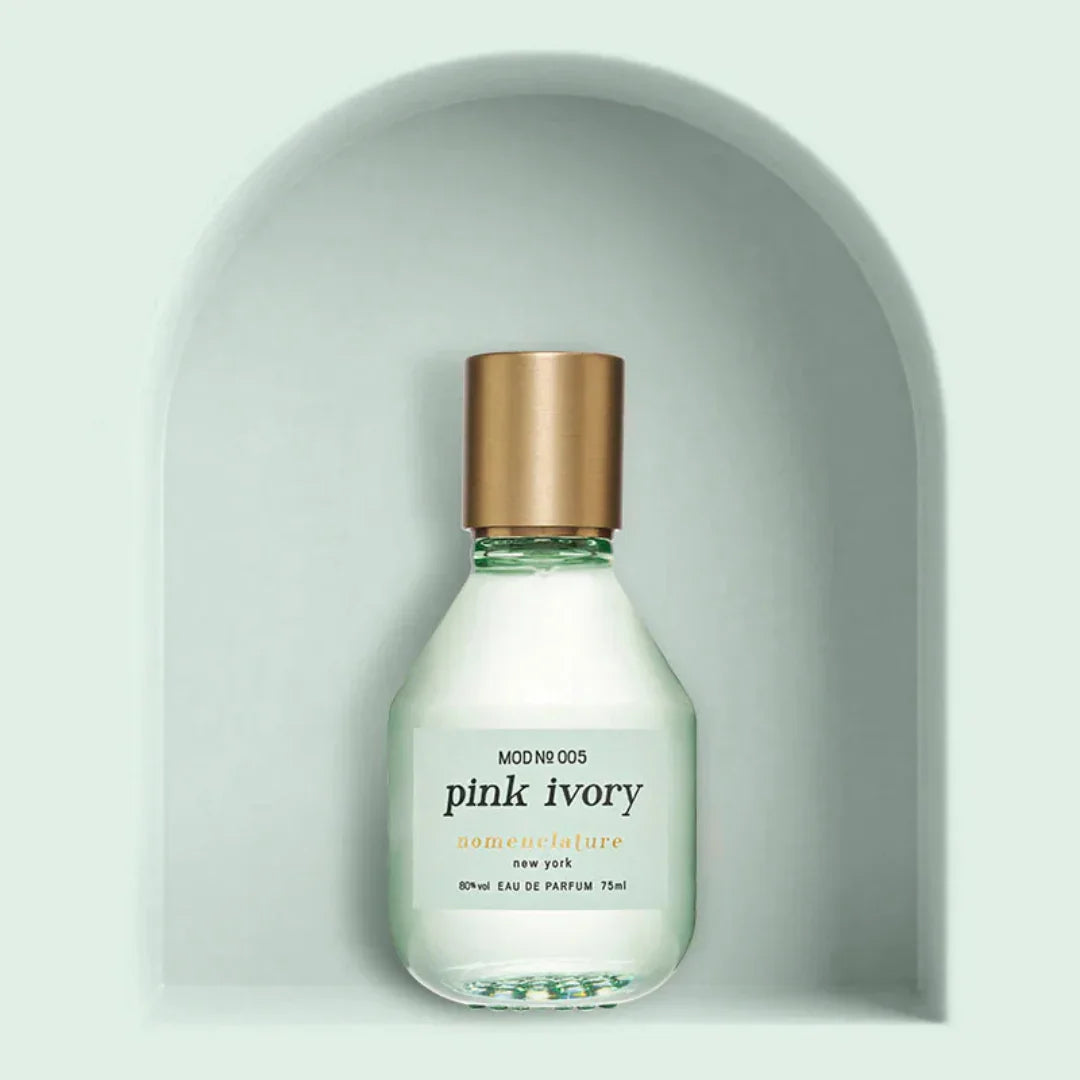
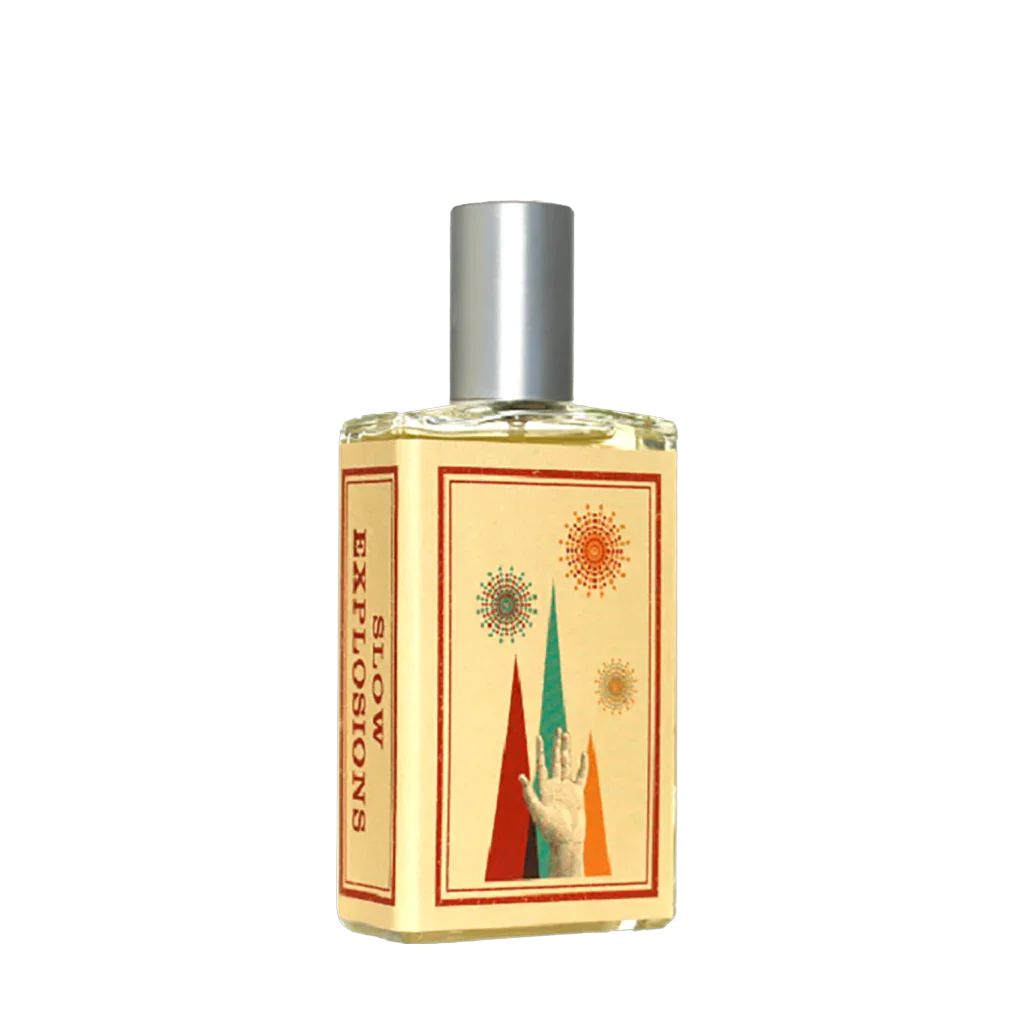

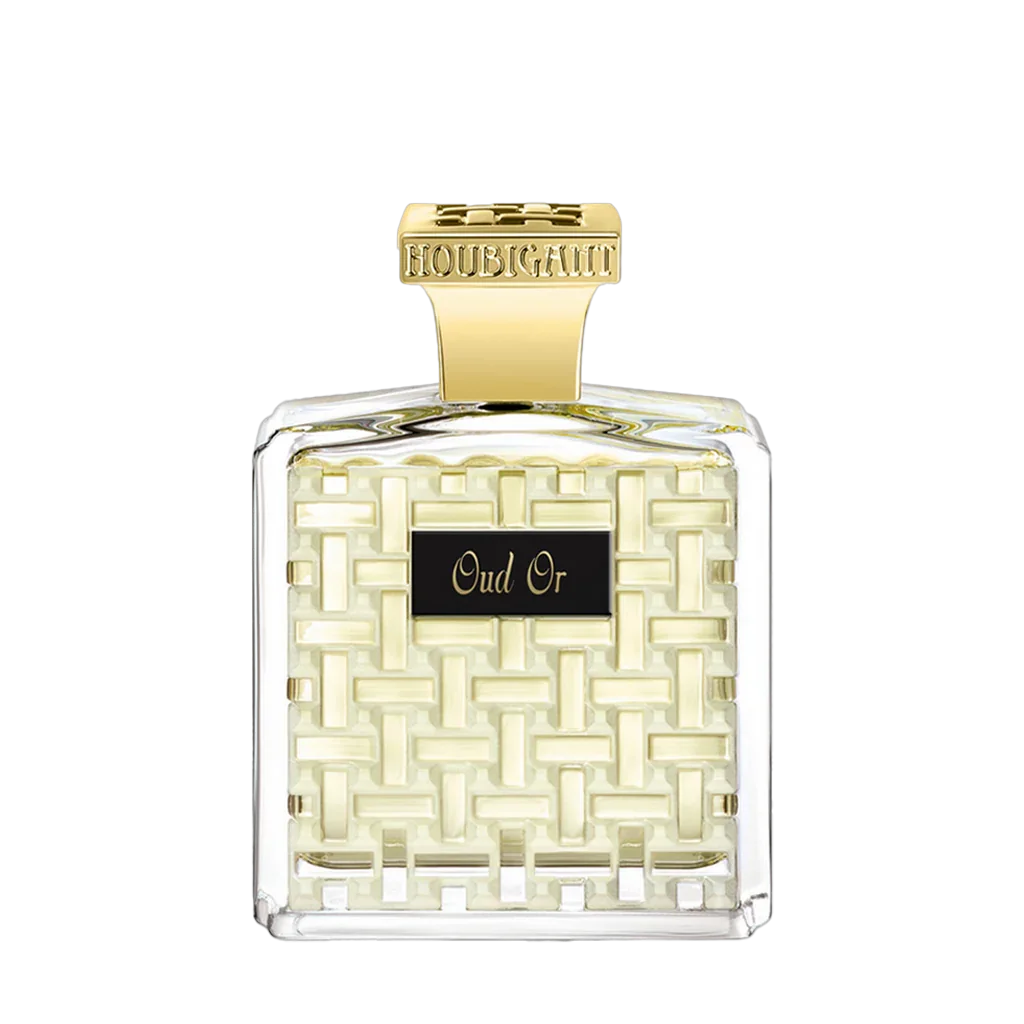
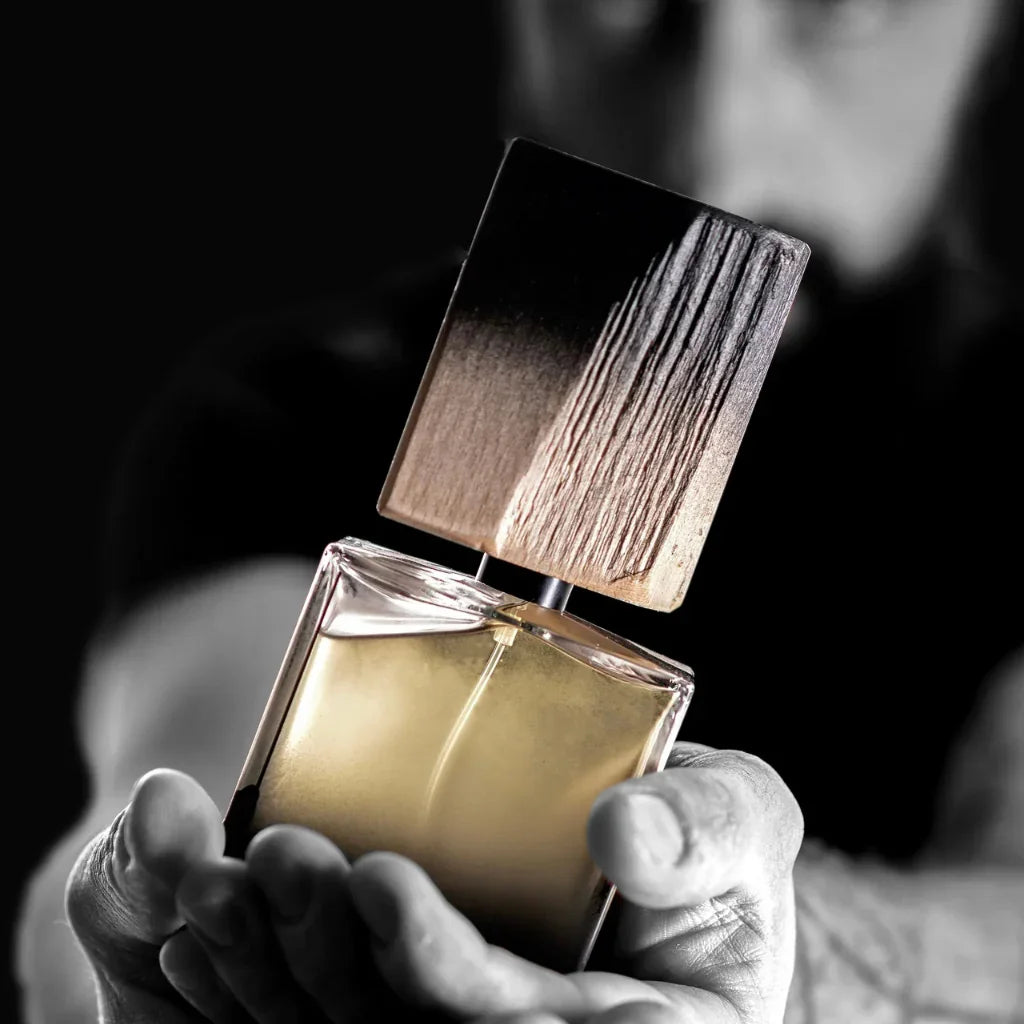
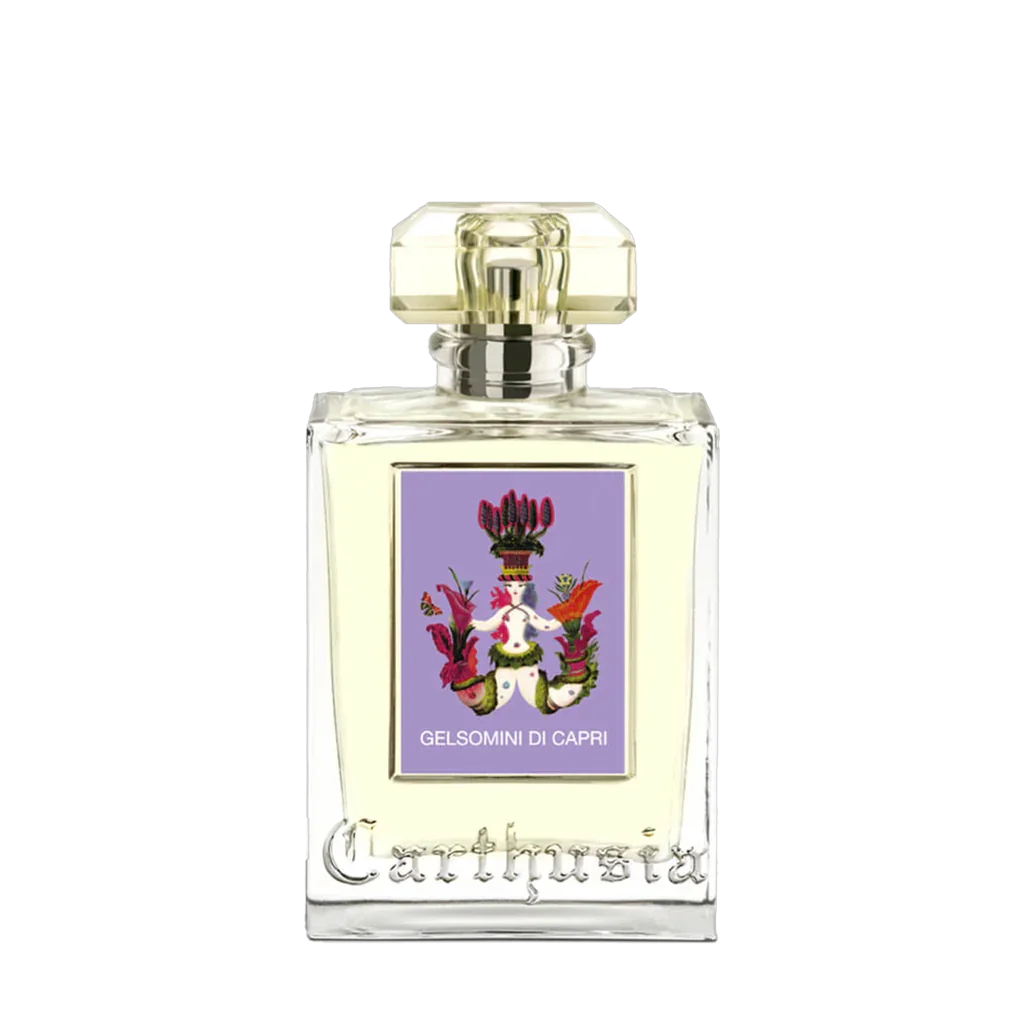
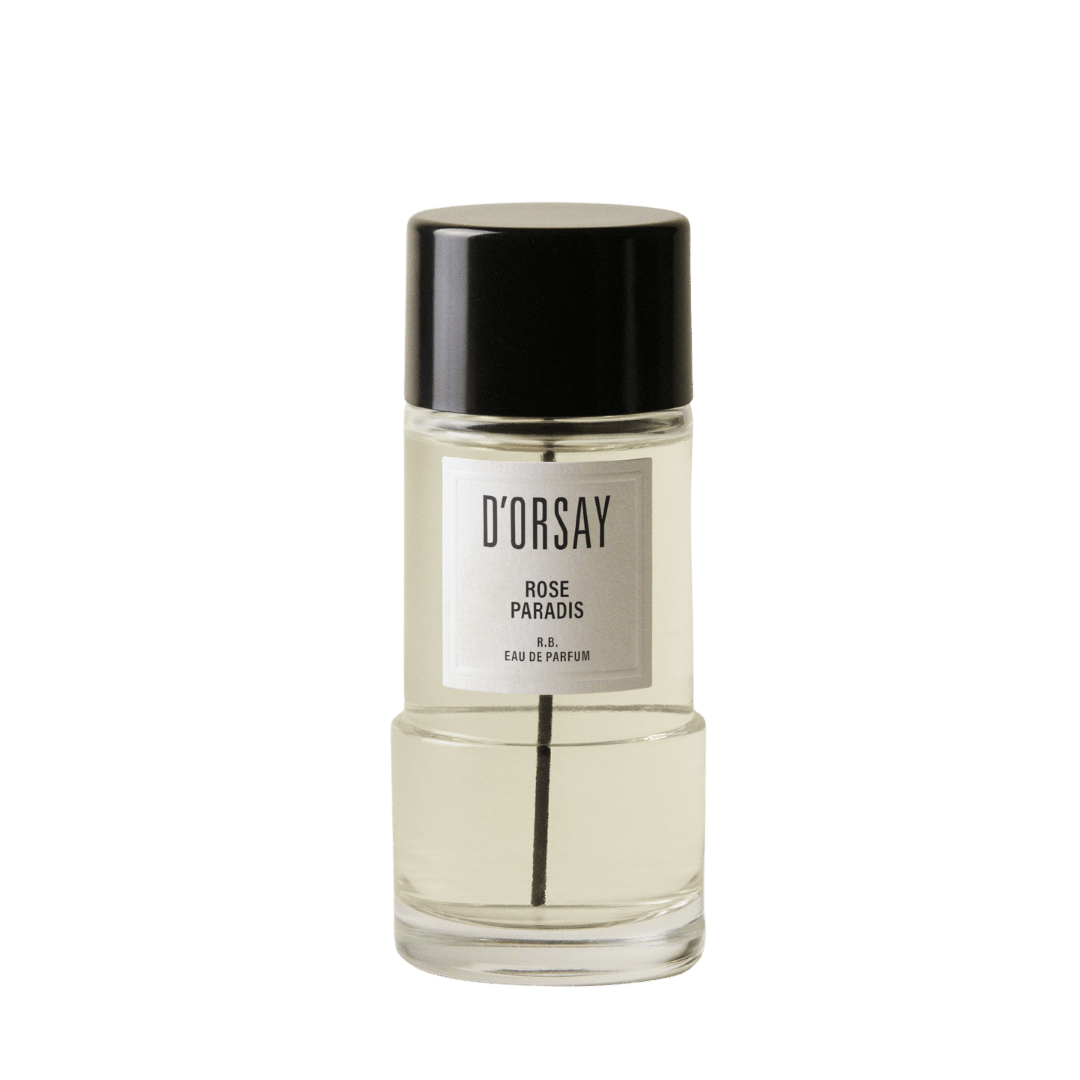
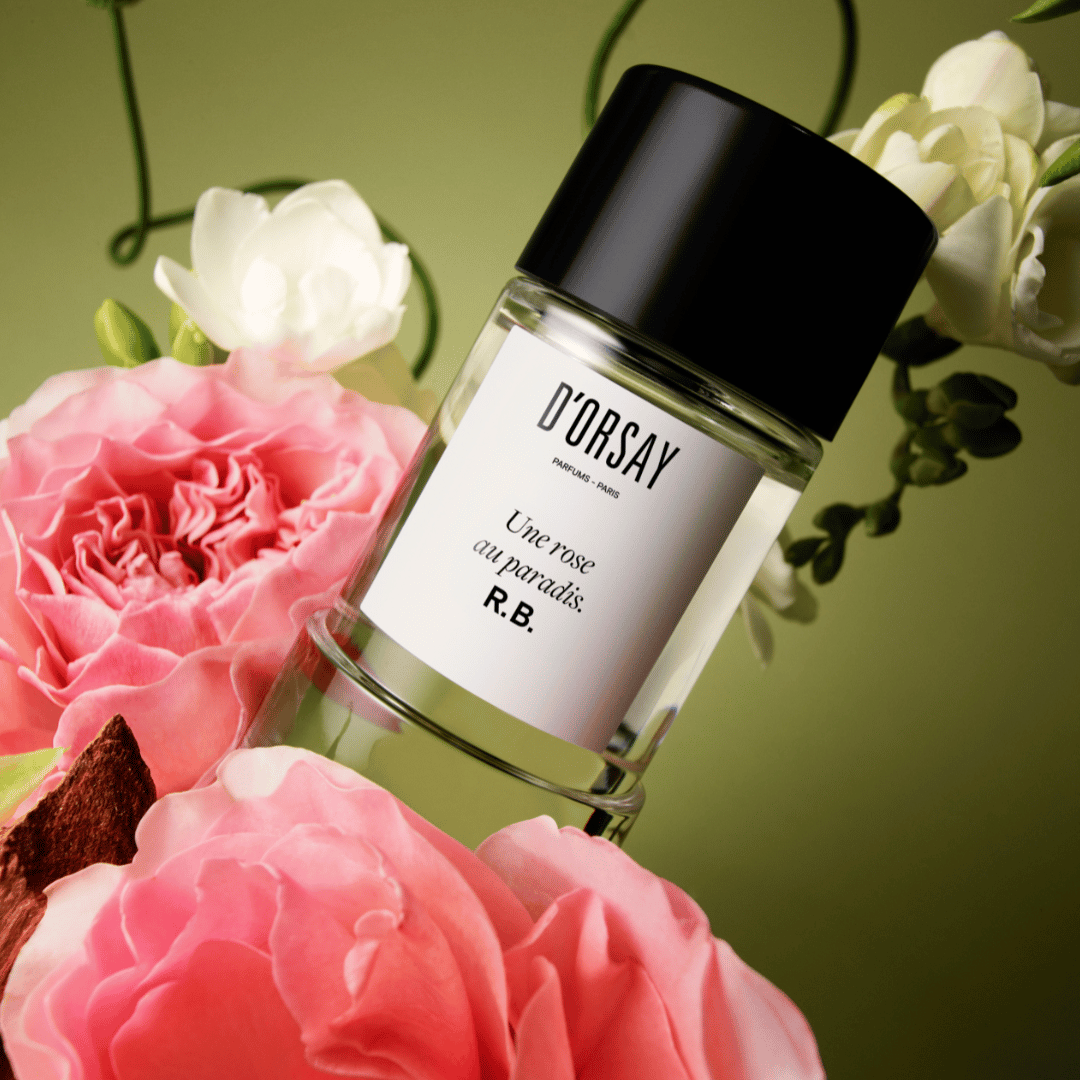
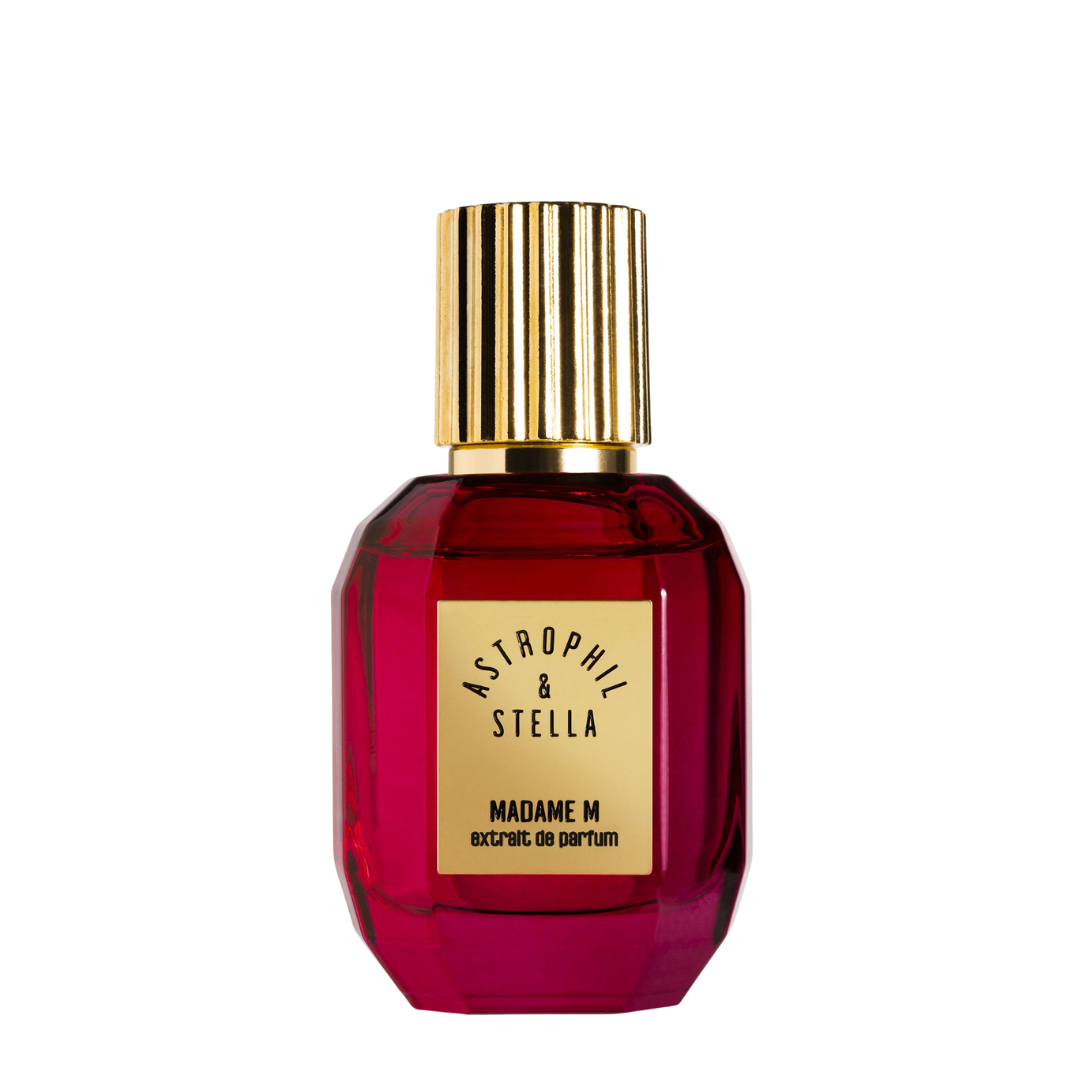
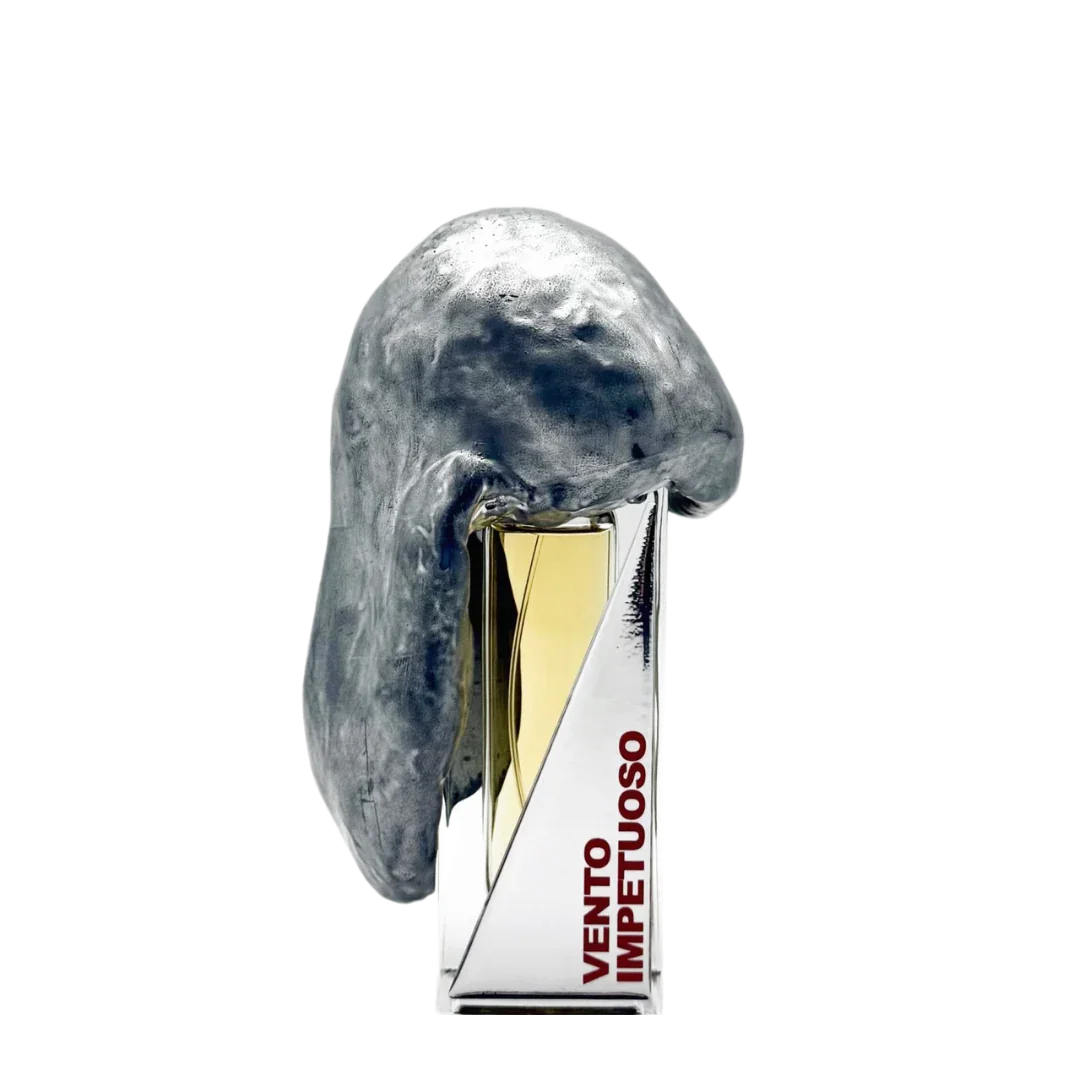

Cashmeran – warm texture & modern depth
Cashmeran – warm skin, dry woods, and a trace of synthetic wildness
Cashmeran is one of those molecules that quietly reshaped modern perfumery. It isn’t a classical natural raw material, but an artefact of aroma chemistry—created to capture something nature doesn’t offer in this exact form: the sensation of soft, warm fabric against skin. Cashmeran blends dry woods, silky heat, a restrained spice nuance, and an almost intangible mineral airiness into an accord that feels both intimate and spatial. It never shouts. It settles—like a warm weight on the skin—fine, dry, sensual, and instantly recognisable.
Origins – a molecule for a new aesthetic
Cashmeran’s story begins in the 1970s in IFF’s laboratories. It was designed to open a new space between familiar woody notes, musks, and amber materials: something soft, warm, structured—able to expand and gather at the same time. Cashmeran was ahead of its era. As an early “super-wood” molecule, it shifted expectations of synthetics. It didn’t simply smell like wood or resin; it smelled like texture—skin, fabric, warmth, and air. For many perfumers, it marked a turning point: away from pure nature imitation, towards an autonomous modern architecture.
Olfactive profile – between wood, skin, and mineral air
Cashmeran’s profile is complex and hard to pin down. It carries a dry, slightly brittle woody skeleton reminiscent of cedar, yet rounder and softer. Beneath that sits a warm, almost milky depth that reads as pale resin and heated skin. In the background, you’ll often sense a restrained spice shimmer—nutmeg, a hint of pepper, sometimes a suggestion of dry moss. Over everything lies a metallic-mineral transparency that gives Cashmeran its distinctive sense of space. It is warm and cool at once, soft and angular, dry and sensual—a material that feels alive, always shifting.
Production – laboratory precision
Cashmeran is produced through complex aroma-chemical synthesis. Starting from cyclic molecular frameworks, controlled reactions—such as ring transformations and targeted rearrangements—build the polycyclic structure that makes Cashmeran unmistakable. It is entirely synthetic, and its olfactive performance depends on purity and stability. Modern manufacturing allows variants with different levels of radiance, intensity, or woody emphasis, giving perfumers a precise tool for shaping the final silhouette.
Development and impact – from experiment to icon
Cashmeran’s arrival marked an aesthetic pivot. It was among the first molecules valued not as an “alternative,” but as a standalone idea. Perfumers began thinking more in textures—fabric, skin, space—rather than notes alone. Cashmeran became a backbone in many modern niche compositions because it creates depth without heaviness and adds width without dilution. It works in the background, yet can define the entire outline of a fragrance.
Cashmeran in composition – structure without weight
Cashmeran is remarkably versatile. In citrus structures, it acts like a warm shadow behind the brightness. In woody frameworks—especially alongside vetiver, sandalwood, or cedar—it amplifies structure and adds a soft, warm roundness. In amber compositions, it introduces mineral clarity; in florals, it gives body without density. In musky styles, it behaves like a skin-close, breathing layer that increases presence without becoming loud.
Cashmeran is more than a material. It’s a stance—modern, dry, structured. A raw material that creates presence without volume, leaving a warm, textile aura on skin.
Frequently asked Questions about Cashmeran
What exactly is Cashmeran, and is it a natural or synthetic ingredient?
Why is the molecule called "Cashmeran" if it doesn't actually smell like wool?
How can the complex scent profile of Cashmeran be described, and why is it often associated with "concrete after rain"?
What technical function does Cashmeran serve within a fragrance pyramid, especially in the base note?
Discover all fragrances
Amber Perfumes
Ambergris Perfumes
Ambroxan
Aquatic Perfumes
Bergamot Note
Cashmeran
Chypre Perfumes
Floral - Flowery Perfumes
Fougère Perfumes
Fresh Perfumes
Fruity Perfumes
Gourmand Perfumes
Green Perfumes
Woody Perfumes

Iris Perfumes

ISO E Super
Jasmine
Lavender Note

Leder Parfums
Lily of the valley
Mint
Musk Perfumes
Myrrh
Neroli Note
Orientalische Parfums
Osmanthus
Oud Perfumes
Patchouli Perfumes
Petitgrain Note
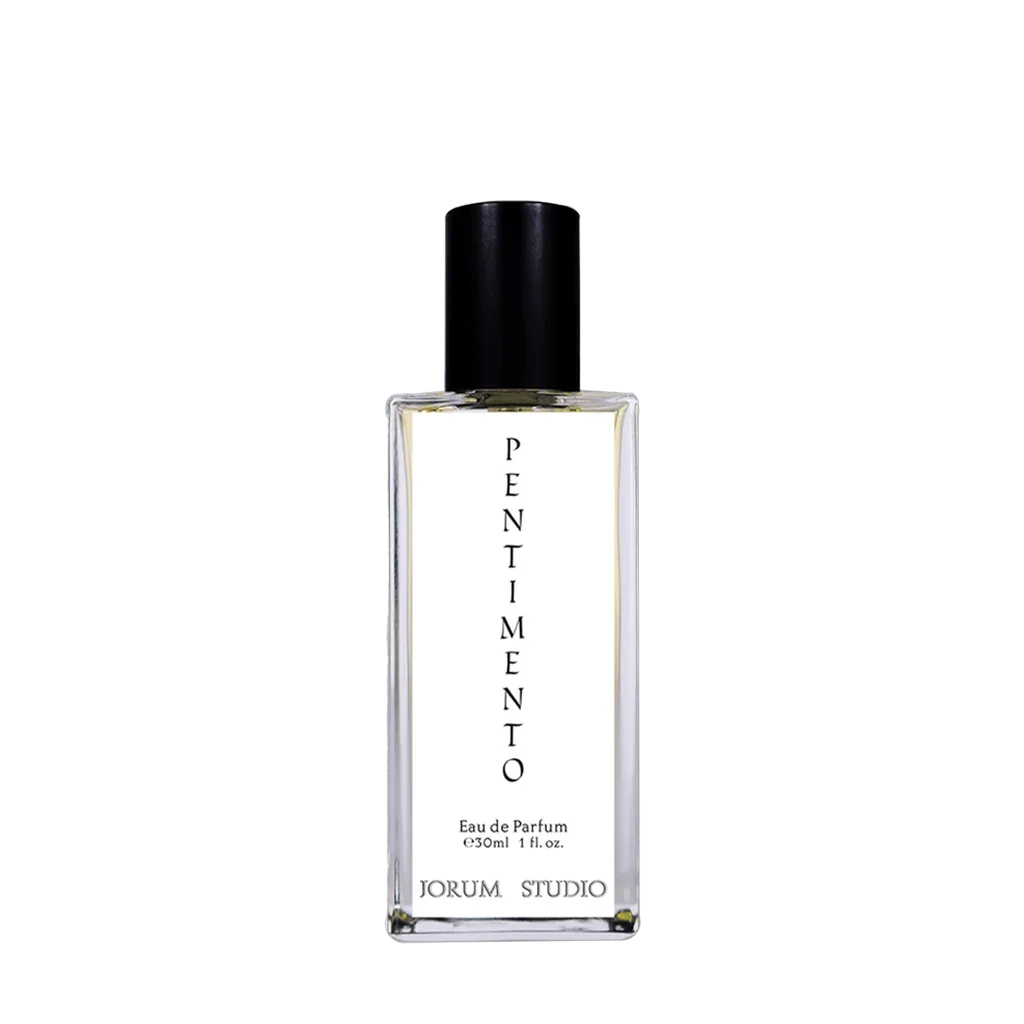
Pepper Notes

Powdery Perfumes

Rose Perfumes
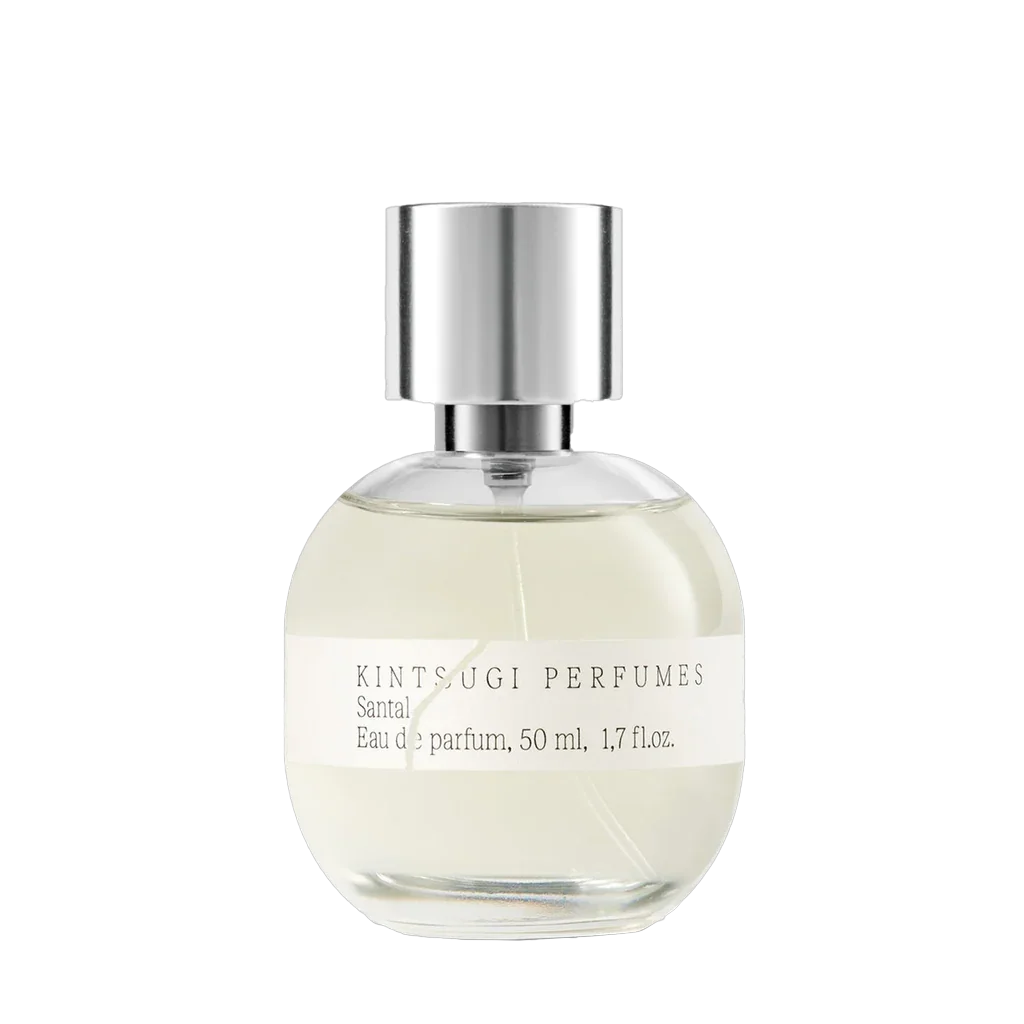
Sandalwood Note
Sweet Perfumes
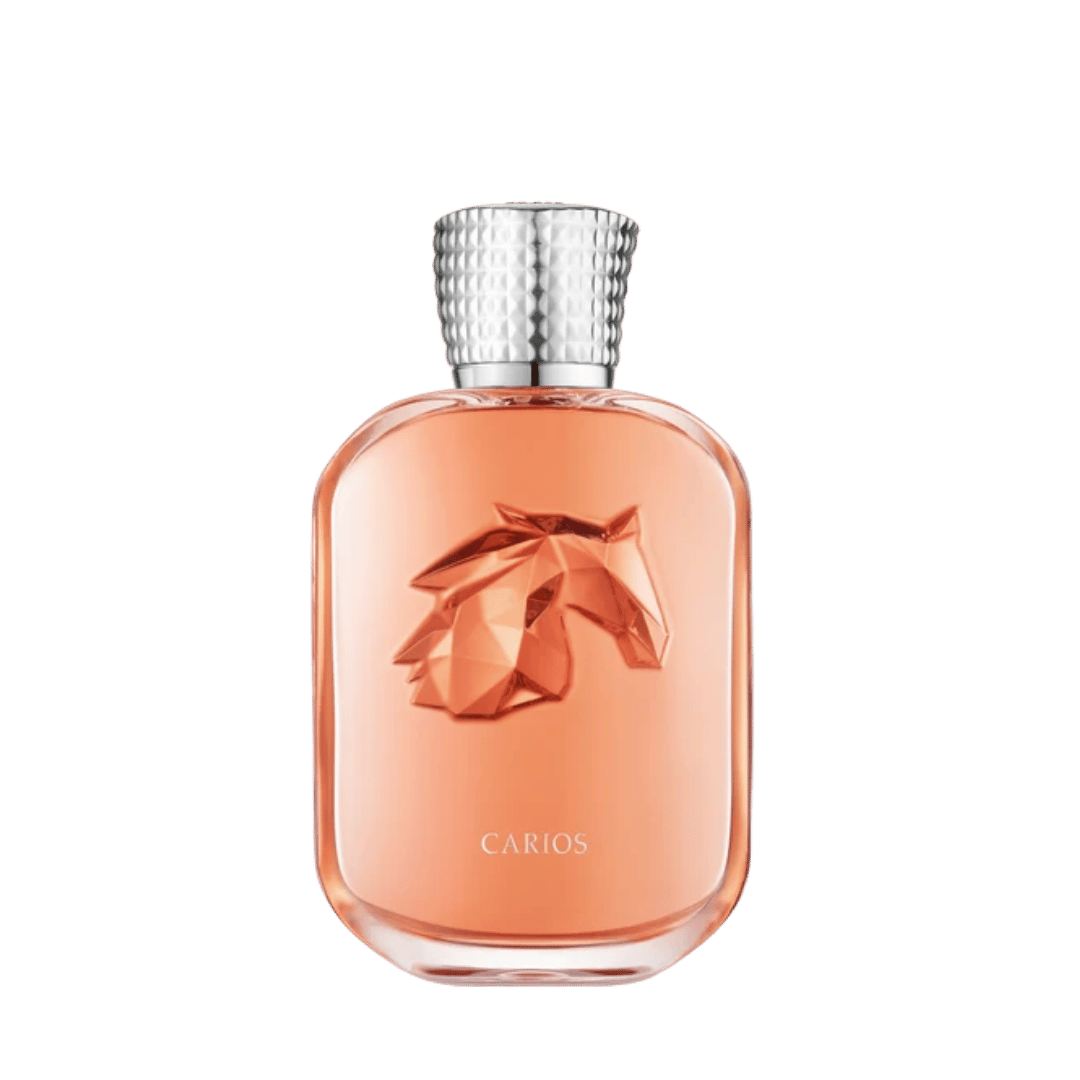
Synthetic Perfume Molecules
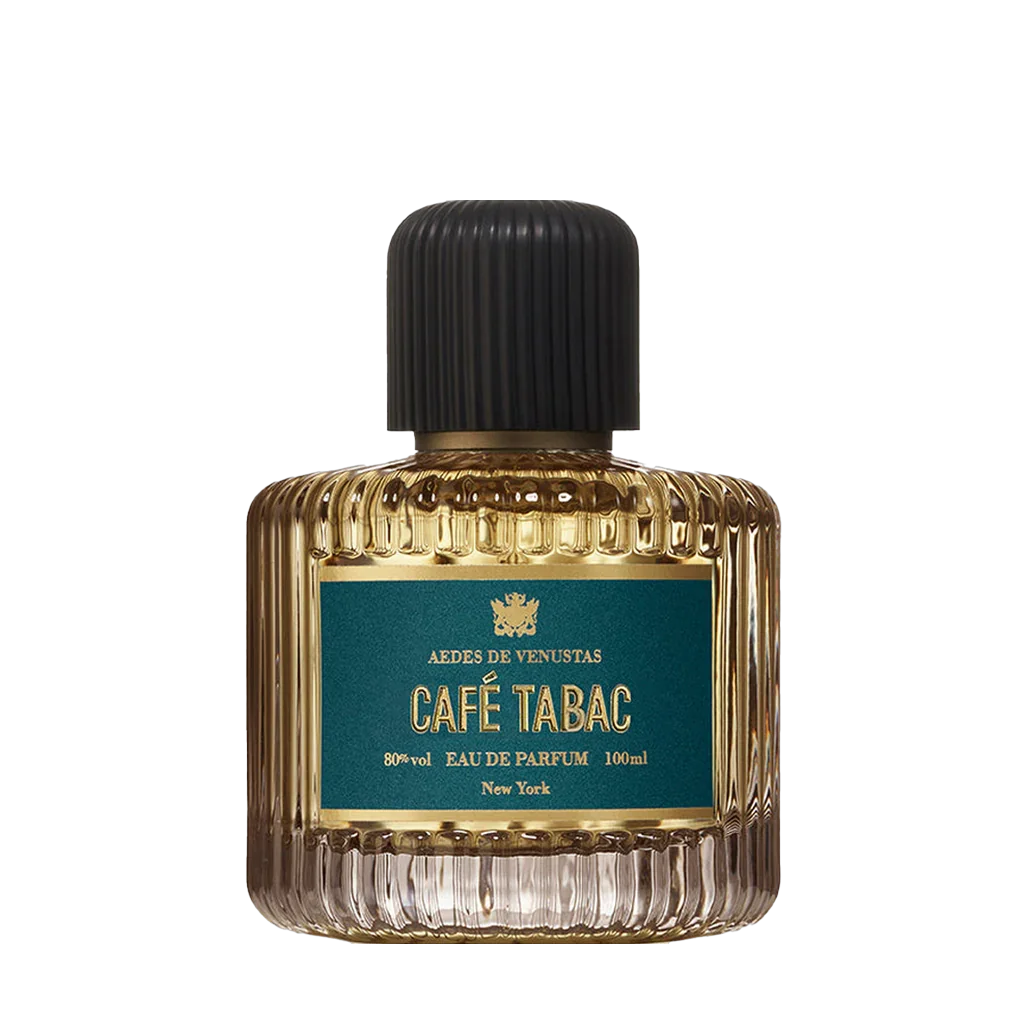
Tobacco Perfumes
Tropical Perfumes
Tuberose Perfumes
Vanilla Perfumes

Violet
Vetiver Perfumes
Juniper
Frankincense Perfumes
Spicy Perfumes

Cinnamon
Citrus Perfumes

Our fragrance news.
Curated for you.
To subscribe to our newsletter and secure your discount, please accept our cookies. Also, make sure that your ad blocker (uBlock, AdBlock) is disabled and JavaScript is enabled.
Our fragrance news.
Curated for you.
To subscribe to our newsletter and secure your discount, please accept our cookies. Also, make sure that your ad blocker (uBlock, AdBlock) is disabled and JavaScript is enabled.