

Filters
47 products
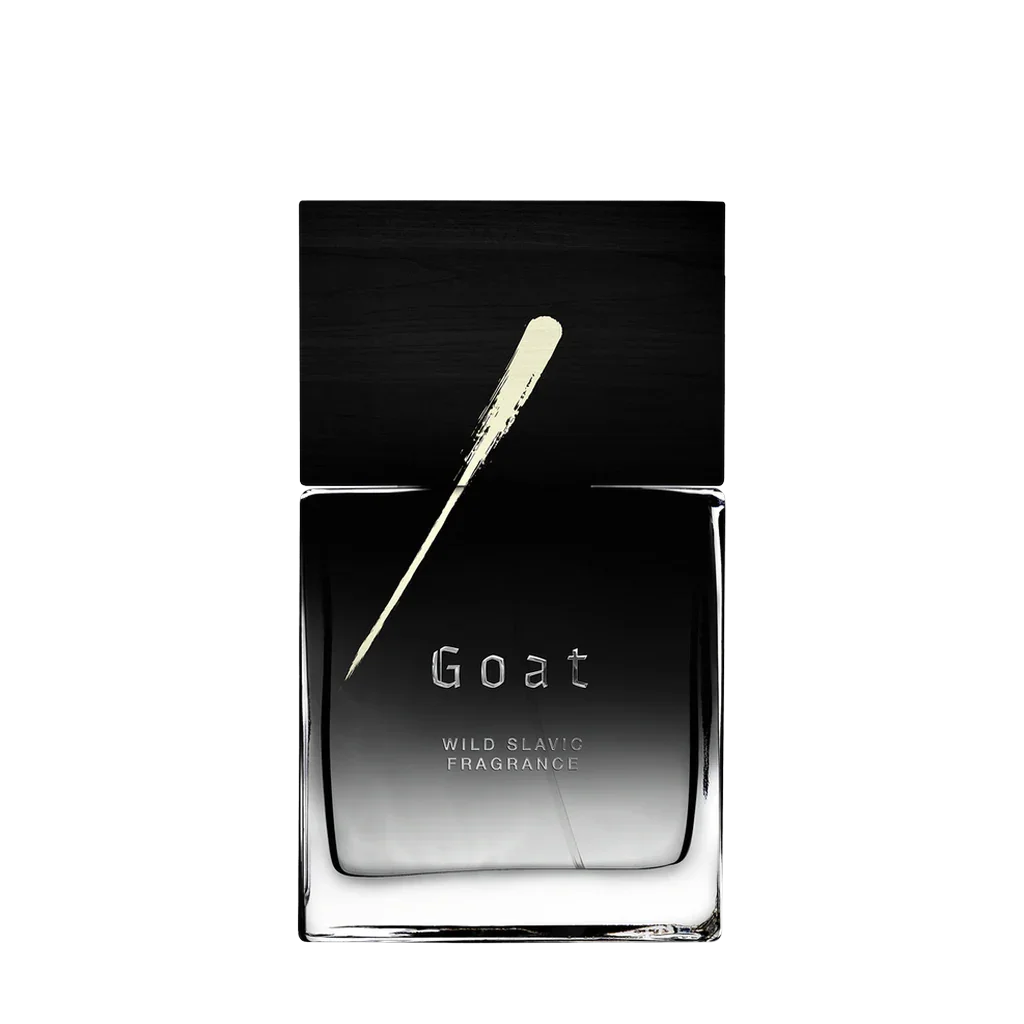

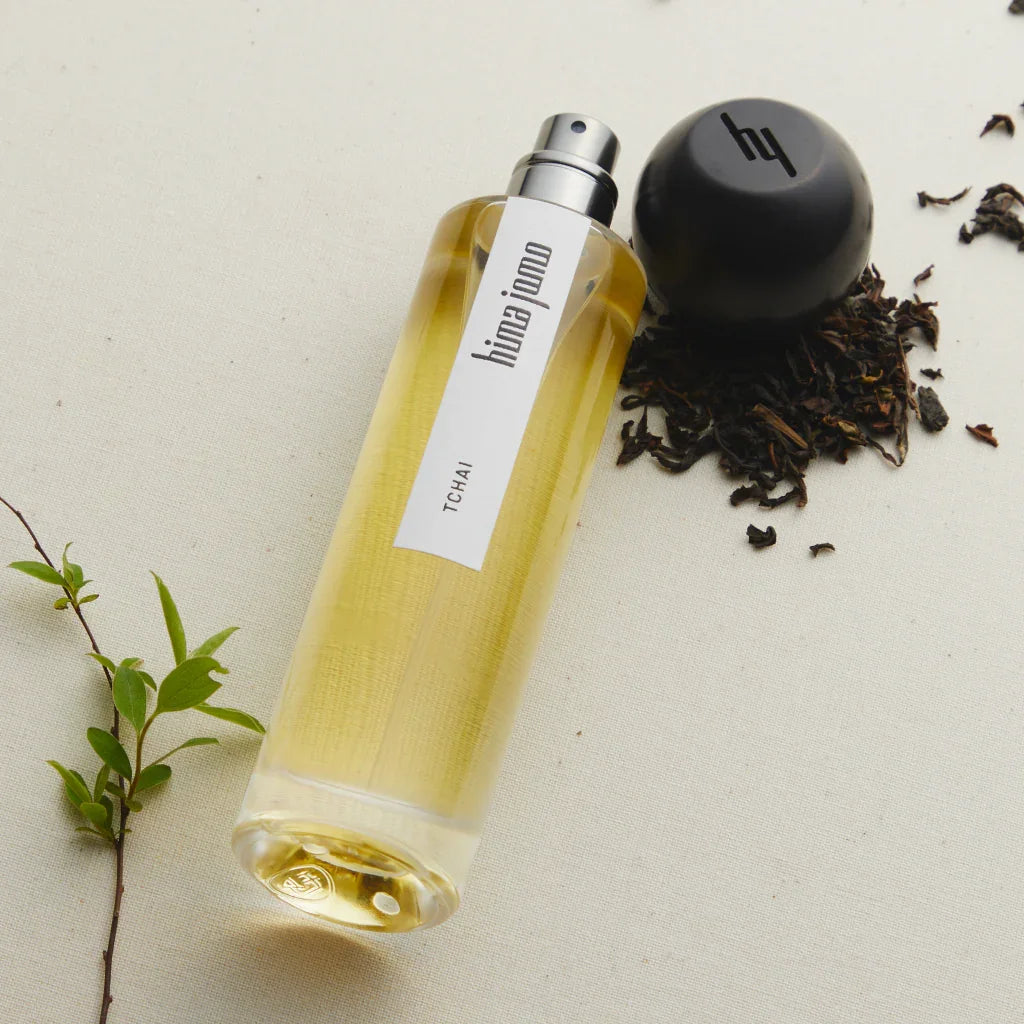
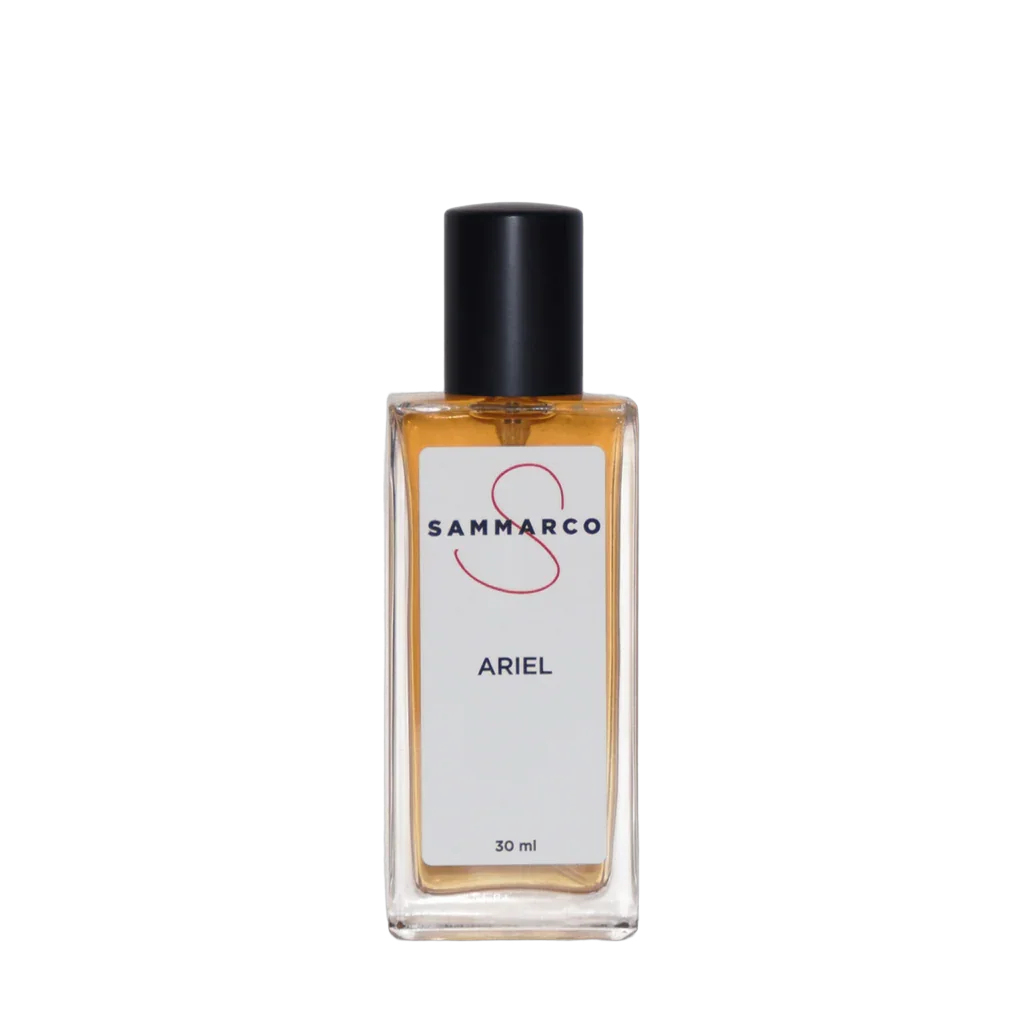
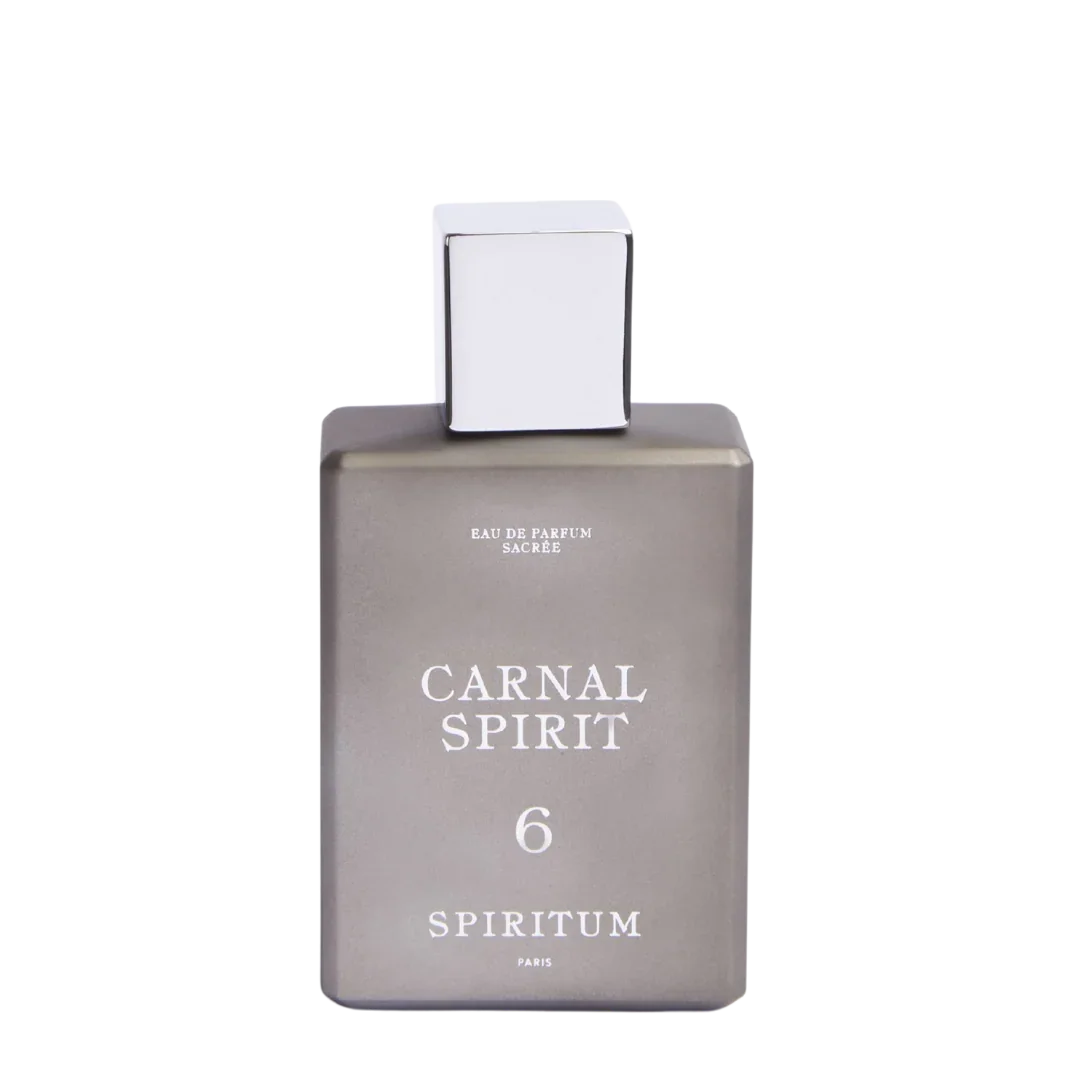
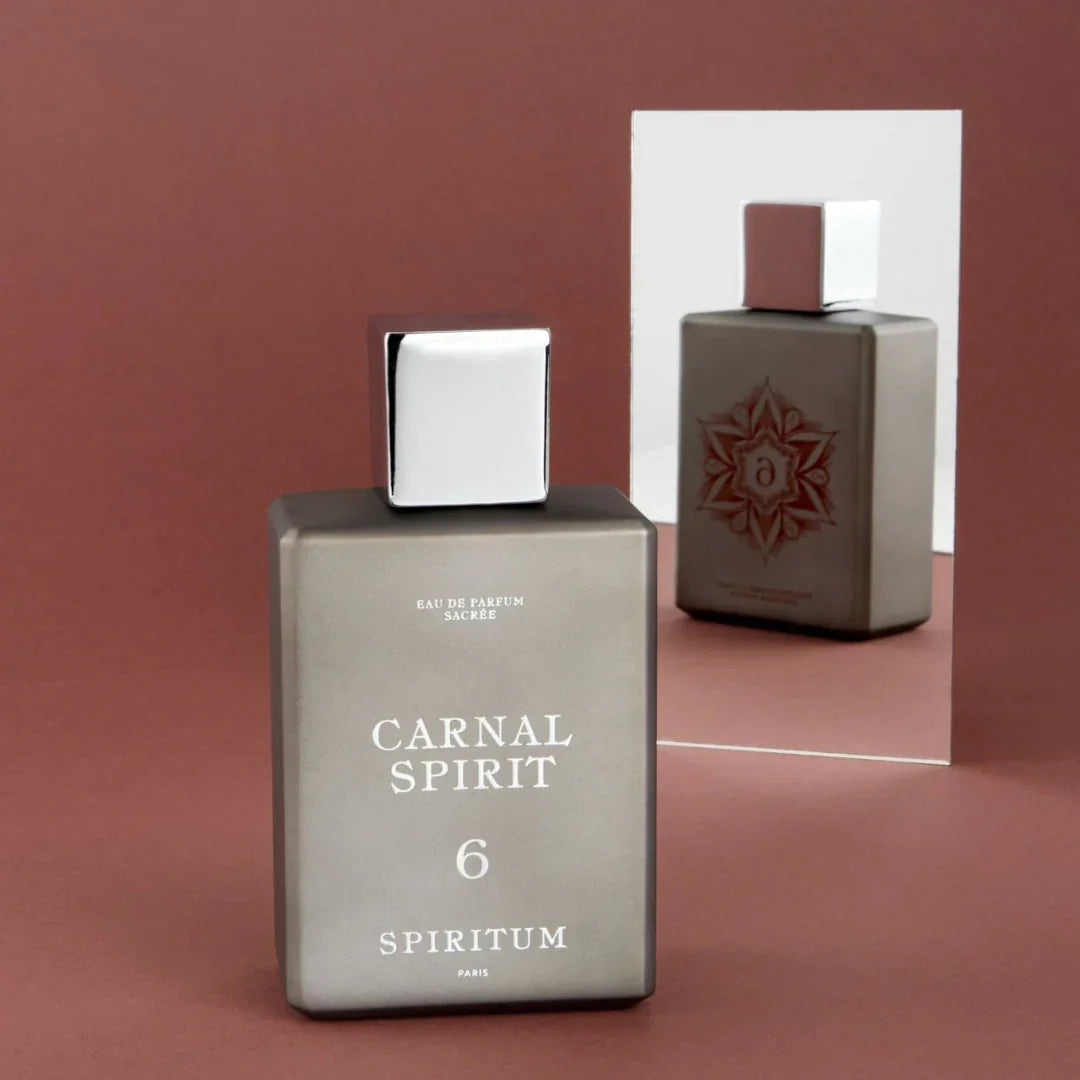
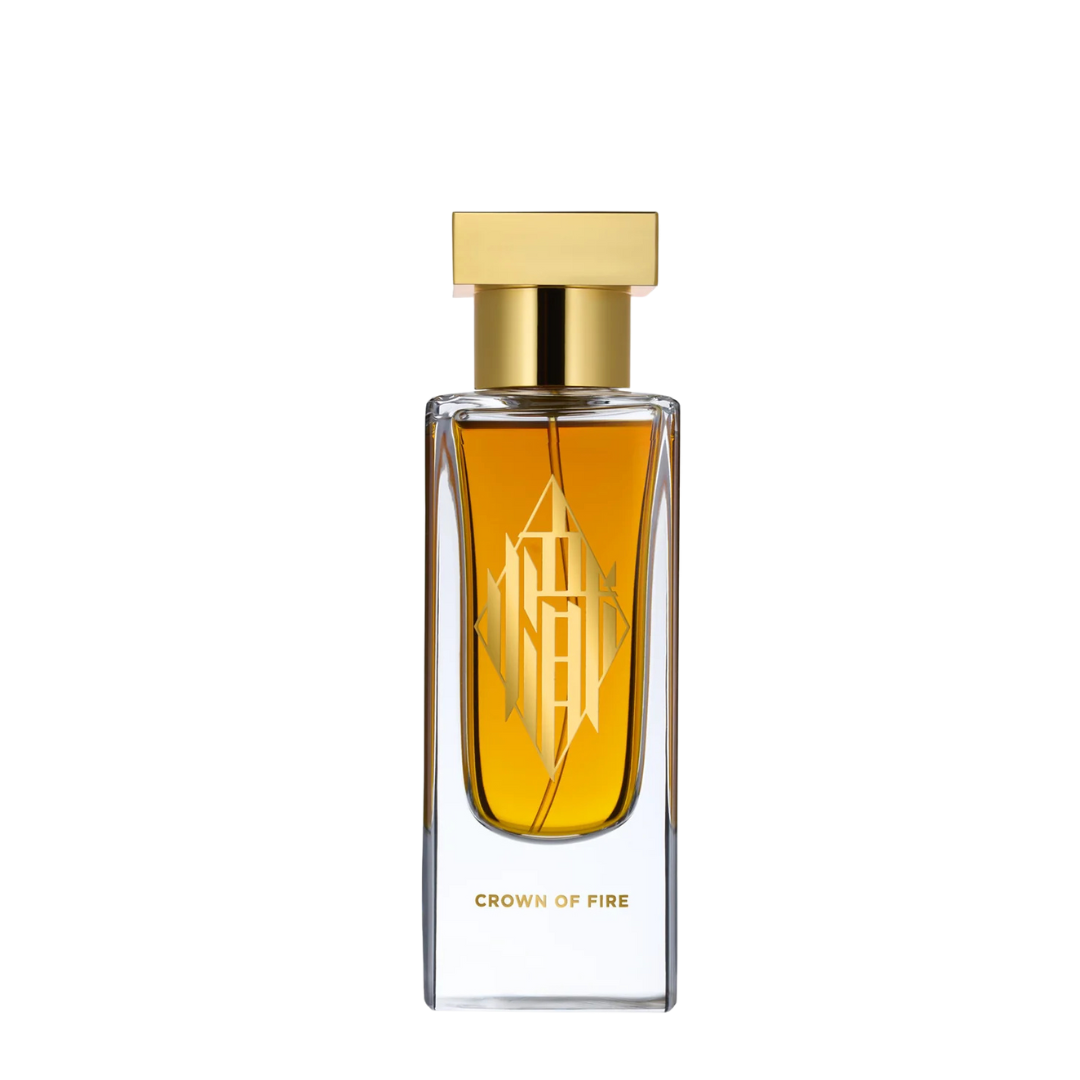
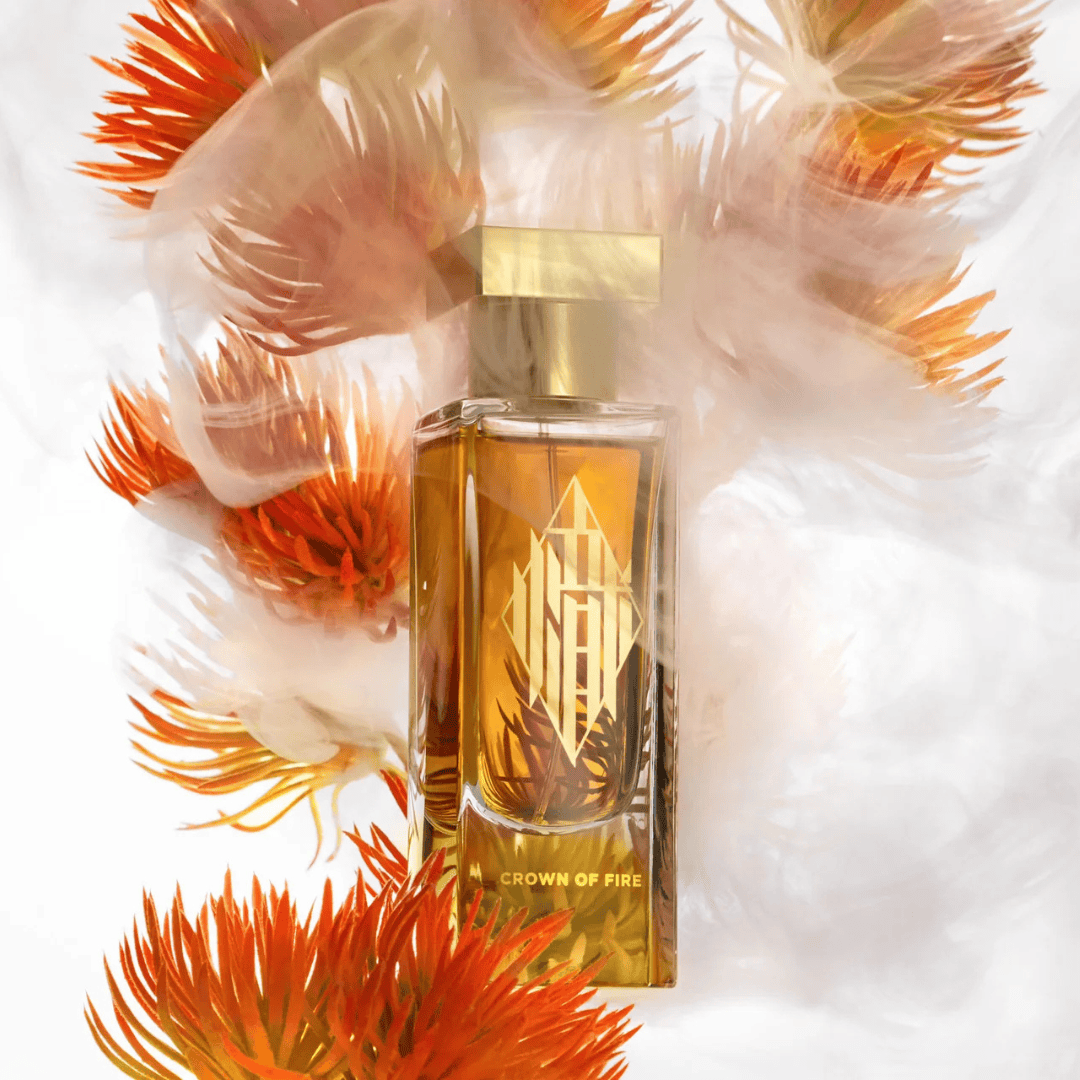
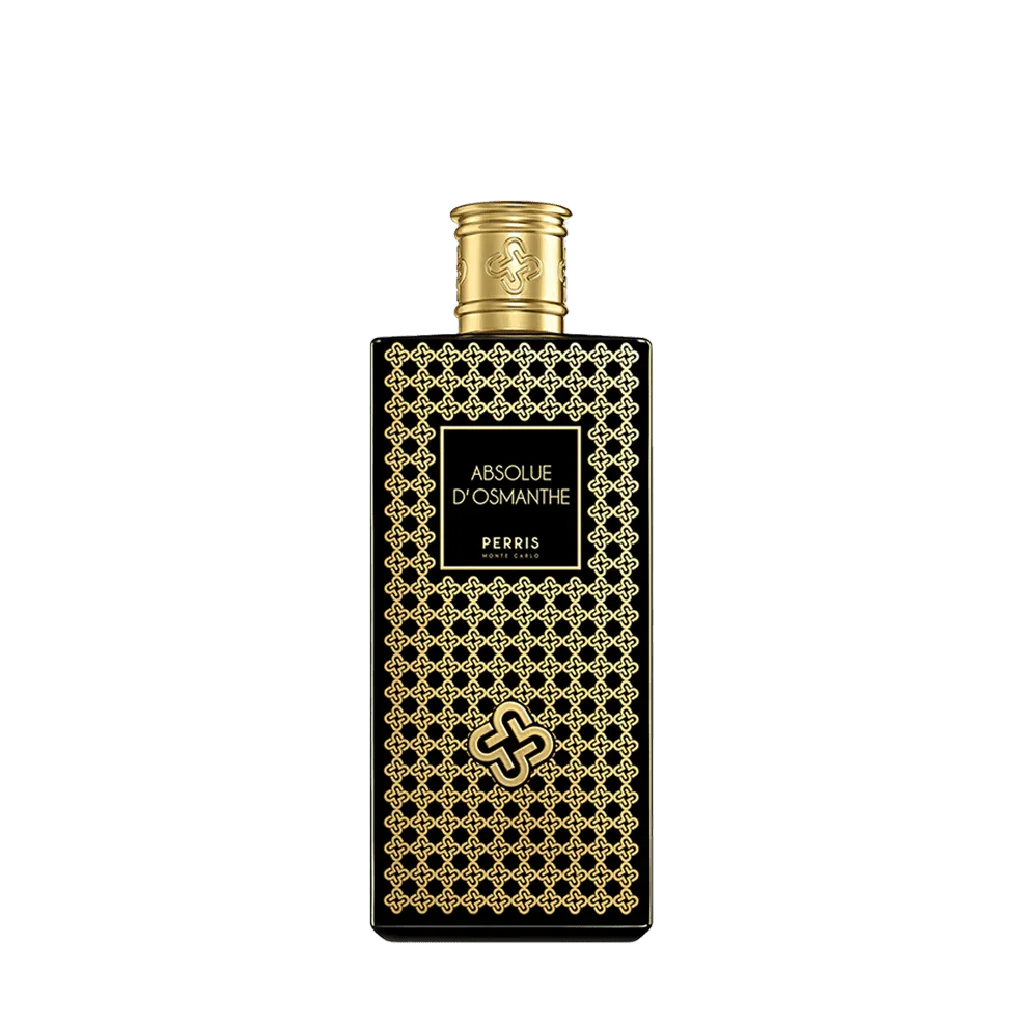
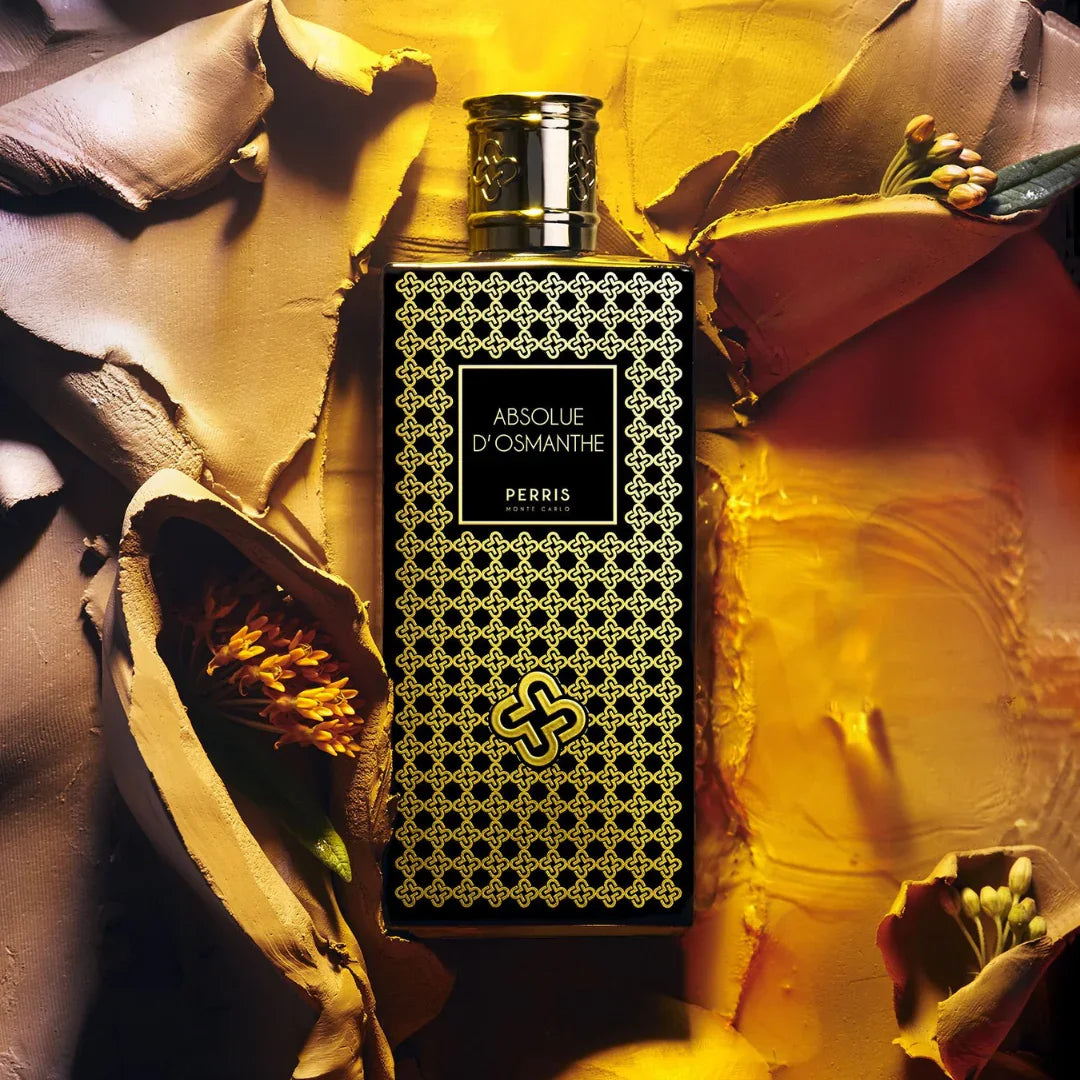
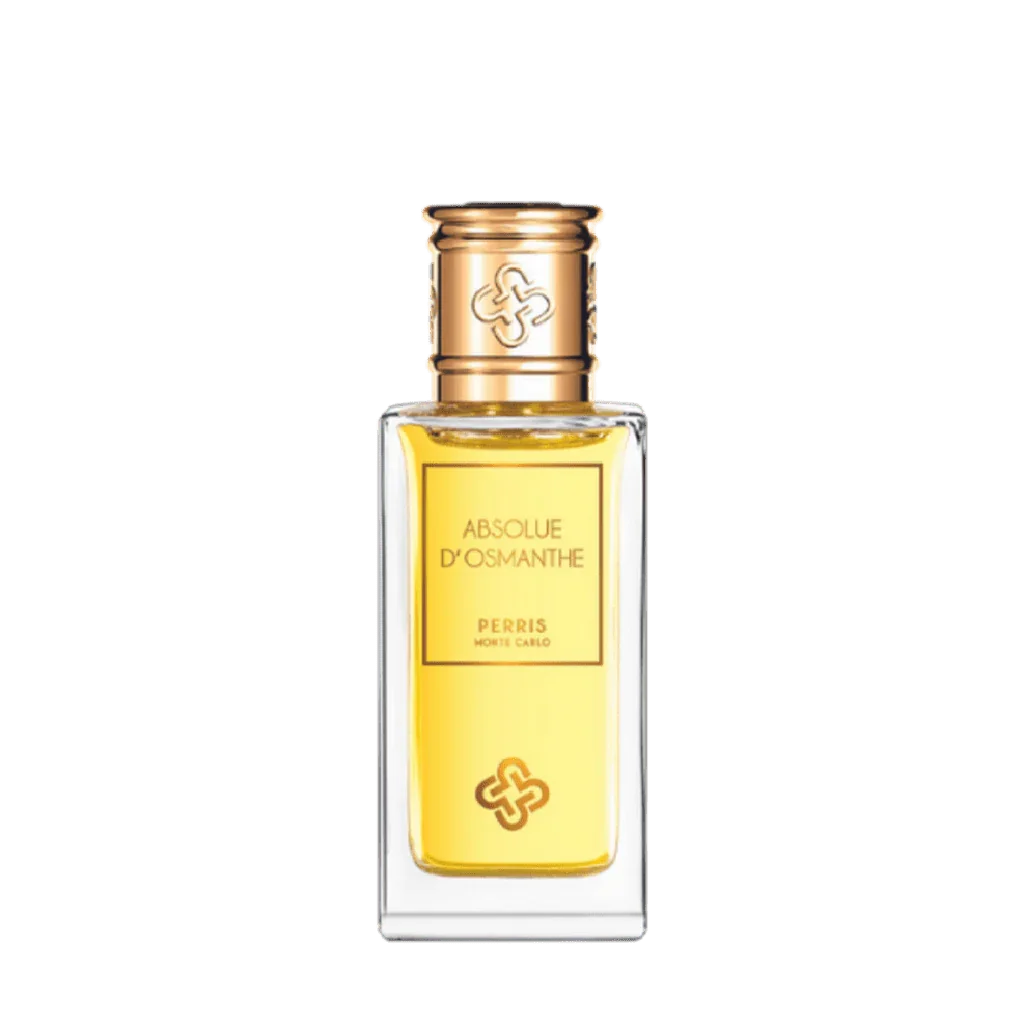
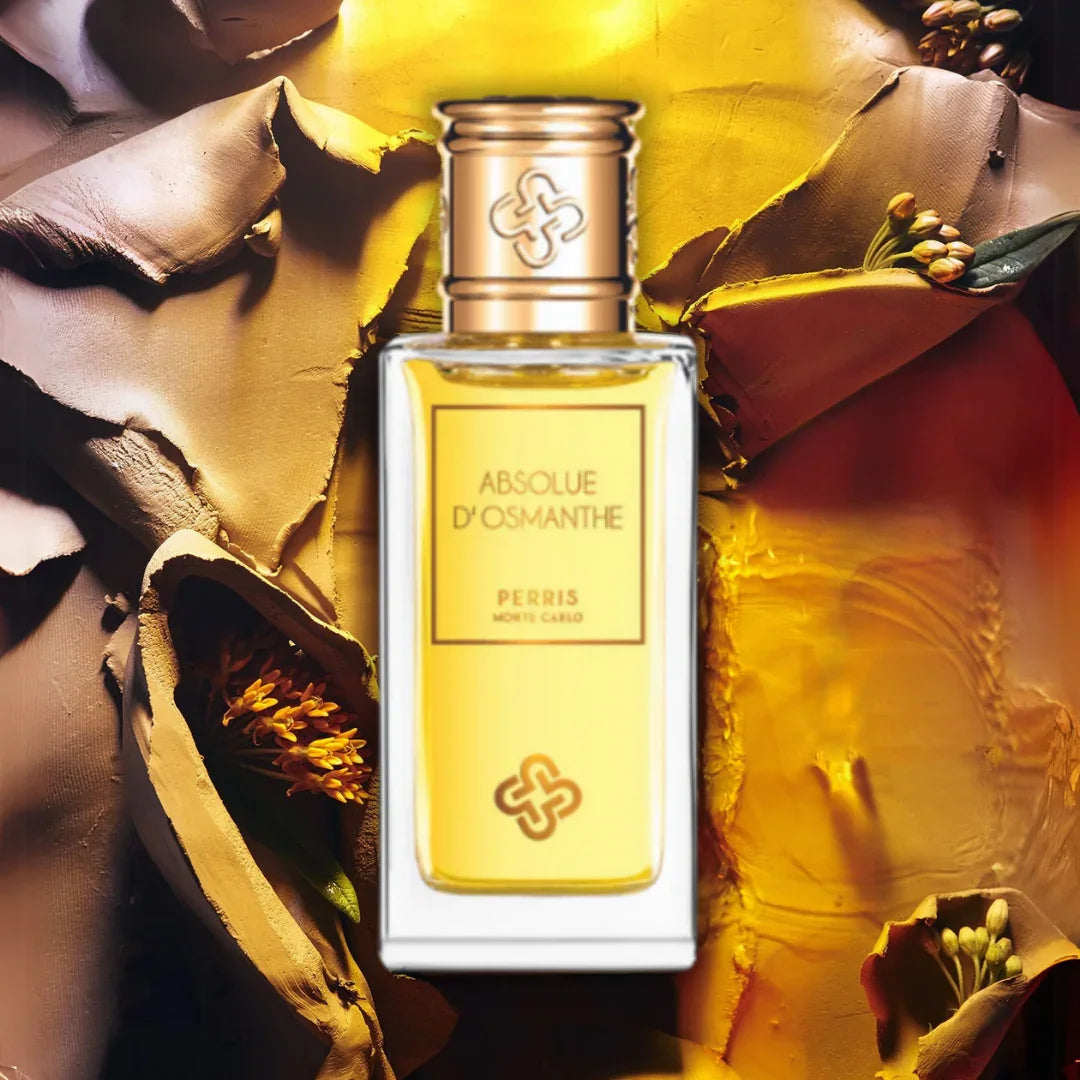


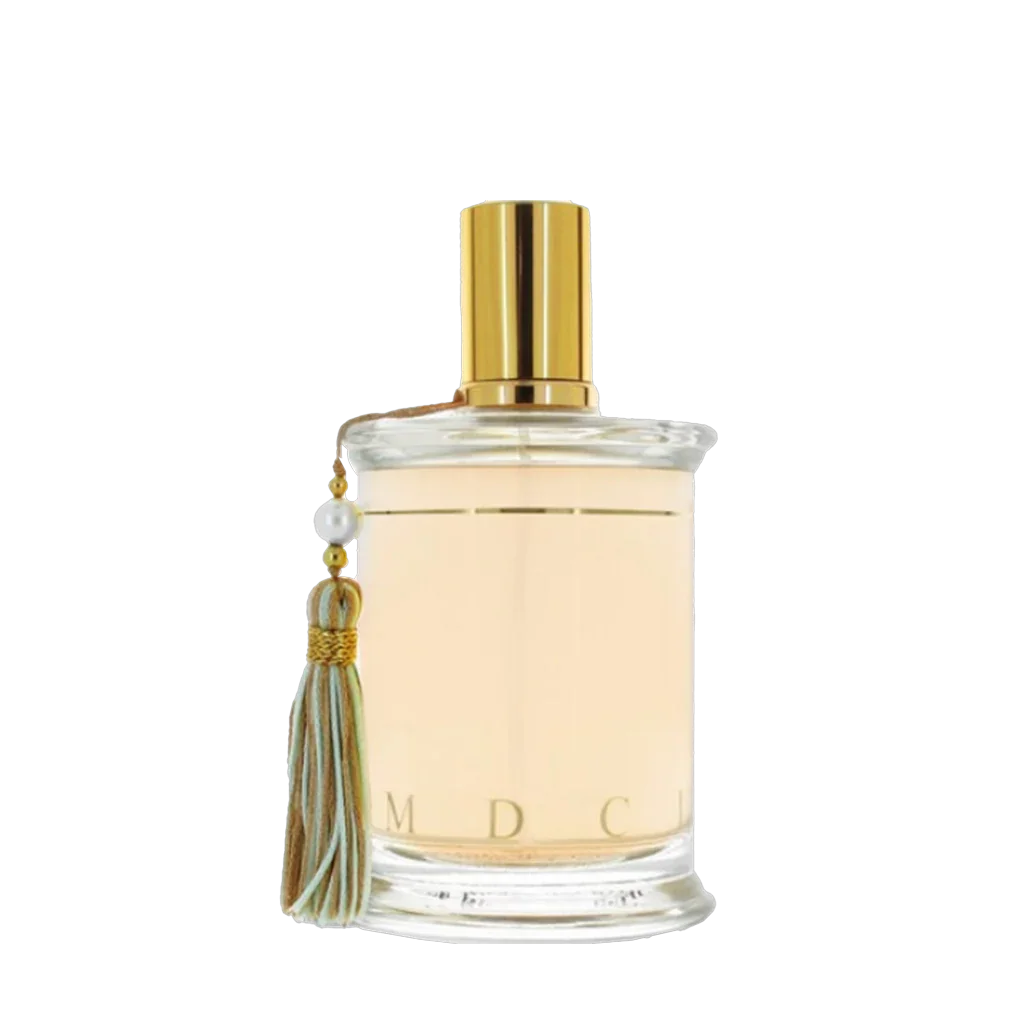
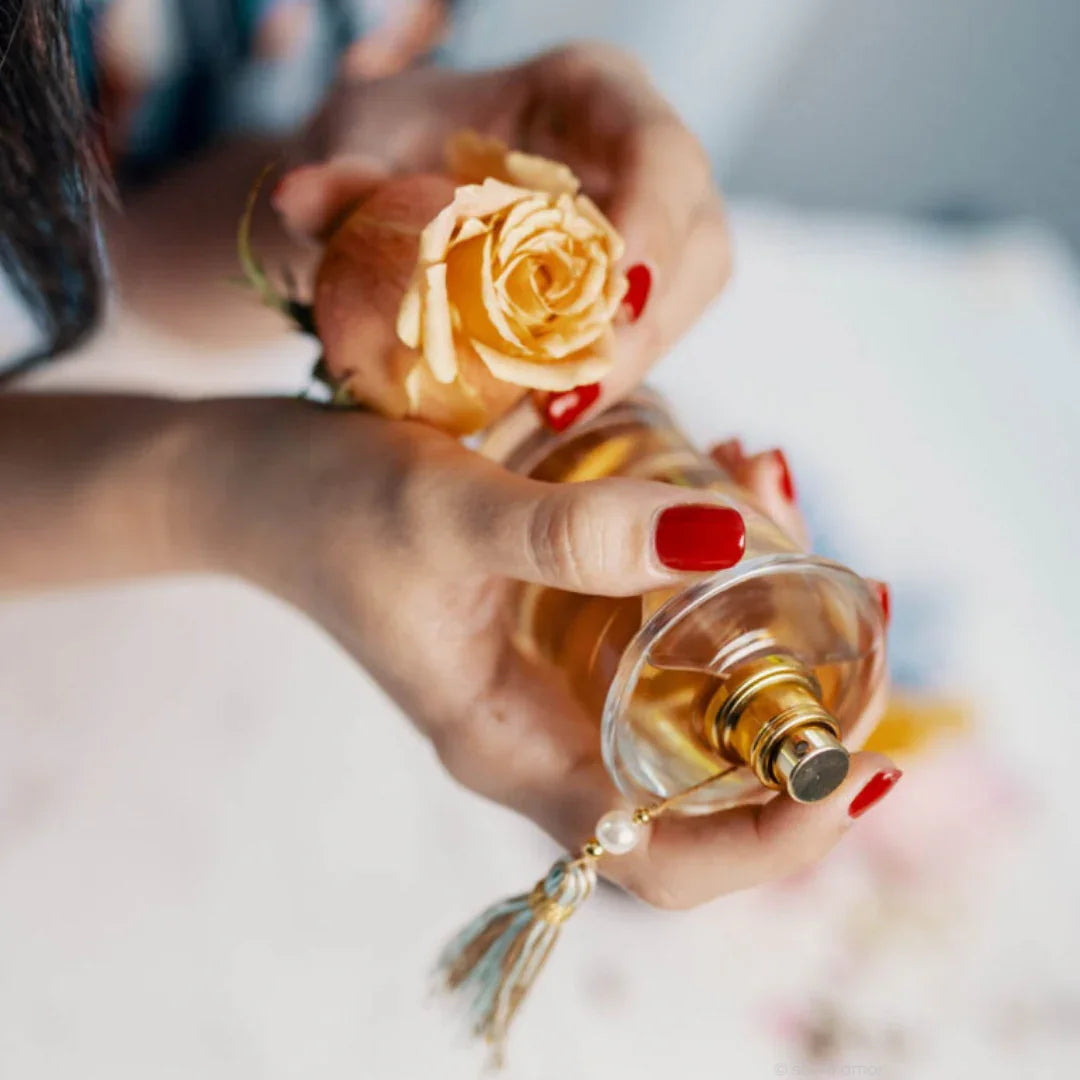
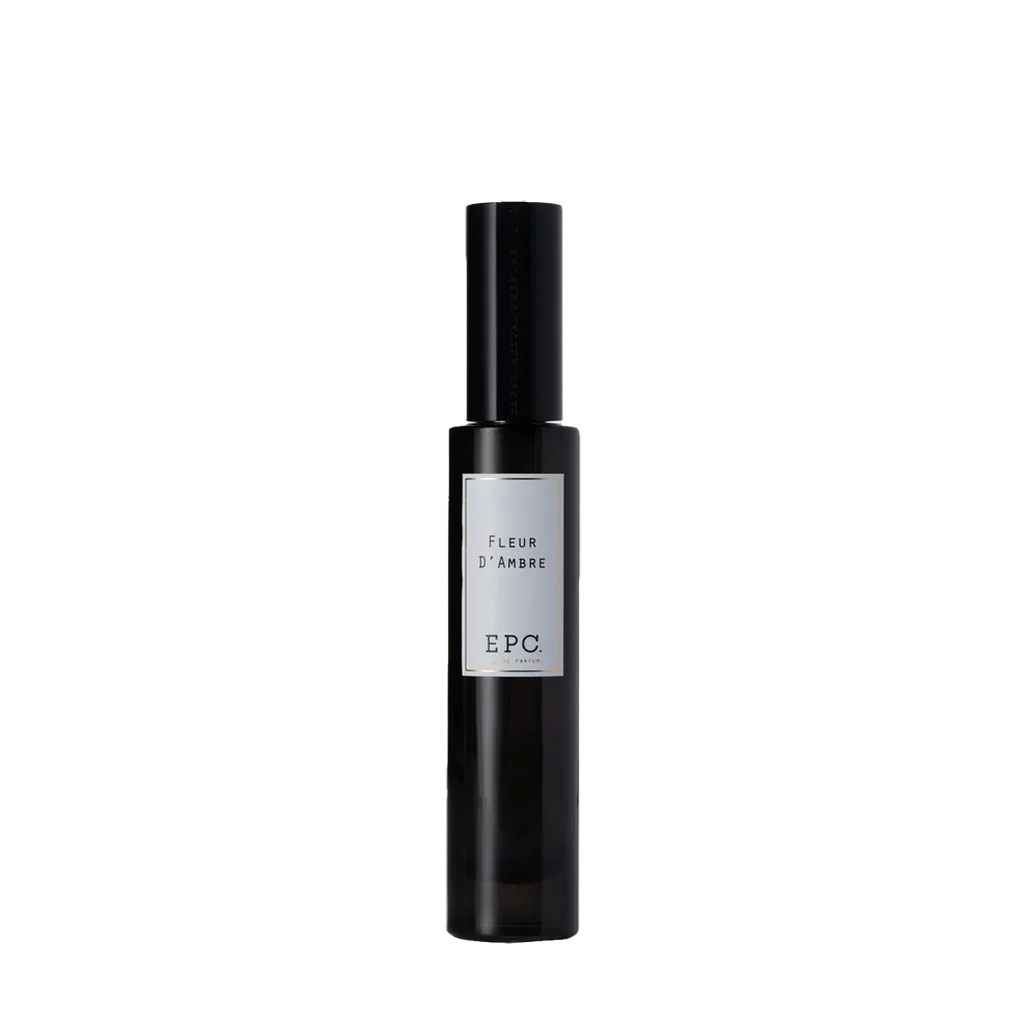
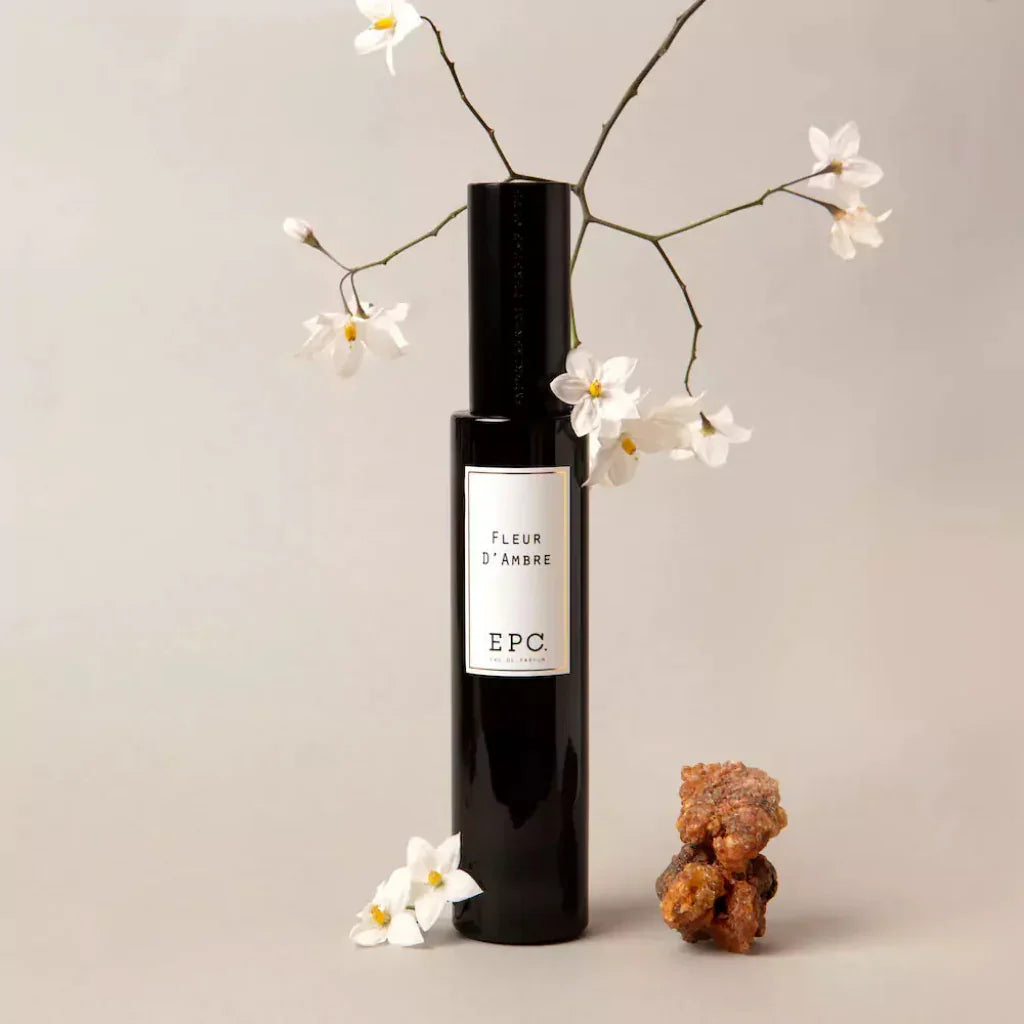
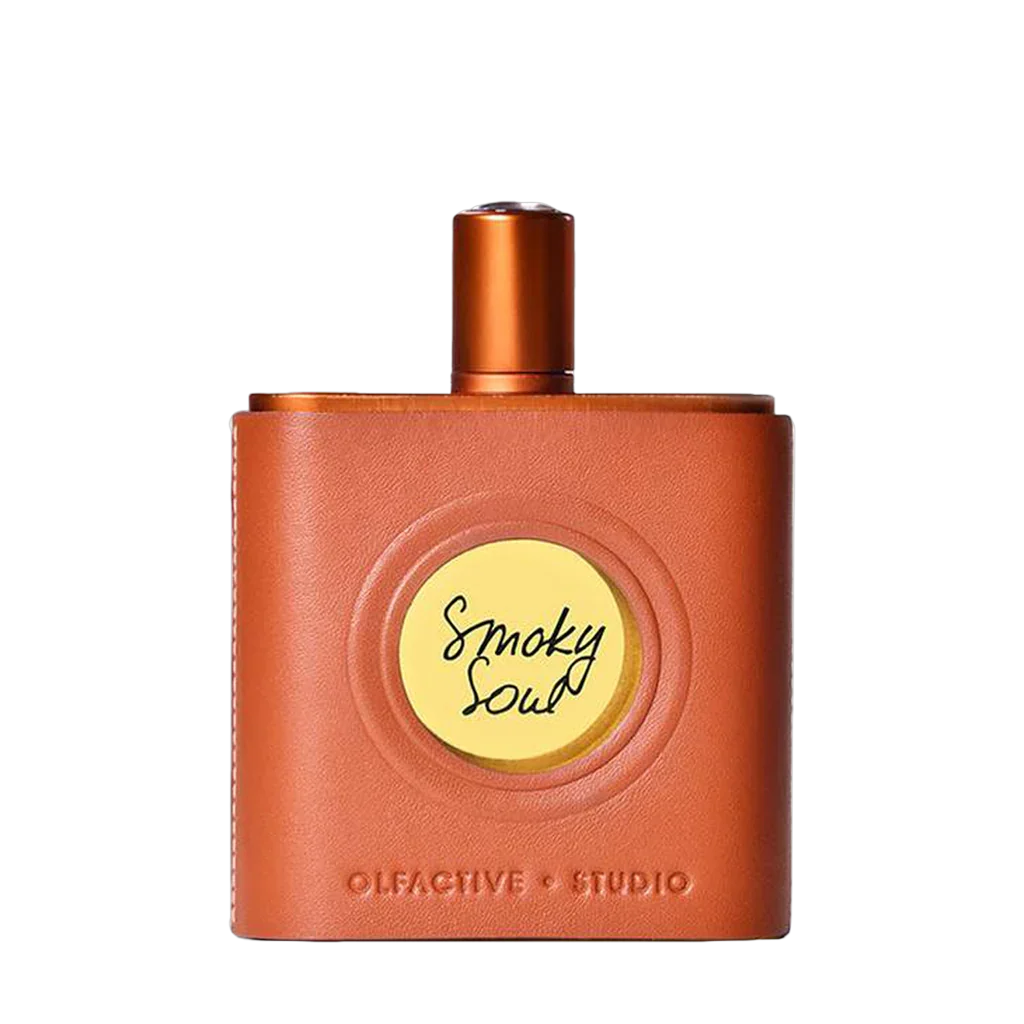
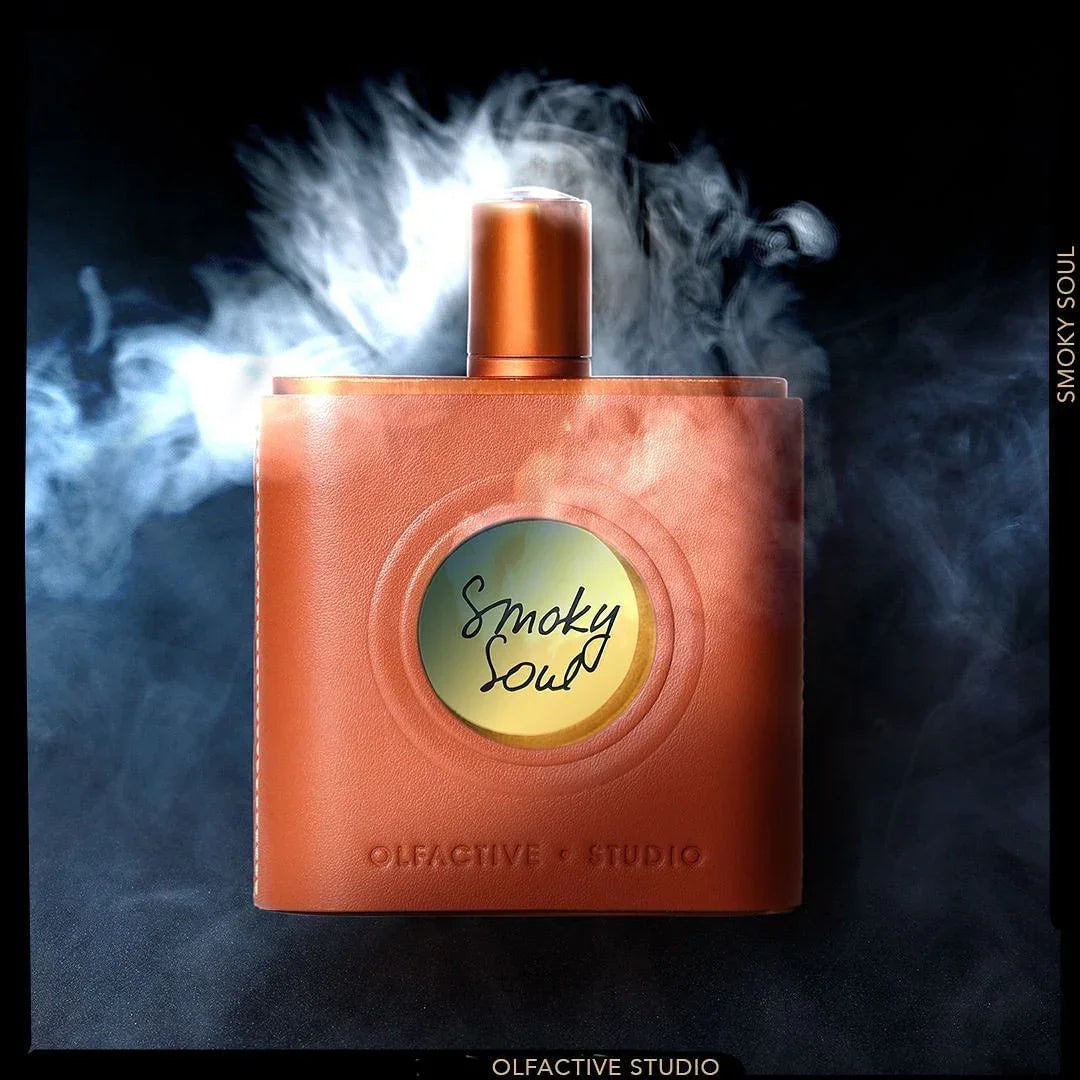
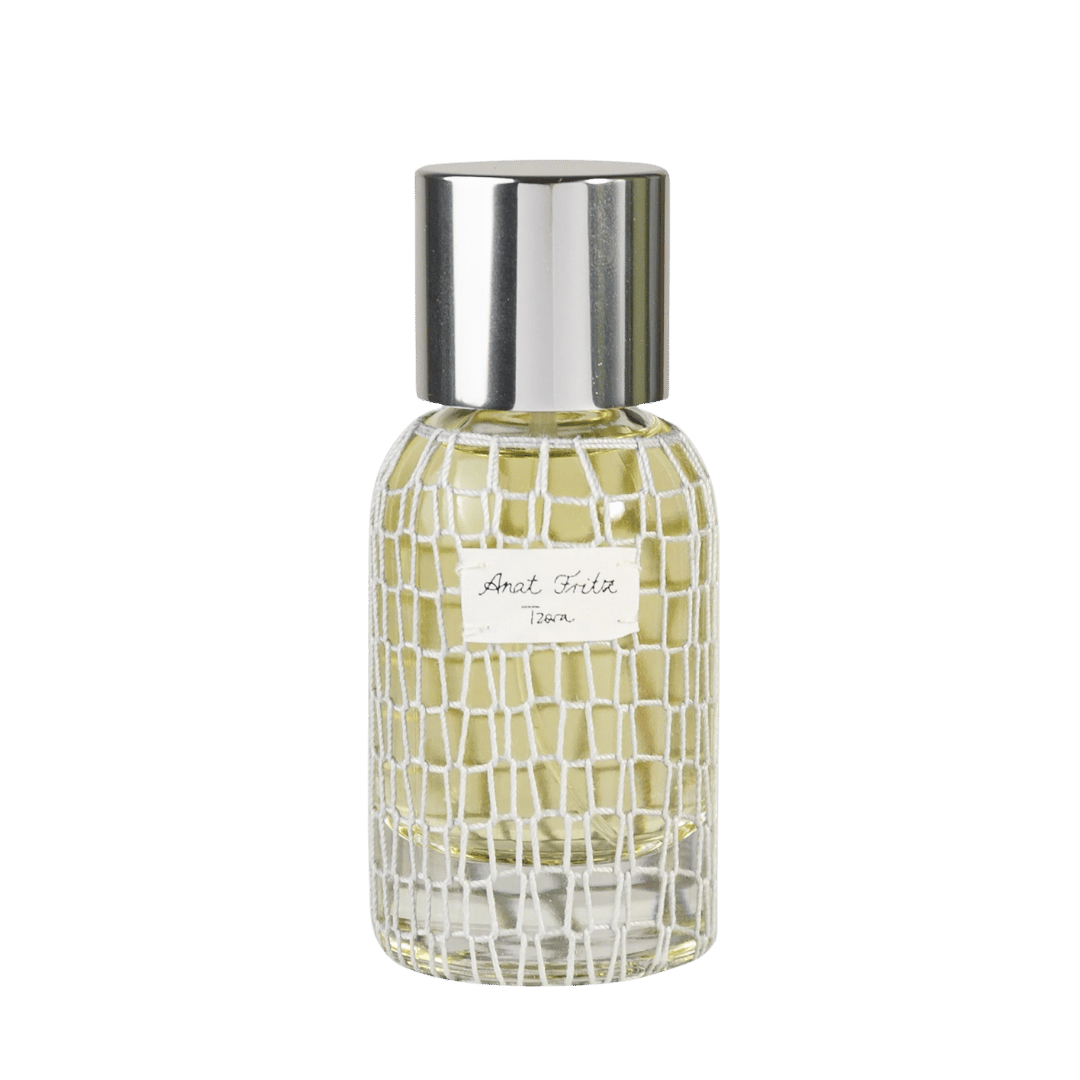
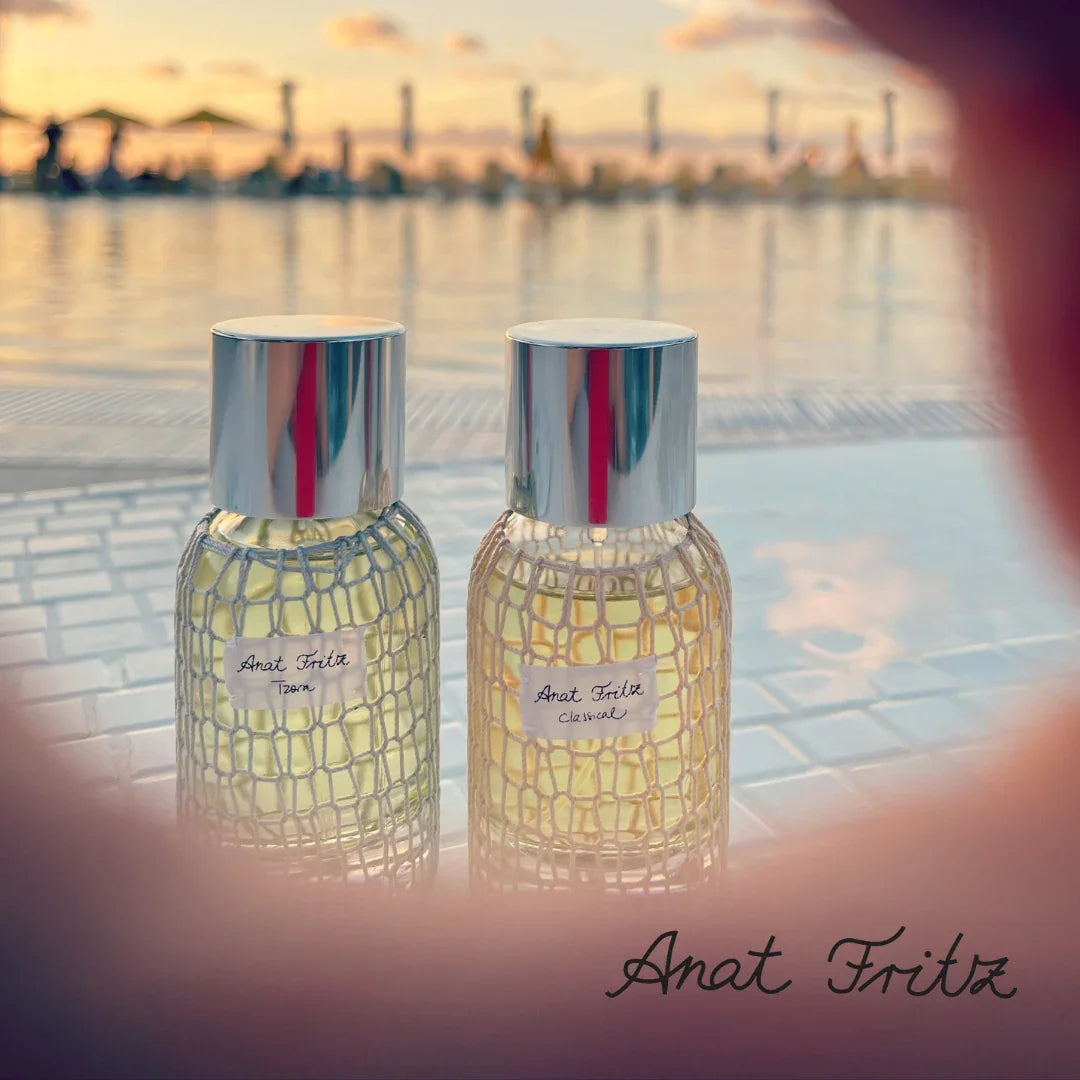
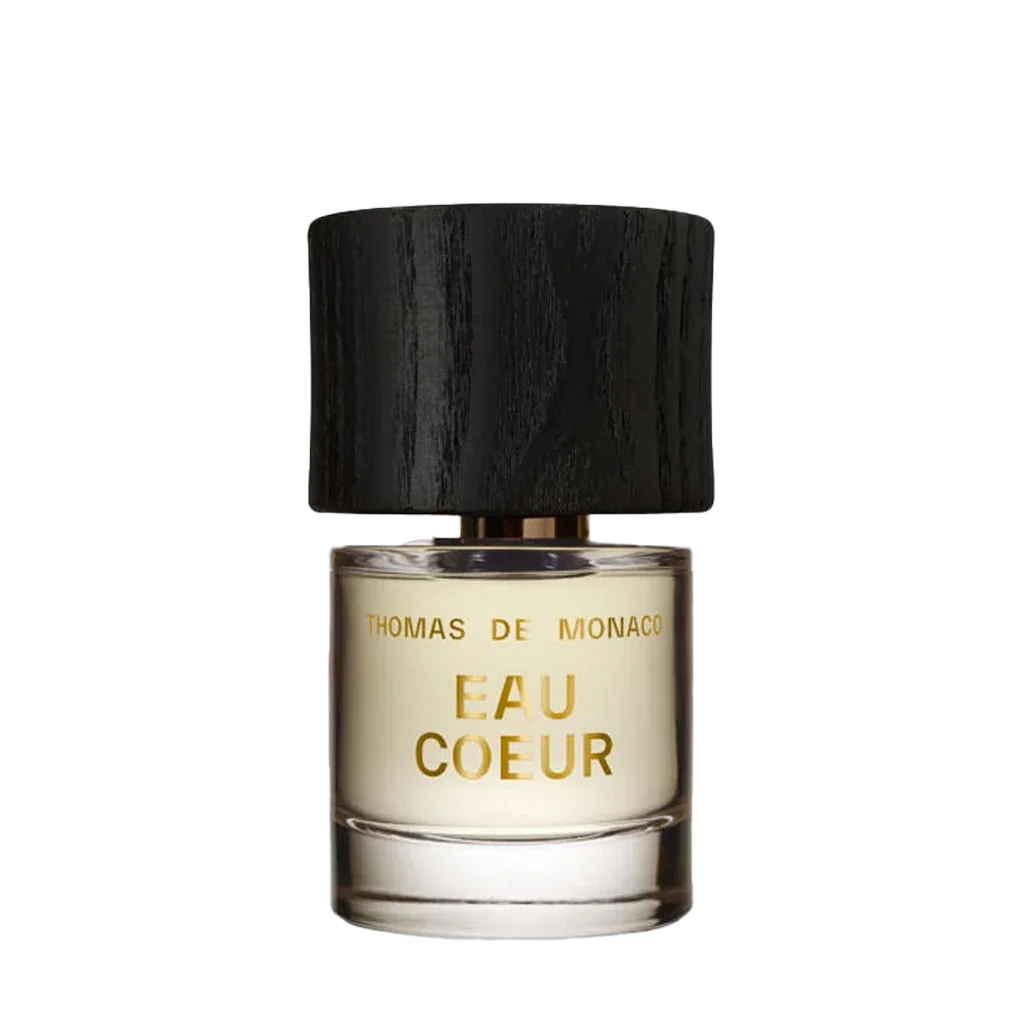
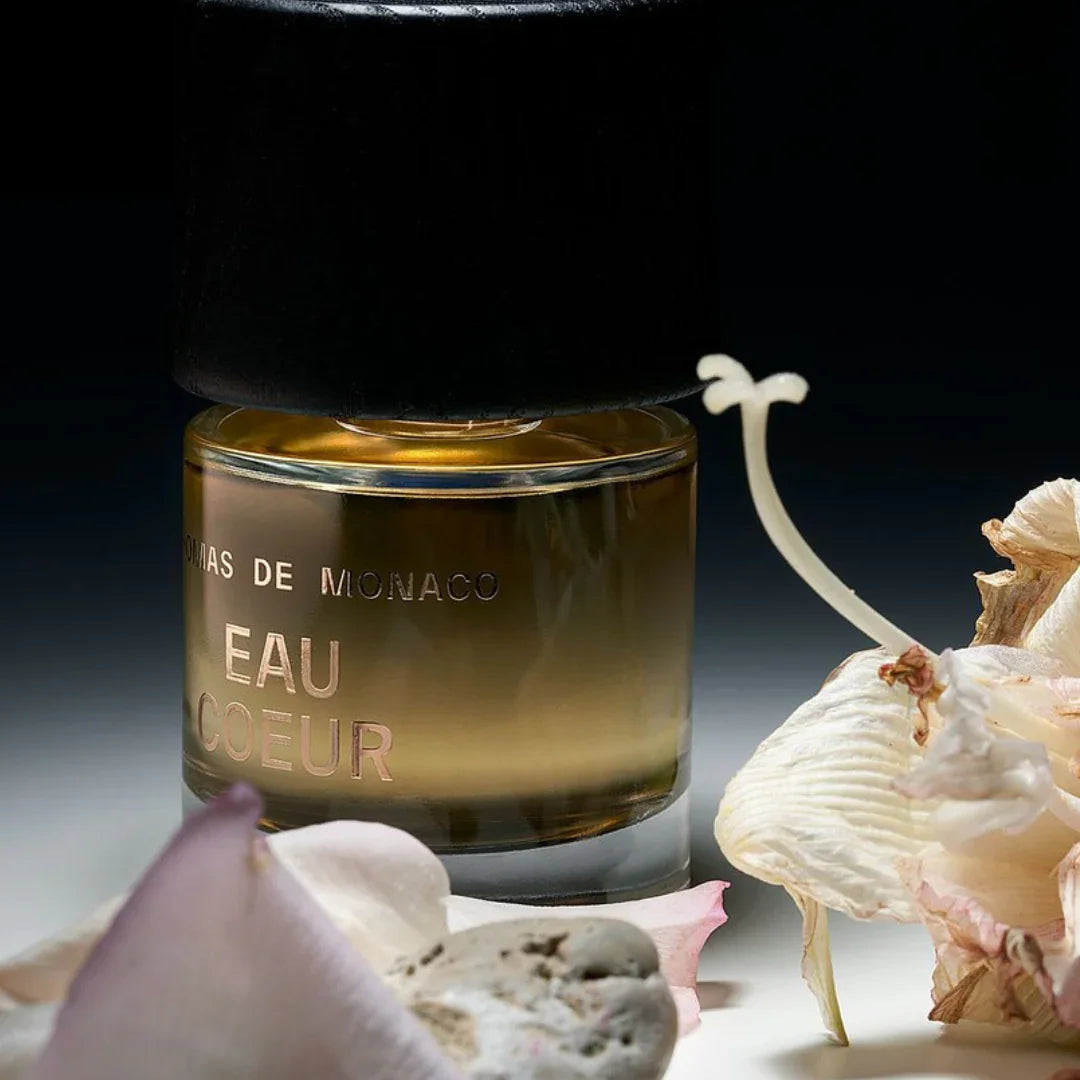
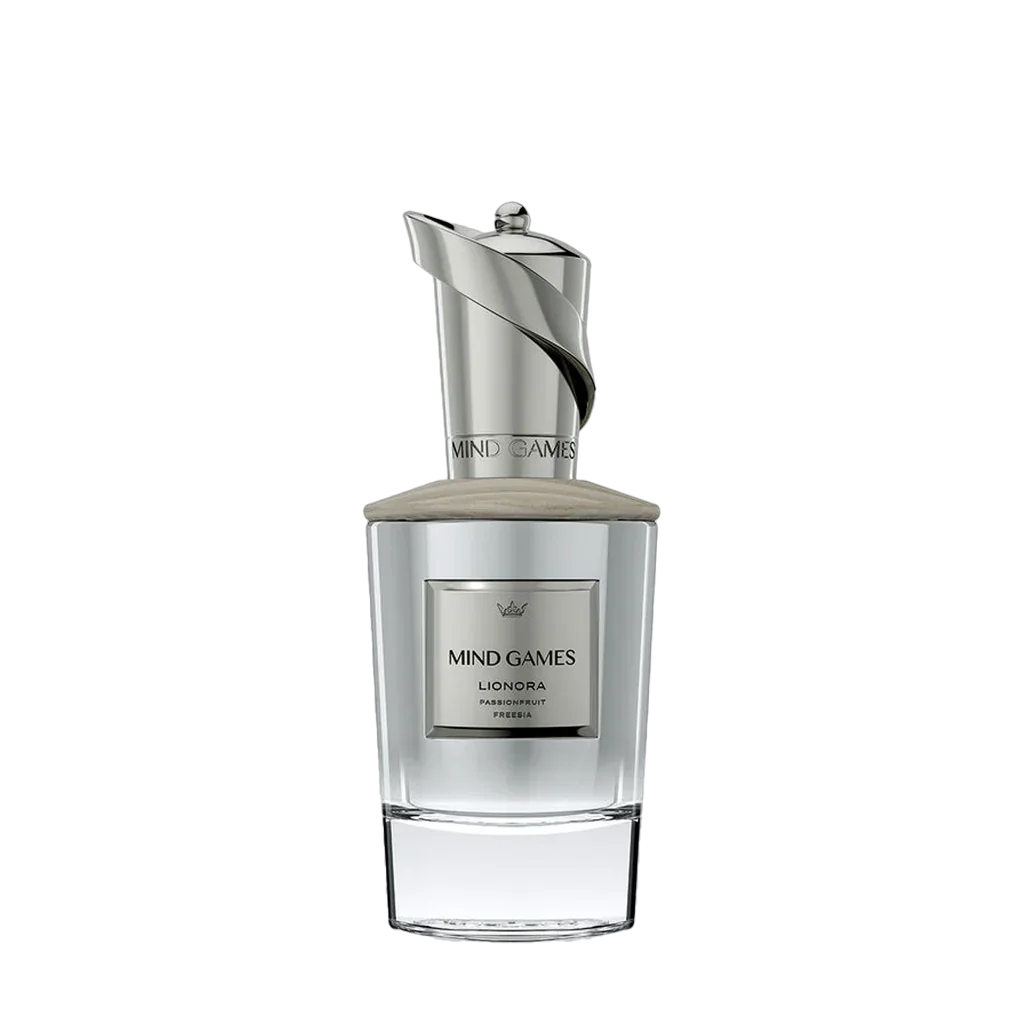
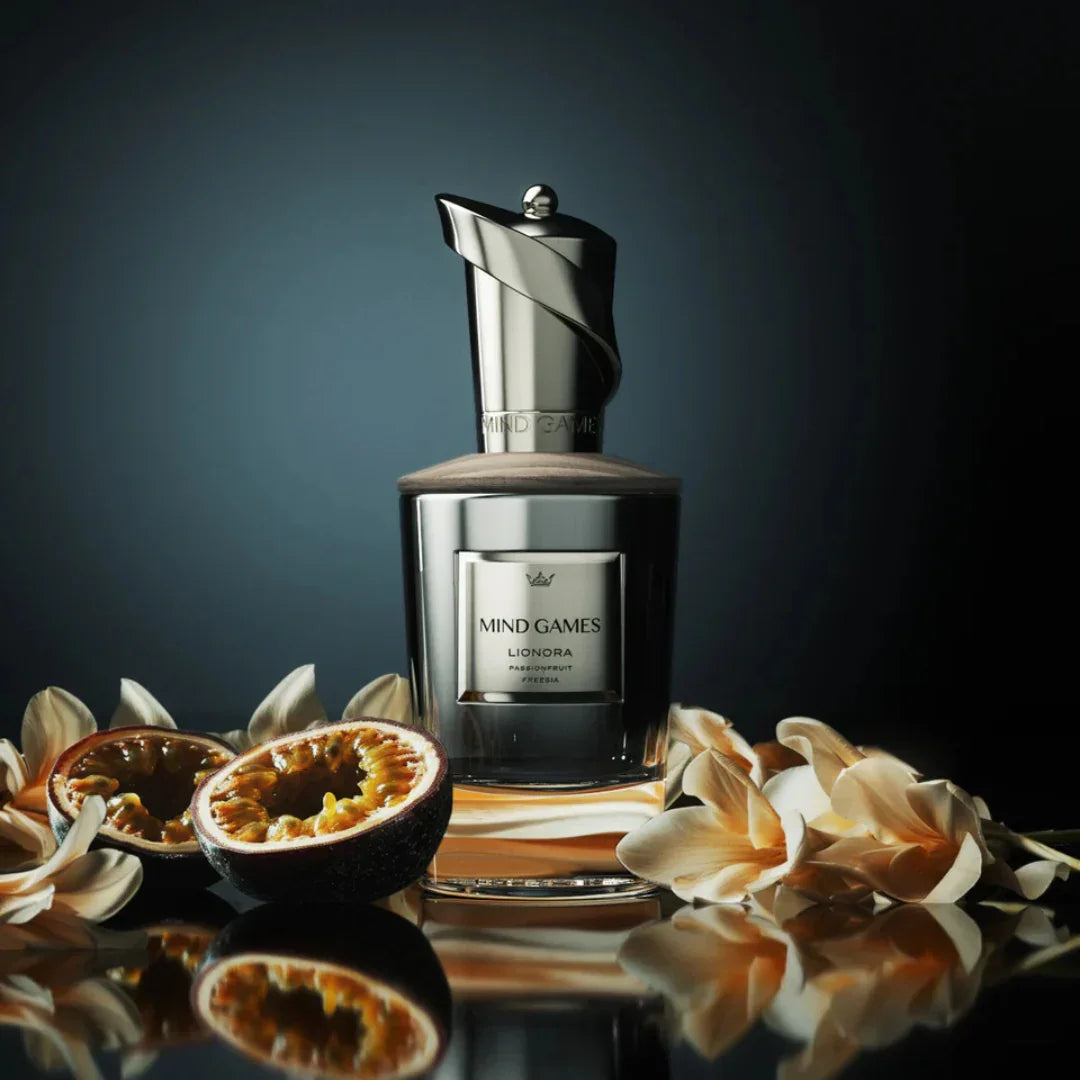
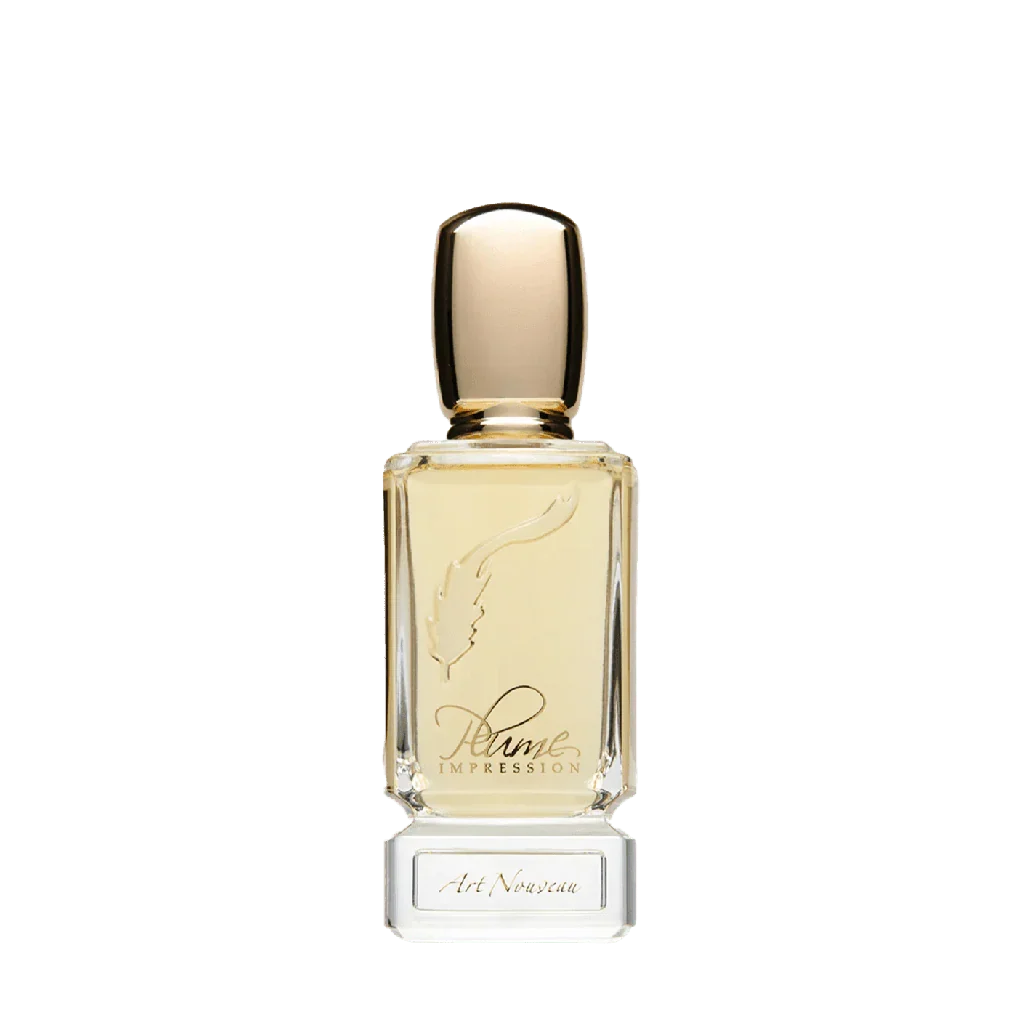
Osmanthus – The flower that smells of peach and leather
Osmanthus – apricot skin, soft leather, radiant depth
Osmanthus is one of those materials that resists simple description. It feels fruity, yet not juicy. Floral, yet never opulent. Leathery, yet not heavy. At its finest, osmanthus blends apricot-like softness with a delicate, almost smoky leather nuance and a luminous golden floral tone. This duality makes it a treasured component in modern niche fragrance compositions.
Origin – China at the heart
Osmanthus is deeply rooted in Chinese tradition, especially in Guangxi and Zhejiang. Chinese qualities are often rich and apricot-like, gently honeyed with warm leathery depth.
Japanese osmanthus tends to feel lighter, greener and more transparent.
Indian cultivations can appear fruitier and slightly more animalic.
Extraction – why absolute defines osmanthus
Osmanthus is too delicate for steam distillation. Heat would damage its complex profile. Therefore, it is almost exclusively produced through solvent extraction, yielding an osmanthus absolute.
High-quality absolute appears dense, golden and layered – never syrupy, always balanced between fruit, flower and subtle leather.
CO₂ extraction, though rarer, can provide a clearer and brighter interpretation with less depth in the base.
Quality – balance is everything
Superior osmanthus shows harmony: natural apricot softness, refined leather undertone and transparent florality. Inferior material becomes overly sweet or loses its leathery complexity.
Osmanthus in composition – golden structure
In perfumery, osmanthus functions as texture rather than decoration. It pairs beautifully with apricot accords, leather, iris, musk and pale woods like sandalwood.
In unisex perfume structures, it adds warmth without sweetness. In leather compositions, it softens edges. In florals, it introduces depth without weight.
Osmanthus glows – softly, golden, controlled.
Copyright by scent amor © 2026 (grw)
Frequently asked Questions about Osmanthus
Why is Osmanthus often called a "fruity flower," and what exactly does it smell like?
What is special about the "wild" or leathery side of Osmanthus?
Why is Osmanthus Absolute so precious, and how is it produced?
What role does Osmanthus play in Asian culture and in tea-inspired fragrances?
Discover all fragrances
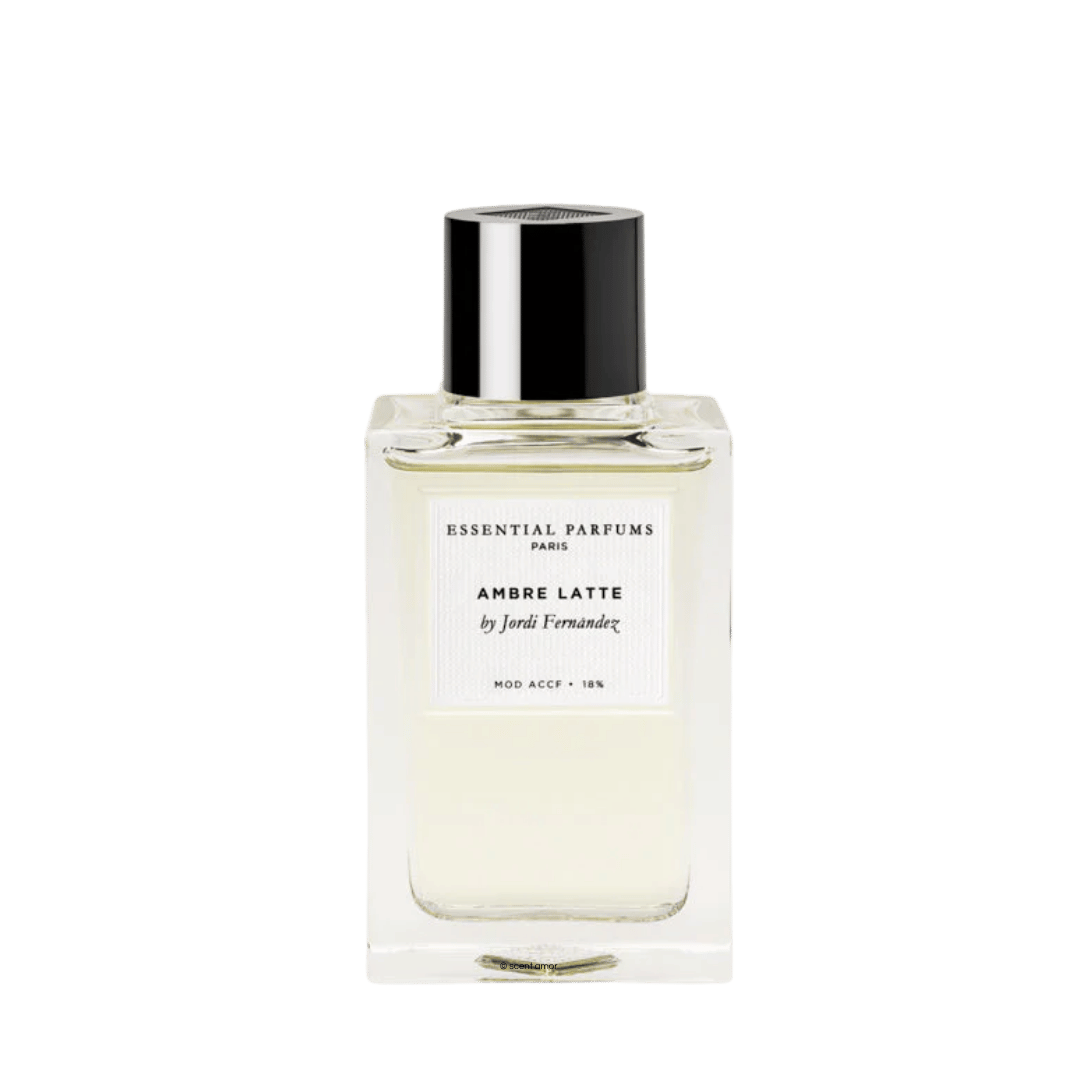
Amber Perfumes
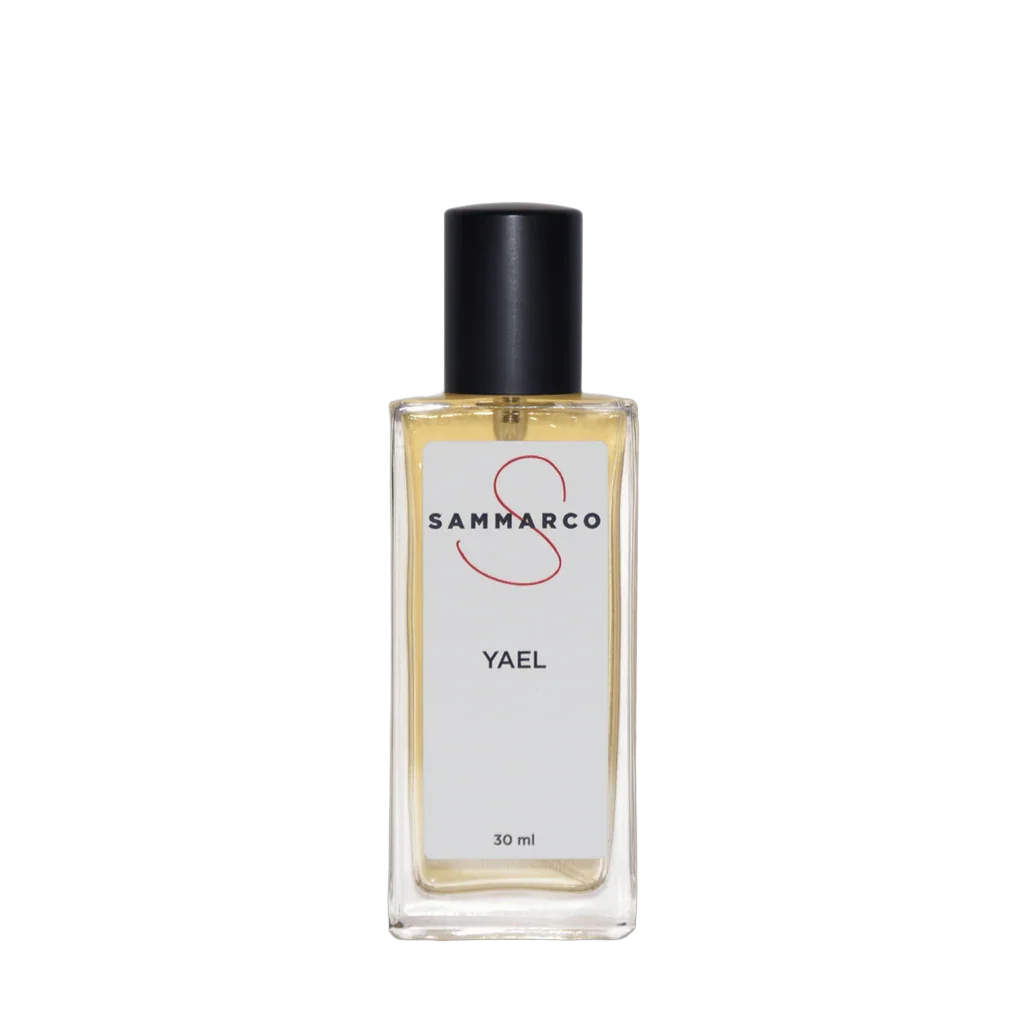
Ambergris Perfumes
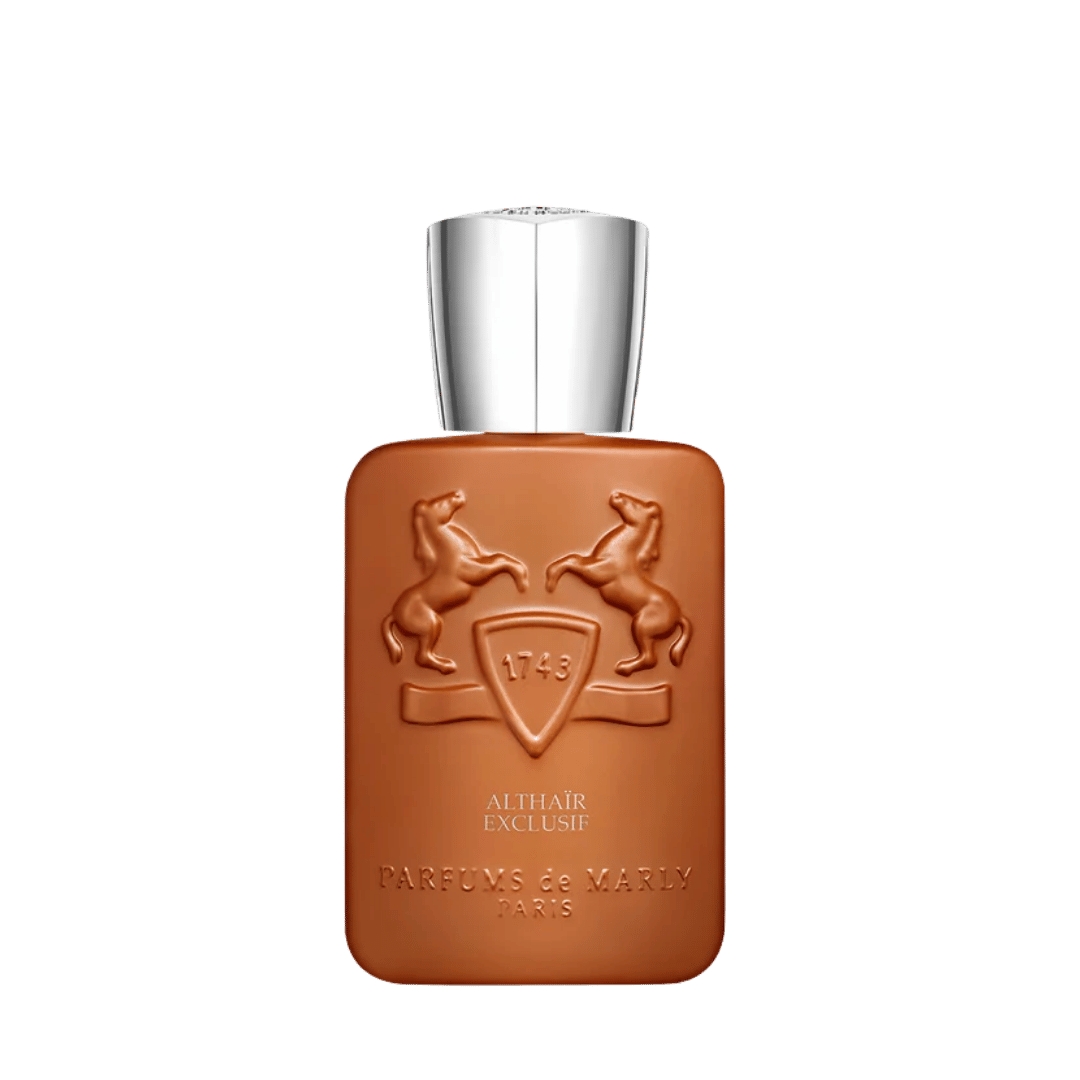
Ambroxan
Aquatic Perfumes
Bergamot Note
Cashmeran
Chypre Perfumes
Floral - Flowery Perfumes
Fougère Perfumes
Fresh Perfumes
Fruity Perfumes
Gourmand Perfumes
Green Perfumes
Woody Perfumes

Iris Perfumes

ISO E Super
Jasmine
Lavender Note

Leder Parfums
Lily of the valley
Mint
Musk Perfumes
Myrrh
Neroli Note
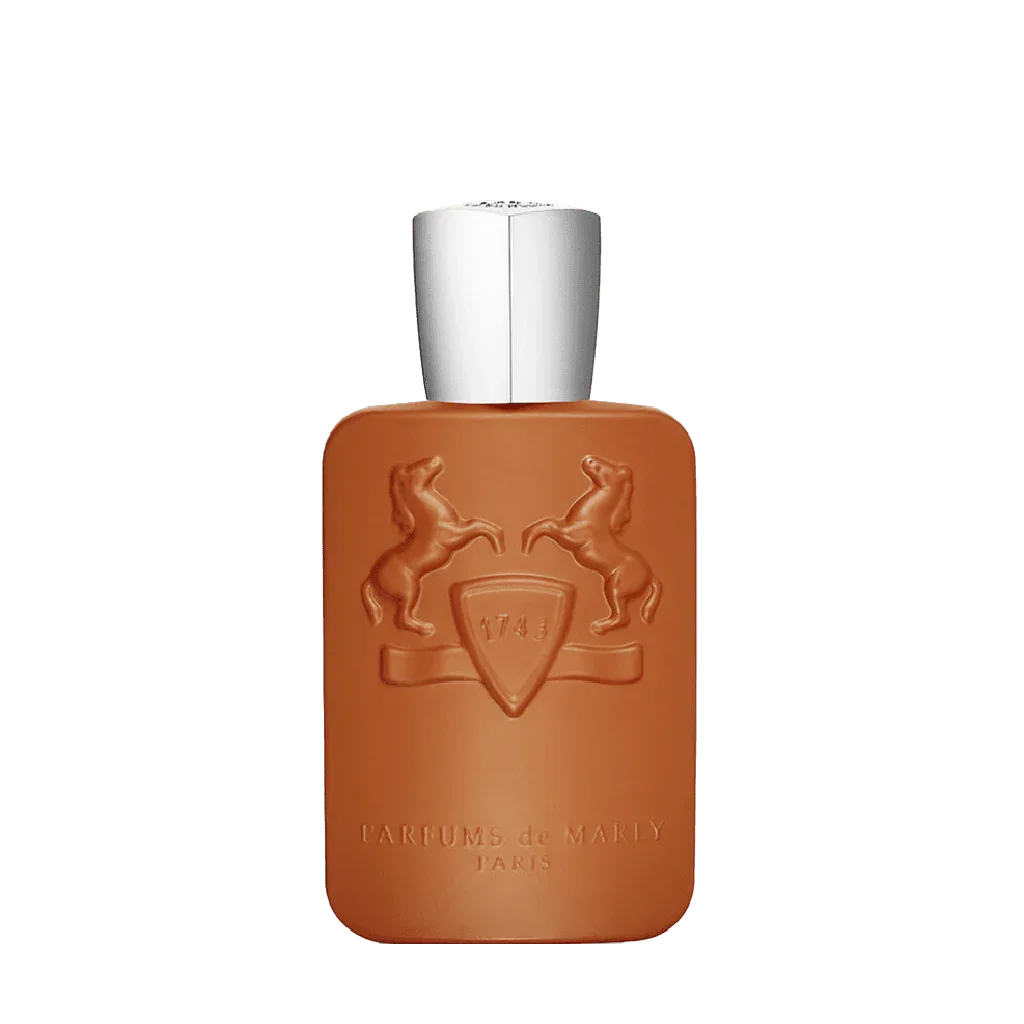
Orientalische Parfums
Osmanthus
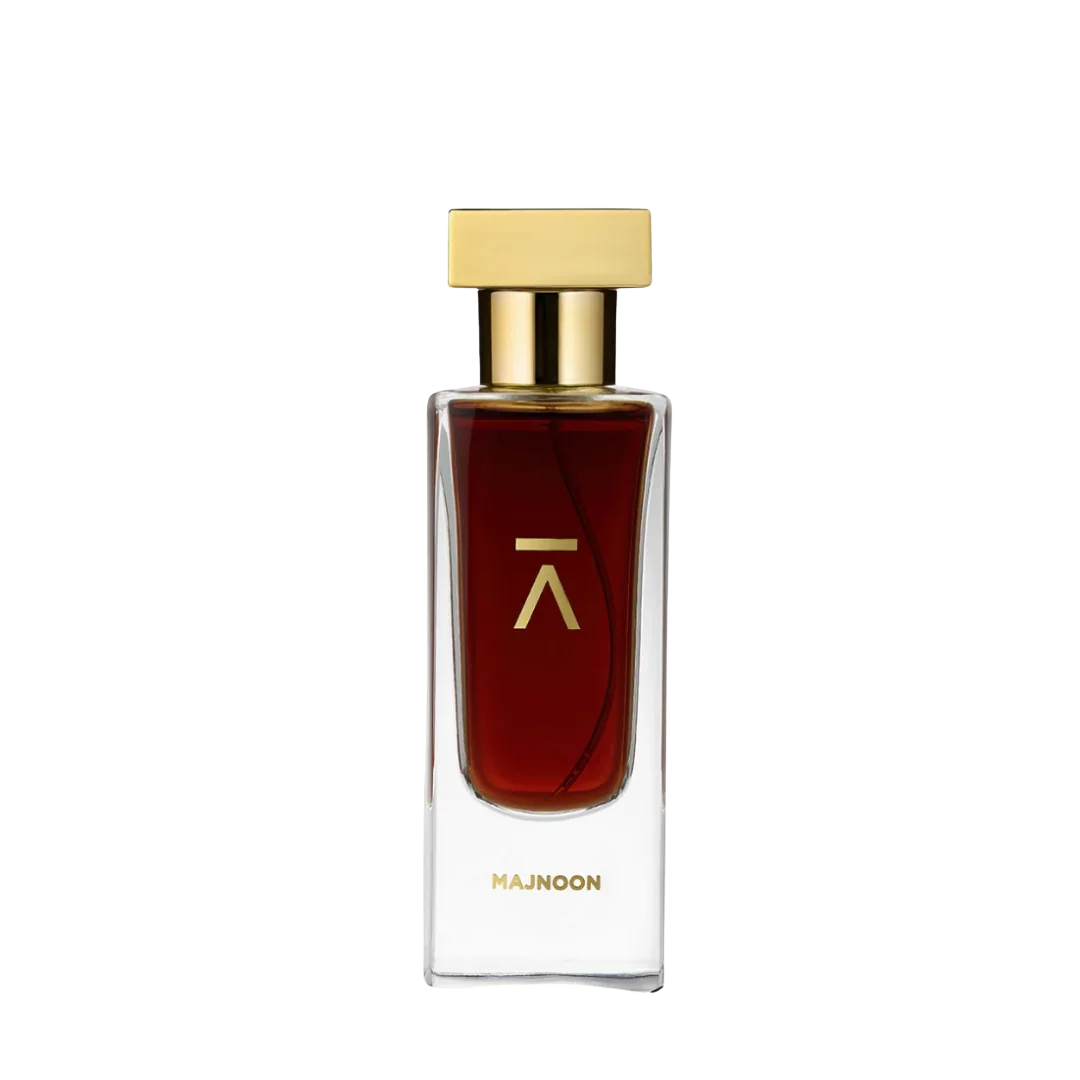
Oud Perfumes
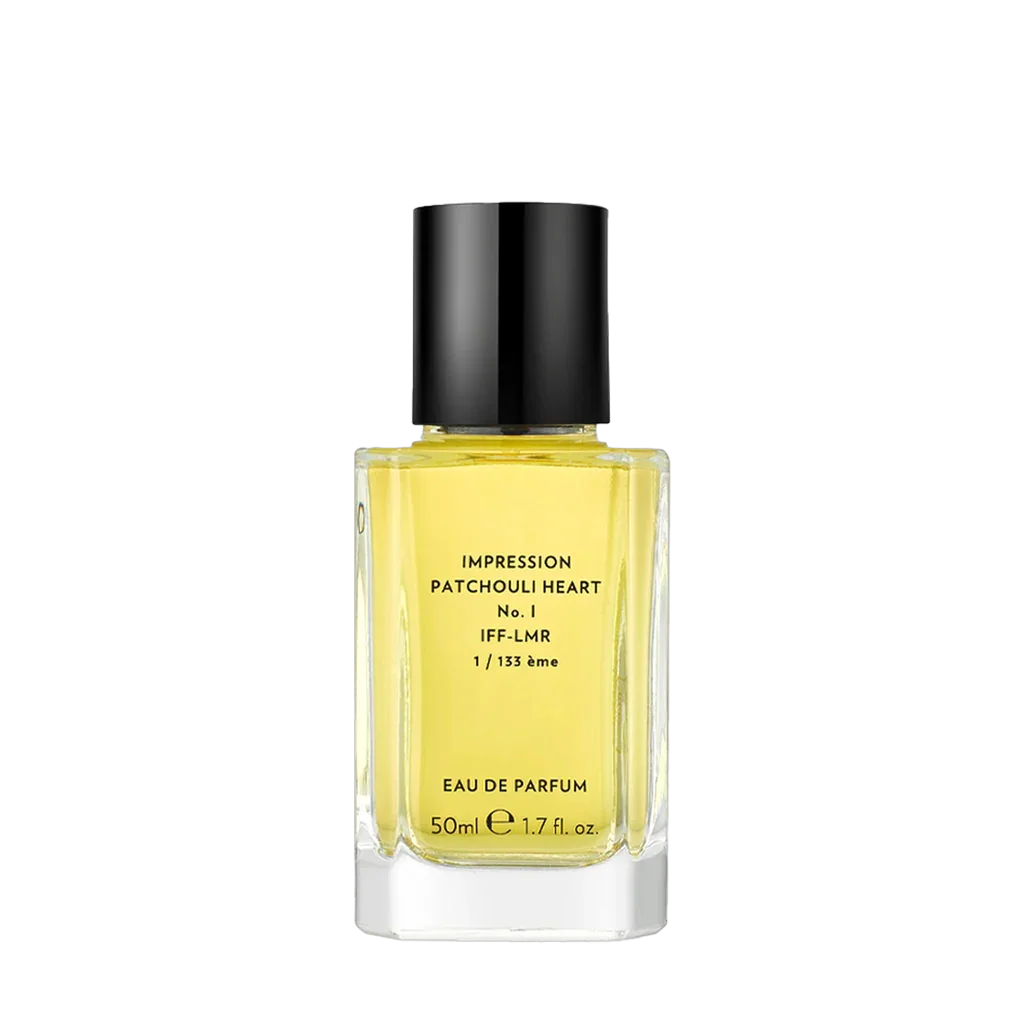
Patchouli Perfumes
Petitgrain Note
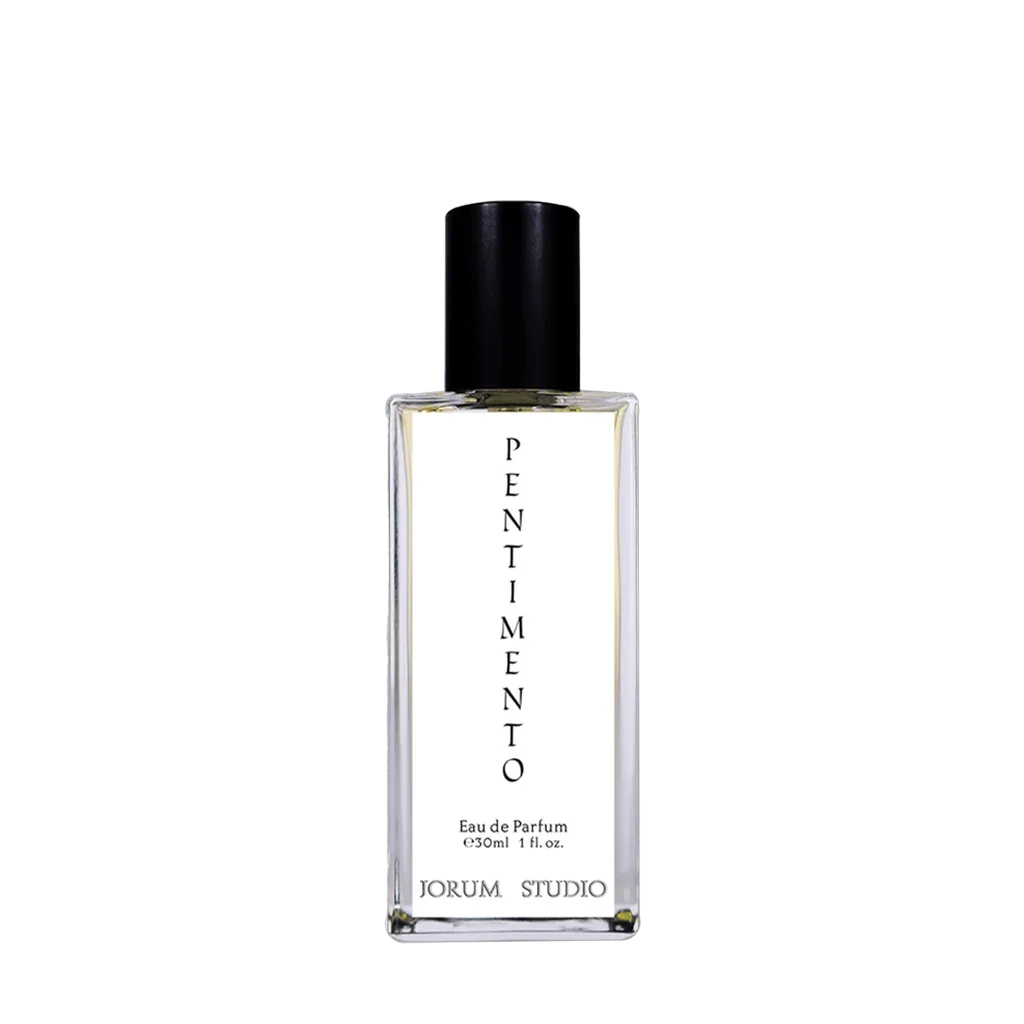
Pepper Notes

Powdery Perfumes

Rose Perfumes
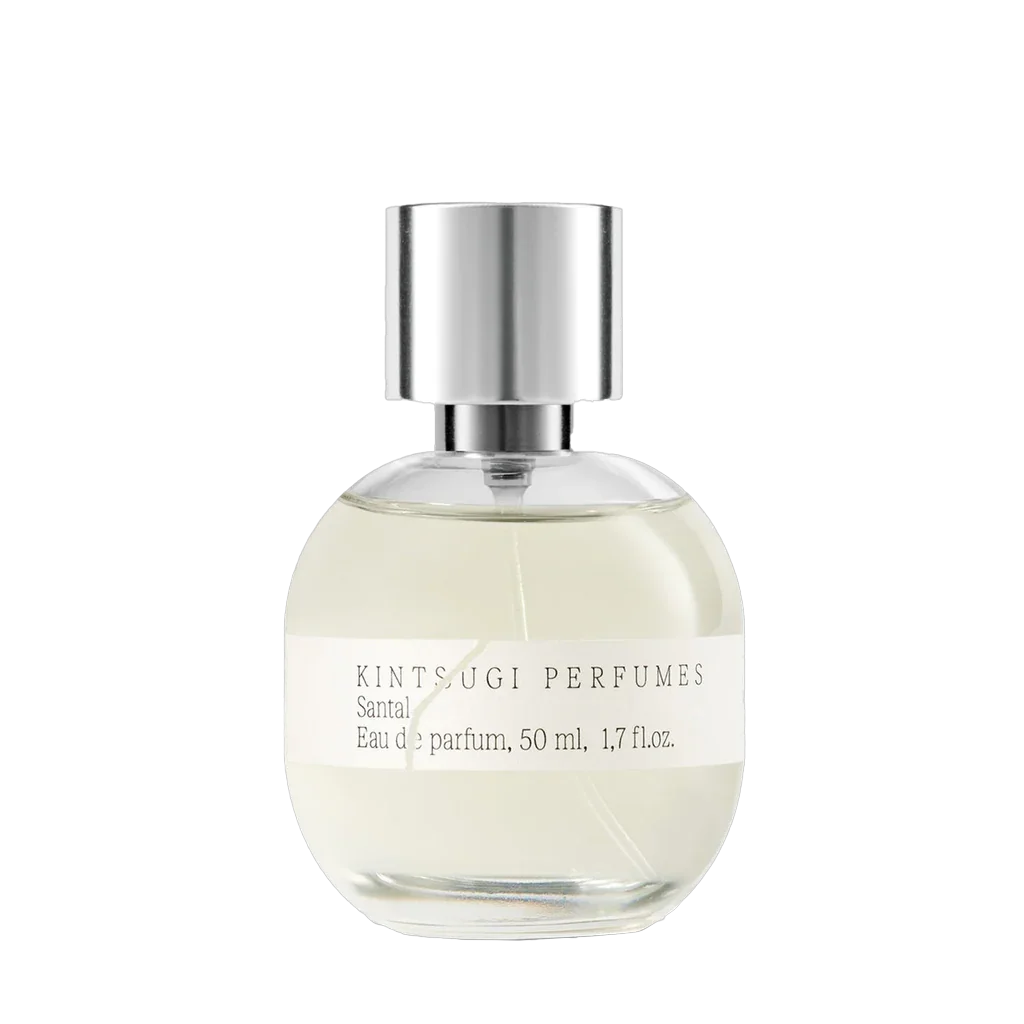
Sandalwood Note
Sweet Perfumes
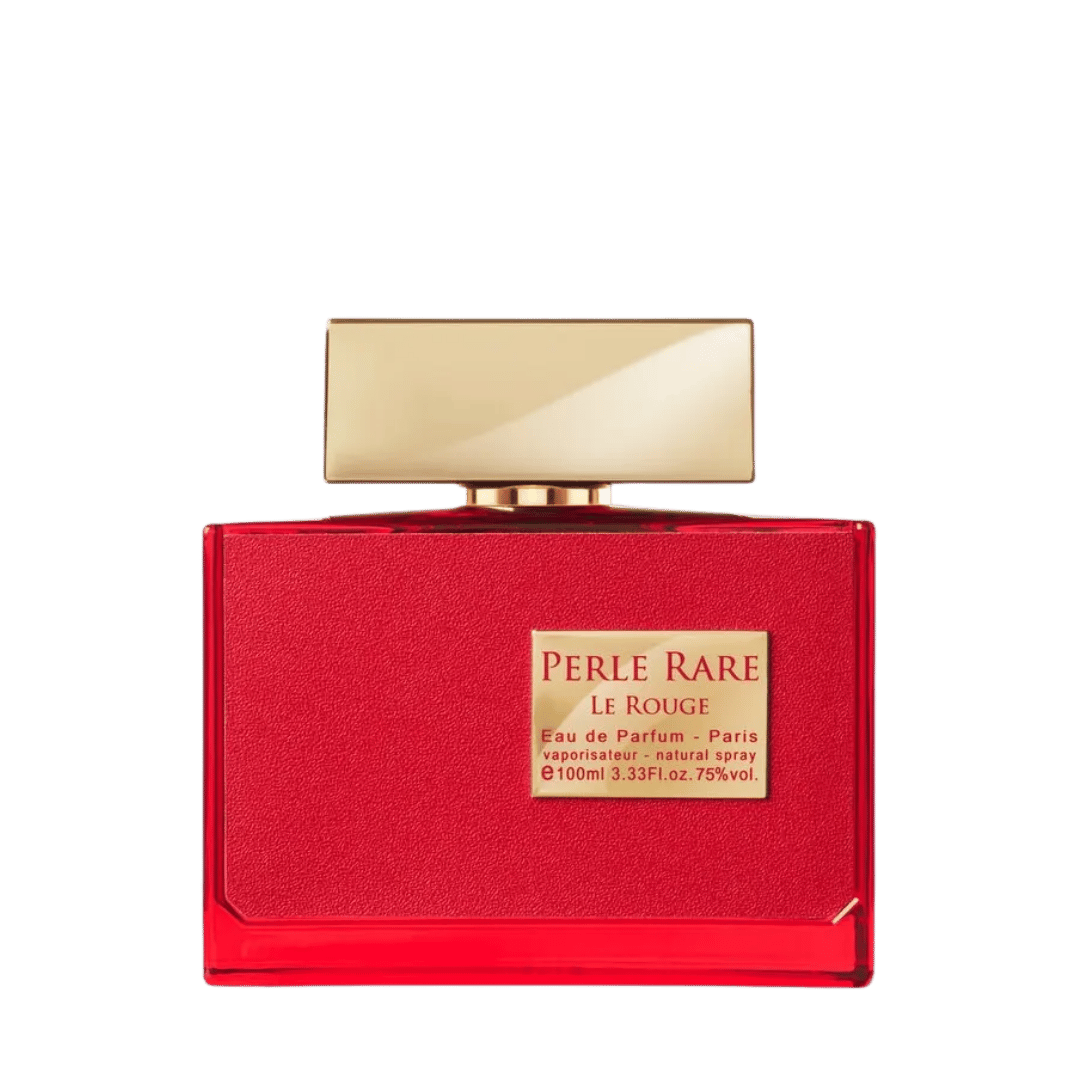
Synthetic Perfume Molecules
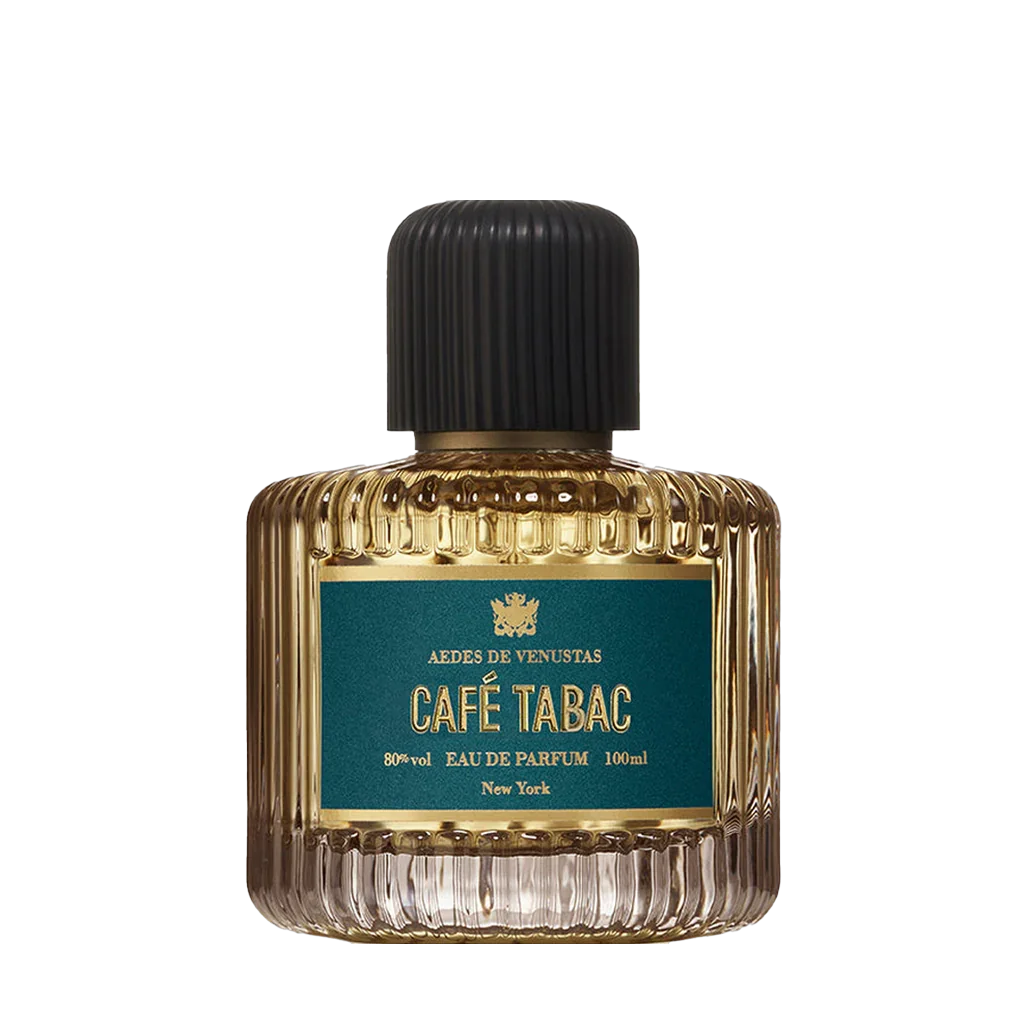
Tobacco Perfumes
Tropical Perfumes
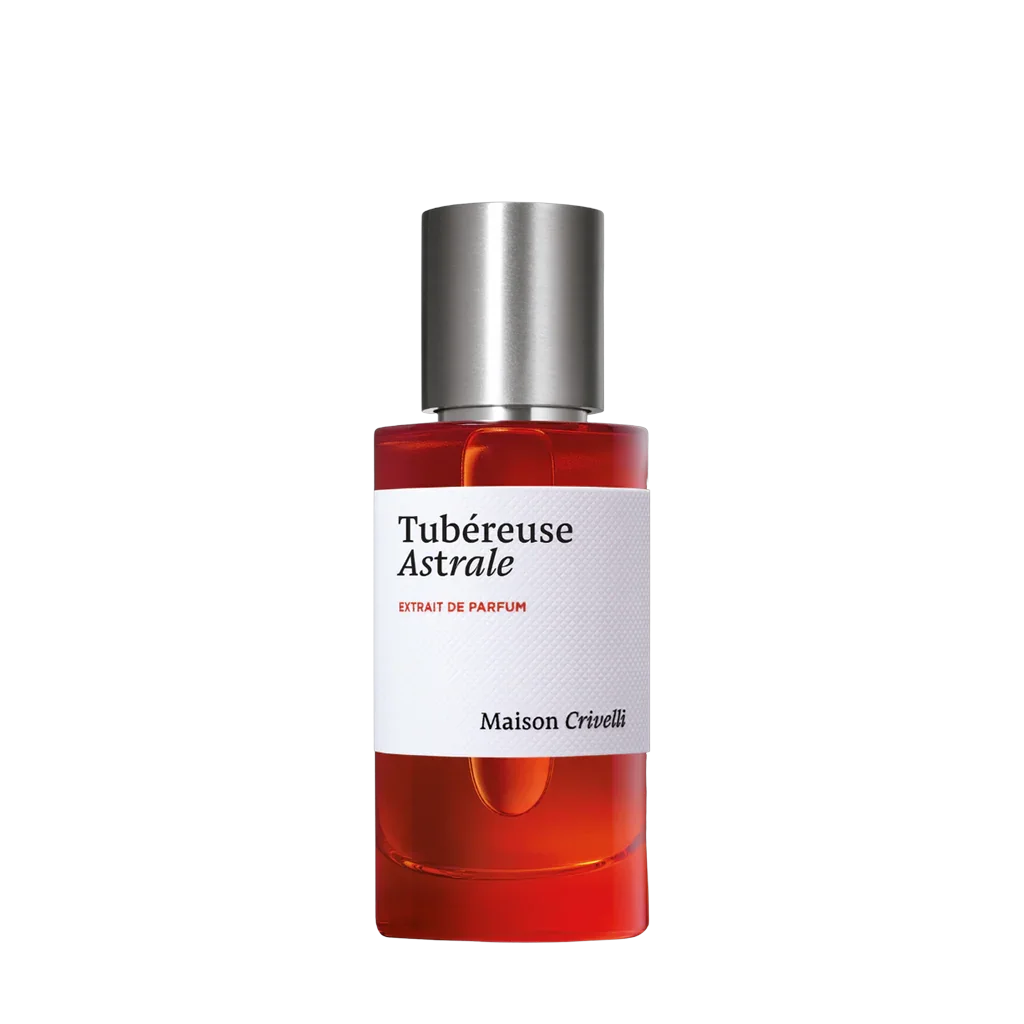
Tuberose Perfumes
Vanilla Perfumes

Violet
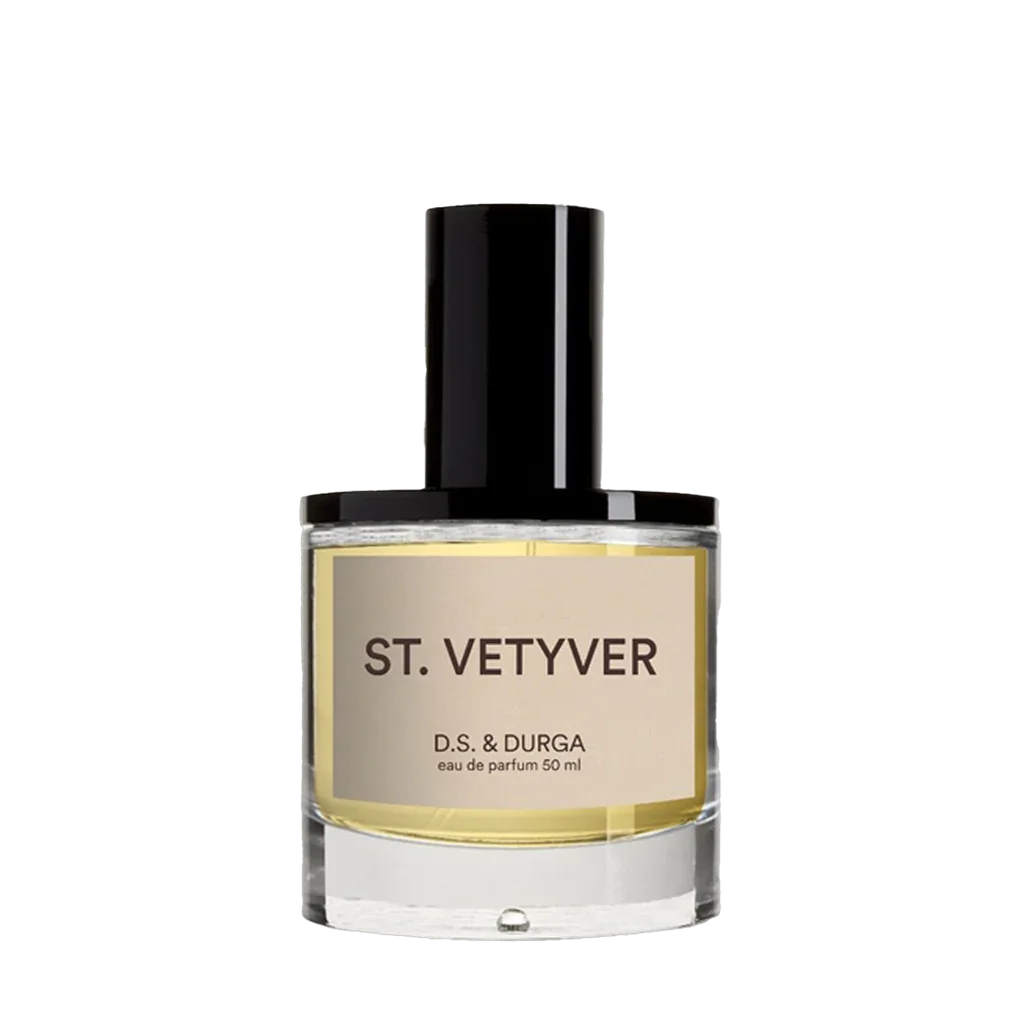
Vetiver Perfumes
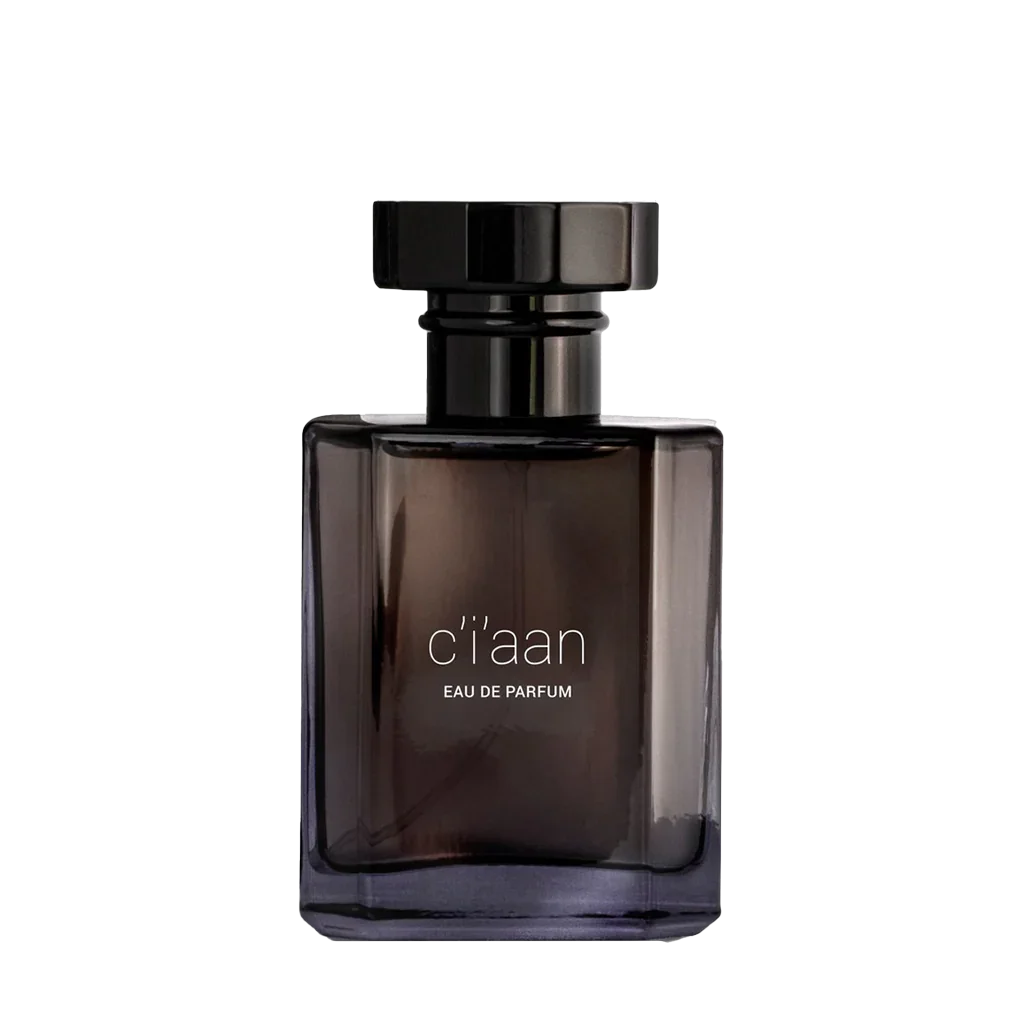
Juniper
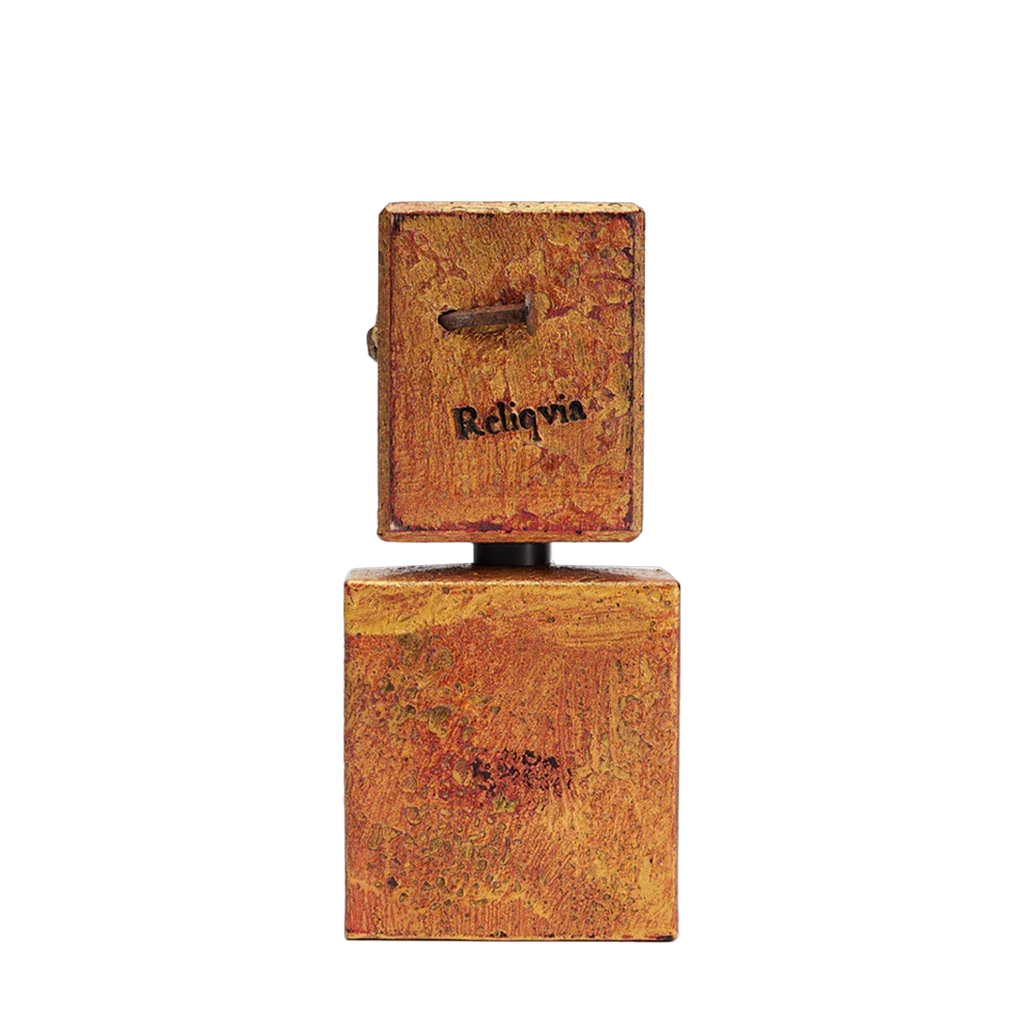
Frankincense Perfumes
Spicy Perfumes

Cinnamon
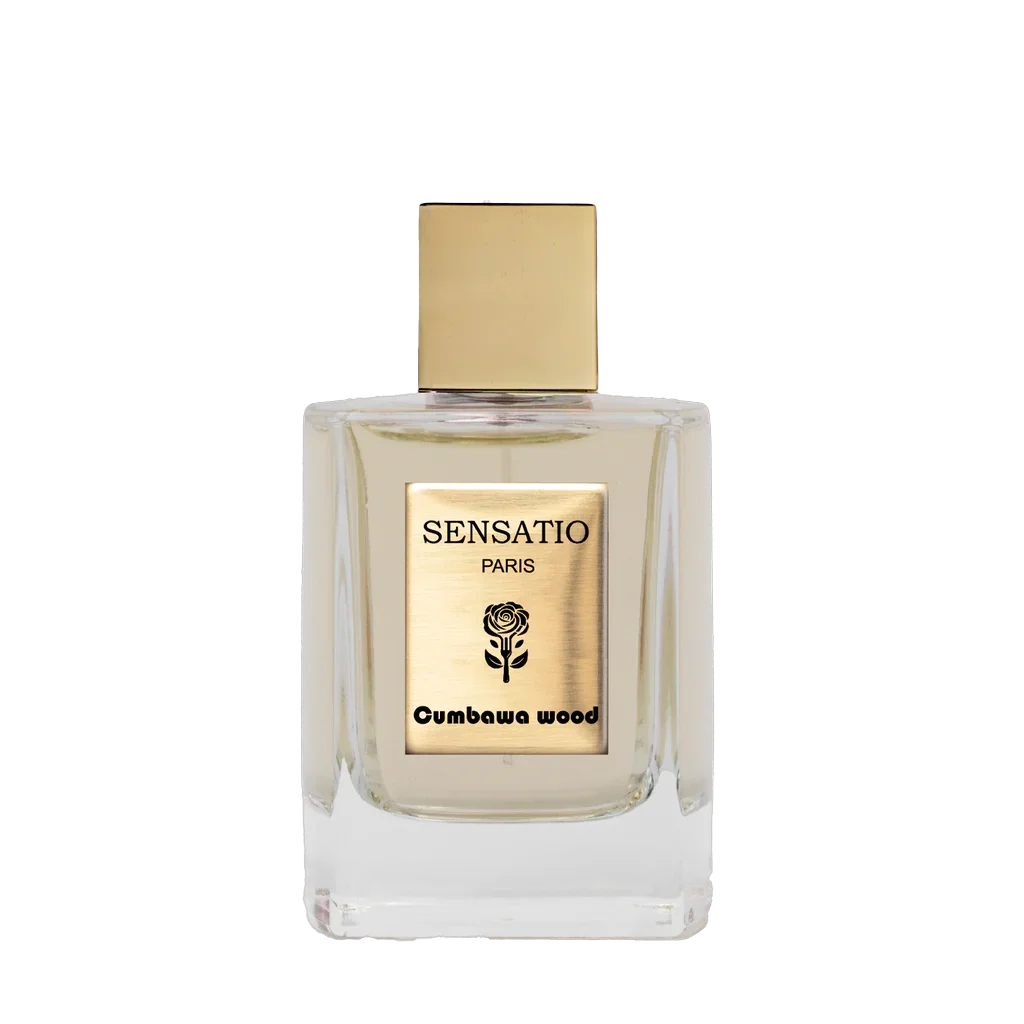
Citrus Perfumes

Our fragrance news.
Curated for you.
To subscribe to our newsletter and secure your discount, please accept our cookies. Also, make sure that your ad blocker (uBlock, AdBlock) is disabled and JavaScript is enabled.
Our fragrance news.
Curated for you.
To subscribe to our newsletter and secure your discount, please accept our cookies. Also, make sure that your ad blocker (uBlock, AdBlock) is disabled and JavaScript is enabled.