

Filters
40 products

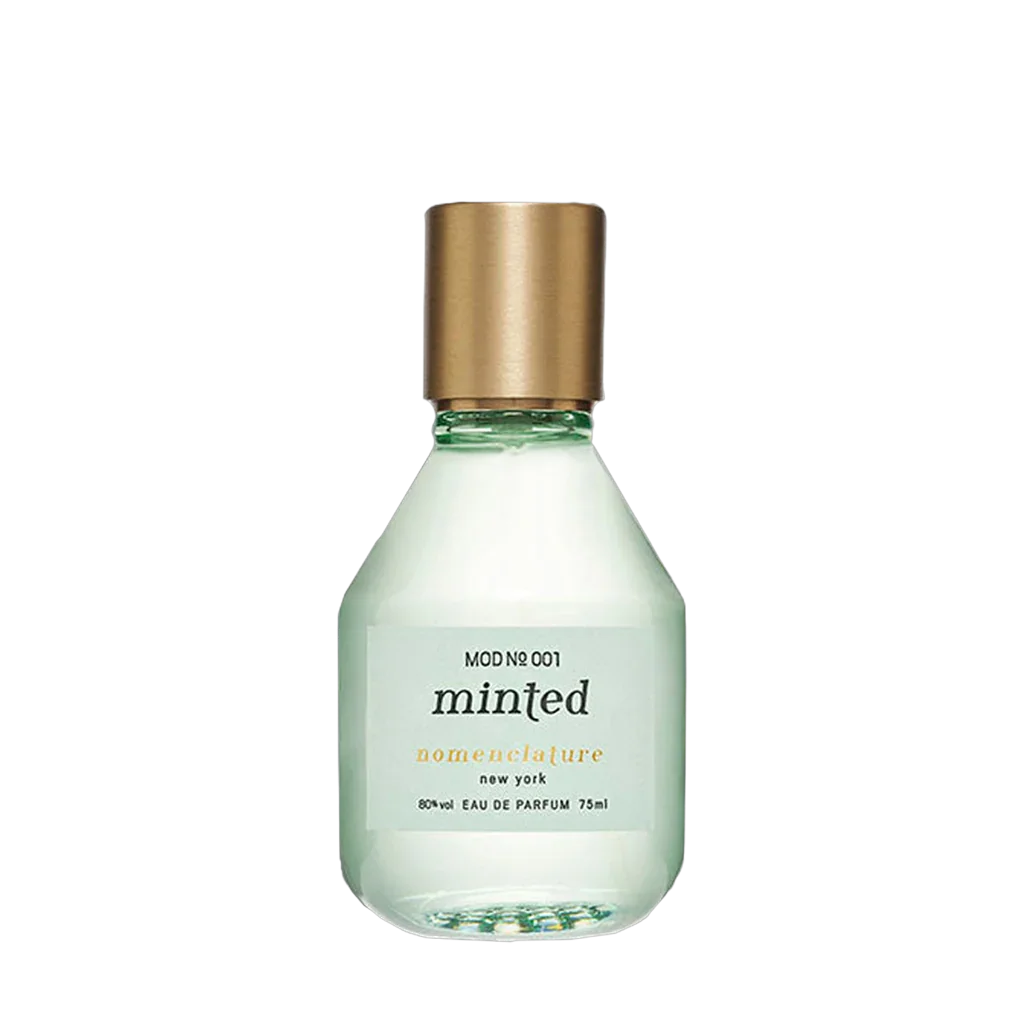
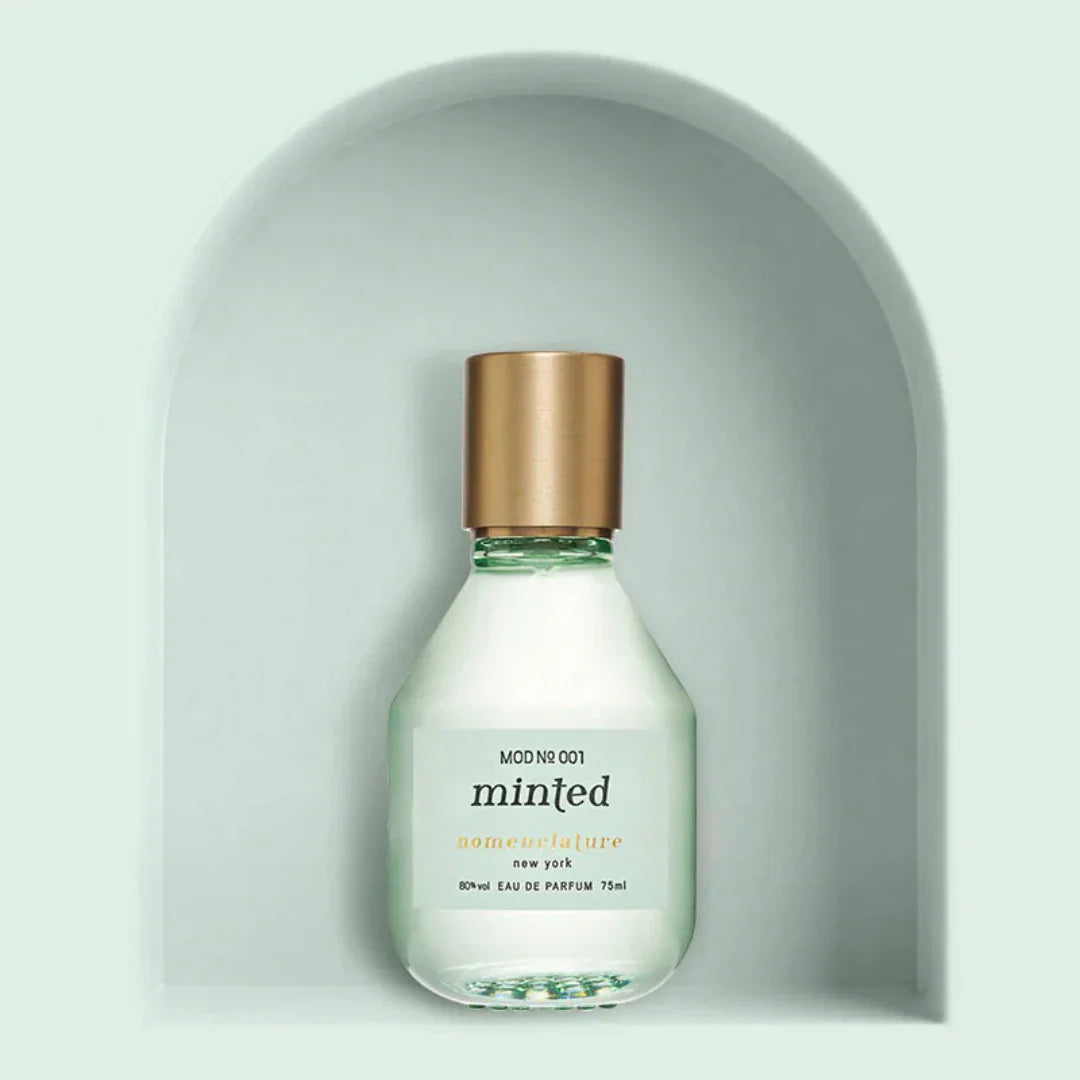
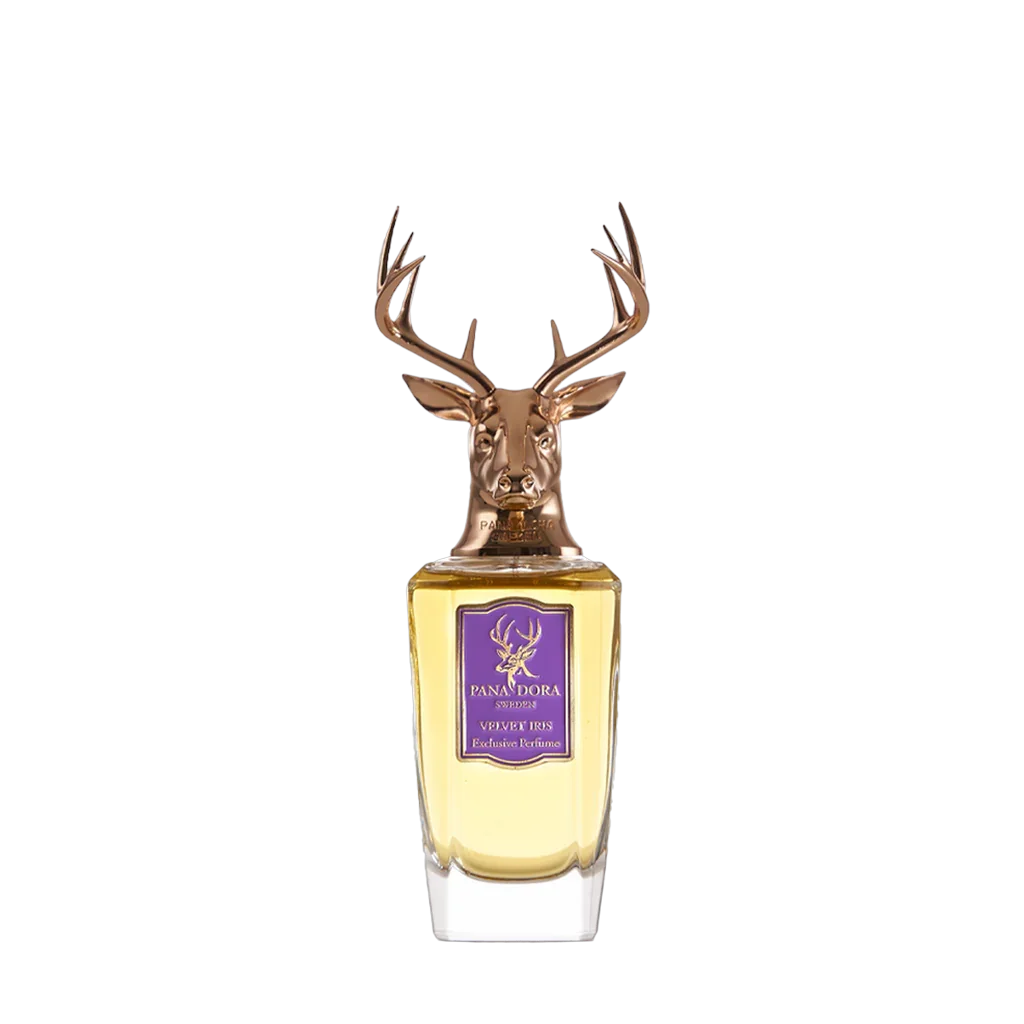
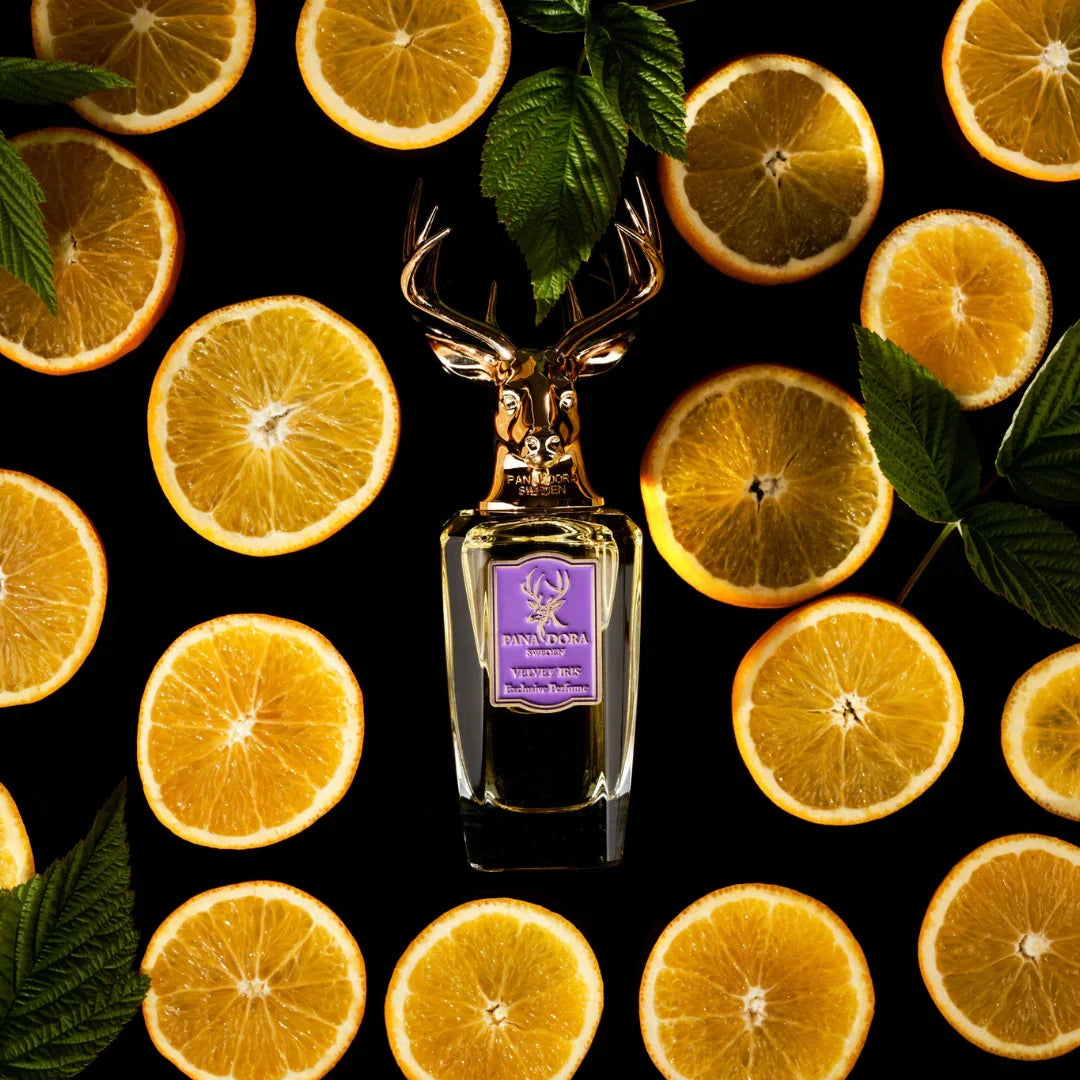
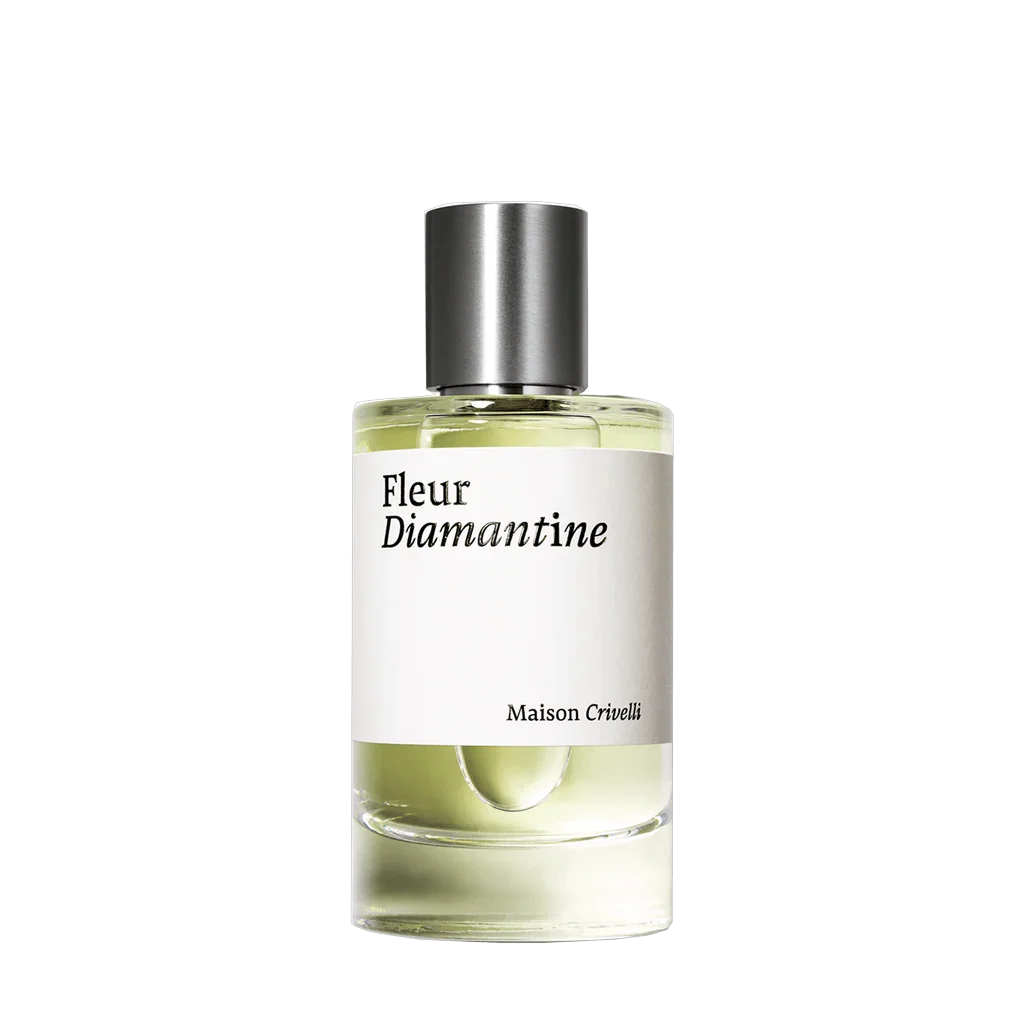
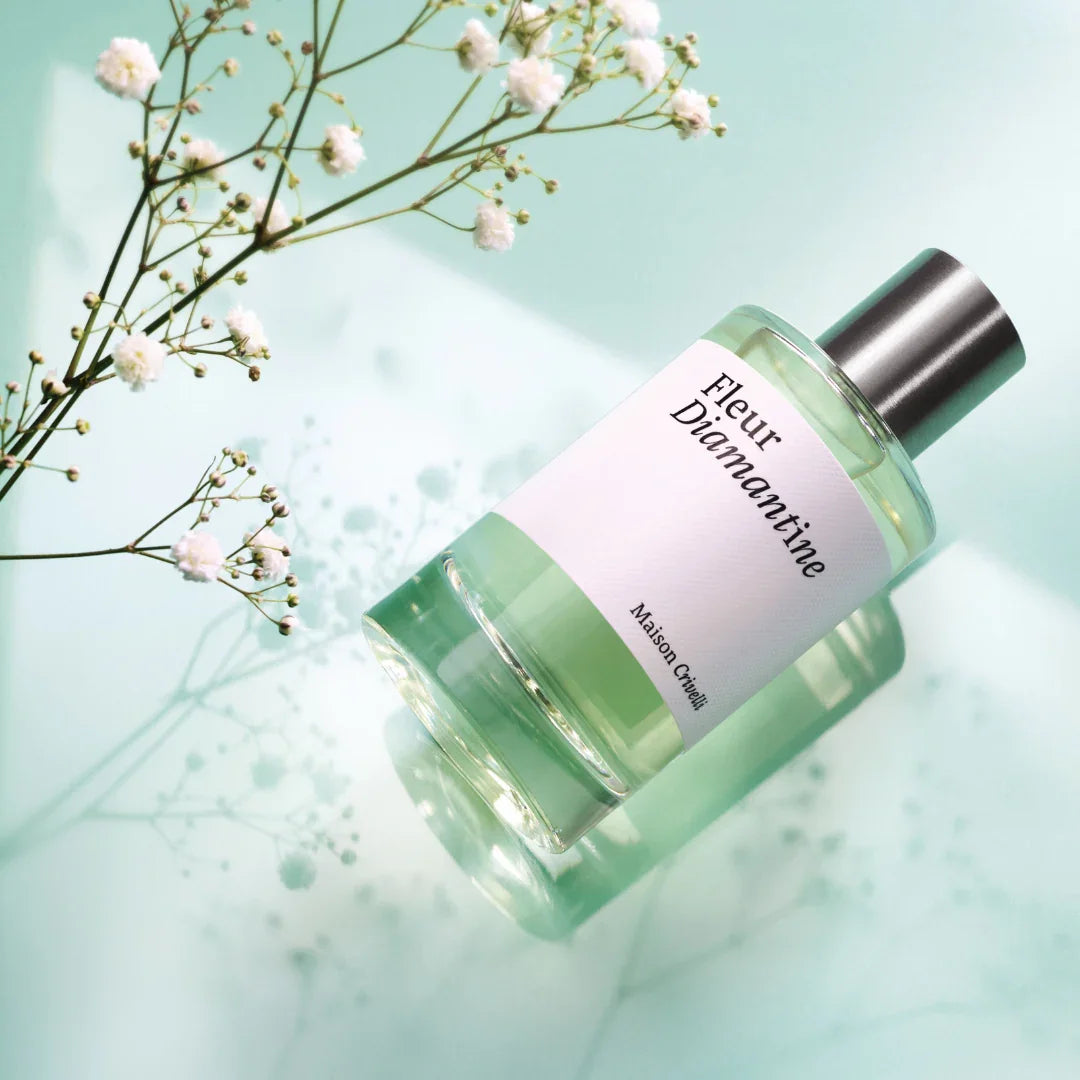
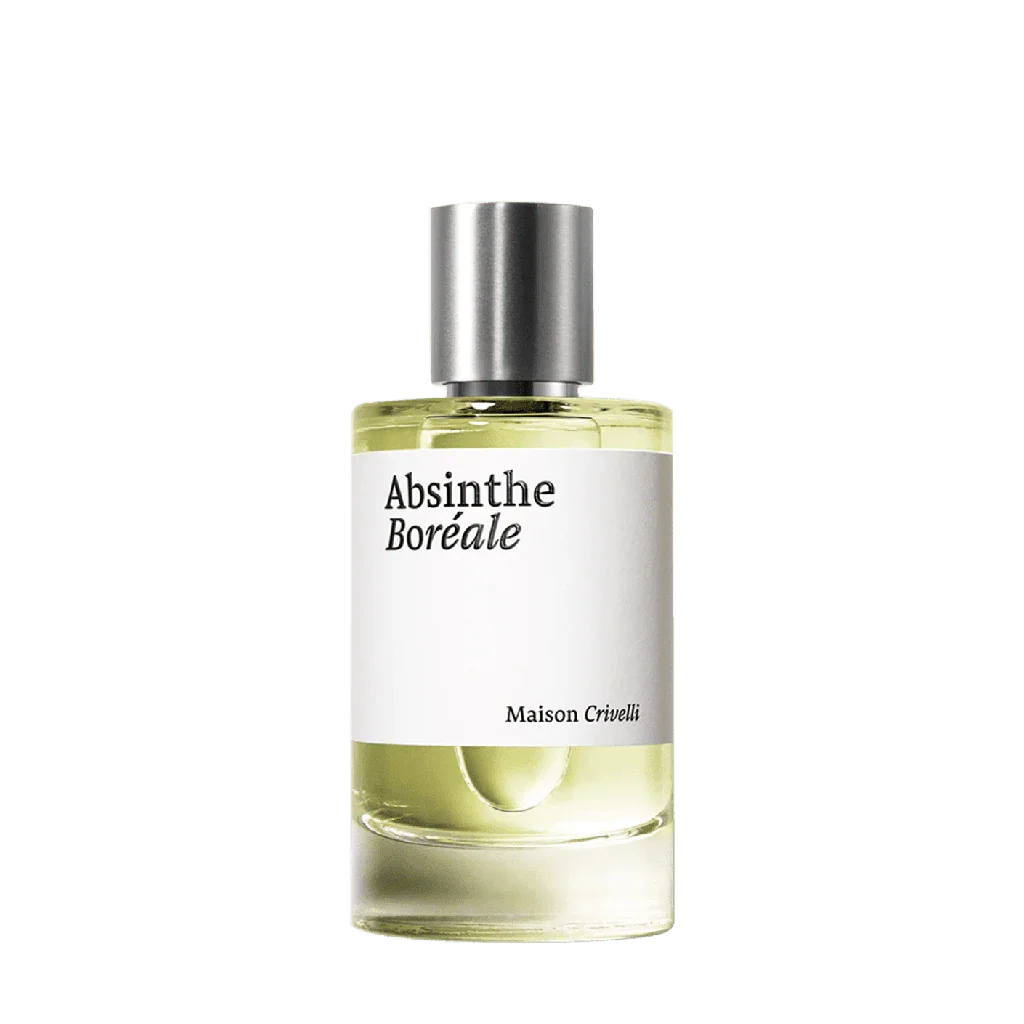
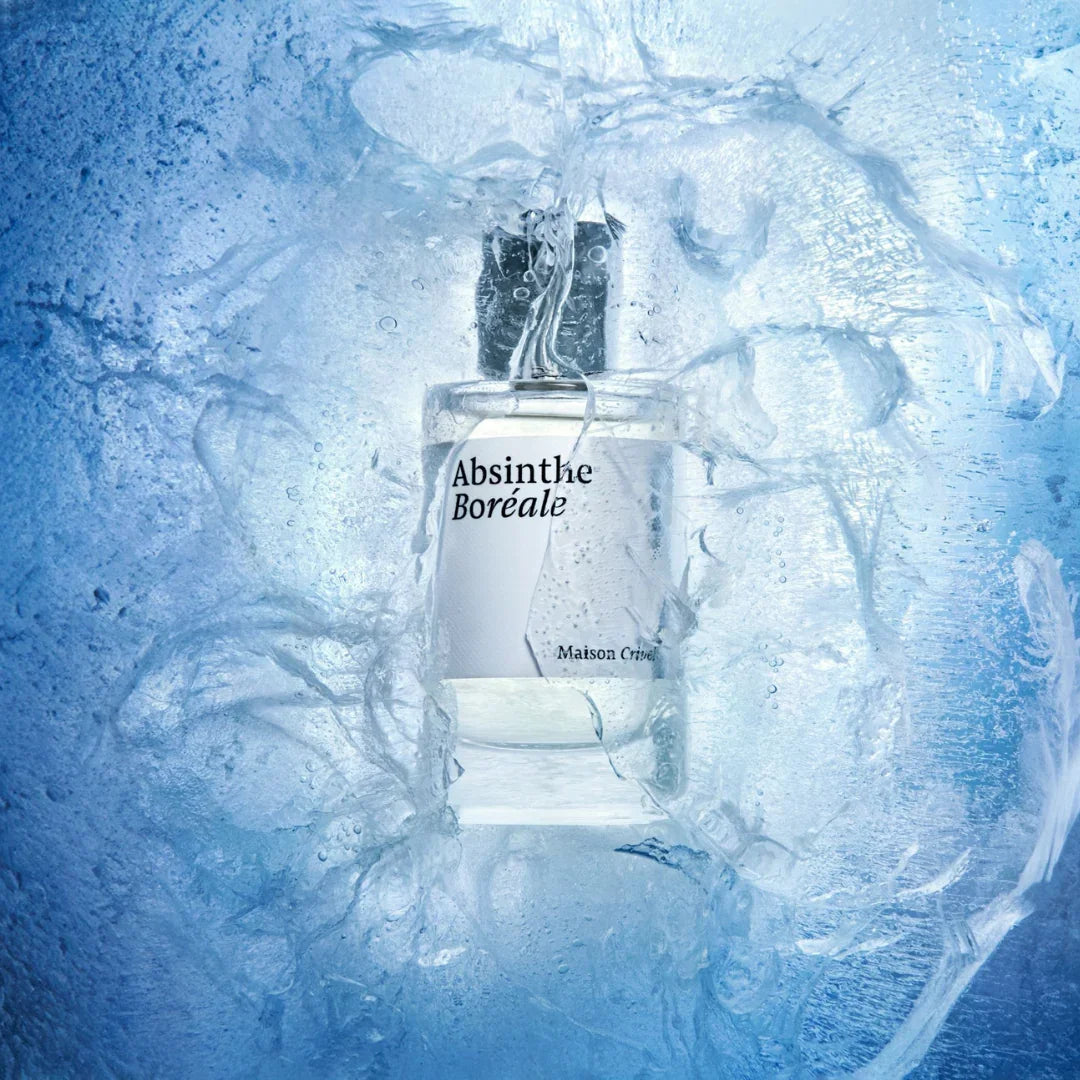




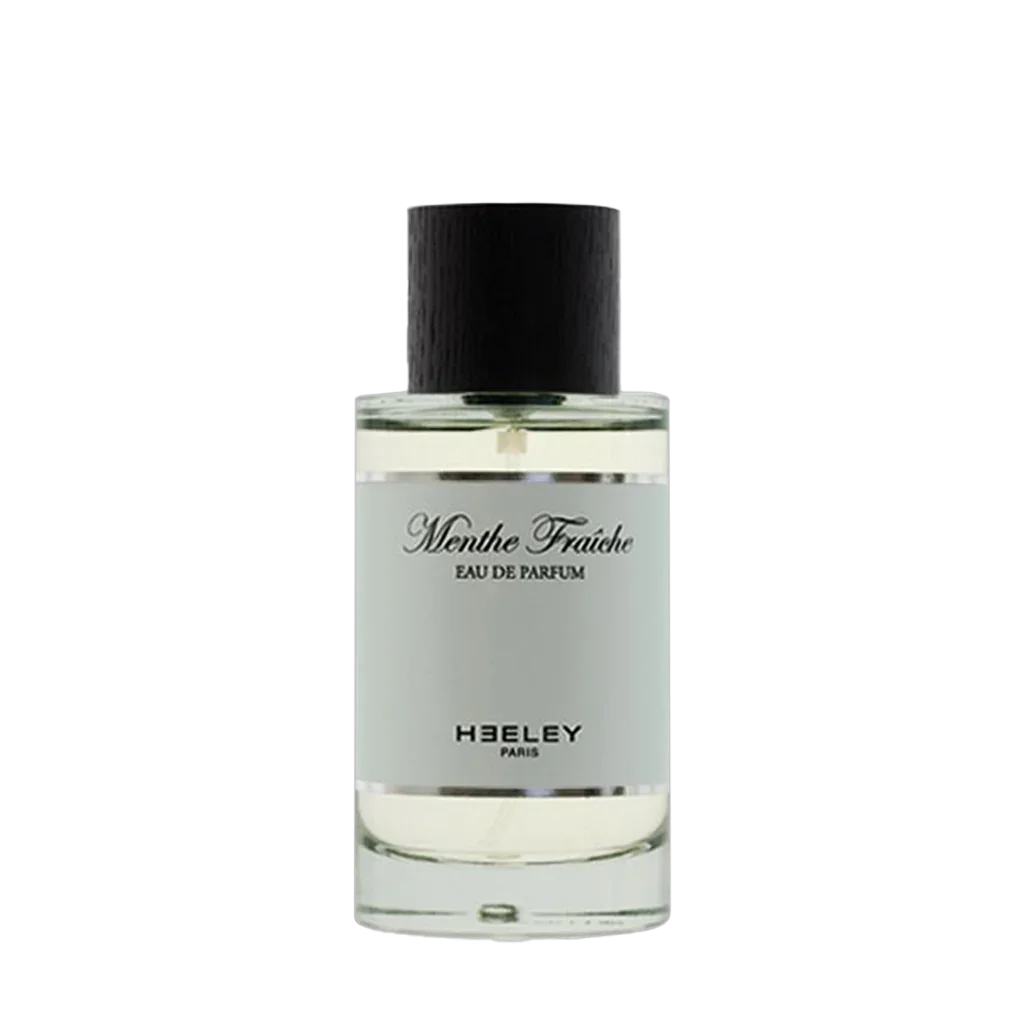
Mint – The architectural cooling effect of perfumery
Mint – cool precision and green vitality
Mint is one of the clearest and most invigorating spring materials in perfumery. Cool, aromatic and vibrant, it brings air and clarity into a composition when used with finesse. Mint is more than a toothpaste cliché; it is crushed leaves, damp stems, crystalline freshness. In modern niche fragrance structures, mint acts as an architectural accent rather than a gimmick.
Varieties – peppermint and spearmint
Mentha piperita (peppermint) is sharper and more menthol-rich, delivering icy clarity.
Mentha spicata (spearmint) is softer, greener and slightly sweeter, with less medicinal sharpness.
Regional varieties like Moroccan mint emphasize fresh leaf character, while Indian peppermint often expresses intense crystalline coolness.
Origin – climate shapes temperature
Key production areas include India, China, Morocco, the USA and parts of Europe.
Indian mint tends to be high in menthol and powerful.
Moroccan mint feels greener and more natural.
US qualities are clean and technically consistent.
Extraction – steam and precision
Mint oil is usually obtained by steam distillation of fresh or slightly dried leaves. Rapid processing preserves brightness and clarity.
Fractionated oils allow control over menthol levels, while CO₂ extraction can deliver a softer, more detailed green profile.
Quality – beyond the obvious
Low-quality mint smells flat and medicinal. High-quality mint reveals layers: cool menthol, green leaf, subtle sweetness and earthy undertones.
Mint in composition – fresh structure
Mint enhances bergamot, energizes lavender, cools vetiver, and opens dense accords.
In unisex perfume, it feels clean yet refined – fresh without sterility.
Mint is not just freshness; it is a green line that sharpens and enlivens fragrance architecture.
Copyright by scent amor © 2026 (grw)
Frequently asked Questions about Mint
What is the difference between Peppermint and Spearmint in a fragrance profile?
How do perfumers prevent a mint fragrance from smelling like "toothpaste" or "chewing gum"?
Does mint have a physical effect on the person wearing the perfume?
Why is mint considered a difficult top note in terms of longevity?
Discover all fragrances
Amber Perfumes
Ambergris Perfumes
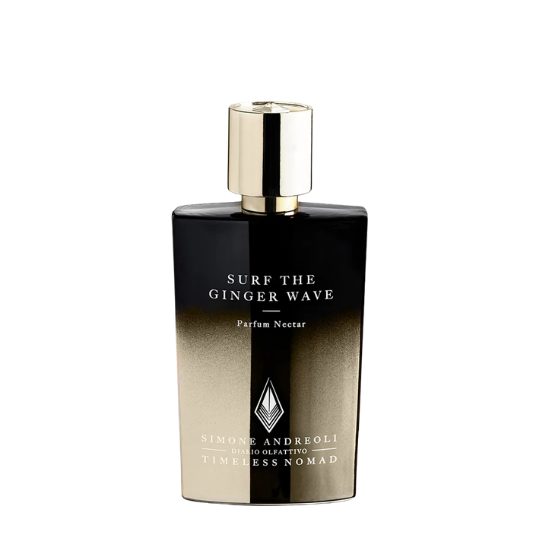
Ambroxan
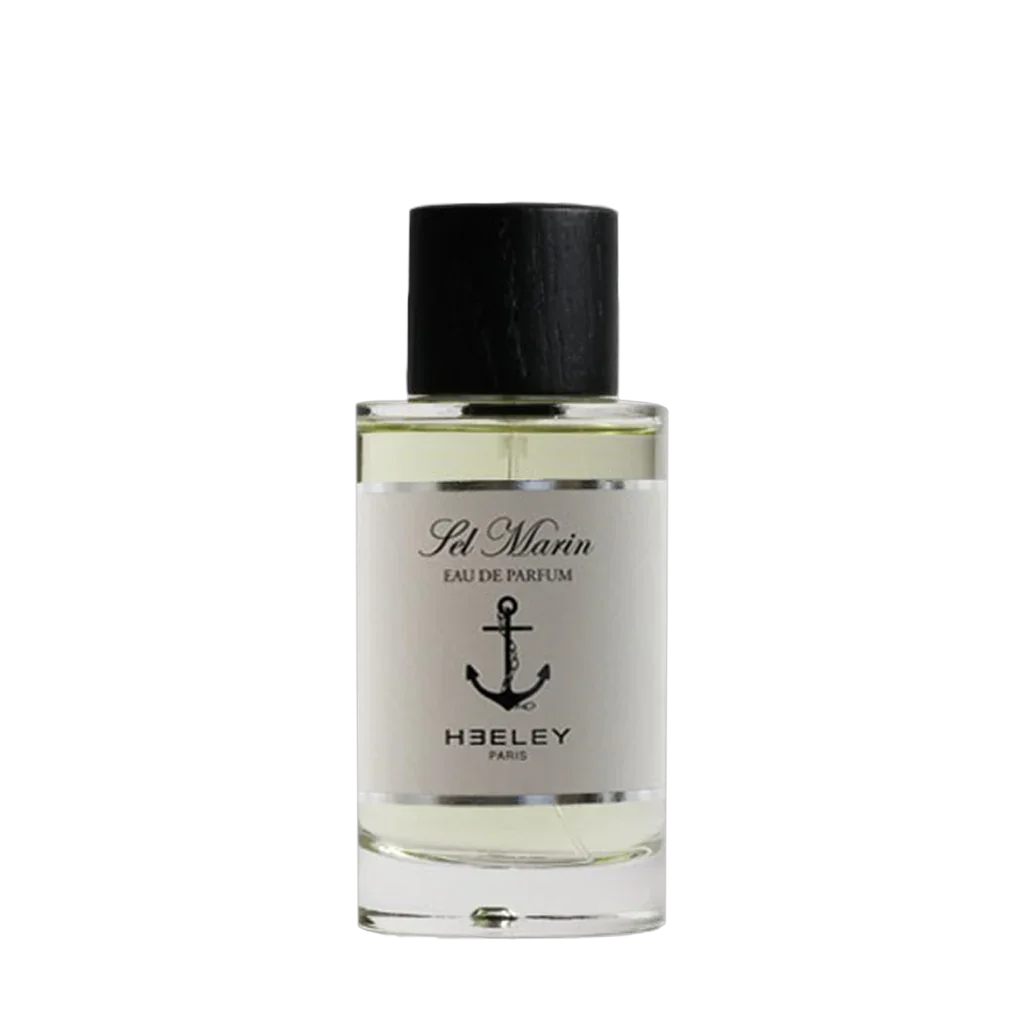
Aquatic Perfumes
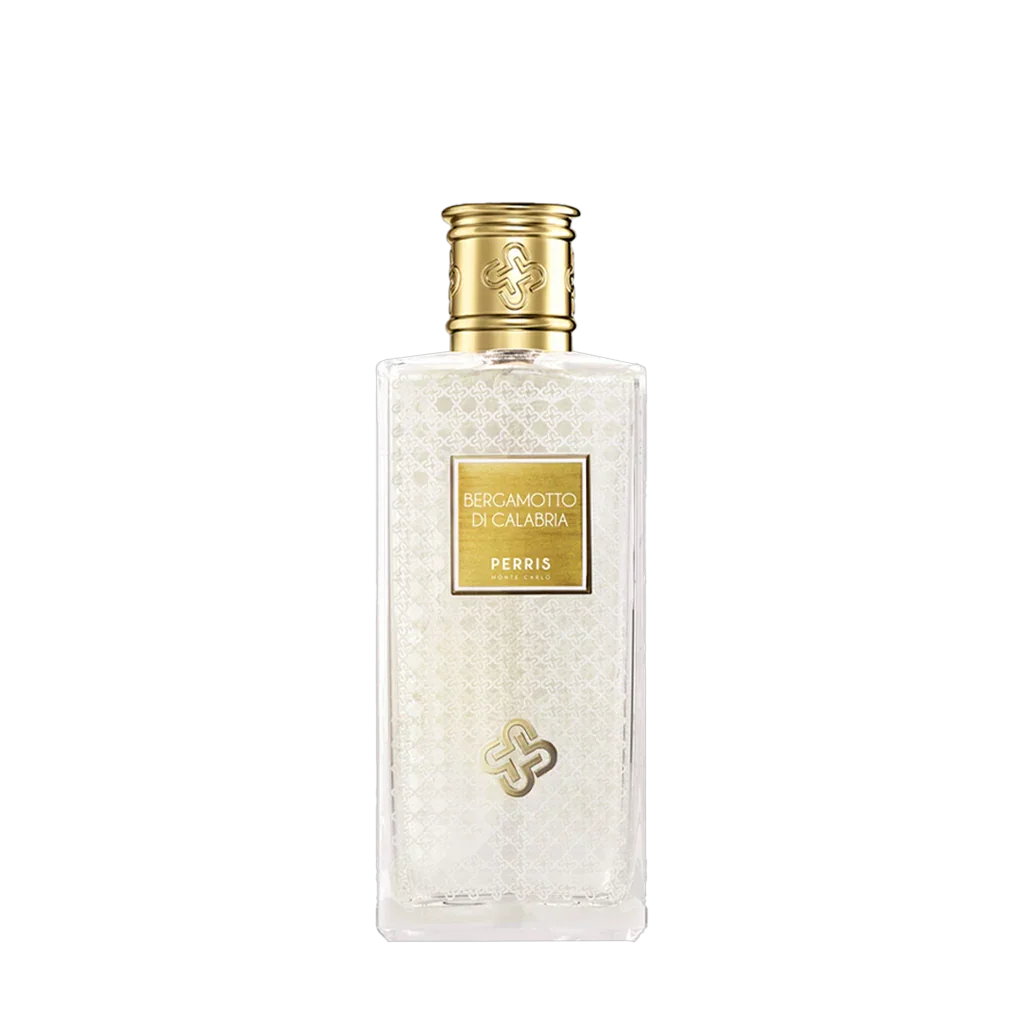
Bergamot Note
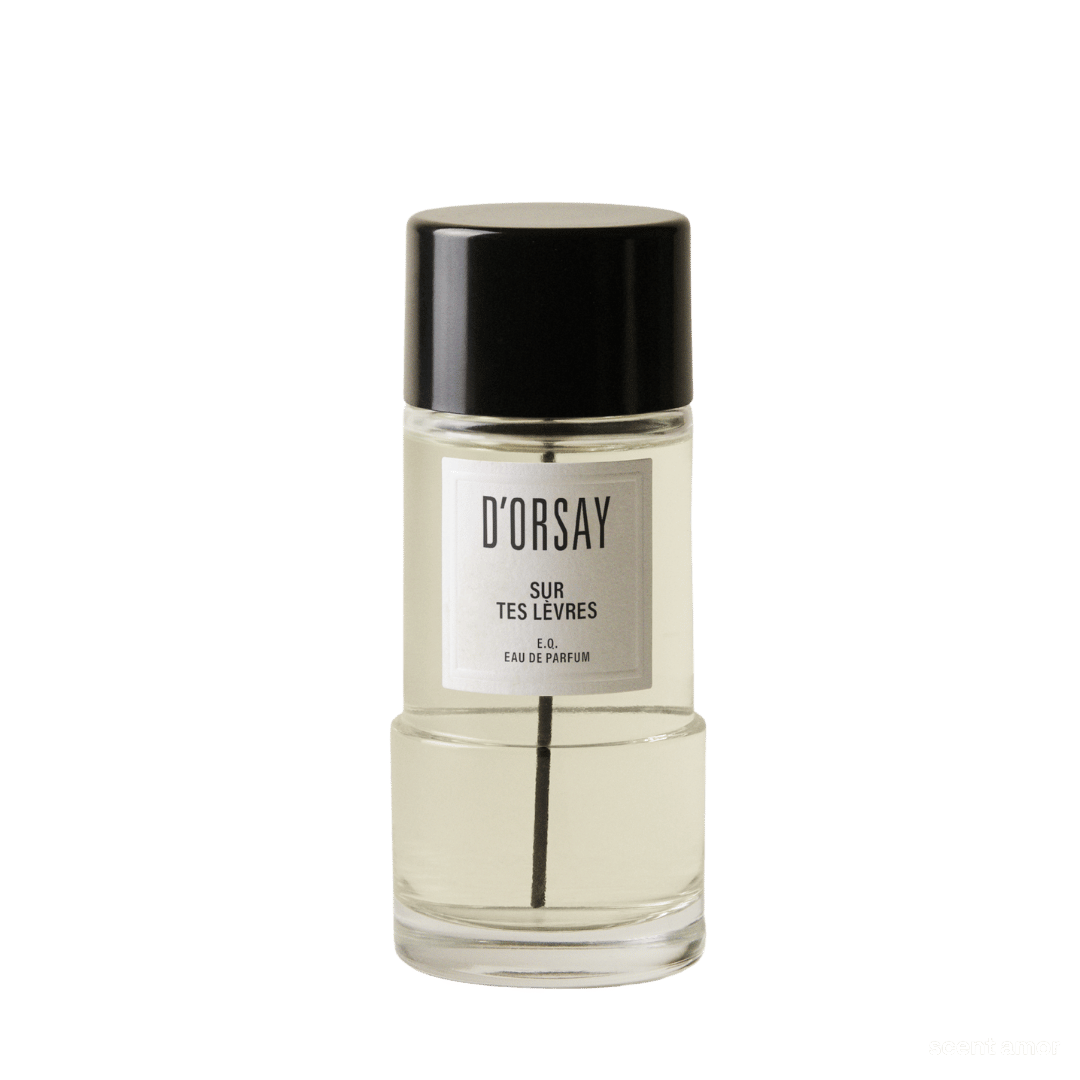
Cashmeran
Chypre Perfumes
Floral - Flowery Perfumes
Fougère Perfumes
Fresh Perfumes
Fruity Perfumes
Gourmand Perfumes
Green Perfumes
Woody Perfumes

Iris Perfumes
ISO E Super
Jasmine
Lavender Note
Leder Parfums
Lily of the valley
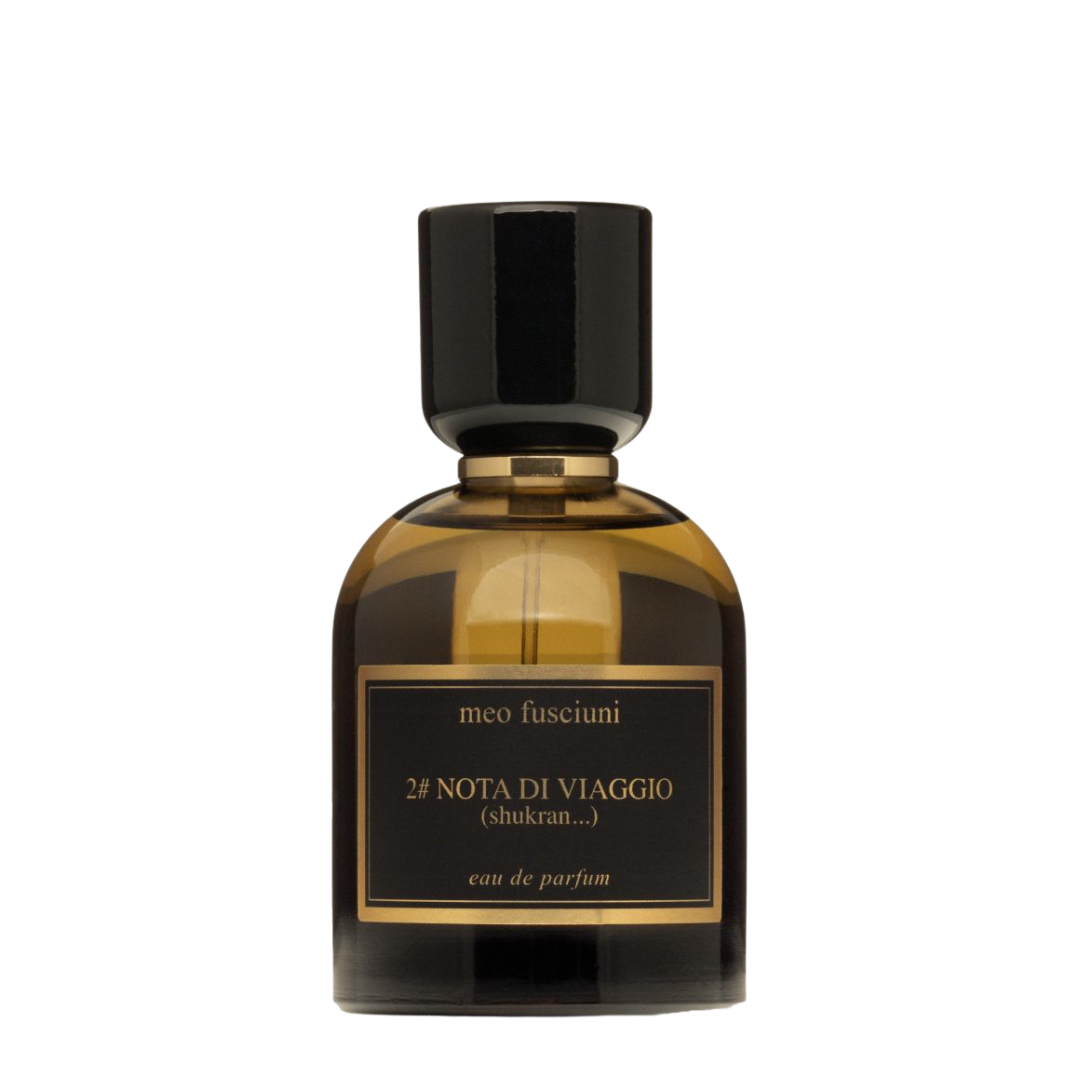
Mint
Musk Perfumes
Myrrh
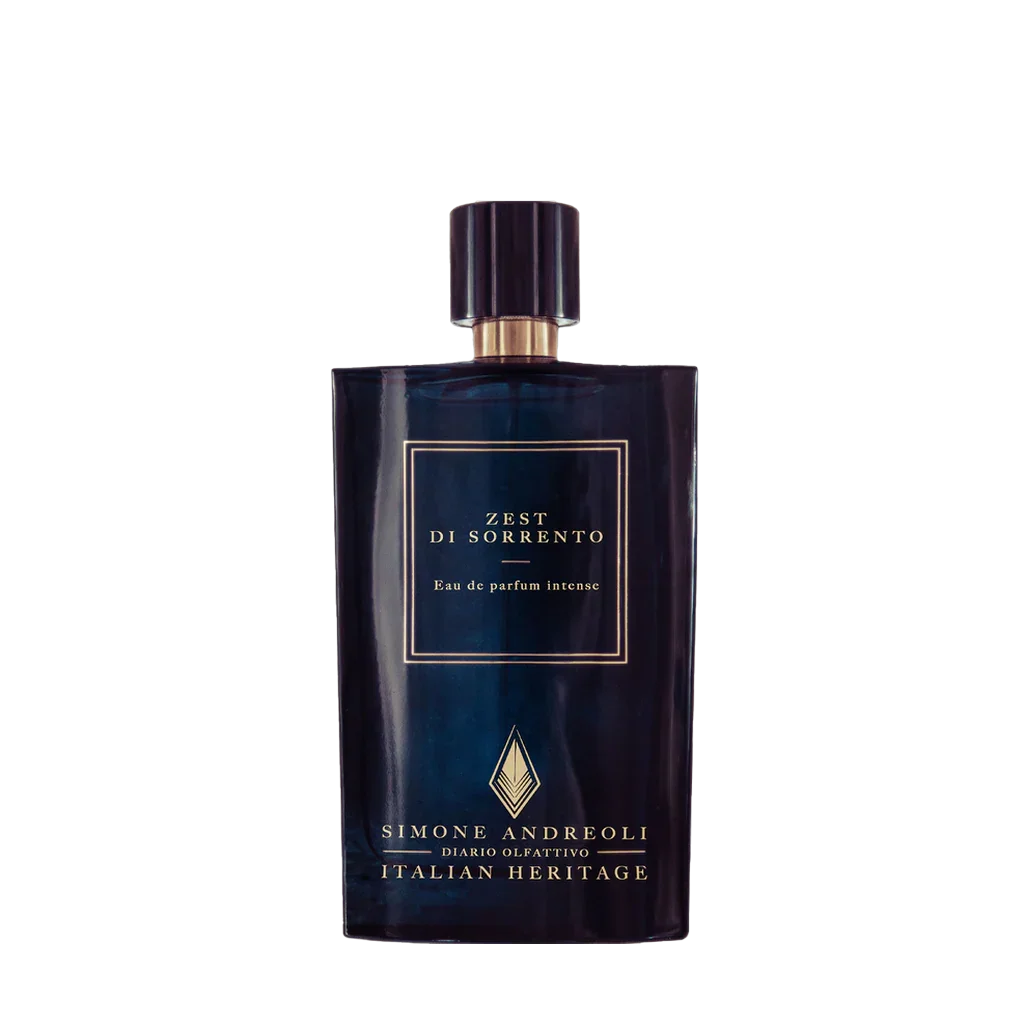
Neroli Note
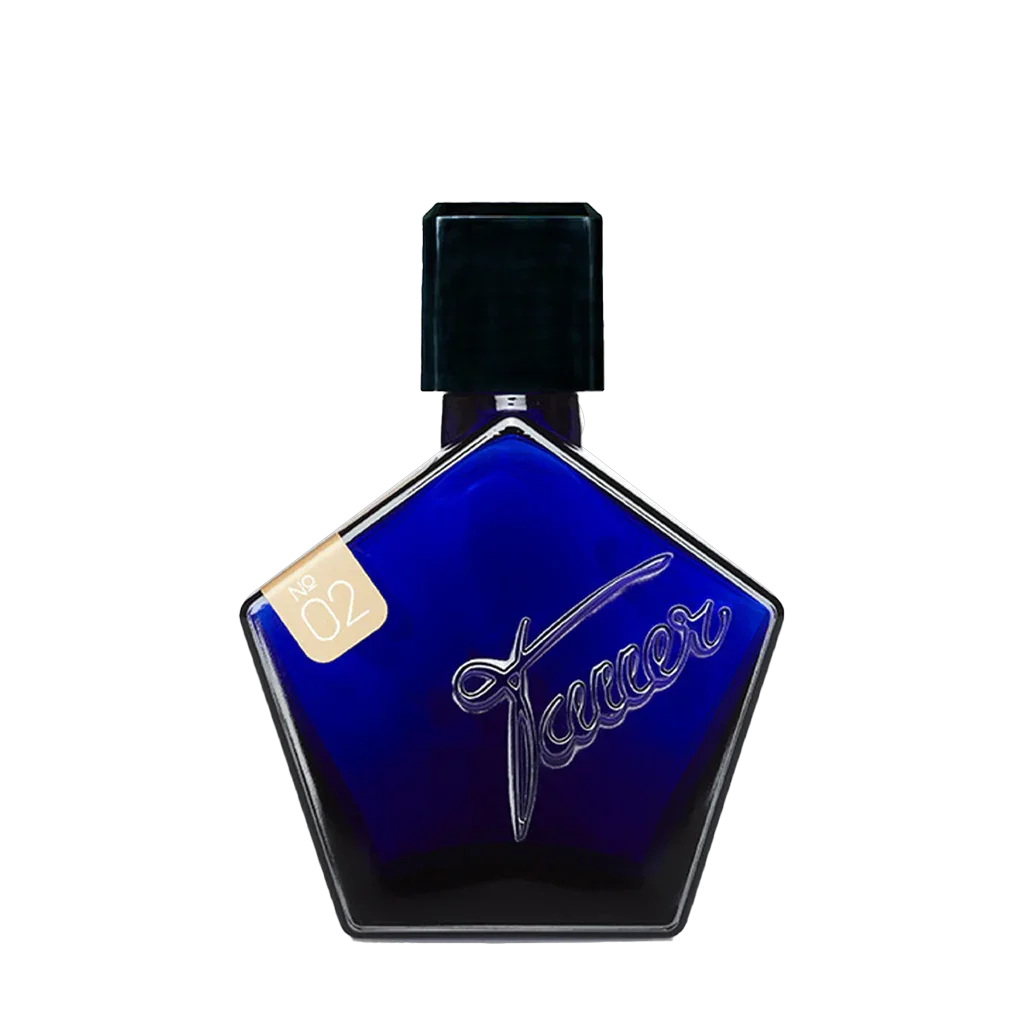
Orientalische Parfums
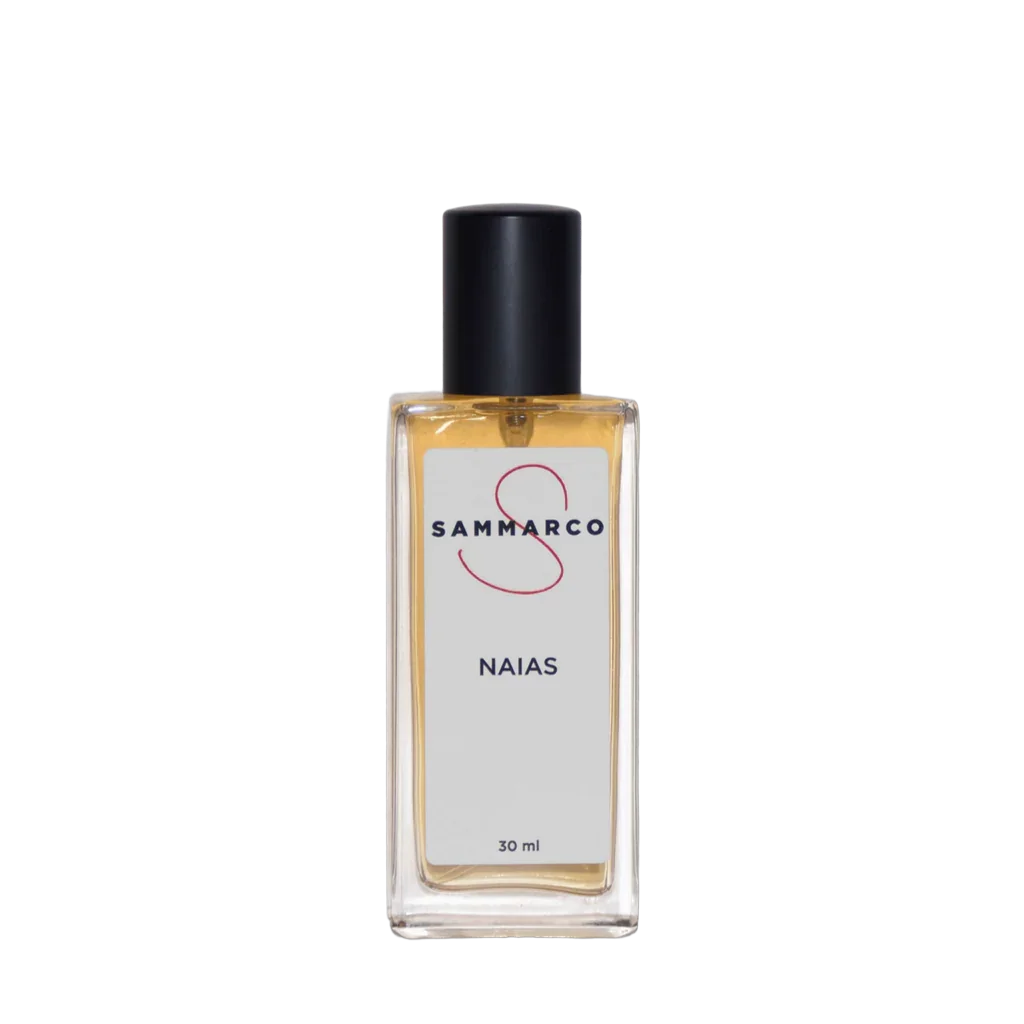
Osmanthus
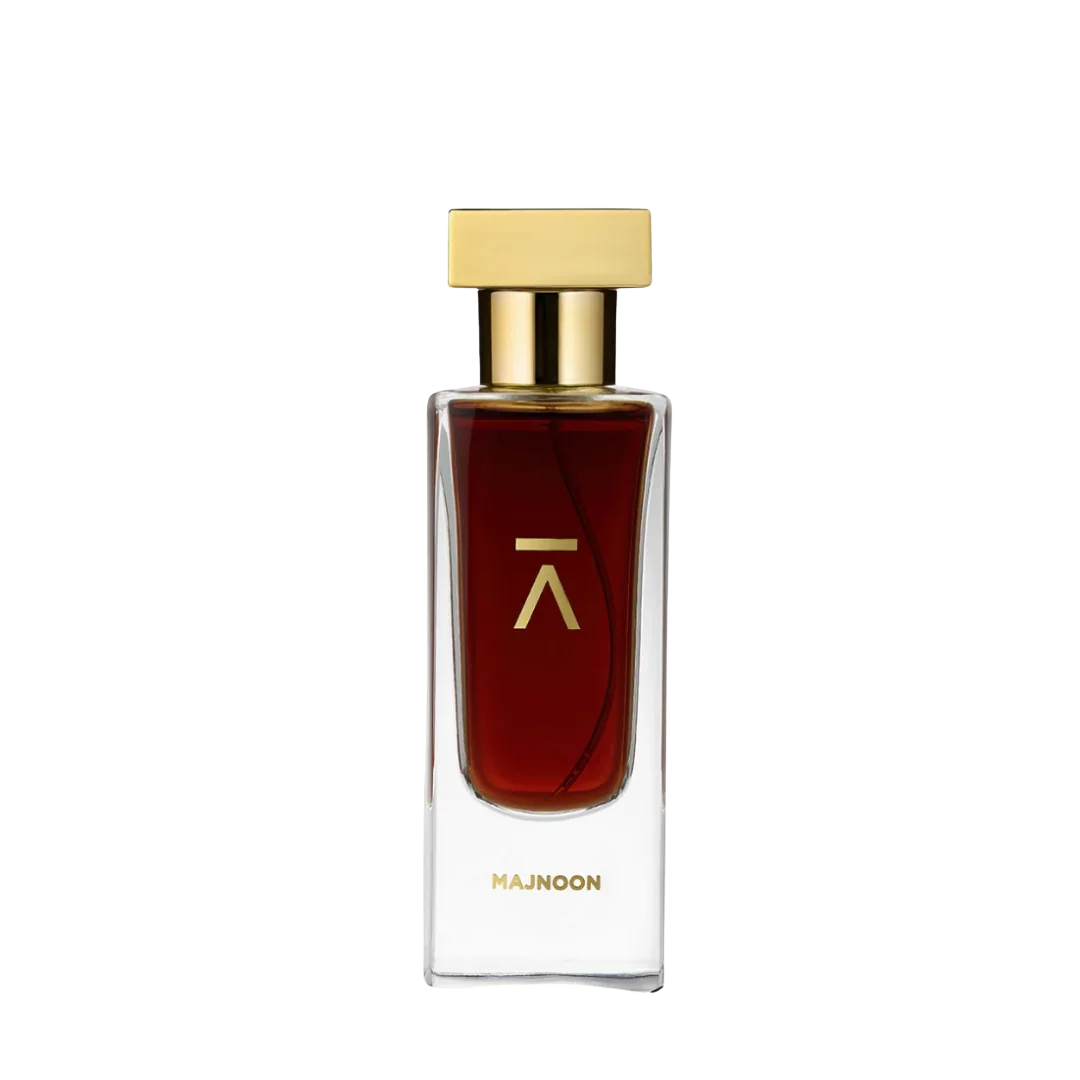
Oud Perfumes
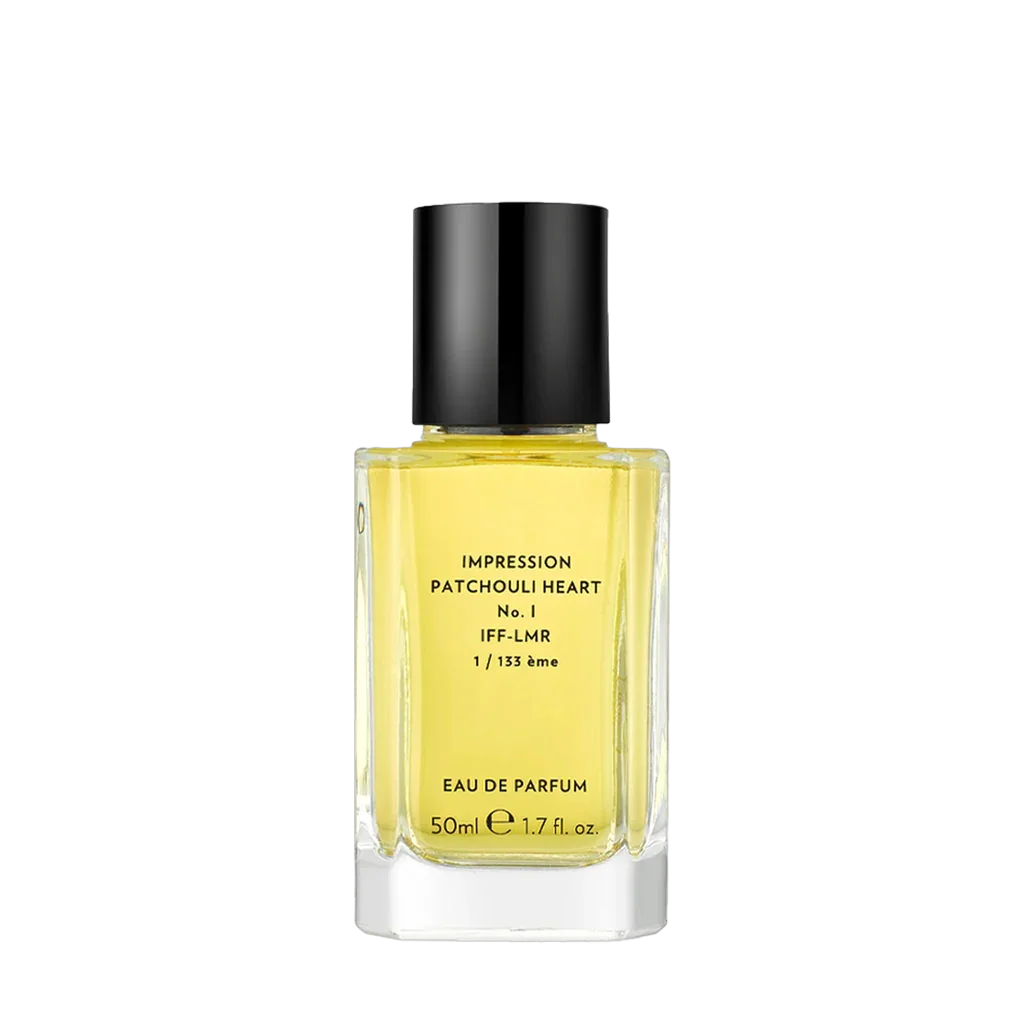
Patchouli Perfumes
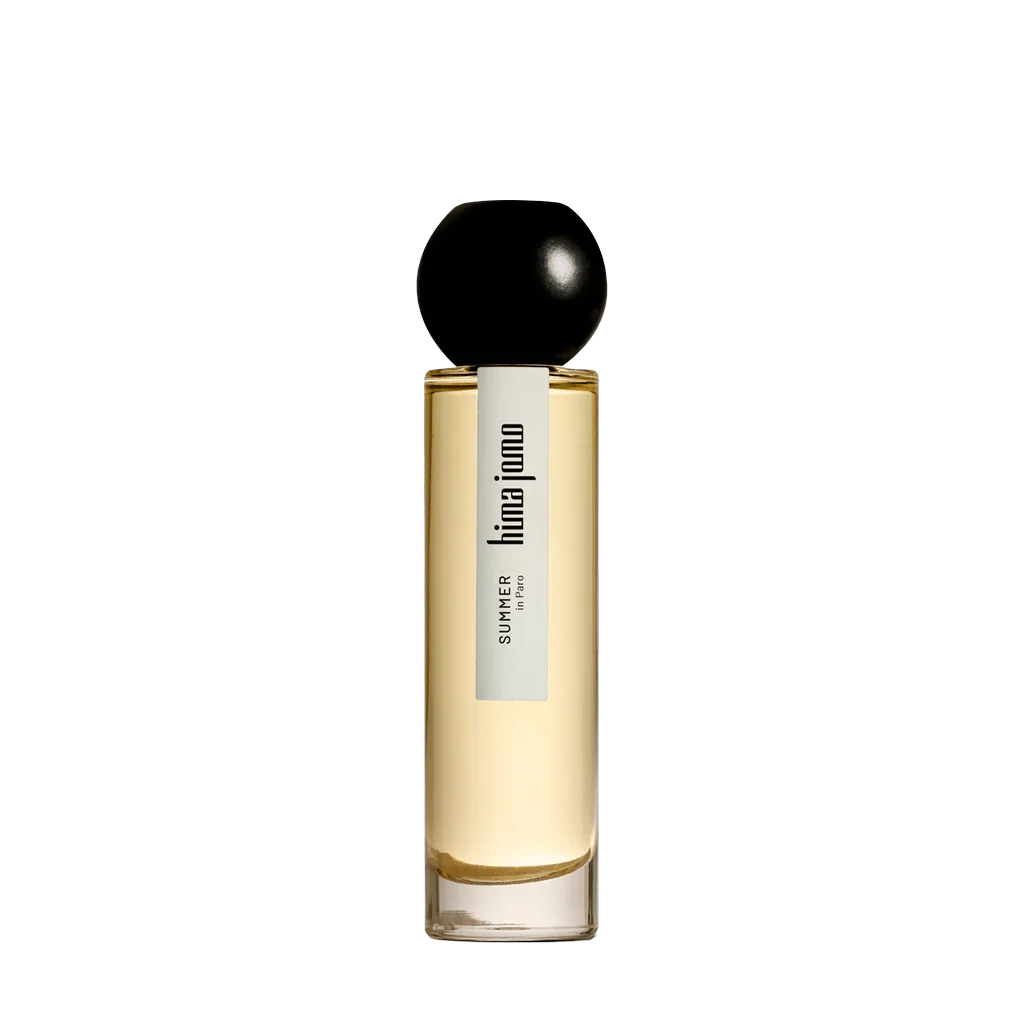
Petitgrain Note
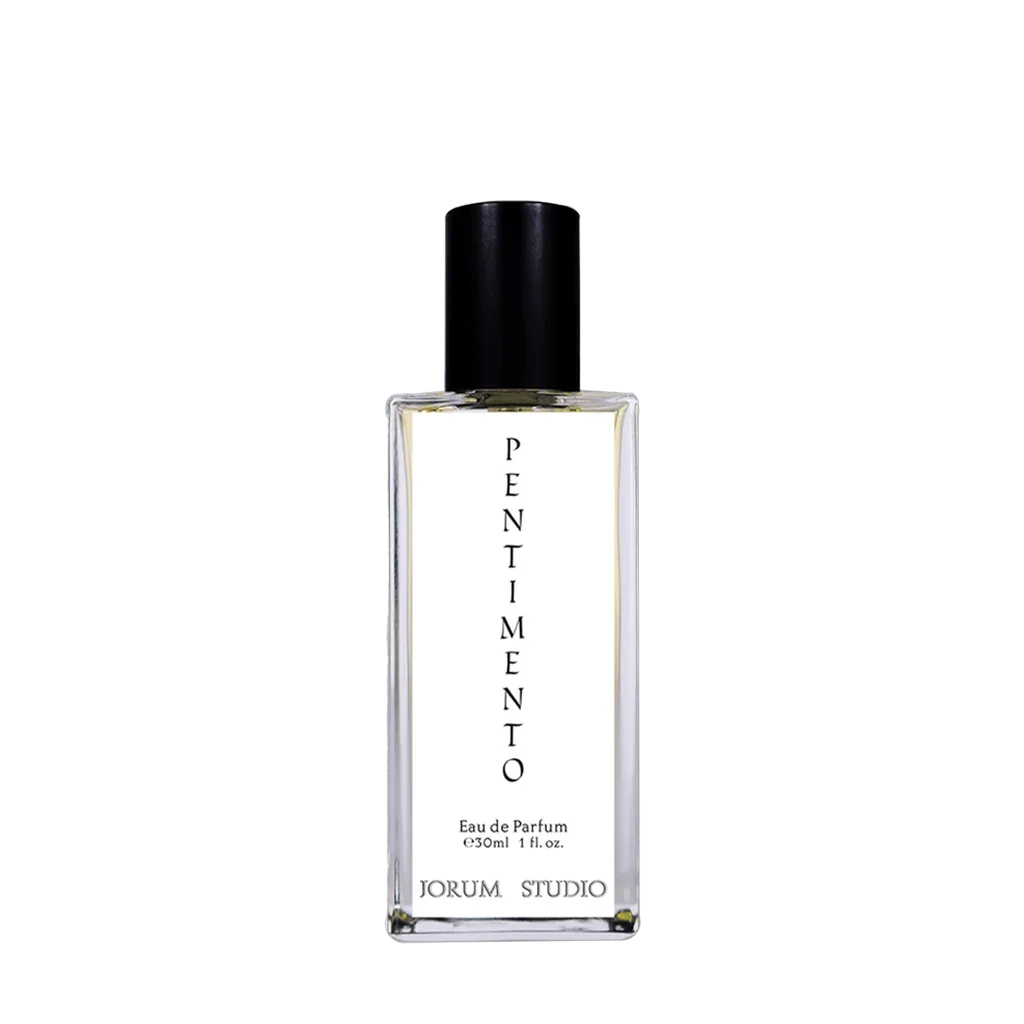
Pepper Notes

Powdery Perfumes

Rose Perfumes
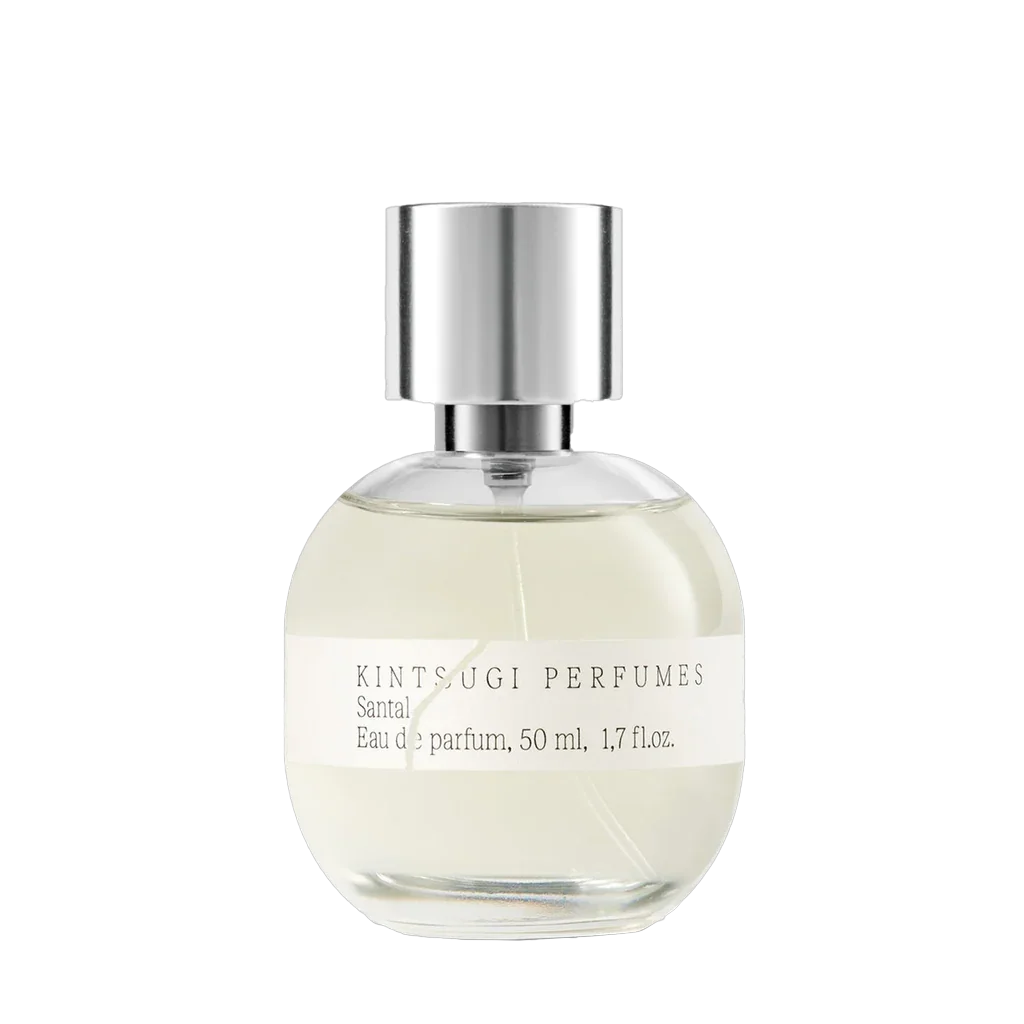
Sandalwood Note
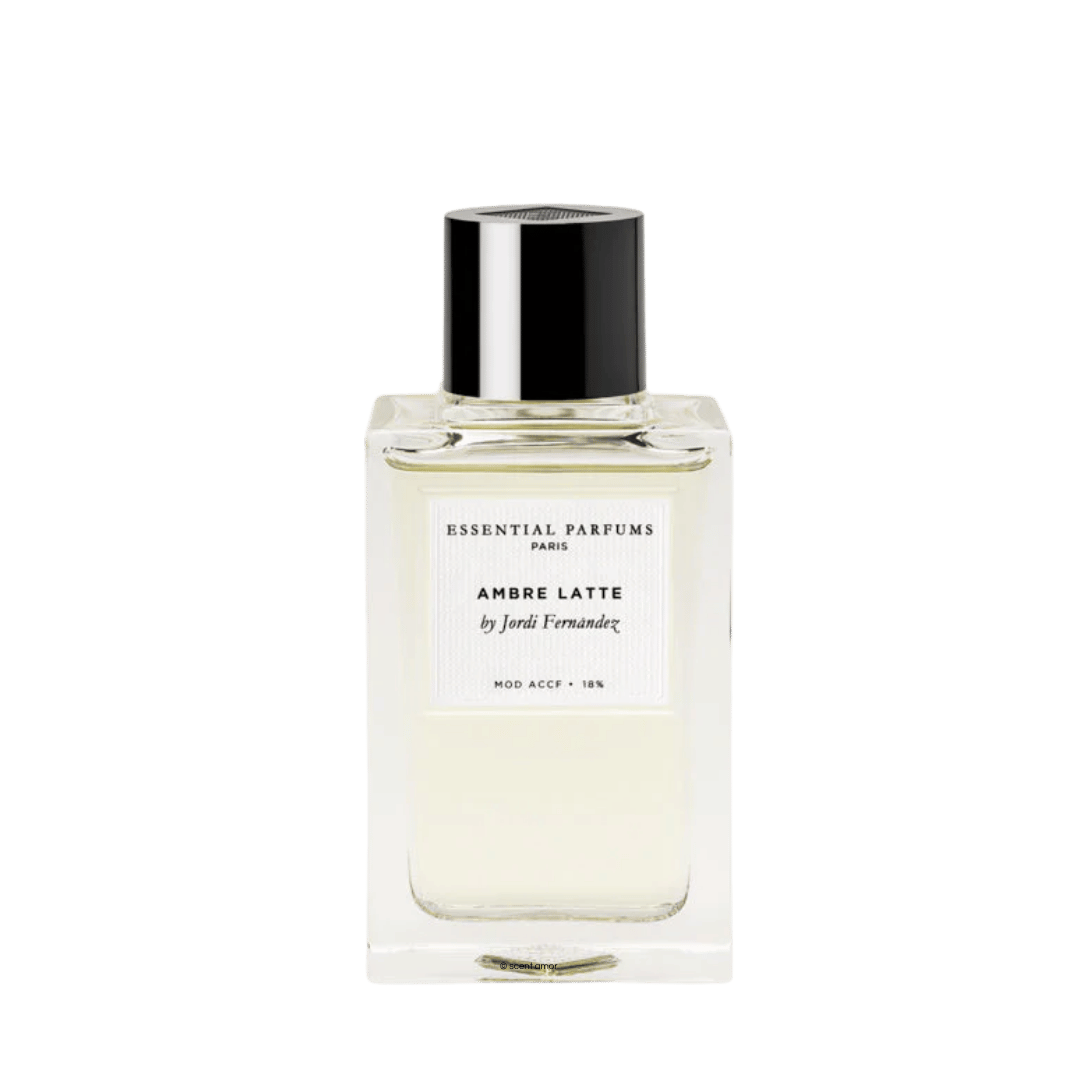
Sweet Perfumes
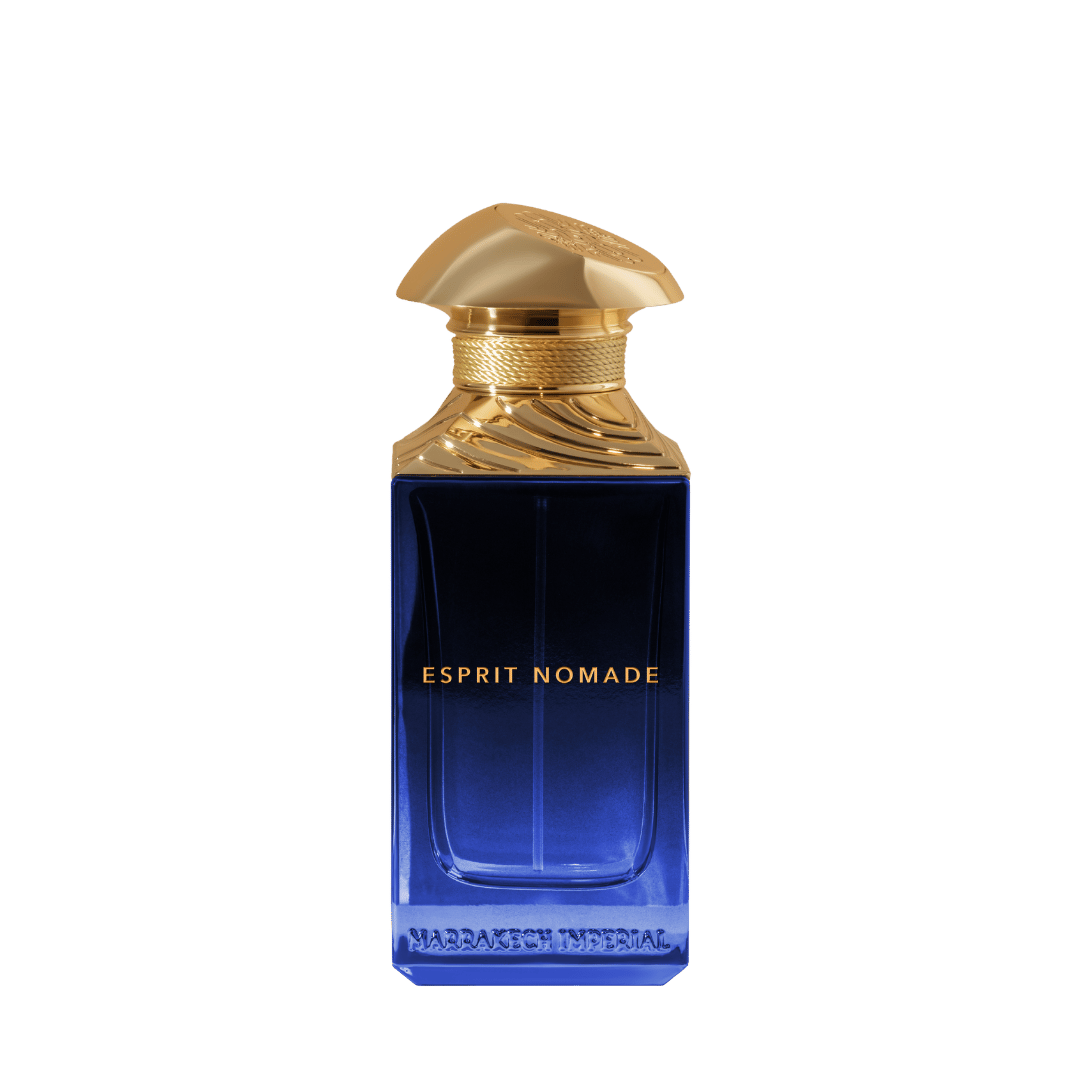
Synthetic Perfume Molecules
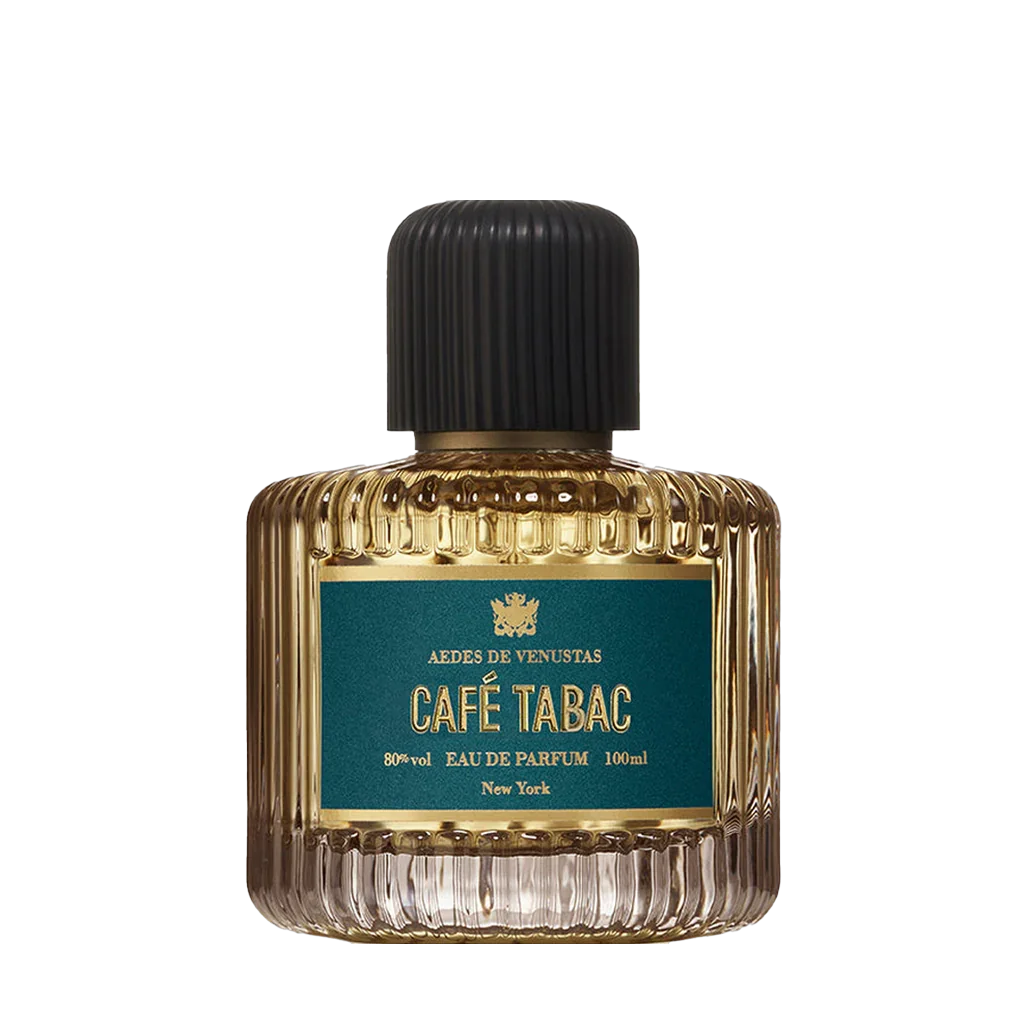
Tobacco Perfumes
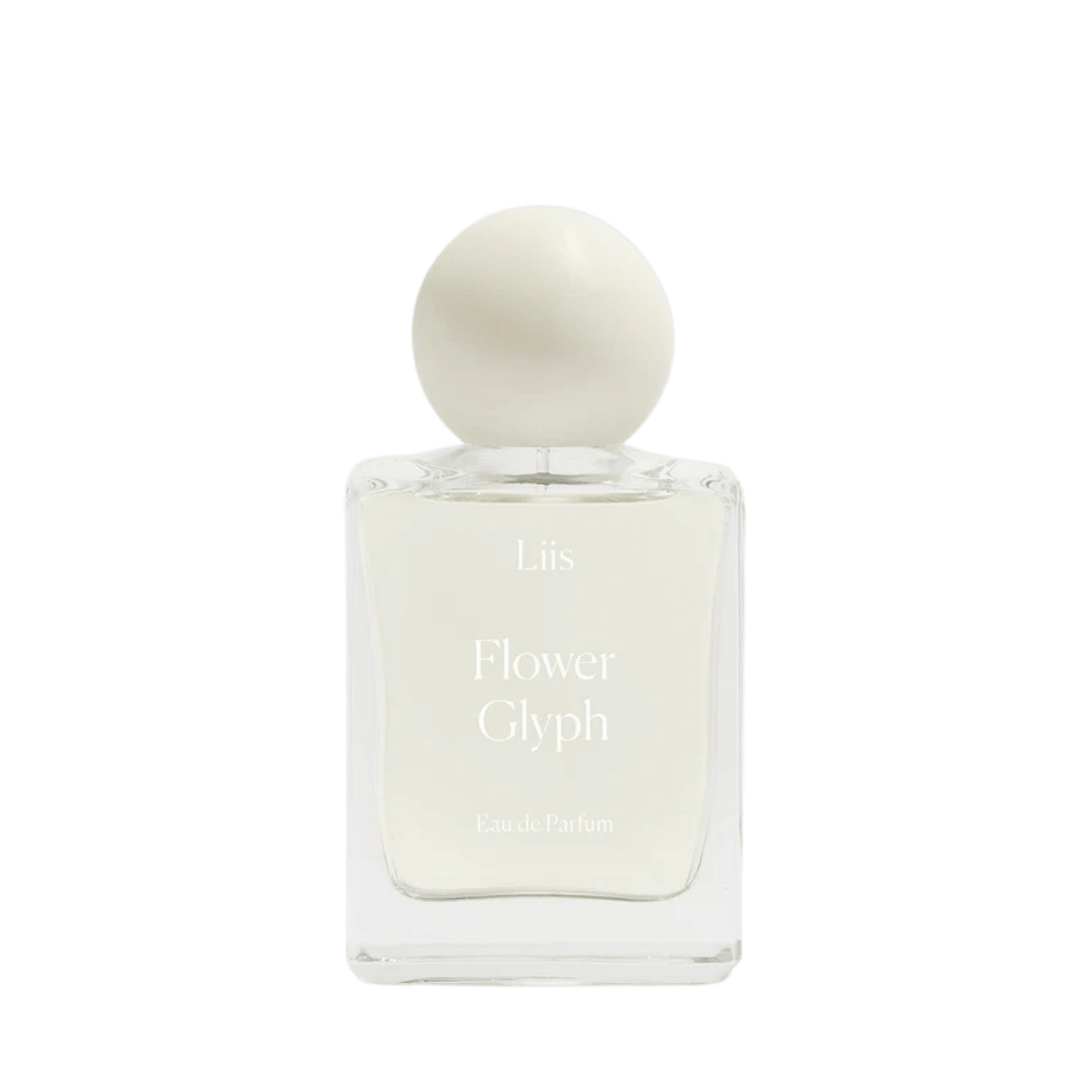
Tropical Perfumes
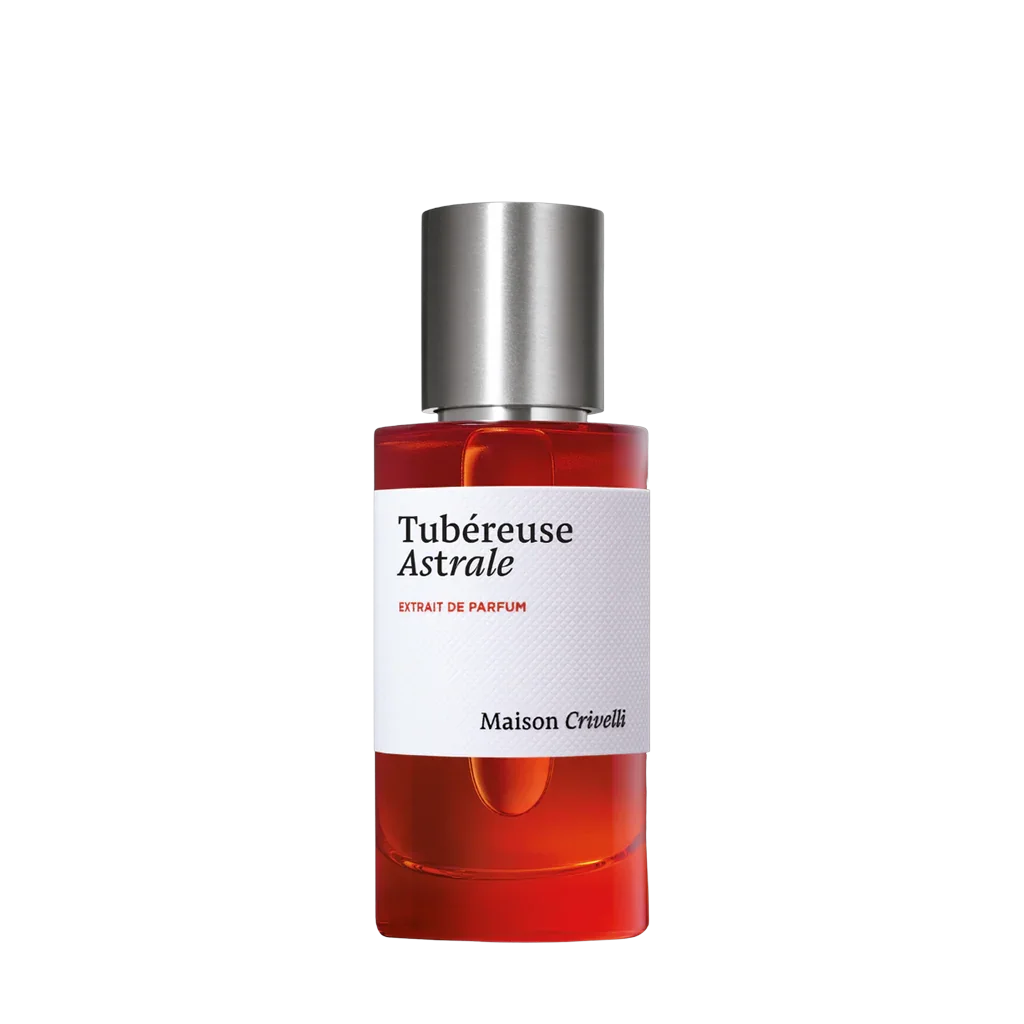
Tuberose Perfumes
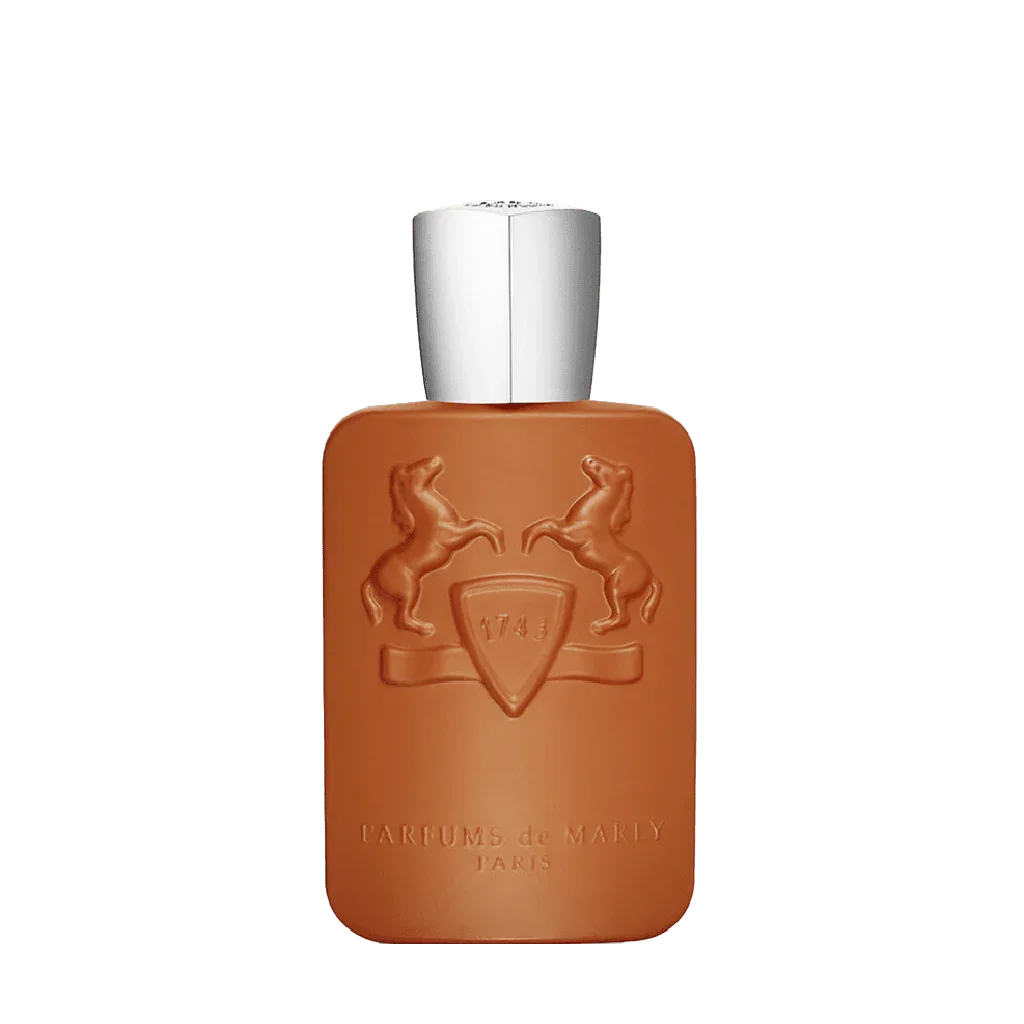
Vanilla Perfumes

Violet
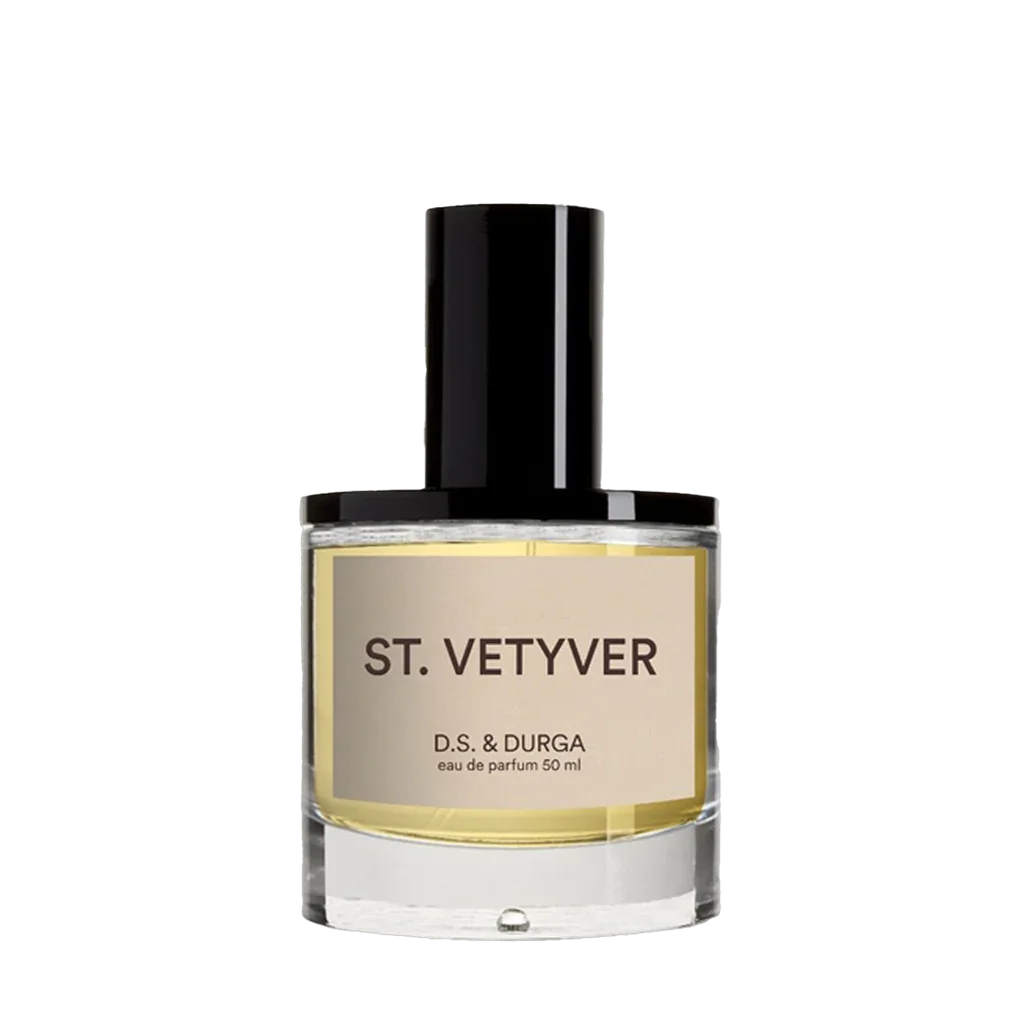
Vetiver Perfumes
Juniper
Frankincense Perfumes

Spicy Perfumes

Cinnamon
Citrus Perfumes

Our fragrance news.
Curated for you.
To subscribe to our newsletter and secure your discount, please accept our cookies. Also, make sure that your ad blocker (uBlock, AdBlock) is disabled and JavaScript is enabled.
Our fragrance news.
Curated for you.
To subscribe to our newsletter and secure your discount, please accept our cookies. Also, make sure that your ad blocker (uBlock, AdBlock) is disabled and JavaScript is enabled.