

Filters
40 products
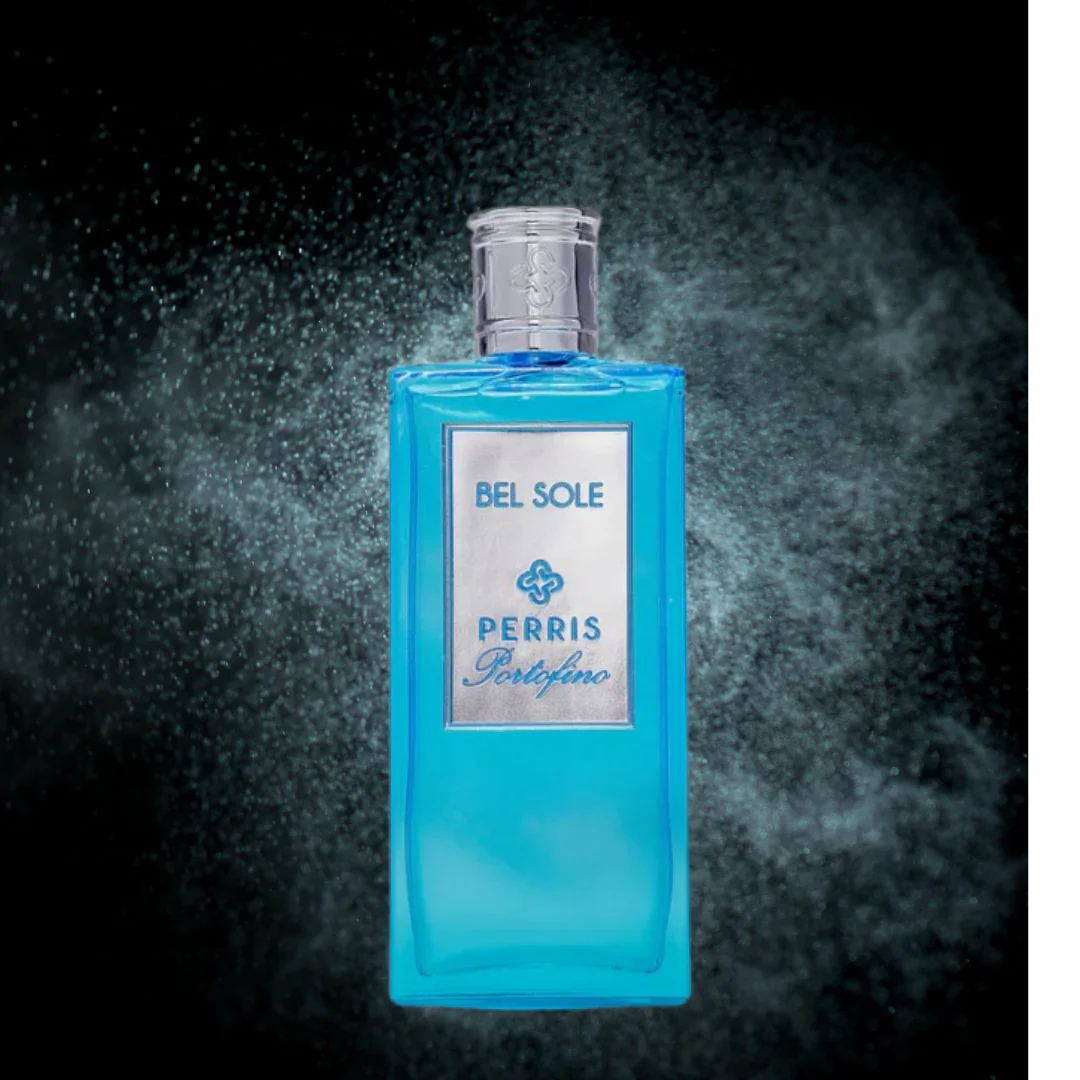
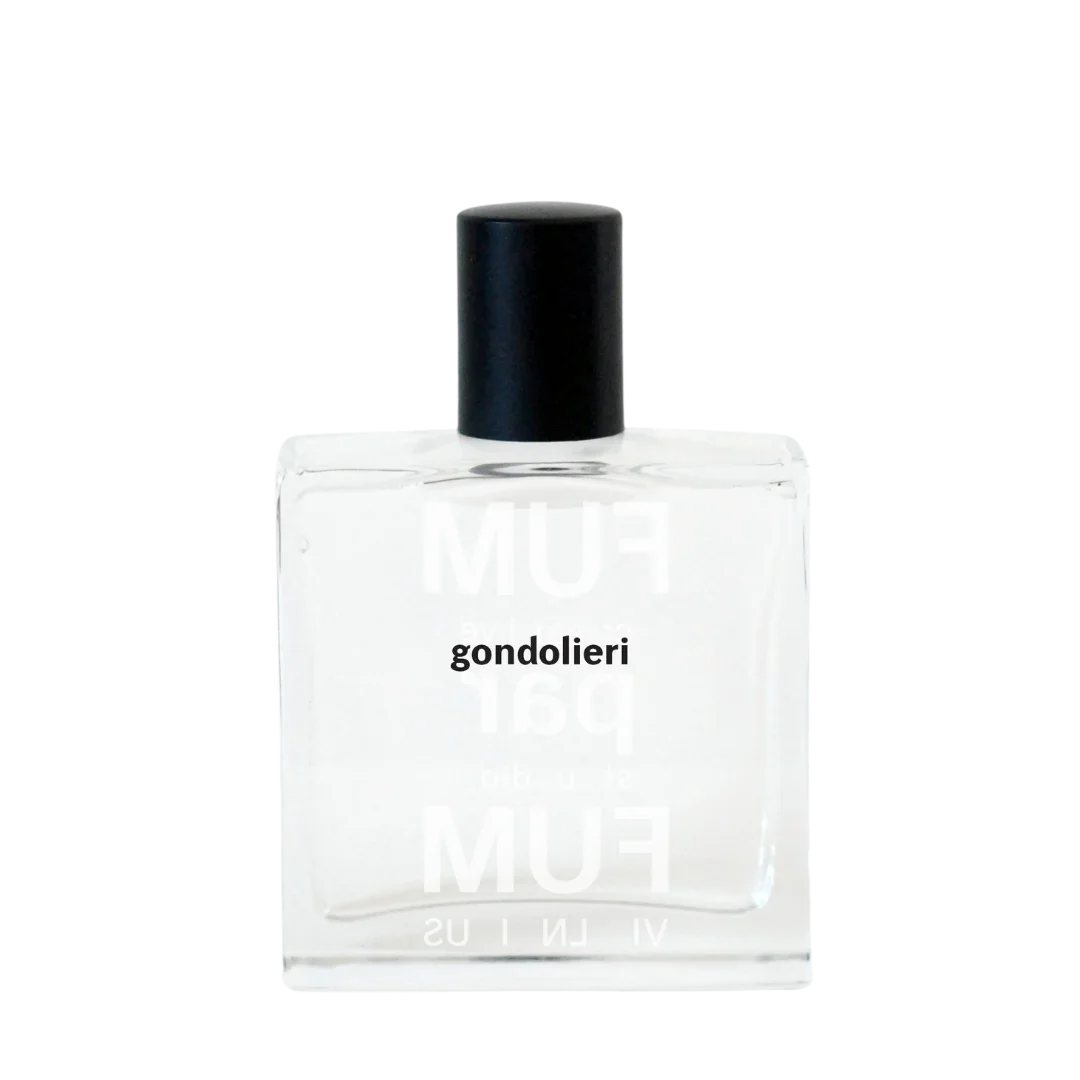

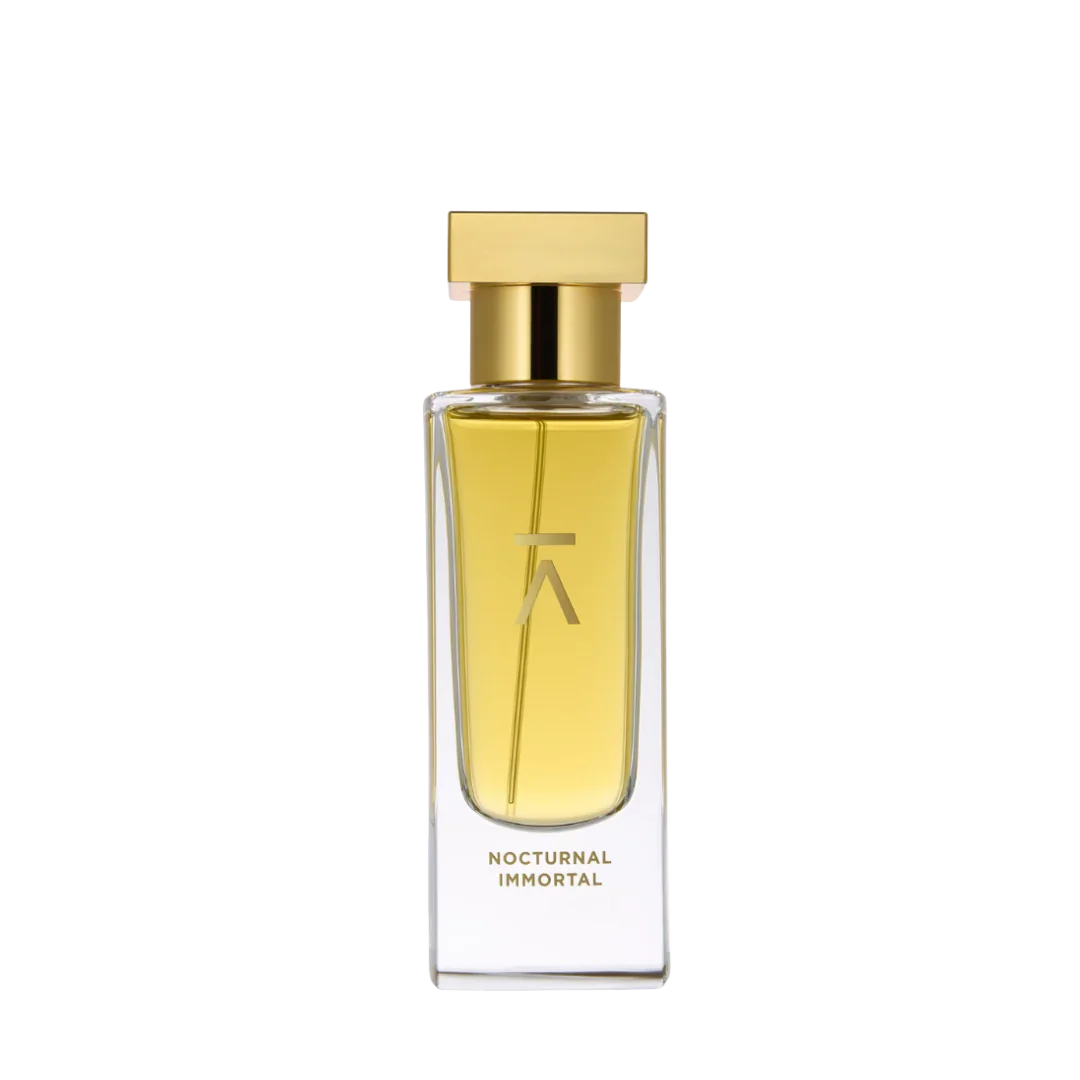
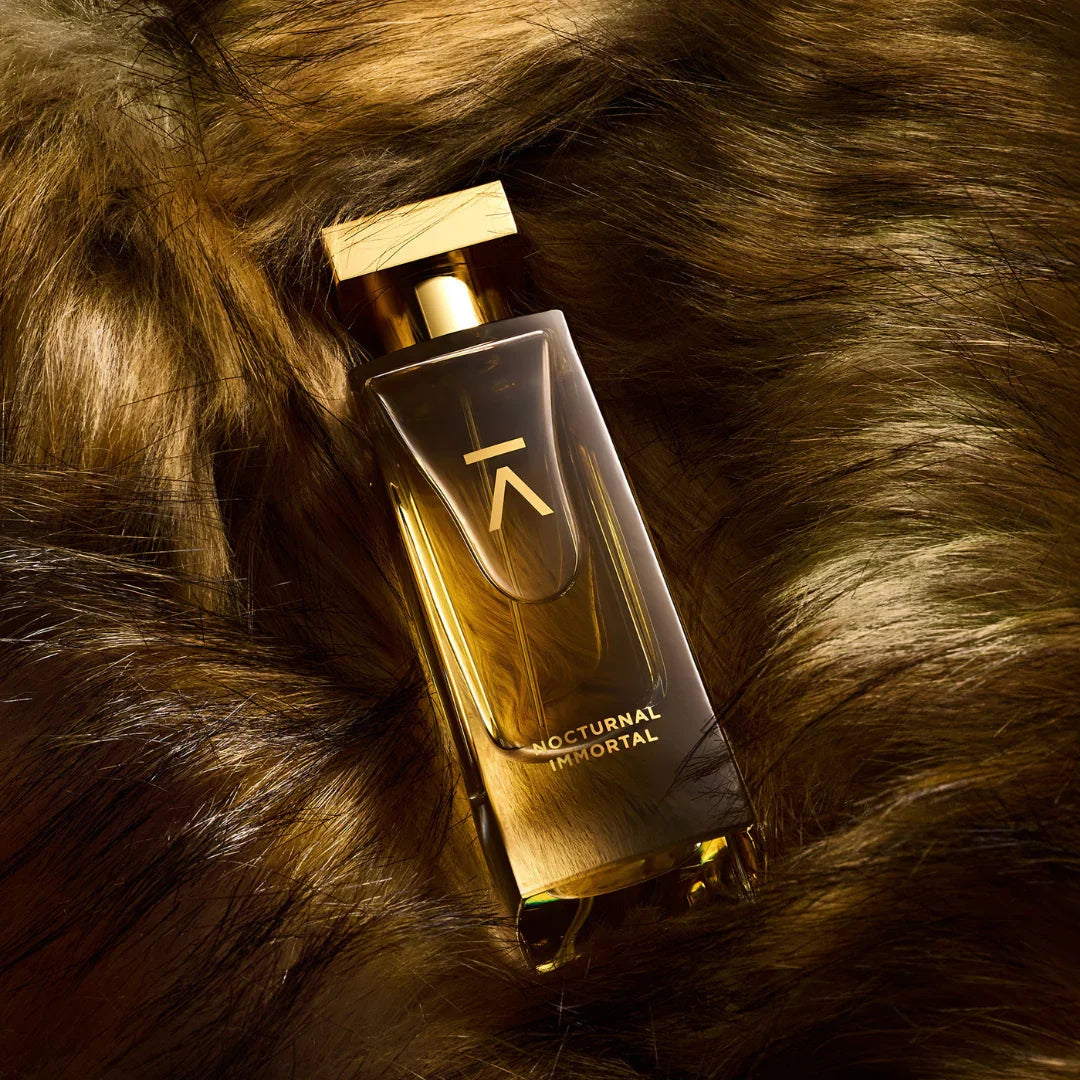
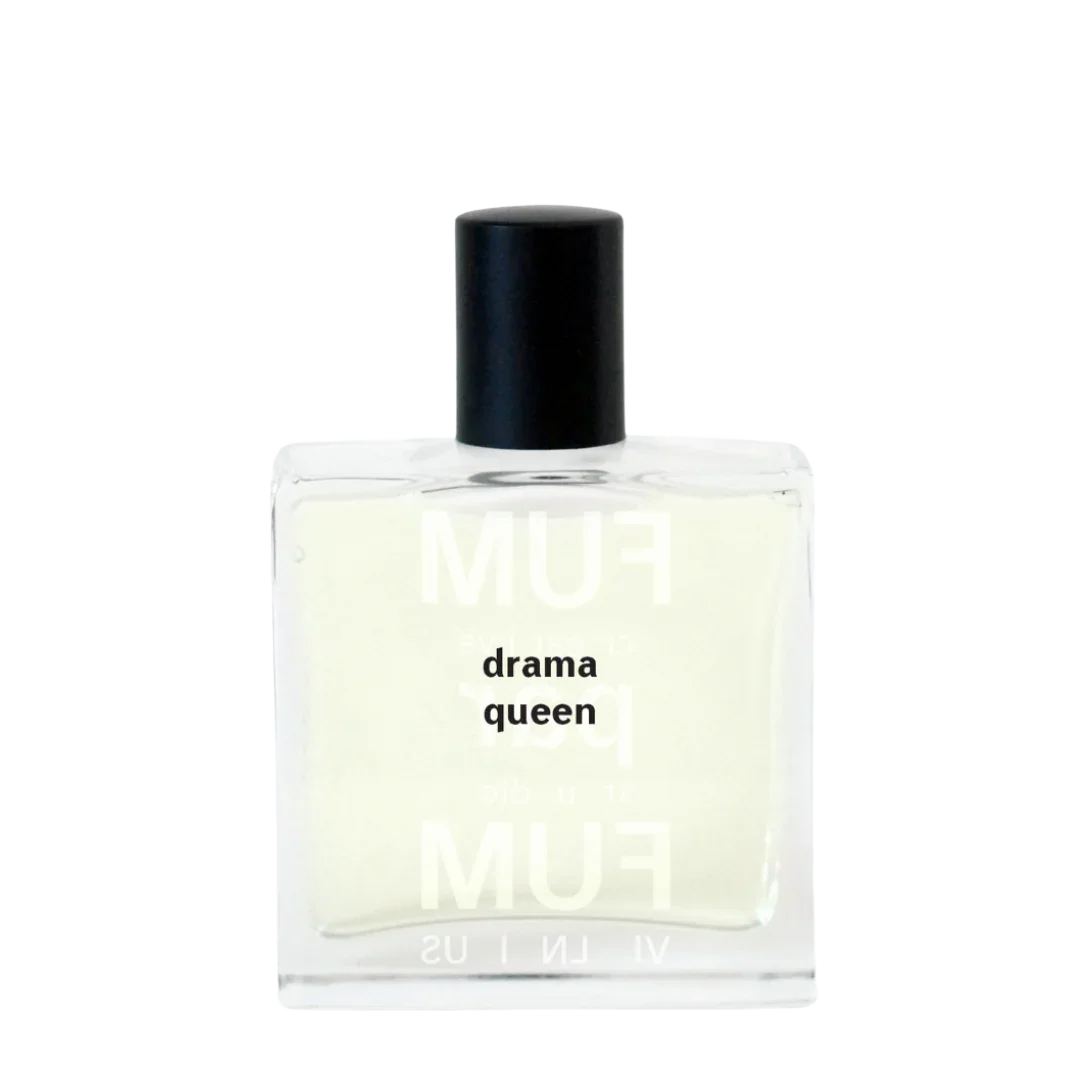
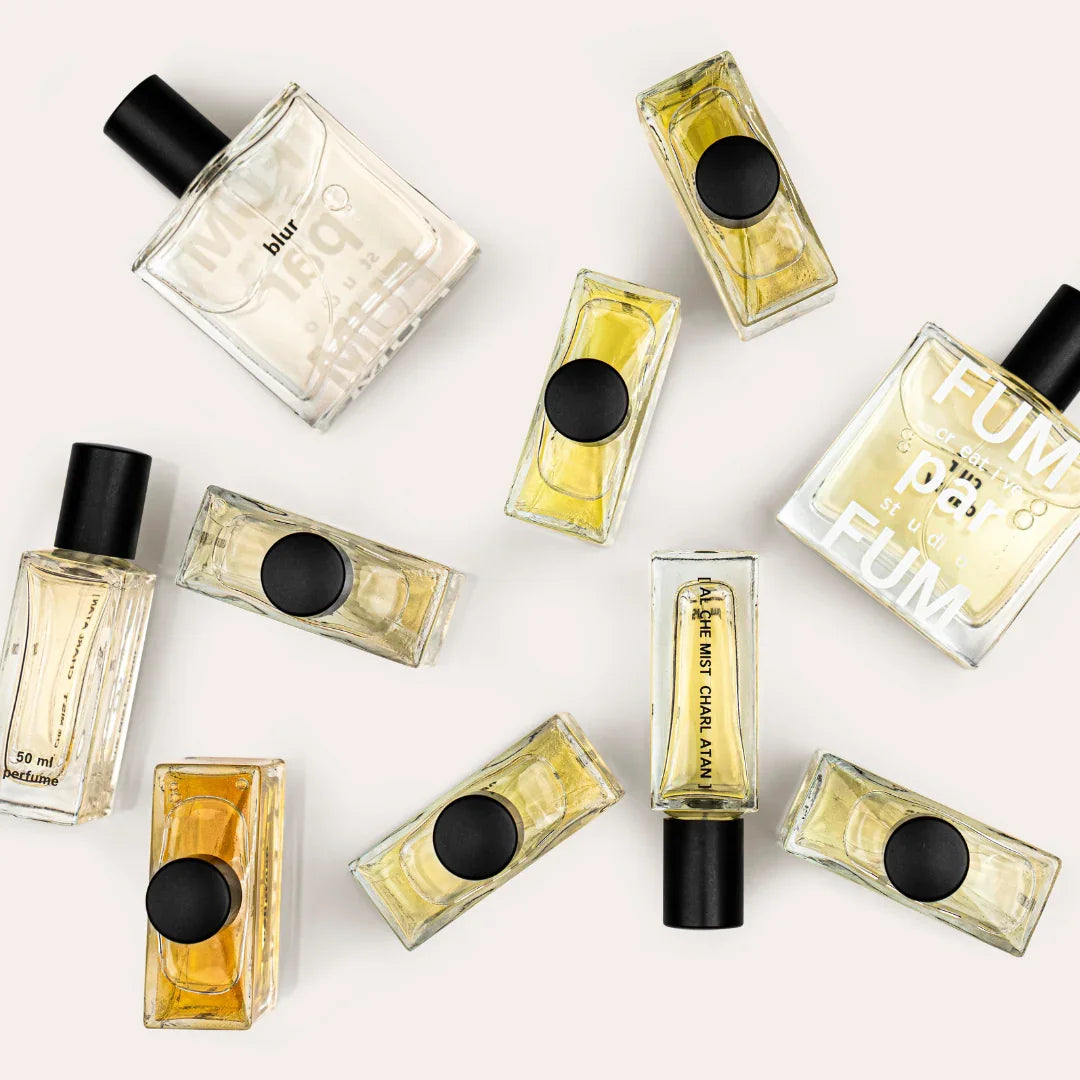
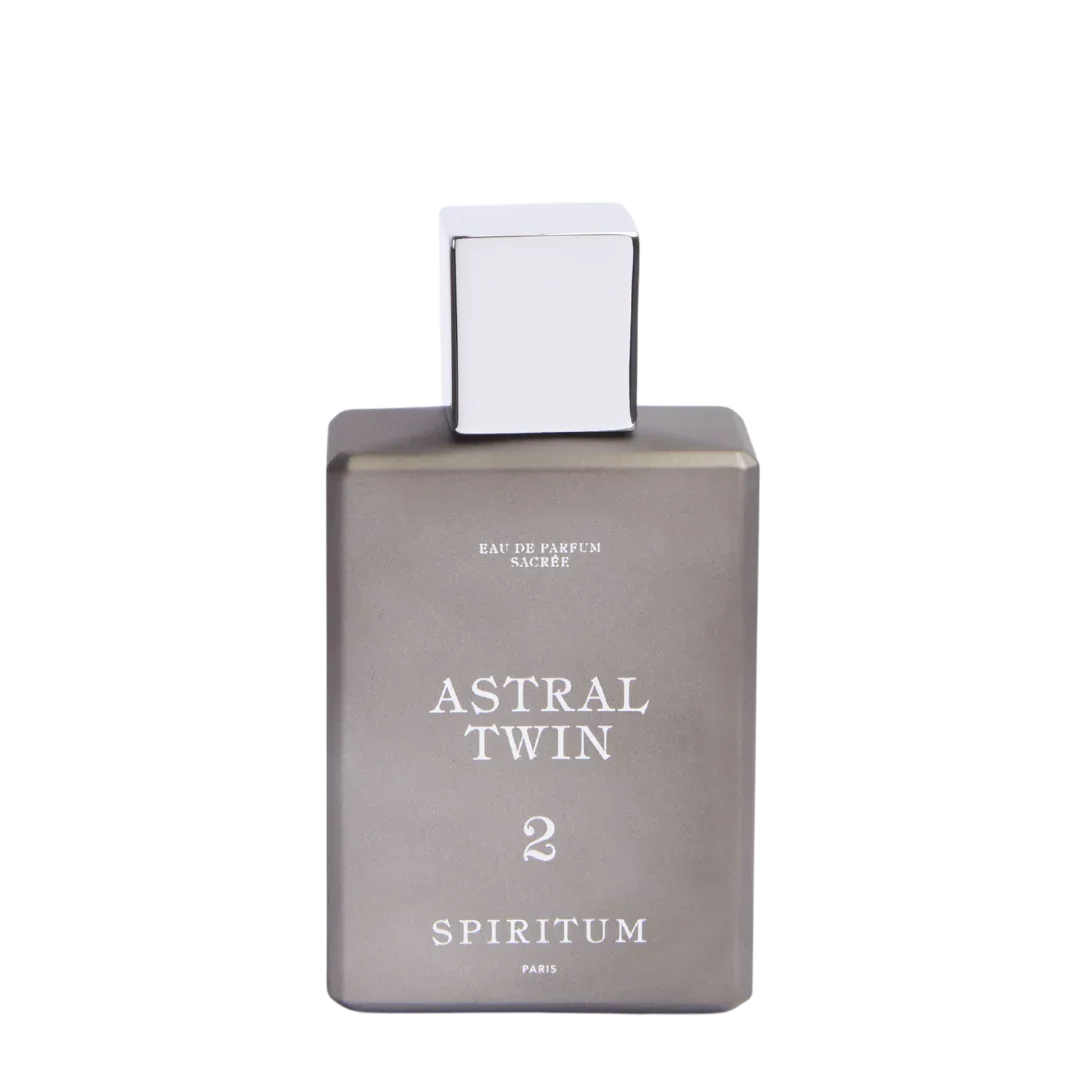
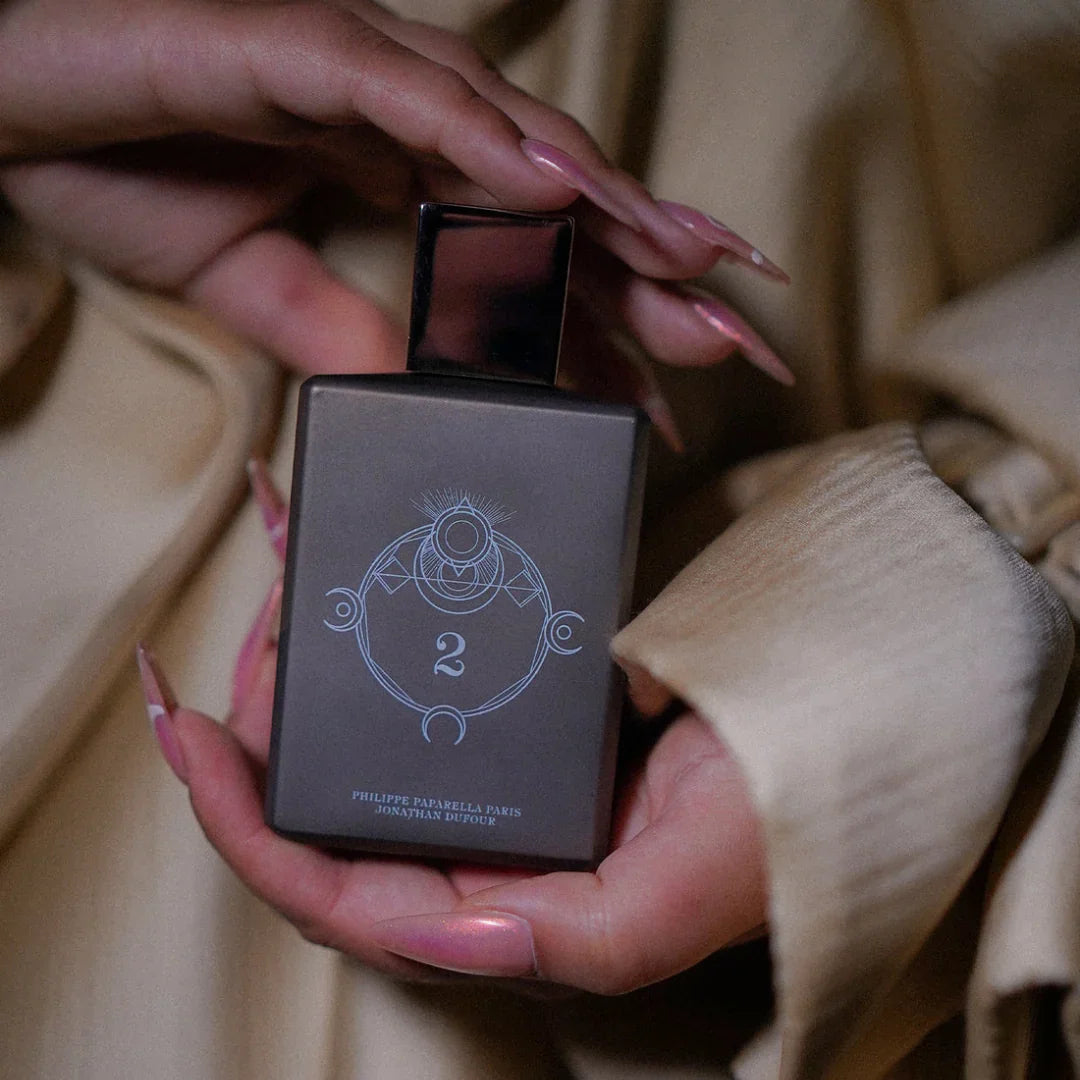
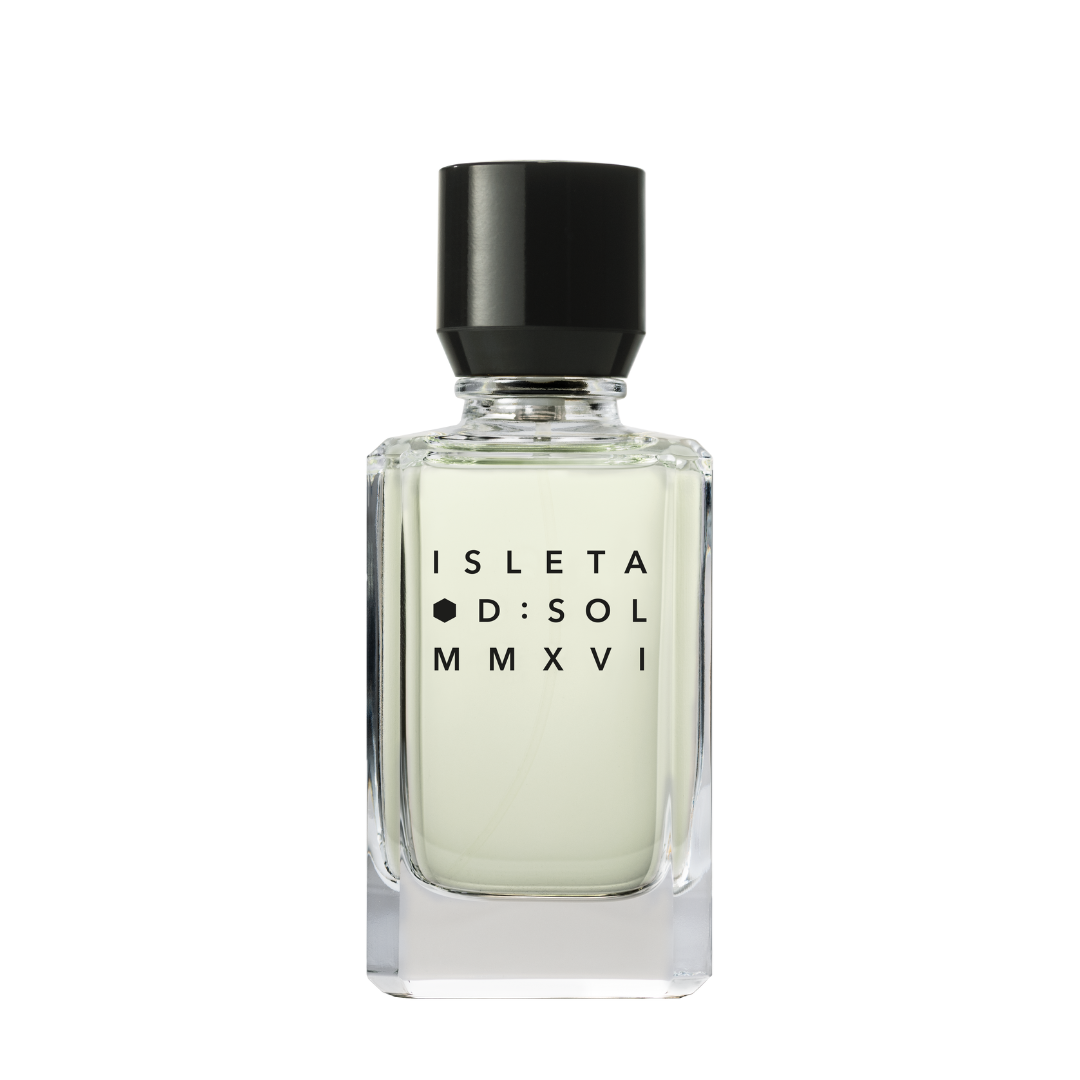
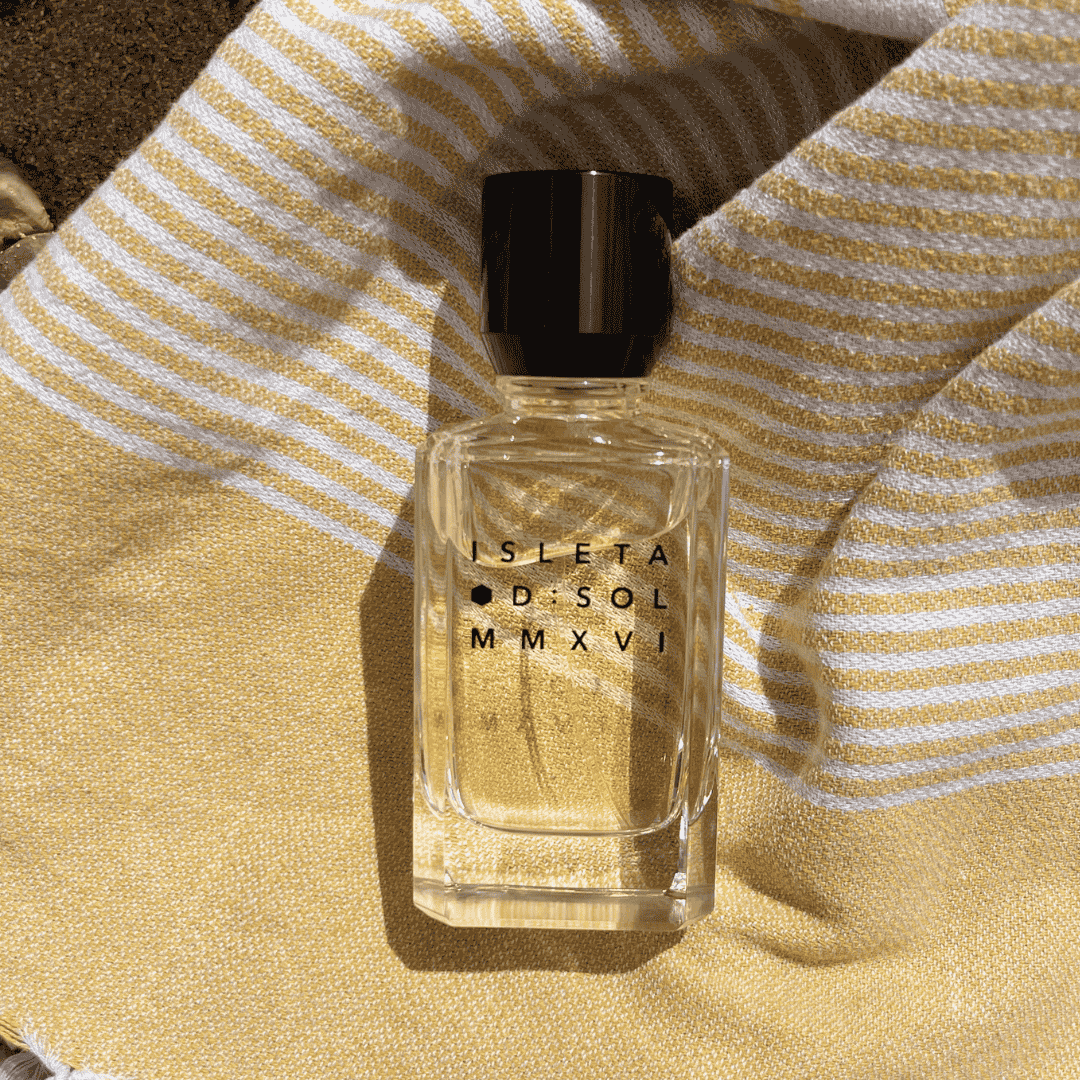
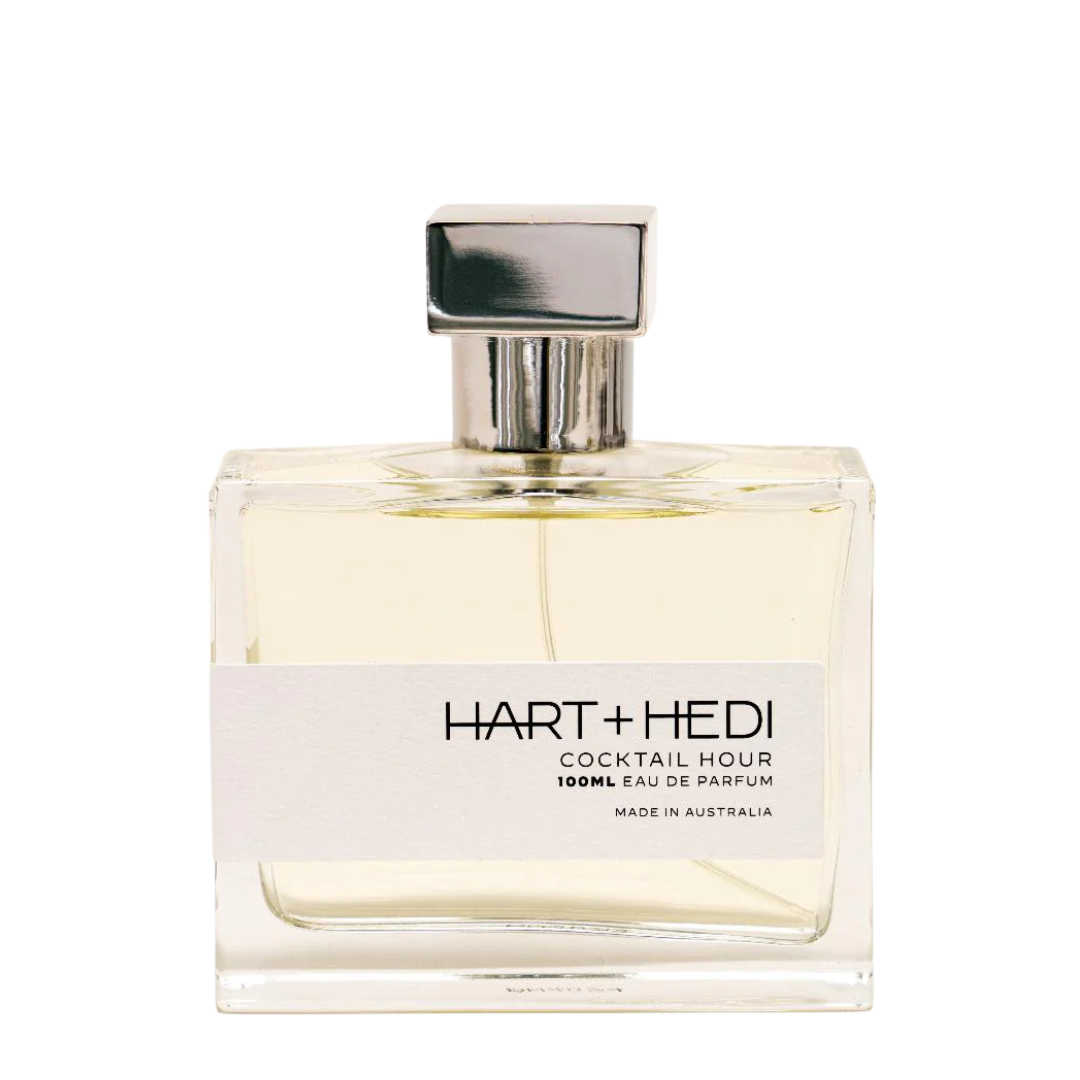
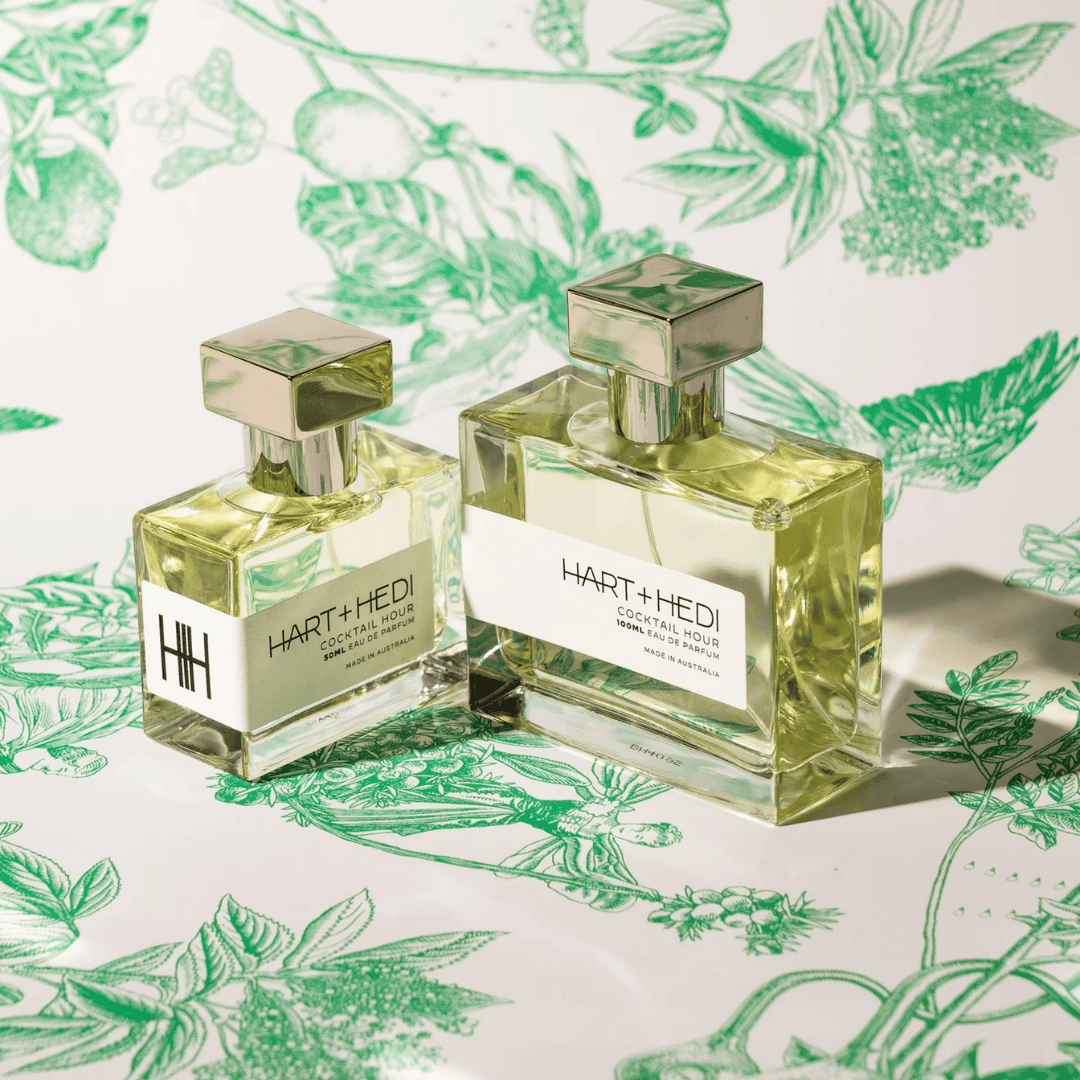
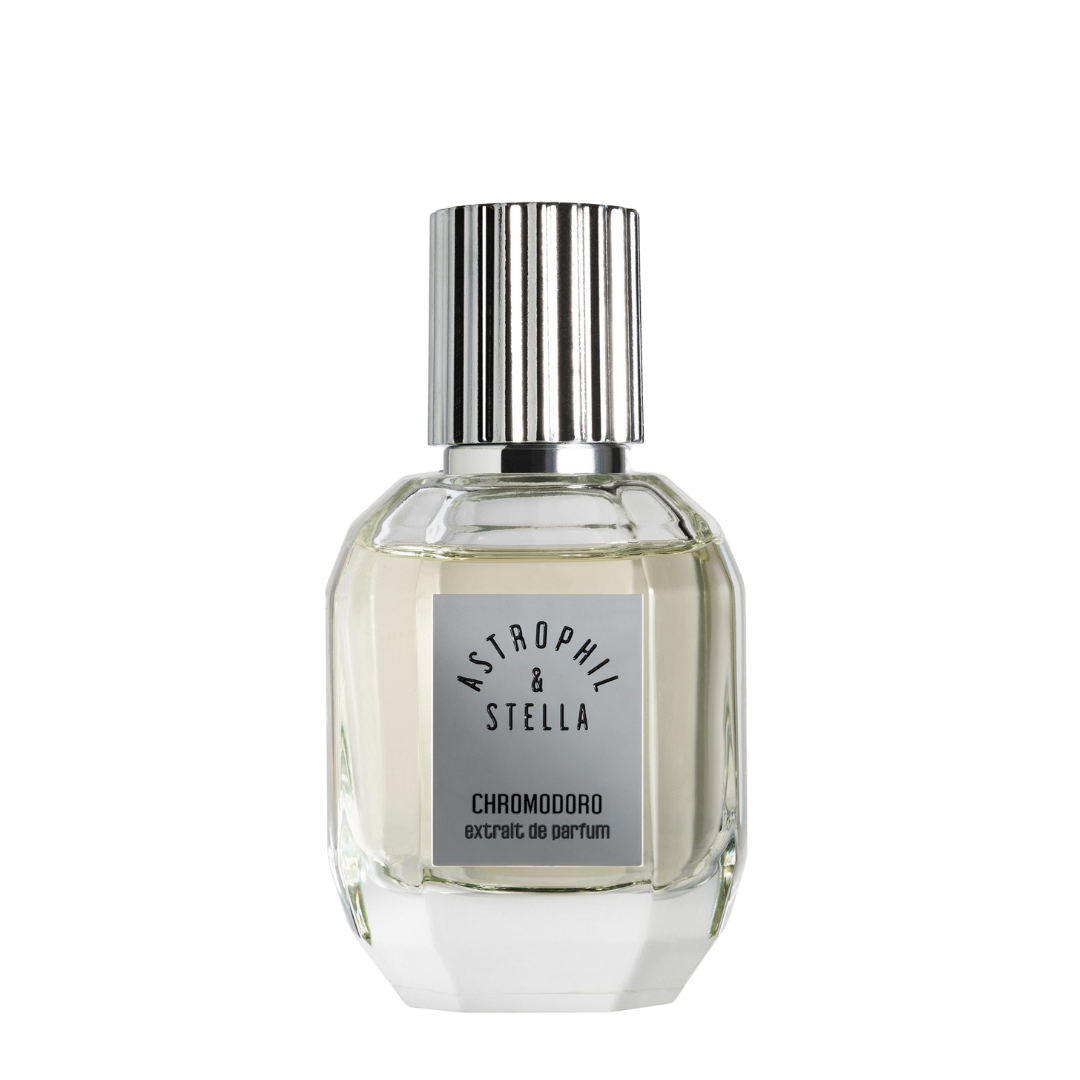
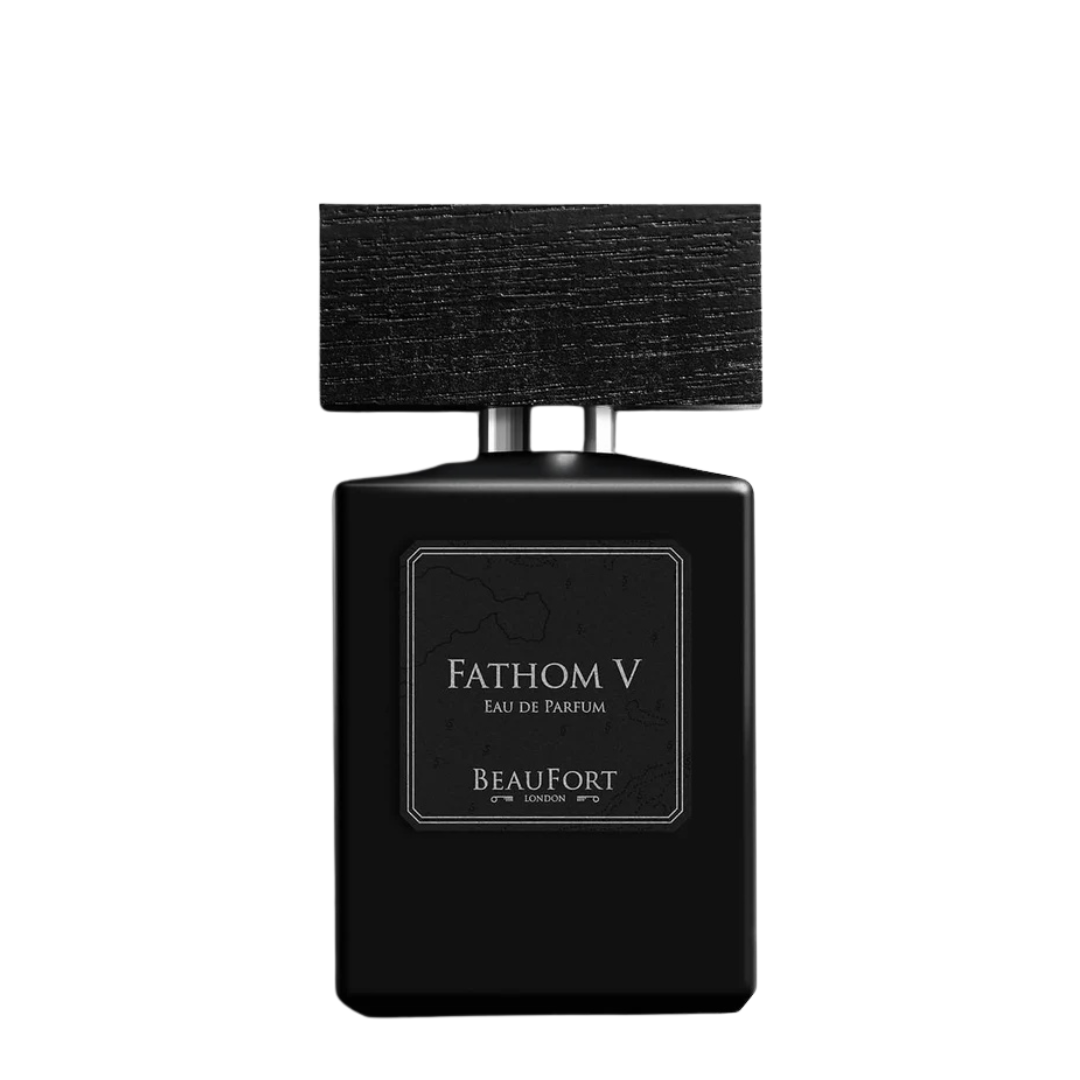
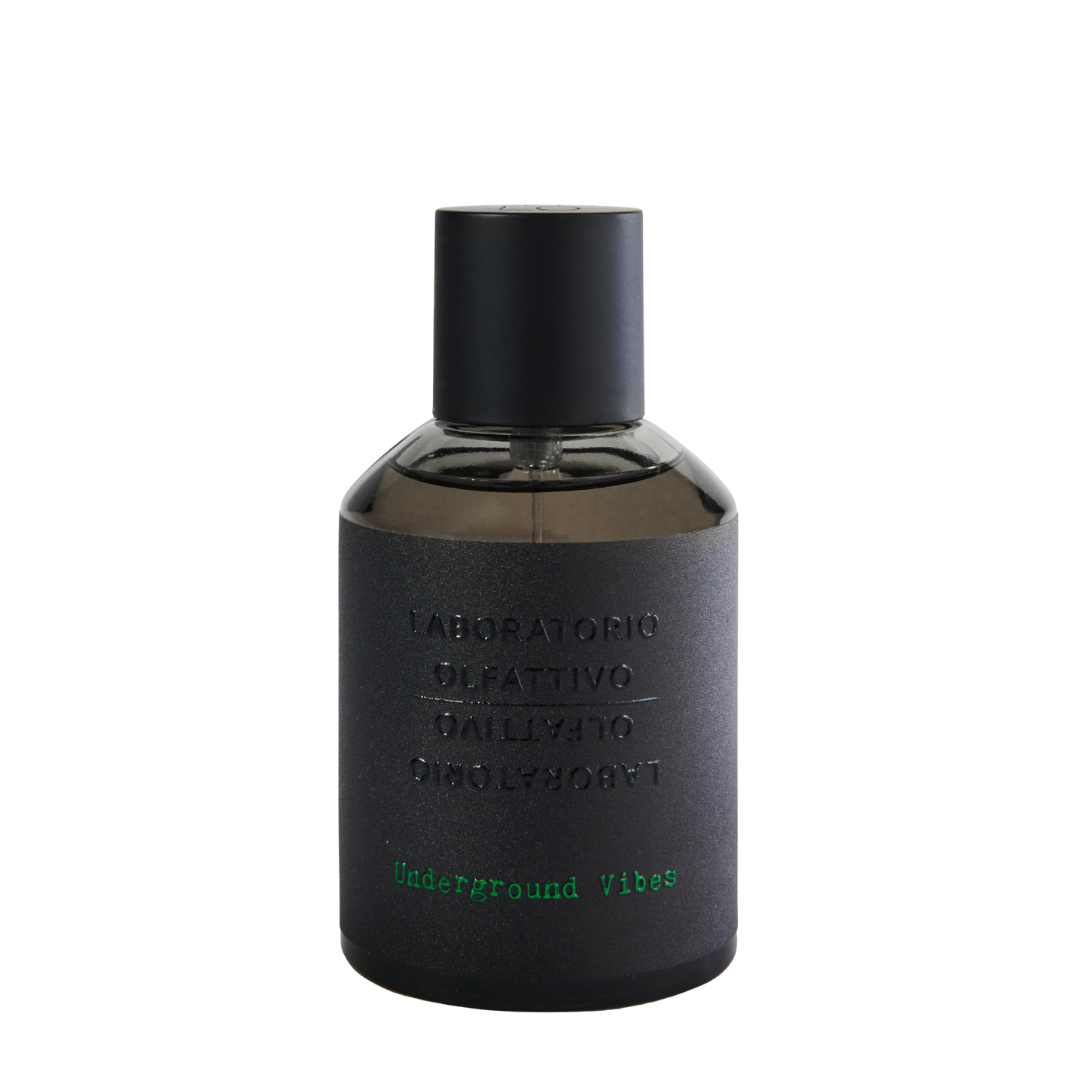

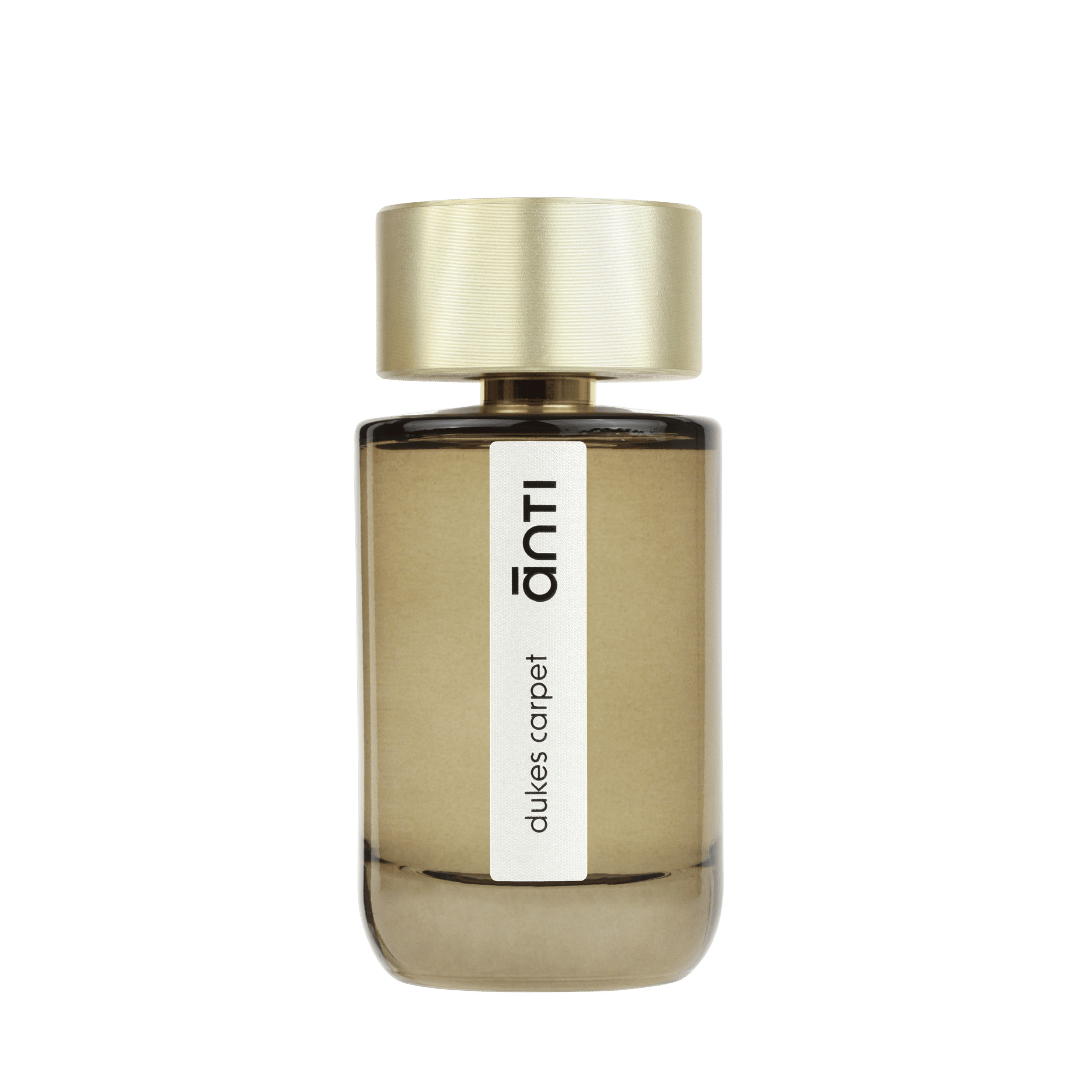
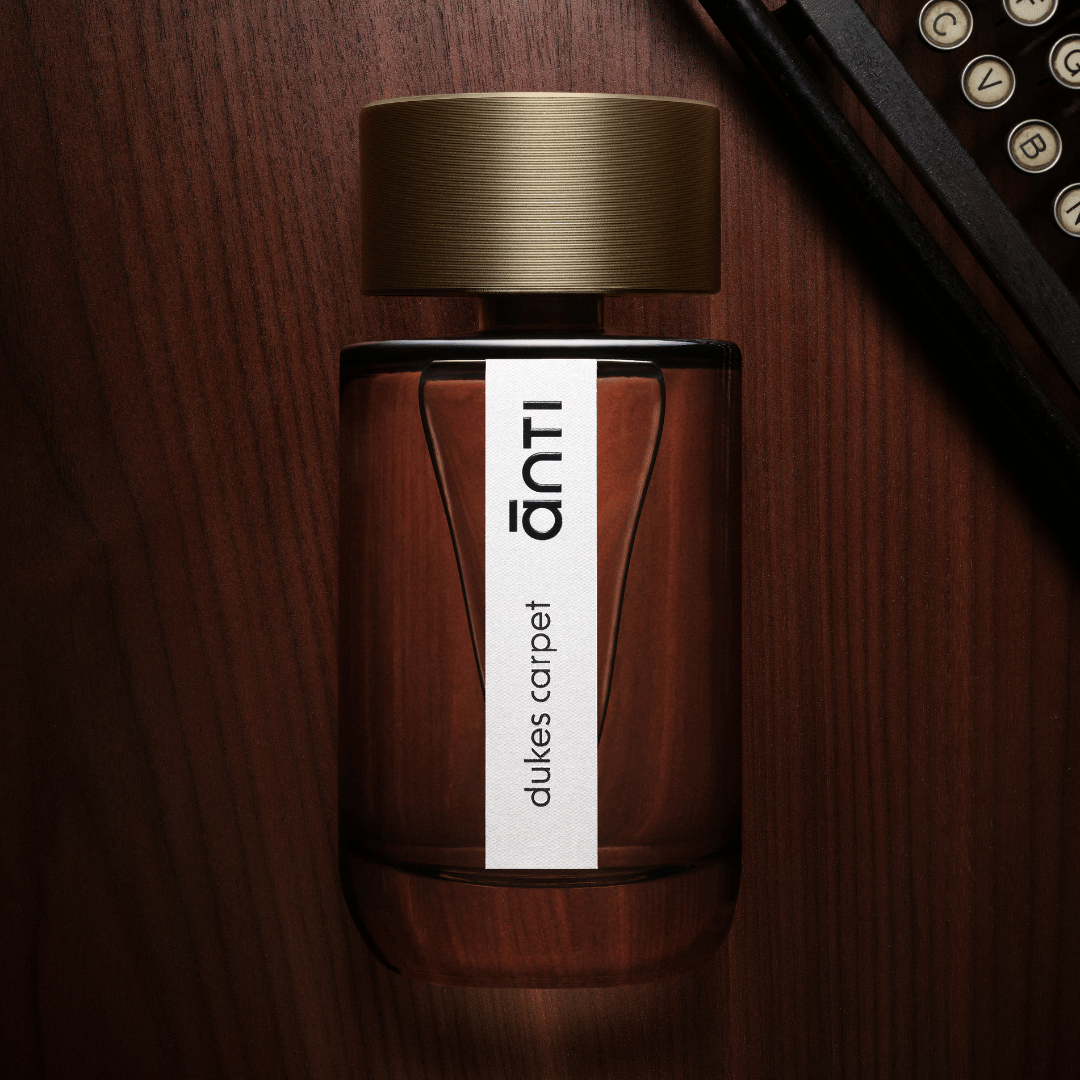
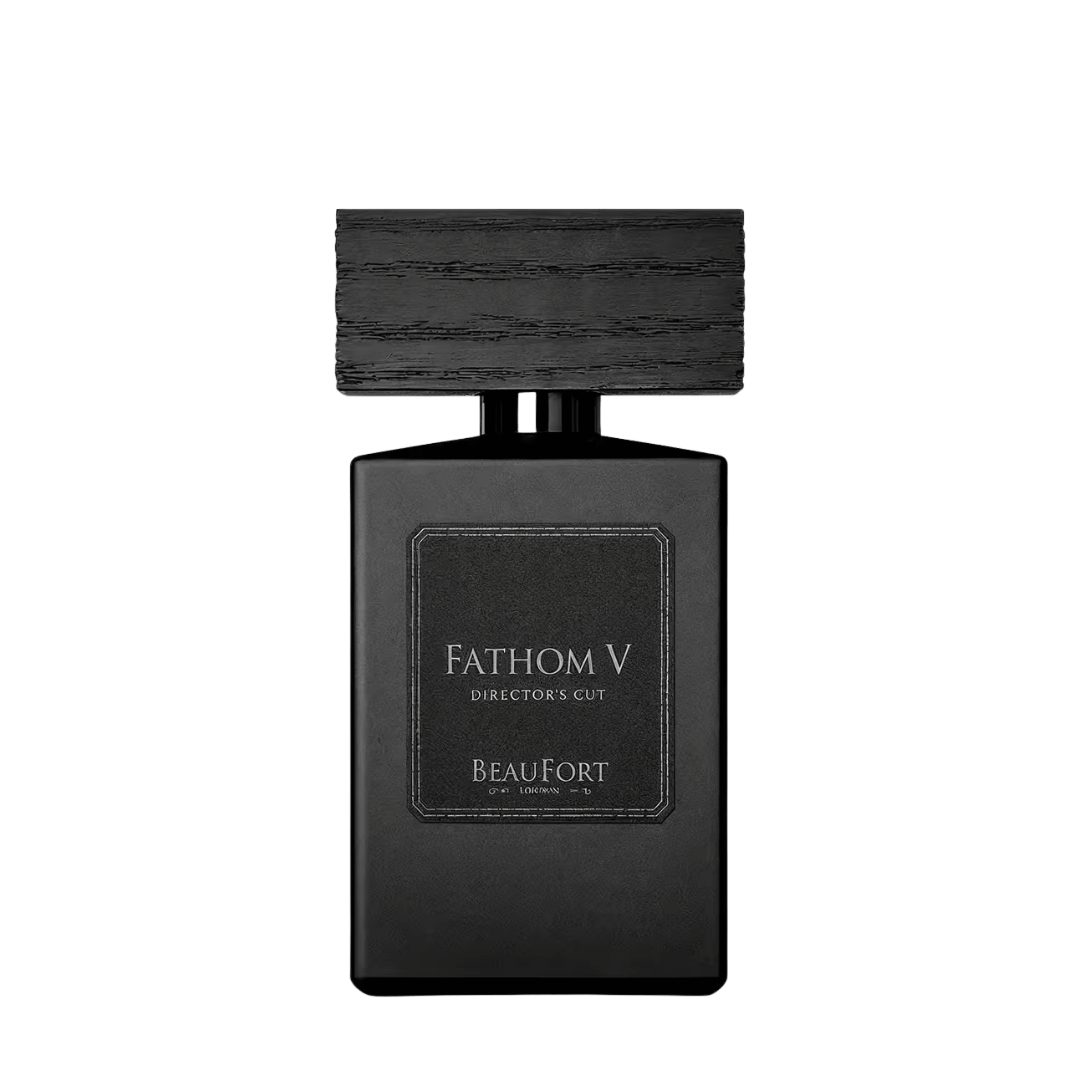
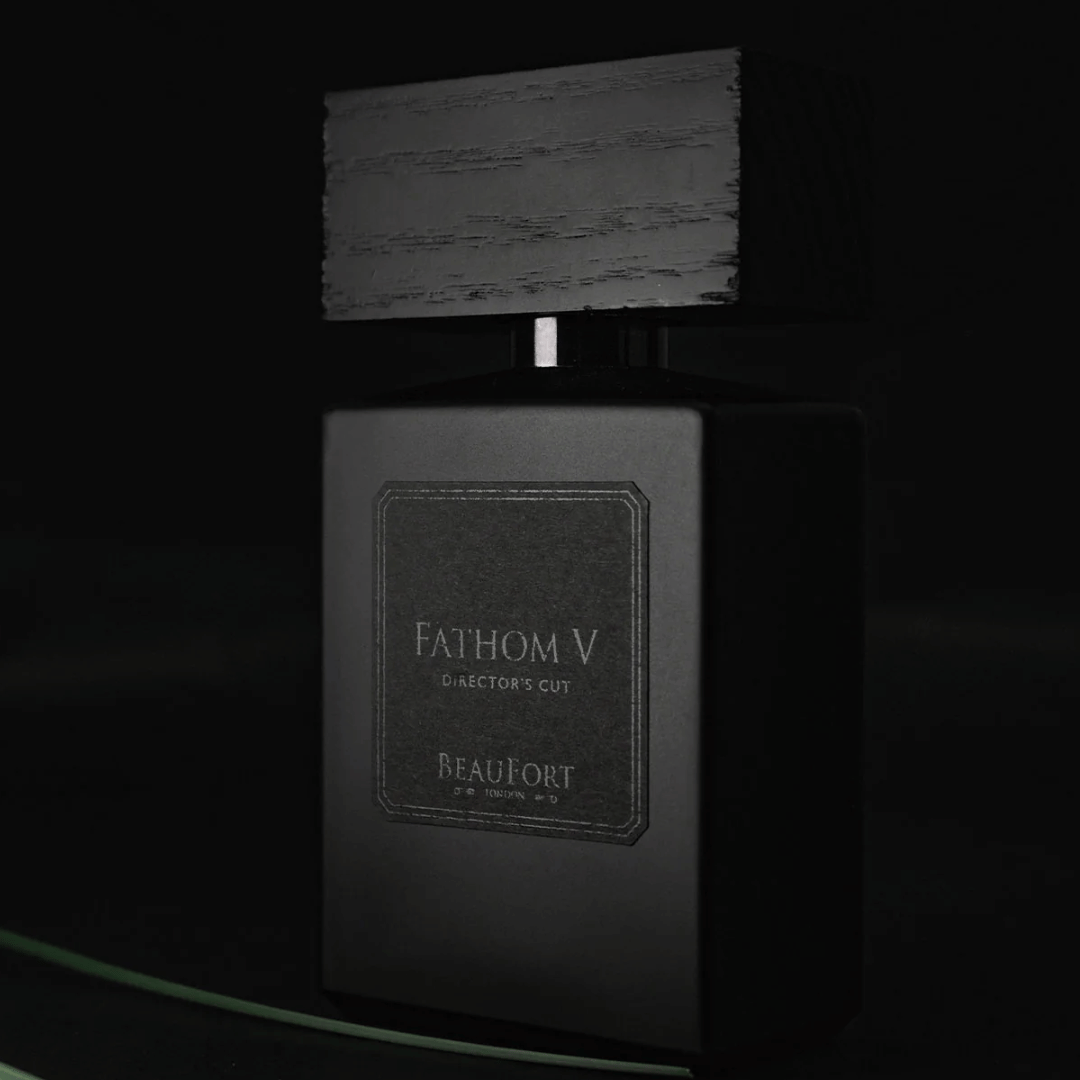


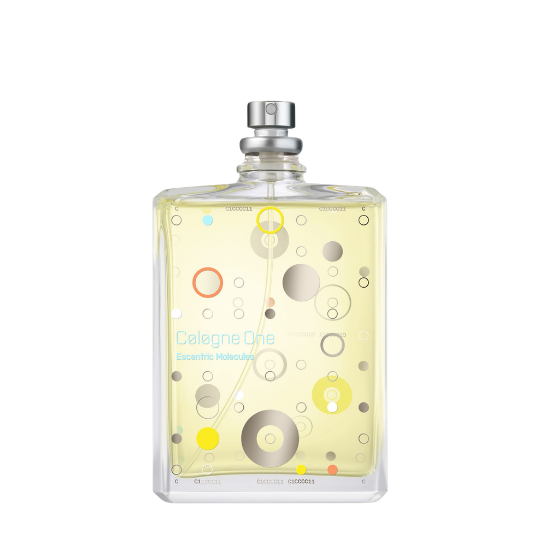
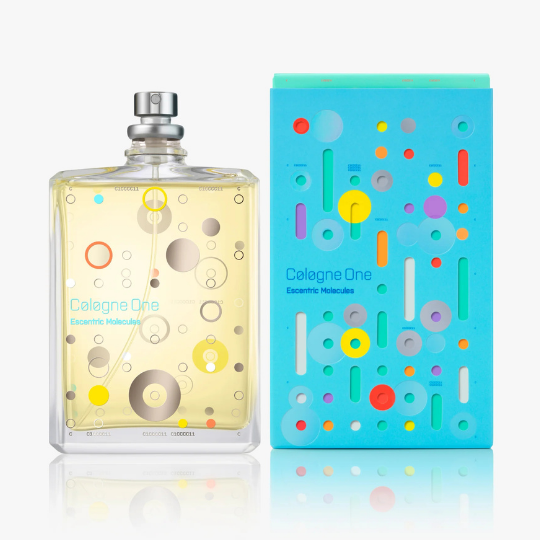
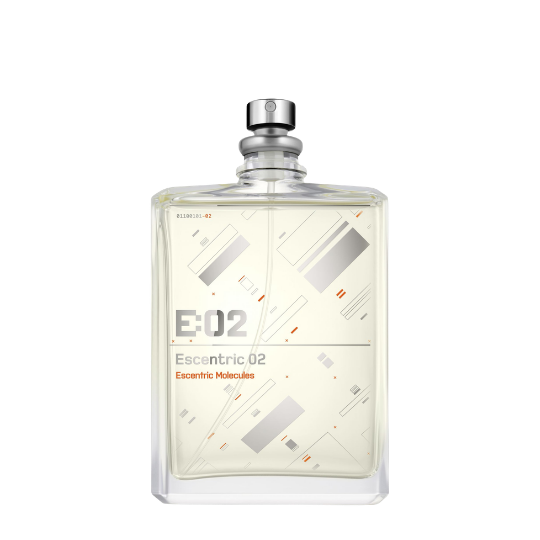
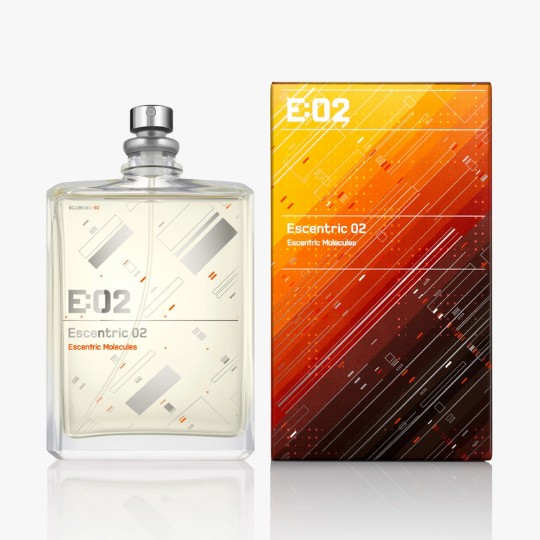
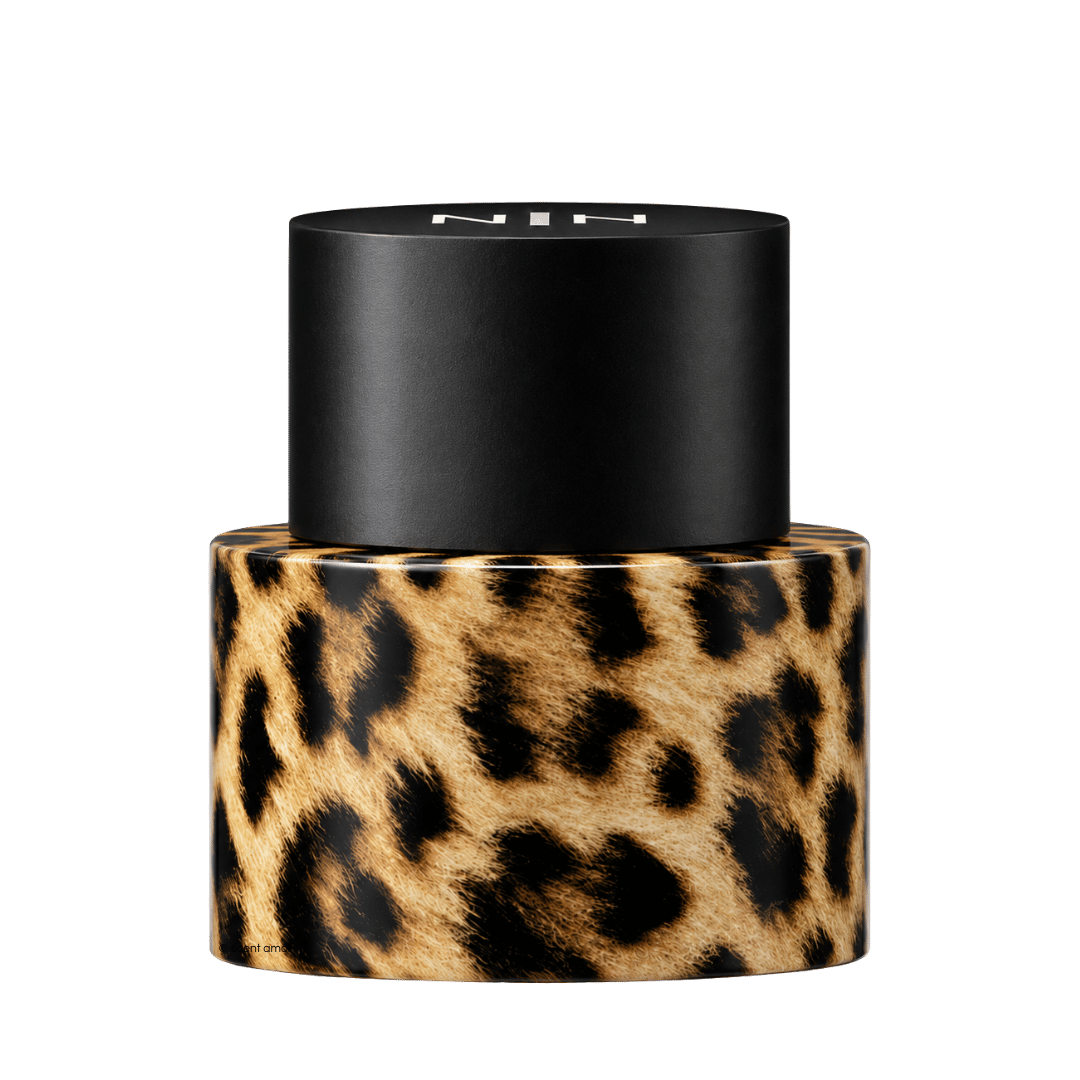
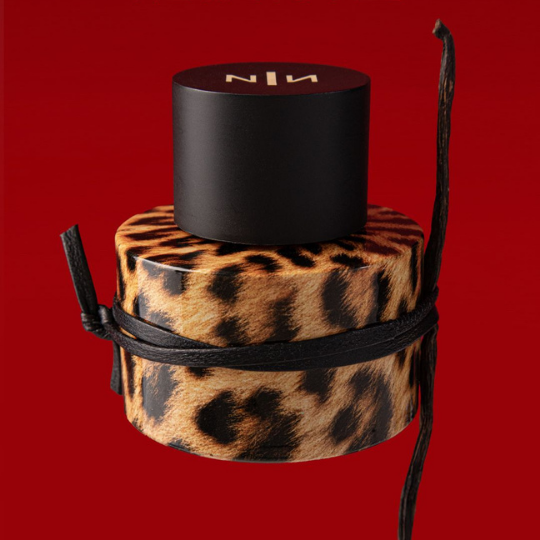
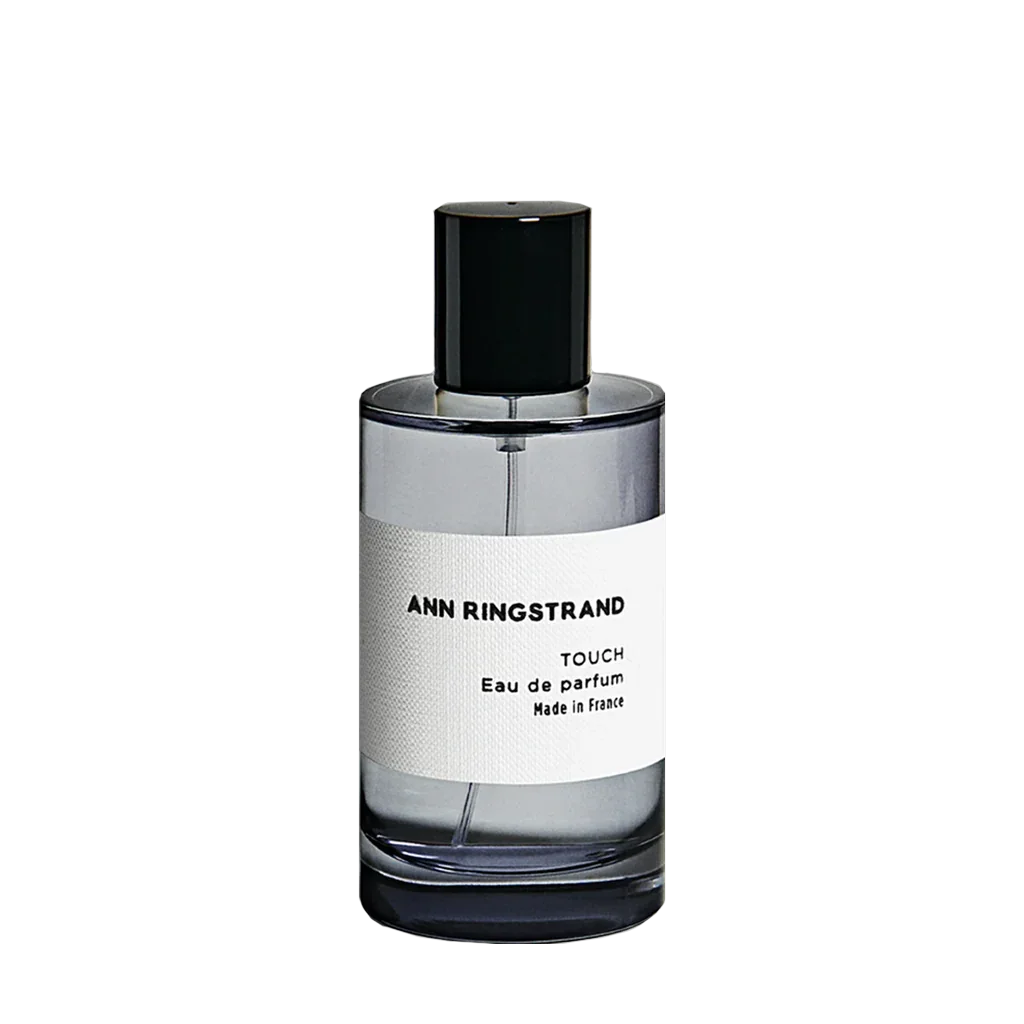
Juniper – Between tangy gin and smoky earthiness
Juniper – cool clarity, resinous precision, and the air above the wood
Juniper is one of those raw materials that instantly creates atmosphere. A single breath—and you're transported, in your mind, to dry mountain air, surrounded by pine trees, rocks, and cold light. Juniper is green, peppery, resinous, slightly bitter, and yet transparent. It's not sweet, not floral, not ornamental. It's structure. In modern niche perfumery, juniper acts like a clean cut through warm accords: it sharpens, orders, and brings that cool precision that makes a fragrance mature.
Plant parts – berry, wood and needle as different voices
Juniper is used in more than one form in perfumery. Classic juniper berry oil (Juniperus communis) provides that familiar, gin-like freshness: peppery, dry, with an aromatic clarity that seems almost crystalline.
Juniper wood oil is warmer, more resinous, deeper. It carries more earthy, slightly smoky facets and blends particularly well with leather and wood accords.
Juniper needle oil, on the other hand, has a greener, fresher, almost menthol-like quality. It brings that cool, almost alpine air into a composition – less spice, more vegetation.
Each of these variations significantly changes the temperature of a fragrance.
Origin – Balkans, Italy, Scandinavia and the character of the soil
The quality of juniper depends heavily on the climate. Balkan juniper is considered particularly clear, dry and balanced – with a clean, peppery freshness.
Italian wines often appear somewhat rounder and softer, with a subtle herbal warmth in the background.
Scandinavian juniper can appear particularly resinous and cool, almost stony in its clarity.
India and parts of North America also supply juniper oils, which are more intense and sometimes have a stronger resinous character. Origin determines the balance between freshness, bitterness, and woodiness.
Extraction routes – distillation as a classic method
Juniper is primarily obtained through steam distillation . Mostly ripe berries are processed, sometimes also twigs or needles.
Distillation produces a clear, stable, aromatic structure – dry, spicy, clean.
In some cases , CO₂ extracts are also used. These appear more detailed, somewhat softer, and more natural. They show more leaf and wood nuances, and less sharp freshness.
As with many aromatic raw materials, the freshness of the plant material determines the quality. Delayed processing leads to duller, grassier notes.
Qualities – between gin and forest
Inferior juniper smells flat or too turpentine-like. High-quality juniper, on the other hand, has depth: In addition to its clear peppery note, it displays a fine resinousness, a subtle bitterness, and a dry warmth in the background.
Great quality never appears loud. It remains precise, cool, and breathable – like air circulating between tree trunks.
Juniper in the composition – clarity with an edge
In modern perfumes, juniper provides a fresh, structured note. It enhances bergamot , clarifies lavender , sharpens vetiver , and gives leather accords a more open feel.
In unisex perfume, he comes across as sporty yet sophisticated – never banal, never sweet.
Juniper is a raw material for compositions that aim to convey clarity without appearing sterile. It brings a cool elegance that doesn't shout, but focuses attention.
Copyright by scent amor © 2026 (grw)
Frequently asked Questions about Juniper
How do origin and climate influence the scent of the Juniper berry?
What is the technical difference between Juniper Berry Oil and Cade Oil (Juniper Tar)?
Why is the "Gin Accord" so popular, and how is it enhanced by modern CO2 extraction?
In which fragrance families does Juniper shine brightest, and how does it affect sillage?
Discover all fragrances
Amber Perfumes
Ambergris Perfumes
Ambroxan
Aquatic Perfumes
Bergamot Note
Cashmeran
Chypre Perfumes
Floral - Flowery Perfumes
Fougère Perfumes
Fresh Perfumes
Fruity Perfumes
Gourmand Perfumes

Green Perfumes
Woody Perfumes

Iris Perfumes
ISO E Super
Jasmine
Lavender Note
Leder Parfums
Lily of the valley
Mint
Musk Perfumes
Myrrh
Neroli Note
Orientalische Parfums
Osmanthus
Oud Perfumes
Patchouli Perfumes
Petitgrain Note
Pepper Notes

Powdery Perfumes

Rose Perfumes
Sandalwood Note
Sweet Perfumes
Synthetic Perfume Molecules
Tobacco Perfumes
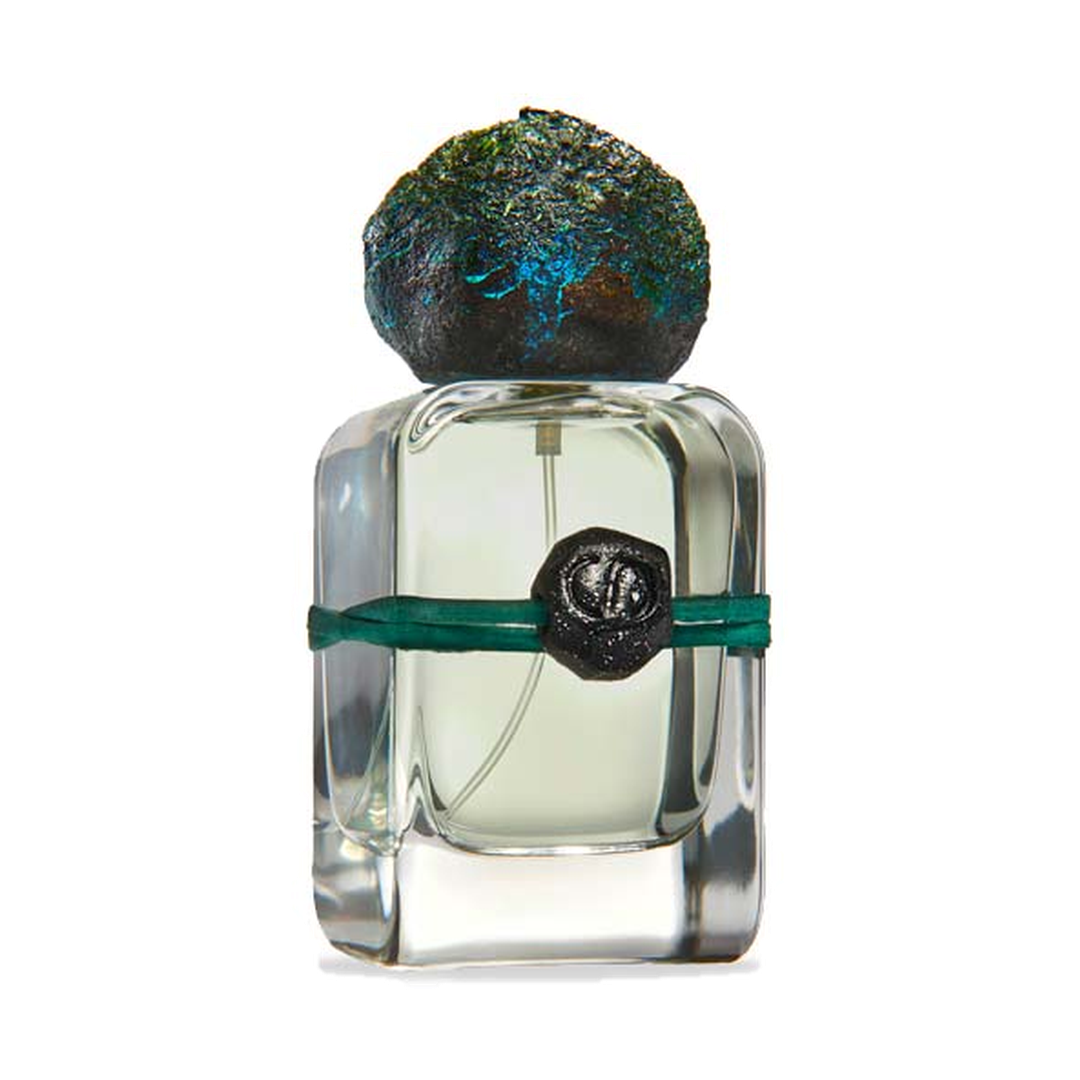
Tropical Perfumes
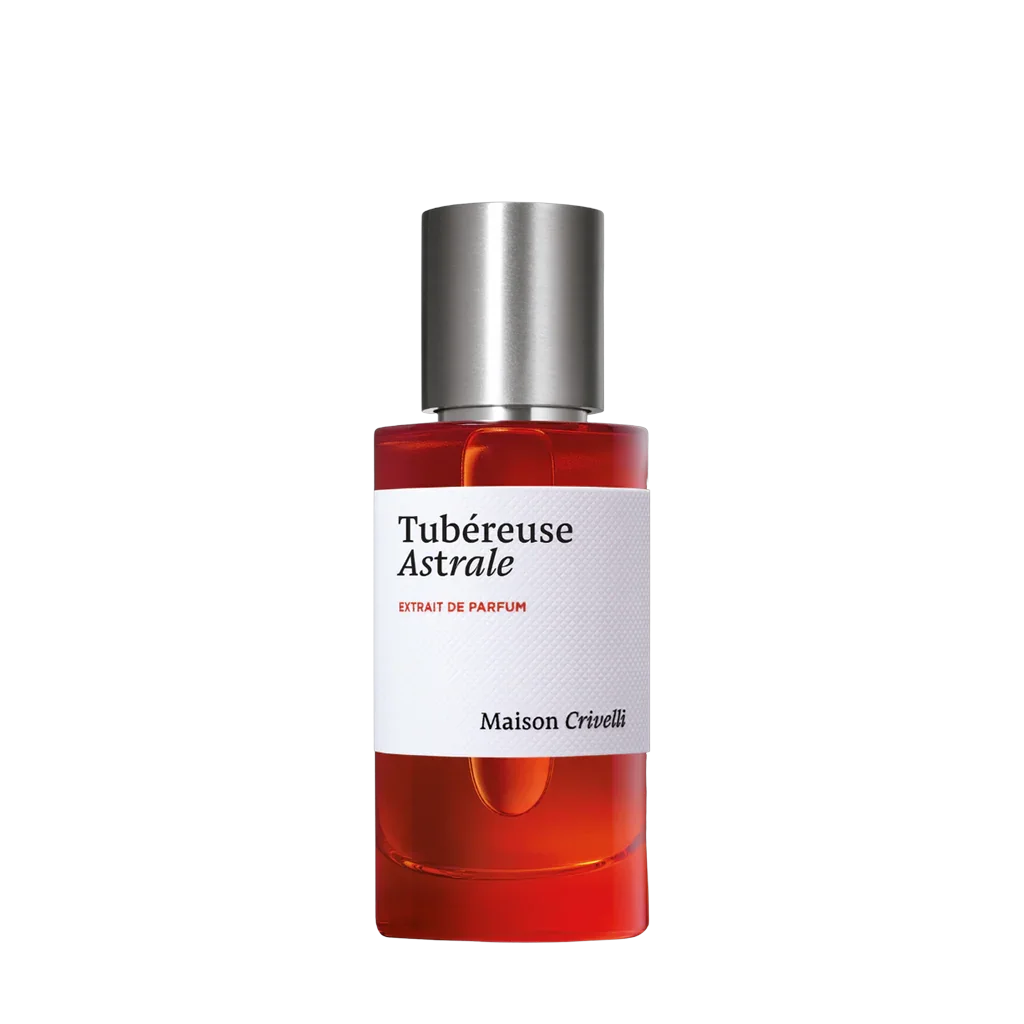
Tuberose Perfumes
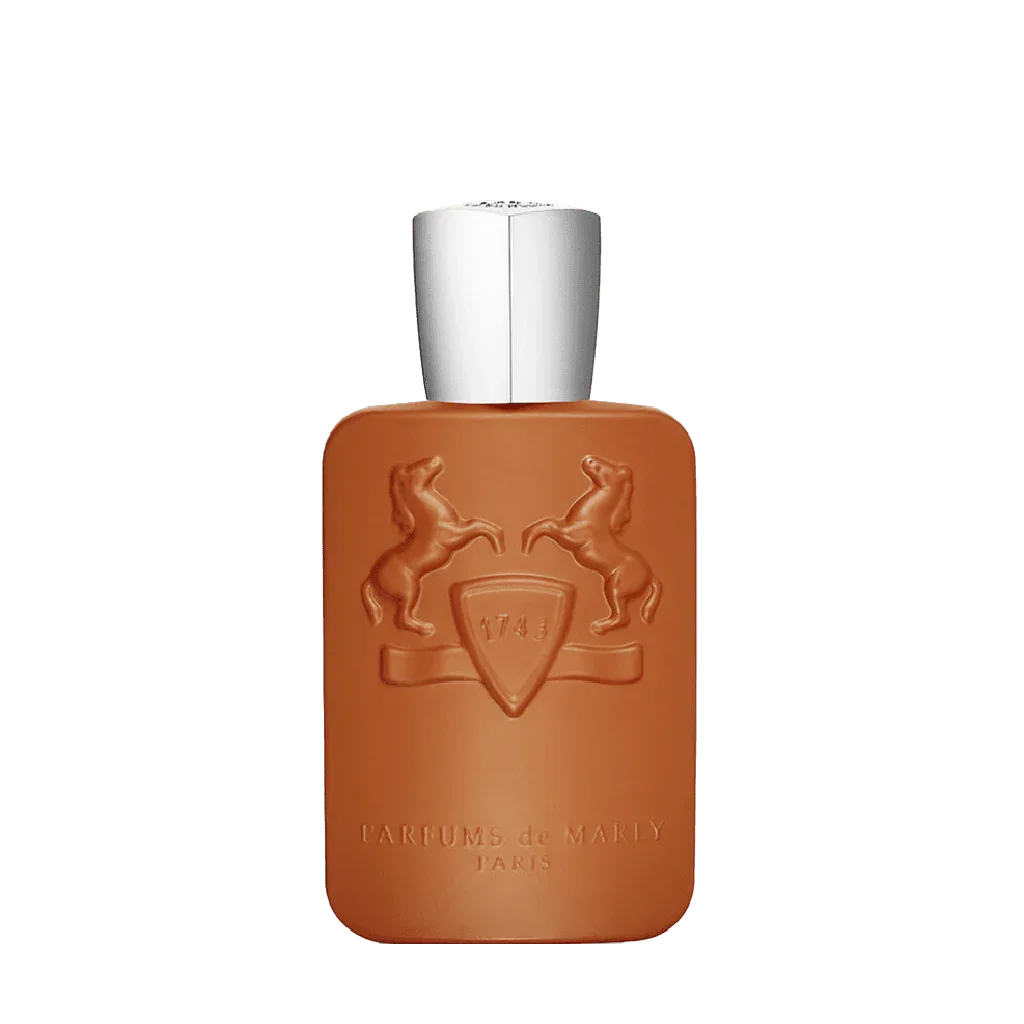
Vanilla Perfumes

Violet
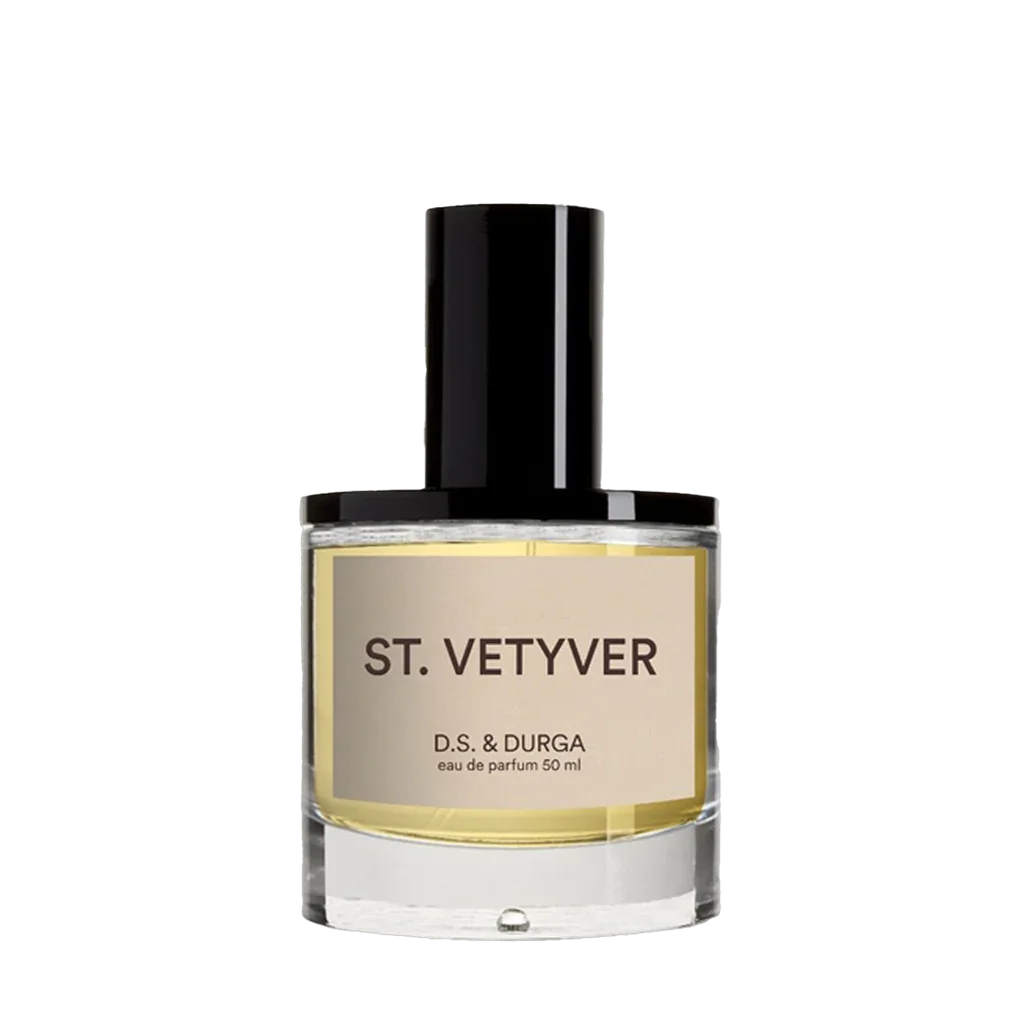
Vetiver Perfumes
Juniper
Frankincense Perfumes

Spicy Perfumes

Cinnamon
Citrus Perfumes

Our fragrance news.
Curated for you.
To subscribe to our newsletter and secure your discount, please accept our cookies. Also, make sure that your ad blocker (uBlock, AdBlock) is disabled and JavaScript is enabled.
Our fragrance news.
Curated for you.
To subscribe to our newsletter and secure your discount, please accept our cookies. Also, make sure that your ad blocker (uBlock, AdBlock) is disabled and JavaScript is enabled.