

Filters
97 products

Cinnamon – Between gentle gourmand sweetness and woody sharpness
Cinnamon – warm spiciness, dry sweetness, and a glow beneath the skin.
Cinnamon is not a Christmas cliché. In its best form, it's not sugar, decoration, or a mere "baked goods scent," but a precise raw material with two faces: warm and sharp, dry and balsamic, sometimes almost woody, sometimes dark and spicy. Cinnamon can make a fragrance shine or ruin it—depending on the type, origin, and extraction method used. In niche markets, cinnamon is therefore never a mere effect, but a structural tool: it draws lines, intensifies shadows, and imparts warmth that is not softened.
Species – Ceylon and Cassia, two completely different temperaments
In perfumery, you'll primarily encounter two distinct cinnamon worlds. Ceylon cinnamon (Cinnamomum verum) is more delicate, elegant, and less aggressive. It displays a bright spiciness, sometimes slightly floral, often drier, with a transparent, almost silky warmth. Cassia cinnamon (Cinnamomum cassia) is darker, stronger, and more robust: more sharp, denser, and more "red" in its spice. Cassia can quickly become dominant and requires disciplined application – but in return, it delivers those deep, glowing edges that lend niche fragrance compositions a serious and substantial quality.
Origin – Sri Lanka, China, Vietnam and the signature of the soil
Origin isn't a matter of folklore when it comes to cinnamon, but rather chemistry. Sri Lanka is classically known for Ceylon cinnamon: finer, clearer, often airier. China and Vietnam are key cassia-producing regions; Vietnamese varieties are often considered particularly intense and darkly spicy, while Chinese batches often appear more structured and somewhat drier. Indonesia also produces cassia cinnamon profiles that can be warm and full-bodied. Climate, harvest time, and drying determine whether cinnamon appears light and transparent or deep and resinous.
Raw material components – bark, leaf and the question of texture
Cinnamon is not the same as cinnamon oil. There's cinnamon from the bark and cinnamon from the leaves – and both tell different stories. Cinnamon bark oil is rounder, sweeter and spicier, more balsamic, with that warm, smoky quality that lingers on ambergris and woods. Cinnamon leaf oil is greener, more bitter, sharper, often pepperier and more aromatic, less gourmand, with more structure. In modern formulations, leaf oil is often used when a spiciness without a dessert-like quality is desired.
Extraction methods – distillation, CO₂ and the control of spiciness
Traditional extraction involves steam distillation . This yields clear, stable oils whose character depends heavily on the starting material. With cinnamon, extraction is also a question of pungency: depending on how the oil is fractionated or how strongly certain components are emphasized, the result is a softer, rounder profile or a significantly sharper, "hotter" cinnamon burst. CO₂ extracts , depending on the parameters, can produce a denser, more natural flavor, often with more texture and less "sharp" volatility. Good quality cinnamon is never acrid, but rather invigorating.
Qualities – how to recognize excellent cinnamon
High-quality cinnamon has vibrancy, but not harshness. It smells warm, spicy, and dry-sweet, without becoming cloying. It has a clear definition and remains breathable, not flat. Inferior qualities quickly come across as cinnamon-sugar or an aggressive spiciness lacking depth. Excellent cinnamon reveals layers: first a bright spark, then a dark, balsamic core, and finally a dry, woody warmth that lingers.
Cinnamon in the composition – warmth with an edge instead of sweet coziness.
In modern perfumery, cinnamon is a tool for gravitas. It blends with amber , vanilla (if desired, never sugary), patchouli , dark woods like sandalwood , and smoky resins like myrrh or frankincense. It can ground floral hearts, sharpen citrus openings, or illuminate leather accords like a warm inner edge. In unisex perfume , cinnamon doesn't come across as "festive," but rather sophisticated: warm, dry, precise, with that quiet ember on the skin that exudes character rather than comfort.
Copyright by scent amor © 2026 (grw)
Frequently asked Questions about Cinnamon
What is the fundamental difference between Ceylon Cinnamon and Cassia Cinnamon in perfumery?
Why is Cinnamon often called a "skin warmer," and what technical role does it play in top and heart notes?
Are there restrictions on using natural Cinnamon oil (IFRA regulations)?
Which fragrance notes pair best with Cinnamon to highlight its aromatic character?
Discover all fragrances
Amber Perfumes
Ambergris Perfumes
Ambroxan
Aquatic Perfumes
Bergamot Note
Cashmeran
Chypre Perfumes
Floral - Flowery Perfumes
Fougère Perfumes
Fresh Perfumes
Fruity Perfumes
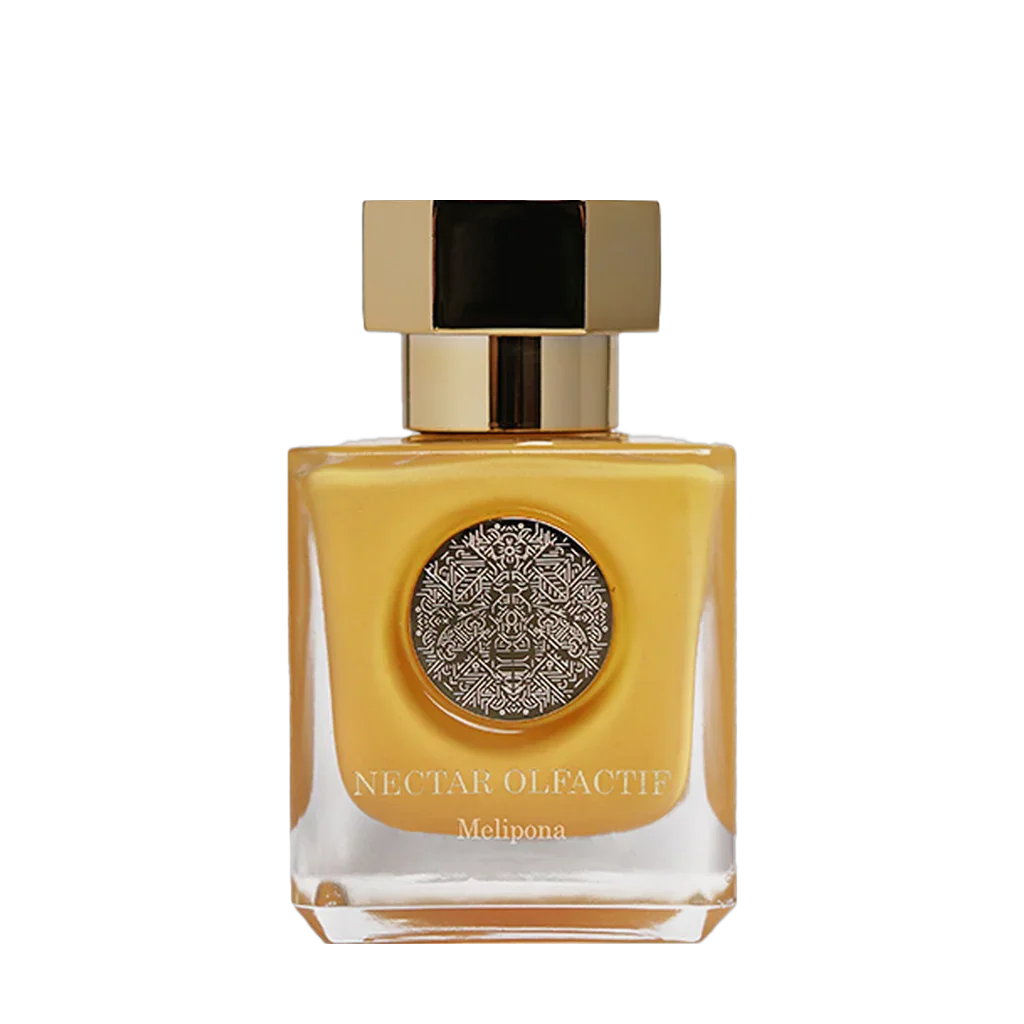
Gourmand Perfumes

Green Perfumes
Woody Perfumes

Iris Perfumes
ISO E Super
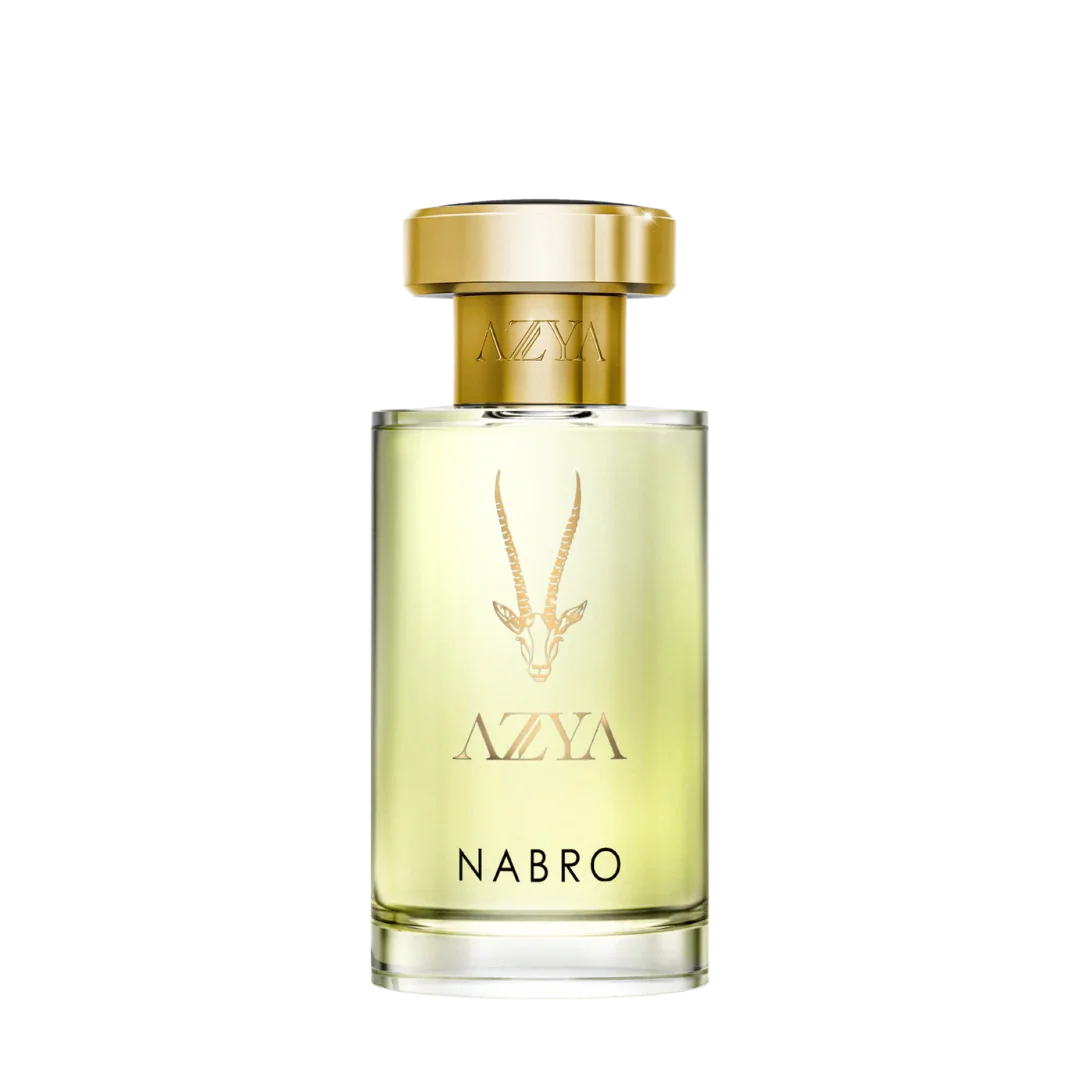
Jasmine
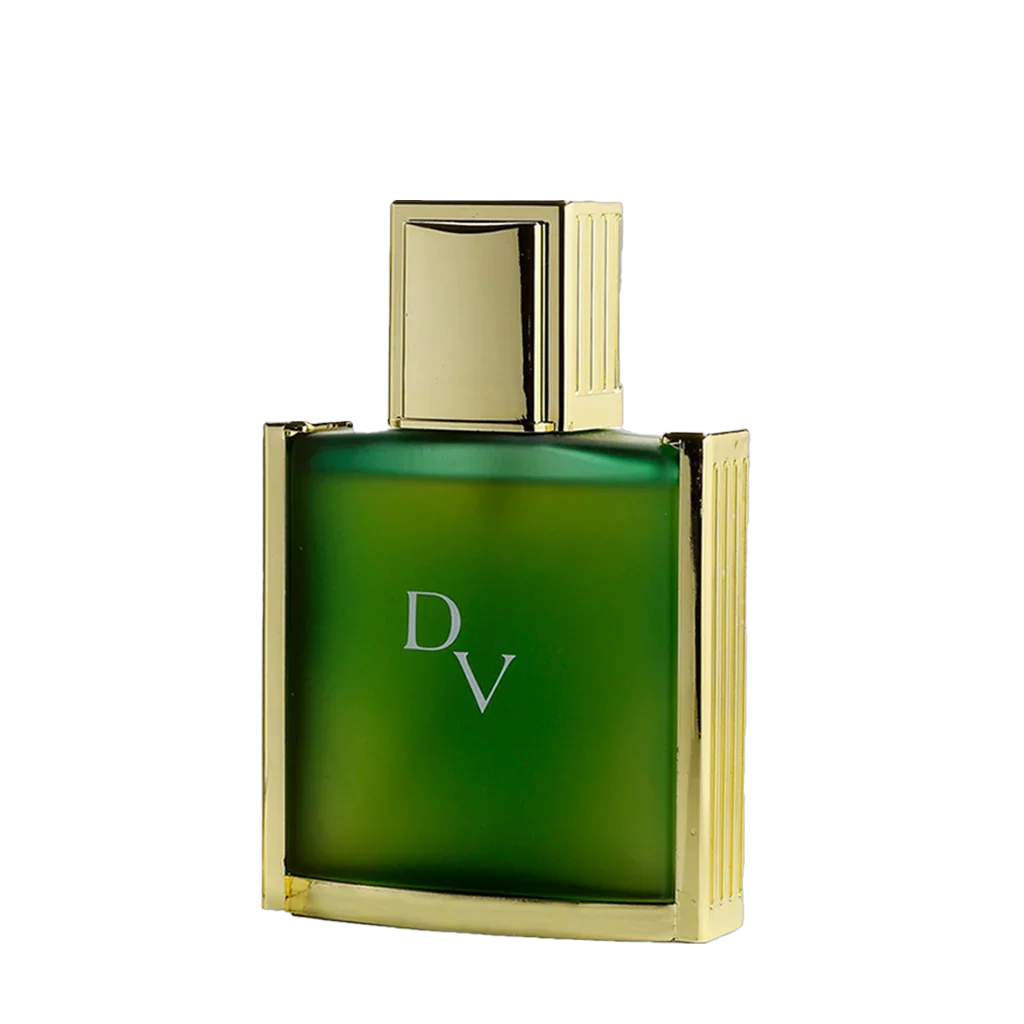
Lavender Note
Leder Parfums
Lily of the valley
Mint
Musk Perfumes
Myrrh
Neroli Note
Orientalische Parfums
Osmanthus
Oud Perfumes
Patchouli Perfumes
Petitgrain Note
Pepper Notes

Powdery Perfumes

Rose Perfumes
Sandalwood Note
Sweet Perfumes
Synthetic Perfume Molecules
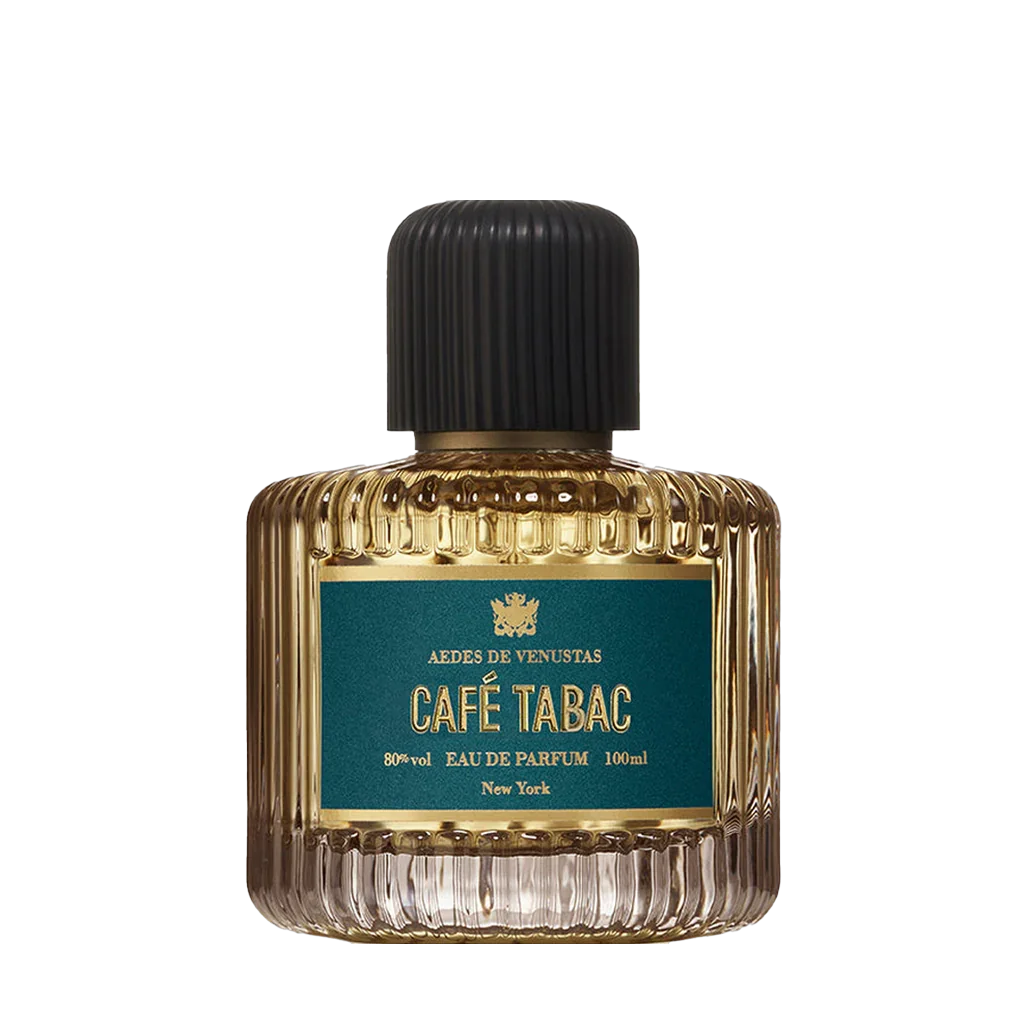
Tobacco Perfumes
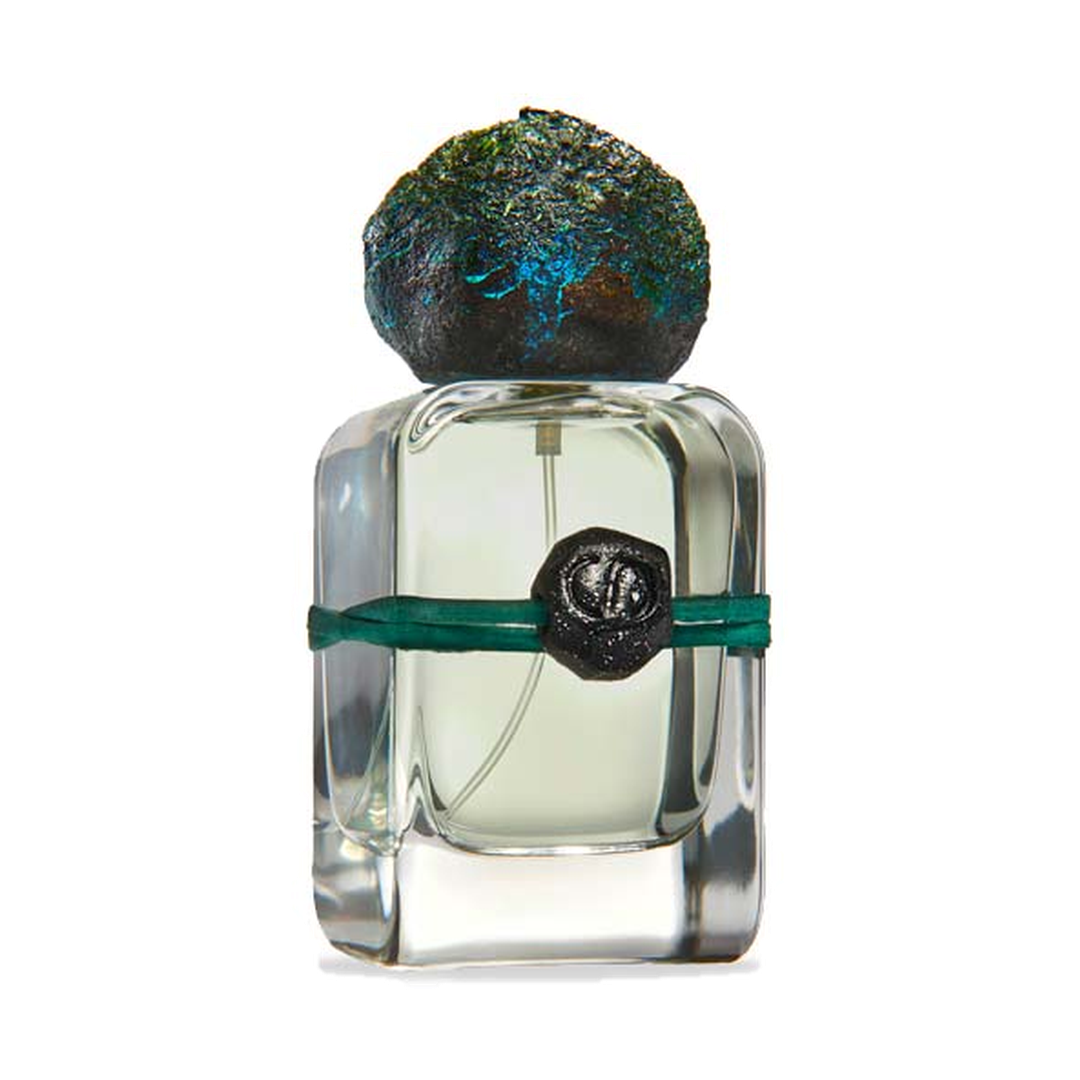
Tropical Perfumes
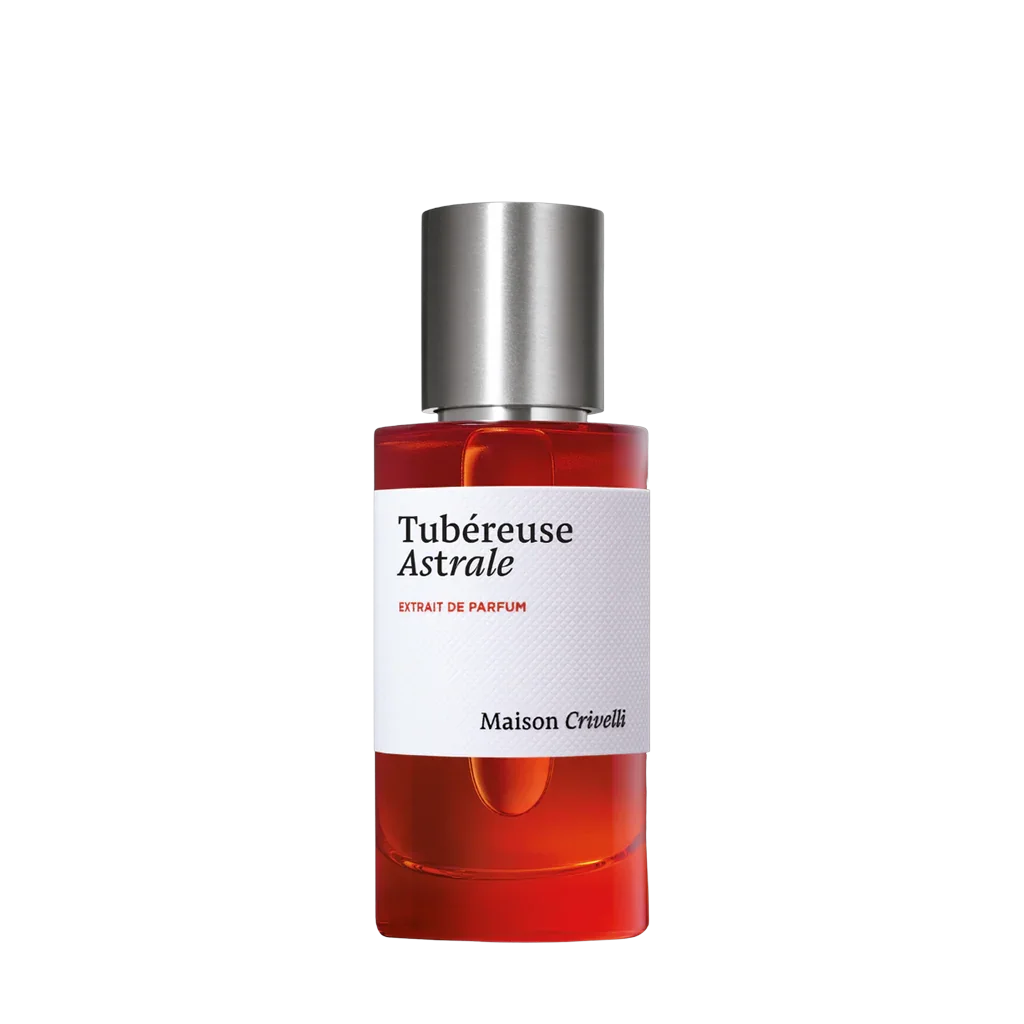
Tuberose Perfumes
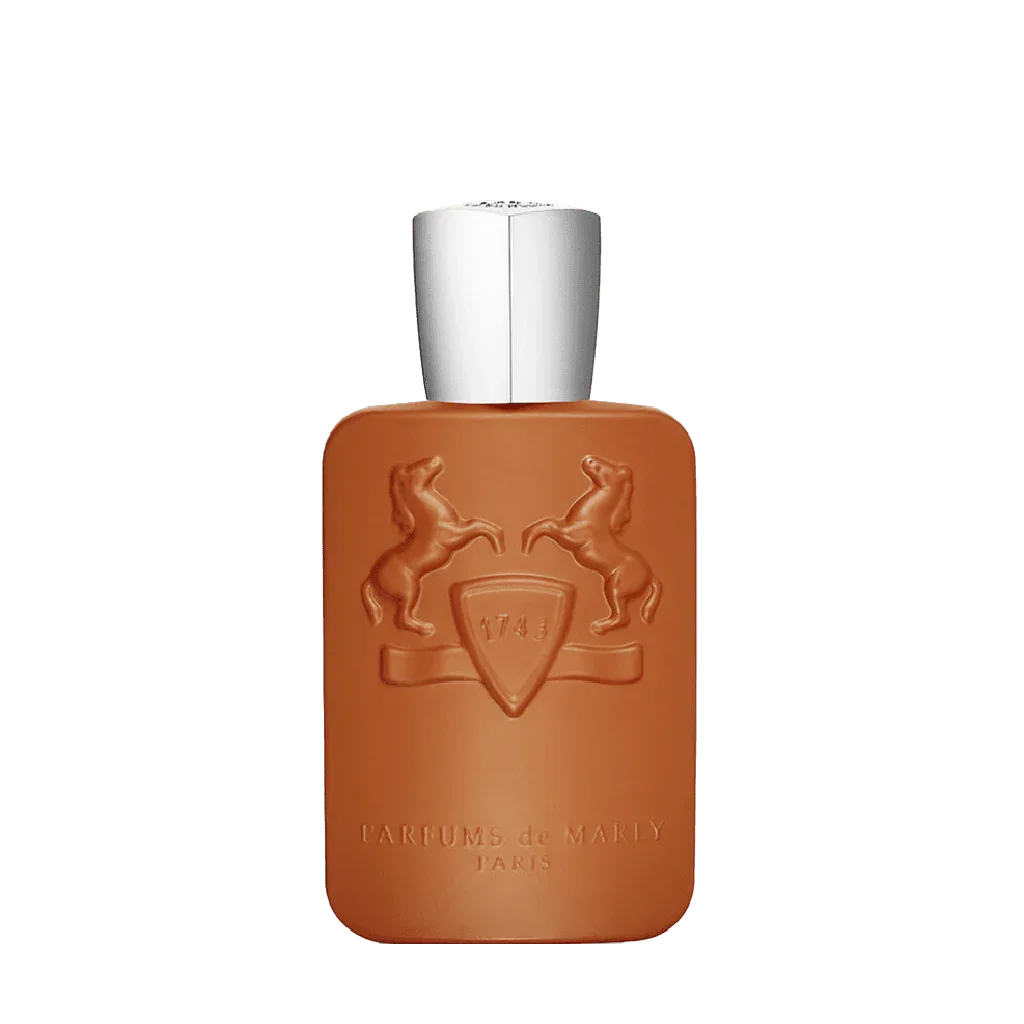
Vanilla Perfumes

Violet
Vetiver Perfumes
Juniper
Frankincense Perfumes

Spicy Perfumes

Cinnamon
Citrus Perfumes

Our fragrance news.
Curated for you.
To subscribe to our newsletter and secure your discount, please accept our cookies. Also, make sure that your ad blocker (uBlock, AdBlock) is disabled and JavaScript is enabled.
Our fragrance news.
Curated for you.
To subscribe to our newsletter and secure your discount, please accept our cookies. Also, make sure that your ad blocker (uBlock, AdBlock) is disabled and JavaScript is enabled.