
Filters
160 products



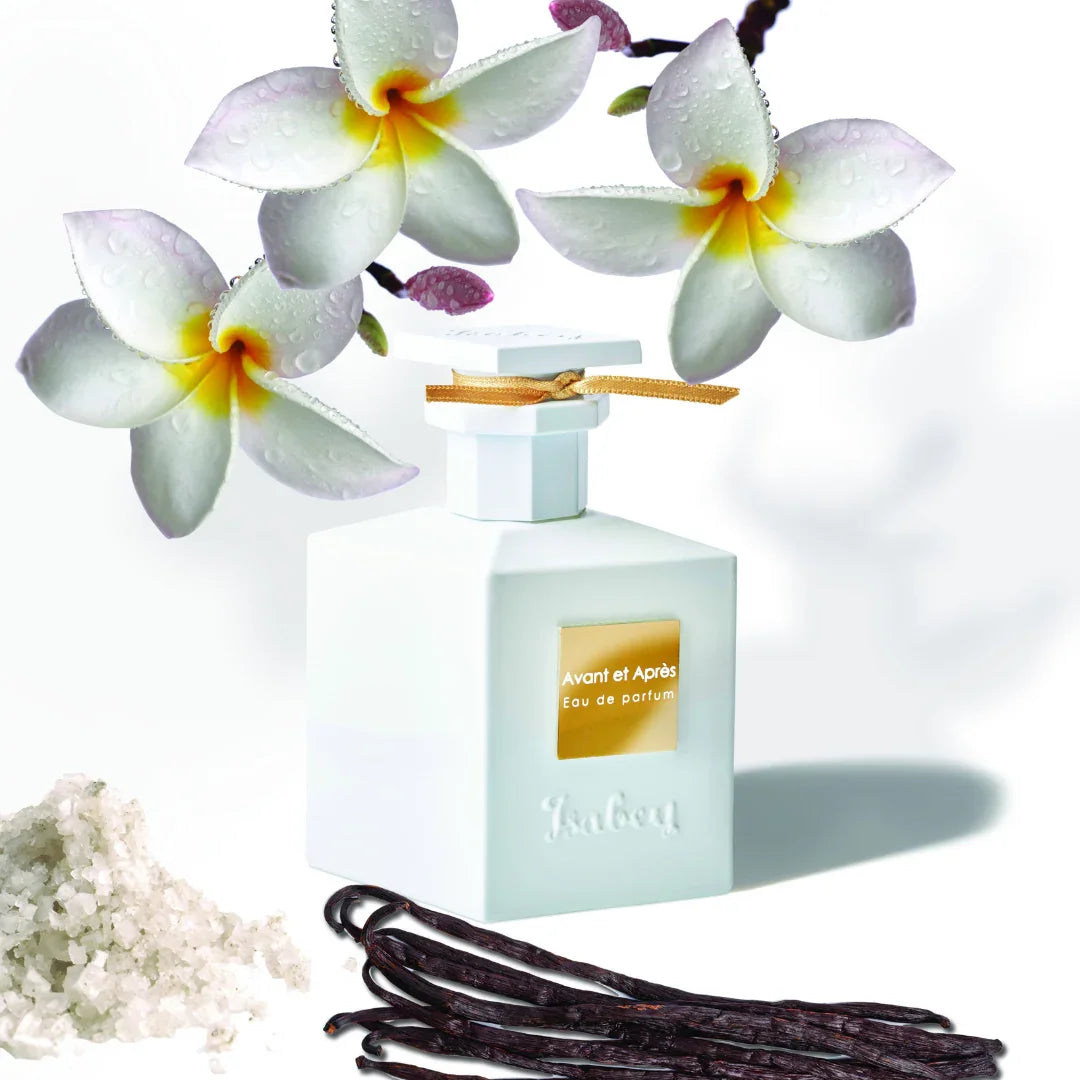
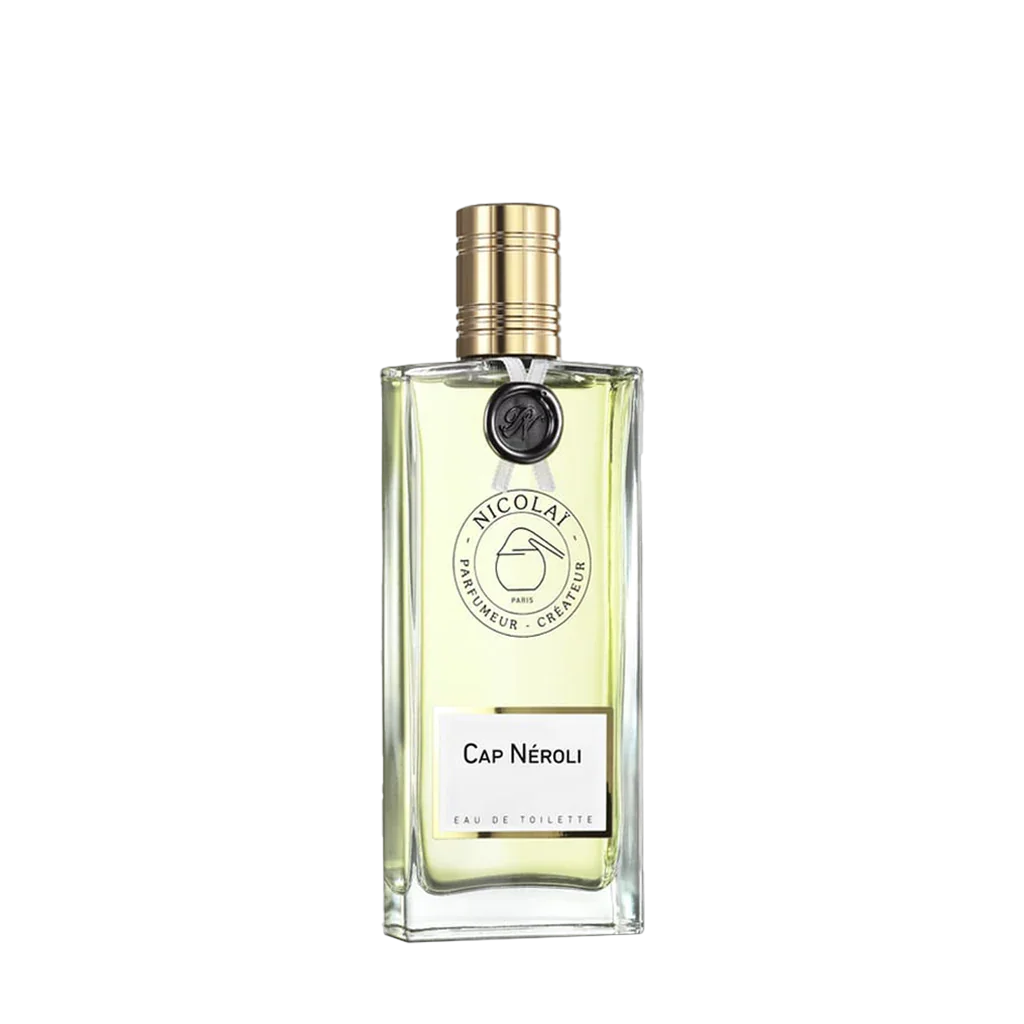
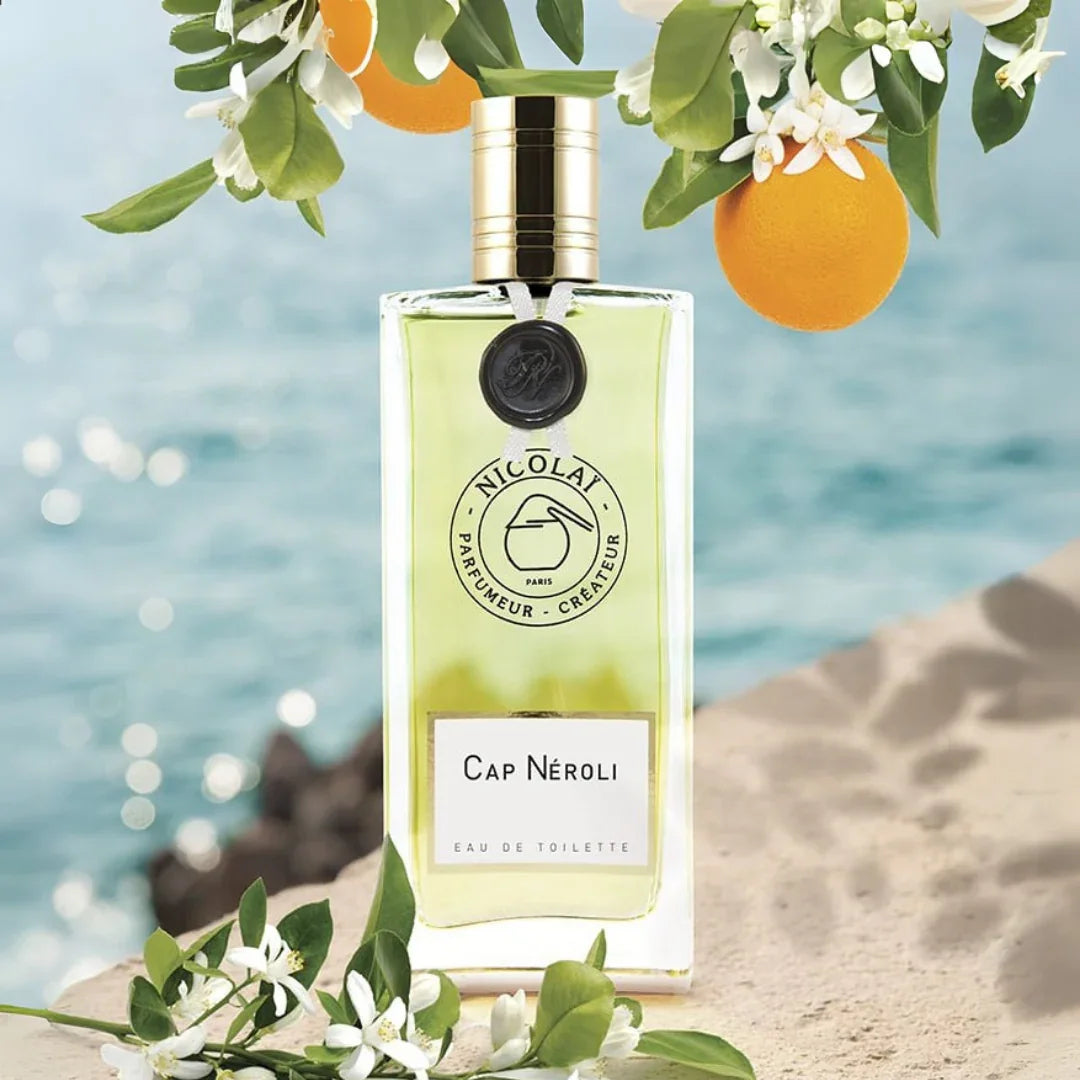
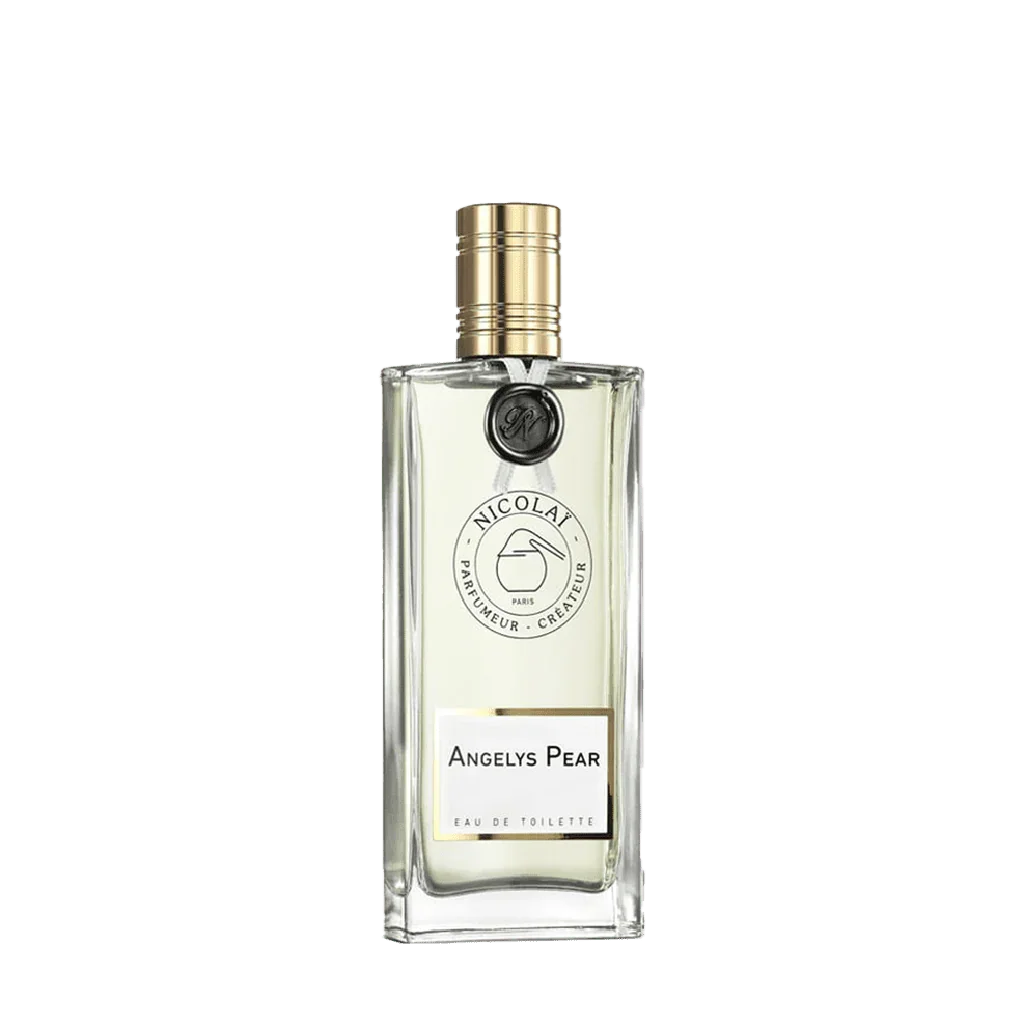
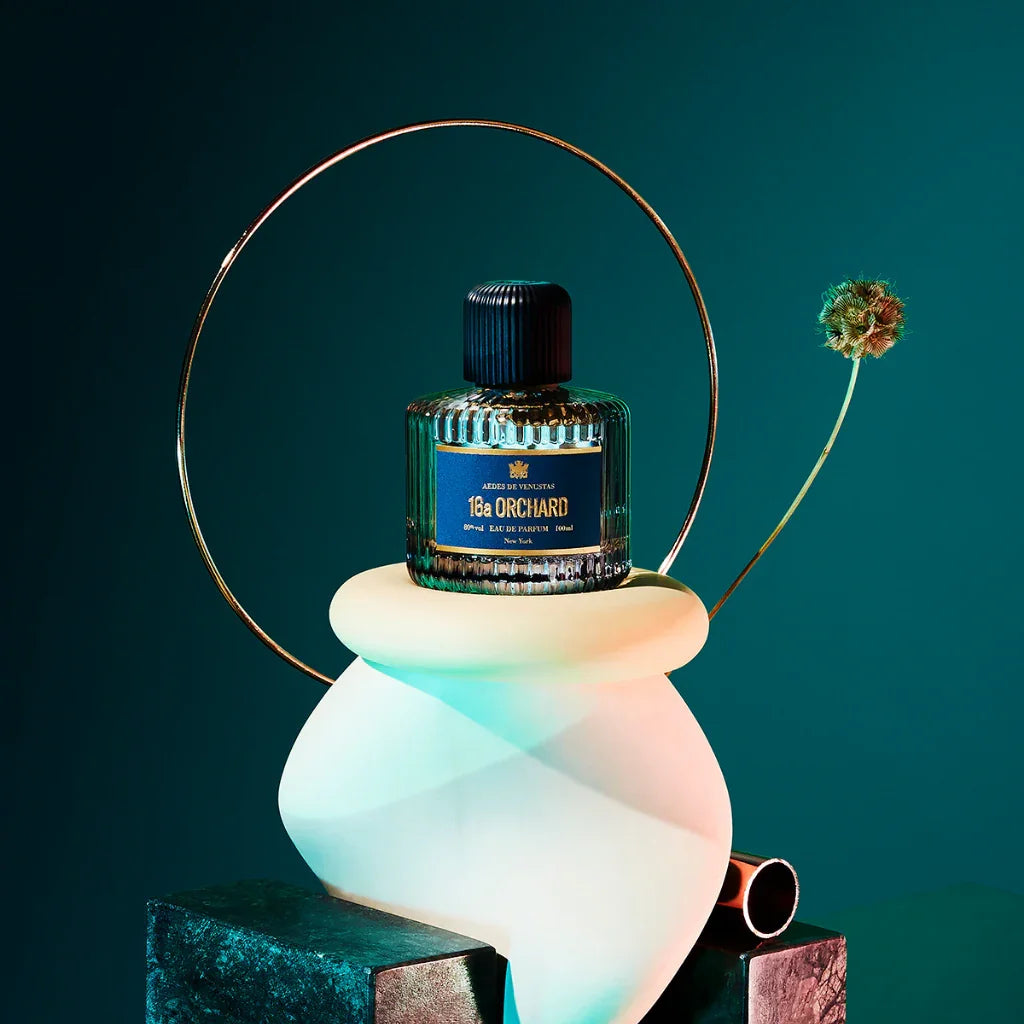
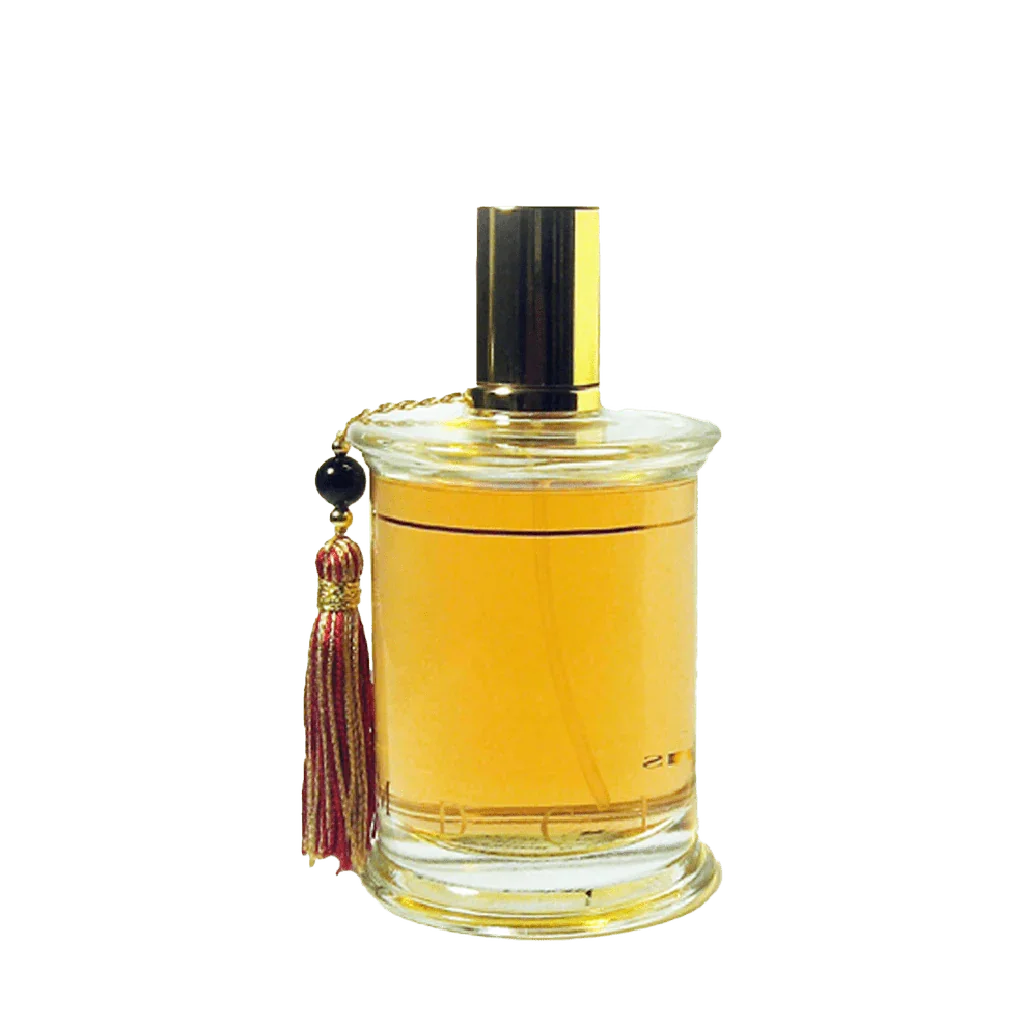
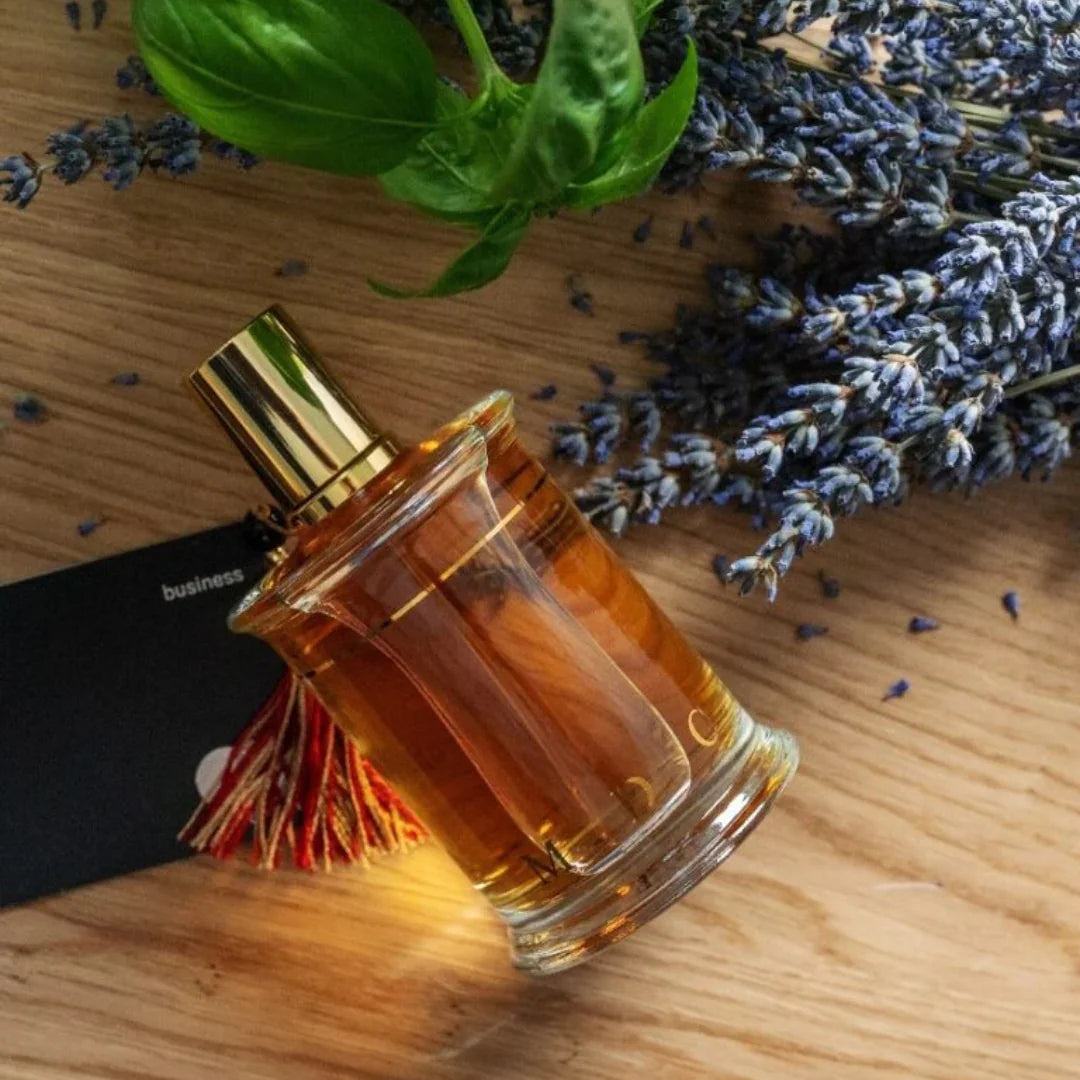
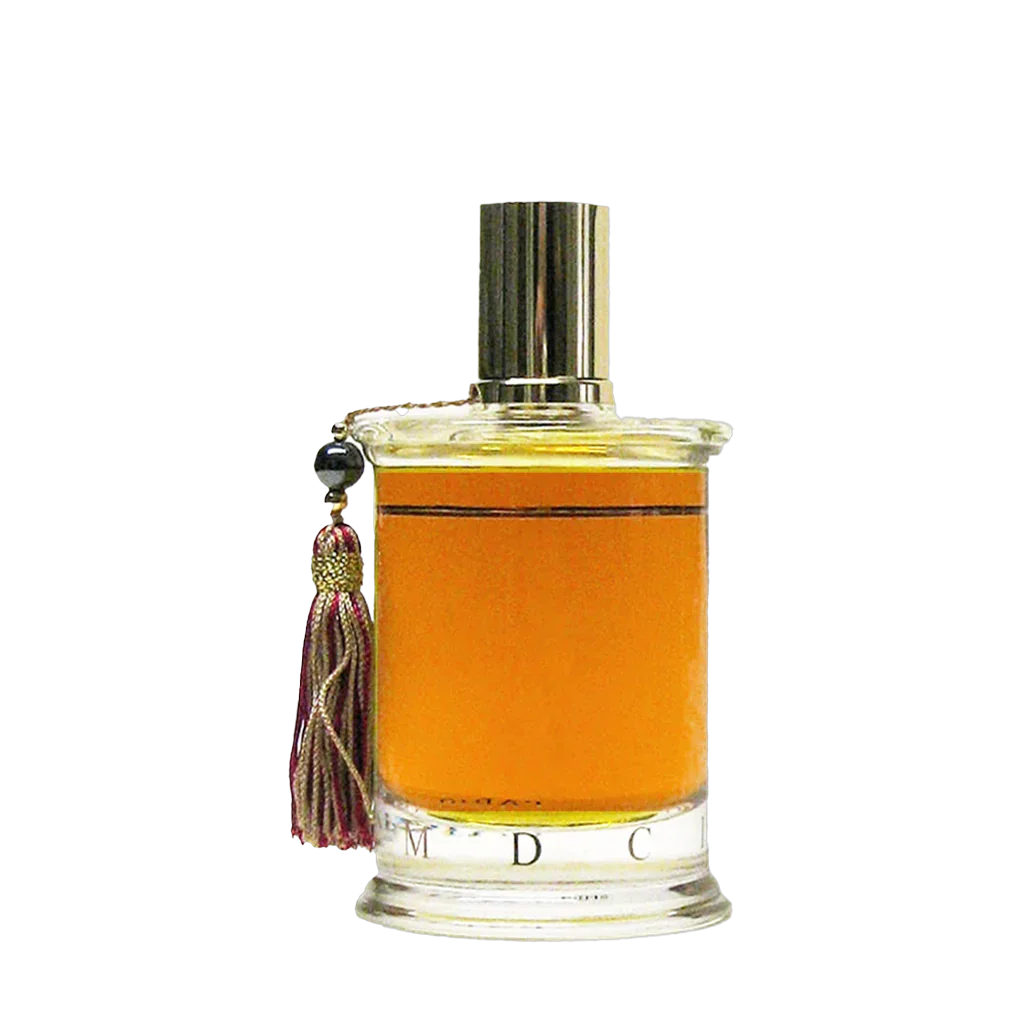


Jasmine – light, shadow, and sensual depth
Jasmine – the white flower that is never “just” pretty
Jasmine is one of those materials that reveals a perfumer’s stance. Not because it is loud, but because it is uncompromising: radiant and shadowed at once, creamy yet indolic, sometimes almost metallic-clean, sometimes warm as skin. Using jasmine well is not about floral romance—it’s about tension. That is why jasmine sits at the heart of so many great compositions, from transparent unisex perfume structures to deep, signature niche fragrance styles.
Origin – why jasmine always carries its landscape
Key producing countries shape the material dramatically, because climate, soils, and harvesting practices change the raw flower. In India—especially Tamil Nadu—jasmine often feels fuller and warmer, sometimes slightly fruity and more openly indolic. Egyptian jasmine can read darker and sun-drenched, almost velvety, with a soft depth that lingers like a shadow in the base. Morocco frequently brings greener nuances and a drier elegance. And Grasse, when available, remains the place where jasmine can show a particularly fine, silk-like diffusion—less pressing, more floating.
Species – jasmine is not one smell
Perfumery mainly relies on two species: Jasminum grandiflorum and Jasminum sambac. Jasminum grandiflorum feels more classical: floral, warm, creamy, with an elegant roundness that can tilt gently fruity. Jasminum sambac is built differently: greener, tea-like, sometimes almost orange-tinted, with a bright clarity—yet still carrying that discreet, sensual density that makes jasmine unmistakable. The difference is not a nuance; it’s a shift in aesthetic.
Harvest – the decisive hours between flower and extraction
Jasmine forgives no delay. The flowers are typically picked in the cool hours, often before sunrise. Then the clock starts: the faster the processing, the cleaner the floral radiance and the more precise the balance between light and shadow. If the material sits too long, it can drift into heavier, duller tones—and lose the living tension that defines high-grade jasmine.
Extraction routes – method is style
The classic route is solvent extraction: the flowers first become a concrete, then a jasmine absolute. A good jasmine absolute is rich, deep, and skin-close: creamy floral volume with that characteristic indolic warmth that reads as human, not decorative. An absolute rarely feels “clean.” It feels real—and that is exactly why it’s so valued in luxury niche perfumery.
There is also traditional enfleurage, historically tied to Grasse. It is rare today, but olfactorily compelling: softer, rounder, like a silky film—less sharply outlined, more organically flowing. Modern CO₂ extractions exist as well: they can capture a clearer, more detailed portrait of the flower, often with finer transparency and less heavy base warmth—depending on parameters and, crucially, the quality of the blossoms. Done well, CO₂ can make jasmine feel brighter without thinning it out.
Quality – how you recognise a great jasmine
Great jasmine is never one-dimensional. It often opens with a bright, almost sparkling floral lift, moves through green (and sometimes subtly fruity) transitions, and settles into a warm, sensual depth that lasts. Poorer grades either smell flat-floral in a generic way, or they turn muddy and heavy, lacking life. The best quality has tension: clean light on top, human warmth beneath, and a breathing texture in between.
Jasmine in modern composition – structure, not a bouquet
In contemporary perfumery, jasmine is less “a flower” than architecture. It adds volume without automatically becoming sweet. It carries woods like sandalwood and cedar, makes amber structures more pliant, and can pull citrus openings—think bergamot or neroli—into a more elegant, adult direction. In many niche fragrance formulas, jasmine is the discreet binder: it connects, smooths, deepens—often without being instantly recognisable as “jasmine.” That quiet power is its true luxury.
Copyright by scent amor © 2026 (grw)
Frequently asked Questions about Jasmine
Why is Jasmine considered one of the most expensive raw materials in the world, and what does "King of Oils" mean?
What is the difference between Jasmine Grandiflorum and Jasmine Sambac?
What is meant by the term "indoles," and why does Jasmine sometimes smell a bit "dirty"?
How does synthetic Jasmine (Hedione) differ from natural absolute in its effect?
Discover all fragrances
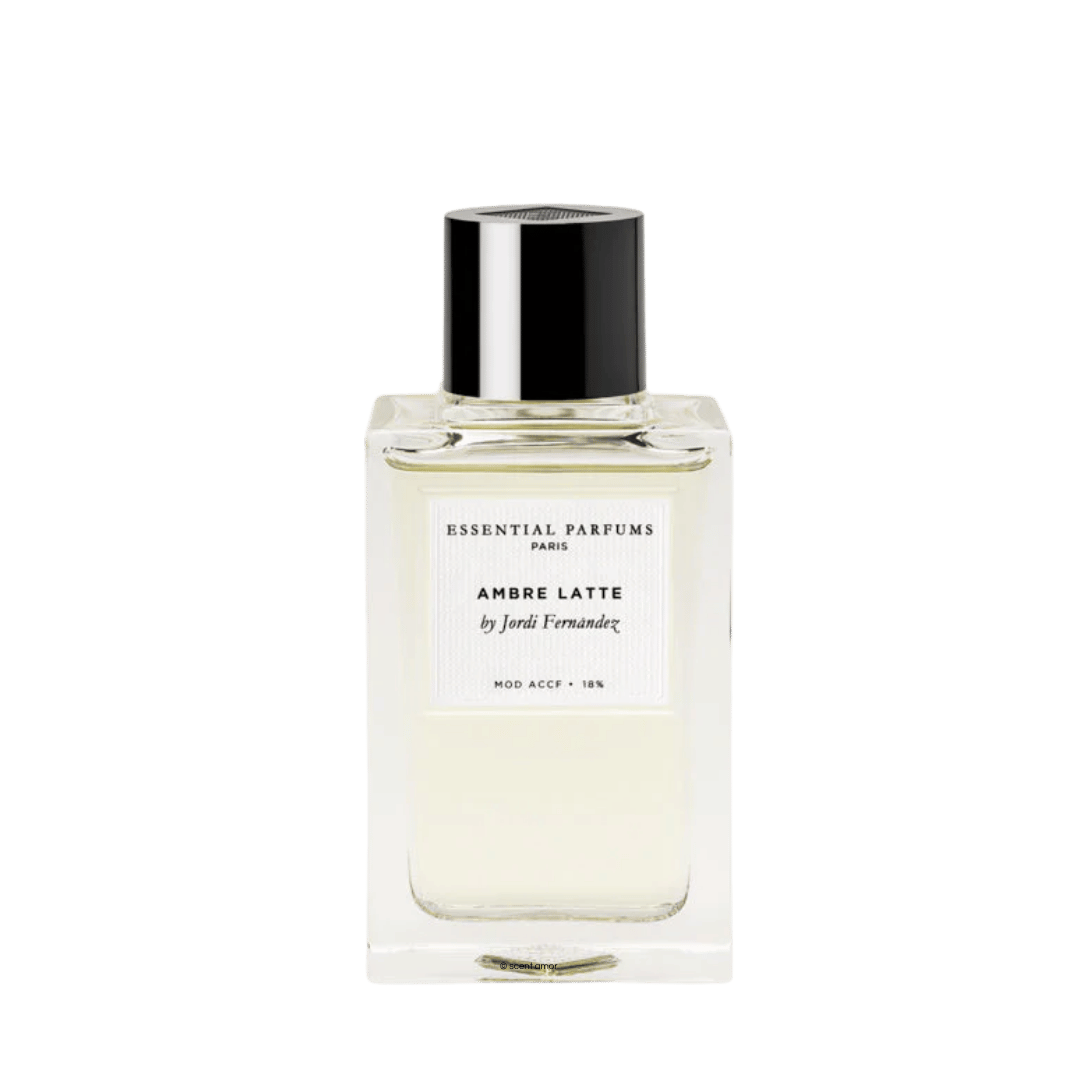
Amber Perfumes
Ambergris Perfumes

Ambroxan
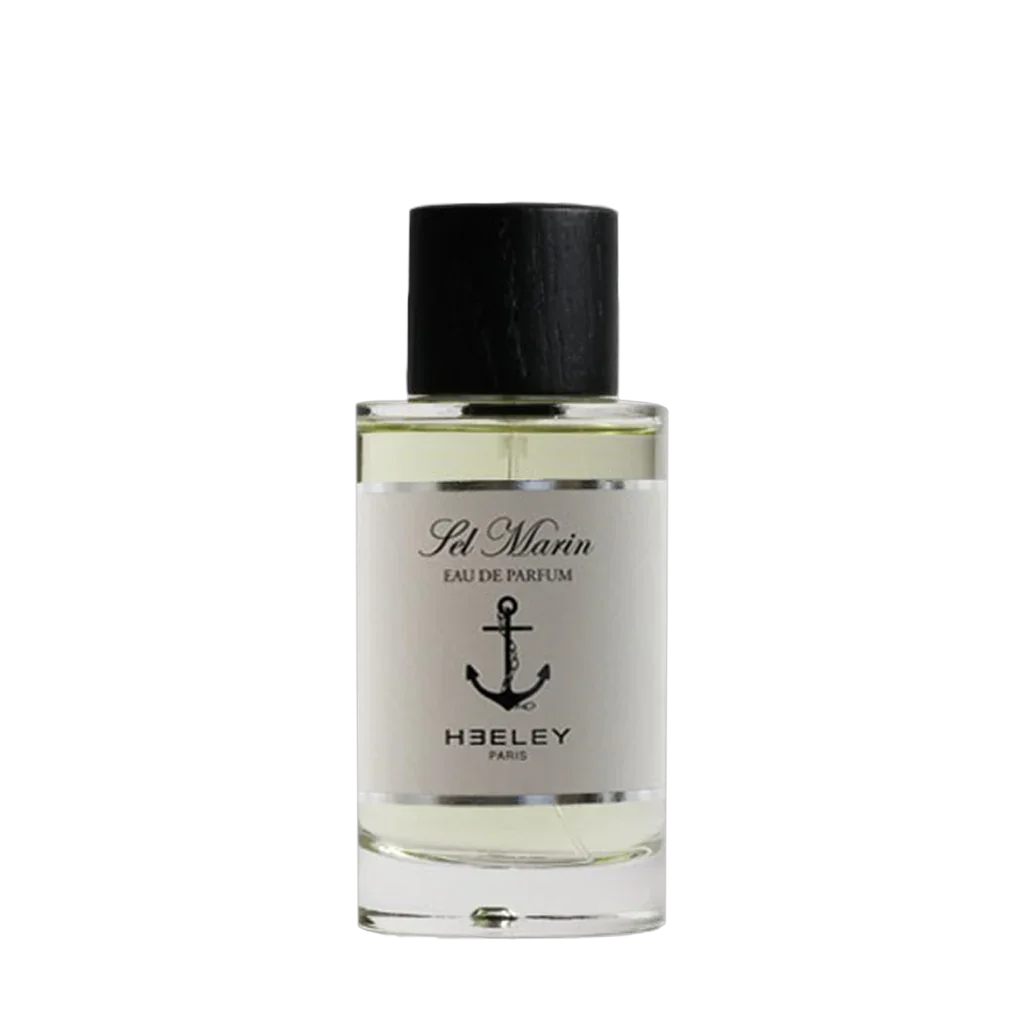
Aquatic Perfumes
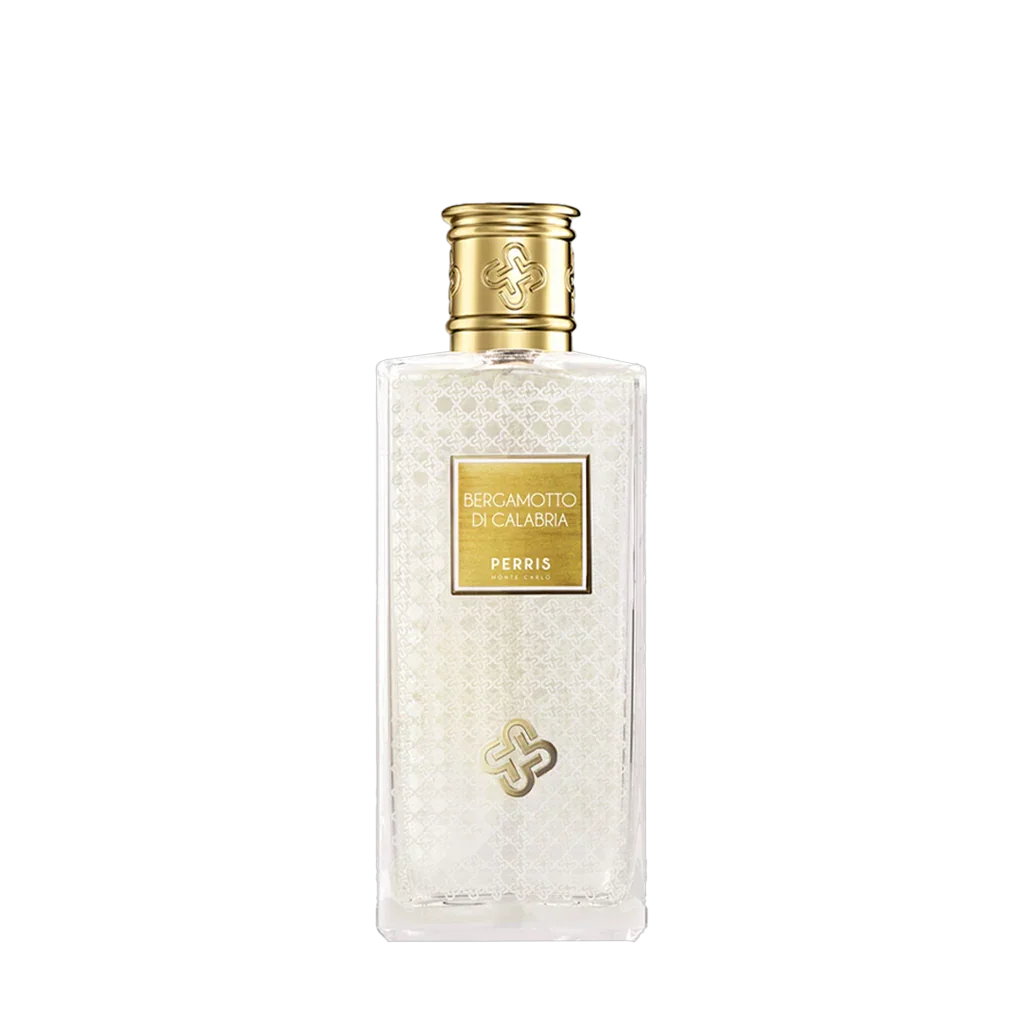
Bergamot Note
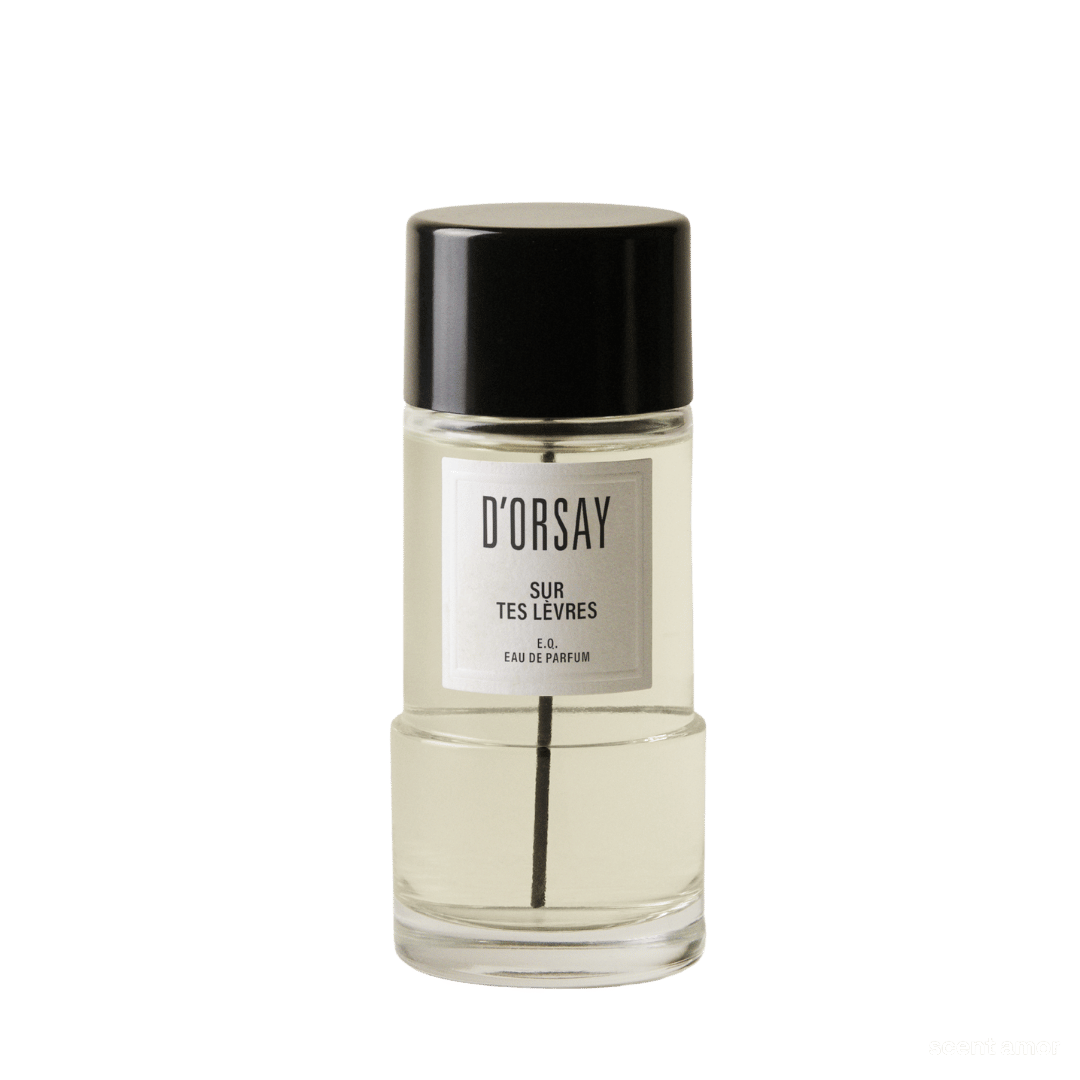
Cashmeran
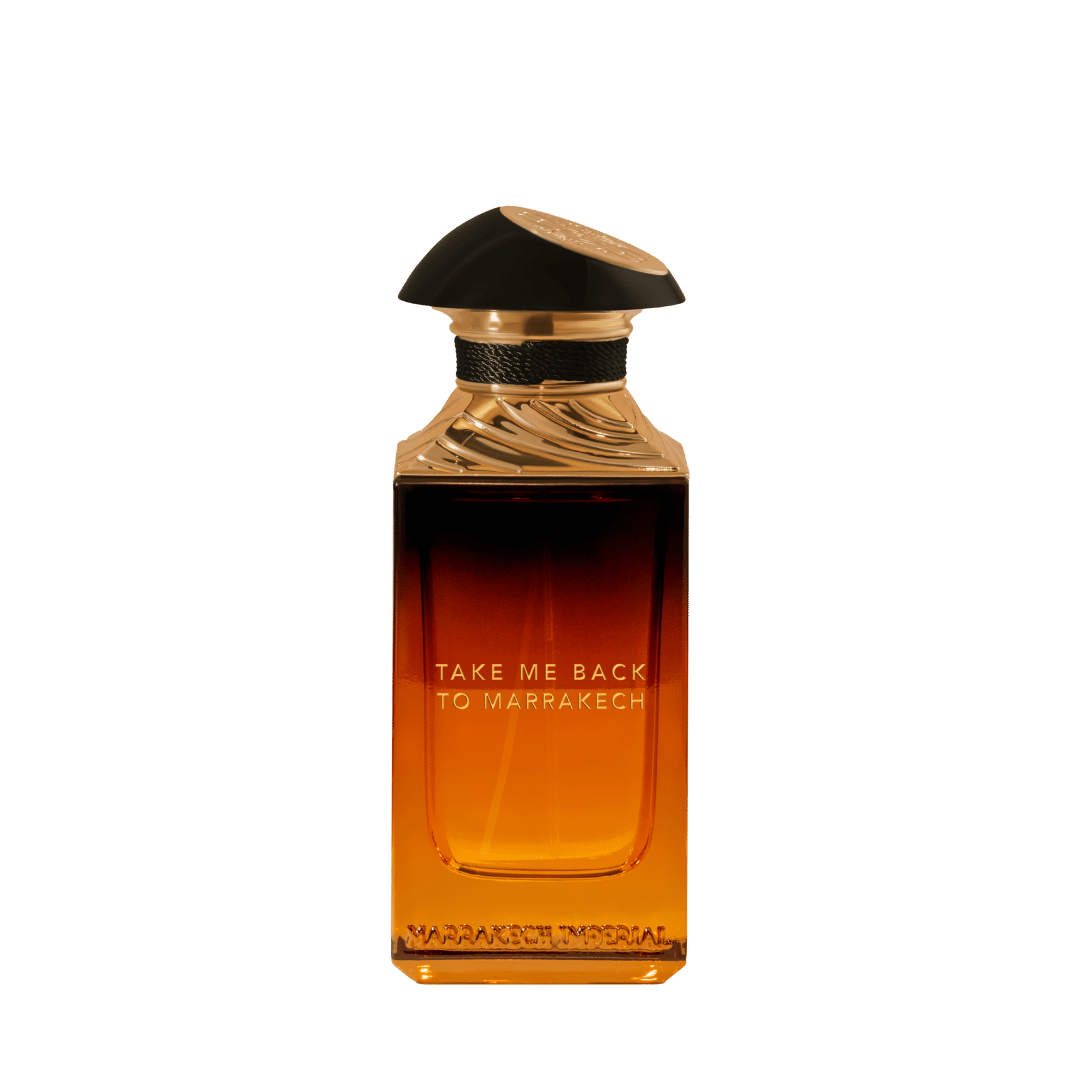
Chypre Perfumes
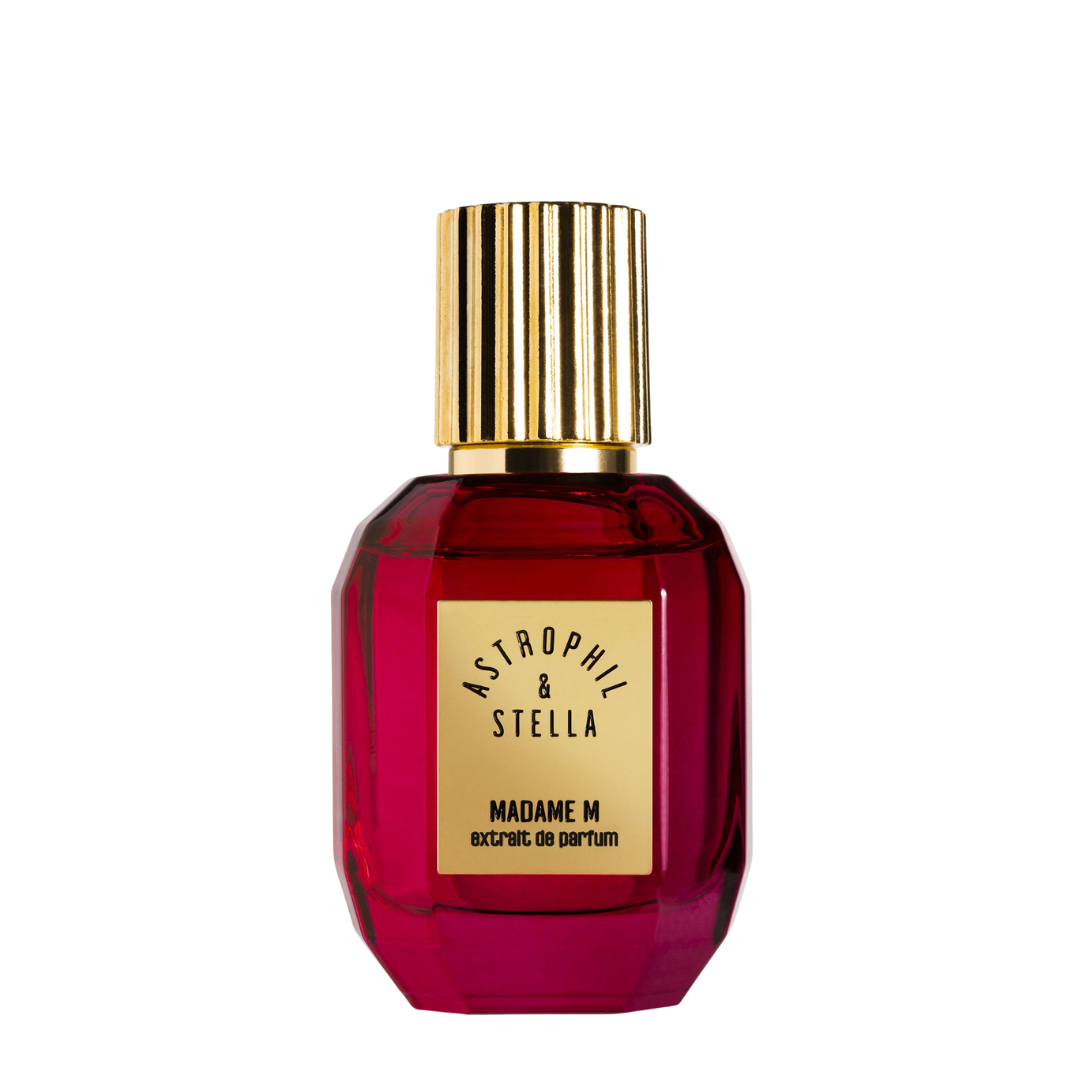
Floral - Flowery Perfumes
Fougère Perfumes
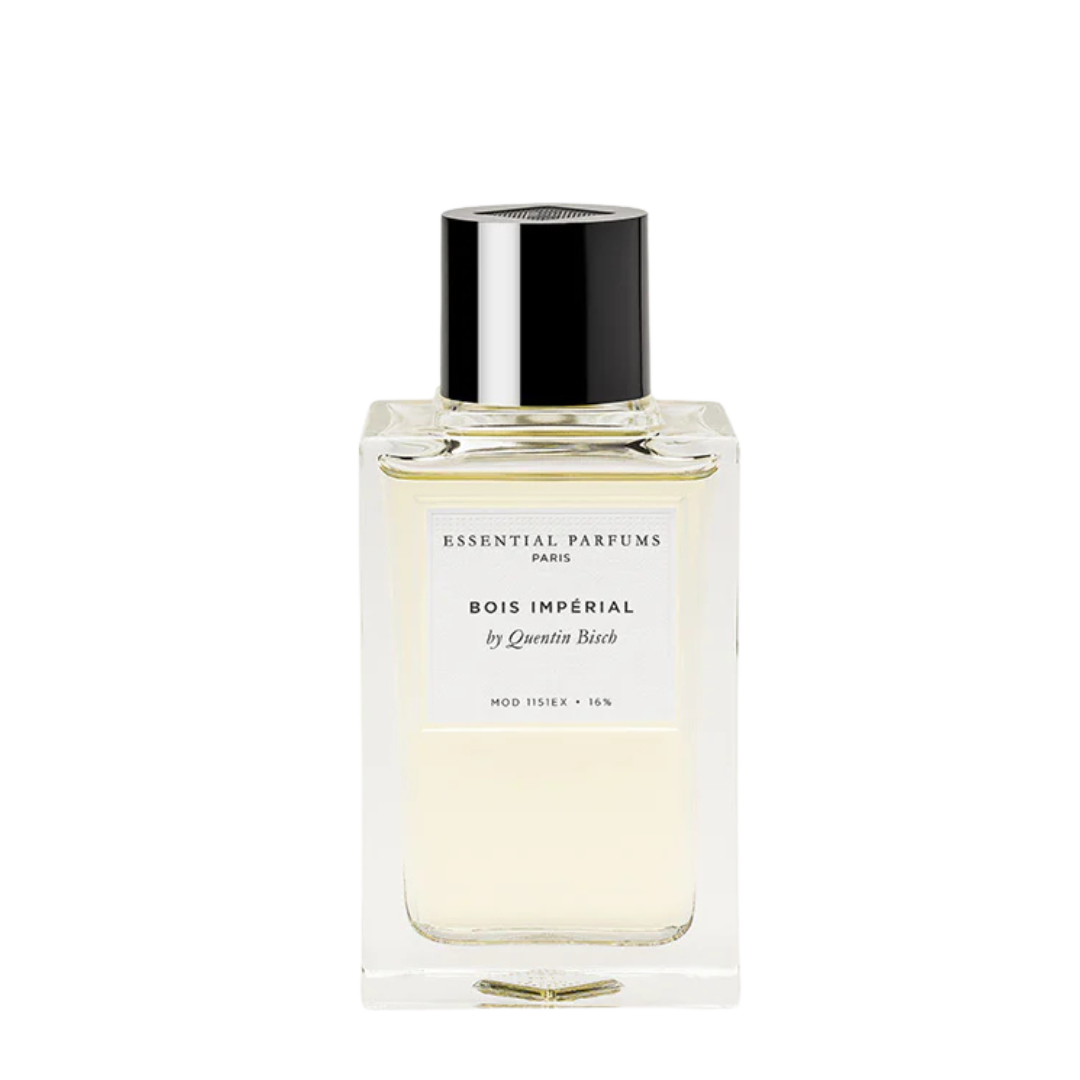
Fresh Perfumes
Fruity Perfumes
Gourmand Perfumes
Green Perfumes
Woody Perfumes

Iris Perfumes

ISO E Super
Jasmine
Lavender Note
Leder Parfums
Lily of the valley
Mint
Musk Perfumes
Myrrh
Neroli Note
Orientalische Parfums
Osmanthus
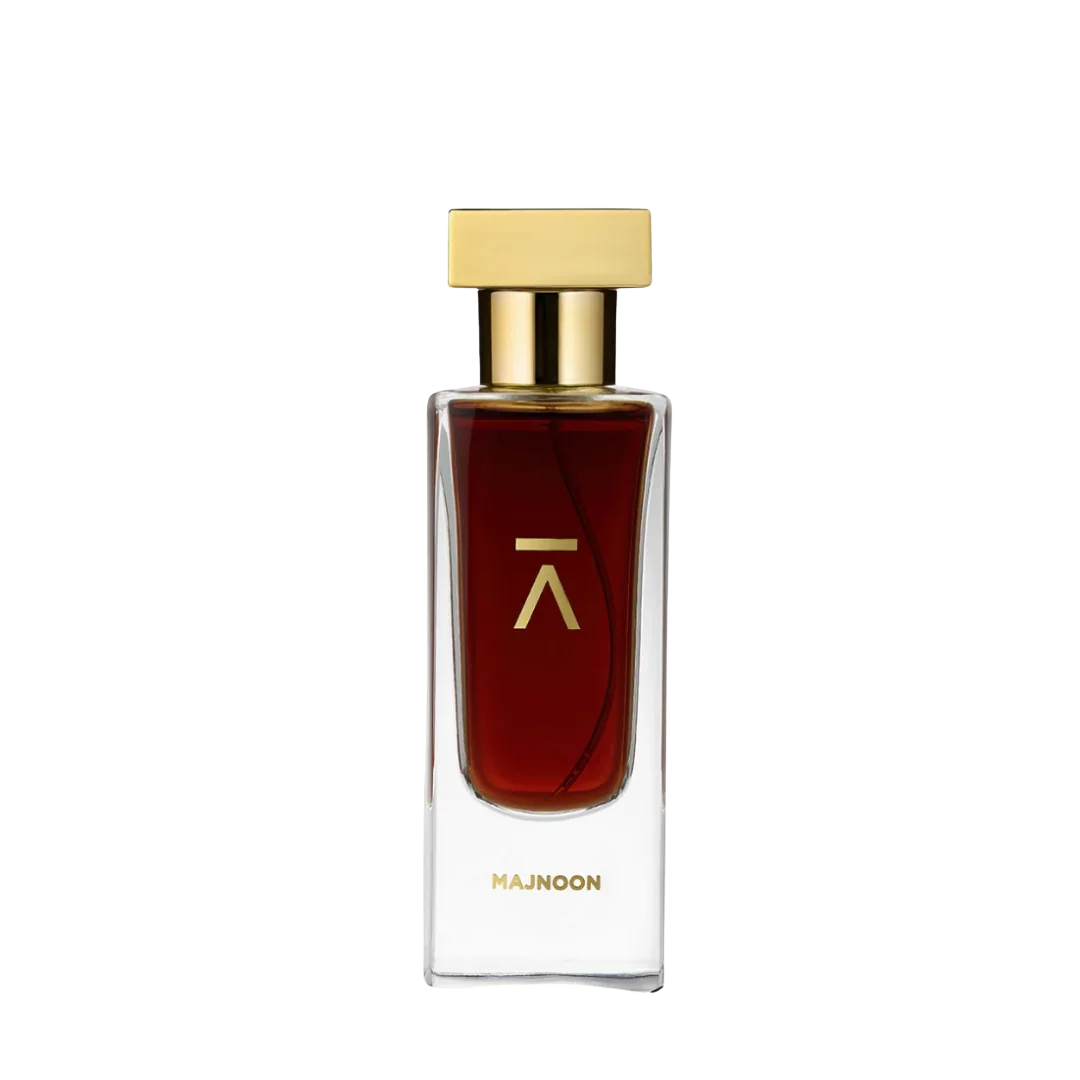
Oud Perfumes
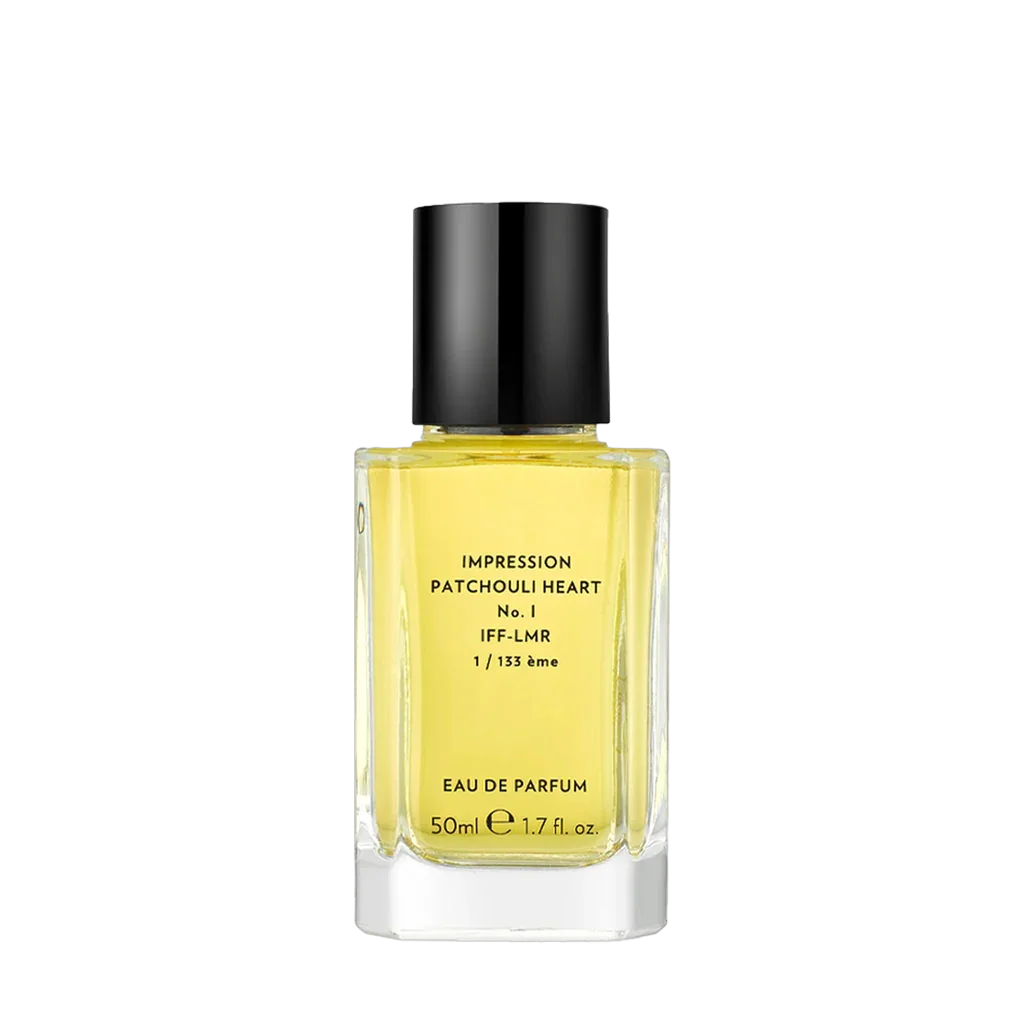
Patchouli Perfumes
Petitgrain Note
Pepper Notes

Powdery Perfumes

Rose Perfumes
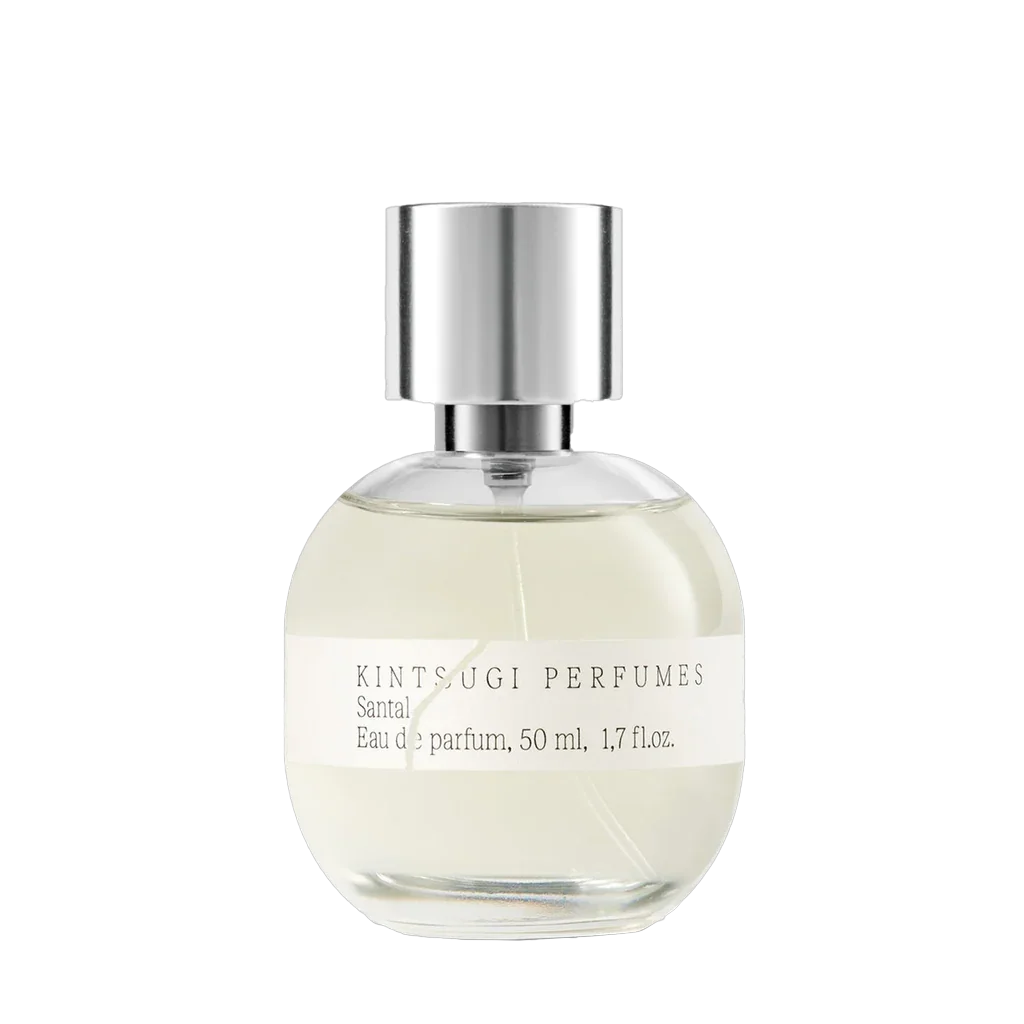
Sandalwood Note
Sweet Perfumes
Synthetic Perfume Molecules
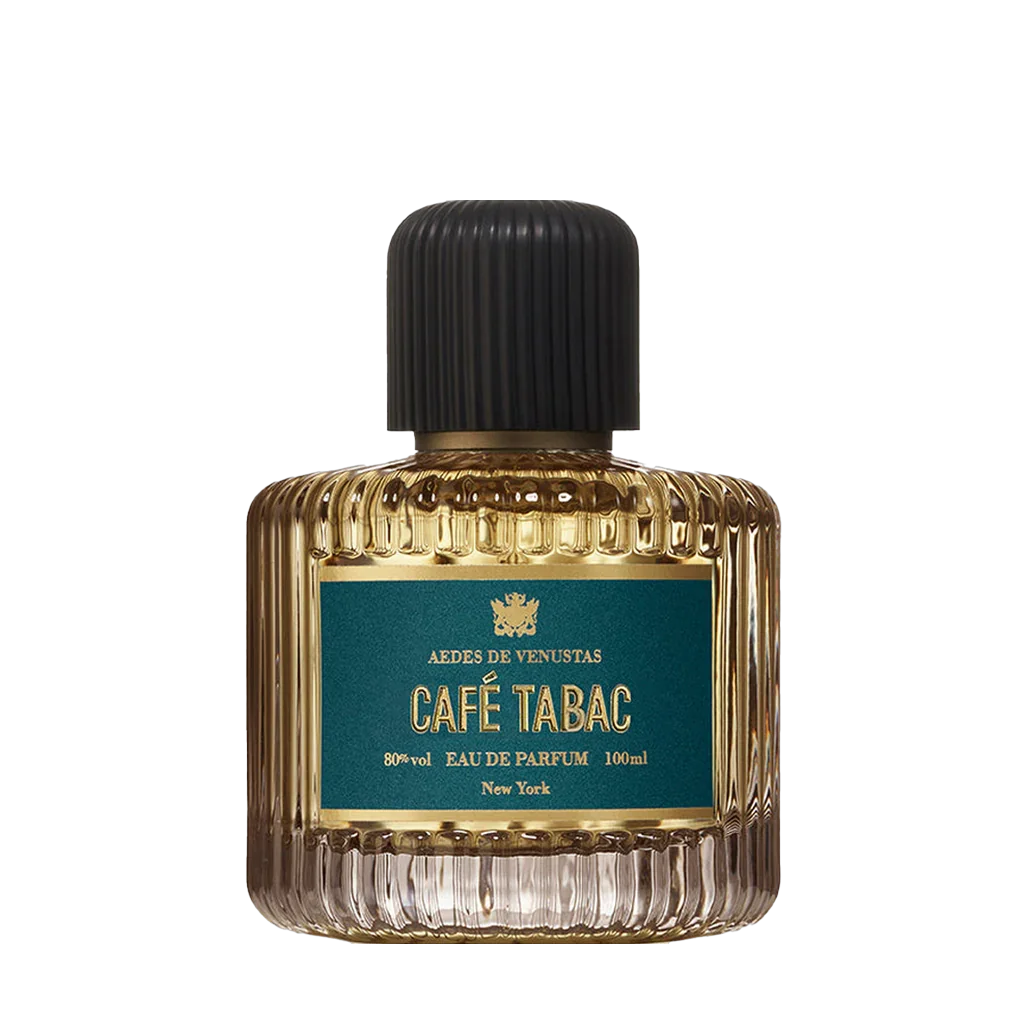
Tobacco Perfumes
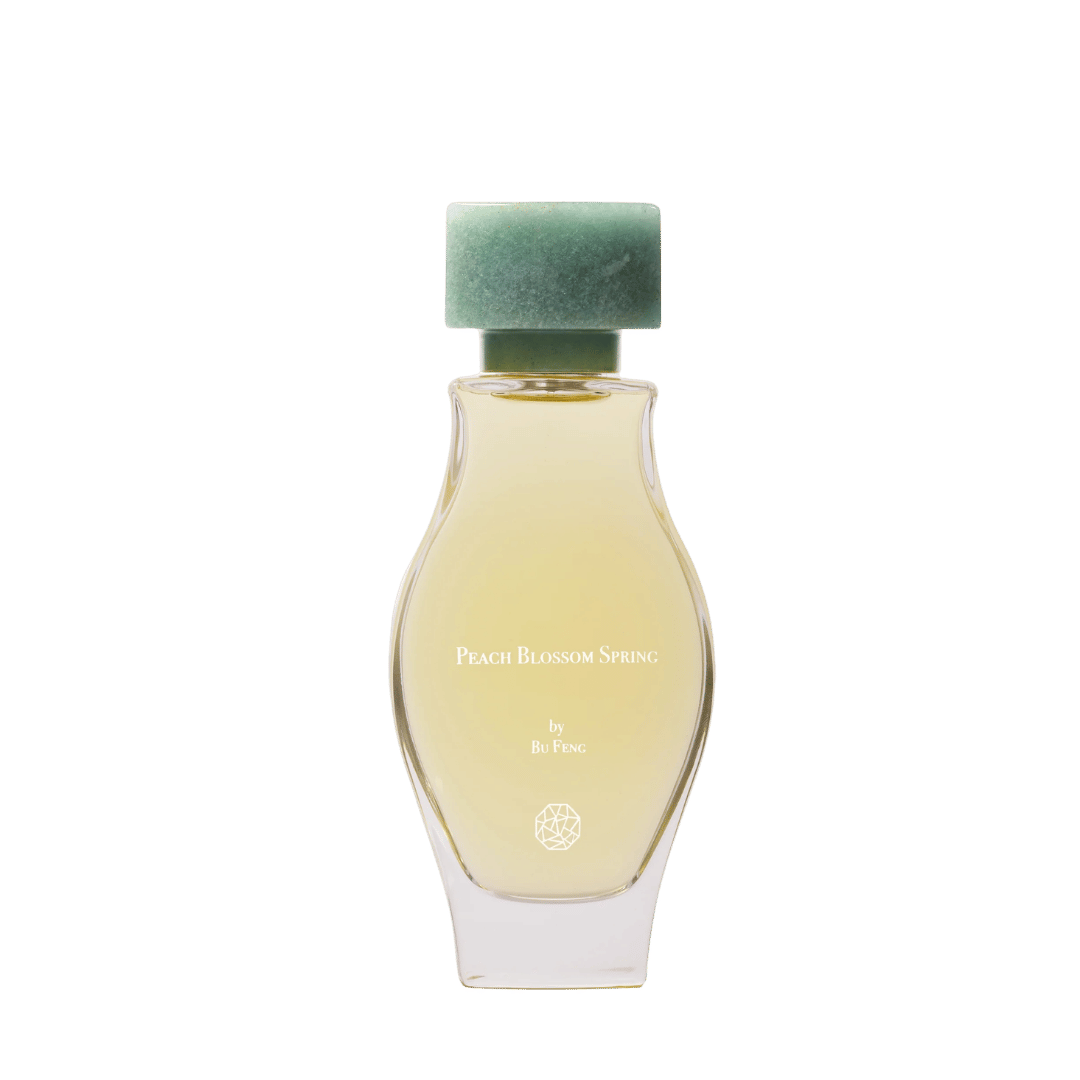
Tropical Perfumes
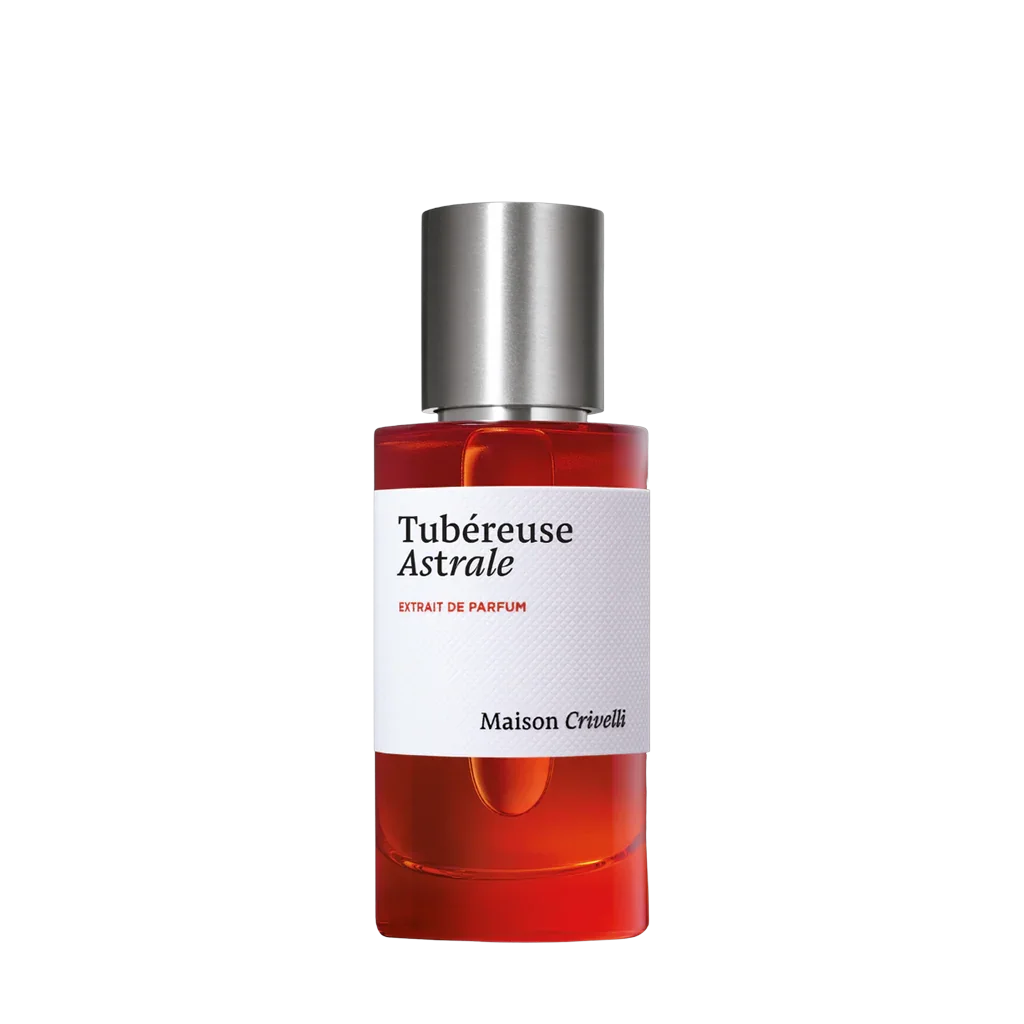
Tuberose Perfumes
Vanilla Perfumes

Violet
Vetiver Perfumes
Juniper
Frankincense Perfumes

Spicy Perfumes

Cinnamon
Citrus Perfumes

Our fragrance news.
Curated for you.
To subscribe to our newsletter and secure your discount, please accept our cookies. Also, make sure that your ad blocker (uBlock, AdBlock) is disabled and JavaScript is enabled.
Our fragrance news.
Curated for you.
To subscribe to our newsletter and secure your discount, please accept our cookies. Also, make sure that your ad blocker (uBlock, AdBlock) is disabled and JavaScript is enabled.