
Filters
41 products










Petitgrain – the green structural power of the bitter orange tree
Petitgrain – the green, tart backbone essence of the bitter orange tree
Petitgrain is one of the most honest, purest, and yet most underrated raw materials in perfumery. It doesn't come from the blossom like neroli, nor from the peel like bergamot, but from the leaves and young twigs of the bitter orange tree. This gives it a distinctive profile: green, tart, woody-citrusy, with a dry core that provides freshness without ever becoming overly fruity. Petitgrain is the structuring side of the citrus universe – precise, botanical, mature.
Origin and character – why region and climate become audible
Traditionally, the highest quality petitgrain oils come from Paraguay, Italy and North Africa.
– Paraguay delivers the driest, woodiest and greenest qualities – clear, serious, with austere linearity.
– Tunisia appears somewhat rounder, softer, with subtle floral elements in the background.
– Italy shows a lighter, citrusy-green profile – lively, fresh, almost aromatic-floral.
Each country of origin reflects its microclimates: sun, precipitation, soils – all of this shifts the balance between green tartness, bright citrus signature and dry woodiness.
Production – why petitgrain is a matter of timing
The fragrance is produced almost exclusively through steam distillation . Fresh leaves and young twigs are processed in this process.
Timing determines quality:
Very young leaves bring out more citrus brightness.
Older leaves produce drier, woodier shades.
– A high proportion of young twigs emphasizes the aromatic bitterness and reinforces the characteristic green-woody backbone.
CO₂ extracts exist but are rarely used; they produce a denser, almost velvety appearance of the material – less brittle, somewhat rounder.
Olfactory qualities – the spectrum from light to dark green
Petitgrain Bigarade – the classic green bitter orange
Fresh, dry, tart-citrusy, slightly woody. The purest form for modern unisex perfume compositions.
Petitgrain Citronnier – made from lemon leaves
Brighter, more citrusy, somewhat lighter, with a subtle sweetness.
Petitgrain Mandarinier – made from mandarin leaves
Softer, more aromatic and floral, with a warm citrus shimmer.
These varieties all share the same structural concept, but their temperaments differ: the bitter orange is green and tart, the lemon is clear and fresh, the mandarin orange is round and slightly floral.
Petitgrain today – freshness with depth instead of a citrus postcard.
Petitgrain is the antithesis of diffuse citrus freshness. It brings order, clarity, and a sophisticated aromatic quality to niche fragrances , men's fragrances , and unisex compositions . It blends effortlessly with vetiver , cedarwood , bergamot , neroli , ambergris , and aromatic herbs.
It feels like a clean cut in fragrance – green, dry, structured. No perfume theatrics, no sweetness, no decoration. Petitgrain is precision you can feel.
Copyright by scent amor © 2025 (grw)
Frequently asked Questions about Petitgrain Note
What exactly is Petitgrain, and how does it olfactorily differ from Neroli and Bitter Orange?
Why is Petitgrain such a crucial building block in niche perfumery, especially in the modern interpretation of Eau de Cologne?
Which quality characteristics are crucial for Petitgrain, and where does the best oil originate?
With which other fragrance notes does Petitgrain harmonize particularly well, and how does it affect a scent's sillage?
Discover all fragrances
Amber Perfumes
Ambergris Perfumes

Ambroxan
Aquatic Perfumes
Bergamot Note
Cashmeran
Chypre Perfumes
Floral - Flowery Perfumes
Fougère Perfumes
Fresh Perfumes
Fruity Perfumes
Gourmand Perfumes
Green Perfumes
Woody Perfumes

Iris Perfumes

ISO E Super
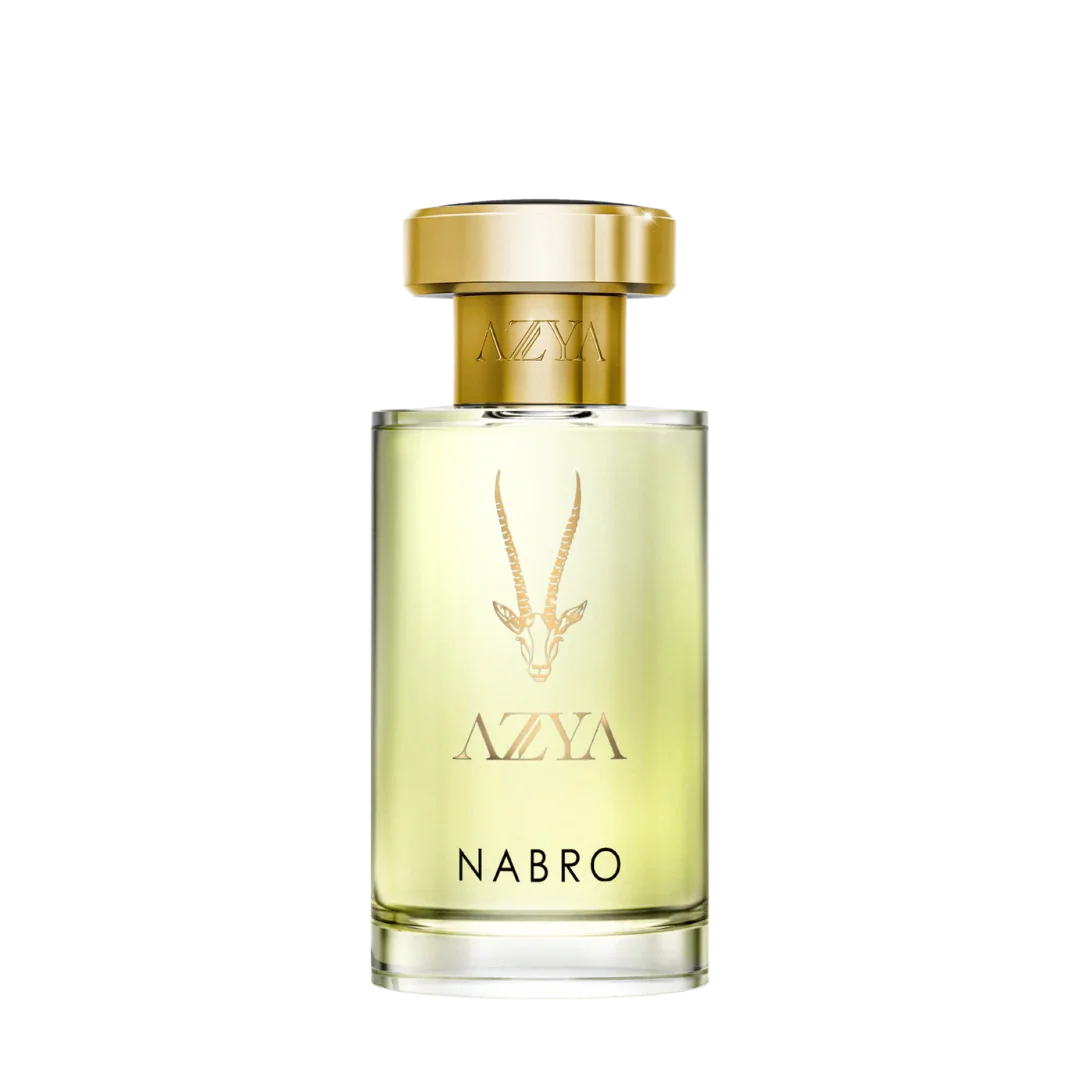
Jasmine
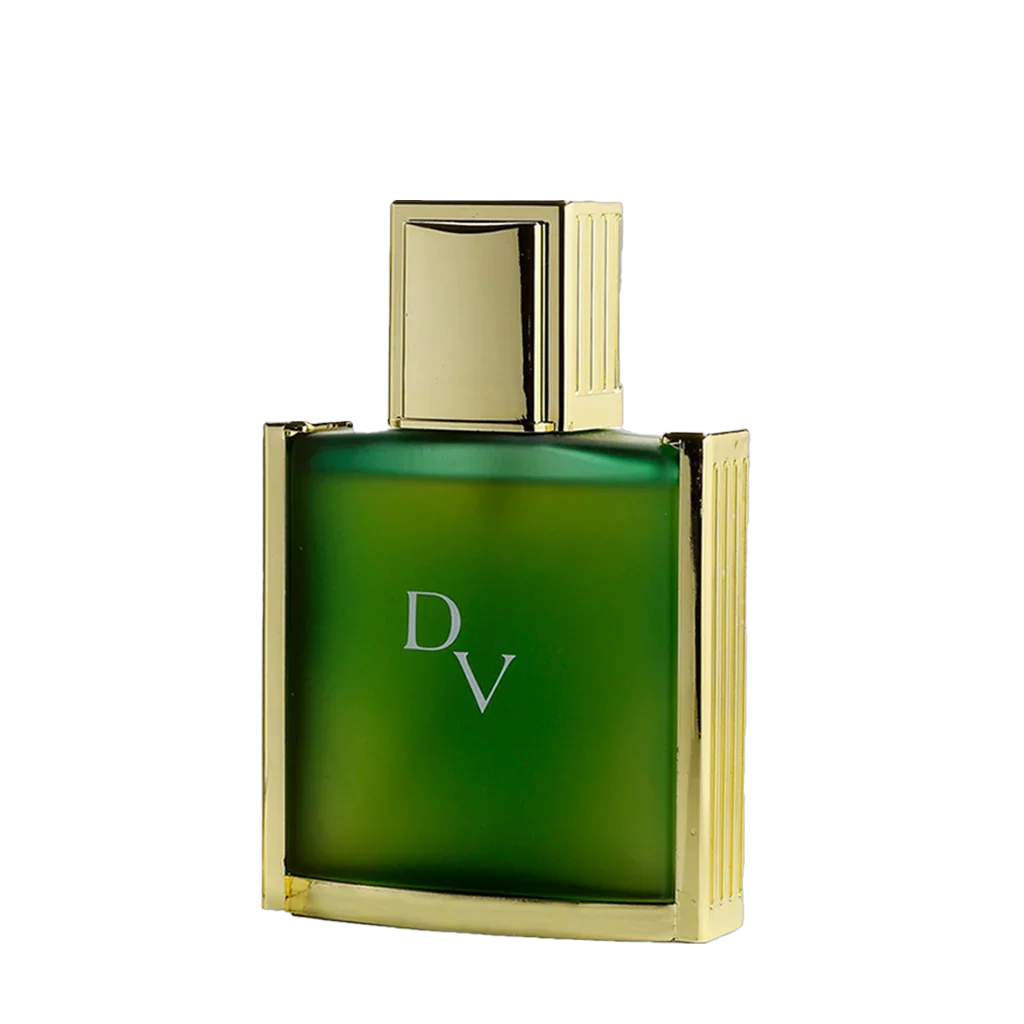
Lavender Note
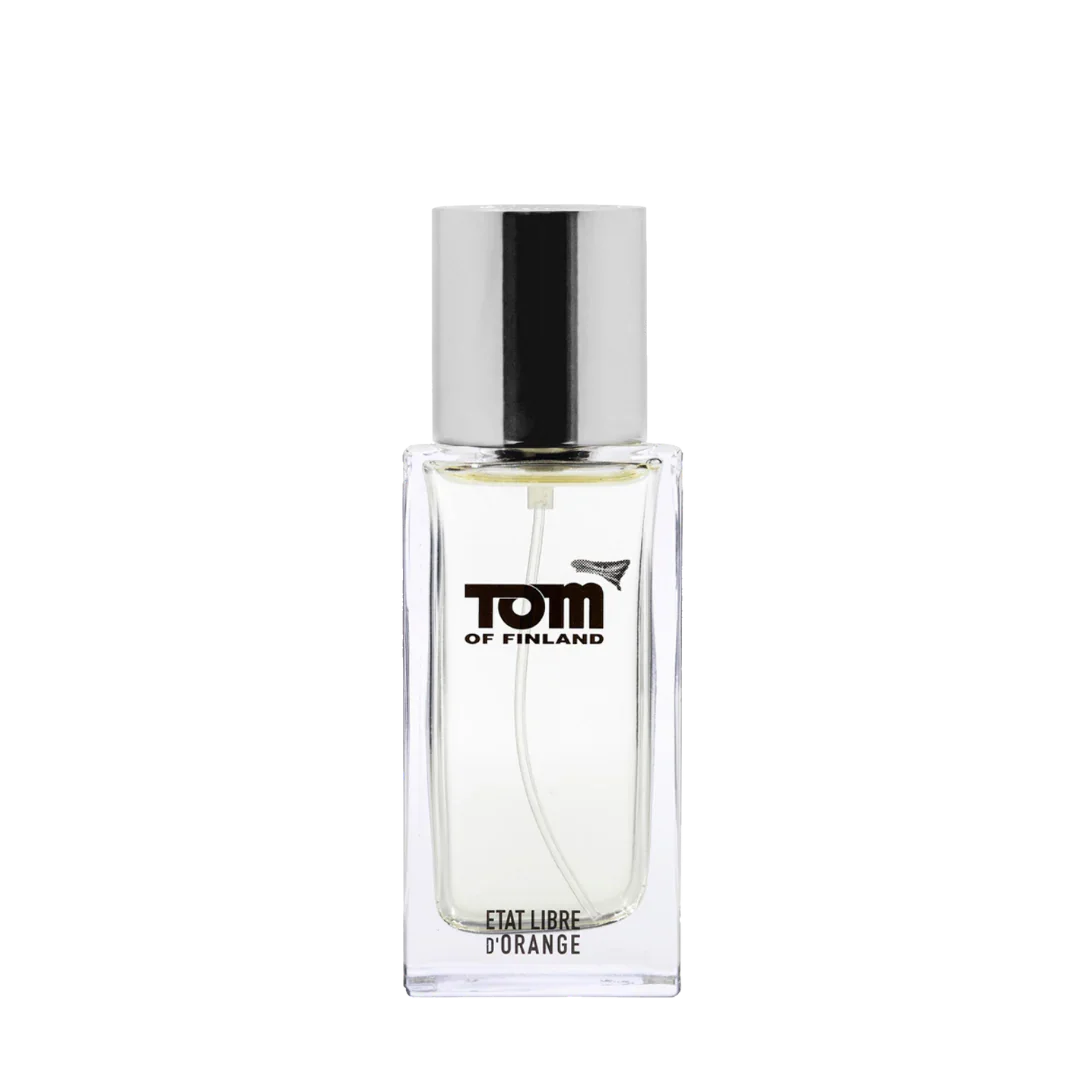
Leder Parfums
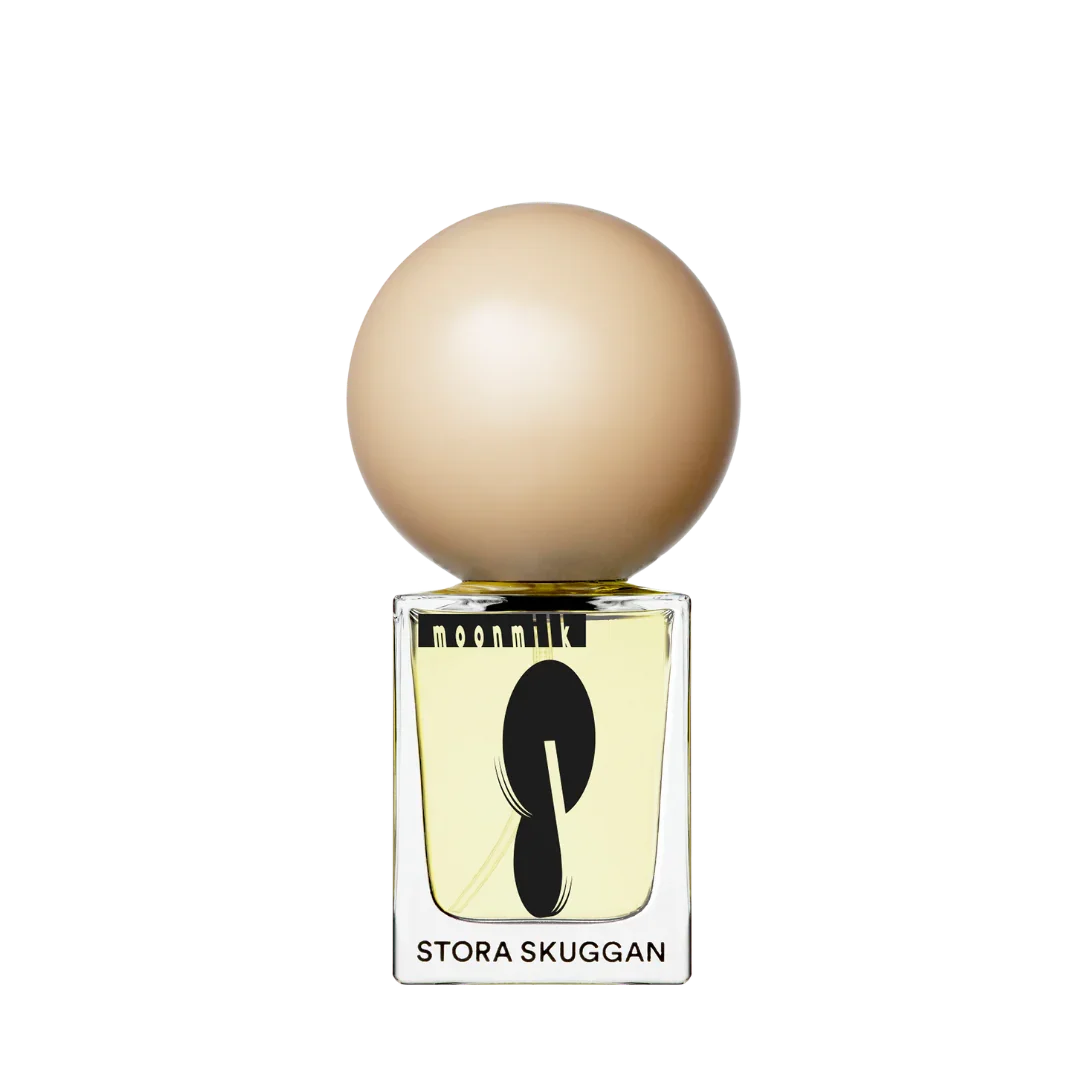
Lily of the valley
Mint
Musk Perfumes
Myrrh
Neroli Note
Orientalische Parfums
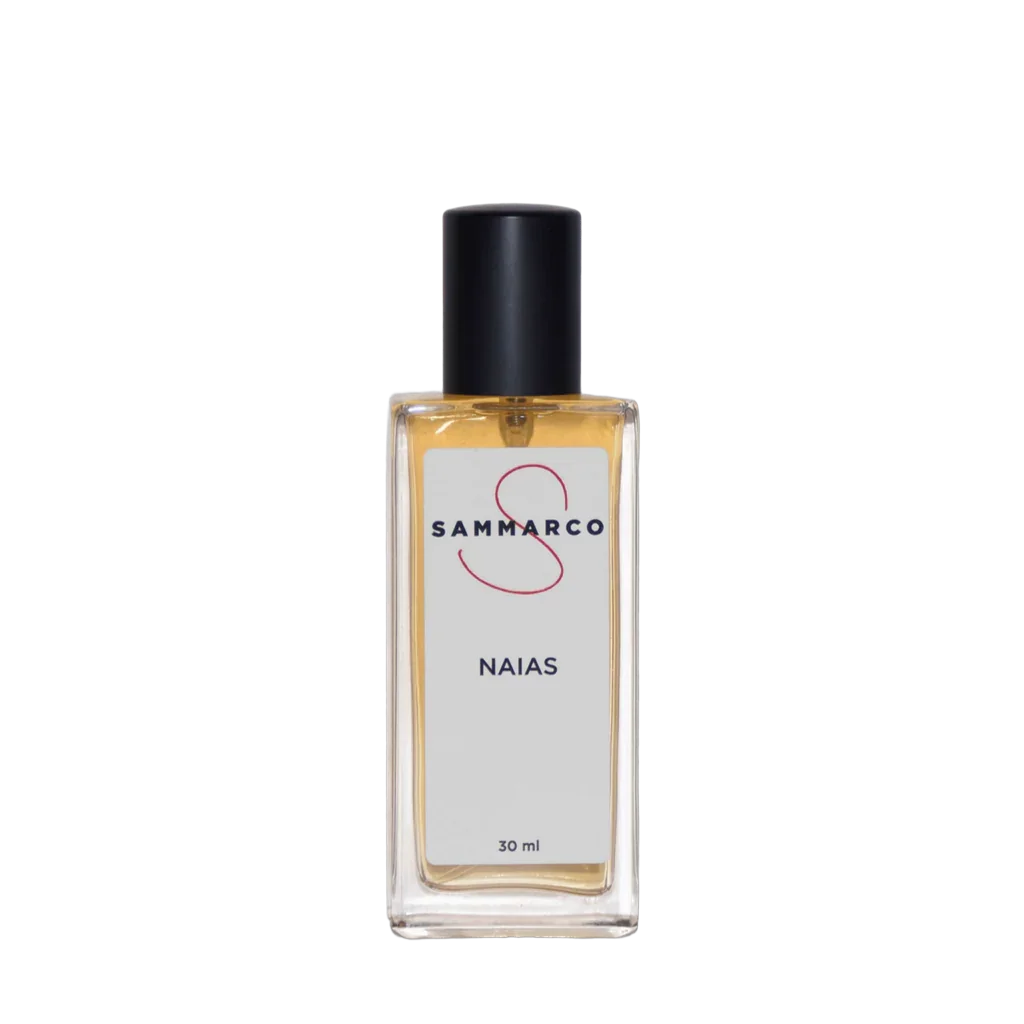
Osmanthus
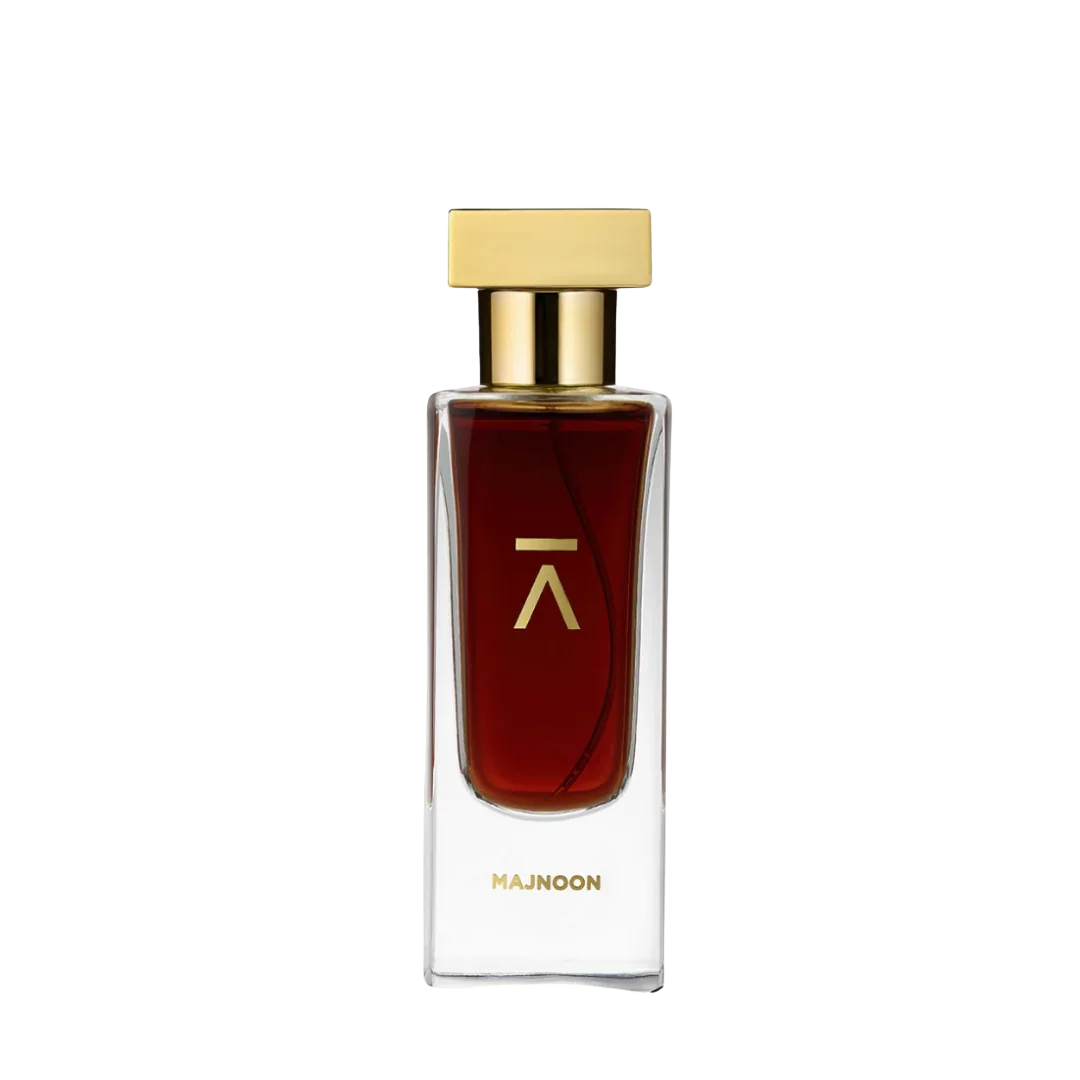
Oud Perfumes
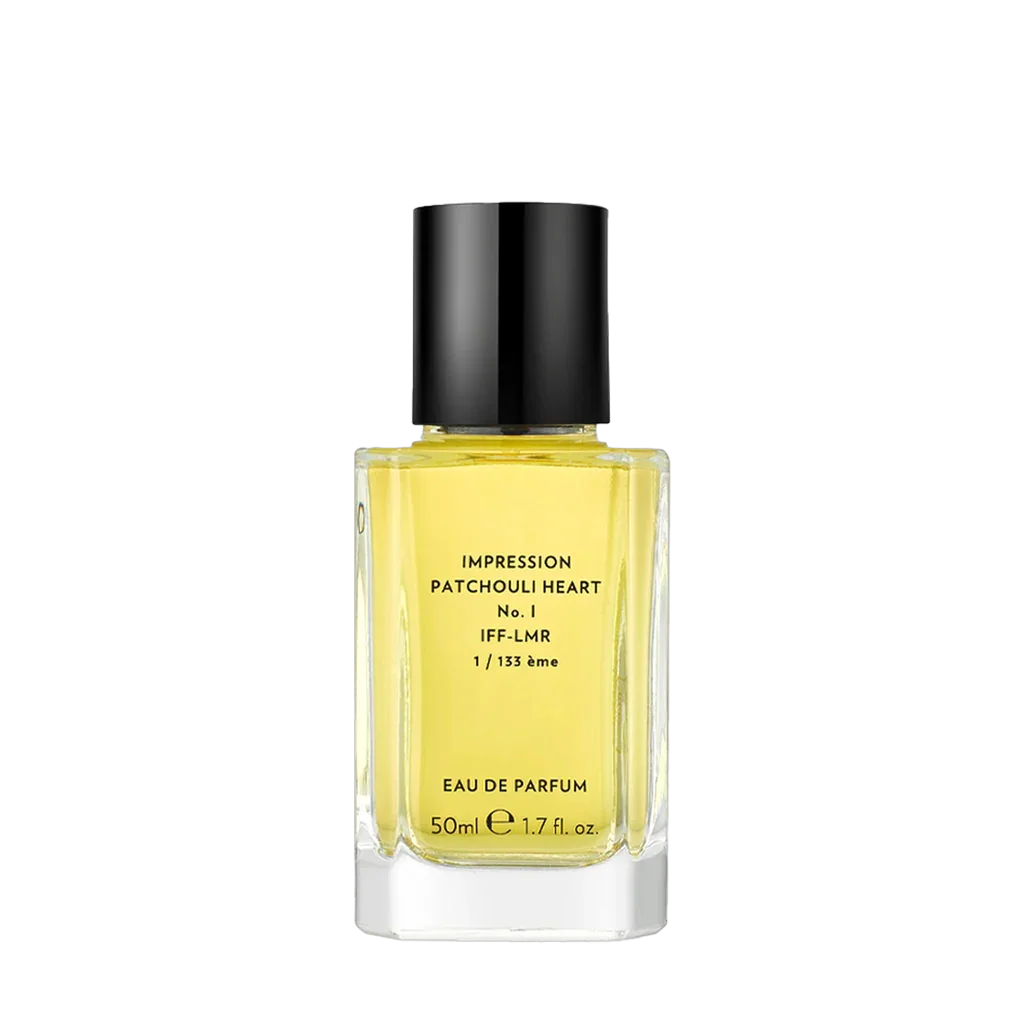
Patchouli Perfumes
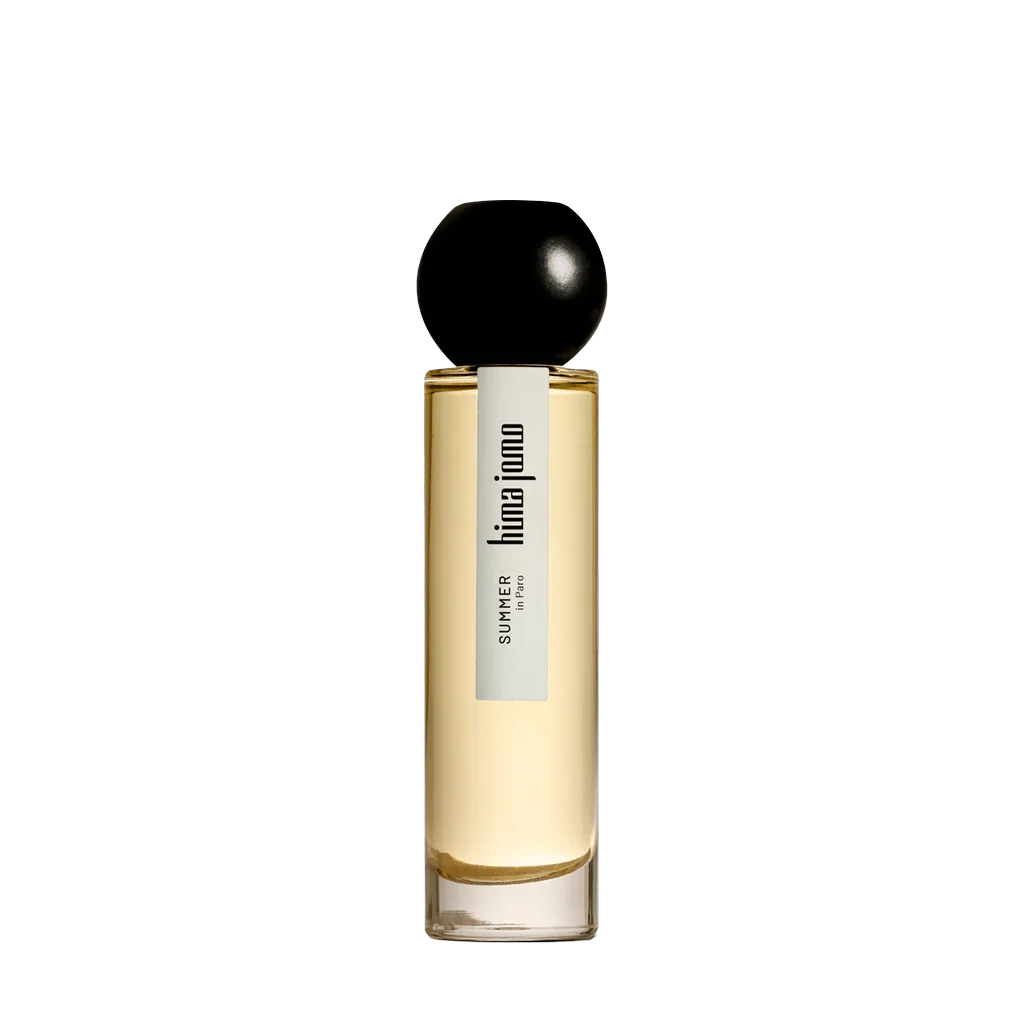
Petitgrain Note
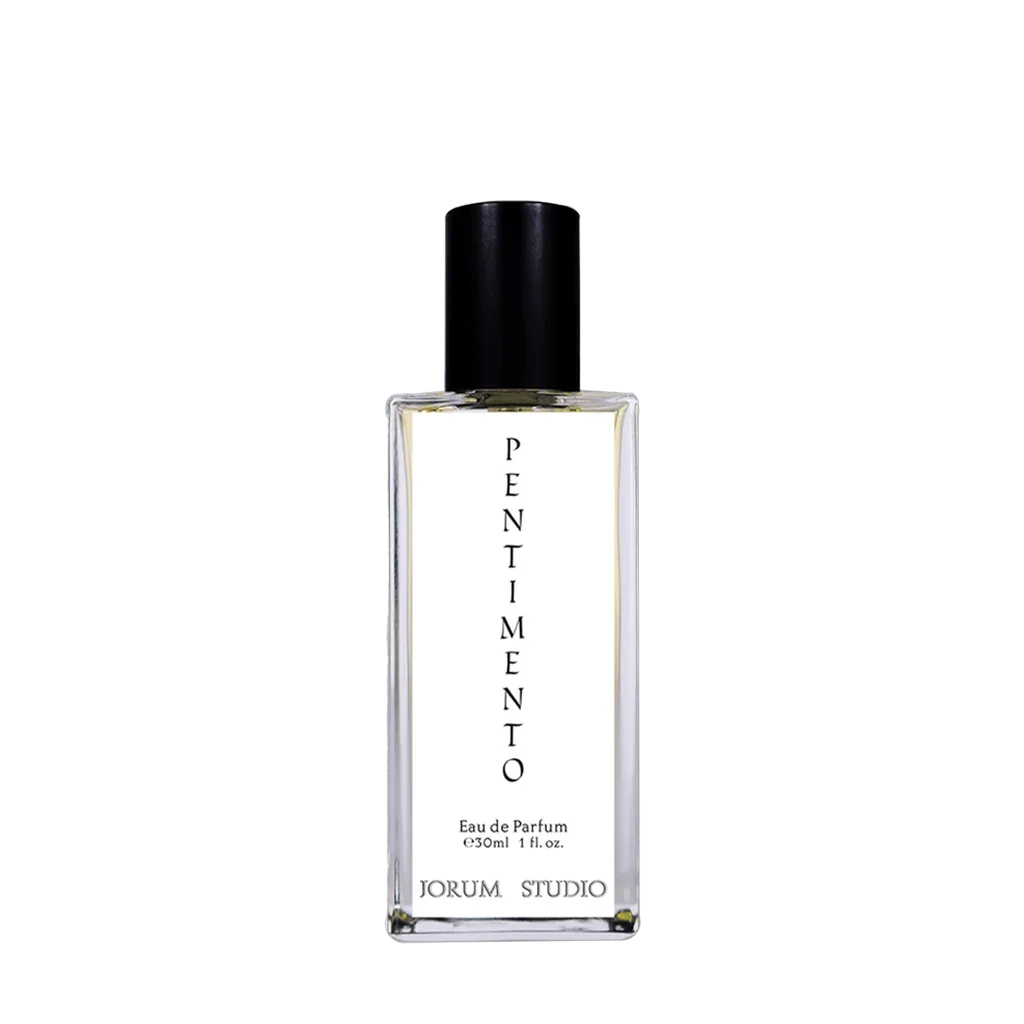
Pepper Notes

Powdery Perfumes

Rose Perfumes
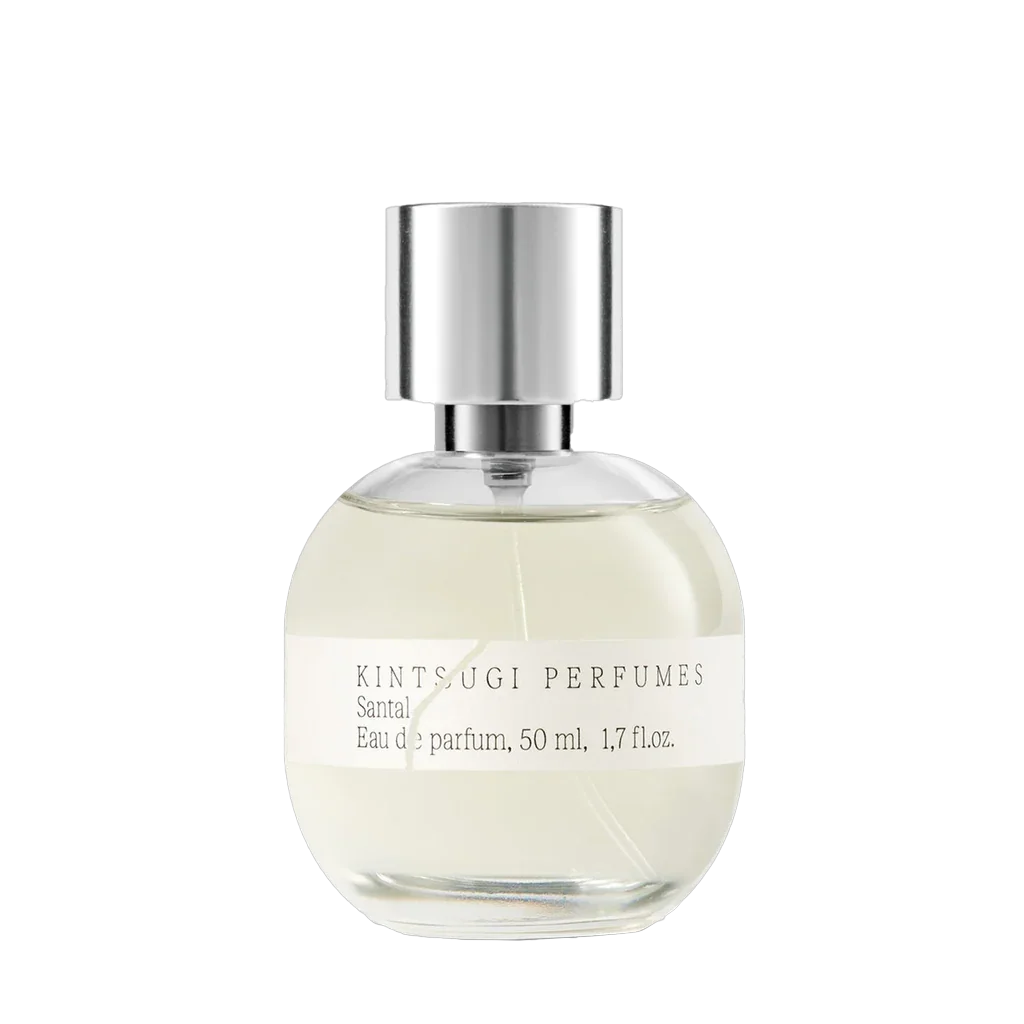
Sandalwood Note
Sweet Perfumes
Synthetic Perfume Molecules
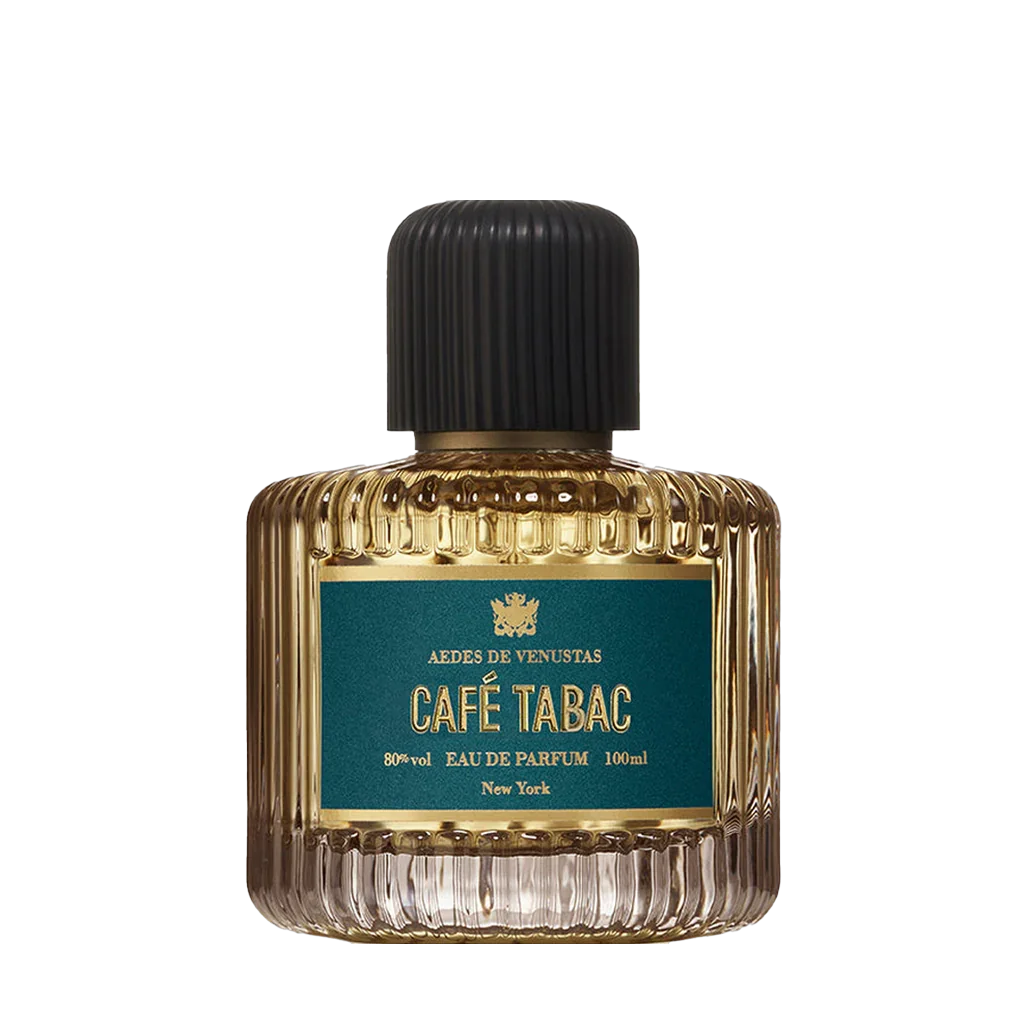
Tobacco Perfumes
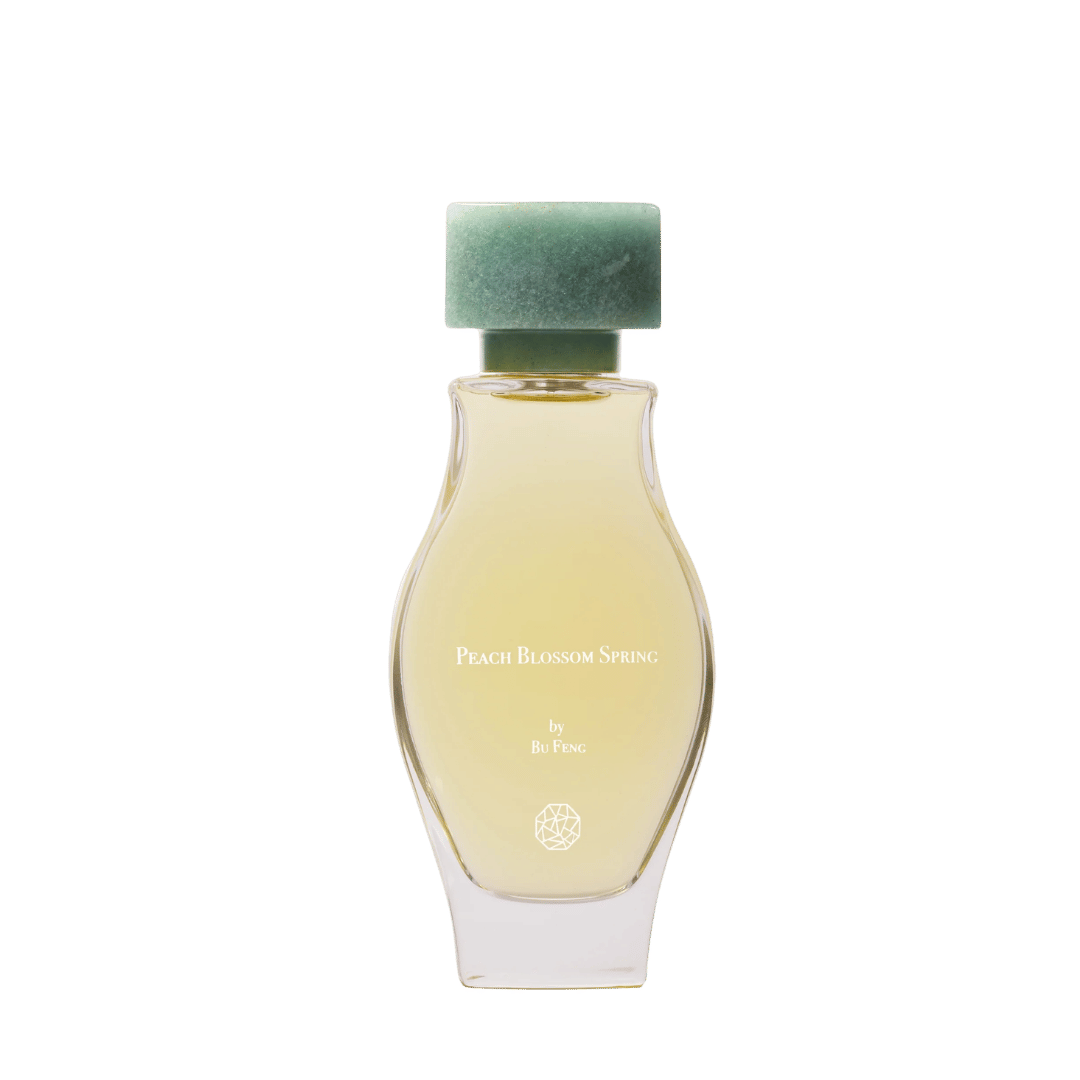
Tropical Perfumes
Tuberose Perfumes
Vanilla Perfumes

Violet
Vetiver Perfumes
Juniper
Frankincense Perfumes

Spicy Perfumes

Cinnamon
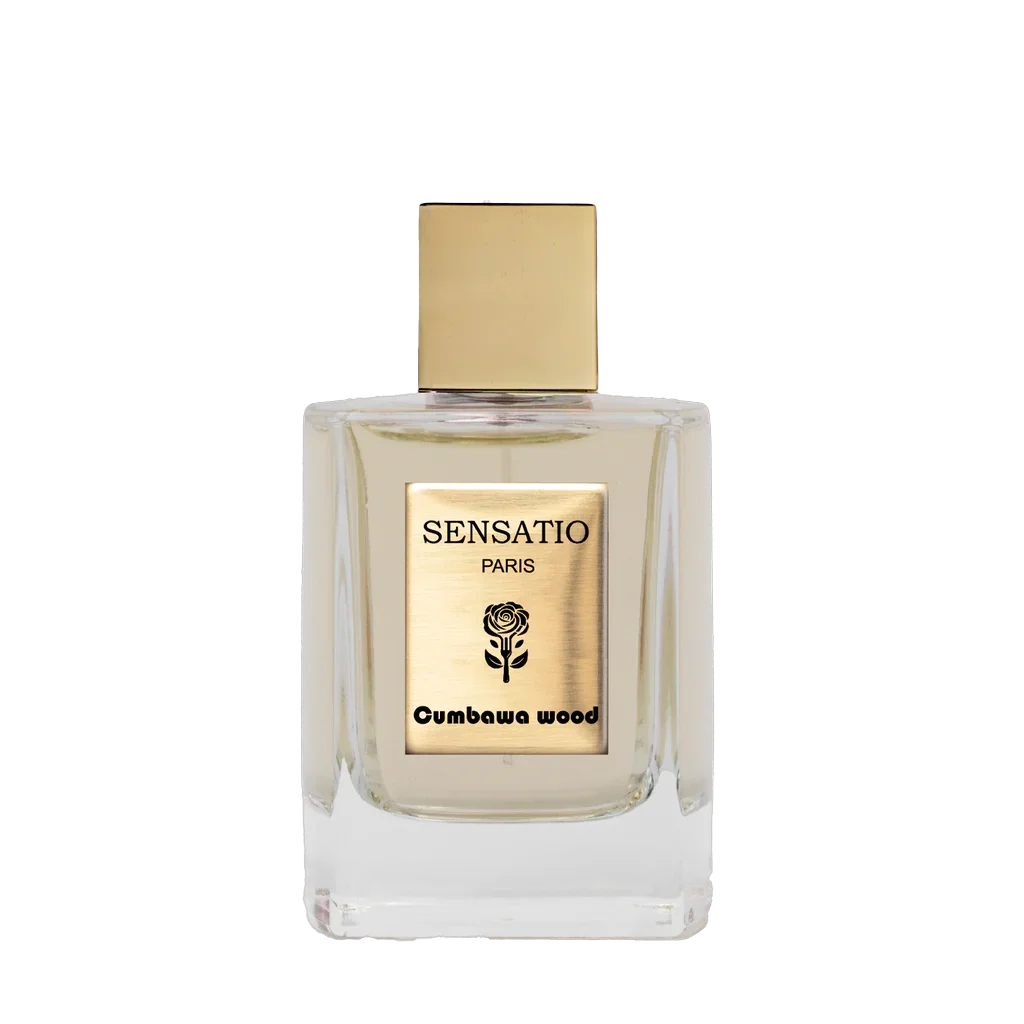
Citrus Perfumes

Our fragrance news.
Curated for you.
To subscribe to our newsletter and secure your discount, please accept our cookies. Also, make sure that your ad blocker (uBlock, AdBlock) is disabled and JavaScript is enabled.
Our fragrance news.
Curated for you.
To subscribe to our newsletter and secure your discount, please accept our cookies. Also, make sure that your ad blocker (uBlock, AdBlock) is disabled and JavaScript is enabled.