

The hidden origins of one of the world's most expensive raw materials - OUD
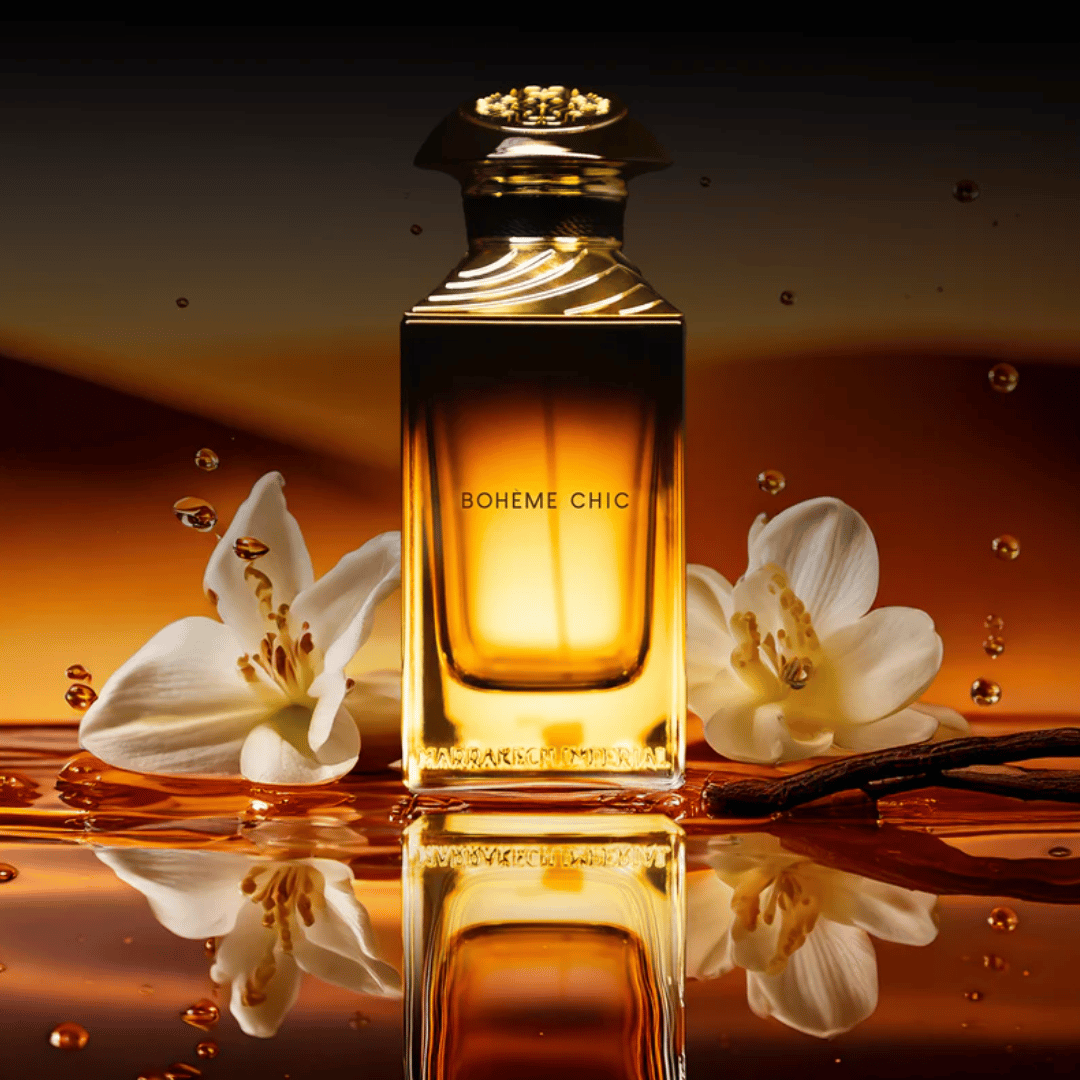
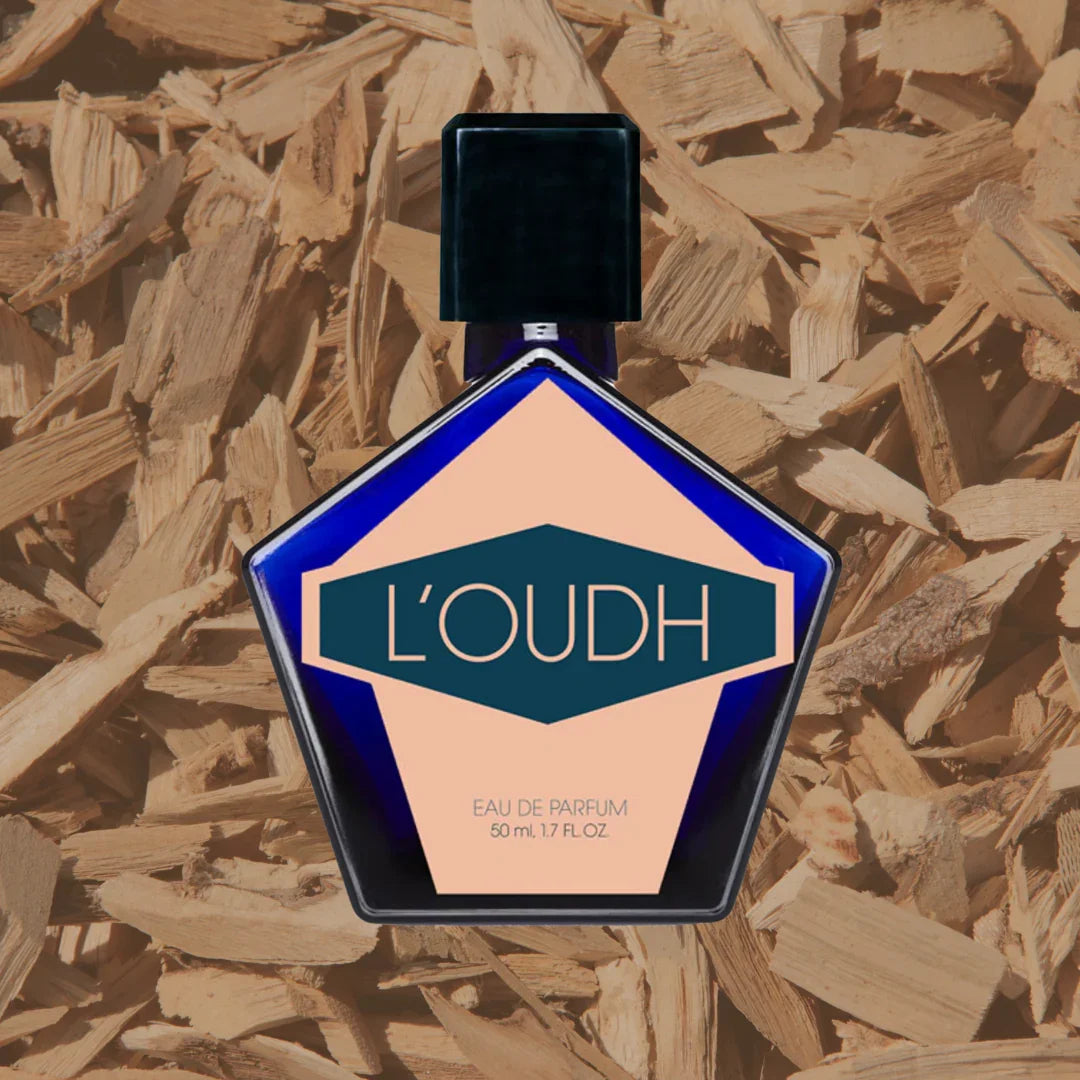
Oud is a substance that cannot be rushed. No laboratory, no machine, no modern technology can replace what takes decades in nature: the slow, deep, vulnerable maturation of the Aquilaria tree. Only when a fungus infects the trunk does the wood begin to form dark resin—a natural defense mechanism that makes the fragrance so distinctive. Oud is not created in years, but in generations. In a world that craves intense winter scents , warm embraces during the holiday season, extraordinary fragrances , and luxurious niche perfumes , the value of this raw material is steadily rising. Not because of a trend, but because nature sets limits. Every drop is the result of time, vulnerability, and patiently honed skills.
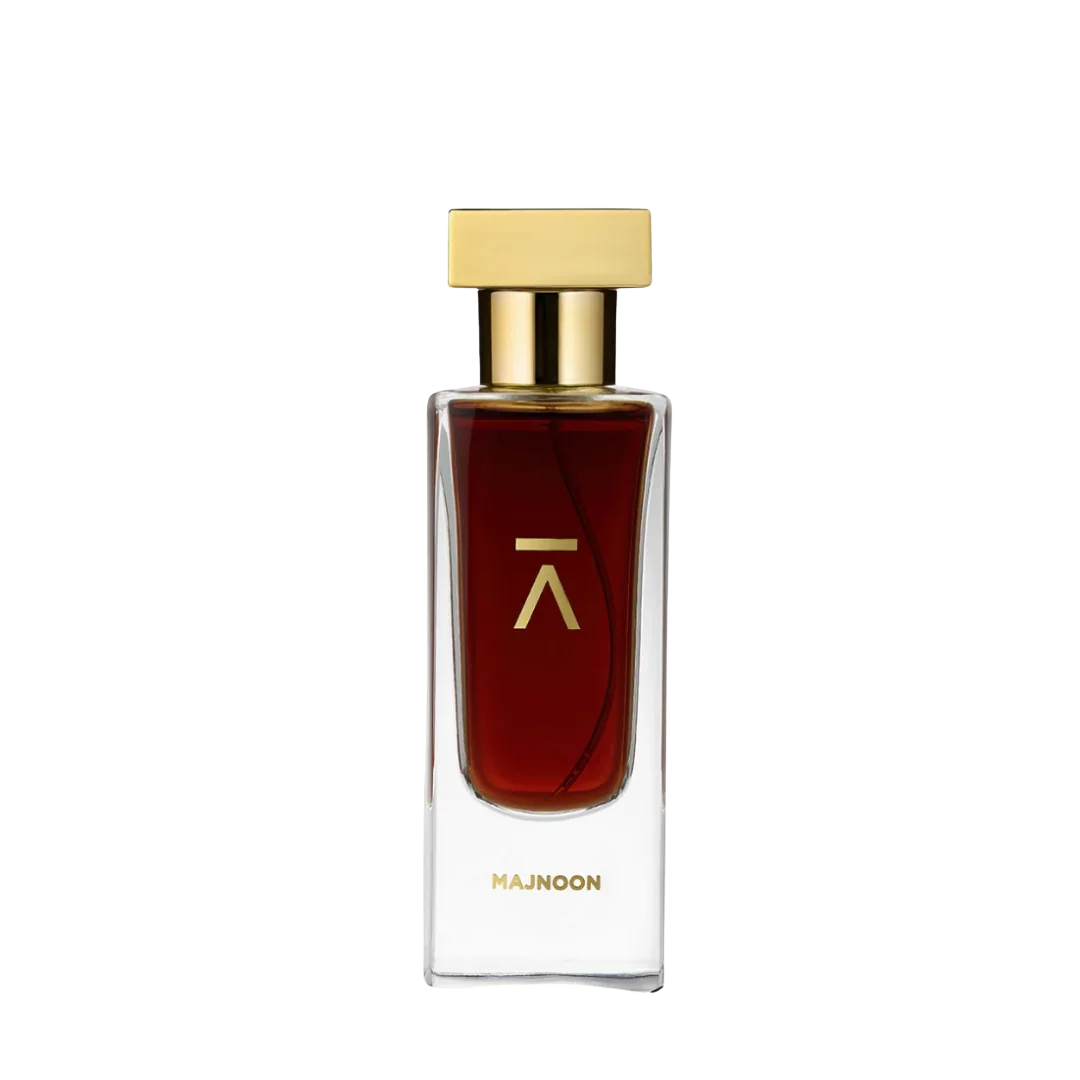
The price increase is not an exaggeration. It's a consequence. Demand is growing, but the forests can only yield as much as they are willing to provide. There's no trick, no industrial shortcut, and no way to make genuine oud "cheaper." And it is precisely this scarcity that makes it one of the most sought-after raw materials in niche fragrances , especially during the time of year when the world craves warmth.
Why Oud experiences a renaissance in winter and Christmas time
Just as candlelight intensifies in winter, so too does the emotional impact of oud double. It warms, it fills the room, it creates depth, it brings festivity without kitsch. While citrus blossoms fly in summer and flowers whisper in spring, oud speaks a different language: a dark, warm, balsamic-woody voice that perfectly complements the stillness of the cold months.
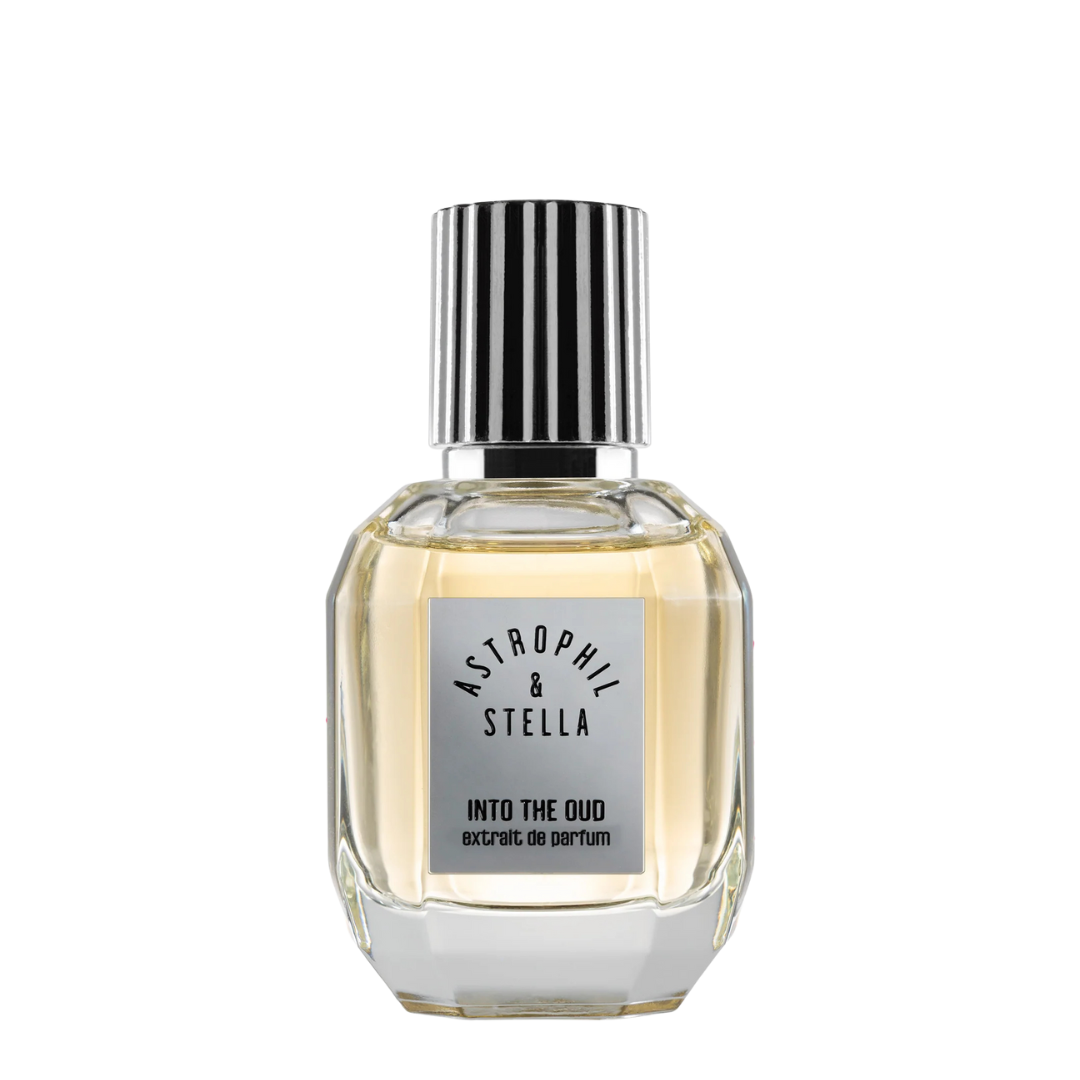
Oud smells of fireplaces, of earthy sensuality, of spice and shadows, of rituals and moments that are anything but ordinary. It's no wonder that oud is among the most sought-after fragrances in December. People aren't looking for lightness, but for intensity. For a scent that envelops them in warmth. For Christmas fragrances that don't smell artificial, but rather evoke a mood. This is precisely when the season begins in which oud becomes the epitome of the luxurious Christmas gift .
Why genuine oud is almost impossible to find anymore
An Aquilaria tree that produces oud is a rare find. Only a small percentage of these trees produce resin at all, and even fewer produce resin of high enough quality to be distilled. This makes the raw material a botanical treasure.
In addition, there are strict regulations: Aquilaria species are protected under CITES. This means that every export, every distillation, and every transport must be documented, inspected, and approved. Illegally harvested oud destroys the populations, which is why legally certified oud is extremely rare today. Prices are rising—not because the industry wants them to, but simply because there are hardly any legal quantities left.
Most brands therefore work with synthetic oud molecules or with combinations of wood, resins, and smoky notes that interpret oud. But genuine oud remains an exception – and is becoming increasingly expensive for precisely that reason.
Why synthetic oud molecules cannot replace the original
Although modern molecules like Ambroxan , Iso E Super , or Cashmeran can generate fascinating warmth, they don't reproduce the organic drama of real oud. In a single drop of natural oud, leathery, earthy, honeyed, fruity, balsamic, and smoky facets can alternate, often within minutes.
Genuine oud behaves like a living aroma: it wanders, it changes, it contradicts. It is precisely this unpredictability that makes it one of the most important raw materials in niche perfumery – and a substance that defies mass production.
This is why oud often takes on the role of a silent protagonist in exceptional fragrances : present, spiritual, warm, and uncopyable.
Fragrance culture worldwide: France, Middle East, Japan – three worlds, three roles for oud
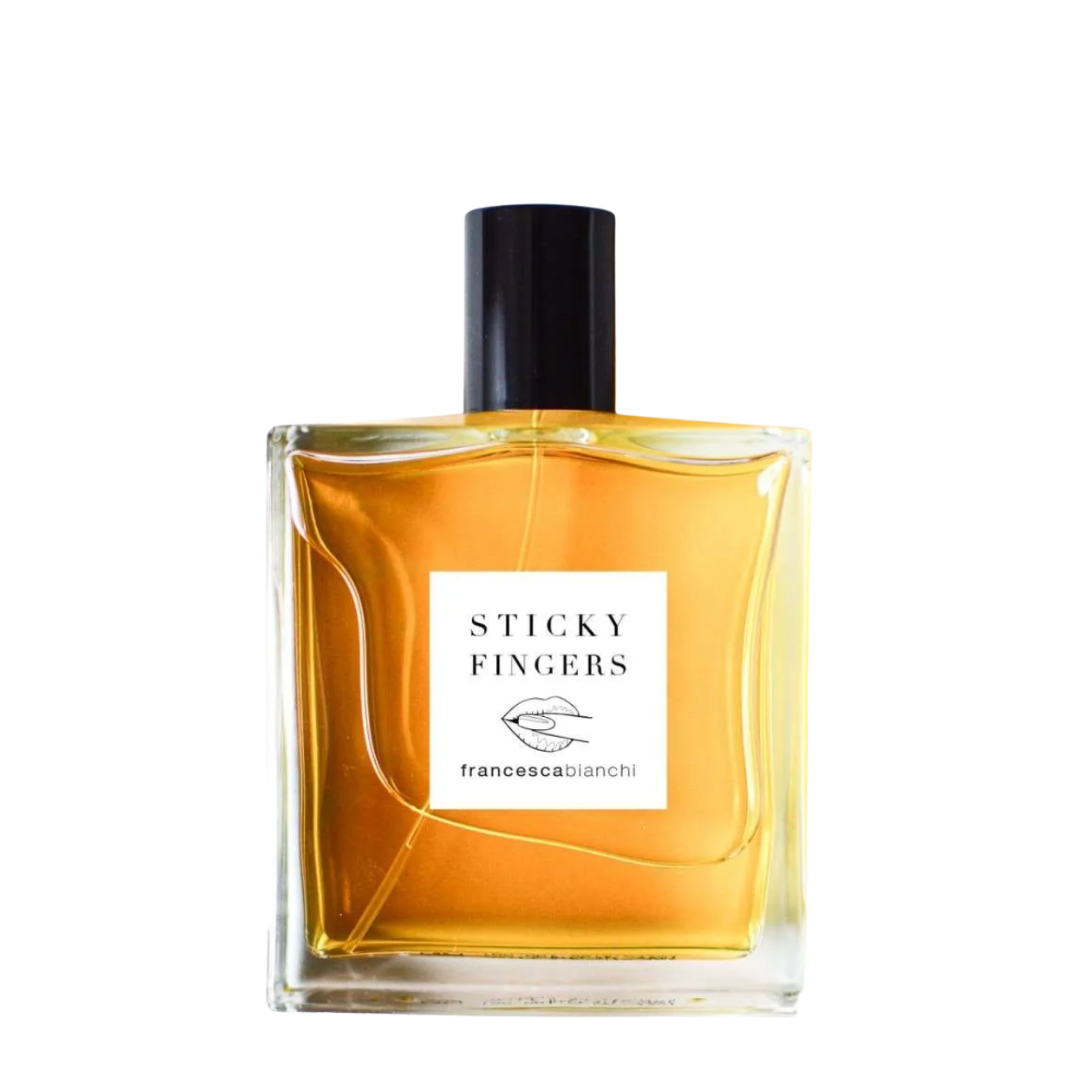
Oud is not a universal symbol, understood the same everywhere. It is a cultural translator, telling a different story in each region. In France, oud is seen as aristocratic depth, a dark counterpart to the classic brightness of haute perfumery. French compositions envelop oud with amber , sandalwood , resins, or floral nuances to create a kind of "baroque elegance" that is not meant to overwhelm, but rather to settle on the wearer like a velvety shadow. Scent Amor's oud-inspired creations, such as The Black Knight or Sticky Fingers , follow in this tradition, framing the material poetically rather than displaying it heroically.
In the Middle East, however, oud possesses a spiritual, almost sacred presence. It is not a stylistic device, but a foundation. Here, oud is not downplayed, but celebrated. The warmth of the desert, the resin of ancient trees, the balsamic density – all of this is central to Middle Eastern perfumeries, not relegated to the periphery. Oud is identity, ritual, status, and everyday proximity. A house smells of oud, a garment carries oud, the skin stores oud like a second memory. This is why consumption there is enormous, and why this region influences global prices like almost no other.
In contrast, Japan approaches oud like a Zen object: quietly, precisely, reservedly, and with profound spirituality. It's not loud drama that counts, but texture. There, oud appears as "kodo wood," embedded in centuries-old rituals of incense tradition. It's not about power, not about festivity, but about inner clarity. Japanese oud compositions are often lighter, drier, almost meditative—a contrast to the opulent Arabic interpretations and the poetic-dramatic European narratives. Oud thus demonstrates how a single raw material can be culturally transformed: in Paris, a dark perfume poem; in Dubai, a precious fire; in Kyoto, a silent cloud of wood and history.
These three fragrance cultures influence each other – and they explain why global demand is rising. Oud is not just a raw material, but a global archetype, interpreted differently everywhere. And therein lies its magic: a substance that knows no standard, but rather identity, ritual, and cultural depth.
Why oud has a different meaning in the Middle East – and why genuine Arabic oud creations are hardly acceptable in Europe.
In the Middle East, oud is not an accent, but a way of life. It accompanies daily life like a silent symbol of power, an aromatic signature associated for centuries with hospitality, prosperity, and spiritual purity. In Saudi Arabia and the Emirates, oud plays a central role in social ritual: houses are cleansed with oud smoke, garments absorb the scent like a second memory, and celebrations begin with a fine cloud of burning resin. There, oud is not just a perfume, but a form of presence that defines space and marks relationships.
Arabian oud compositions are therefore far more intense, darker, and oilier than European interpretations. They are not created to play a subtle role, but rather as an expression of status and generosity. In the heat of the Middle East, oud unfolds its balsamic depth like a soft veil; the warmth allows the molecules to float elegantly instead of suffocating them. The air creates space for this aroma, and people expect precisely this power. Cultural tolerance for intensity is high there, and the enjoyment of opulent fragrances is deeply ingrained. Oud is not taboo—oud is identity.
In Europe, however, the same intensity often seems excessive. Our climate is colder, more humid, and denser; the air holds fragrances more tightly, allowing them to develop less. An Arabian oud extract that floats majestically in Riyadh can feel like a dark wall in Hamburg. There's also a cultural factor: European fragrance preferences are characterized by transparency, brightness, and subtle elegance. Quiet, niche perfumes are perceived as sophisticated, while opulent heaviness is often seen as transgressing boundaries.
Therefore, authentic Arabian oud creations are hardly wearable in Germany – not because they are inferior, but because they were created for a completely different olfactory environment. The space, clothing, social expectations, climate, and cultural aesthetics differ so drastically that Arabian oud loses its balance here. What feels warm, soft, and dignified in the Middle East quickly comes across as harsh, oppressive, or overly concentrated in Central Europe.
And yet, therein lies the beauty of oud: it shows how deeply a raw material adapts to culture and climate, how fragrance is not merely perceived but lived. Oud in the Middle East is a celebration of abundance. Oud in Europe is an artful interpretation of depth. Both worlds are real – they touch the same substance, but not the same meaning.
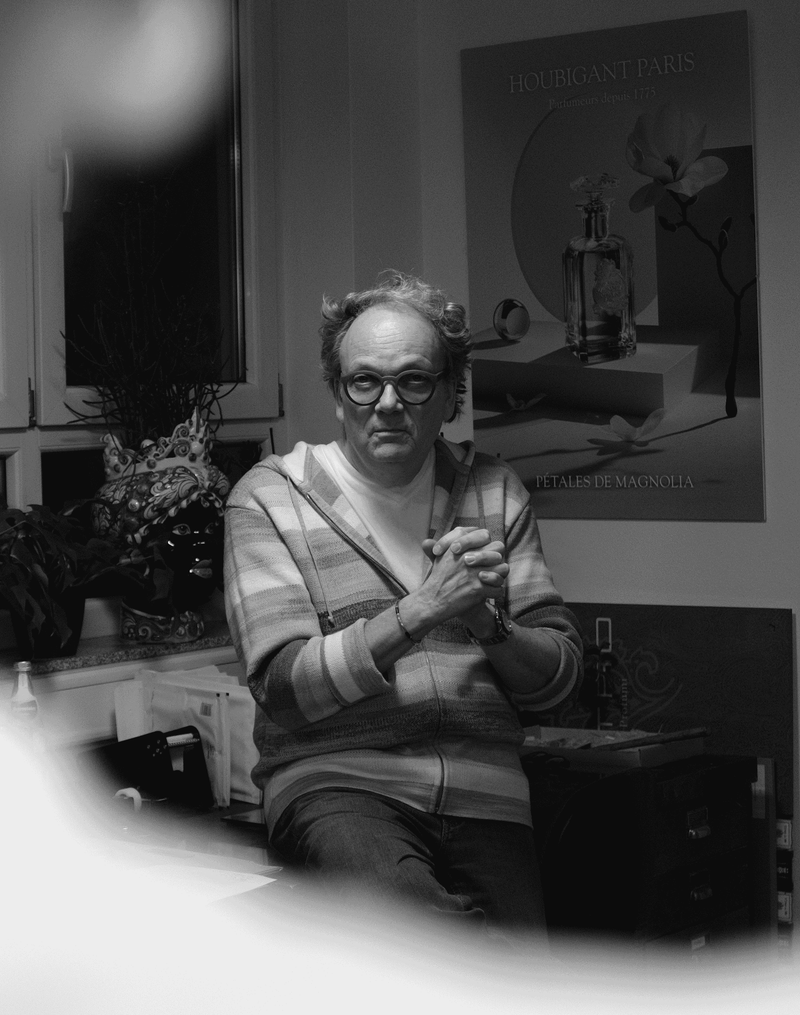
The handwriting of Georg R. Wuchsa – why scent amor curates Oud differently
Georg R. Wuchsa , curator of scent amor, has a clear stance: Oud must not be reduced to mere effect. It must possess character. He does not evaluate raw materials according to fashionable narratives, but rather according to structural quality, depth, purity, and emotional resonance.
When an oud fragrance is included in the scent amor range, it's because it doesn't have any decorative sweetness, no artificial exaggeration, and doesn't need a loud presence. Oud must feel authentic, not dramatized. That's precisely why the oud compositions in the range are so carefully selected: They embody the winter warmth for which oud is famous, but always with the high quality of a true niche fragrance .
The oud fragrances at scent amor – authentic depth for cold days
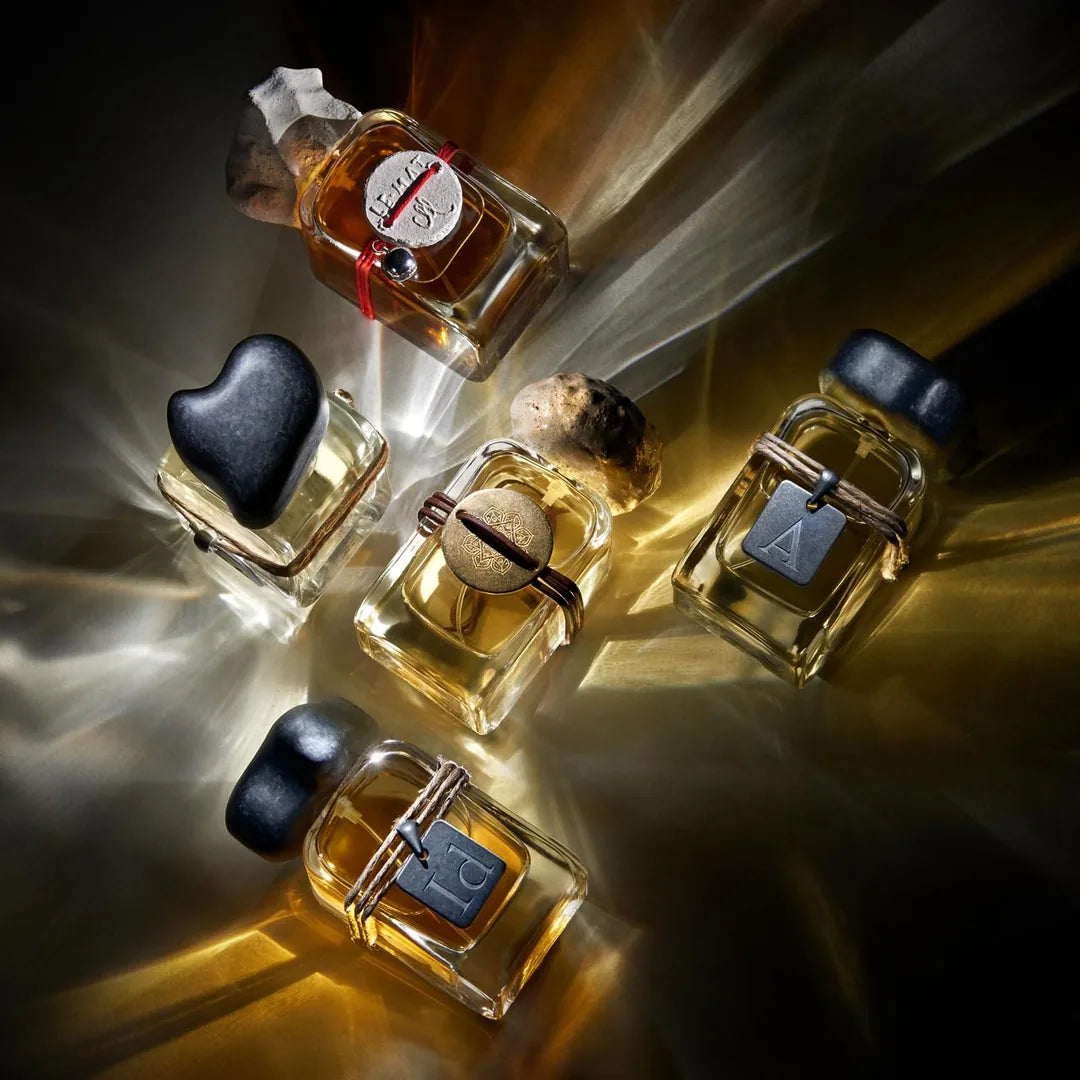
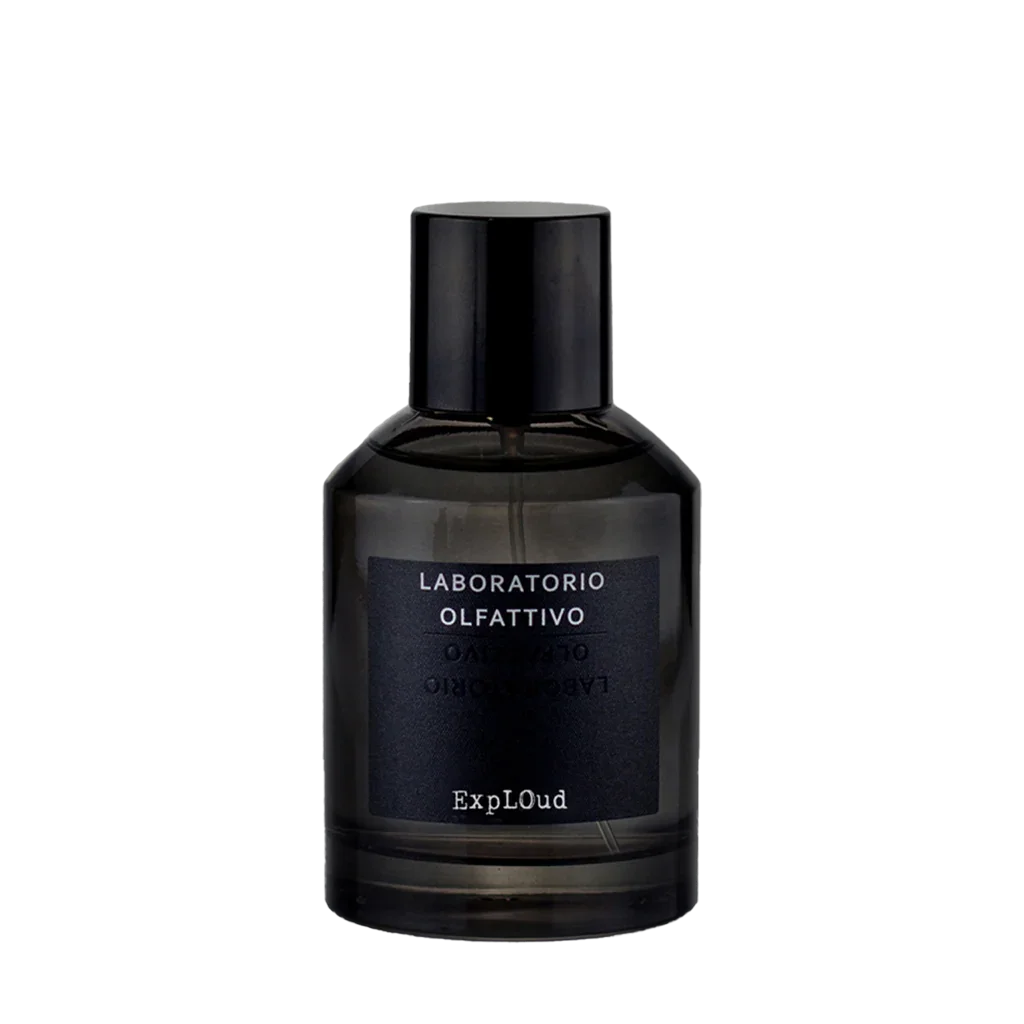
Scent Amor offers oud fragrances that focus not on effects, but on presence. Francesca Bianchi – The Black Knight is an example of how a dark, leathery aura can be created without exaggeration. The oud facet appears like a shadow, deep and dignified, ideal for those seeking a fragrance in winter that expresses character without being loud.
Francesca Bianchi – Sticky Fingers features a warm, smoky patchouli signature that doesn't imitate oud, but rather reinterprets it atmospherically. A fragrance that, during Advent, feels like closing a heavy wooden door, behind which warmth, smoke, and flickering lights await.
Meo Fusciuni – Odor 93 unfolds a mystical woodiness, resin, depth, and spiritual warmth. The oud atmosphere is clearly perceptible, even though it is recomposed in a modern way – perfect for the dark evenings of the pre-Christmas season when a fragrance should be grounding rather than sweet.
These fragrances demonstrate that oud is not just a note, but an attitude. An invitation to depth, to tranquility, to contemplation. Perfect for winter, Advent, holidays, and those nights that call for special Christmas scents .
Why Oud shows its full potential in winter
Cold alters perception. Oud reacts to the temperature of the skin like a story slowly unfolding. In the first few minutes, it often seems dark and resinous, but in the winter air, it opens up, becoming broader, warmer, softer. The balsamic quality gains depth, the leathery facets emerge clearly, and the smoky undertones appear not heavy, but majestic.
A unisex perfume with oud often reveals more personality in winter than in summer. It complements coats, evenings by the fireplace, the stillness after a snowfall, and moments when one perceives the world more intensely. No other raw material embodies winter sensuality with such natural ease.
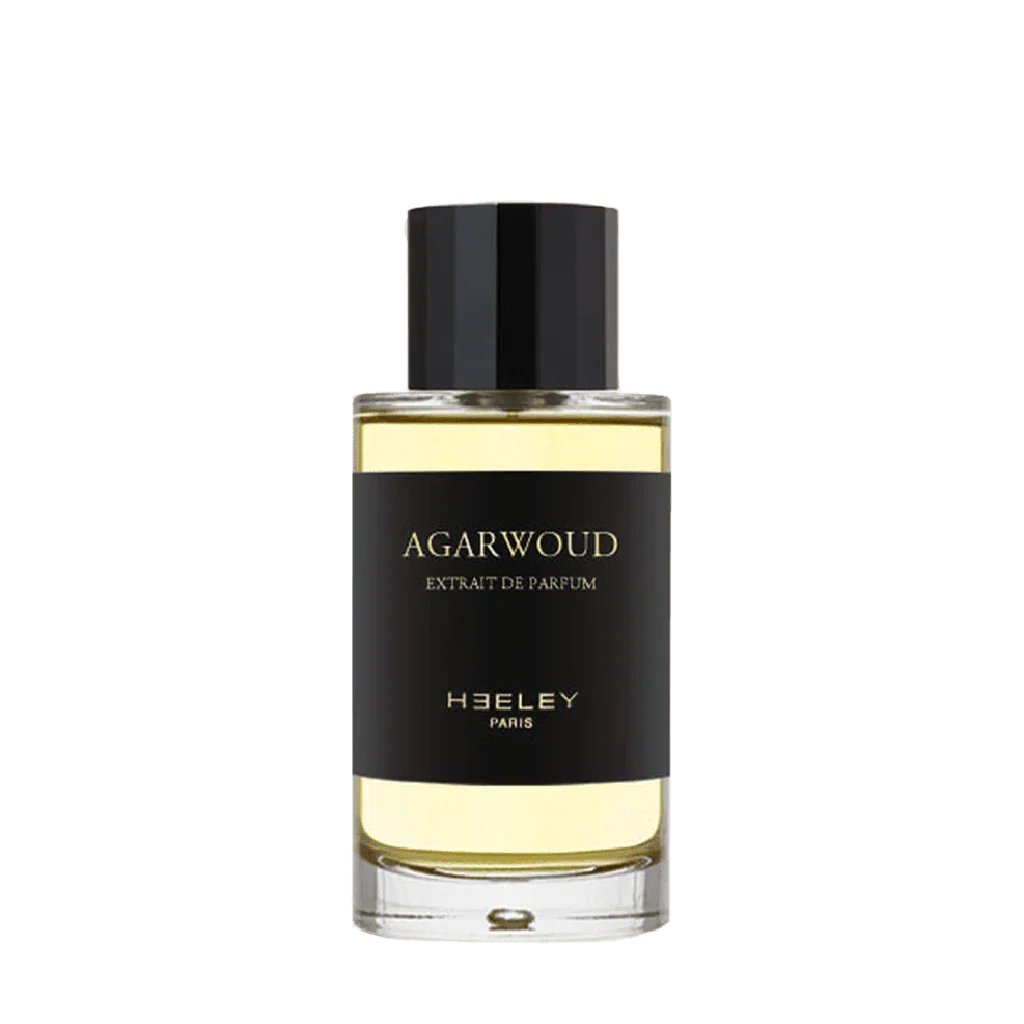
Oud as the ideal luxury Christmas gift
There are fragrances you give as gifts – and there are fragrances you celebrate. Oud belongs to the latter category. In a world full of fast-moving consumer gifts, an oud fragrance is a sign of appreciation. A gift that possesses lasting value, history, depth, and emotional presence.
During the Christmas season, the demand increases for Christmas perfumes , for sensual winter compositions, for extraordinary fragrances that truly carry meaning under the Christmas tree. Oud is ideal for this. It is warm, rich, festive – a fragrance material that is not simply worn, but experienced.
Why you should discover Oud at Scent Amor
At scent amor, you won't find any run-of-the-mill oud fragrances. Each scent is part of a curated selection, vetted by Georg R. Wuchsa , who seeks not only beauty but also raw material authenticity. If you're looking for a fragrance this winter or at Christmas that truly makes an impact, truly warms, truly tells a story – then oud is the only way to go.

And there's no getting around a collection curated with such precision. Fragrance here is not a product, but a culture. A gift to yourself or to someone who deserves depth.
FAQ - Everything you should know about OUD, the most precious fragrance ingredient.
Why does oud get more expensive every year?
Because natural Aquilaria stocks are declining, demand is rising, and CITES certifications severely restrict the legal market, genuine oud is rarer today than ever before.
What makes real oud so special?
Its complexity. It possesses several aromatic layers simultaneously: woody, balsamic, smoky, fruity, leathery, earthy. No other material behaves in such a multifaceted way.
Are oud fragrances unisex?
Yes. Oud doesn't follow any gender code. That's why it's especially popular in unisex perfumes and modern niche fragrances .
Why is oud such a good fit for winter and Christmas?
Because of its warmth, depth, and balsamic texture. Oud acts like an olfactory fireplace – ideal for Advent, the pre-Christmas season, and cold months.
Which oud fragrances can I find at Scent Amor?
Fragrances such as The Black Knight , Sticky Fingers and Odor 93 , carefully selected by Georg R. Wuchsa to showcase the authentic depth of this material.
Copyright by scent amor © 2025 (grw)
More posts in the scent news blog by scent amor:
INCI has evolved into a framework that balances transparency with creative freedom, giving consumers clearer insight without exposing the core of a niche perfume formula. What once felt like regula...


Leave a comment
All comments are moderated before being published.