

Transparency, change and the future of a sensitive system
Why INCI came into being
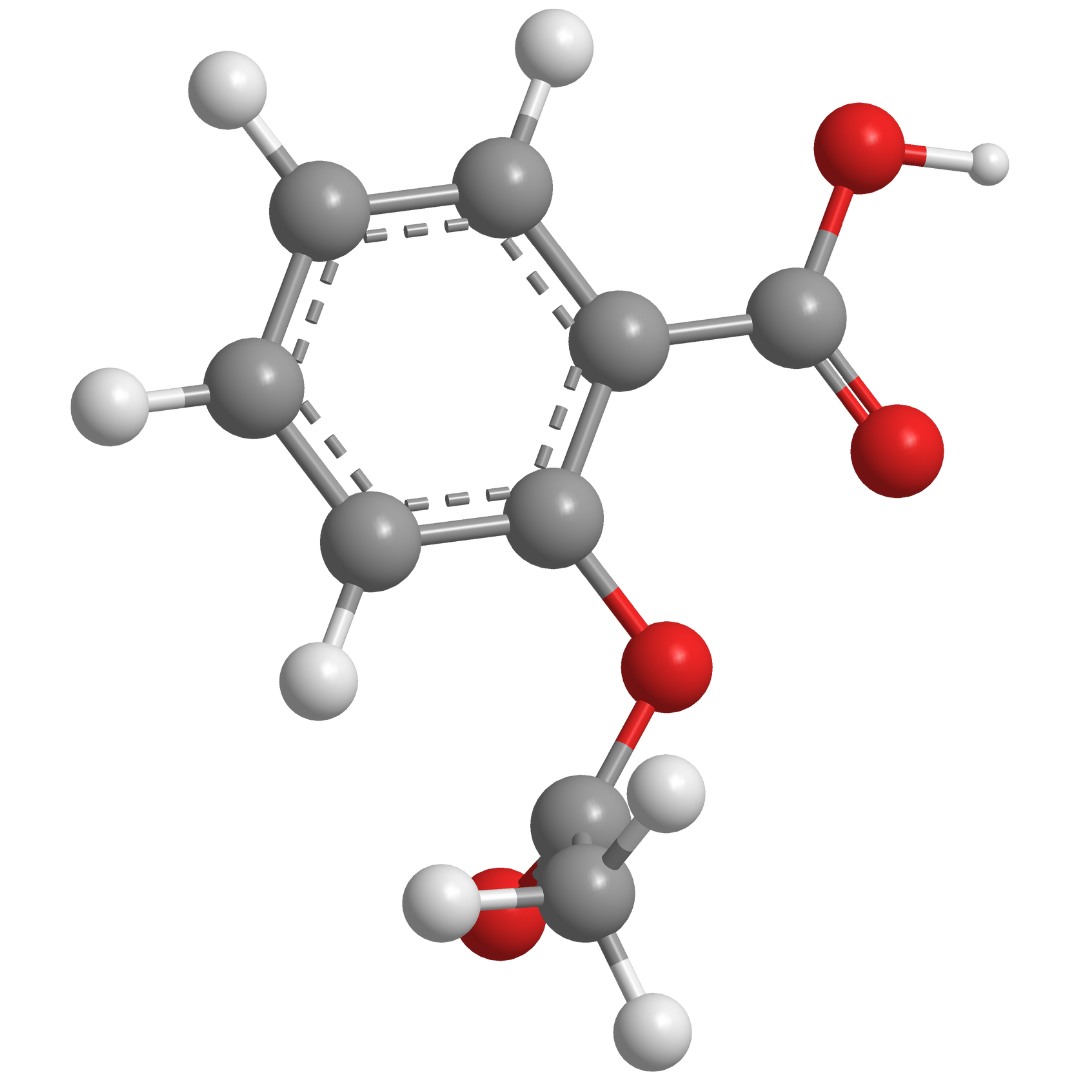
The perfume industry was long a place of discretion. Formulas were guarded as if they were sacred texts – and in a way, they are. But with the advent of modern cosmetic regulations, growing awareness of allergies, the influence of the IFRA, and consumers' increasing need for transparency, the industry had to open up. The International Nomenclature of Cosmetic Ingredients (INCI) was created to establish a clear, internationally valid language for ingredients.
What initially seemed like a bureaucratic intervention became the foundation of global understanding: a system that lists the ingredients in products – without revealing the actual fragrance formula. This is a delicate balancing act: transparency without jeopardizing the creative and economic heart of perfumery.
How INCI has evolved – from lists to guiding principles
The first INCI lists were dry documents: raw material names, Latin plant names, and functional classifications. But as perfumery's technology advanced, synthetic molecules rose, and safety research became increasingly precise, so did the requirements.
With each decade, the list became more complex. New molecules like Ambrocenide, Cashmeran, or Iso E Super had to be integrated, botanical extracts standardized, and natural substances differentiated. The world of fragrance became more scientific, more analytical, more regulated.
At the same time, public expectations grew: consumers wanted to know what they were wearing. Brands had to explain what had previously been taken for granted. And especially in niche perfumery – where exceptional fragrances , artisanal approaches, and luxurious niche perfumes play a central role – transparency was no longer perceived as a threat, but as a foundation of trust.
The intricacies behind a seemingly simple system
An INCI entry like “Parfum (Fragrance)” seems simple. But behind it lies the entire complexity of creative work. A formula can consist of hundreds of individual notes: natural essences, CO₂ extracts, fractionated oils, modern molecules, fixatives, solvents.
Since perfume compositions are intellectual property, the exact composition remains protected. INCI is meant to inform – not to dispel. Nevertheless, certain substances must be explicitly named, especially if they are potential allergens. Terms like limonene , linalool , citral, or eugenol are examples of this.
This disclosure has been and remains a sensitive issue. It forces the industry to reconcile the art of fragrance with safety requirements – and this isn't always achieved smoothly. Some consumers mistake allergens for "dangerous substances," even though they are often natural components of high-quality raw materials. This leads to tensions that require communication efforts.
How regulation shapes art
When a fragrance is composed, the IFRA plays a crucial role. It defines upper limits for certain molecules to minimize health risks. INCI provides the basis for ensuring these rules are implemented transparently.
But every restriction changes the creative landscape. Classics had to be reformulated. Some fragrance notes, such as oakmoss or certain jasmine extracts, were subject to stricter regulations. And yet, the industry responded with innovation. New extraction methods, hypoallergenic molecules, biotechnological replicas of natural ingredients – all of this is a response to regulatory pressure.
What does this mean for brands and consumers?
For you as a reader of scent news, this means: The fragrance world is more transparent and responsible today than ever before. At the same time, the magic remains – the formula, the creative core, the emotional power of a niche fragrance or perfume .
Brands that succeed in niche markets understand this dynamic. They offer insights into raw material quality, origin, and extraction methods. They talk about sustainability, carbon neutrality, and the ethical sourcing of sandalwood , iris , rose , or ambrette . The INCI list is only the visible part. The invisible part is the narrative craftsmanship that builds trust.

Where INCI is headed – the future between transparency and technology
The next few years will be dominated by three major movements:
- More precise declaration
The EU is already discussing expanded disclosure requirements. More fragrance molecules could become subject to individual declaration. The industry is preparing for this without jeopardizing its creative heritage. - Digital transparency models
QR codes and digital product passports will likely become standard. They allow for more in-depth information without cluttering bottles and packaging. This creates a second level of information for consumers who want to know more. - Biotechnological raw materials
Fermented natural products, low-CO₂ replicas, molecular precision copies: These developments will give rise to new INCI terms. At the same time, they will create a better ecological footprint – a crucial factor for the future.
Why INCI are ultimately a promise
They are formulated in a matter-of-fact way, sometimes barely legible, but they stand for responsibility. They protect consumers, they ensure the global exchange of knowledge, and they form a stable platform for innovation.
In this niche world, where craftsmanship, art, and emotion converge, INCI accompanies this art – without diminishing it. It brings clarity to an industry that has operated with mysticism for centuries. The magic remains; only the language behind it becomes more precise.
FAQ – INCIs in the perfume industry
What does "INCI" mean in the context of perfume?
INCI is the international nomenclature for cosmetic ingredients and forms the basis for transparency in fragrance and cosmetic products.
Why are fragrance allergens listed individually?
This allows sensitive individuals to recognize and avoid potential irritants. They are not "dangerous," but rather natural components of many essences.
Are niche fragrances more heavily regulated than mainstream fragrances?
No, all perfumes are subject to the same EU and IFRA regulations. However, niche brands usually communicate more openly about raw materials and origin.
Who decides which substances must be included in the INCI list?
Regulatory authorities, scientific bodies and international standards such as IFRA and EU regulations.
What will the future of INCI look like?
More transparency, additional digital information and new biotechnological raw materials that will expand the system.
Copyright by scent amor © 2025 (dh)
More articles on the scent news blog by scent amor:
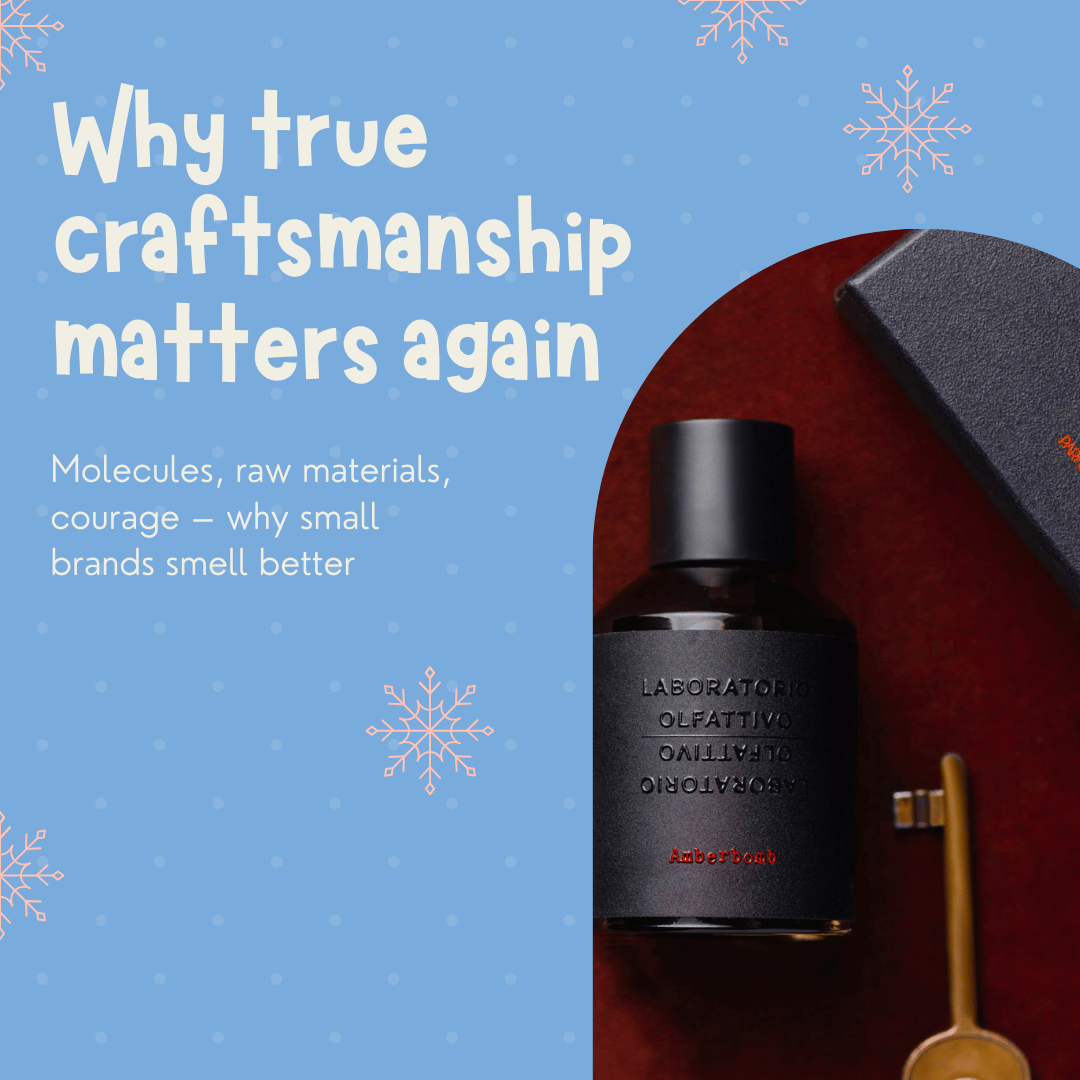
The return of craftsmanship – Why small perfume houses will overtake the big brands in 2025
Artisanal perfume houses will define winter 2025 with depth, character, and exceptional fragrances that truly come to life in the cold. They offer you niche fragrance quality without the marketing...


Leave a comment
All comments are moderated before being published.