
Because consensus is boring, character clashes – and quality begins where pleasing ends.
You often notice it with the very first spray: a fragrance doesn't approach you, it stands still. It doesn't wait for you to find it "nice." It challenges you. And this is precisely where many misunderstand niche fragrances —and what often reveals their true quality. Polarization in perfumery isn't an accident. It's a symptom of personality. And personality is almost always risky.
Pleasance is a business model – polarization is a test of character.
Mainstream fragrances are designed to garner approval in seconds. This isn't malicious, it's simply economic. A fragrance that instantly "works" in the store sells. Period. That's why many designer and mass-market compositions are so polished, they appear like a perfect surface: no edges, no friction, no irritation. The result is a perfume that no one truly hates—but also rarely that anyone truly loves.
A niche perfume often works differently. It's not designed to impress in 15 seconds. It doesn't play the quick card. It works with tension, with contrasts, with unconventional materials, sometimes with deliberate discomfort. That's why niche fragrances polarize: they aren't built for consensus, but as a statement.
And every statement generates counter-arguments.
What "better" really means: Not "more beautiful", but "truer"
When you say "better," you might mean "more beautiful." But in niche markets, "better" often means something else: more precise, more consistent, more uncompromising. A fragrance can be bitter, metallic, animalic, smoky, medicinal, dry as paper, or dark as cold leather—and still be outstanding. Not because it appeals to everyone, but because it fulfills its purpose cleanly and without excuses.
Many inexpensive alternatives fail precisely here: they can copy the effect, but not the internal logic. They deliver a "similar profile," but not the dramaturgy. The polarizing aspect is usually smoothed over because it's risky. And with that, the crucial element often disappears: the distinctive style.
Polarizing notes: When material is suddenly no longer "nice".
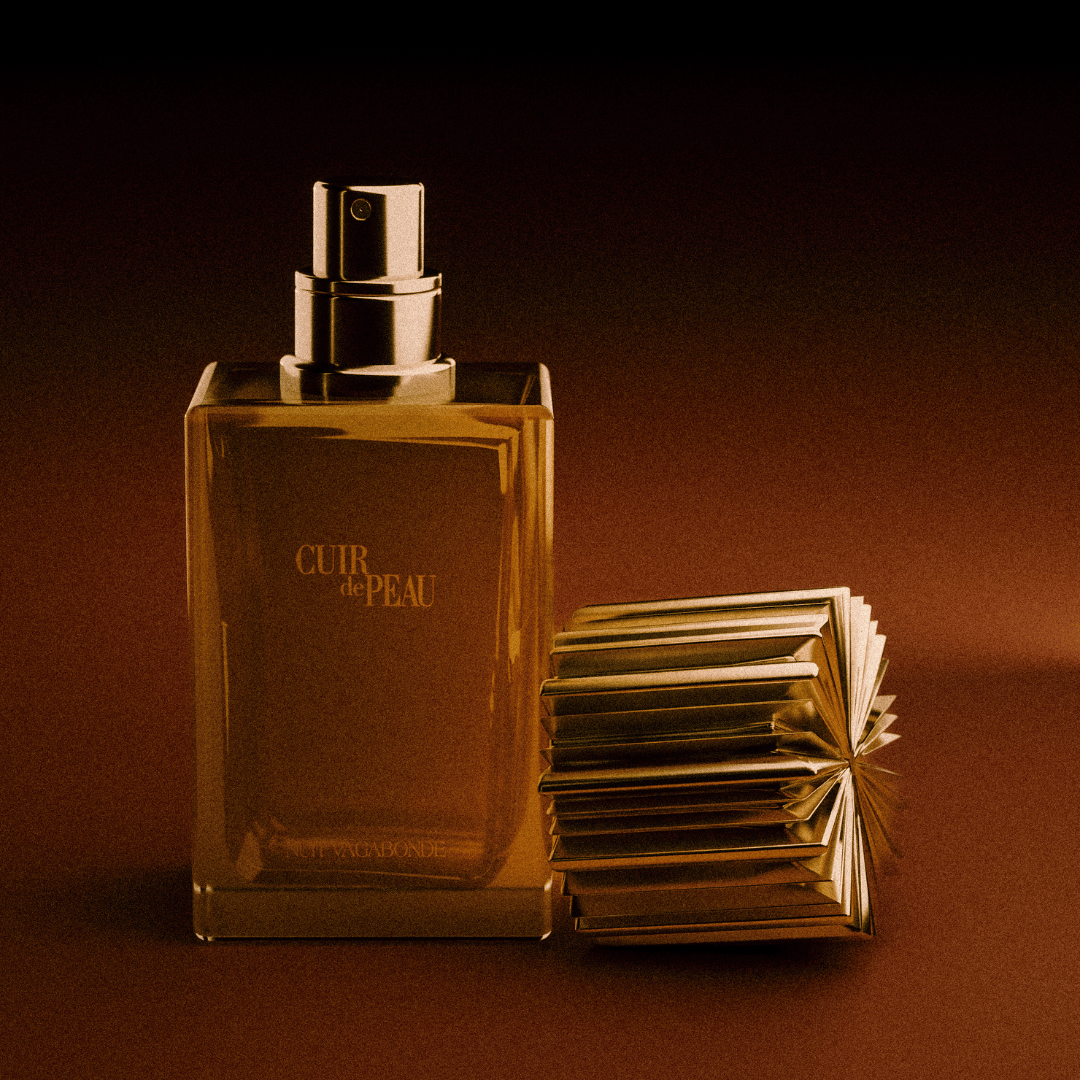
A fragrance often polarizes not because it's "too much," but because it's "too real"—or at least "too consistent." Certain notes are magnetic to some people and repulsive to others. Not because they are objectively bad, but because they immediately trigger associations in the mind. Leather can seem elegant or reminiscent of a tack room. Frankincense can seem sacred or stale. Oud can seem luxurious or like a stable. Ambergris can be warm or cloying. Musk can be intimate or "too physical."
And here's the point many overlook: A scent that doesn't evoke strong associations rarely lingers. Polarization is often a side effect of memory. Your brain remembers sharp edges better than soft, cottony textures.
Skin chemistry: The same scent is not the same scent.
Another reason for polarization is banal but brutal: skin is biology. Niche fragrances often work with higher concentrations, more complex bases, and molecular architectures that "speak" completely differently on different skin types. What feels creamy and soft on one person can be pungent, bone-dry, or bitter on another. Affordable fragrances are often more stable and linear because they are optimized for maximum predictability.
That might sound like an advantage at first. But it only is if you see fragrance as purely functional. If you see fragrance as an expression, then predictability isn't something you want to pay for. You want interaction. You want your fragrance to connect with you—not to sound the same on everyone like a pre-programmed spray.
Projection and "sillage": Loud can be cheap – and quiet can be expensive.
Polarization also arises from expectations. Many people associate quality with intensity. A fragrance that fills a room is considered "high-quality." A fragrance that stays close to the skin is considered "too weak." This is a misconception. A subtle projection can be entirely intentional. Some niche fragrances aren't made to impress, but to fascinate—up close, in motion, in everyday life. They're like a conversation you only hear if you're truly listening.
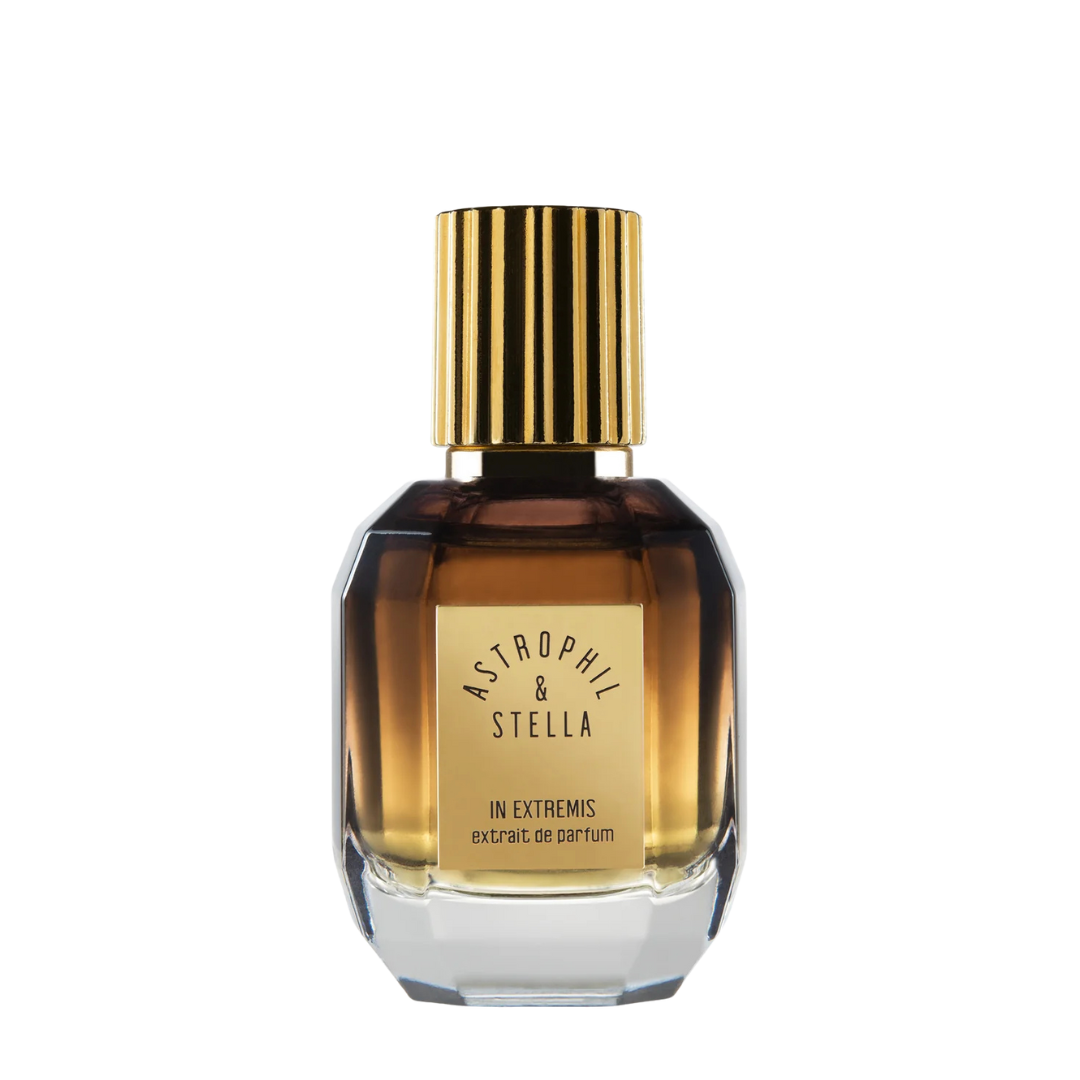
An inexpensive fragrance can be very strong because it uses fixative, highly diffusing molecules. This is efficient – but not automatically elegant. A high-quality fragrance can be subtle because it works with texture rather than intensity. Some perceive this as "too little" – while others consider it a luxury.
Why dupes rarely polarize – and what that reveals about quality
Dupe culture strives for equality. But equality is the opposite of risk. A dupe is designed to satisfy as many people as possible: recognition, cleanliness, a familiar feeling. The irritating element is usually omitted or toned down because it generates complaints. This is precisely why dupes are less polarizing: they are geared towards harmony.
However, harmony is not automatically quality. Harmony is often just the absence of a decision.
A fragrance that can polarize has made a choice. It has said, "This is who I am." And those who don't fit in will notice. That's not elitist. That's honest.
When friction makes sense – how to distinguish true quality from mere provocation
Not every fragrance that polarizes is automatically high-quality. Even in the world of niche fragrances, there's a lot of gimmicky hype: compositions that are loud, extreme, uncomfortable – but ultimately hollow. The difference between genuine quality and mere provocation lies not in intensity, but in consistency. A good fragrance knows why it's controversial. A bad one does it because it can't think of anything else.
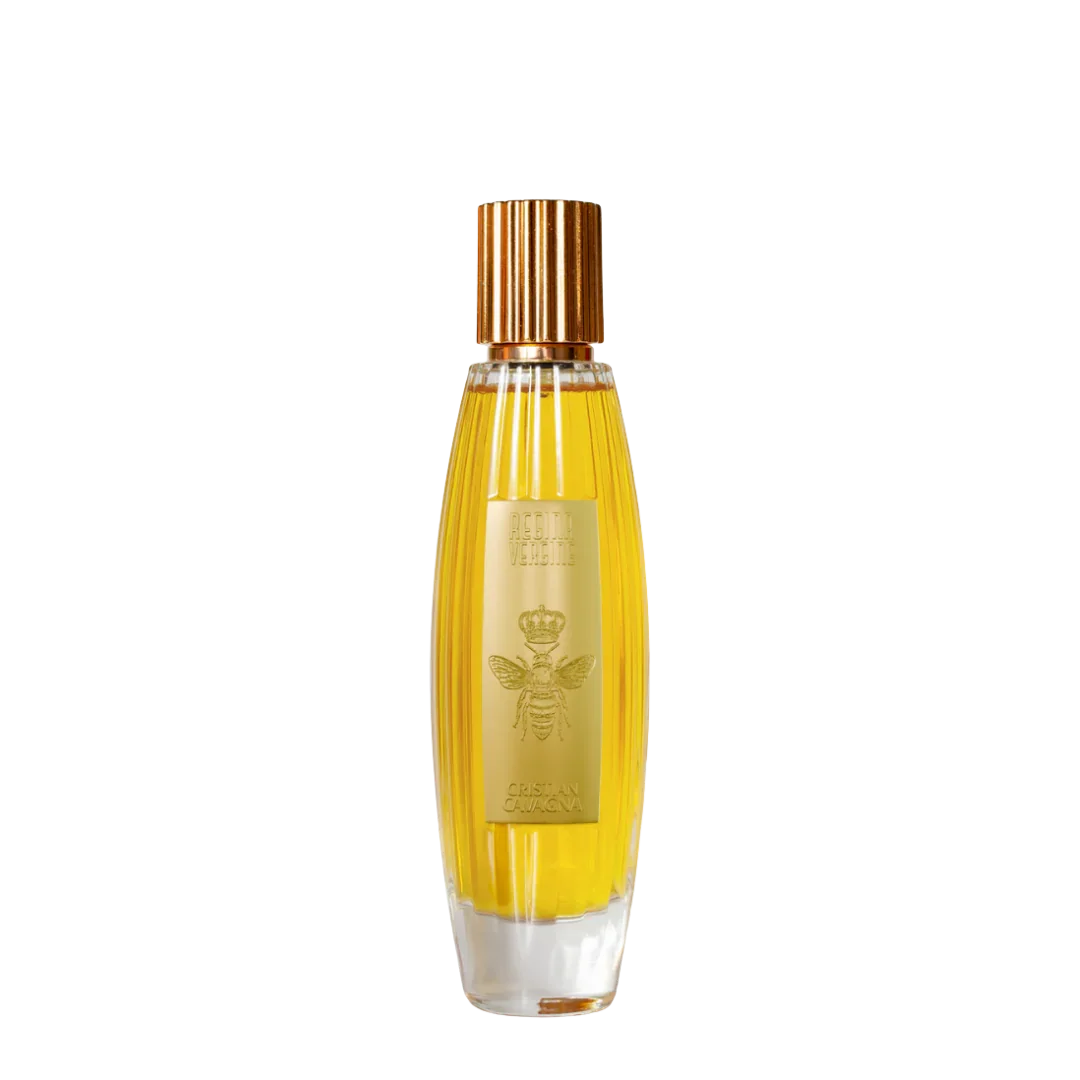
A polarizing niche perfume with substance remains coherent even when you dissect it analytically. Its bitterness is deliberate, not accidental. Its animalic or smoky facets are integrated, not dirty for the sake of shock. Even where the fragrance becomes uncomfortable, you sense control. A clear structure. A solid foundation.
Without this internal logic, polarization quickly tips into arbitrariness. The result is a fragrance that provokes at first but quickly becomes tiresome. What remains is loudness without depth. This is precisely where craftsmanship separates from mere extremism – a difference one doesn't immediately perceive, but rather recognizes over time.
Time as a touchstone – why good niche fragrances don't have to be instantly appealing.
Another indicator of quality is patience. High-quality niche fragrances require time – from you and your skin. They are rarely love at first spritz. Instead, they unfold gradually, sometimes contradictorily, sometimes irritatingly. And therein lies their strength. A fragrance that lingers with you hours later, raises questions, or changes, works with depth.
Cheap alternatives usually aim for immediate clarity. They explain themselves instantly, provide a clear picture – and then leave it at that. A polarizing fragrance of quality, on the other hand, develops tension. It compels you to engage with it. You don't decide immediately, but rather return to it internally. This is no accident, but a sign of compositional intelligence.
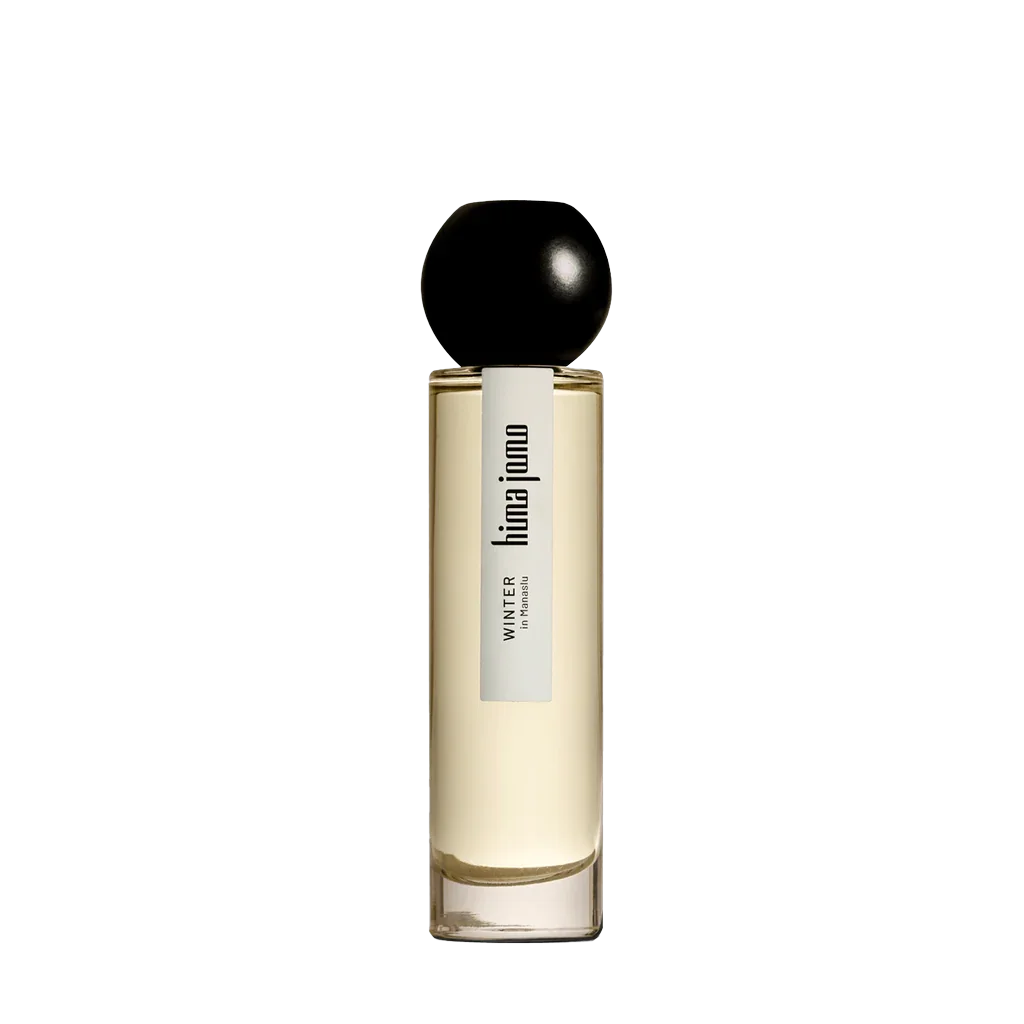
Why true fragrance quality always requires attitude
Ultimately, it's not about whether a fragrance "appeals." It's about whether it stands for something. A niche fragrance without a stance is just another product. One with a stance can be provocative, contradictory, subtle, or even unconventional. It doesn't have to appeal to everyone—but it knows exactly what it stands for.
And that's precisely why polarizing fragrances are often the better ones. They aren't for everyone, but for someone. For people who don't see fragrance as mere decoration, but as an expression. As a conscious choice. As part of their identity.
"Better" also means: The fragrance has a backbone.
Many niche fragrances carry an idea that doesn't dissolve after two minutes. They have a backbone. You can feel it in the structure: how the top, heart, and base interlock, how the transitions are constructed, how the base isn't just "sweet" or "woody," but possesses its own distinct texture. Here, modern molecular artistry often plays a subtle role—not as a showpiece, but as architecture. Orcanox-like amber warmth, velvety musk structures, dry wood illusions that don't smell like "DIY store" but rather like form. These aren't details for nerds—these are the reasons why a fragrance doesn't fall flat.
And yes: That costs money. Not just money, but skill.
Polarization as a quality filter: You have to choose – and that's exactly the point.
When a fragrance polarizes, it forces you to make a decision. You can't just find it "okay." You'll either want to wear it or put it away. And that's precisely what's a gift in a world full of interchangeable scents: fragrance becomes something meaningful again. Not just something to "smell," but something to "work."
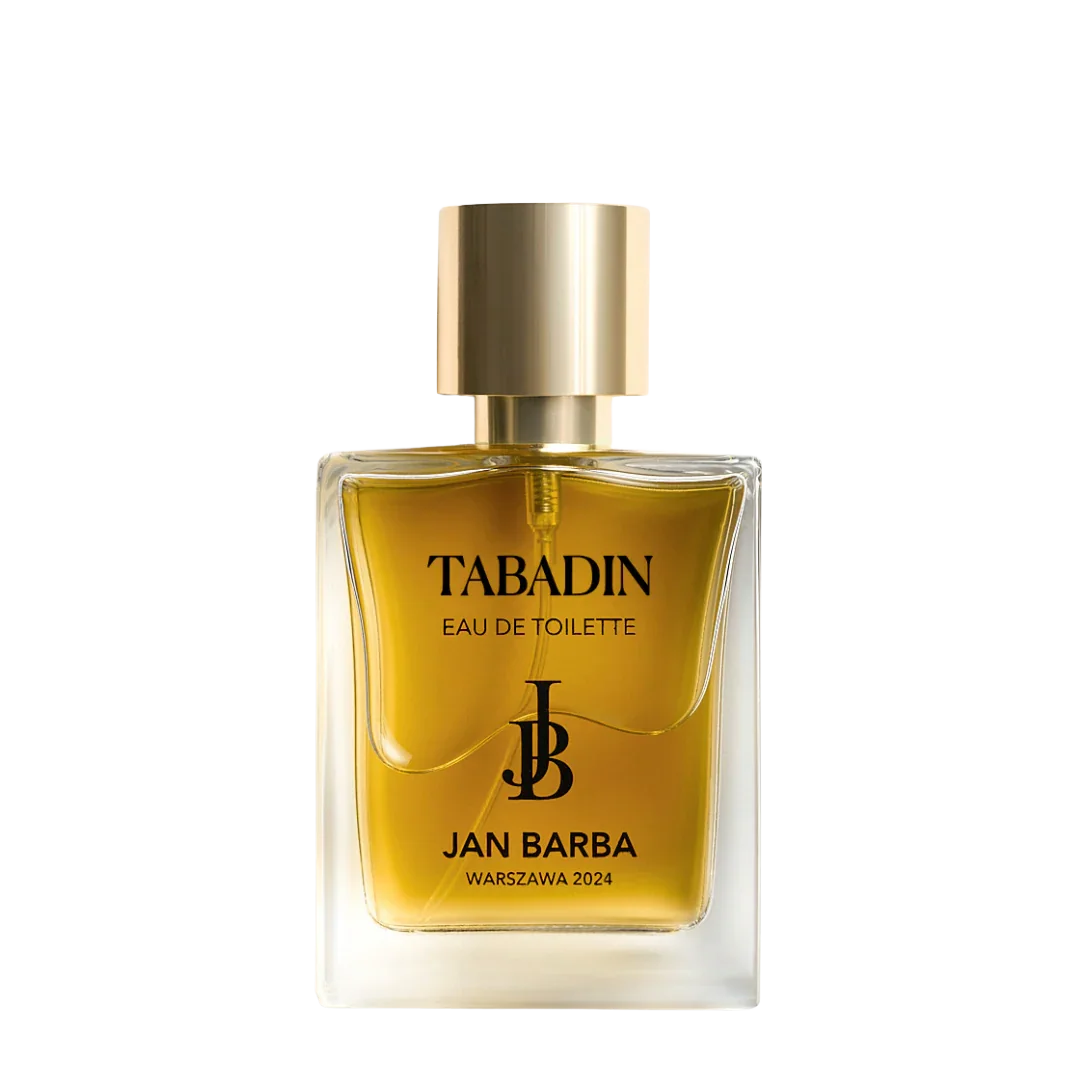
This is gold for your fragrance wardrobe. Because a polarizing niche scent can become your signature – not because everyone likes it, but because it suits you. And when it suits you, it often has a stronger effect on others than any pleasing fragrance ever could. People sense consistency. They notice whether you're wearing something that truly belongs to you – or something that's just meant to be "right".
How to test polarizing niche fragrances without making a bad purchase
If you want to discover scents like these, you have to test them differently than in duty-free. Not on a paper strip under neon lights. But on your skin, for hours, ideally for two days. Spray sparingly. Go outside. Move around. Let the scent permeate the air, clothing, warmth, and time. And don't just observe whether it's "nice"—but whether it engages you. Whether you want to smell it again and again. Whether it changes your mood.
That's precisely why fragrance and perfume samples aren't just an afterthought, but the smart way to start. Polarizing scents are rarely "love at first sight." Often, it's love on the second day.
Why this is a perfect match for Scent Amor
scent amor is no place for compromise. It's not about pleasing as many noses as possible. It's about showing you fragrances with substance – niche perfumes that aren't pretentious, but precise. Curated by Georg R. Wuchsa , so you don't end up in the noise of the market, but with fragrances that carry a clear message.
If you're looking for niche fragrances that are allowed to polarize, you've come to the right place. Because that's often where quality begins: not with popular appeal, but with distinctiveness. And distinctiveness is always noticeable.

FAQ: Niche fragrances, niche perfume & fragrance quality explained
What does it mean when niche fragrances polarize?
When niche fragrances polarize, they pursue a clear olfactory concept rather than trying to appeal to as many people as possible. Polarization arises from consistency in material, structure, and message. This is often a sign of high fragrance quality .
Are polarizing niche fragrances better than cheaper alternatives?
Not automatically, but often. A good niche perfume polarizes for its content, while cheaper alternatives and dupes deliberately smooth over the rough edges. As a result, they lose depth, development, and character.
How can I recognize quality in a niche perfume?
Quality is revealed in development, balance, and internal logic. High-quality niche fragrances evolve over time, react to skin chemistry, and remain captivating even after hours. Mere intensity or extreme longevity are not proof of quality.
Why do dupes smell similar but seem less appealing?
Dupes usually copy the initial impression of a fragrance. Transitions, texture, and complex base structures are often missing. As a result, they seem linear and interchangeable, even if they smell familiar at first.
How do I test niche fragrances without making a bad purchase?
The best way to test it is with perfume or fragrance samples applied to the skin over several hours or days. The first spray isn't crucial; rather, it's how the scent develops, your mood, and your personal reaction.
Who are polarizing niche fragrances suitable for?
For people who understand fragrance as a form of expression. Whether it's a men's fragrance , a women's fragrance , or a unisex perfume – what matters is not pleasing the wearer, but rather that it suits one's own personality.
Copyright by scent amor © 2025 (grw)
More articles on the scent news blog by scent amor:

An Invisible Path to the Soul: Fragrances for Inner Balance
Niche perfume can steady your inner balance with bright citrus, focused woods, and skin-close musk. Learn why the limbic system reacts so fast to scent. Simple rituals and mindful layering turn fra...


Leave a comment
All comments are moderated before being published.