







A thorough introduction to the four main accords of perfumery – explained for fragrance lovers and creatives.
A perfume has an effect long before you analyze it. Even before individual notes become perceptible, an impression of unity, tension, or friction arises. This is precisely where the understanding of perfume accords begins. In professional perfumery, the focus is not on isolated raw materials, but on relationships. Accords form the structural foundation of every fragrance composition . They determine whether a fragrance develops character—or falls apart.
A fragrance accord is not merely decorative. It is construction, attitude, and signature all at once. Especially in niche perfumery, accords are the key to creating exceptional fragrances with depth, tranquility, and distinctiveness.
What is truly an accord in perfumery?
In perfumery, a perfume accord refers to the deliberate combination of several fragrance components into a new, independent olfactory unit. The crucial factor is not whether individual components remain identifiable, but whether they together develop a stable character. An accord does not function additively, but relationally. It possesses direction, volume, and internal logic.
In a professional fragrance formula, accords play a pivotal role. They structure the fragrance composition , give it stability, and prevent a perfume from sounding like a loose sequence of individual effects. Accords draw on materials from different fragrance families and combine them into robust structures. This is precisely why they are the most important tool in perfumery – and the true arena for creative work.

Why perfume isn't made up of notes, but of relationships
The classic division into top, heart, and base notes is a helpful model, but it doesn't explain actual perception. You don't smell a list of ingredients. You smell relationships. Perfume accords make these relationships tangible. They explain why two fragrances with similar notes can have a completely different effect—and why a niche fragrance often seems more complex, calmer, and more lasting than conventional compositions.
Niche perfumes, in particular, consciously work with accords rather than effects. They focus on structure rather than volume, on connection rather than sensory overload. This is one of the reasons why many exceptional fragrances don't immediately appeal, but create a lasting impression.
Understanding fragrance accords means moving beyond simply liking or disliking scents. Perception becomes more precise, language more nuanced, and judgments clearer. This is precisely where true fragrance expertise begins – for enthusiasts, creatives, and anyone who wants to not only wear niche fragrances but truly understand them.
The chypre chord – depth, contrast, and architectural discipline
The chypre accord is one of the most sophisticated fragrance constructions in perfumery . It thrives on controlled contrasts: freshness meets earthiness, light meets shadow. Classically, this tension is created through a citrusy opening, floral transitions, and a dark, mossy base that lends the fragrance stability and direction. It is precisely this clear architecture that makes the chypre accord a crucial foundation for many niche perfumes .
Its austerity is not a disadvantage, but its strength. Green nuances, fruity accents, or animalic-leathery facets can expand the accord without destabilizing its inner order. Modern interpretations are increasingly replacing heavy materials with transparent floral or musky components. The tension is maintained, the effect becomes more contemporary.
Contrasting, dry, and long-lasting, the chypre accord represents control, elegance, and depth. When François Coty established this structure in 1917, he defined not just an accord, but an entire fragrance family that continues to stand for exceptional scents with a certain attitude.
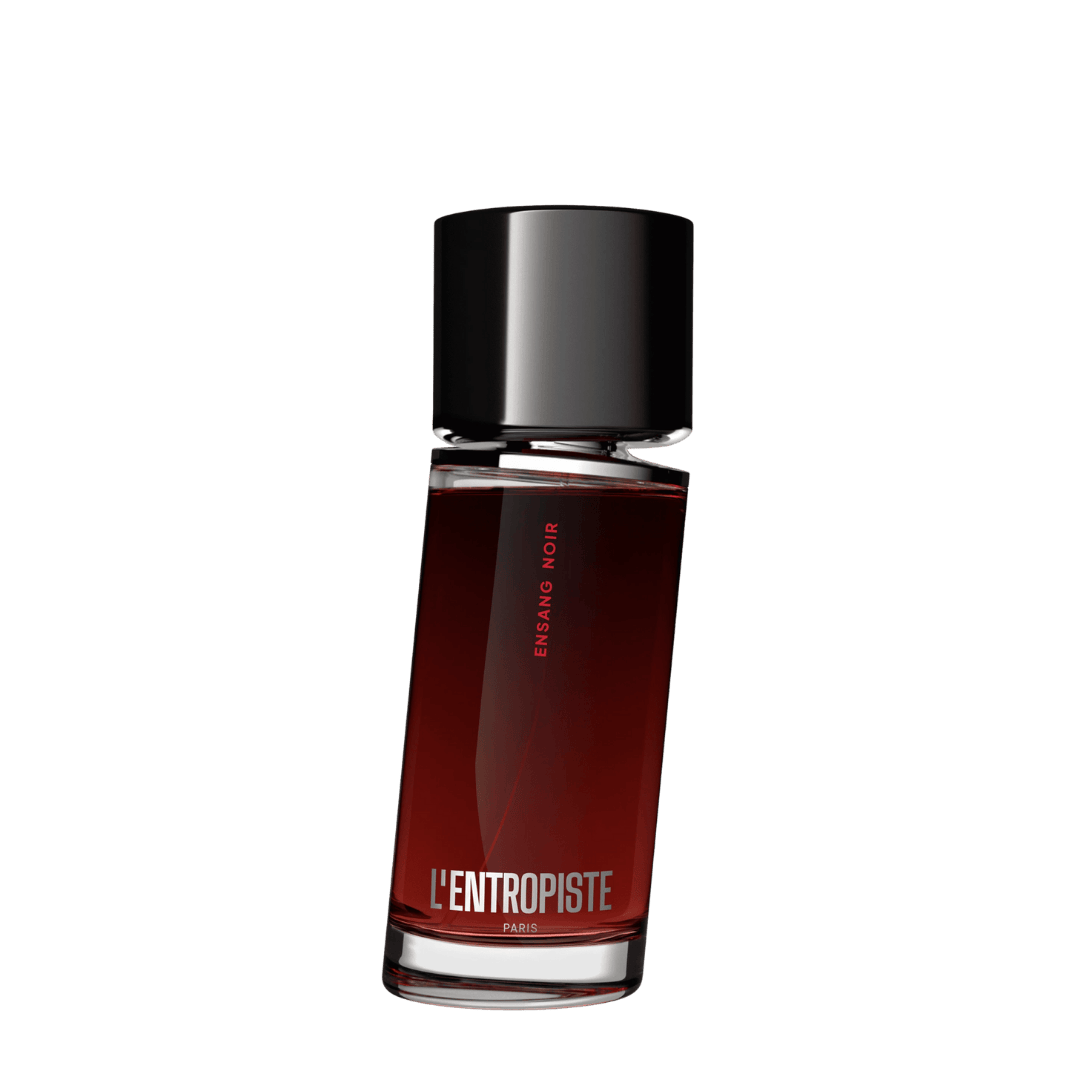
The Cologne accord – freshness as an attitude, not as an effect
The cologne accord is not a question of concentration, but of structure. Citrus elements, aromatic herbs, and floral nuances combine to create a transparent, functional fragrance composition that deliberately avoids over-the-topness. Originally, this accord stood for purity, invigoration, and everyday wearability—qualities that make it relevant even today.
Its modern significance lies in a growing desire for authenticity. The cologne accord is direct, unpretentious, and intimate. Contemporary versions are often drier, more minimalist, and more structured than their historical predecessors. Especially in niche perfumery, this restraint is understood as a conscious choice, not a lack of depth.
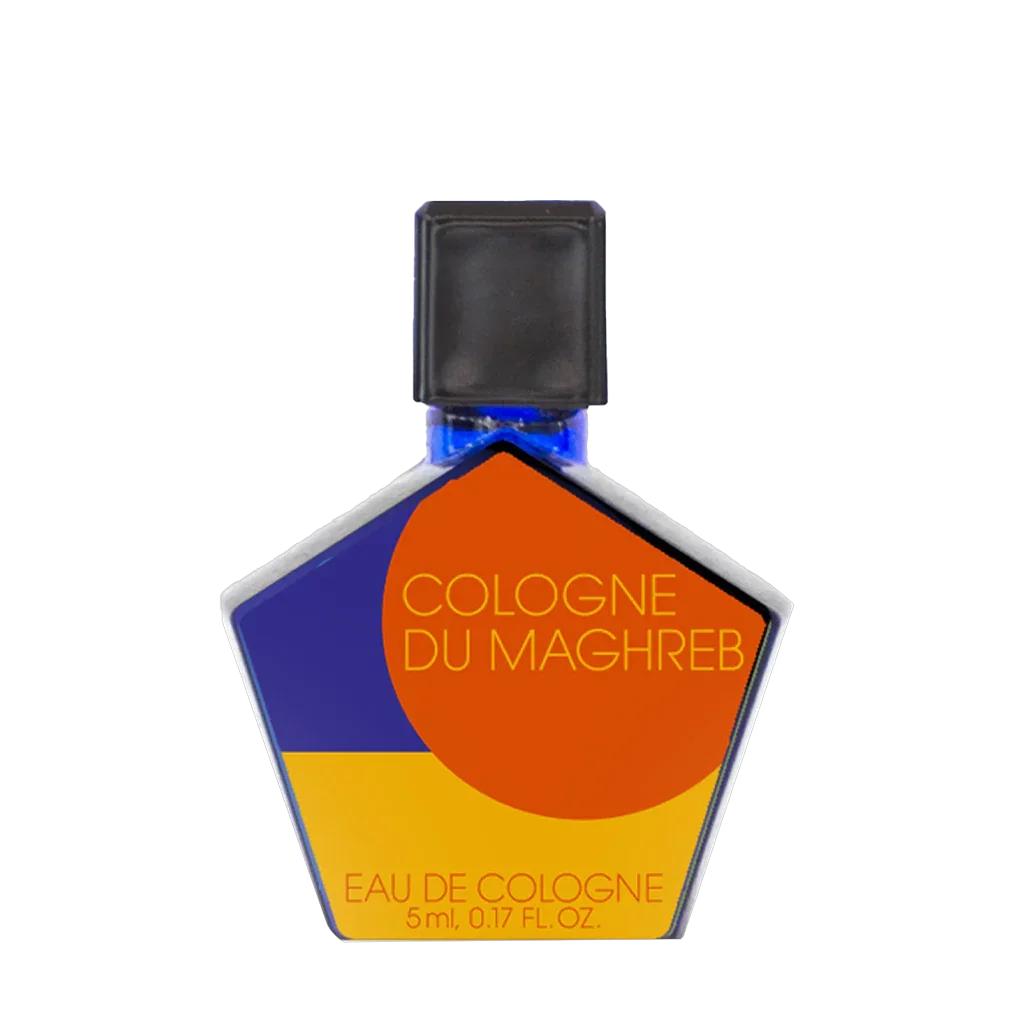
Fresh, clear, and honest, this accord eschews drama and gains its character precisely from this. Its origins date back to the late 17th century, when Aqua Mirabilis laid the foundation for a fragrance concept that endures to this day.
The fougère chord – abstraction, order and masculine clarity
The fougère accord is among the first consciously abstract fragrance concepts in perfumery . Its name refers not to a real fragrant plant, but to a constructed scent image. Aromatic freshness meets warm depth, green aspects combine with sweet, mossy nuances to form a clearly structured whole.
This architecture became the archetype of classic men's fragrances and shaped the image of refined, clean fragrance compositions for decades. But the fougère accord is not a nostalgic formula. Interpreted in a contemporary way, it appears clear, controlled, and surprisingly modern, often reduced to its core structural relationships.
Intensely fresh, aromatic, and disciplined, this accord creates order without seeming sterile. This fragrance language was established at the end of the 19th century and remains a central foundation for many niche fragrances .
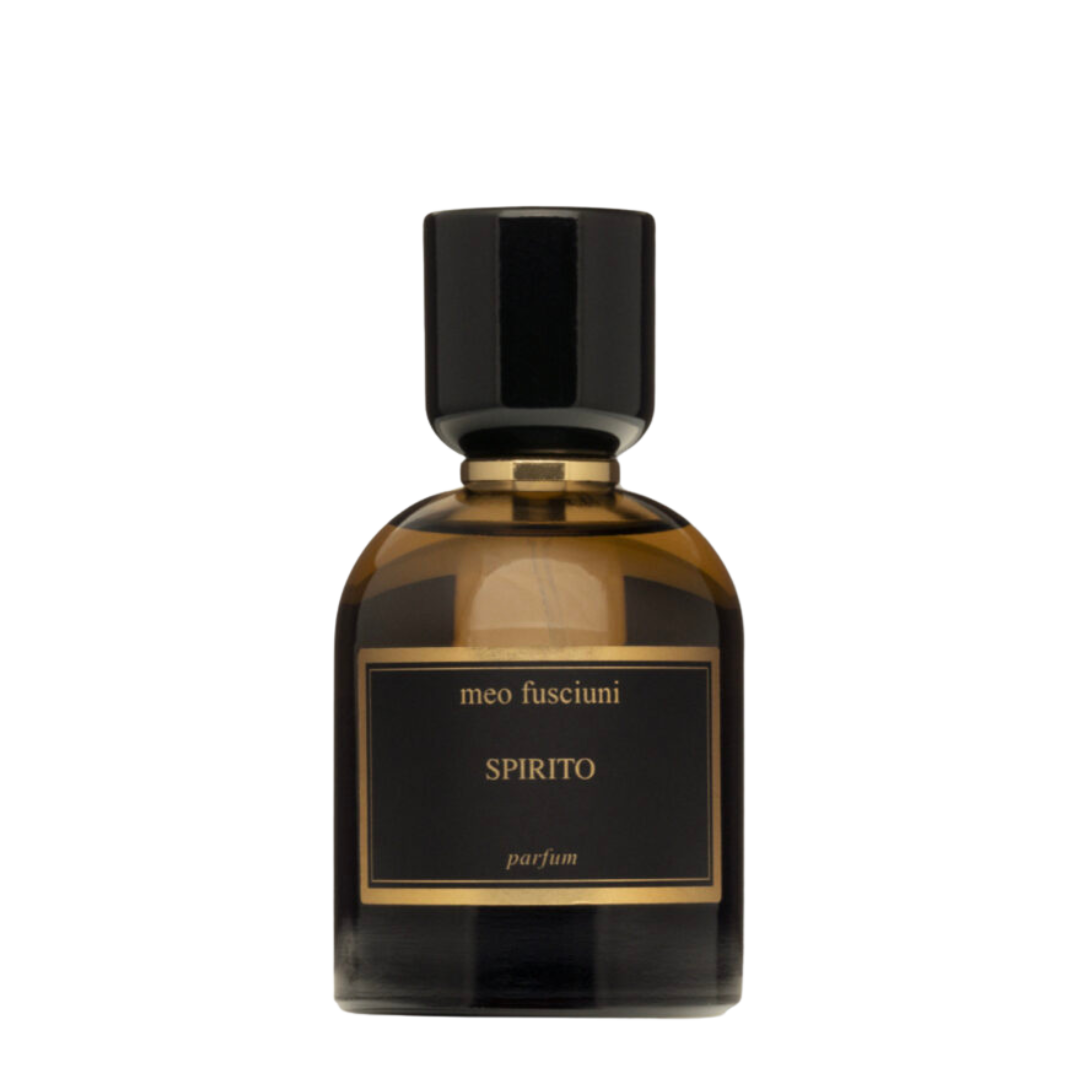
The Amber Chord – warmth, density, and sensual gravity
The amber accord represents depth, warmth, and olfactory density. Resinous, balsamic, and vanilla components combine to create an enveloping structure that clings closely to the skin. This fragrance composition is often opened with spicy, floral, or citrus notes before unfolding its full intensity.
Traditionally associated with oriental fragrances, the amber accord has undergone a significant transformation in recent years. Modern interpretations incorporate fruity facets, gourmand nuances, or contemporary musk and amber molecules. This results in unisex perfumes that are more approachable without sacrificing their depth.
Warm, enveloping, and long-lasting, this accord anchors a fragrance on the skin and in the memory. Especially in the context of luxurious niche perfumes , the amber accord often forms the emotional heart of a composition.
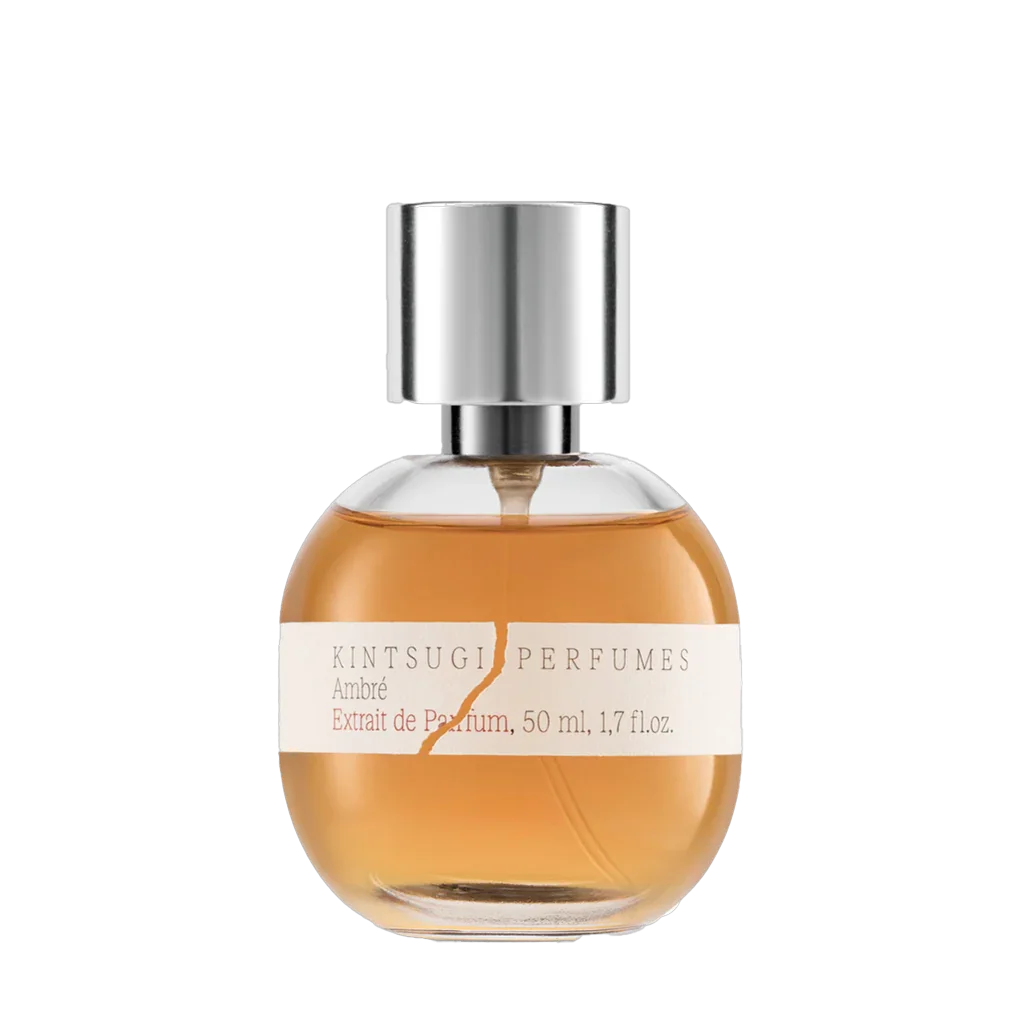
How classic perfume accords are being reimagined today
The major perfume accords of perfumery are not static systems. They evolve – not arbitrarily, but out of necessity. Changes in raw material availability, regulatory requirements, technological innovations, and a heightened sense of smell have led to classic accords being constructed differently today than they were just a few decades ago. The structure remains, but the expression shifts.
Modern niche perfumery doesn't work against tradition, but with it. Chypre, fougère, amber, or cologne structures are transformed, not replaced. Their fundamental concept remains, their sound becomes more precise. Heavy, opulent constructions increasingly give way to more transparent, controlled variations that appear calmer yet still possess depth. This is precisely where the difference between effect and substance becomes apparent.
Contemporary fragrance molecules play a central role. They don't completely replace classic materials, but rather alter their effect. Chypre accords now appear brighter and more abstract, amber accords drier, more mineral, and less sweet. Fougère structures are breaking free from rigid gender associations and gaining in openness, while the cologne accord is being stabilized to combine freshness with staying power. Accords remain recognizable, but their emphasis shifts.
This is precisely the appeal of modern niche fragrances . They reference fragrance history without reproducing it. Accords act as a bridge between past and present – familiar in structure, contemporary in expression. This results in extraordinary fragrances that don't need to be loud to be present.
Accords as a key to conscious fragrance choice
Those who consider perfume in terms of accords rather than isolated fragrance notes make more precise decisions. This knowledge is particularly helpful when buying niche perfumes , allowing them to recognize structures and avoid mistakes. Accords explain not only how a fragrance is constructed, but also why it works – on the skin, in the room, and over time.
This perspective changes perception. Instead of spontaneous reaction, classification emerges. Instead of liking or disliking, understanding develops. Perfume becomes legible.
Why this knowledge leads to scent amor
scent amor stands for curated fragrances with substance. Not for fleeting trends, but for niche perfumes based on meticulously constructed accords, rigorous craftsmanship, and inner peace. The selection is not driven by gimmicks, but by a clear vision of fragrance composition . This is precisely why these exceptional scents unfold their effect not just immediately, but for hours on end.
Smelling with context, not by chance
Perfume becomes more intense when perception meets knowledge. Accords provide this context. They transform consumption into a conscious experience and fragrance into a language.
Discover niche fragrances , perfume samples and personal advice at scent amor – curated, precise and without perfume theater.
FAQ – Understanding Perfume Accords
What is the difference between an accord and a fragrance note?
A chord is a real structure made up of several substances, a fragrance note is merely a description.
How many accords does a perfume have?
Most high-quality fragrances are based on several key accords.
Why are accords so important in niche fragrances?
Because they bear structure and a personal touch, not short-term favoritism.
Is it possible to train oneself to recognize chords?
Yes. Through comparison, conscious smelling, and contextual knowledge.
Does this knowledge help when buying perfume?
Yes. It enables more targeted decisions.
Copyright by scent amor © 2025 (grw)
More articles on the scent news blog by scent amor:

Ferry Hansen Perfumes – A new voice in niche perfumery
Ferry Hansen Perfumes brings a new depth to the world of niche fragrances. No. 1 blends white blossoms, gourmand accords, and precious woods into a flowing work of art. A luxurious niche perfume t...


Leave a comment
All comments are moderated before being published.