

From raw material to skin: How perfume is created, why niche fragrances work differently, and why true quality has nothing to do with chance.
A perfume isn't born from a pretty name, a trend, or a mere "feeling of luxury" poured into alcohol. Before your favorite fragrance even has a chance to shine on your skin, it must go through a process that sounds unromantic, but is precisely why it's so fascinating: selection, testing, repetition, and correction. Perfume making isn't a spontaneous inspiration, but a controlled struggle for effect. And when you wear a fragrance that doesn't just want to be pleasant, but makes a statement, then you're wearing the result of decisions that can't be glossed over.
You really notice this with a niche perfume : it's not about getting approval in three seconds. It's about a fragrance creating a space, maintaining tension, not just accompanying you, but taking a stand. Many people confuse "pleasant" with "good." In reality, pleasing is often just a form of security. Quality begins where you don't try to be everything at once—and where the fragrance is willing to challenge you a little.

Raw materials: Where every fragrance truly begins
It doesn't begin with storytelling, but with materials. And materials are capricious. Natural raw materials like bergamot , rose , jasmine , vetiver , sandalwood , or vanilla aren't simply "beautiful"—they are alive, fluctuating, sometimes brilliant, sometimes challenging. The same plant can smell completely different depending on the harvest, weather, soil, and processing. That's the magic of nature, yes—but it's also the challenge. So, if you expect a perfume to smell exactly the same every year, you're essentially demanding a form of control that nature alone cannot provide.
That's why modern perfumery doesn't operate in black and white. Natural ingredients bring nuances, unpredictability, depth—that slightly imperfect quality that makes a fragrance feel human. At the same time, many formulas require stability, consistency, and precise effects. This is precisely where high-quality fragrance molecules come into play: Iso E Super , Cashmeran , Ambroxan , Habanolide , or Helvetolide® are not "tricks," but tools. They can create transparency, shape warmth, build closeness to the skin, or extend longevity without weighing down the fragrance. A well-crafted unisex perfume often thrives on precisely this balance: nature as the soul, molecules as the architecture.
Extraction: How fragrance is extracted from matter
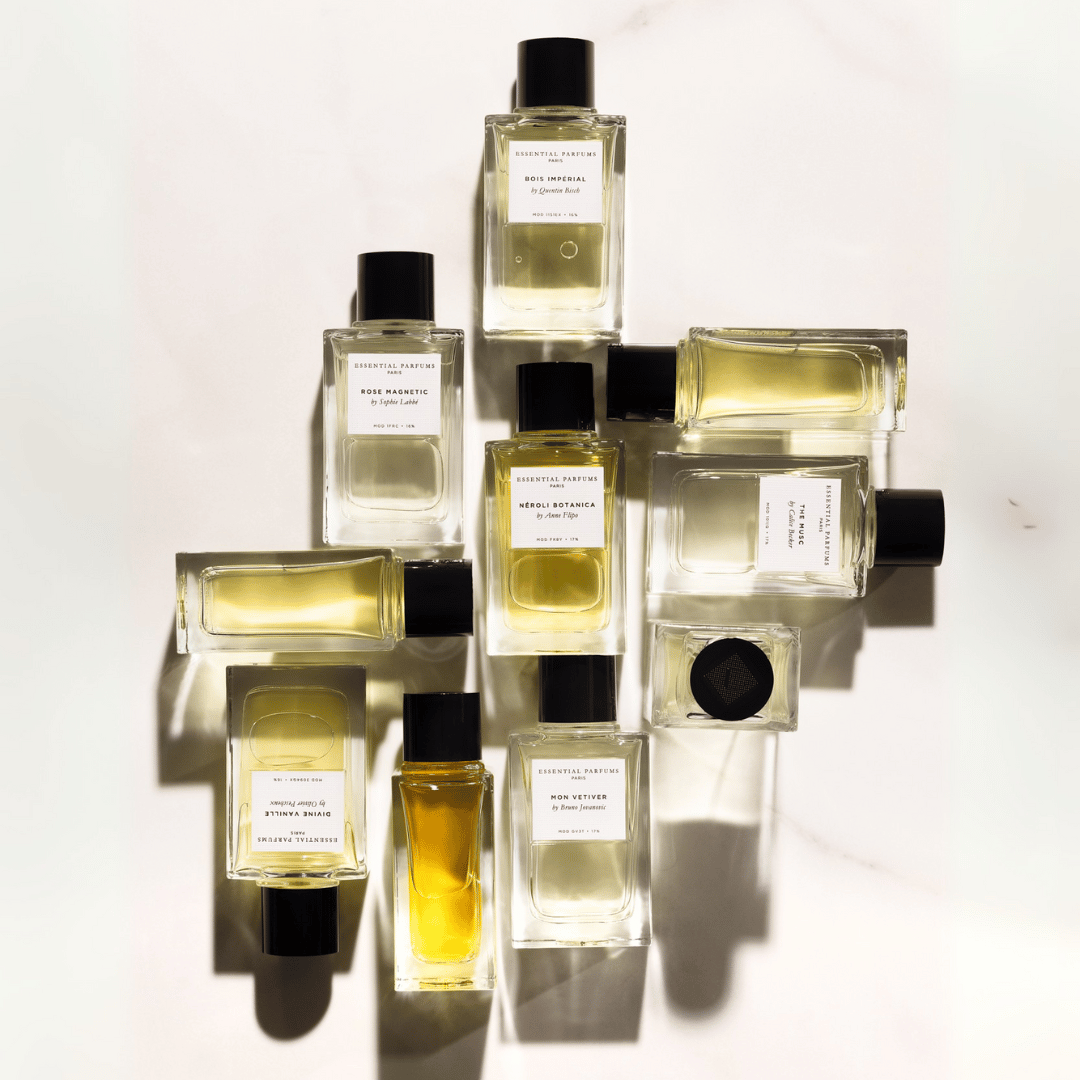
If you only know perfume as a ready-made spray, you're overlooking one of the most crucial steps: How is the fragrance actually extracted from flowers, resins, woods, or peels? The method determines not only the quality but also the character. Cold pressing is common for citrus peels, solvent extraction is used for many flowers, and CO₂ is employed for delicate raw materials to achieve a particularly natural, often soft, profile. And then there are raw materials produced through distillation, where heat, pressure, and time determine whether an oil is radiant, harsh, bitter, or smooth.
This is the moment when "luxury" becomes real – not as a label, but as effort. When a raw material is carefully handled during its extraction, it doesn't just smell "cleaner," but more complex. And if this raw material is poorly extracted, the perfumer can be incredibly talented later on, but they're building on a shaky foundation. In perfume making, quality often begins where no one looks – in a laboratory, a still, a process that isn't Instagrammable, but is crucial.
Nature vs. Synthesis: Why modern perfume production doesn't work without molecules.
Let's dispel this myth right away: "Natural" sounds morally superior, but in perfumery, it's not a measure of quality. There are natural substances that are breathtaking—and there are natural substances that are unstable, allergenic, fluctuating, or subject to regulatory restrictions. At the same time, there are molecules that can be used cheaply and superficially—and there are molecules that function like the finest brushstrokes. The crucial question isn't "Natural or synthetic?", but rather: Is the formula intelligently constructed, is it coherent, is its effect honest?
Many niche fragrances use molecules not to save money, but to achieve greater precision. A musk molecule can modulate skin warmth so that the scent doesn't overpower, but lingers. An amber accord can add depth without immediately tipping into heavy sweetness. And sometimes molecules are simply the only way to create an abstract effect that nature could never provide: that clean, vibrant transparency, that "light in the fragrance," that modern, almost textile elegance. Those who categorically demonize molecules often know less about perfumery than they admit.
The idea: From briefing to stance – and why “pleasing” is not a strategy
Before anything is blended, it must be clear what a fragrance is meant to convey. And yes, in the world of major brands, this often begins with market research. In niche markets, it more frequently starts with an attitude, a scene, an image, an obsession. The difference is noticeable. If a fragrance is designed solely to quickly appeal, it's usually constructed in such a way that any rough edges are smoothed out before you even perceive them. It feels "well-rounded"—and then, in the next moment, interchangeable.
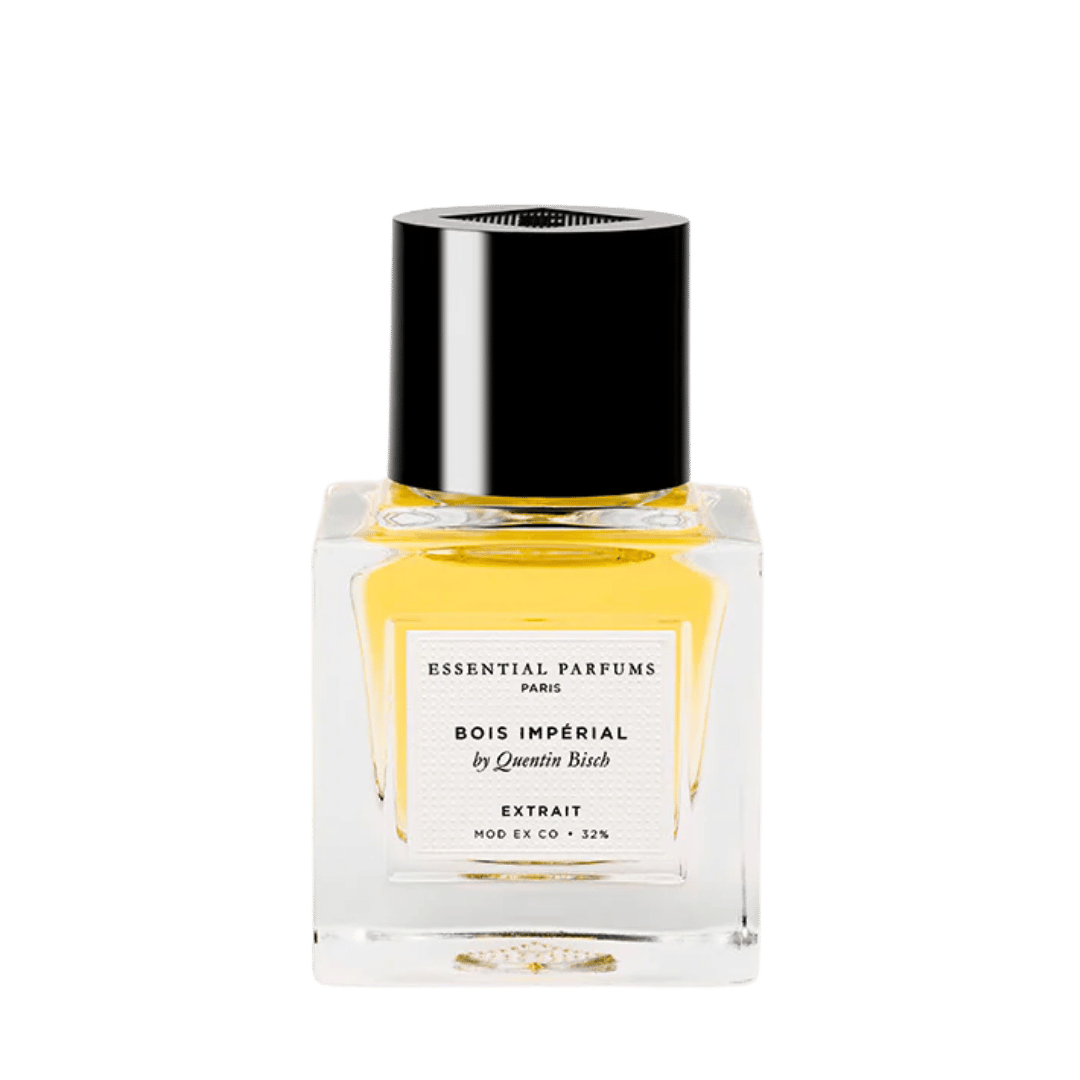
A niche fragrance is allowed to take risks. It's allowed to let a note linger longer than would be convenient. It's allowed to build a heart that isn't polished or overly refined. In perfumery, this isn't by chance, but a bold decision: not to be maximally compatible, but maximally distinctive. This is the point at which you, as the wearer, are no longer a consumer, but a participant. You react. You decide. You give the fragrance space – or you reject it. Both are legitimate. Only neutrality is rare.
The role of the perfumer: Handwriting instead of a recipe

Here's the crucial truth: Perfumers aren't simply "mixers." They're dramatists. They construct time. Two perfumers can use the same pool of raw materials and ultimately create two different worlds. One builds tension through contrasts, the other through smooth transitions. One relies on subtle projection, the other on presence. And that's precisely why you eventually recognize signature styles—not because you can name all the raw materials, but because you sense the way a fragrance thinks.
In perfume making, it's often the seemingly insignificant decisions that make all the difference: How much bitterness can a citrus note have before it feels "harsh"? How dry can a wood note be before it becomes dusty? How much musk is skin—and when does it start to sound like laundry detergent? These micro-decisions are precisely the luxury. Not as a price, but as precision. And when a fragrance is truly good, it doesn't feel like a compromise, but like a clear answer.
Composition: Head, heart, base – but above all, progression
Top, heart, and base are not categories, but tools for shaping the fragrance's progression. Bergamot can provide light, jasmine can create a pulse, sandalwood can soothe, vetiver can provide structure. But the true art isn't in collecting beautiful notes. The art lies in crafting transitions so that the fragrance doesn't fall apart into three acts, but rather functions like a single, evolving thought.
A good niche perfume doesn't just let you smell, it lets you discover. There are moments when you think: "This is going to turn sour"—and then it recovers. Or you think it's warm—and suddenly it becomes dry. This movement isn't accidental. It's the result of perfumers working with evaporation, molecular weights, and contrasts. A men's fragrance doesn't have to shout "masculine." A women's fragrance doesn't have to whisper "softly." And a unisex perfume isn't "for everyone," but often for people who don't want to be defined by their gender.
Longevity, sillage, projection: What really influences perfume manufacturing

Now comes the part that almost everyone Googles – and that hardly anyone explains properly: Why doesn't a fragrance last? Why is the projection faint? Why does it change so drastically? Concentration is only one factor. Far more important are structure, fixation, material quality, and balance. A fragrance can be formulated as an Eau de Parfum and still disappear quickly if the formula is too volatile or if it has been designed for maximum lightness. Conversely, a fragrance with a moderate concentration can last forever if the base is intelligently constructed.
And another thing many don't want to hear: loud isn't automatically good. Many niche fragrances are deliberately crafted to create a sense of intimacy. This isn't a "flaw," it's style. They don't aim to dominate the room, but rather you. So, if you experience a subtle projection from a fragrance, it could mean it's high-quality, finely tuned, and designed for its effect on the skin—rather than for instant attention. In perfumery, this is a conscious decision against a quick, dramatic effect.
Maturation & Maceration: Why time is a raw material you can't see
After blending, a perfume often still sounds harsh. Not "bad," but disconnected. Now comes the phase that large parts of the industry would love to shorten: maceration, maturation, and rest. During this time, the components meld, sharp notes soften, and transitions become smoother. You can think of it like a good dish that tastes even better the next day because everything has had time to meld together—except here, chemistry and time do the work.
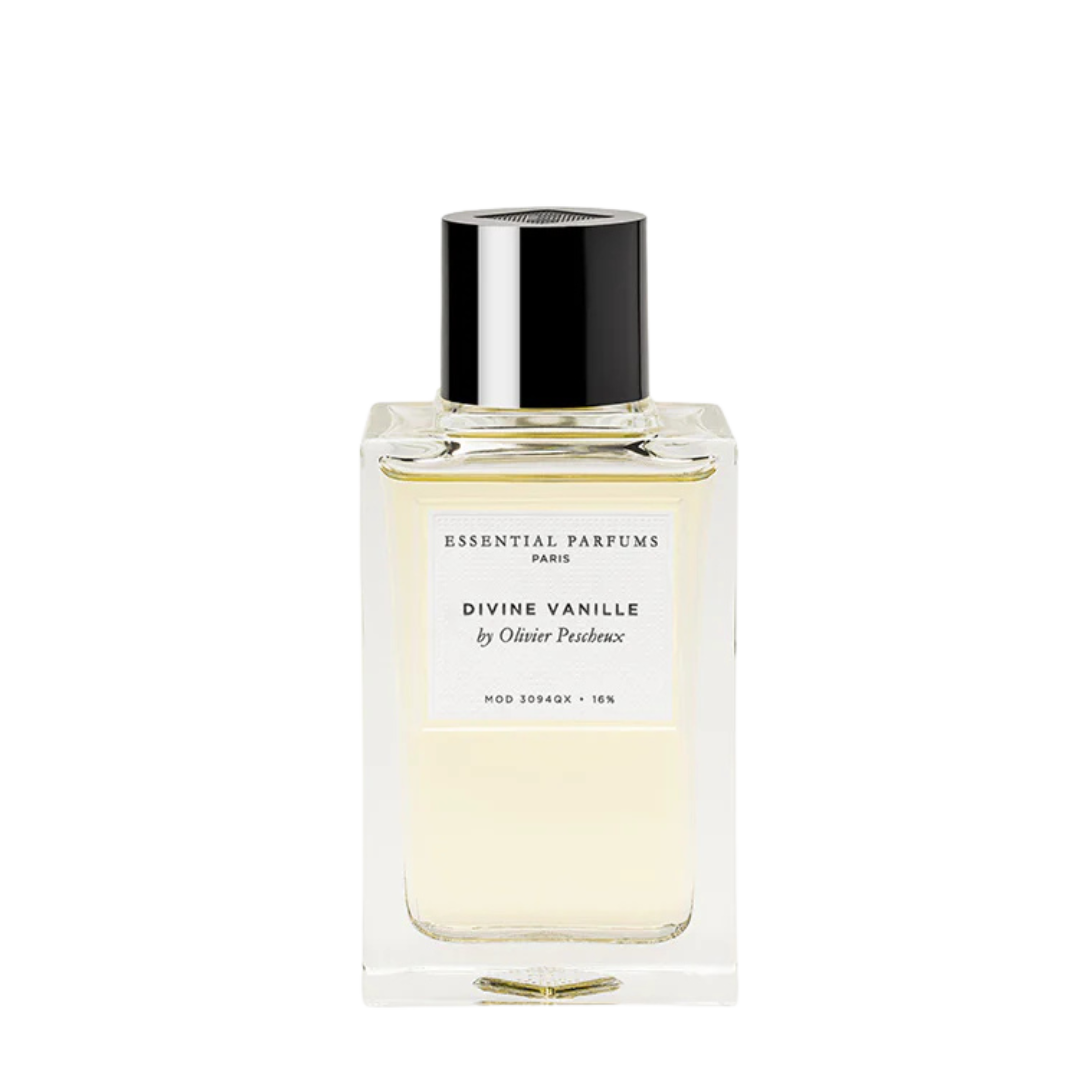
A luxurious niche perfume truly shines here. Niche often means smaller batches, more patience, less pressure for a rapid release. If a fragrance seems "perfect" to you immediately, it's sometimes simply too polished. As it settles over hours and days, it breathes. And if it deepens even further after weeks in the bottle, then time was an integral part of its creation – not just storage.
Filtration, stability, batch: The invisible side of quality
Before bottling, the product undergoes rigorous testing: stability, turbidity, temperature behavior, and any potential precipitation. Then it is filtered, often cold, to remove certain particles that could later alter the fragrance visually or olfactorily. This may sound technical, but it's essential: a perfume that spoils in the summer heat or becomes cloudy in winter isn't a luxury, it's a problem.
And here's a point that's rarely mentioned: consistency is expensive. If you want your favorite fragrance to remain recognizable for years, you either have to rely on extremely standardized raw materials or fine-tune the batch each time. That's true perfume making : not a one-off "genius," but repeatable excellence. Smaller houses, in particular, demonstrate character here—because they don't just reproduce, but readjust when a raw material differs from the previous year.
Concentration: Extract is not "better", but different.
Extrait de Parfum , Eau de Parfum , Eau de Toilette – these aren't rankings, but rather forms of presence. An Extrait can be denser, more intimate, sometimes heavier. An Eau de Parfum can be more versatile, more dynamic, more open. An Eau de Toilette can be brilliant if it emphasizes transparency and aeration. The idea is what matters, not the percentage.
So if you're looking for "more longevity," concentration is a clue, but not the answer. The answer lies in the architecture. In perfume making , an extrait that's simply "a lot" is often less intelligent than an EDP that's been precisely constructed. More doesn't automatically equal mastery. Mastery is when everything has its place.
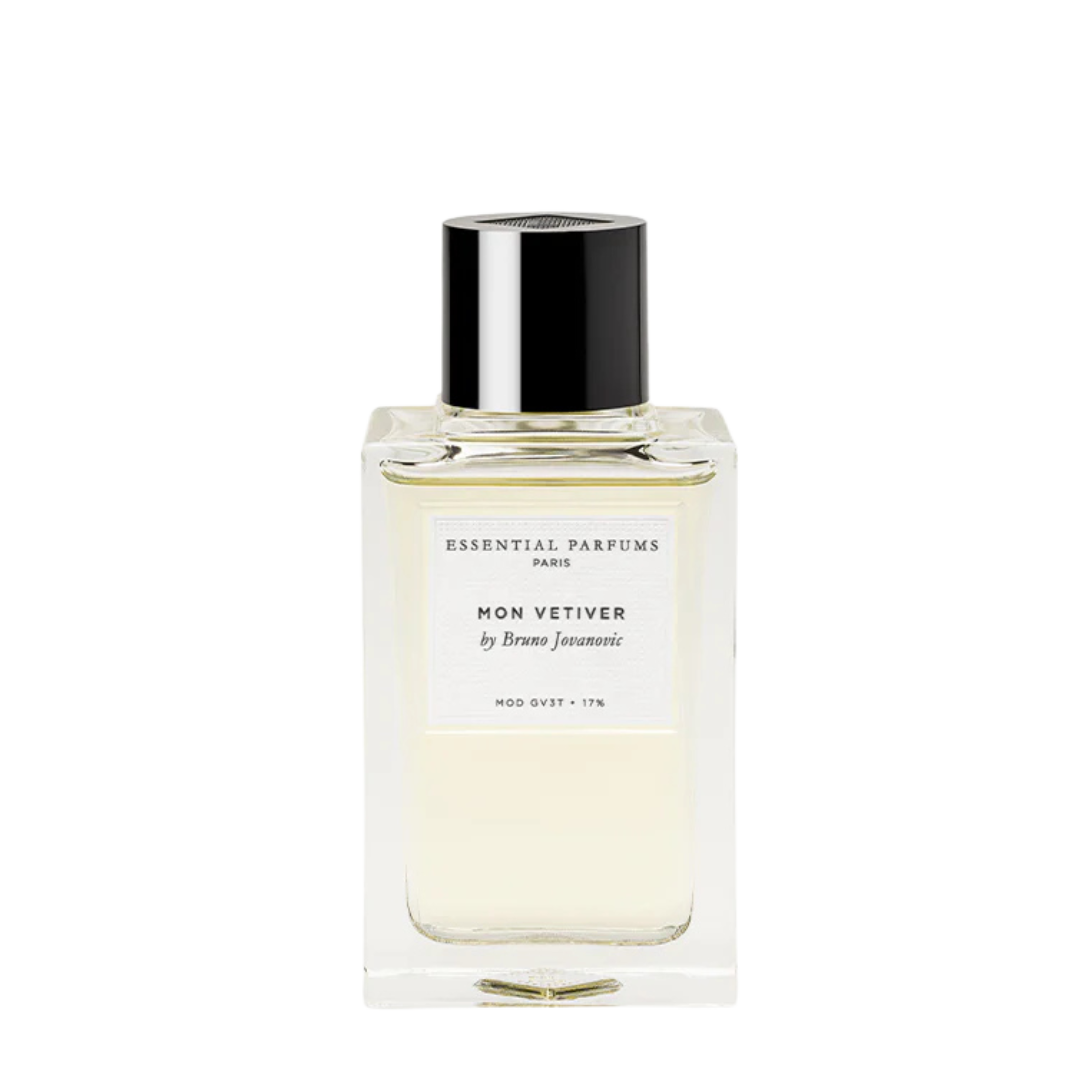
Skin chemistry: The moment you become part of the formula

The final step doesn't happen in a lab, but on you. Skin type, temperature, humidity, even your daily condition influence the fragrance's development and perception. A scent might seem perfect on paper but flat on your skin. Or vice versa: it might be strong on a test strip and suddenly soft on your skin. This isn't your imagination; it's the interplay of biology and chemistry.
That's why perfume samples aren't a luxury extra, but the logical consequence of what perfume is: a living process. If you want to judge a niche fragrance , give it time. Wear it. Go out with it. Let it permeate your everyday life. A fragrance that only works in quiet moments might be beautiful – but not necessarily for you.
Learn how to test perfumes: How to make a decision from a single spray
If you want to test perfumes honestly, you need patience and a clear process. Not because you have to be "perfect," but because perfume is a process of development. Don't spray five fragrances at once if you really want to understand what one can do. Let a fragrance run for several hours, observe the transitions, feel the moment when it "arrives" on you. That's precisely where a well-made fragrance differs from one that only shines in its opening.
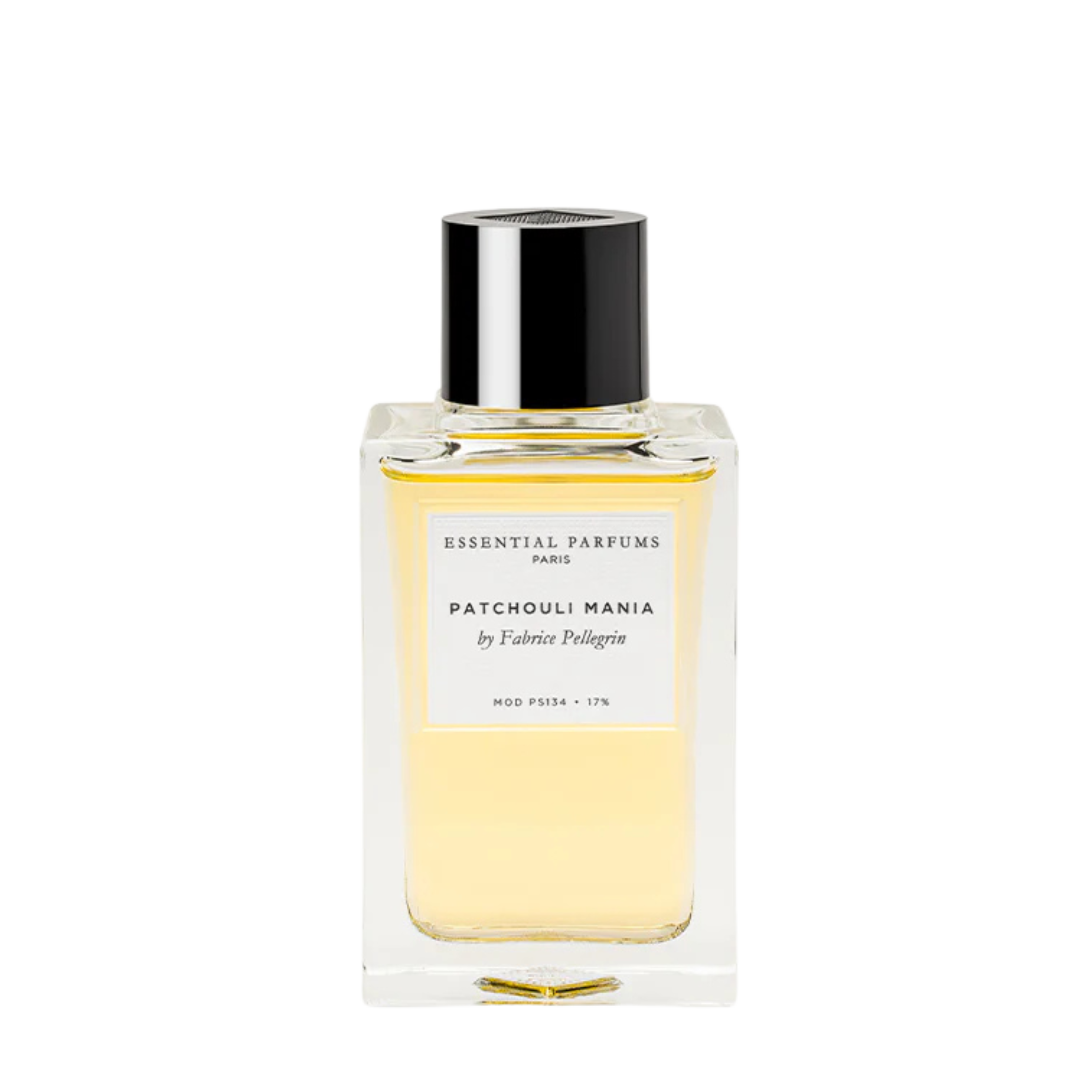
And here lies the link to your purchasing decision: Buying niche perfume means acting consciously, not impulsively. A fragrance that seems too tame at first can reveal its true class after two hours. A fragrance that is immediately loud can run out of steam later. Those who love niche perfumes often love precisely this second truth, the one that isn't immediately apparent.
Your fragrance as an attitude: Why you ultimately don't wear "a fragrance," but a decision.
When you realize all this, your perspective changes. You don't just smell notes, you smell decisions. You smell if someone has taken shortcuts. You smell if a fragrance was created out of fear or conviction. And you realize that perfume making isn't just a craft, but also a test of character: What is left out? What doesn't appeal? Where is something left unsaid so that it remains true?
Scent Amor is all about these kinds of fragrances. Curated by Georg R. Wuchsa , who doesn't seek consensus, but substance. When you delve into niche fragrances , you not only discover new compositions, but also a different way of choosing: more precise, more conscious, more uncompromising. And suddenly, your "favorite fragrance" is no longer the one that nods the fastest – but the one that resonates within you the longest.
FAQ – Understanding Perfume Manufacturing: The Most Important Questions & Answers
What is meant by modern perfume manufacturing?
Modern perfume production is a precise process encompassing raw material selection, composition, maturation, and technical stabilization. It combines natural essences with high-quality fragrance molecules to control effectiveness, longevity, and development. Especially with niche fragrances, the focus is not on quick appeal, but on character and a distinctive style. Quality arises from conscious decisions – not by chance.
Why do high-quality niche perfumes contain synthetic molecules?
Synthetic molecules are not a sign of poor quality, but rather a key tool in perfumery. They enable stability, skin-friendliness, transparency, and controlled fragrance development. Many luxurious niche perfumes would be technically impossible without molecules like Iso E Super or modern musk accords. The crucial factor is not their use, but the expertise behind it.
What distinguishes niche fragrances from mainstream perfumes?
Niche fragrances are created independently of mass-market logic and focus groups. They are allowed to be polarizing, more subtle, or feature unusual accords. In perfume production, this means longer development times, smaller batches, and greater creative freedom. The result is exceptional fragrances with personality rather than consensus.
Why does perfume sometimes not last long on the skin?
The longevity of a fragrance depends not only on its concentration, but also on its molecular structure, fixatives, balance, and skin chemistry. A well-crafted eau de parfum can last longer than a poorly constructed extrait. Niche fragrances, in particular, often prioritize intimacy over overpowering presence. Subtle doesn't mean weak—it means deliberately composed.
Why are perfume samples so important when buying niche fragrances?
A fragrance only truly unfolds on the skin and over several hours. Perfume samples allow you to realistically experience its development, longevity, and personal effect. If you want to buy a niche perfume , you should test it, not judge it. Patience is part of quality – and part of making good fragrance choices.
Copyright by scent amor © 2025 (grw)
More articles on the scent news blog by scent amor:

Your fragrance wardrobe for men – The ultimate guide to niche perfume and stylish fragrance curation
Discover how to redefine your personality with a curated fragrance wardrobe of niche scents . Learn about fragrance families, layering, and mindful use. Experience exclusive consultations at scent ...

Leave a comment
All comments are moderated before being published.