


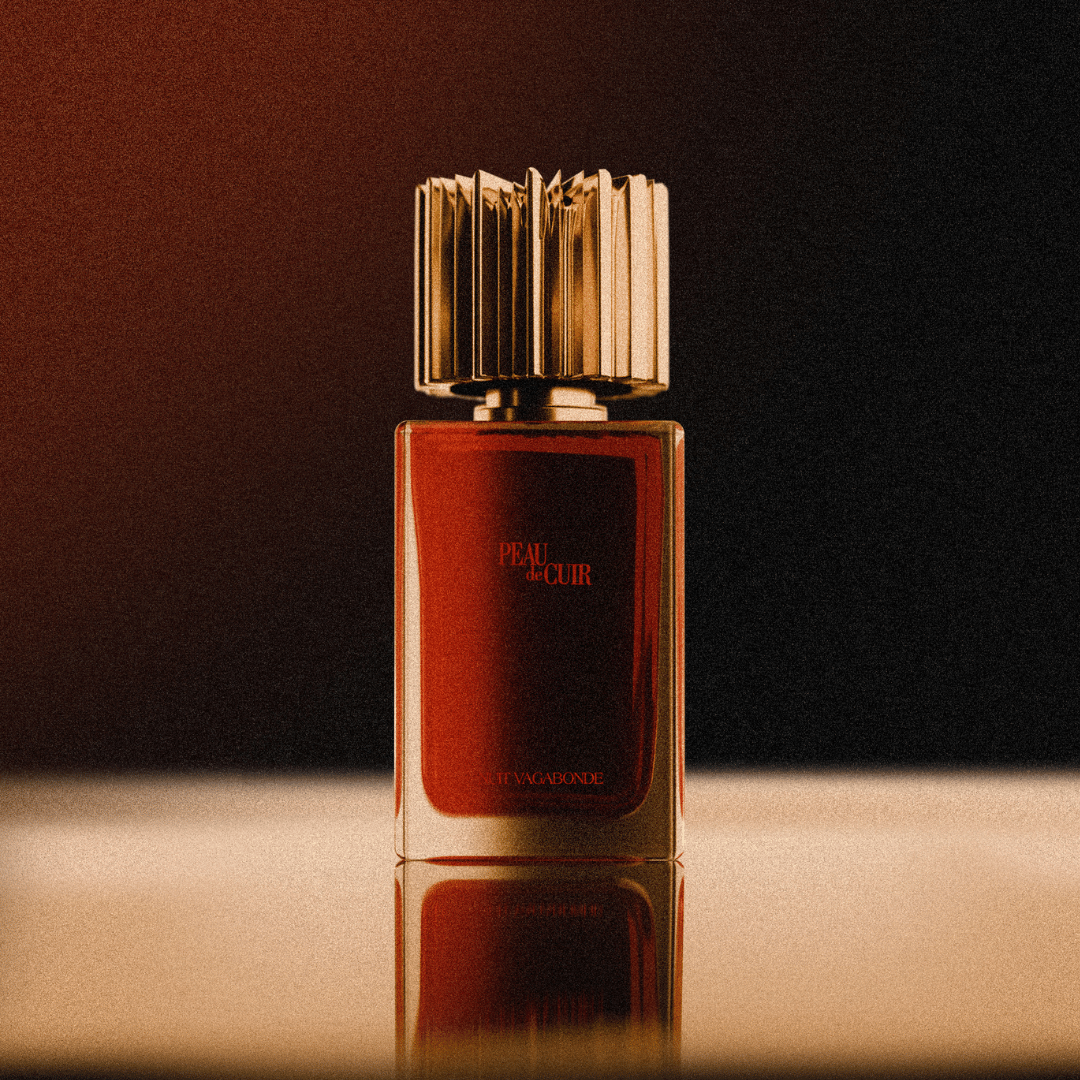

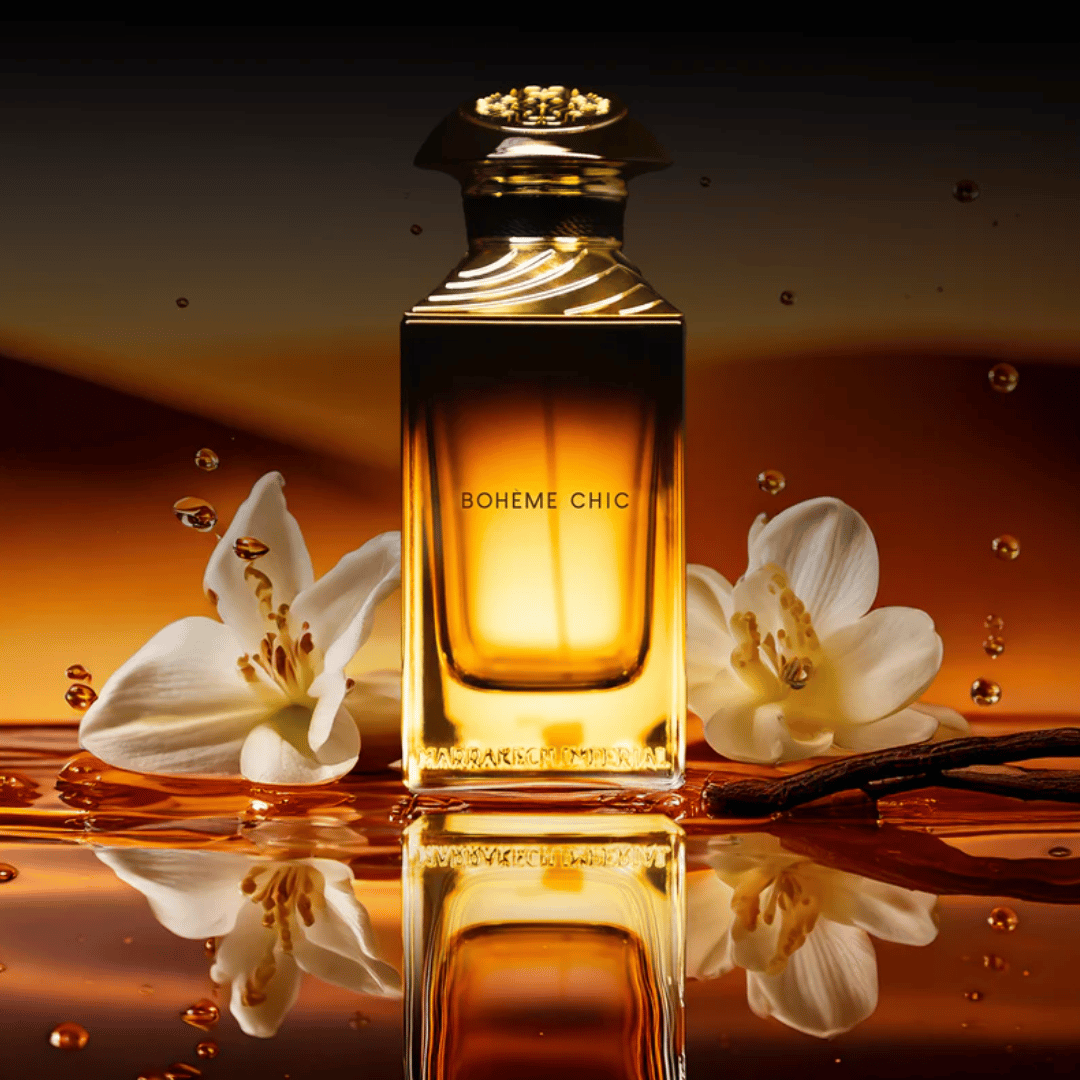


Which niche fragrance suits me – beyond trends?
Why this question will become unavoidable in January. Three scent-news perspectives on why less choice, conscious reduction, and inner attitude say more than any trend.
January is the month when things quiet down. Routines return, appointments become more frequent, and suddenly we notice what we've only carried along with us in the past year. This includes our sense of smell. Fragrances that worked in the midst of movement, distractions, and social noise lose their power. This is precisely when the question arises not from curiosity, but from clarity: Which fragrance suits me? Those who explore niche fragrances now aren't looking for something new, but for a decision that resonates.
What are niche fragrances?
Niche fragrances emerge outside the industrial mainstream. They aren't primarily driven by market research, but by an idea, a signature style, a philosophy. However, this description falls short. What matters is not where a fragrance is created, but what it's for. A niche perfume doesn't have to be loud, provocative, or explicable. It can leave room – for interpretation, for evolution, for everyday life. This is precisely what distinguishes it from mere differentiation.

What is a niche fragrance – and what isn't?
A niche fragrance is not a status symbol. Nor is it a promise of individuality. Many fragrances marketed as niche are simply bolder than the mainstream. They rely on exaggeration, on effects, on instant attention. But a fragrance that truly fits works differently. It doesn't impose itself. It blends in without becoming generic. A true niche fragrance accompanies – it doesn't constantly comment.
What does niche fragrance really mean?
The question of what constitutes a niche fragrance is often answered incorrectly. It's not about rarity, price, or complexity. A niche perfume represents conscious reduction. It's about the decision not to reveal everything. Those who explore the meaning of a niche fragrance are usually looking for depth, not variety. For a scent that doesn't need to be re-evaluated every day, but rather becomes second nature. This is precisely where connection begins.
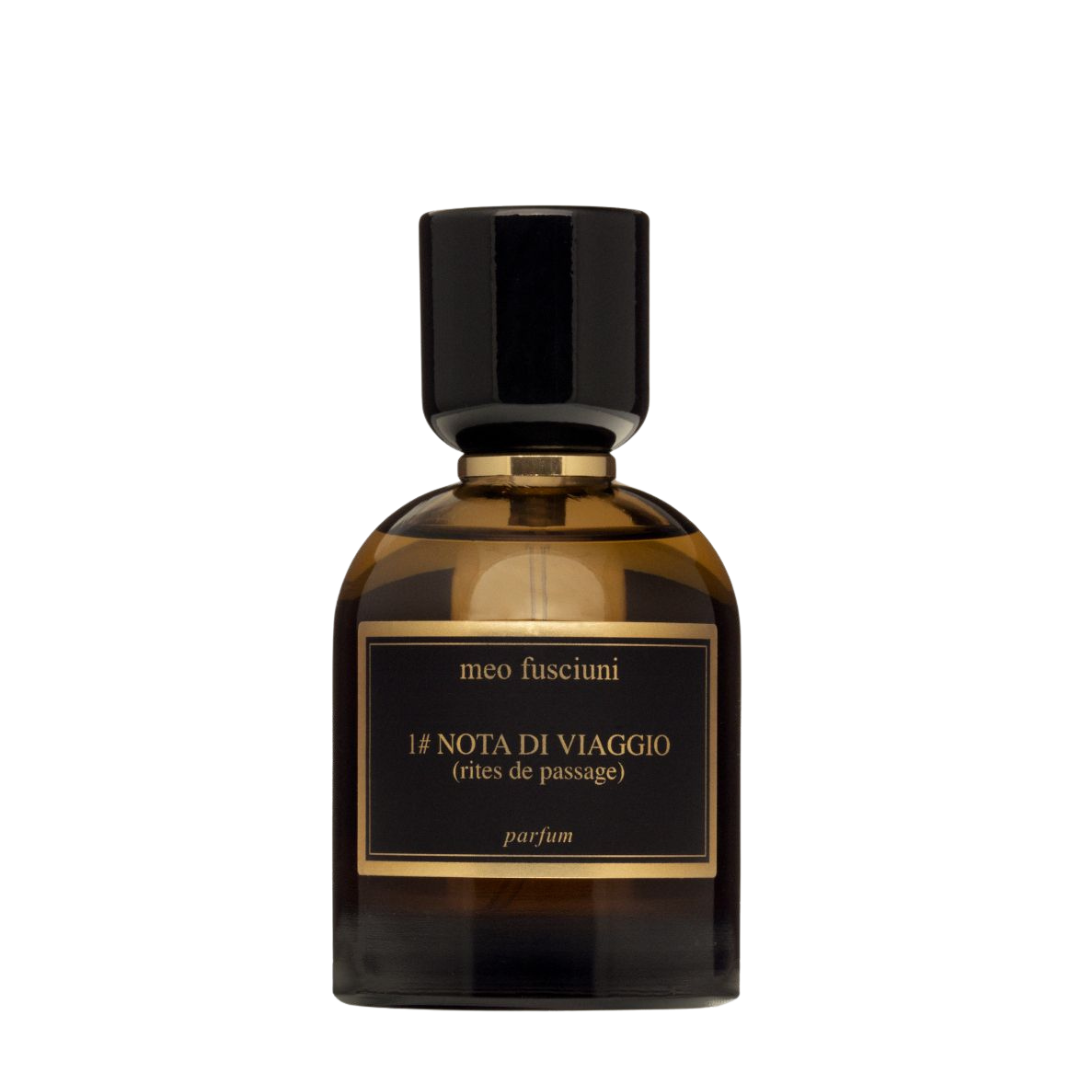
Why trends provide orientation but not identity
Trends work through repetition, even in the niche fragrance segment. Certain scent styles become more prevalent, certain narratives feel familiar. This provides a sense of security, but it doesn't replace personality. A trend answers the question of what's currently popular , not who you are . A fragrance that suits you emerges beyond trends . It doesn't need validation from others. It remains authentic even when no one is talking about it.
Daily life takes its toll
Many exclusive niche fragrances impress at first contact. But everyday life is the true test. A fragrance encounters closeness, distance, and repetition. It works in the office, in conversation, and in quiet moments. A niche perfume that only works in exceptional circumstances quickly becomes a burden. The right fragrance, on the other hand, blends in without becoming invisible. Therein lies its strength.
Reduction as the key to clarity
January demands reduction. And that's precisely why we're seeing the emergence of refined perfumes that don't need any gimmicks. Fragrances without decorative sweetness, without perfume theatricality, without constant attention. A niche fragrance that can withstand this quietude possesses substance. Reduction doesn't mean deprivation, but rather selection. It separates fleeting enthusiasm from lasting harmony.

The quiet transition to scent amor
At this point, selection becomes an attitude. scent amor isn't about showcasing as many niche fragrances as possible, but rather the right ones. Exclusive fragrances require time, experience, and context. Those searching in January aren't looking for a trend, but a fragrance that endures. This is precisely where curated fragrance work begins – quiet, precise, and consistent.
Finding your signature scent – why fewer scents show more personality
When choice becomes a distraction
It often starts innocently enough. A new fragrance here, a recommendation there. A few samples, a few impressions. But at some point, it tips over. The selection grows, the confidence dwindles. Anyone who delves deeply into niche fragrances knows this point: you know a lot, but you decide nothing. This is precisely where the search loses its direction. A signature fragrance doesn't arise from knowledge, but from tranquility. Not from comparison, but from stillness.
The quiet logic of a signature fragrance
A signature fragrance isn't a concept you set out to create. It emerges when a niche fragrance ceases to be scrutinized. When it's no longer questioned daily, but simply exists. A niche perfume that reaches this state has proven itself—not through arguments, but through everyday use. It works just as well in the morning as in the evening, in conversation as in silence. Therein lies its power.
Why reduction is not a loss
Many mistake reduction for restriction. In fact, it's a form of precision. Focusing on a single fragrance sharpens your perception. Subtleties become visible, transitions perceptible. Exclusive niche fragrances only truly reveal their potential when they are not in competition. A signature fragrance thrives not on variety, but on repetition. And repetition signifies intimacy.
Personality develops through consistency.
Personality is rarely revealed through change. It is revealed through consistency. A carefully chosen niche fragrance works not through attention, but through reliability. People perceive this – often subconsciously. A fragrance that returns creates continuity. This is precisely why fine perfumes reveal more about a person than spectacular, fleeting scents. They don't impose themselves; they accompany.
Beyond women's and men's fragrances
Categories like niche fragrances for women or niche fragrances for men can help with orientation, but they lose their significance once a fragrance becomes a signature. A women's fragrance can be intense, a men's fragrance understated. What matters is not the label, but the fit. Many unusual fragrances unfold their greatest impact precisely where they defy explanation. A signature fragrance belongs to no one but the wearer.
Proximity as a touchstone
A fragrance doesn't reveal its character at first glance. It reveals itself up close. In conversations, in everyday life, in moments without a stage set. Many exclusive perfumes lose their substance here because they are designed for distance. A signature fragrance, on the other hand, can withstand closeness. It remains harmonious even when it's not given the opportunity to make its presence felt. This is precisely what distinguishes effect from substance.
Curating does not mean limiting, but clarifying
At this point, choice becomes an attitude. Scent amor isn't about quantity, but about orientation. Niche perfume brands aren't collected, but categorized. Niche perfume samples aren't for variety, but for making a decision. And when the moment arrives when buying niche perfume is no longer a search, but a conscious choice, then the signature scent has long since been found. Scent amor accompanies this process quietly, precisely, without pressure.
A signature fragrance isn't an outward statement. It's an inner order. Fewer fragrances don't mean less expression, but rather greater clarity. Those who remain consistent become recognizable. Those who change their scent remain dynamic. A niche perfume as a signature isn't a performance – it's an attitude.
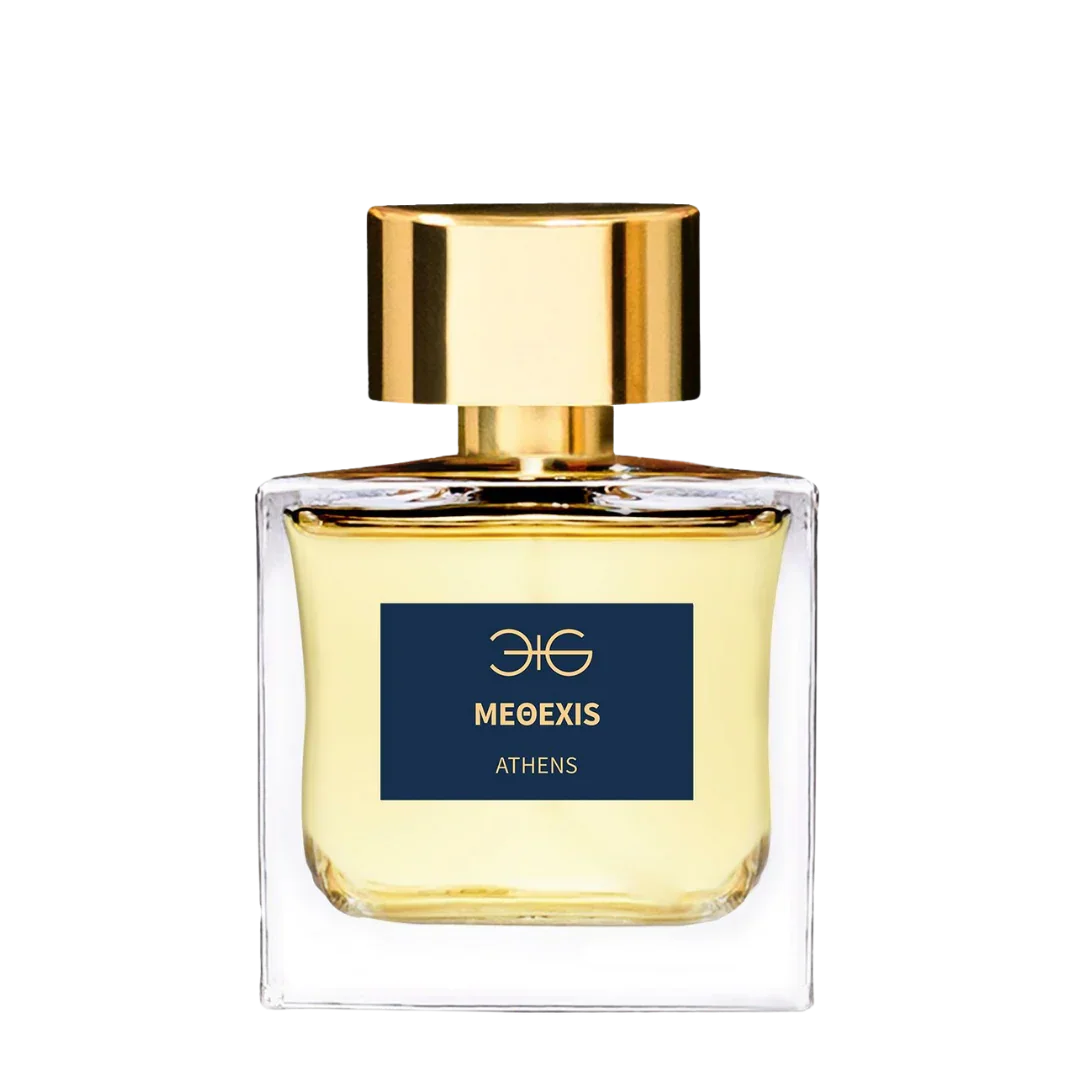
Scent and personality – why introverts smell different than extroverts
Personality begins before a fragrance is perceived.
The difference doesn't begin with the scent. It begins with the person. Posture, movement, proximity, distance – all of these shape the space in which a scent even acquires meaning. That's why simple recommendations fall short. It's not about which scent "fits," but how it integrates. Some people fill a room, others structure it. And therein lies the difference between introverted and extroverted perception.
Openness is not volume
Extroverted personalities function differently. Not louder – more open. Their fragrance can be more noticeable, more dynamic, more responsive. It's not the center of attention, but it participates. Such fragrances unfold more fully in interaction, reacting to proximity, to situations, to mood. They don't have to dominate, but they are allowed to speak. Here, too, it's not about effect, but about resonance.
Why categories are only of limited help
The mistake lies in morally judging these differences. Quiet isn't better than present. Reserved isn't deeper than open. Personality knows no ranking. That's precisely why categories like women's fragrance or men 's fragrance are only of limited help. They describe markets, not people. What matters isn't the direction, but the fit – and that's revealed beyond labels.
Why niche fragrances don't try to explain who you are – but rather show how you perceive, choose, and stay.
Things get interesting in everyday life. That's where it becomes clear whether a fragrance truly lives up to its promise or merely creates an effect. Introverts are sensitive to over-the-top scents. A fragrance that demands attention quickly becomes a burden. Conversely, extroverts immediately sense when a fragrance is too rigid, too closed off, too inert. Proximity is the true test. A fragrance must be able to withstand the fact that it's not given the space to assert itself.
When perception changes
What's fascinating is that these differences can shift over time. Personality isn't a static state. Life phases change perception. What was once too loud suddenly feels appropriate. What once felt fulfilling eventually feels empty. Good fragrances—especially well-crafted niche fragrances —allow for this change. They evolve with you, rather than remaining fixed.
Reduction as a form of attention
That's precisely why reduction is so important. Not as dogma, but as a tool. Those who test less perceive more accurately. Those who take their time recognize more quickly what works. Introverts often find fragrances that give them space. Extroverts find those that allow them freedom of movement. Neither has anything to do with trends, but with attentiveness.
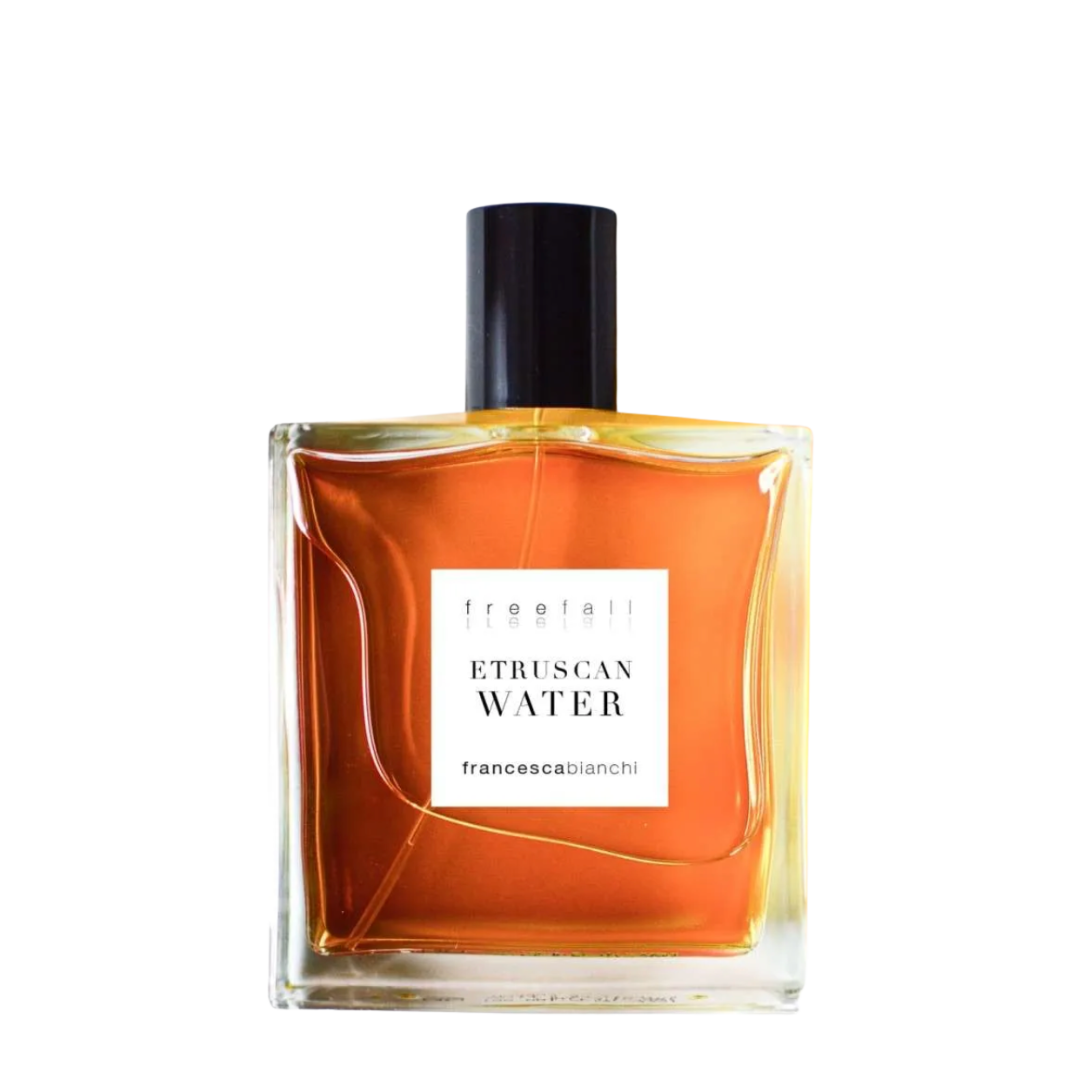
The tranquil setting of scent amor
This is where curated selection becomes relevant. Not to steer, but to filter. scent amor isn't about shaping personality or pigeonholing. It's about leaving room for interpretation. Fragrances that don't declare who they're for, but wait until someone realizes they're a perfect fit. The moment a fragrance lingers is rarely loud—but unmistakable.
A fragrance that respects this doesn't become a mask. It becomes a second skin. And that's precisely where harmony begins – without effect, without explanation, without pressure.
FAQ – Fragrance, personality and conscious choice
What are niche fragrances – and why are they particularly suitable for a conscious fragrance choice?
Niche fragrances are created independently of short-term trends and mass-market logic. They are often more minimalist in design, less focused on immediate effect and more on longevity, structure, and perception. This is precisely why they are suitable for people who understand fragrance not as an accessory, but as an integral part of their identity.
How do I find out which fragrance really suits me?
Not through comparisons or rankings, but through time. A suitable fragrance works in everyday life, not just at first impression. What matters is whether it feels harmonious over hours and days – in peace, in close proximity, with repeated use. Only then does selection become a decision.
Do I need multiple fragrances or is one signature fragrance enough?
Both are possible, but a signature scent creates clarity. Committing to one fragrance sharpens your perception and fosters a stronger connection to it. Fewer fragrances often mean more depth, greater recognizability, and less restlessness.
Do personality and character really play a role in choosing a fragrance?
Yes. Introverted and extroverted people perceive scent differently. While some seek silence, closeness, and reserve, others prefer openness and activity. A good fragrance respects these differences without imposing them.
Why are fragrance samples so important for niche fragrances?
Because a fragrance only reveals itself through skin, daily life, and time. Niche perfume samples allow you to experience this development without pressure. Not to collect, but to understand whether a fragrance will last or merely pique your curiosity.
Copyright by scent amor © 2026 (grw)
More articles on the scent news blog by scent amor:

NEANDERTAL is™ and NEANDERTAL was™ are two conceptual niche fragrances , created from the same brief yet fundamentally different. is™ is bright, abstract, and synthetically fruity, while was™ trans...


Leave a comment
All comments are moderated before being published.