





Reviews are important – threats are not: Why samples, clear rules and respect keep fragrance buying fair for everyone.
You're familiar with reviews. You read them, you might even write some yourself. And yes, reviews are important. They help others, they set standards, they show us where we need to improve. But there's a point where feedback becomes pressure. And that's exactly what we need to talk about – openly, clearly, and without drama.
We're seeing more and more often that negative reviews don't stem from genuine disappointment, but rather from the beginning of a demand. The tone isn't "Please help me," but "If you don't do what I want, I'll publicly destroy you." This can happen with Google reviews, it can happen on rating platforms (often referring to Trusted Shops ). And it particularly affects shops like scent amor, because fragrance is a product that can't be "quickly tried on" like a sweater.
Why stars function like a currency today

Reviews are much more than just comments. They represent visibility, trust, and ultimately, sales. Especially in niche perfume markets, star ratings determine whether someone even clicks. You know this. And because you know this, a temptation sometimes arises: to use reviews as leverage to force exceptions.
The problem isn't criticism. Criticism is part of the process—especially with unusual fragrances that aren't meant to appeal to everyone. The problem is the imbalance: Retailers are clearly identifiable, publicly vulnerable to criticism, and bound by rules. Customers, on the other hand, often remain anonymous, can escalate their criticism at any time, and risk very little. This isn't a moral judgment; it's the reality of the system.
Scent is subjective – returns are not.
Perfume is emotion, memory, and projection. A fragrance can feel like two different worlds on two different people's skin. Weather, stress, diet, skincare, even a day in the office instead of fresh air alters perception. When you say, "That's lacking," you sometimes really mean, "That's not what I imagined." That's human nature. But it's not automatically a sign of poor quality.
That's precisely why we offer samples. Fragrance and perfume samples aren't just for show; they're a fair way for you to make an informed decision. When you experience a fragrance in your everyday life, you're much more likely to fall in love with the bottle later – and not want to get rid of it after just a couple of sprays.
"One spray" is not a trial program via the bottle.
Here's the concrete point: In most cases, an opened or sprayed fragrance can no longer be sold as new. This isn't about stubbornness, but about hygiene, product safety, and condition. You wouldn't want to buy a bottle as "new" yourself if someone else had already tested it, however much "only once" means.
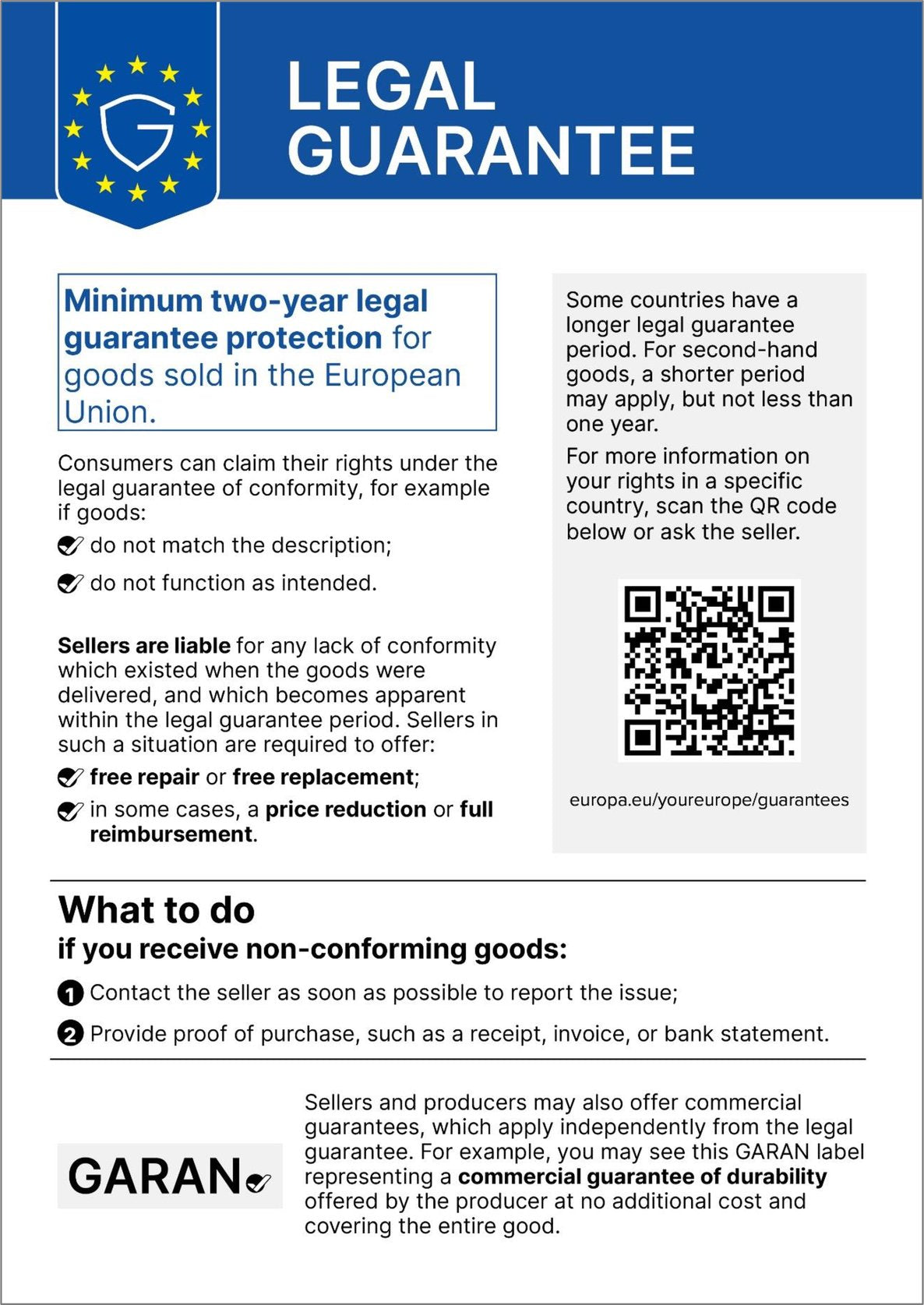
In addition, there's a second layer that we're seeing more and more often: return requests beyond the 14-day period, not as a request for goodwill, but as a demand. Goodwill is a voluntary concession. A demand is a legal claim. And it's precisely at this shift that the mood often changes: "Is there a solution?" becomes "Do it – or else!"
When threats are disguised as service requests

You'll notice the difference quickly. A fair inquiry asks for a solution, states the facts, and stays on topic. A threat applies pressure, announces negative star ratings before it's even clear what happened. Sometimes it's even stated directly: "If you don't take it back, I'll give you a bad review." That's not customer service. That's blackmail with asterisks.
And this is where we as retailers need to take a stand. Not harsh, not cold, not arrogant – but clear. We'll help you within our rules. We'll advise you. We'll find solutions if something is truly wrong. But using reviews as leverage doesn't change the rules. It destroys trust on both sides.
What "lack of quality" really means in the world of fragrance
There are genuine defects. We say that without any ifs, ands, or buts. And if something is objectively wrong, we clarify it properly. But there are also cases where "quality defect" is used as a label to retrospectively legitimize disappointment or a bad purchase. A fragrance that doesn't "perform" as expected isn't automatically defective. A fragrance that smells different than TikTok promised isn't automatically wrong. And a fragrance that doesn't suit you personally isn't automatically "inferior."
With niche fragrances and luxury niche perfumes , this expectation trap is particularly pronounced because many compositions have quirks, show edges, and are allowed to polarize. That's not a weakness – that's the point.
Why there is no "customer review portal" – and what is nevertheless justified about it

You might be wondering: Why are only retailers ever rated? Why isn't there a portal where customers can be rated – both positively and negatively?
The impulse is understandable. There are situations where a shop provides tremendous service while the other party only makes demands, threatens, and escalates conflict. But a public customer rating can very quickly become a form of public shaming. Private individuals are easier to damage than companies; mix-ups happen, and misuse would be inevitable. Without proper identity verification, without the right to appeal, without clear criteria, and without strict data protection, such a portal wouldn't create trust, but rather fear.
Nevertheless, a valid point remains: Customers should also bear responsibility. Not as "guilt," but as a principle of fairness. Those who place orders help determine the tone, process, and culture of online commerce. Those who threaten poison the system—making it more expensive, harsher, and more distrustful for everyone.
What a fair way could look like – without public shaming, but with consequences.
If there were ever to be such a thing as a "customer score," it wouldn't be a judgment of character, but rather a behavioral assessment based on verified transactions. Not a public shaming, but a controlled, transparent system with clear rules. And just as importantly: one that sends positive signals. Because there are many customers who communicate respectfully, are honest, seek advice, use samples, and clarify any questions thoroughly. These people are the reason we love this job.
Until such a system is even conceivable, something far more important remains in the here and now: clear communication. Testing as the standard, not the exception. Rules that are explained clearly. Solutions that are possible – but not arbitrary. And a culture in which evaluation is once again what it should be: a report on experience, not a tool for exercising power.
What we would like to tell you directly as a customer
When you shop with us, you're not just buying "any old product." You're buying something that lives on your skin. That's why we encourage you to test things wisely: with fragrance samples , with expert advice, with time. And if something goes wrong, please come to us first before resorting to public channels. We can resolve almost anything by talking to each other.
What we cannot resolve is a demand that only works through threats. Not because we are stubborn, but because otherwise we would be feeding a system that ultimately loses everyone: retailers, customers, and fragrance culture.
We want you to have a good shopping experience at scent amor. Not quickly. Not under pressure. But in a way that leaves a lasting impression – and so does your trust.

FAQ - A short guide to ensure that buying fragrances remains fair – for you and for us.
1) What do you do when you are dissatisfied before writing a negative review?
Contact us directly first, briefly describe the facts, and give us a chance to resolve the issue. Many things can be resolved fairly, without using publicity as leverage.
2) Why can't sprayed fragrances often be returned?
An opened or tested fragrance is often no longer saleable as new. Hygiene, condition, and traceability are key – therefore, samples are the fairest way to test them.
3) Is a fragrance that you don't like automatically a sign of poor quality?
No. Fragrance is subjective and can have different effects depending on skin type and environment. A true defect exists when something is objectively wrong – not when expectations and the fragrance's character diverge.
4) Why is there no public portal for customers to rate?
Because it can quickly lead to public shaming, and data protection, identity verification, and rights of appeal are extremely complex. Without robust safeguards, abuse would be inevitable.
5) What's the fairest and safest way to buy niche perfume?
Test with fragrance samples first, seek advice, and give yourself time. This will reduce the likelihood of buying the wrong product – and prevent the stress of returns and reviews altogether.
Copyright by scent amor © 2026 (grw)
More articles on the scent news blog by scent amor:

An Invisible Path to the Soul: Fragrances for Inner Balance
Niche perfume can steady your inner balance with bright citrus, focused woods, and skin-close musk. Learn why the limbic system reacts so fast to scent. Simple rituals and mindful layering turn fra...


Leave a comment
All comments are moderated before being published.