
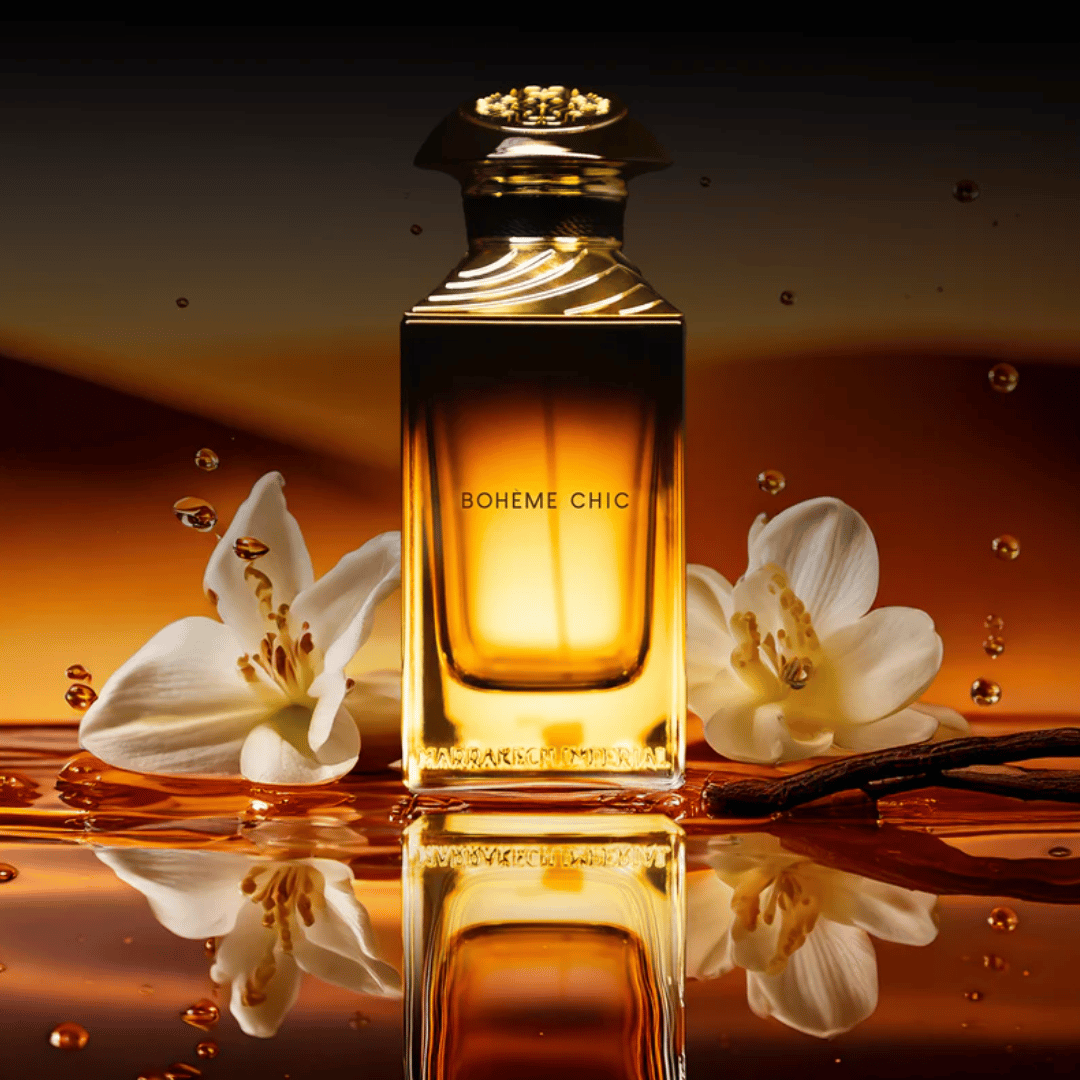


Why the term niche fragrance needs to be redefined in 2026
The term "niche fragrance" has become ubiquitous in recent years. Hardly a perfume exists that isn't advertised with this term, and hardly a brand that doesn't position itself at least on the fringes of a niche. At the same time, many people feel increasingly uncertain. What was once clearly defined now seems diffuse. This is precisely why it's necessary to re-evaluate the term. A niche fragrance isn't a marketing category or a seal of quality, but rather an expression of a particular attitude towards perfumery. This attitude opposes oversimplification, pure market research, and the principle of reducing fragrance to mere instant gratification. Especially in a time when many consumers are searching for guidance, this distinction is gaining importance.

The original meaning of niche fragrance
Originally, a niche fragrance referred to perfumes created outside the mainstream market. They weren't developed to appeal to as many people as possible, but rather to express an idea, a personal style, or an inner need. These fragrances didn't follow any target group logic or a predetermined formula for success. Price played a secondary role. What mattered most was the freedom to use fragrance as a creative medium. Niche perfumes weren't loud, slick, or calculated. They demanded attention and, in return, offered depth.
Niche fragrance and designer perfume in direct comparison

The difference between niche fragrances and designer perfumes isn't where it's often assumed. It's not automatically about better raw materials or longer shelf life. The crucial difference lies in the creation process. Designer perfumes are almost always created under clear economic constraints. They must be easily understood, appeal to a broad target group, and be easily reproducible. Niche fragrances are allowed to defy these requirements. They can begin subtly, unfold slowly, and even be surprising. They don't follow market research, but rather an intrinsic logic of composition. This doesn't automatically make them better, but it does make them more distinctive.
What a niche perfume is not automatically
Not every small label automatically produces a niche perfume of substance. Even within a niche, there are trends, repetitions, and deliberate attempts at sensationalism. A niche fragrance is no guarantee of quality, no shortcut to individuality, and no promise of uniqueness. Some fragrances are loud, exaggerated, and interchangeable, even though they are marketed as niche. Others are understated, precise, and profound without being pushy. What matters is not the self-designation, but the consistency with which a fragrance was conceived and executed.
Why more and more people are interested in niche fragrances
The growing interest in niche fragrances is a direct reaction to oversupply. When everything is available, choice loses its value. Many people today aren't looking for the next fragrance trend, but rather for guidance. They want to understand why a scent resonates with them, not just how it affects others. Niche perfumes address precisely this need. They don't work through signaling, but through resonance. You don't wear them to attract attention, but to feel authentic. This approach gains particular relevance during periods of personal reorientation.
The role of perfumers in the niche

In niche markets, the perfumer re-emerges as a distinct personality. Their signature is palpable, their decisions comprehensible. While mainstream perfumes often rely on anonymous teams operating behind the scenes, in niche markets, the individual takes responsibility. Every fragrance is a conscious choice, every composition an expression of attitude. This visibility fosters trust but also makes one vulnerable. And therein lies the strength of the niche. It allows for mistakes, idiosyncrasies, and individuality – qualities that have become rare in the mass market.
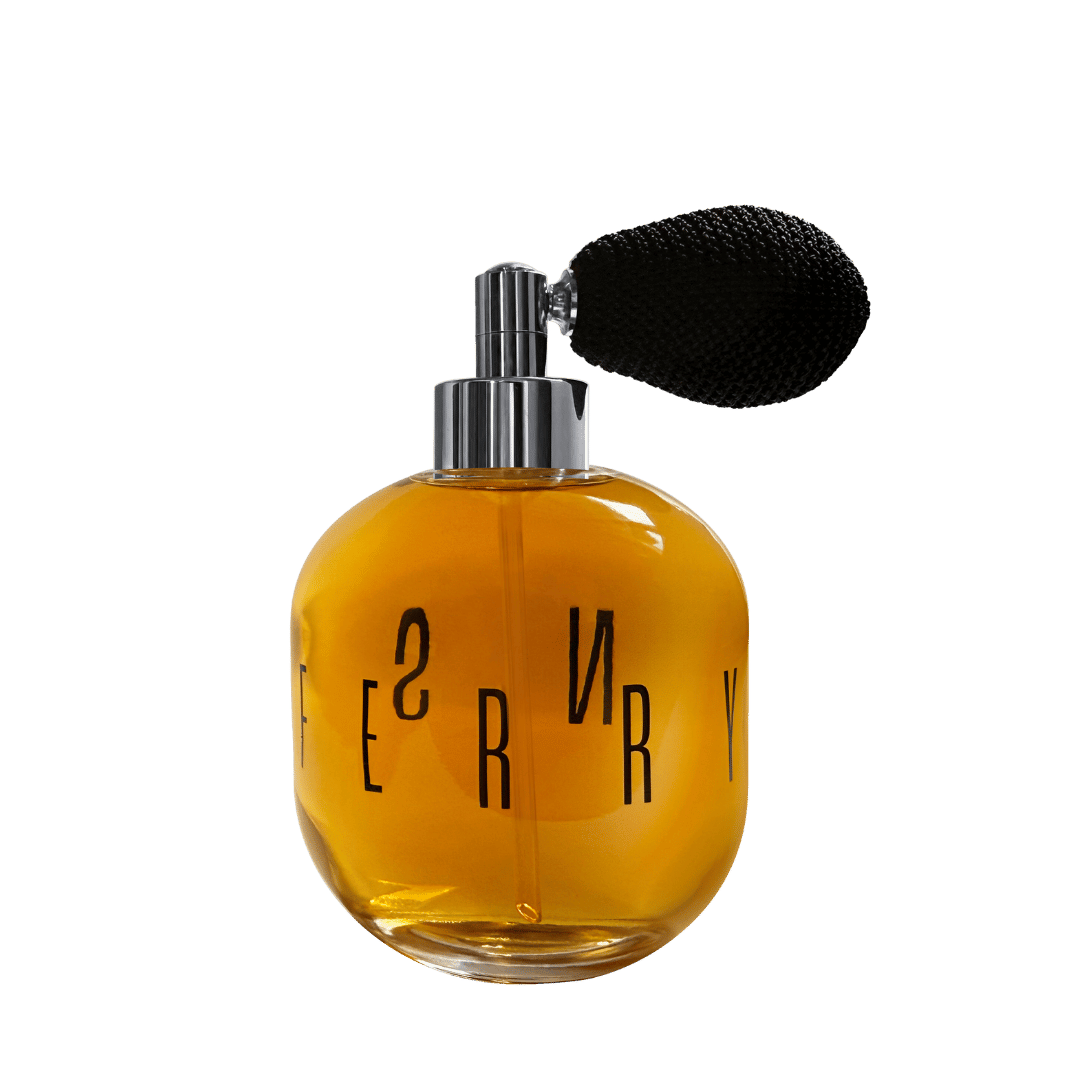
How to recognize a good niche fragrance
A good niche fragrance doesn't reveal itself in passing. It demands attention, patience, and openness. It develops on the skin, changes over time, and reacts to the context in which it is worn. Instead of relying on volume, it works with balance. Instead of instant appeal, it offers depth. Exceptional fragrances are recognizable by the fact that they don't try to explain, but rather accompany. They leave room for interpretation and work not only in special moments, but also in everyday life.
Price, reality and expectations in niche perfumes

The fact that niche perfumes are often more expensive than mainstream fragrances is a fact that is often judged too hastily. However, price alone explains nothing. It is neither an automatic indicator of quality nor proof of craftsmanship. In the niche market, costs arise from small production runs, different distribution channels, and development processes that are not designed for rapid reproducibility. A luxurious niche perfume justifies its price not through numbers, but through substance. If a fragrance evolves, evokes emotion, and still makes sense after hours, its value becomes understandable. Without this intrinsic quality, even a high price remains empty.
Who niche fragrances are suitable for – and who they are not.
Niche fragrances aren't for people who expect quick answers. They don't promise instant approval or offer a shortcut to a specific image. Those seeking a perfume that works instantly and has the same effect everywhere will often struggle with niche fragrances. However, those willing to understand fragrance as a process will find a depth that has become rare in the mass market. In this context, samples aren't an optional extra, but an integral part of the experience. They allow for exploration, reflection, and conscious decision-making – precisely what niche perfumes represent.

Why niche fragrances are not unisex – yet often seem so
Many niche fragrances are perceived as unisex because they defy traditional gender classifications. However, this doesn't mean they are neutral or arbitrary. Rather, they forgo stereotypical scent codes, thus opening up a wider range of interpretations. A fragrance doesn't have to be sweet to be feminine, nor does it have to be sharp to be masculine. The niche dissolves these categories without negating them. This creates a freedom that allows fragrance to be worn as a personal language, not as a prescribed role.
Curated niche fragrances as an answer to being overwhelmed

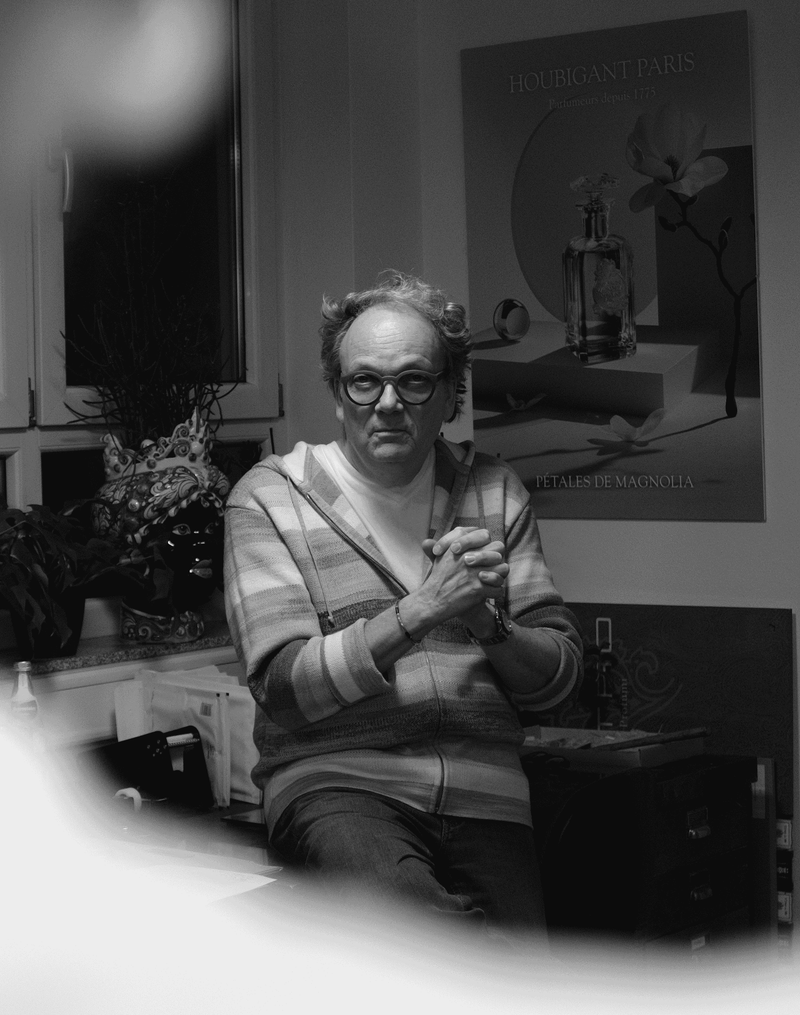
The greater the range of niche fragrances becomes, the more important guidance becomes. An endless selection doesn't lead to better decisions, but often to overwhelm. Curated niche fragrances address precisely this issue. They reduce complexity without denying diversity. Selection becomes a mark of quality. Curation means taking responsibility – for what is presented and for what is deliberately omitted. Georg R. Wuchsa 's curatorial work follows this principle. Fragrance is not understood as a commodity, but as a cultural expression that demands context, knowledge, and experience.
Why curated selection creates more trust
Trust is built where decisions are transparent and comprehensible. Curated niche fragrances offer precisely that: a recognizable style, a stance, a signature. They don't make the decision for the buyer, but they guide it. In an era where algorithms increasingly simulate choice, human curation becomes a genuine added value. It's not based on click rates, but on experience; not on trends, but on relevance. That's where its strength lies.
Niche fragrance as a cultural choice
A niche fragrance is neither an accessory nor a status symbol. It's a conscious decision against simplification. Those who choose a niche fragrance accept that scent doesn't always have to be pleasing to the eye to be meaningful. This attitude connects niche fragrances to other cultural spheres where depth is more important than reach. It's not about being different, but more precise. Not louder, but more conscious. Fragrance thus becomes a personal means of expression that doesn't need explaining, but simply carries itself.
Conclusion: Niche fragrance is an attitude, not a category.
Ultimately, a niche fragrance isn't a label, but a conscious choice. It's for people who are willing to slow down and look more closely. In a time when so much has become interchangeable, the niche offers a kind of depth that transcends mere consumption. Those who embrace it aren't just choosing a fragrance, but an attitude towards quality, time, and perception.
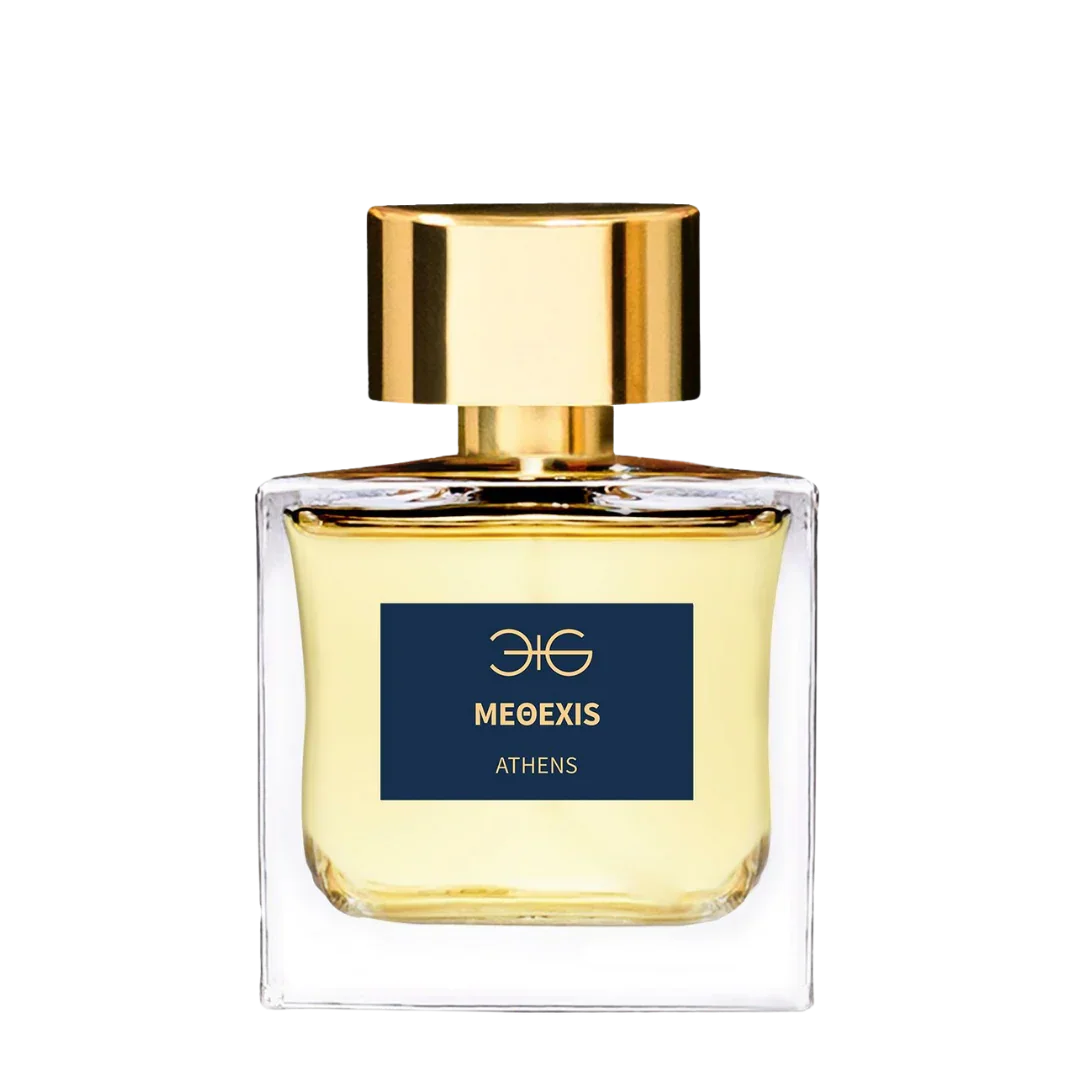
Curated niche fragrances – a selection with experience
Precisely because the term "niche fragrance" is used so diversely today, curated selection becomes a crucial factor. Orientation arises not from maximum variety, but from comprehensible choices. At scent amor, therefore, relevance is paramount, not quantity. The selection is curated by Georg R. Wuchsa , whose decades of experience with fragrance, perfumery, and brand development form the basis of this compilation. Curated niche fragrances here adhere to clear criteria: artisanal quality, a distinctive olfactory language, emotional depth, and context. Thus, buying niche perfume becomes a conscious decision, not a lucky find – informed by knowledge, experience, and a clear vision.

FAQ – Frequently Asked Questions about Niche Fragrances
What is the difference between a niche fragrance and a designer perfume?
A niche fragrance is created without market research or mass-market logic. It follows a creative idea and is allowed to polarize, whereas designer perfumes are designed for broad acceptance.
Are niche fragrances always unisex?
Many niche fragrances seem unisex because they avoid stereotypical scent codes. However, this doesn't mean they are neutral, but rather that they are more open to interpretation.
Why do niche fragrances often smell unusual?
Niche perfumes often rely on complex structures and unpolished accords. They are not designed for immediate appeal, but rather for development and depth.
Why are niche perfumes often more expensive?
Small production runs, alternative distribution channels, and longer development processes increase costs. However, a luxury niche perfume justifies its price through substance, not marketing.
How do I find the right niche fragrance?
Patience, openness, and samples are crucial. Curated niche fragrances simplify the selection process because they provide guidance and reduce overwhelm.
Copyright by scent amor © 2026 (grw)
More articles on the scent news blog by scent amor:
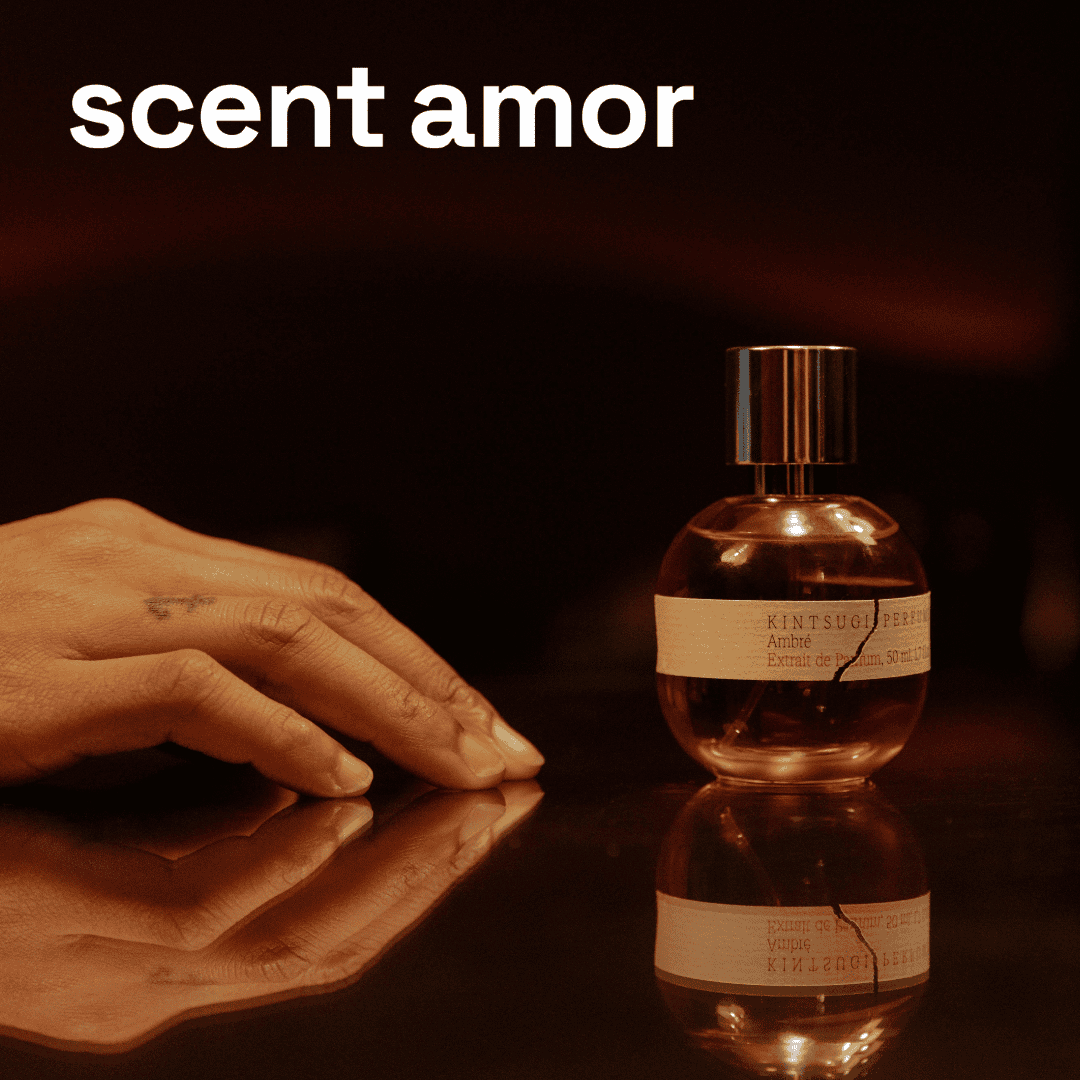
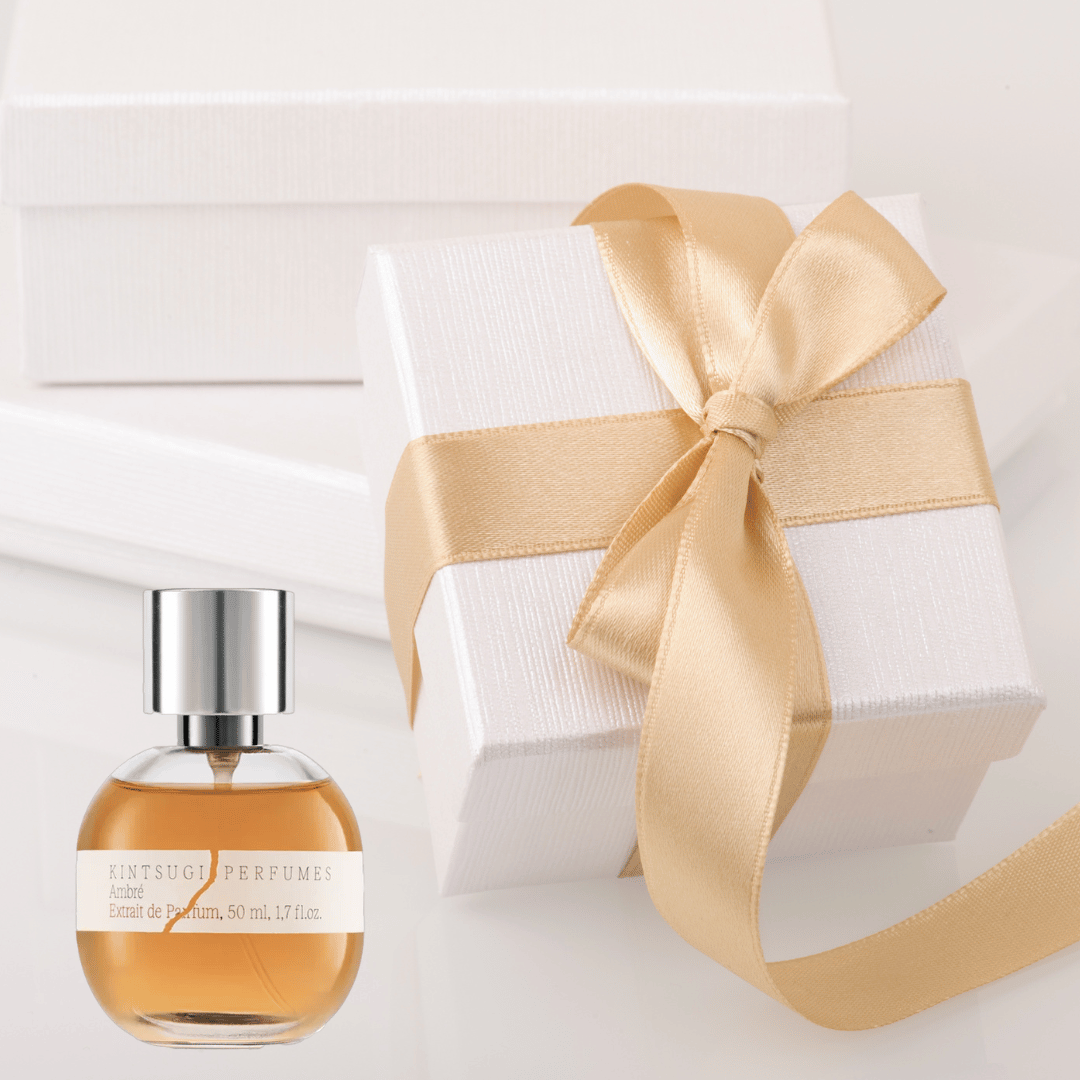
Kintsugi Perfumes – When fractures remain visible and thereby gain meaning
Kintsugi Perfumes stands for niche perfumes that prioritize depth over mere pleasingness. Inspired by the Japanese Kintsugi philosophy, they create fragrances that reveal imperfections and thereby...


Leave a comment
All comments are moderated before being published.