
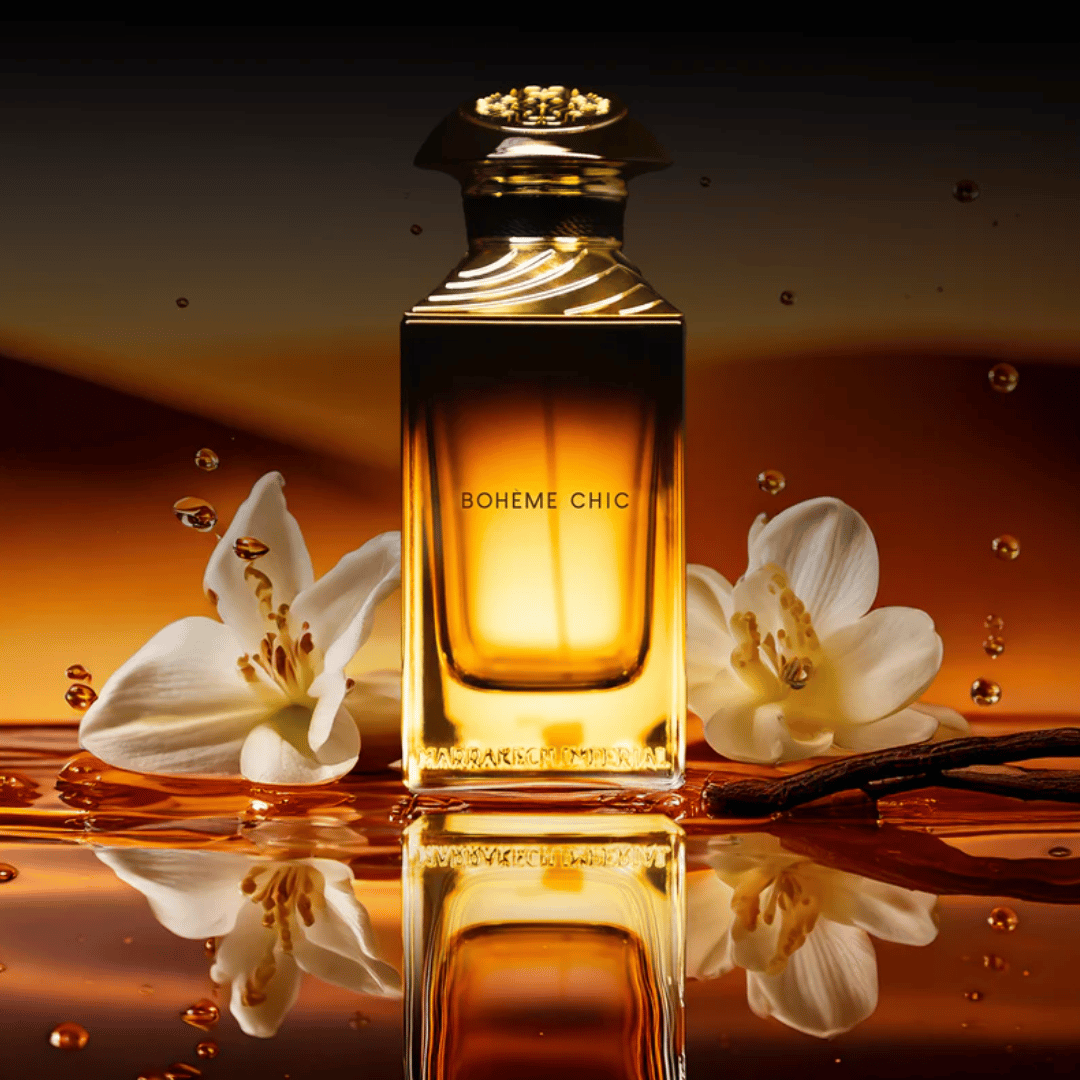


Why the higher price of niche perfume is so often misunderstood
As soon as you seriously delve into niche fragrances and niche perfumes, the same question almost automatically arises: Why does it cost more? It's a legitimate question, but it's often posed too broadly. The price of a fragrance isn't just a number on a label; it's the result of many decisions. Those who only look at the final amount often don't see what lies behind it: the selection of raw materials, the meticulousness in composition, the concentration, the signature of a house, smaller production quantities, more elaborate developments, and not least, the decision not to optimize everything for maximum appeal and mass production.
That's precisely why niche perfume isn't automatically expensive because it wants to appear luxurious. It's often more expensive because it's conceived differently. Many niche fragrances are not created with the goal of serving the broadest possible market in the shortest possible time. They don't aim to please everyone, fit into every category, or immediately use the most familiar formula. A niche fragrance can be drier, edgier, quieter, darker, more precise, or bolder. This freedom comes at a price, but it is also the very reason why many people switch to niche in the first place.

What you actually pay for in a niche perfume
When a fragrance costs significantly more than a classic mainstream bottle, it's not just due to a prettier story or a more exclusive name. In many cases, you're paying for a different kind of priority. A good niche perfume often places greater emphasis on material quality, finer tuning, and a composition that isn't just meant to impress in the first moment. It's not just about a pleasing opening, but about progression, development, and sillage.
You often also pay for a house to produce smaller quantities and not subordinate every decision to the logic of the mass market. Large brands can calculate very differently based on huge volumes, aggressive distribution, and enormous visibility. A niche house usually operates under different conditions. This doesn't automatically mean better fragrances, but it explains why price differences arise in the first place. Small production, more careful selection, lower economies of scale, and a different understanding of fragrance almost inevitably lead to different costs.
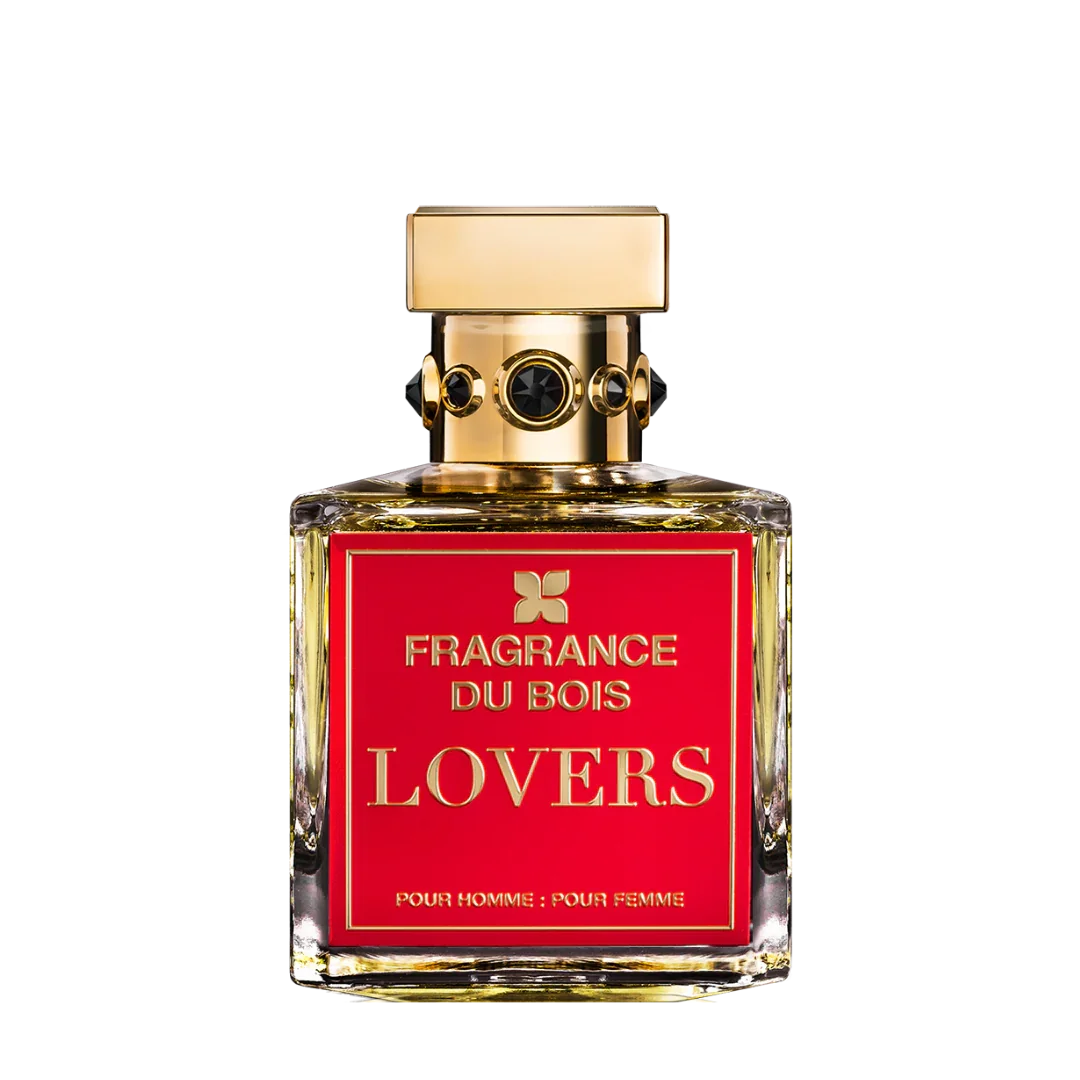
Added to this is the work on the signature. A niche fragrance is often not just meant to be "beautiful," but to convey a recognizable language. Perhaps through iris, amber, musk, patchouli, sandalwood, frankincense or subtle green and citrus contrasts. Perhaps through texture, dryness, density, or airiness. What you pay for is not just material, but also depth of decision. A fragrance with a clear stance usually isn't created incidentally.
Why expensive doesn't automatically mean better
This is where the crucial point begins, which many either romanticize or dismiss incorrectly. A high price is not a seal of quality. Not every expensive niche perfume is automatically great, and not every cheaper fragrance is automatically shallow. Even in the niche, there is inflated staging, beautiful bottles without substance, and compositions that primarily focus on aura but tell little on the skin. Those who buy merely because something is expensive confuse price with quality and exclusivity with suitability.
That's why the question isn't just: Why does a fragrance cost more? But above all: What exactly am I paying for here? For material? For concentration? For development? For a signature? For a rarer olfactory idea? Or just for packaging, myth, and artificial scarcity? Precisely this distinction is important if you want to buy niche perfume without falling into a beautiful but empty narrative.
A truly good niche perfume doesn't justify its price by prestige alone. It justifies it by doing something on your skin that interchangeable fragrances cannot. It doesn't just linger longer in the room, but longer in the memory. It develops better. It works more precisely. It fits more clearly. It gives you not just scent, but direction.

When a higher price for a niche perfume is truly worth it
A more expensive niche fragrance is worth it when it's more than a decorative object to you. When you notice that a fragrance not only smells good but also perfectly matches your style. When it doesn't impose a role on you but sharpens something unique. When you don't just find it interesting but want to wear it again. When you still think about it days later. When it doesn't seem primped but harmonious. That's when price stops being just an expense and becomes value.
It also pays off when you've learned to choose more precisely. Many people in the mainstream buy several fragrances that are all somehow nice, wearable, and pleasant, but never truly last. In the end, this quickly adds up to a lot of money for mediocrity. A single niche perfume that truly fits can be a better long-term decision than several half-hearted purchases. Not because expensive is always more reasonable, but because precision is often more sustainable than constant compromises.
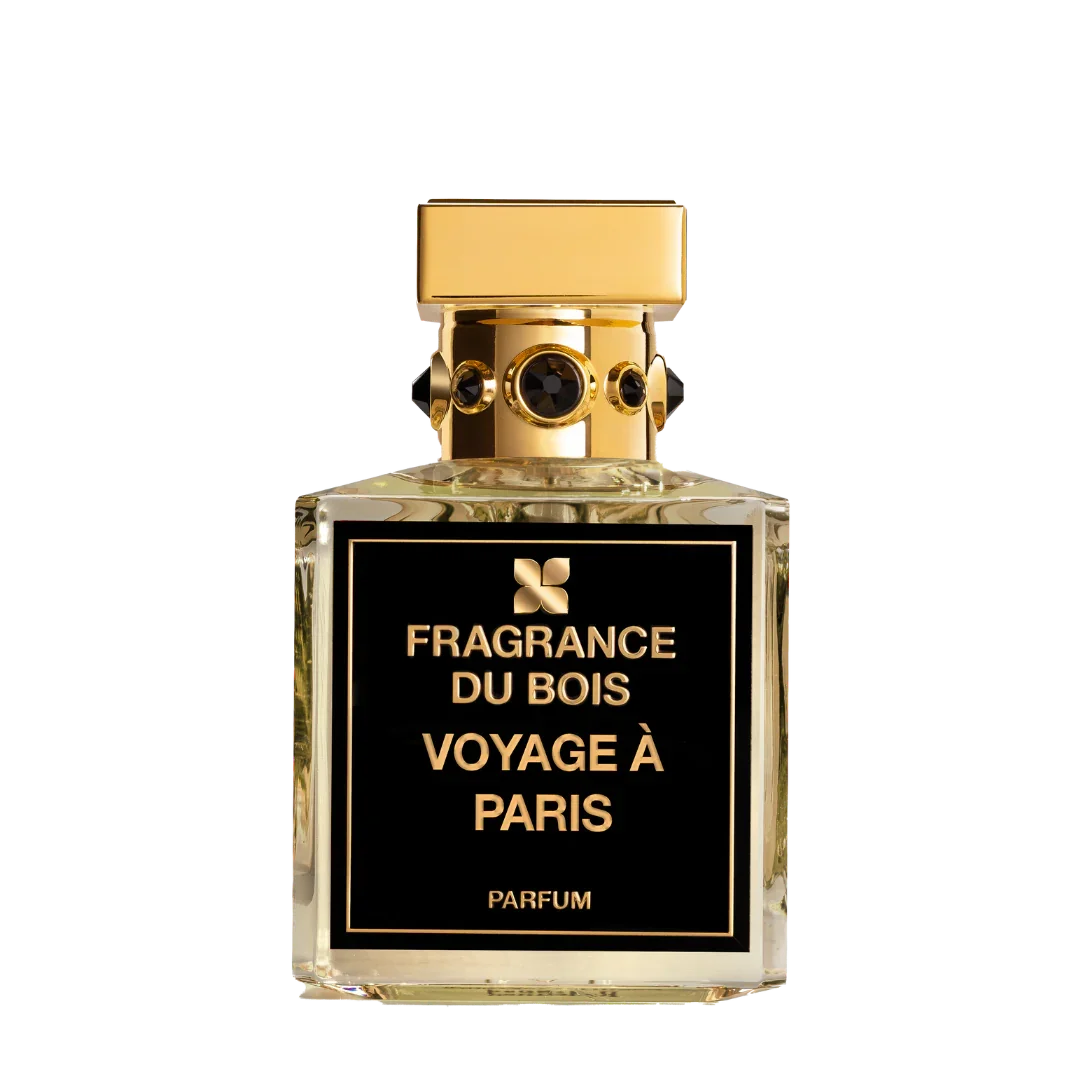
Furthermore, a higher price is worth it when the composition works with you instead of against you. Some fragrances don't need loudness to be effective. They sit better, develop more elegantly, and maintain their form on the skin. This is where the difference begins between a fragrance that is just there and a fragrance that accompanies you.
When niche perfume is rather not worth it
It's not worth it if you only want to buy the status. Not if you're impressed by price tags and automatically deduce quality from them. Not if you believe a fragrance must be better the rarer or more expensive it is. And certainly not if you buy a fragrance blindly just because it's currently being heavily discussed. Niche fragrances thrive on suitability, not hype.
It's also not worth it if you don't even know what you're looking for. Those who buy without direction often pay more for uncertainty. Especially then, a high price is not a sign of confidence, but often the beginning of a bad purchase. A fragrance doesn't have to be expensive to suit you well. And an expensive fragrance doesn't become right just because you talk yourself into it.
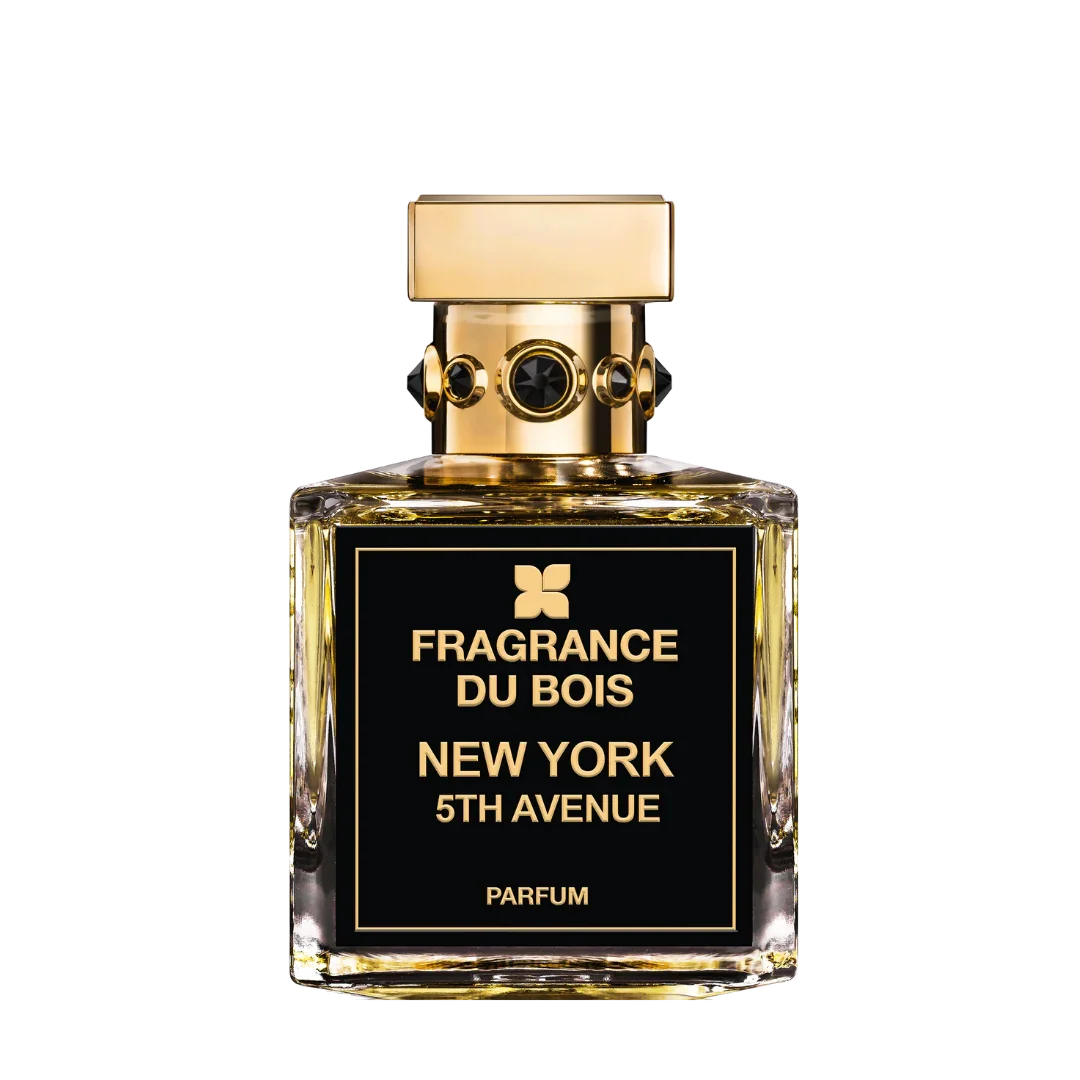
That's why it's smarter to always stay true to yourself when asking about value. Do you really need a new fragrance? Are you looking for a more precise olfactory signature? Do you want something that makes you stylistically clearer? Or are you just attracted by the promise of exclusivity? This honesty often saves more money than any discount campaign.
Perfume samples suddenly make the price much more reasonable

Anyone who wants to seriously judge niche perfume should never base the price on the first spray. This is where perfume samples and fragrance samples become crucial. They make the whole question of expensive or worthwhile meaningful in the first place. Because only when you experience a fragrance on your own skin, in your everyday life, in different moods, and over several hours, can you judge whether the price has substance.
Many expensive fragrances lose their excitement after a short time. Others, which seem almost understated at first, only show their true quality later. This is particularly important for niche fragrances, as differentiated compositions often don't reveal everything in the first few minutes. Those who judge only by first impressions either buy too quickly or dismiss too early.
That's why perfume samples are not just a nice extra, but an economically smart way to choose. They slow down the impulse, protect against mispurchases, and make it easier to distinguish genuine value from merely staged value. If a fragrance still wears, touches, and fits after several days, its price suddenly looks completely different.
Men's fragrance, women's fragrance or unisex perfume – the price does not follow the category
Whether a fragrance is labeled as a men's fragrance, women's fragrance or unisex perfume initially says surprisingly little about its value. The price question is not decided by the category, but by the composition, quality and suitability. A dry, woody unisex perfume can be much more precise and rewarding than a significantly more expensive but generic women's fragrance. An elegant men's fragrance with vetiver, resins and fine woods can be more fascinating on female skin than many classically feminine floral perfumes.
Especially in the niche, it quickly becomes clear that rigid categories do little to help with the actual quality question. What matters is not who a fragrance is supposed to be for, but what it actually does on your skin. If you understand this, you no longer buy by label, but by effect. And that's when the price question becomes more precise.
Why value in fragrance is measured not in hours, but in memory

Many people immediately link price to longevity. This is understandable, but too narrowly conceived. Of course, a niche perfume shouldn't disappear after twenty minutes. But the true value of a fragrance lies not only in how long it is measurably present. It lies in how it performs during that time. Does it remain beautiful? Does it maintain its tension? Does it evolve harmoniously? Does it develop depth? Or is there just presence without soul?
A fragrance with amber, musk, resins, woods, or balsamic notes can last a long time. But that alone doesn't make it valuable. It becomes valuable if it doesn't get boring. If its trail is not just loud, but full of character. If you don't just perceive it, but want to rediscover it. That's why a more expensive fragrance isn't worth it just for its staying power, but for the quality of its development.
When you realize that niche perfume is truly worth it for you
You don't notice it in the initial euphoria, but in the return. When you keep reaching for the same fragrance. When you remember not just its notes, but its attitude. When you realize that you become clearer with fewer bottles, instead of more diffused with many options. When a fragrance doesn't just please you, but focuses you. That's when a price slowly turns into value.
At scent amor, it's precisely about this kind of selection. Not about a random accumulation of brands, but about a curated world of niche fragrances, niche perfumes, men's fragrances, women's fragrances, unisex perfumes, and carefully chosen perfume samples. Curated by Georg R. Wuchsa for people who are not just looking for something expensive, but something that truly suits them. And that's where it's decided whether a fragrance is worth it: not on the shelf, but on your skin.

FAQ on Price and Value of Niche Perfume
Why is niche perfume often more expensive than mainstream perfume?
Niche perfume is often more expensive because of smaller production quantities, different raw material priorities, greater compositional freedom, and a stronger focus on signature and development. You often pay not just for the fragrance, but also for the precision of its creation.
Is expensive niche perfume automatically better?
No. A high price is not an automatic quality indicator. A niche fragrance is only truly worth it when material, development, character, and suitability come together on your skin.
When is a higher price for niche perfume worth it?
A higher price is worth it when a fragrance meets your stylistic needs more precisely, develops beautifully, remains important to you over a longer period, and doesn't feel like an interchangeable compromise. That's when expenditure becomes actual value.
Are perfume samples useful before I buy niche perfume?
Yes, absolutely. Perfume samples help you experience a scent realistically, avoid mispurchases, and better assess whether the price and quality truly match your expectations.
Does it matter whether a fragrance is a men's, women's, or unisex perfume?
For the price question, only very minimally. The crucial factor is not the category, but the composition, quality, and how it reacts with your skin. A unisex perfume or men's fragrance can be more valuable to you than a significantly more expensive scent from the "right" category.
Copyright by scent amor © 2026 (grw)
More articles in the scent news blog by scent amor:

Fragrance Du Bois – the art of living fragrance
Fragrance Du Bois creates fragrances that are more than fleeting moments — they are masterful works of art, crafted from pure, sustainable essences. Shaped by traditional perfumery and a contempora...

Leave a comment
All comments are moderated before being published.