





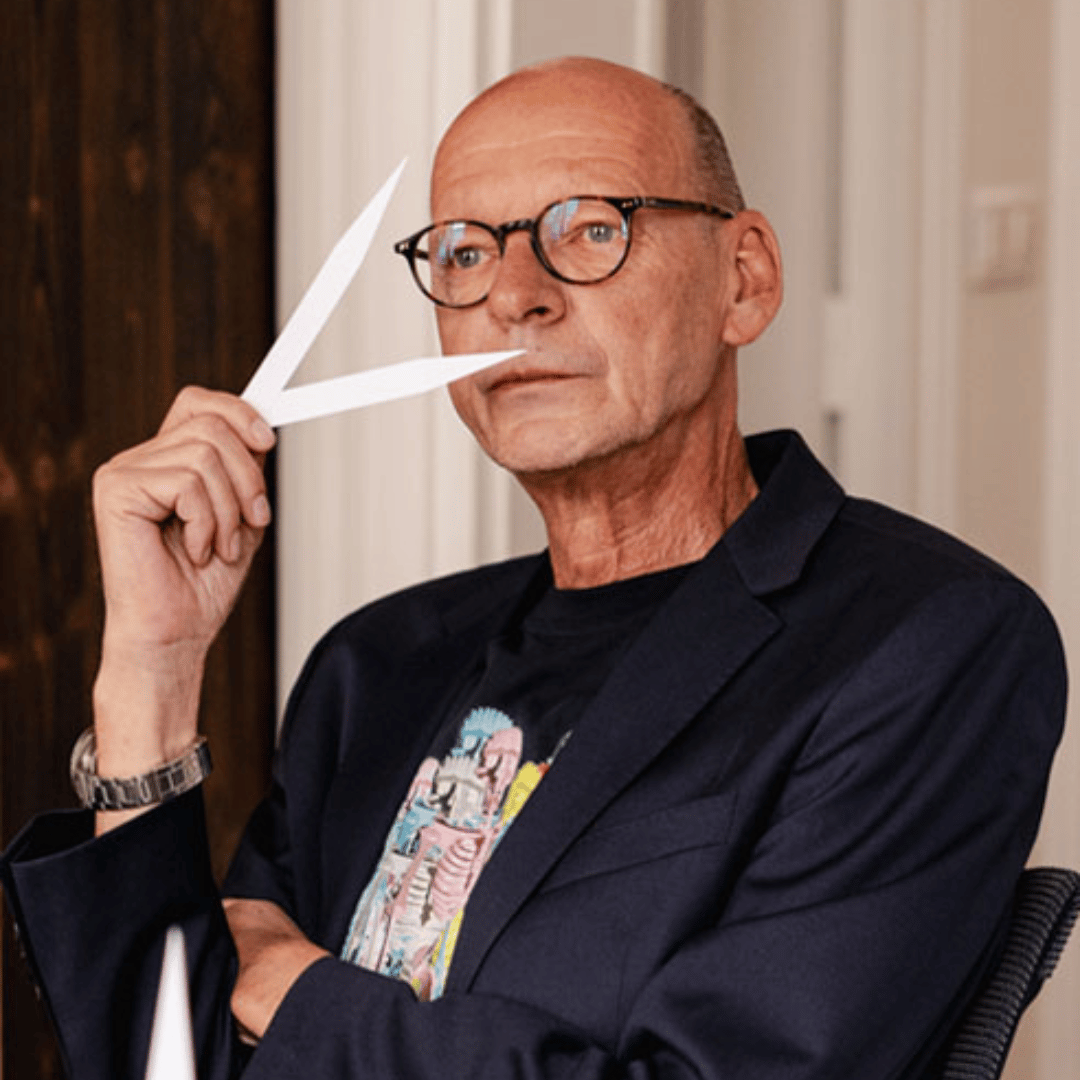
MARK BUXTON – Perfume Art Between Provocation and Poetry
How a chance moment gave rise to a fragrance rebel
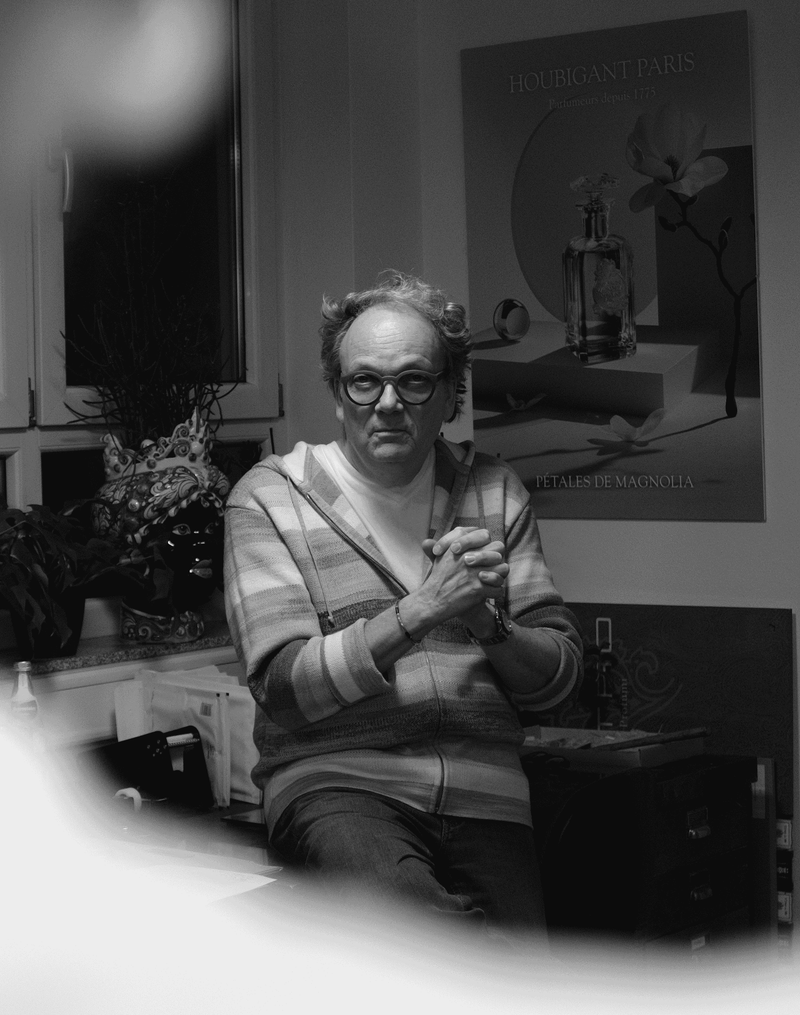
When you wear a Mark Buxton fragrance today, you're not simply wearing a perfume. You're wearing a piece of biography, a lived vision, a trace of artistic defiance. His story begins where art often originates: in an unplanned moment that changed everything. Born in England and raised near Hamburg, Buxton grew up between the clear expanses of northern Germany and British humor – two worlds that sharpened his perception and shaped his olfactory sensibility. Early on, he displayed an unusual eye for contrasts, for the beauty of the unfinished, for the interplay of light and shadow.
But the real turning point came in a place where scent otherwise plays no role: in the television studio of one of Europe's most famous shows.

The "Wetten, dass..?" bet that changed his life
In 1985, Mark Buxton appeared on Thomas Gottschalk's show "Wetten, dass..?" (You Bet..?). He was young, unassuming, charming – and in no way seeking the limelight. But his stunt was spectacular: He claimed he could identify perfumes solely by their molecular signature, blindfolded, without a bottle, without any clues. Many viewers thought it was a showy gesture. But when Buxton smelled the samples, something happened that Gottschalk later described as "unforgettable."
He categorized synthetic structures like Iso E Super , identified resins by their bitterness, and analyzed amber , musk , vanilla , patchouli , and complex mixtures as if analyzing a piece of music. This wasn't by chance, but through intuitive structural knowledge. His talent seemed like a natural law suddenly manifesting itself.
This moment marked the beginning of a career that would profoundly shape modern niche perfumery. Fragrance companies took notice of him, and Buxton himself realized that his talent could no longer be ignored.
Paris: The Laboratory of Transformation by Mark Buxton
After his TV appearance, he moved to Paris – the capital of perfumery, where fragrance is not a product but a culture. Buxton began his training at Symrise and quickly became a creative mind who thought not in formulas but in atmospheres. He wasn't a student who simply followed instructions. He was someone who asked questions. Why must a chord be harmonious? Why can't bitterness be beautiful? Why shouldn't a niche fragrance also be allowed to be unsettling?
This friction became the core of his writing style. Paris gave him the technical language, Hamburg the clarity, England the irony.
Buxton worked with notes that later became an integral part of the avant-garde: rhubarb , absinthe , minerals , black tea , leather accords, burnt woods, synthetic molecules full of warmth and strangeness. His fragrances became scenes, not decorations. Movements, not static images.

Provocation as an aesthetic necessity
Buxton doesn't provoke to polarize. He provokes because he's convinced that emotion only arises when a fragrance has a point of view. His compositions are windows into inner spaces, never cloying, never compromising. He pits bergamot against smoky edges, blends musk with coolness, and lets mineral sharpness tip into warm resins.
It's a game of extremes, yet Buxton stages it with the precision that makes his work so profound. He composes like someone who knows that beauty sometimes lies in resistance.
Iconic works that have shaped the world of fragrance
Early on, Buxton became a key voice in progressive perfumery. His composition Comme des Garçons 2 is still considered a radical reinterpretation of the concept of perfume – an ink accord that acted like a manifesto against conventions. Le Labo Vetiver 46 created an archetypal men's fragrance that was smokier, more metallic, and more uncompromising than anything vetiver had previously defined.
His own collection produced milestones:
Devil in Disguise – flamboyant, spicy, electrifying.
Sleeping with Ghosts – a melancholic, intimate veil.
Emotional Rescue – a fragrance that saves because it touches you.
These works are not tame and not bland. They are stories you carry with you.

The complete fragrance art of Mark Buxton for Atelier PMP Hamburg - olfactory conceptual art
Atelier PMP – When perfume becomes a performative art form
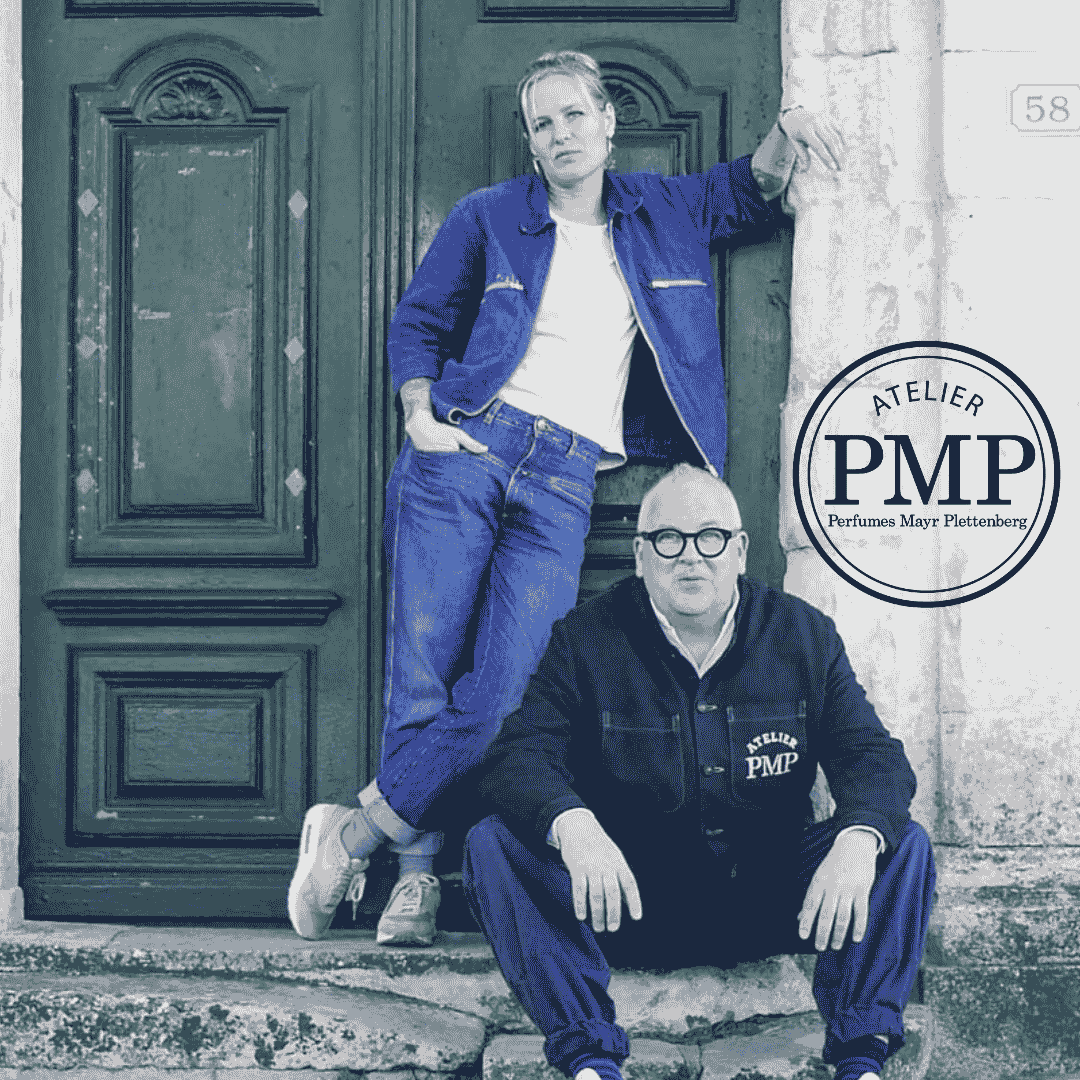
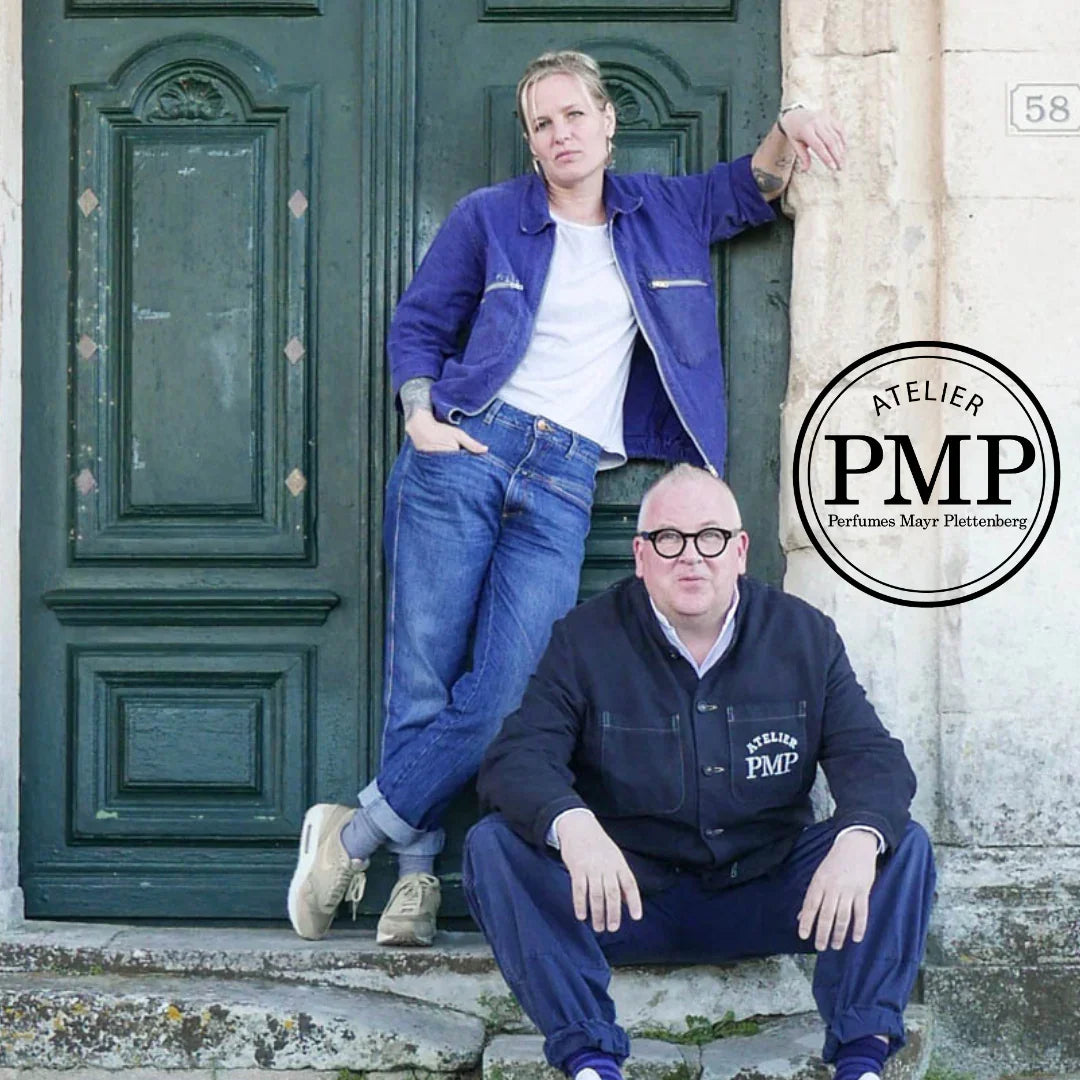
Atelier PMP is one of Germany's most unusual fragrance projects – a Hamburg-based concept label that doesn't see perfume as a product, but as a consciousness-altering impulse. Art, pop culture, philosophy, and olfactory avant-garde merge here into a realm that exists far beyond the market. For a perfumer like Mark Buxton , who understands fragrance as an expression of an inner attitude, this project is an ideal playground.
The founders of Atelier PMP were never looking for a pleasing fragrance line. They were looking for creations that would surprise, irritate, and move. And that's why they commissioned Mark Buxton – the perfumer who, like few others, possesses the ability to translate emotion and provocation into molecular form.
Buxton created four fragrances for Atelier PMP that are not merely compositions, but commentaries on our times: radical, poetic, bold. Each creation is a question, a cut, a feeling. And each one speaks of his mastery of making complexity sound minimalist.
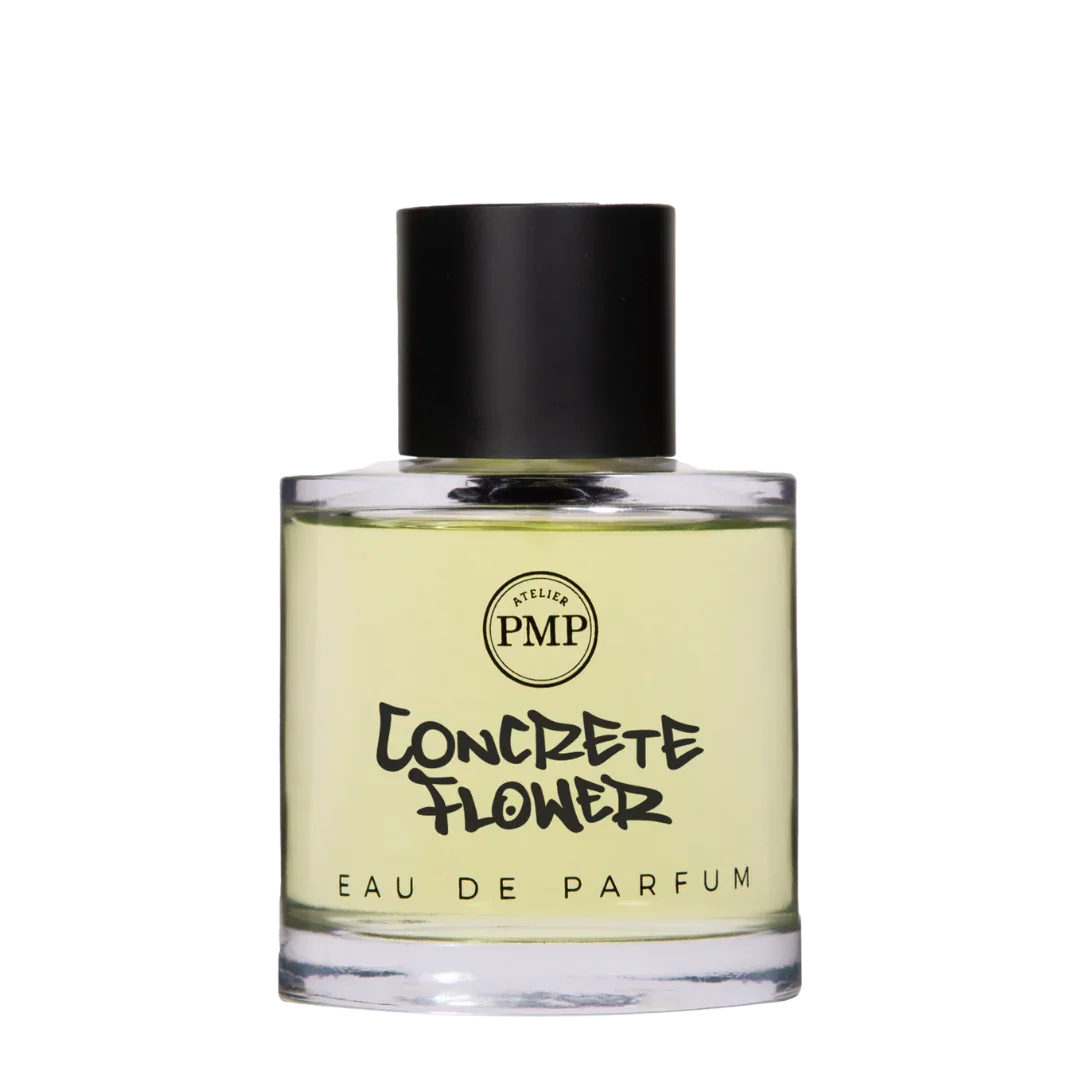
Concrete Flower – When concrete begins to bloom

Concrete Flower is a futuristic blend of minimalism and floral projection. A fragrance that doesn't attempt to imitate nature, but rather explores the relationship between humanity, space, and the ideal.
Buxton lets radiant citrus notes float above a cool, mineral base – a contrast reminiscent of the freshness of a morning above an urban skyline. Unlike classic eaux de cologne, Concrete Flower doesn't remain on the skin's surface. It possesses depth, clarity, and an underlying hardness that makes it unique.
The floral impulse acts like a whisper in the concrete – something you don't see immediately, but feel when you pause. Concrete Flower is a fragrance about hope in the urban environment.
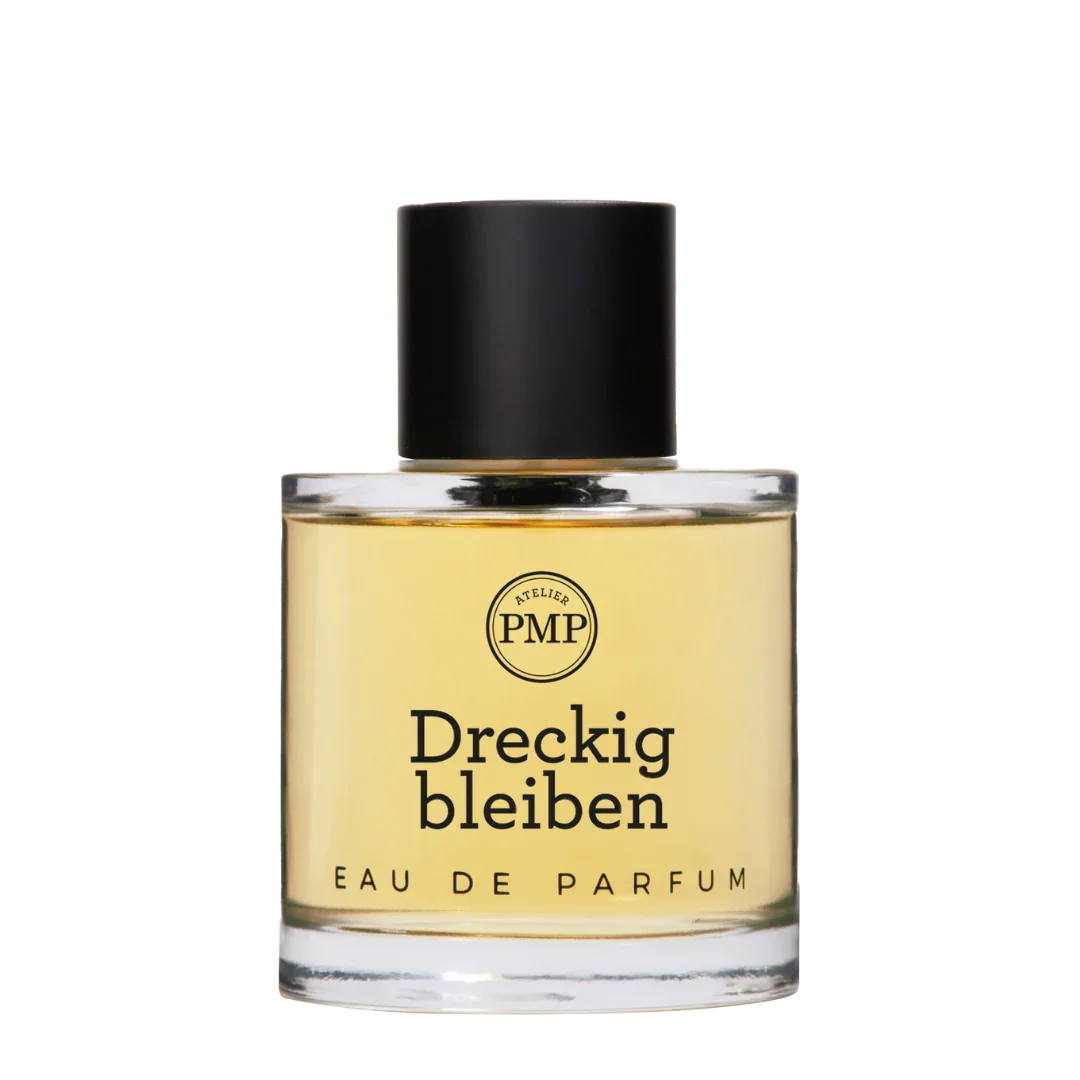
Stay Dirty – A Manifesto Against Sterile Fragrance Aesthetics

Dreckig Bleiben is perhaps Buxton's most uncompromising creation for Atelier PMP.
The title says it all: a rebellious declaration against the smooth, sterile world of perfume.
Here, Buxton unfolds a warm, resinous, almost earthy depth that defies any polish. Resins , woods , smoky shadows, and subtle animal undertones form an olfactory sculpture that remains raw yet precise.
Drecking Bleiben acts as a counterpoint to the "clean" fragrance ideology. It's a scent that refuses to leave you, that clings to you like a thought that can't be calmed.
Buxton demonstrates here how intense and intimate a niche fragrance can be when it is not trying to please.
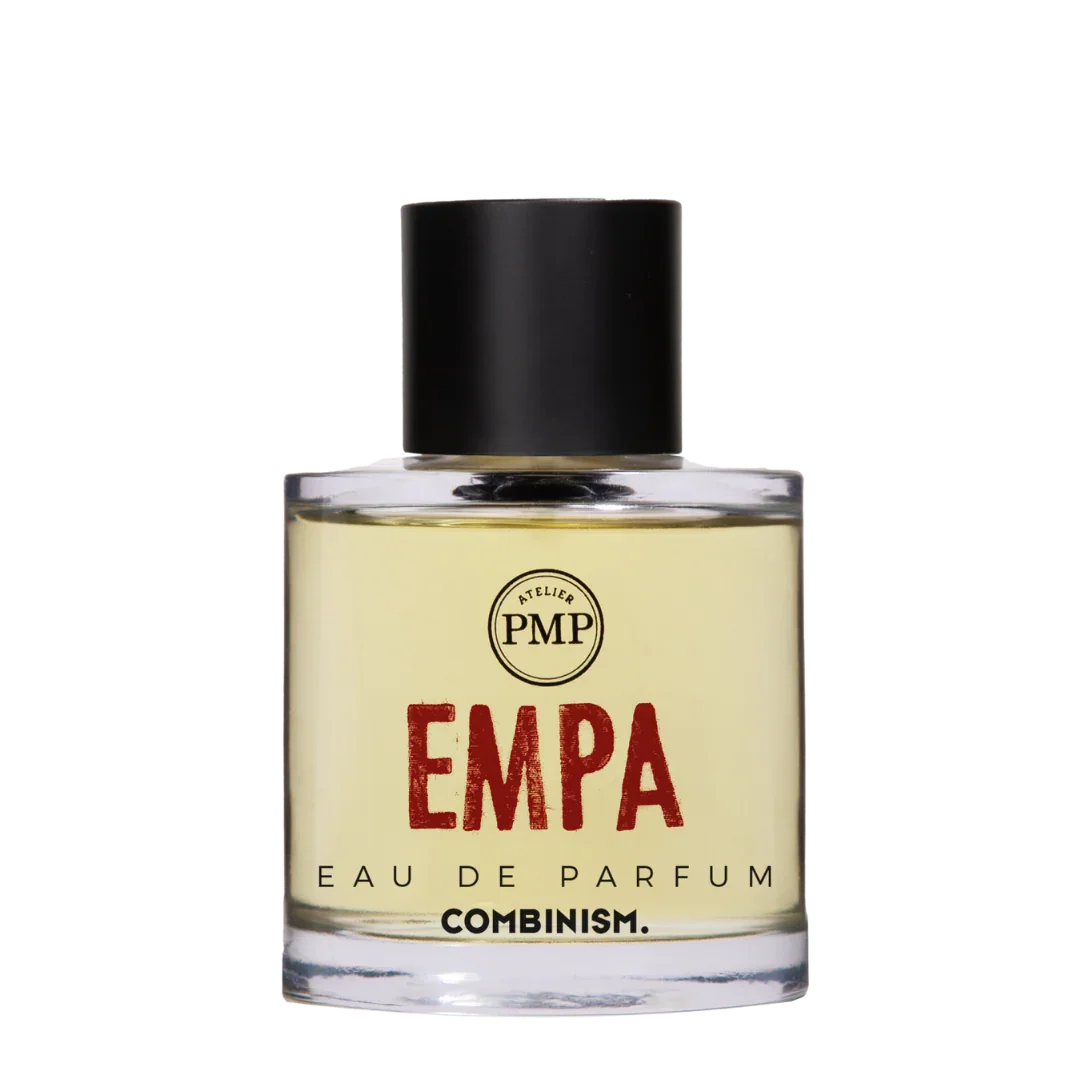
EMPA – Translating the warmth of human closeness into fragrance

EMPA is the most emotional fragrance in this series. Composed in collaboration with David Chieze, this scent represents closeness, comfort, and human connection.
EMPA possesses a warm, soft texture that doesn't overwhelm you, but rather envelops you. Buxton works with cardamom , cinnamon , ylang-ylang , rosewood , and herbal accords that unfold like warmth on the skin.
The fragrance tells of hugs, of quiet moments, of intimate closeness.
Empa remains subtle and never kitschy – a fragrance that distills the emotional depth of intimacy.
ŌN – A meditative journey into the inner world

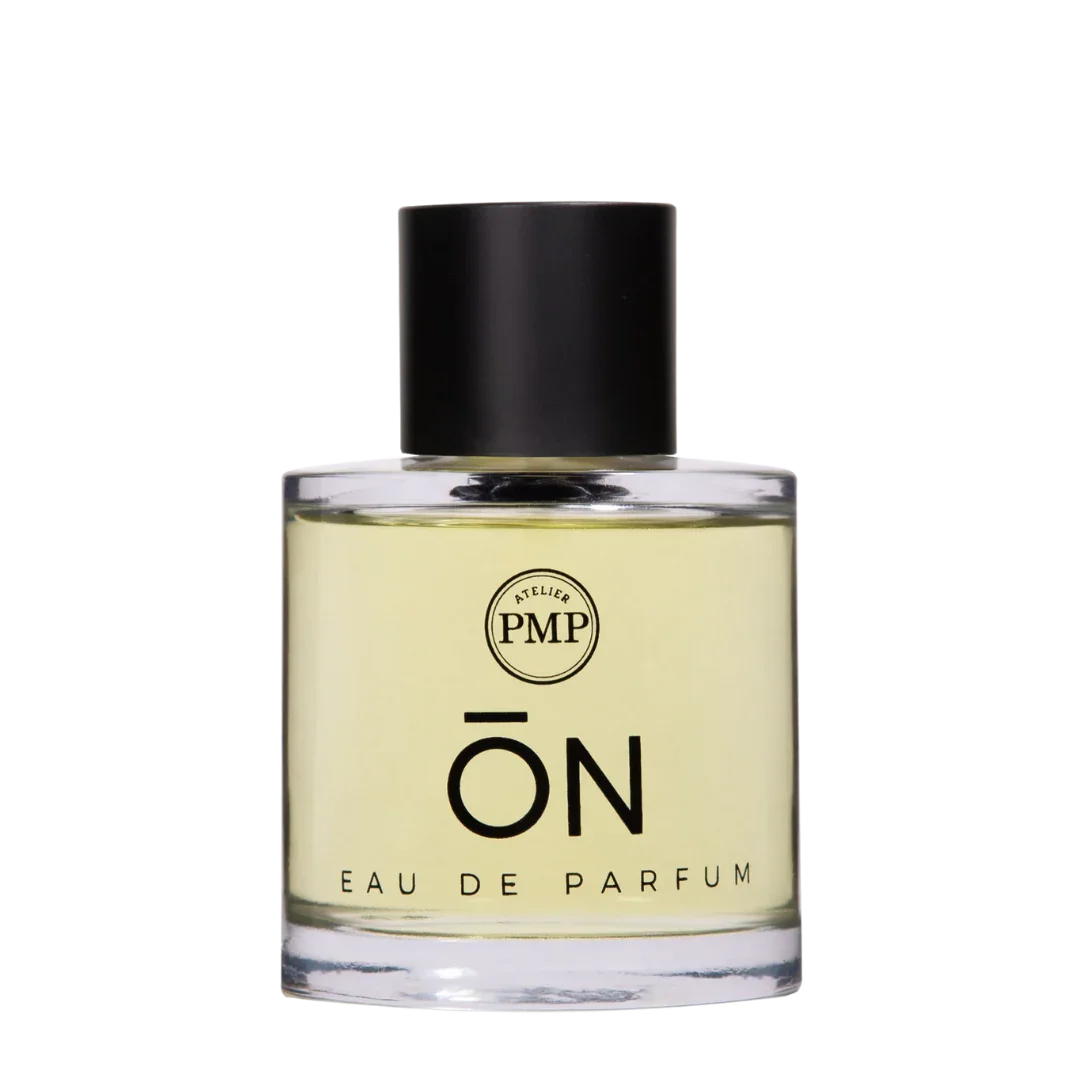
ŌN is Buxton's most spiritual composition for Atelier PMP. The name comes from ancient Greek and means "being" – and that's exactly what this fragrance is about: presence, depth, inner peace.
A complex ensemble of patchouli , mate , cannabis , cistus, and woody resonances forms an almost meditative chord. ŌN smells as if you were standing in a room made of wood, earth, and breath.
The scent is long-lasting, warming, and grounding – ideal for people who seek meaning, not effect, in a perfume.
Four fragrances by Mark Buxton – a creative universe
These four works showcase Buxton's range in its purest form:
Concrete Flower – futuristic, clear, urban.
Stay dirty – raw, rebellious, uncompromising.
Empa – warm, close, emotional.
ŌN – spiritual, earthy, meditative.
Together they form a manifesto of freedom: Perfume can be art. Perfume can provoke thought. Perfume can have a stance.
And that is precisely why these creations are among the most important olfactory projects in German perfumery.
Why Buxton is an artist – not a perfumer
Perhaps his secret lies in the fact that he never sees his work as "production." For Buxton, fragrance is a form of poetry. He uses molecules like words, chords like sentences, structures like paragraphs. A perfume, for him, is a text you wear on your skin. And this text is always open to interpretation.
His compositions are radical because they are honest. They don't hide. They don't play. They speak.
Why Mark Buxton is a good fit for scent amor

Curator Georg R. Wuchsa makes his selections for scent amor with a consistent approach. Only works that possess depth, demonstrate raw material intelligence, and resonate emotionally find their place. Buxton not only meets these criteria—he redefines them.
He creates fragrances that don't have to please, but that touch the soul. Fragrances bold enough to embody personality rather than trends. Fragrances that won't make you a better person, but one who chooses more consciously.
The future of a man who never wants to be finished
Buxton is an artist who needs movement. He rejects all routine, all pressure to conform to expectations, all industrial logic. He is someone who understands scent as a language – and as a way to confront people with themselves.
That is why his work will endure. Not because it appeals to the masses. But because it is true.
Mark Buxton is the perfumer for people who don't want to conform.
A Buxton fragrance is a choice. Not decoration. Not a pleasing veil. But a declaration of individuality, depth, and courage. It doesn't offer you lightness. It offers you truth. And perhaps that's precisely why its fragrances captivate you.
FAQ – Mark Buxton and his art of fragrance
Why is Mark Buxton considered one of the most important creative minds in niche perfumery?
Because he was one of the first perfumers to have the courage to think of fragrances as an artistic statement rather than a consumer product. His work had a lasting influence on the aesthetics of the modern avant-garde.
What role did his appearance on "Wetten, dass..?" play in his career?
The performance brought his extraordinary ability to identify scents through molecular structures to public attention. This moment opened the door to professional perfumery and led him to Paris.
What is Buxton's handwriting known for?
For transparent, high-contrast, often provocative compositions that work with synthetic molecules, spices, tea accords, woods and unusual bitter structures.
Are his fragrances more suited to men, women, or unisex?
His creations are almost always designed as unisex perfumes , but they often have distinctive edges that make them equally interesting for lovers of strong men's and women's fragrances .
Why is Buxton part of the scent amor product range?
Because his fragrances convey a clear attitude – raw, precise, emotional. They fit Georg R. Wuchsa's curatorial vision, which focuses on character rather than quantity.
Copyright by scent amor © 2025 (grw)
More articles on the scent news blog by scent amor:
Atelier PMP – luxurious niche fragrance with attitude and high-quality perfumery
Loud. Queer. Brilliantly composed. Atelier PMP is perfume as a manifesto—rebellious, political, surprisingly profound. Behind every scent: great perfumers like Mark Buxton and David Chieze. scent a...

Leave a comment
All comments are moderated before being published.