

Ambergris, Ambra and Ambergris
This is an interesting and often confusing question in perfumery. These three terms are sometimes used synonymously, but they refer to different things, although there is significant overlap between ambergris and ambergris.
The terminology
Amber – this is a fragrance accord designed to mimic the scent of ambergris. It's a blend of labdanum, vanilla, and benzoin, and is virtually indispensable in modern perfumery. With its warm, resinous, and sweet fragrance accord, it's frequently used in the base notes.
Ambergris is a natural, animal-derived substance. It is a waxy secretion from the digestive tract of the sperm whale. It can be found on the coasts of the world's oceans and develops its full aroma through maturation in seawater. Due to its extreme rarity, it commands extremely high prices and is therefore rarely used anymore. It possesses musky, sweet-earthy notes with animal undertones and has excellent properties as a fixative in perfume.
Ambroxan – a synthetic molecule used as a fragrance ingredient in place of ambergris. The scent is described as warm, woody, and slightly sweet, with a skin-like note. Approximately 30 tons of ambroxan and its derivatives are produced worldwide annually.
The confusion
The current confusion surrounding these terms stems from linguistic development. The origin is the Arabic word "anbar" or "ambar," which originally referred to two things: 1. The waxy secretion of the sperm whale, and 2. The sperm whale itself.
With the export of this valuable fragrance to Europe in the Middle Ages, the term was also adopted. There, however, it encountered the English word amber, which refers to a fossilized resin, also found on the beach, but which doesn't really have its own distinct scent.
Both substances were considered mysterious at the time, and their origins were not readily understood. Thus, the Arabic word ambergris, via the French ambre, was soon used for both substances in English and Latin. However, in order to distinguish between them, they began to be described by their color.
Ambergris , grey mass, ambre gris – grey amber, from which the English word Ambergris was derived.
Amber , resin, ambre jaune – yellow amber
The Amber Chord
The amber accord is an invention of modern perfumery. It became popular in the late 1880s with the rise of the oriental fragrance family. Important forerunners in this fragrance family include AMBRE ANTIQUE (1898) by François Coty , one of the first great fragrances in the oriental style. Coty is often cited as a pioneer of modern amber perfumery, paving the way for an entire family of oriental perfumes featuring amber as a fragrance note. And some 25 years later came SHALIMAR (1925) by Jacques Guerlain . He combined the strong amber accord with bergamot and a rich vanilla note, thus definitively establishing the balsamic amber fragrance as a timeless classic and an integral part of perfumery.
Niche fragrances with the scent note of amber
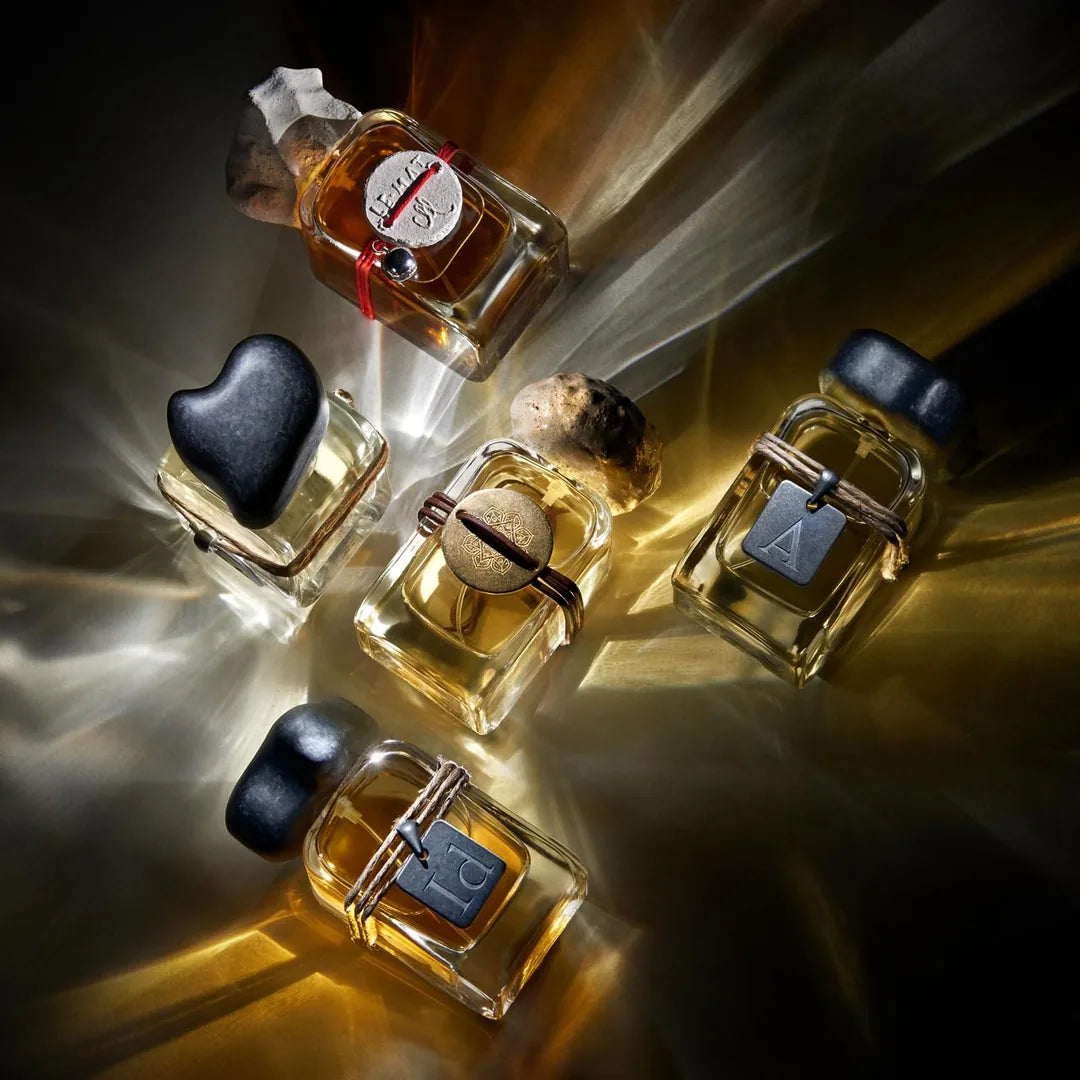
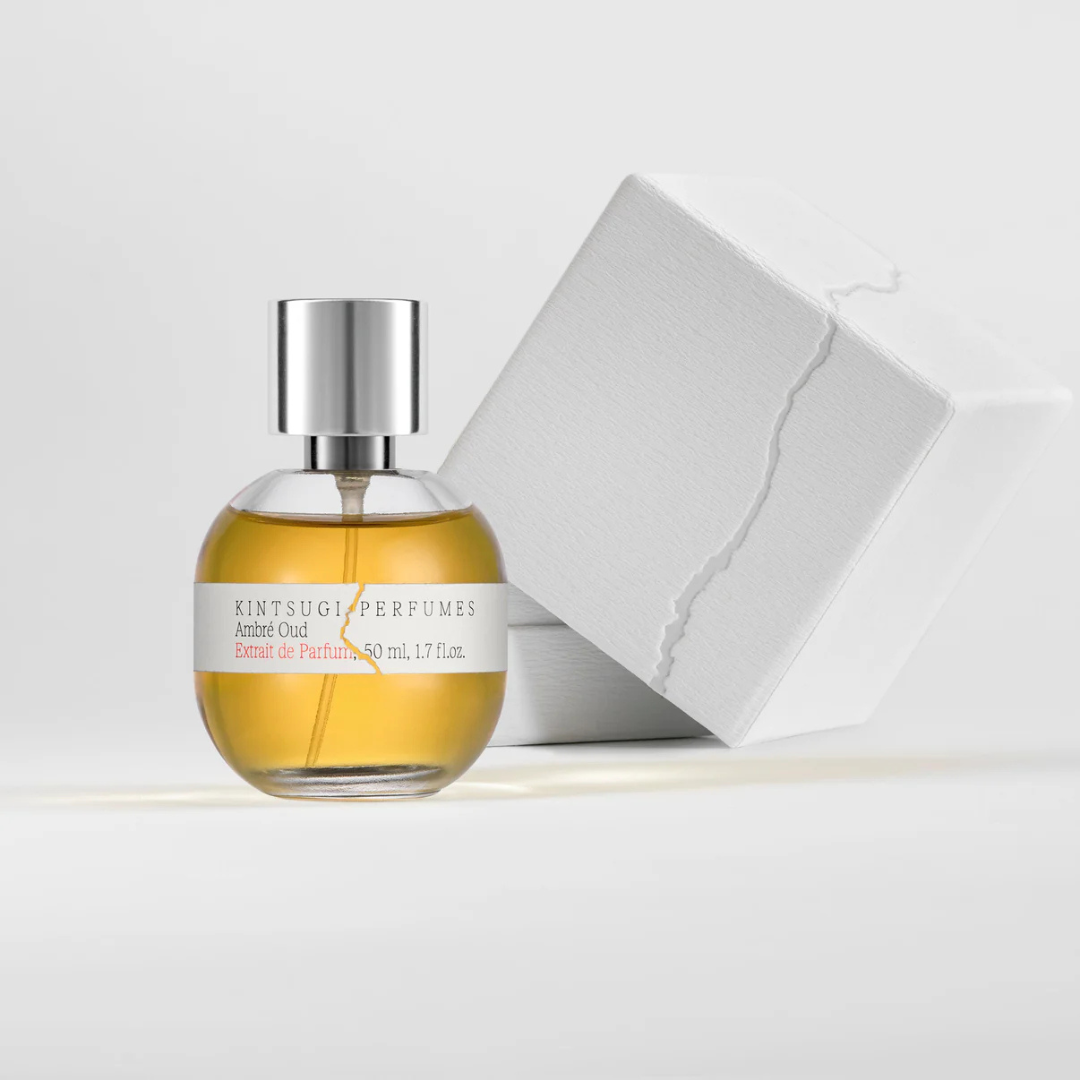
Ambergris isn't a loud accord, but an inner space. In the niche fragrances you'll find at scent amor , this note reveals itself not as a sweet gesture, but as depth, warmth, a subtle tension on the skin. Ambergris combines resinousness with balsamic softness, sometimes smoky, sometimes mineral, often shimmering darkly like amber backlit by the sun.
In select niche perfumes, ambergris becomes the supporting structure: it binds spicy notes together, grounds floral facets, or lends woody compositions that slow, almost meditative aura that lingers long after the fragrance has left its mark. These scents don't seek immediate approval. They unfold calmly, intimately, and speak of closeness, skin, and time.
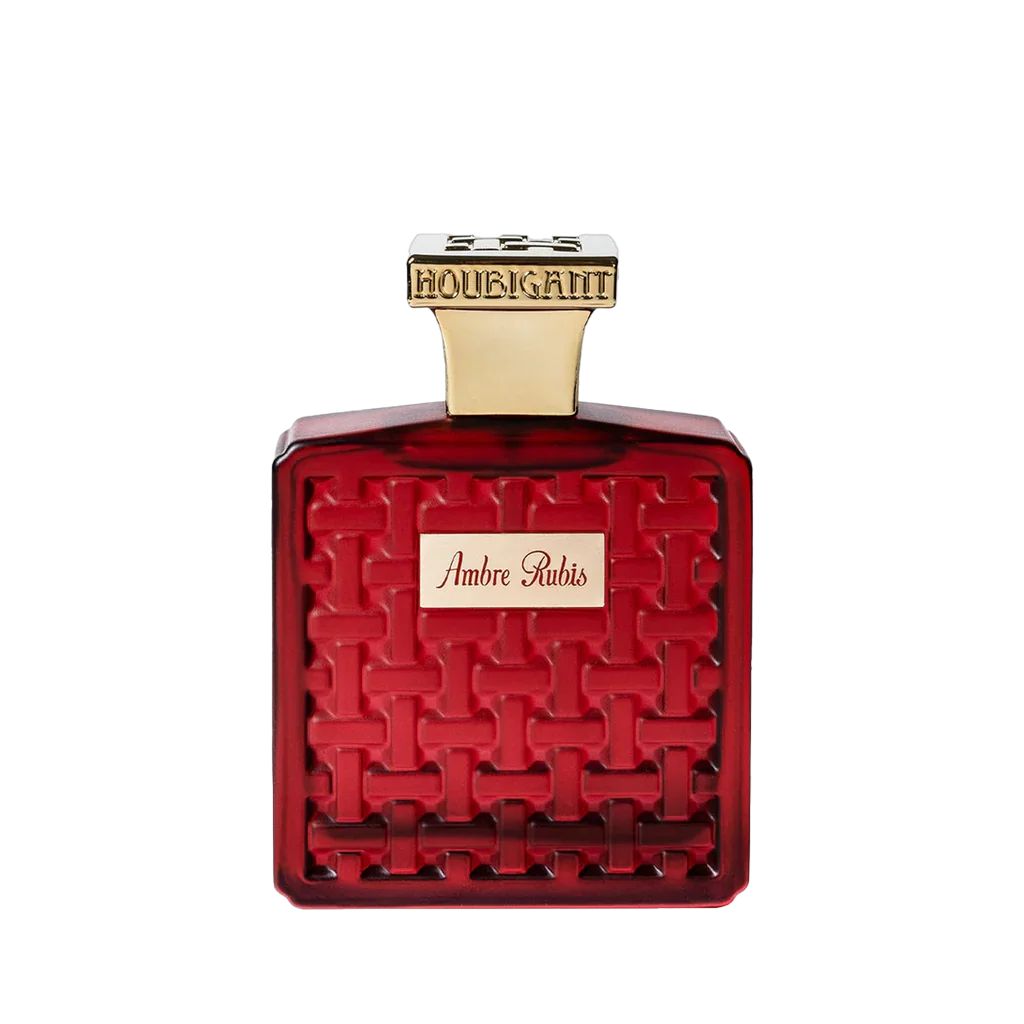
When ambergris is used here, it's without saccharine sweetness, without decorative overkill. These are exceptional fragrances meant to be cherished – worn, not flaunted. That's precisely what scent amor's selection represents: niche fragrances with substance, attitude, and olfactory depth, which you can wear every day as well as in moments that demand more than mere presence.
FAQ - Everything you need to know about the fragrance raw materials amber, ambergris and ambergris!
Scent of Amber, I'm confused: Is amber a stone or a whale product?
That's the million-dollar question! In short: both and yet neither. When you see "amber" in a fragrance pyramid , it's almost always a fanciful accord. It's meant to reflect the golden, warm aura of fossilized amber, but it usually consists of plant resins like labdanum and vanilla . Ambergris (or ambergris ), on the other hand, is the "real" gold from the sea—a rare natural product from the sperm whale. In modern perfumery, we usually say "amber" when we mean warm and resinous, and "ambergris" when it becomes salty, animalic, and skin-like.
Does amber actually smell like amber? I thought stones didn't have a smell!
You're absolutely right, my dear fragrance explorer! Genuine, fossilized amber is millions of years old and has virtually no scent of its own . The "amber scent" we love so much is a poetic interpretation. Perfumers wanted to translate the visual warmth, golden color, and depth of amber into a fragrance. They asked themselves, "If this beautiful stone could smell, what would it smell like?" The answer was a blend of sticky resins, sweetness, and balsams. So, amber is essentially liquid gold for the nose .
Does my perfume really contain genuine whale ambergris?
Let's be honest: In 99% of cases, no . Real ambergris is one of the most expensive raw materials in the world – a kilo can cost tens of thousands of euros! For ethical reasons and to guarantee consistent quality, modern perfumery mostly uses the ingenious molecule Ambroxan . It perfectly captures that magical, salty, "sexy-skin" vibe of the original, without a single whale having to lift a finger (or flipper). Only in extremely exclusive niche or vintage fragrances will you still find the real tincture today.
How can I tell if an amber fragrance suits me?
Amber is the ultimate cozy scent! If you love fragrances that envelop you like a cashmere scarf —warm, sweet, slightly powdery, and incredibly long-lasting—then the amber accord is your best friend. If, on the other hand, you're looking for something mysterious that smells of the sea, warm skin, and a touch of the wild, then look for fragrances with a strong ambroxan or ambergris note . Amber is for the soul, ambergris is for attraction!
Copyright by scent amor © 2026 (dh)
More articles on the scent news blog by scent amor:

Niche fragrances 2026: 3 fragrance categories you should keep an eye on
Niche fragrances in 2026 stand for attitude rather than effect. Molecular scents with an intimate feel, dark gourmand fragrances without sweetness, and the return of classic fragrance structures de...

Leave a comment
All comments are moderated before being published.