
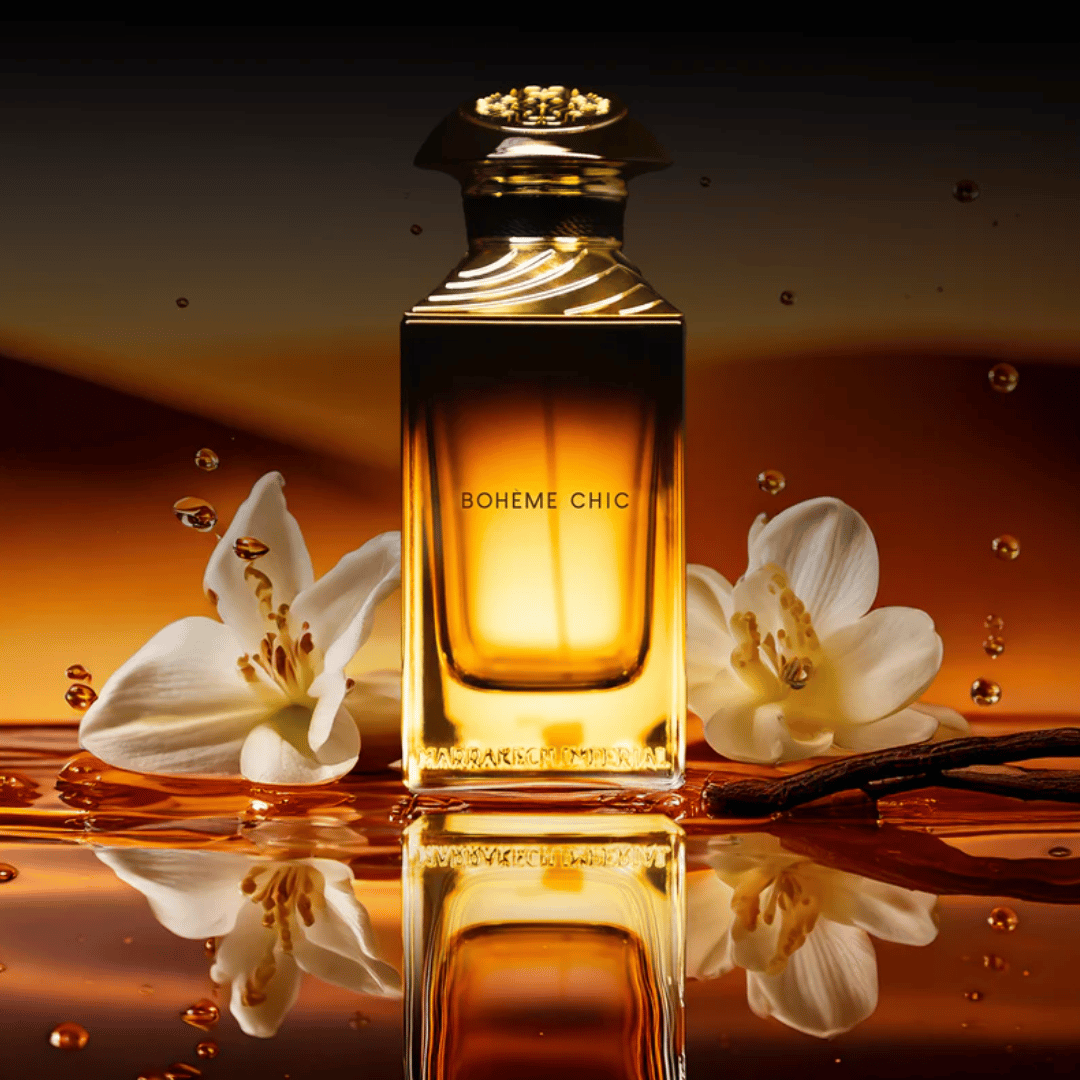

How raw materials shape the true language of modern fragrances
Perfumery thrives on stories, yet its true language is forged in the unseen. A niche fragrance isn't intense, complex, or unexpectedly emotional because it's "beautifully" composed—but because its raw materials are intelligently chosen, precisely dosed, and woven into an olfactory structure that unfolds on your skin like a subtle drama. Modern perfumers no longer work solely with classic extracts, but with highly sophisticated molecules that shape texture, projection, depth, and elegance. And especially in winter, when winter scents , Christmas fragrances , resins, woods, and spicy accords exude a special warmth, this world of raw materials begins to speak. The cold air carries notes differently, amplifies their edges, intensifies their warmth—and offers you a glimpse into the mechanics of what you smell. This is where the true magic happens: in the interplay of nature and technology, memory and molecular architecture.
Amber – the silent source of warmth of the present

The modern amber accord is no longer just a sweet resinous concoction, but a complex system of molecules such as ambroxan , cetalox , and norlimbanol. These materials possess a clarity that natural raw materials cannot offer in this form. They convey warmth without heaviness, depth without density, and a luminous lingering quality that is particularly noticeable during the colder months. A luxurious niche perfume based on amber acts like an inner core of warmth in winter. It permeates scarves, coats, wool, and frosty air without becoming intrusive, lending a fragrance that resonant power we associate with intimate closeness, body warmth, and festive sensuality. Amber is the architectural backbone of modern compositions—an indispensable element of contemporary winter fragrances .
Musk – the skin signature you don't see
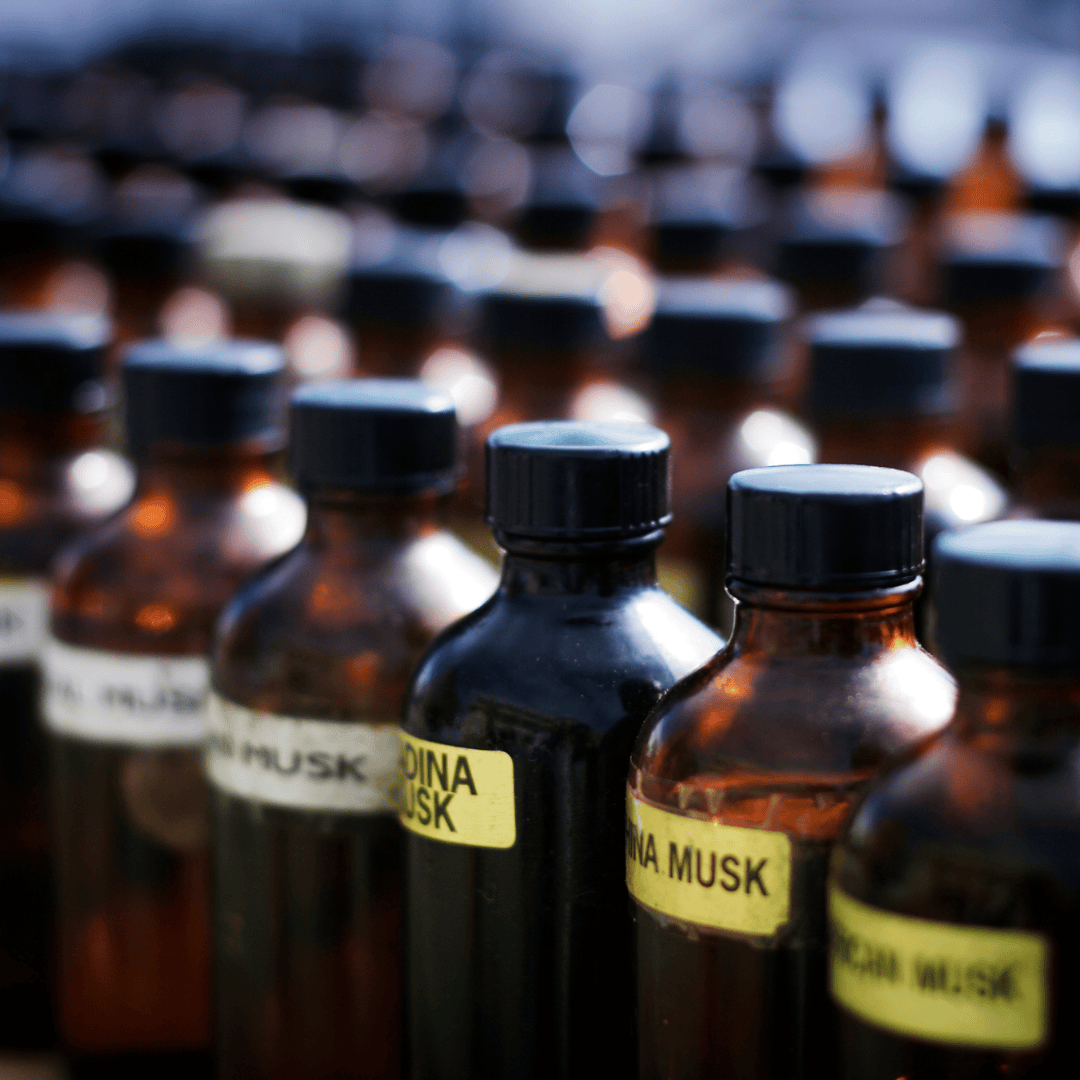
Musk is the texture you feel without recognizing it as a note. Molecules like habanolides or helvetolides create that soft, creamy, breathable structure that lingers like a gentle veil at the end of a fragrance's journey. They intensify your perception of your own skin, modulate the warmth of a perfume, and make it seem more elegant, rounded, and emotional. In Christmas fragrances and winter compositions, musk structures unfold their full effect because they mediate between the cold and clothing. They translate scent into feeling. Musk is not an addition—it is a cornerstone of modern perfumery, a quiet but essential tool that connects fragrance and body.
Resins & Balsams – the archaic heart of the winter world

Few raw materials speak as deeply and ritually as resins. Benzoin , labdanum , tolu balsam , Peruvian balsam , elemi – they are the olfactory fossils of human history, memories of temples, festivals, fire, darkness, and warmth. Resins possess a balsamic heaviness that settles on the skin like a warm shadow. In a Christmas perfume, they act like liquid amber light: heavy, calming, meditative. They lend fragrances that festive depth that inevitably evokes traditions, candle wax, old wood paneling, and stories told only in winter. Without resins, December wouldn't be December. They are the intimate voice of Advent, creating a sense of peace with every breath.
Spice molecules – controlled heat
Winter fragrances would be incomplete without spices, yet perfumery rarely works with raw spices. Instead, it utilizes molecules like eugenols (clove), cinnamaldehyde (cinnamon), curcumol (turmeric), or pepper isolates, which isolate, modulate, or amplify the essence of a spice. This creates warmth, tension, and energy. A niche fragrance can simultaneously evoke Christmas markets, open kitchens, mulled wine, rituals, and secret fires in a single accord—without ever seeming banal or "edible." Spice molecules allow for perfect control: they give you heat without smoke, strength without harshness, and emotionality without chaos.
Wood notes – molecules that provide structure
Woody compositions are among the most popular fragrance families of winter. But modern perfumers are increasingly moving away from heavy extracts, preferring molecules like Iso E Super and Cashmeran , which redefine wood. Iso E Super is transparent and minimalist, creating a floating, almost magnetic aura. Cashmeran possesses a textile softness reminiscent of cashmere—warm, powdery, and close to the skin. Such molecules dominate many contemporary unisex perfume creations. They are clear, elegant, and endlessly combinable. In winter, this results in fragrances that act like a cloak of warm light: palpable, familiar, and calming.
Nature vs. Synthesis – why modern perfumery needs both worlds

The old notion that "synthetic = bad" is long outdated. The truth is clearer: modern perfumery cannot exist without molecules. Natural raw materials are precious and beautiful, but they vary greatly. Molecules, on the other hand, are stable, precise, ethical, and sustainable. The best fragrances of our time, especially exceptional scents with a wintery or festive character, are based on the combination of both worlds. A resin needs an amber molecule to carry its weight. A flower needs musk to shine on the skin. A spice needs a wood isolate to avoid being overpowering. A niche fragrance, therefore, is not a copy of nature—it is a composition that follows its own rules.
Ambroxan, Iso E Super, Cashmeran & Co.: Truly iconic molecules
In modern perfumery, there is a small group of molecules that have done more than simply alter fragrance—they have defined how we perceive scent today. Ambroxan , Iso E Super , and Cashmeran are among these icons. They are not merely ingredients, but transformative forces whose structure has influenced entire generations of perfumers. Their magic lies not in spectacular notes, but in something almost impossible to name: radiance, presence, texture, temperature. They work quietly, yet immensely. Without them, today's fragrance landscape would be virtually inconceivable.
Ambroxan is the modern interpretation of ambergris—that legendary, maritime, warm-mineral essence that is now almost entirely absent from nature. In its synthetic form, ambroxan possesses an almost physical warmth, something that feels simultaneously clear, clean, and sensual. It is dry, velvety, close to the skin, yet surprisingly radiant. In winter, this molecule gains a special intensity: the cold air polishes its facets, so that it feels like a calm, golden warmth that accompanies you throughout the day. Many niche fragrances would be inconceivable without ambroxan, because it stabilizes the architecture of a perfume and gives it that elegant, long-lasting signature that we perceive as "modern depth."
While Ambroxan has a warm and structured feel, Iso E Super is the opposite: an invisible shimmer, a fragrance perceived more as an impression than a note. It is airy, magnetic, almost ethereal. Iso E Super envelops the skin with a woody-transparent aura that modulates individually, depending on skin chemistry, temperature, and movement. This is precisely why it is so captivating in winter. The cold air slows its molecules, creating a kind of "fragrance mist"—soft, calm, unobtrusive, yet noticeably present. Many contemporary unisex perfume compositions are based on this molecule because it never becomes loud, yet leaves a distinctive signature. It is not a fragrance in the traditional sense, but a feeling.
Cashmeran, on the other hand, possesses substance. This molecule is woody, musky, slightly resinous, powdery-warm, and simultaneously mineral. It carries a textile quality that immediately evokes associations with cashmere—soft, protective, warming. Cashmeran combines the aromatic depth of a wood with the sensual roundness of a musk. This makes it one of the most important building blocks for winter fragrances : It creates the feeling of a protective fabric against the skin, a cloak of warmth, a space that envelops you. Cashmeran is never in the foreground, but you would immediately notice its absence. It is the atmosphere surrounding the fragrance—the space you carry with you.
These molecules are iconic because they don't just smell, they function . They transform the perception of a fragrance, its movement, its effect on the skin, its texture. They have opened up perfumery to new compositions: minimalist, ethereal, molecular, emotional. Fragrance has become less ornamented and, at the same time, much more personal. Ambroxan is warmth, Iso E Super presence, Cashmeran comfort. Together, they form the basis of a modern understanding of fragrance—an understanding that is particularly palpable in winter, during Advent, between cold and coziness. And that is precisely why they are among the recurring pillars of many exceptional fragrances curated at scent amor: They possess character, attitude, and the ability to transform your skin into a feeling.
Scent psychology – how raw materials shape memory, mood and ritual
Some raw materials affect us before we can even name them. Vanilla awakens childhood rituals. Frankincense evokes sacred spaces. Amber reminds us of body warmth. Woods create tranquility, spices activate energy, resins calm the pulse. Scent affects not only the nose but also the nervous system. It changes a space, posture, and mood. The fragrance psychology of modern winter and Christmas compositions relies on using raw materials in such a way that they activate familiar memories—or create new ones. Your emotional response is not accidental. It is precisely crafted by a perfumer.
The handwriting of Georg R. Wuchsa – raw material quality as a curation principle
At scent amor, it's not the trend that determines whether a fragrance is included, but the quality of its raw materials. Georg R. Wuchsa examines each composition for the clarity of its molecules, the depth of its resin penetration, the radiance of its amber, and the delicate balance between warmth and transparency. It's not about whether a fragrance smells "pleasant"—it's about whether it possesses character, substance, and presence. This is how the collection is created that transforms winter scents , Christmas fragrances , and extraordinary scents into intense stories about the skin. At scent amor, you won't find a perfume that merely smells pretty. You'll find perfumes that speak volumes.
Where you can truly experience this world of raw materials
If you want to understand how raw materials shape your perception, it's not enough to just read about fragrances. You have to apply them, compare them, feel their temperature, inhale their lingering scent. At scent amor, you'll find a curated selection of fragrances whose raw material architecture has been consciously chosen – accompanied by advice, expertise, and samples that show you how differently molecules interact with your skin. Let yourself be guided: by raw materials, by emotions, and by the signature style of Georg R. Wuchsa.
FAQ - everything you need to know about the raw materials of fine niche perfumes
What makes modern raw materials so important in a niche fragrance?
They lend compositions depth, structure, and emotional resonance. Molecules enable precise warmth, while resins and woods create a wintry sensuality.
Are synthetic molecules inferior to natural raw materials?
No. Molecules like ambroxan or cashmeran ensure longevity, clarity, and sustainability. Many iconic niche fragrances would be inconceivable without them.
Why do winter fragrances have a more intense effect?
Cold weather slows down evaporation and intensifies resins, ambergris, and musk. This gives winter fragrances more depth, warmth, and spatial presence.
How do raw materials affect the fragrance on my skin?
Molecule size, polarity, and texture determine whether a fragrance appears warm, radiant, smoky, or soft. Therefore, the same composition can appear different on different skin.
Why does scent amor focus on raw material quality?
Georg R. Wuchsa curates fragrances according to their material intelligence and selects only creations that possess clear raw material signatures and genuine strength of character.
Copyright by scent amor © 2025 (grw)
More articles on the scent news blog by scent amor:
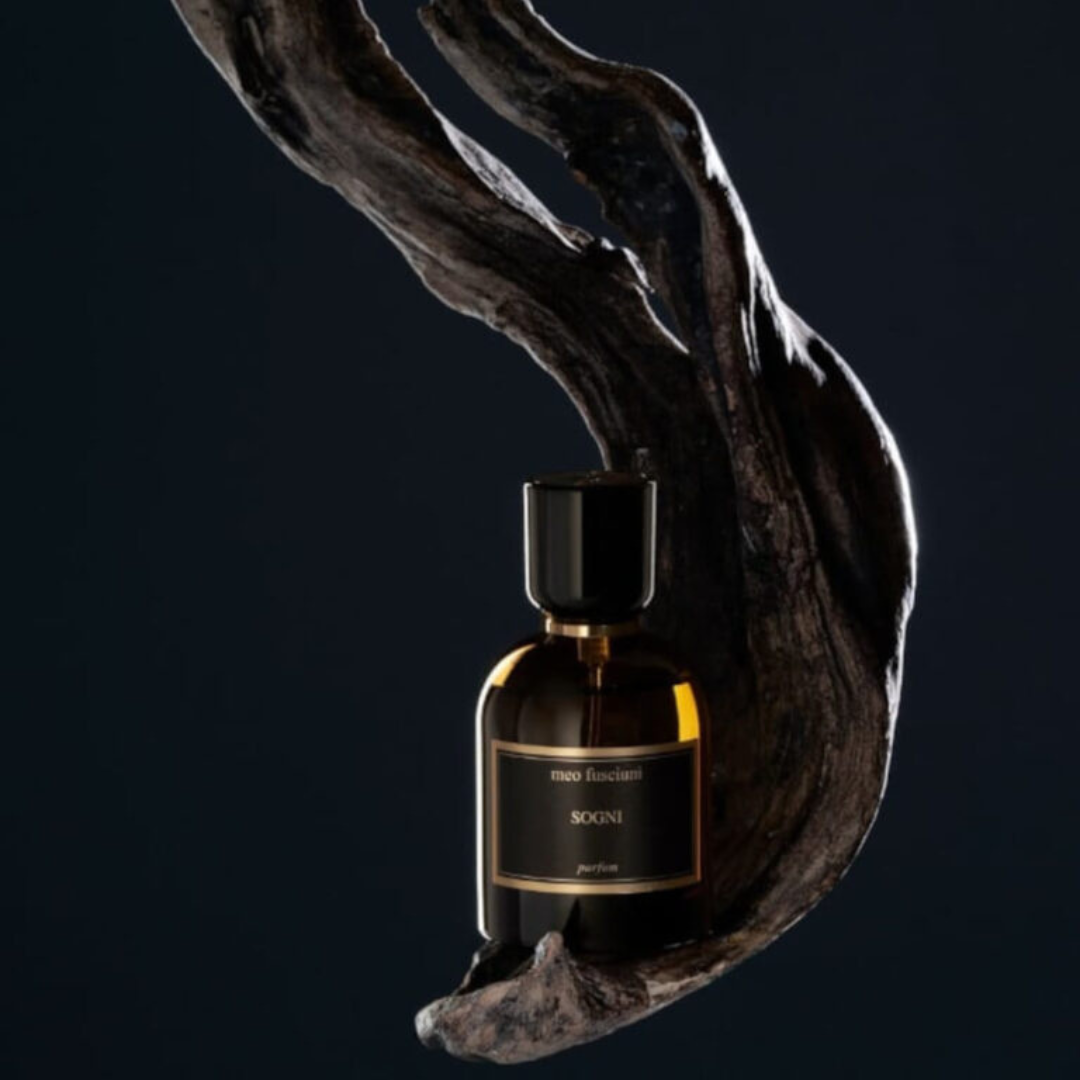
Meo Fusciuni Parfums – When a niche fragrance translates your inner self into words
Meo Fusciuni Parfums is niche perfume for people who interpret fragrance as a memory and a silent dialogue. Since 2010, Giuseppe Imprezzabile has been creating literary compositions that explore t...



Leave a comment
All comments are moderated before being published.