

Why the truth will get you further than any advertising slogan
As you navigate the world of fragrance, you encounter three terms that sound as if they were carved in marble by a perfume god himself: perfume oil, eau de parfum, extrait de parfum. Brands toss them around like quality indicators, as if they only need to be mentioned for you to immediately understand what you're paying for. But you already know: behind many of these terms lies more fog than clarity. And that's precisely where this report begins – honest, without embellishment, without perfume theatrics. You'll get the real differences, as they work, on your skin, in the air, in everyday life. And you'll finally understand why some niche fragrances at extrait strength function like miniature works of art, while other eau de parfums remain flat despite their high concentration.
What really matters: Fragrance concentration – and why it doesn't tell the whole story

In theory, it's all simple. Perfume oil is pure, undiluted fragrance oil. An extrait contains a particularly high concentration. An eau de parfum somewhat less. An eau de toilette even less. The industry would like you to believe this—because it sells like a simple truth. But anyone who has lived with luxury niche perfumes for any length of time knows: reality is more complicated. Two fragrances can have the same concentration and yet perform completely differently. Why? Because effects like olfactory psychology , molecular structure, fixatives, evaporation curves, and temperature behavior act like invisible directors. A fragrance with 18% oil can act like a delicate mist, while another with 12% can follow you for hours like a second shadow. Concentration is a clue—not a definitive answer.
Perfume oil – the intimate, raw essence of a fragrance
Perfume oil is the state in which the fragrance exists unmixed and undiluted. You're not wearing a cloud of alcohol, but pure, concentrated substance. On the skin, perfume oil often feels warmer, quieter, and closer to your body. It won't project like a boisterous eau de parfum, but it lasts a long time—sometimes surprisingly long. Skin chemistry plays a more significant role here than with any other form. If your skin is dry, the perfume oil will be soft and intimate. If it's warm and slightly oily, it will sing with a deeper, richer quality. Perfume oil is particularly appealing to those seeking exceptional fragrances without leaving a trail behind. You're not wearing a projection—you're wearing an aura.
Eau de Parfum – the modern standard that doesn't always deliver on its promises.
Eau de Parfum (EDP) has become the norm in recent years. It's considered the perfect middle ground: not too strong, not too weak, long-lasting, and versatile. But reality and advertising claims often diverge. An Eau de Parfum can be opulent and room-filling—or as fleeting as a walk in the cold. The reason lies not only in the concentration, but also in the fragrance's architecture. Molecules like Iso E Super , Cashmeran , Habanolide® , Orcanox® , or balsamic resins determine whether the scent speaks to you or vanishes into thin air. Many of the most exciting niche fragrances utilize the strengths of EDP because they allow room for contrasts: citrus notes that are allowed to evaporate, resins that unfold slowly, musk that caresses the skin. Eau de Parfum is a format of balance, but never a guarantee.
Extrait de Parfum – Intensity without noise
An extrait isn't a volume knob. It's a mode of compression. Less alcohol means less evaporation, and as a result, the fragrance clings to you without being overpowering. Many extraits are surprisingly subtle—but they lie deeper, darker, more visceral. The fragrance's effect is more introspective; you're wearing something that's more skin than air. For colder seasons, for winter fabrics, for evenings with flickering lights and dimly lit rooms, an extrait offers an olfactory warmth that feels like fabric. The fact that extraits are often associated with niche men's or women's fragrances is because they showcase craftsmanship. No spray mist, no gimmicks—just pure composition.
Why concentration does not equal shelf life.
If you want a fragrance to last, you need to understand its composition. Resins last longer than citrus notes. Musk clings to the skin. Woody notes provide structure. An EDP with a lot of citrus will never give you the staying power of an extrait with an amber and sandalwood base. The truth about longevity isn't in percentages, but in the chemistry between molecules and your skin. This also explains why the same fragrance can work completely differently on two people – and why you should always test it when buying niche perfumes . That's precisely why fragrance samples and ordering perfume samples from scent amor are so essential: You won't find the truth on the label, but on yourself.
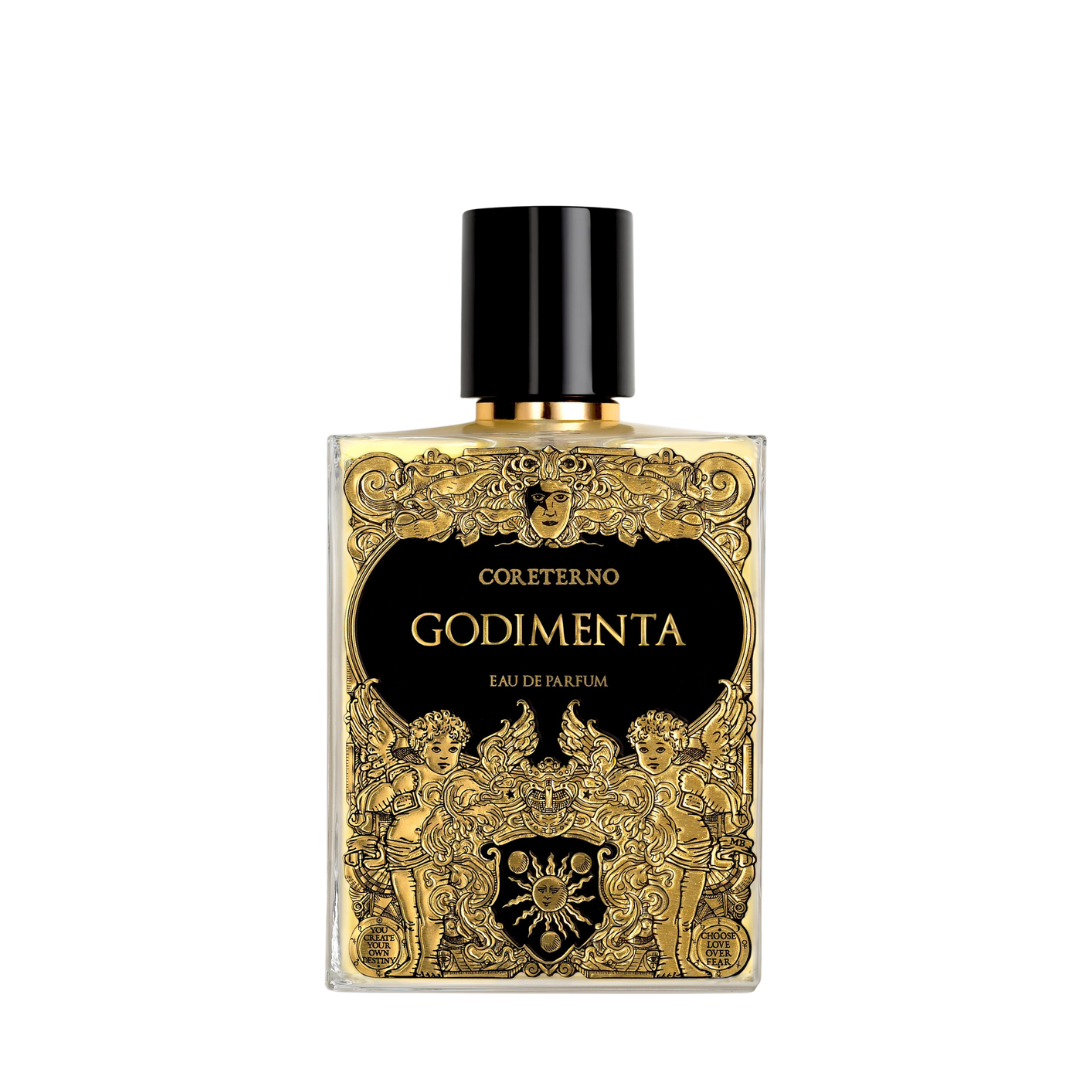
Projection vs. Presence – How You Really Think a Fragrance Is “Strong”
Many people mistake volume for quality. A fragrance that fills the room is perceived as powerful, while a fragrance that stays close is seen as weak. But this is a misconception. Extraits often have minimal projection but maximum character. Perfume oils are almost physical because they stay so close to you. If you're looking for a men's or women's fragrance that doesn't sound like "a cloud of perfume in the office," you'll often end up with extraits or oils. However, if you want to accompany a winter evening with a noticeable presence, an EDP (extra perfume) is the most versatile solution. Projection isn't a quality indicator—it's a matter of style.
Which product is suitable for whom?
If you want a quick effect: Eau de Parfum
If you want deep, intimate slowness: Extrait
If you want maximum skin contact without alcohol: perfume oil.
If you're looking for a unisex perfume that seamlessly adapts to your body, regardless of gender – all three formats will work, as long as the composition is right. Niche perfume thrives on precisely this: freedom without labels.
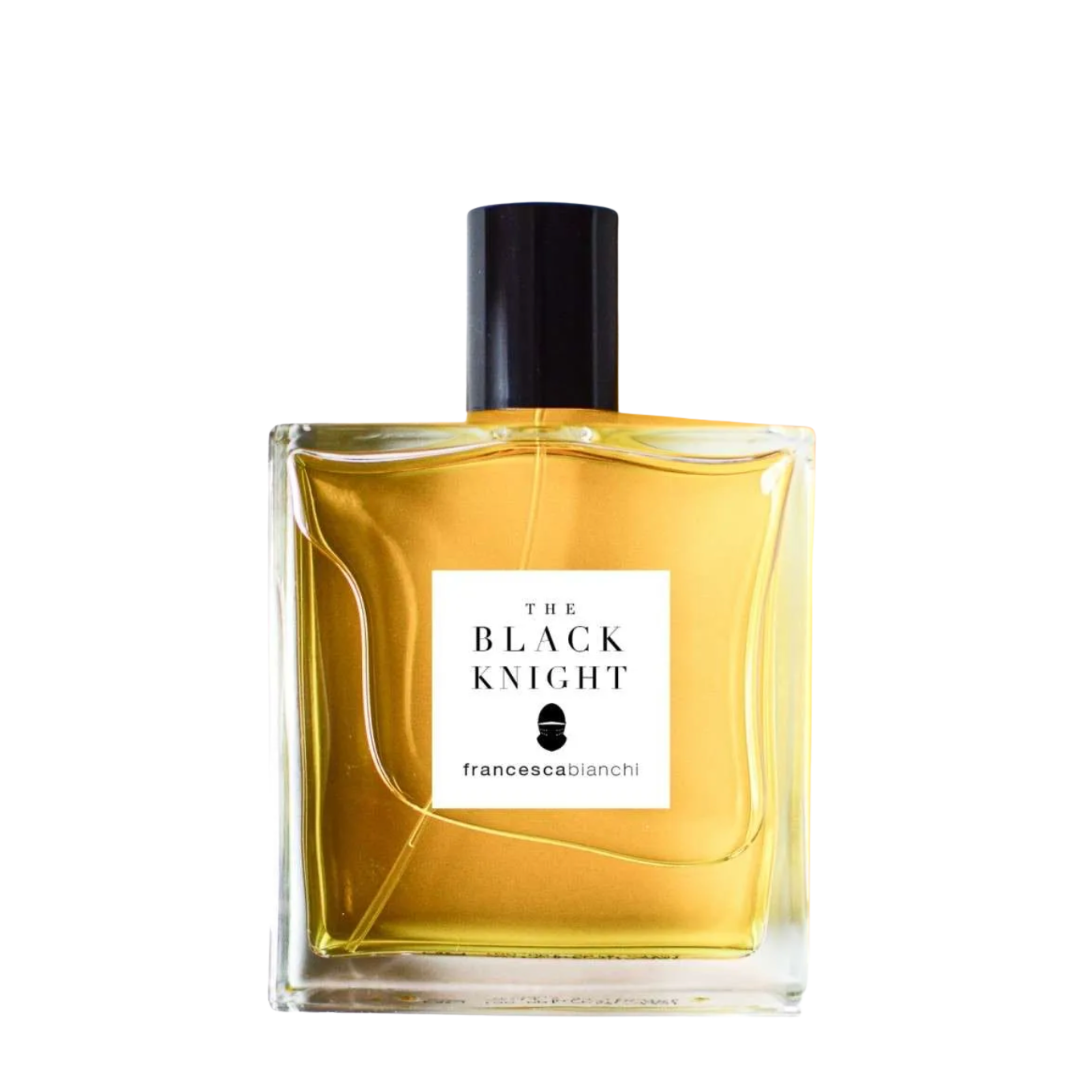
Why are niche brands working more consciously with concentrations today?
In the realm of luxury niche fragrances, the trend is clearly moving away from the classic EDP mainstream. Brands are deliberately composing in extrait strengths because this allows for more nuances, resinous depths, and a warmer feel on the skin. At the same time, perfume oil is experiencing a renaissance, especially among collectors who appreciate molecular purity and the warmth of raw materials. This development shows that concentration is once again becoming an expression of art – not just a marketing ploy.
Why is Scent Amor the right place for real decisions?

If you want to understand concentrations, you have to experience them. That's precisely why Georg R. Wuchsa curates a selection at scent amor that not only explains the differences but makes them tangible. With fragrance samples , in-depth consultations, and a selection deliberately outside the mainstream, you won't find just any version of a fragrance here—you'll find the one that speaks to your skin.
FAQ - everything you need to know about perfume concentration!
Why does an extrait often smell less intense than an eau de parfum?
Because less alcohol evaporates, and therefore less fragrance rises into the air. The extract has a deeper effect, not a louder one.
Is perfume oil stronger than perfume extract?
Not necessarily. Perfume oil is more intense on the skin, but diffuses less. Strength is not a uniform measure.
Which format lasts the longest?
Mostly extrait or perfume oil – provided the fragrance architecture features resinous, ambery or musky structures.
Which format is suitable for hot or cold seasons?
In summer, EDP is preferable; in winter, extraits and perfume oils are ideal because they keep you warm and don't "cool you down".
Why are fragrance samples so important?
Because skin chemistry is crucial. You can only know the truth about durability, presence, and effect by looking at yourself.
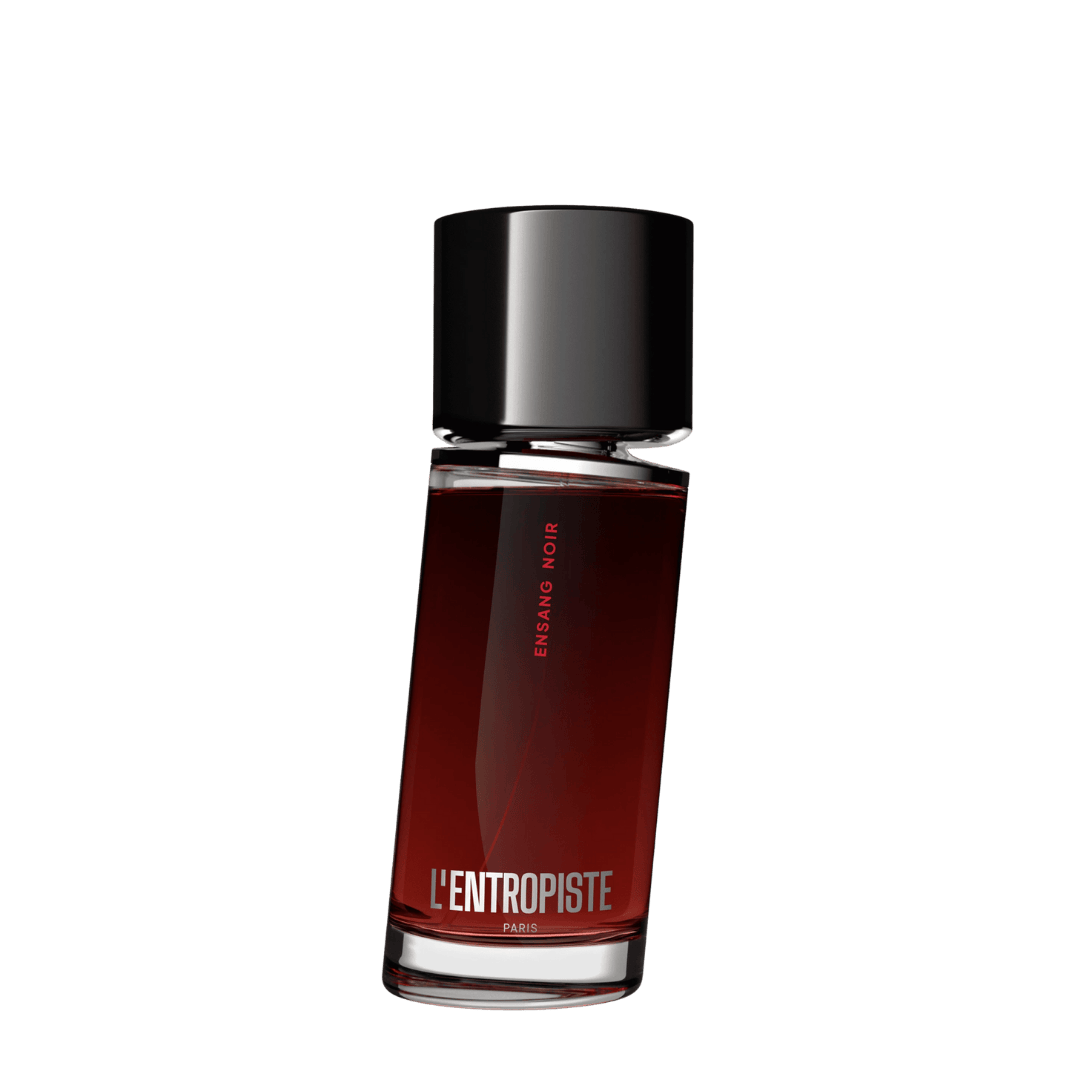
Natural vs. synthetic – what niche fragrances really contain

Why the debate between natural and synthetic materials is usually conducted incorrectly
Few topics are as misunderstood in fragrance forums as the supposed battle of "natural versus synthetic." Especially in the realm of niche fragrances , where many buyers expect craftsmanship, nature is perceived as superior. But the truth is both more sobering and fascinating. Natural substances are warm, multifaceted, but unstable and expensive. Synthetic molecules are precise, clean, and guarantee reproducibility—and they constitute 90% of what makes modern perfumes emotionally effective. Without synthetic substances, there would be no long-lasting winter fragrances , no warming Christmas perfumes , no diffuse musk, no incense-like ambrox structures.
Natural substances – emotional, complex, but difficult to control

Natural raw materials like sandalwood , patchouli , vanilla pods , frankincense , cinnamon , balsams , and resins possess an emotional depth that resonates particularly well during the winter months. They feel warmer, earthier, more comforting—the quintessential Christmas scent signature. However, they are capricious: vintages fluctuate, harvests vary, and oils change. This makes natural fragrances charming but unreliable. When you wear a nature-based extrait, you often feel it blend with your skin chemistry, taking on an almost ritualistic quality. This makes many natural fragrances perfect companions for quiet Advent evenings.
Synthetic molecules – the architecture of the modern niche fragrance
The winter and Christmas world of modern perfumes would be unimaginable without synthetic molecules. Muscone , Ambrox , Orcanox® , Cashmeran , Habanolide® , Iso E Super – these are not the "cheap substitutes" that laypeople perceive them to be, but precise tools that create depth, longevity, and atmosphere.
They create the snow vapors in winter fragrances , the warm fur nuances, the mineral cold accords, and the longevity you look for when buying niche perfume .
They give structure to niche fragrances for men and clarity to niche fragrances for women .
They enable unisex perfumes that are not bound by traditional gender boundaries.
And they last longer in the cold season because their evaporation curves are more stable.
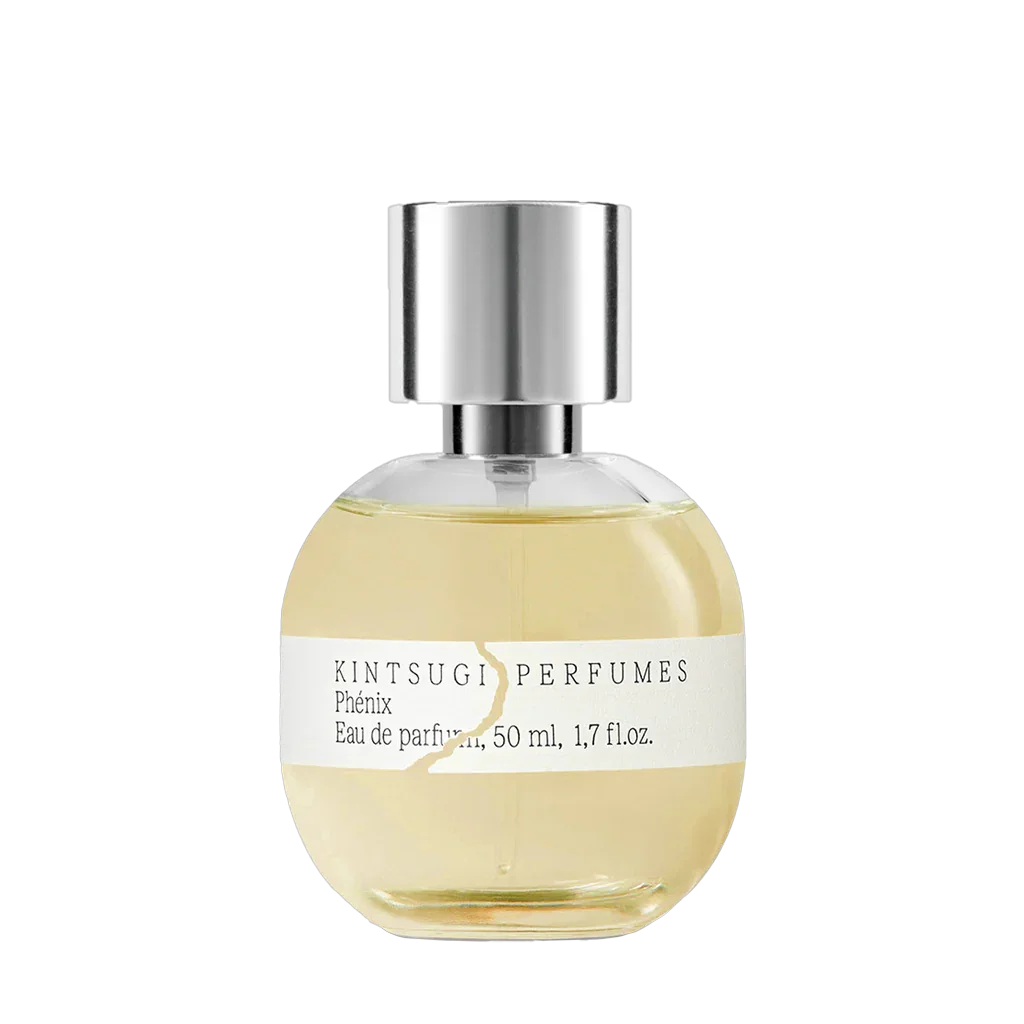
The truth: The best fragrances blend nature and synthetics.
No truly exceptional luxury niche perfume today relies solely on natural ingredients. And no synthetically influenced fragrance feels authentic without at least a minimum of natural texture. The art lies in the blend. Resins and vanilla provide warmth, while ambrox anchors the structure. Cinnamon enhances the scent, while cashmeran adds depth. This blend explains why some winter perfumes last all evening, while others of the same size simply vanish into thin air. It's not a battle of nature versus synthetics—it's a symbiosis.
Why synthetic molecules are indispensable for the Christmas season

In the coldest months, you crave projection, presence, and longevity. Without synthetic stabilizers, vanilla would fade too quickly, incense would become too mineral, and amber too harsh. Molecules soften winter scents, making them warm and radiant. They make Christmas fragrances a reliable gift idea.
And that's precisely why Georg R. Wuchsa's curated selection at scent amor consciously combines molecular and natural power – not to impress you, but to give you the best olfactory performance for the winter season.
Why Scent Amor is the place where you experience real differences
If you truly want to understand how concentration, natural ingredients, and synthetic molecules interact, you have to experience them firsthand. Scent Amor offers you precisely that with a selection curated by Georg R. Wuchsa, designed to bring the reality of fragrance impact, longevity, and emotional depth to life. With perfume samples , expert advice, and a selection that deliberately goes beyond the mainstream, you'll find the perfect scent to truly embrace winter.

FAQ - What you need to know about niche fragrances in winter.
Is a natural fragrance always "better"?
No. Nature is complex, but unstable. The best niche fragrances combine nature and synthetic precision.
Which fragrance lasts the longest in winter?
Extract and perfume oil – if they have resinous or ambery textures.
Does a fragrance smell different in summer than in winter?
Yes. Cold slows down evaporation, heat accelerates it. Winter needs depth.
Are synthetic molecules harmful?
No. Modern molecules are highly pure, safe, and essential for performance.
Why are fragrance samples important?
Because you can only tell from your skin whether the concentration, molecules and temperature are in harmony.
Copyright by scent amor © 2025 (grw)
More articles on the scent news blog by scent amor:
The essence of winter: A deep fragrance typology for elegant and warm niche fragrances
Experience the warming depth of chypre , fougère , and woody compositions – the most elegant niche fragrances for cold days. Discover winter scents with amber , vanilla , oud , and other exceptiona...


Leave a comment
All comments are moderated before being published.