


Why synthetics are not a dirty word – an honest look behind the glittering facade
Perfumery has always thrived on contradictions: emotion and technology, nature and the laboratory, nostalgia and the future. In the world of niche fragrances , authenticity, purity, and craftsmanship are often touted. Yet hardly any fragrance ingredient exposes the tensions between these worlds as clearly as vanillin . It is one of the most iconic molecules in fragrance culture—simultaneously romanticized, misunderstood, and essential.
Is synthetic vanillin a "cheating molecule"? Or is it the basis for the creation of many extraordinary fragrances ? And how do modern molecules like Ambroxan , Iso E Super , Cashmeran , or Hedione fit into this picture?
The answer begins where perfumery decides to become honest: in the laboratory.
The vanillin dilemma – less than one percent is truly natural
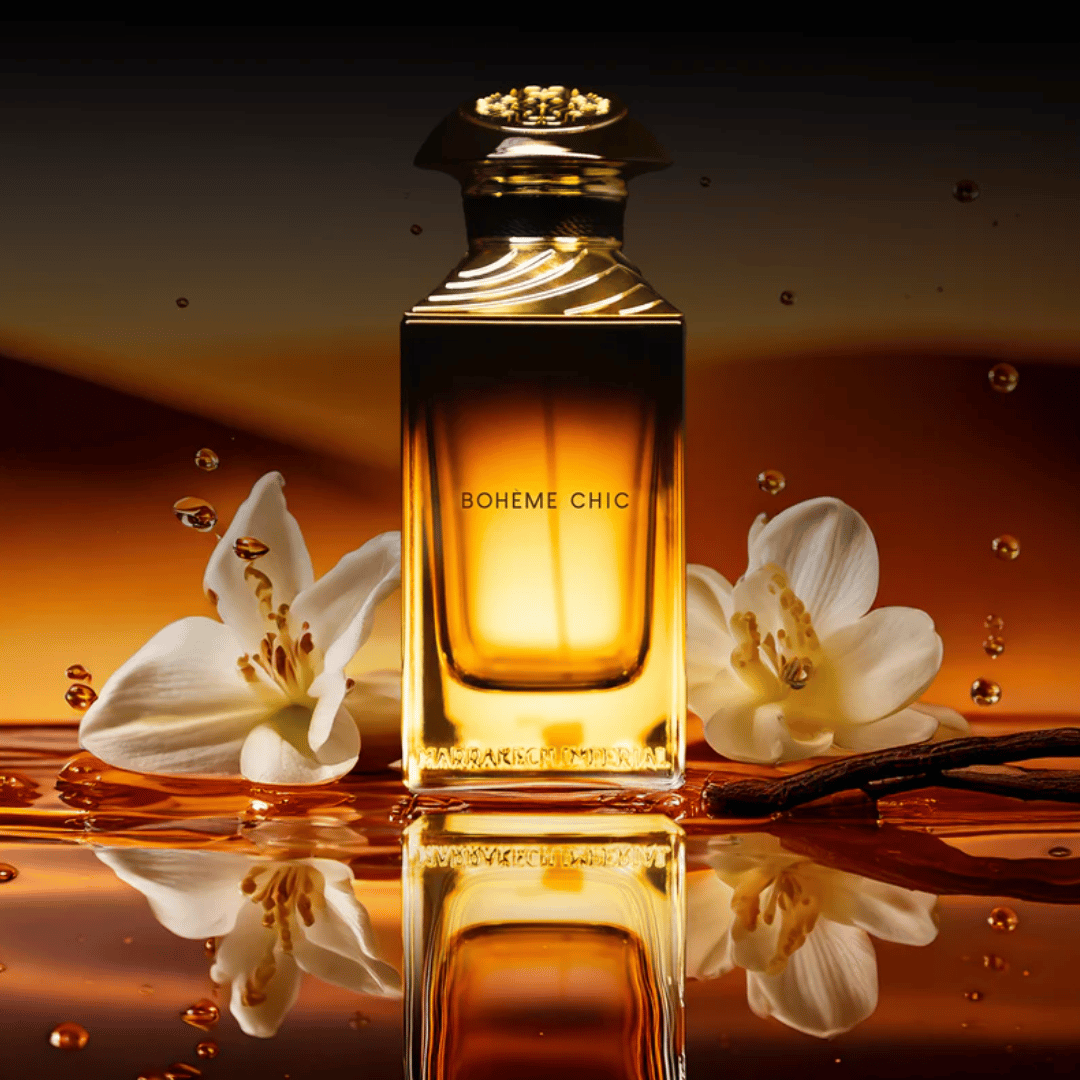
Vanillin is the main aroma of the vanilla bean – and the most widely used flavoring agent in the world. It's found in perfumes, foods, candles, creams, and anything that's meant to smell warm and gourmand.
But this is where the gap between myth and reality begins:
Less than 1% of the world's vanillin actually comes from the vanilla orchid .
Not because nobody appreciates natural vanilla – but because it has become almost unaffordable. Each orchid must be pollinated by hand, requires months of fermentation, and yields only a few milligrams of pure vanillin. The price causes entire markets to tremble every year. And yet: The aroma of real vanilla is incomparable – warm, multifaceted, complex like a multi-layered poem.
Synthetic or biotechnological vanillin smells simpler. Clearer. More linear. But it is stable. Predictable. Responsible. And without these variants, there would be no modern vanilla fragrance – neither in the designer sector nor in high-priced niche perfumes .
Three paths to perfume – and only one leads through the orchid field.

The global demand for vanillin is enormous – therefore, three main production methods exist. Each has its own version:
Natural vanillin
Extracted directly from the vanilla bean. A treasure. Expensive, intense, inimitable. Besides vanillin, real vanilla contains over 100 other molecules that make its fragrance so deep and warm. But this luxury is rare.
Synthetic vanillin
Chemically 99.9% identical, produced from guaiacol or lignin. Stable, inexpensive, reliable – but less nuanced. Therefore, it is often used as a base or enhancer in gourmand fragrances.
Biotechnological vanillin
Microorganisms such as yeasts or fungi are at work here. The starting materials often come from rice bran or clove oil. According to the EU, it can be considered a "natural flavoring," even though it has never seen a real pod – a recurring issue for consumer protection groups.
What does this mean for the perfume industry?
Even high-priced unisex perfumes , women's fragrances , and men's fragrances often use vanilla absolute only subtly – as the soul, not as a dominant ingredient. The structure, projection, and longevity largely come from synthetic or fermentation-derived vanillin. Quite simply, because a fragrance must remain consistent over the years.
Synthetic materials are therefore not a deficiency – they are the architectural foundation without which perfumers would be blind.
The new era of synthetics – molecules that conquer our skin

Synthetic molecules are no longer replacements, but rather entities with their own distinct personalities. They can do things that nature cannot: they create metallic air, ozonic light, waxy effects, crystalline woodiness – structures that do not exist in nature.
Especially in luxurious niche perfumes, molecules define the signature of a fragrance. They are the unsung heroes – radical, precise, modern.
Here are the most important revolutionaries:
Ambroxan
A dry, mineral, warm-woody accord with exceptional longevity. Perfumes that envelop you even the next day usually owe this feeling to Ambroxan. It acts like a luminous, clean, salty veil – and is the foundation of many bestsellers.
Calone
The molecule that created the scent of the sea. Fresh, aquatic, melon-like – today essential for maritime compositions that evoke summer, wind and waves.
Hedione
The "invisible amplifier." Floral and jasmine-like, airy, almost erotic. Hedione makes fragrances shine, breathe, and open up. No wonder it has become the secret code for distinctive niche fragrances .
Iso E Super
Woody, diffuse, warm. A true "skin molecule" that connects with the body. Many carry it without consciously smelling it – but others feel your presence more strongly, without being able to explain why.
Javanol
A modern sandalwood molecule: creamy, round, luminous, luxurious. Perfect for combining sustainability with olfactory intensity.
Aldehydes
The sparkling molecules of the 20th century. Waxy, soapy, effervescent – they gave Chanel No. 5 its immortality and still stand for cool elegance today.
Why synthetic molecules make fragrances wearable
Nature is beautiful – but it's unstable. A poor harvest, a different climate, minimal changes in the soil, and a fragrance suddenly smells different. Perfumers need reproducible structures, and this is precisely where the role of synthetics comes in.
It ensures that your favorite fragrance will smell the same tomorrow as it does today.
It ensures that the durability is correct.
She makes gourmand fragrances possible in the first place.
It allows for experimentation.
It conserves resources.
Synthetic materials are not a last resort – they are the technical basis of every modern fragrance culture.
Molecules as identity – the invisible signature of our time

Our era smells different from the decades before. Where floral bouquets once dominated, today wood, musk, ambergris, and transparency are in demand. This doesn't mean that nature is being displaced – it's being reinterpreted.
A molecular fragrance can be minimalist yet emotionally resonant. It can be powerful without being heavy. And it can be sustainable without implying sacrifice.
Many customers consciously choose compositions that offer a quiet, intimate, pure aura – typical of molecular art, which redefines unisex fragrances .
Why synthetics are the future of sustainability
Anyone who believes that natural raw materials are automatically more sustainable is mistaken. One kilogram of natural vanillin requires enormous resources: land, energy, and transportation. A molecule, on the other hand, can be produced with significantly less environmental impact.
This doesn't mean that nature should be abolished – but it must be used responsibly. Synthetic materials protect it.
In the future, hybrid formulas will dominate: nature as the emotional core, synthetic materials as the architectural skeleton.
scent amor: Where molecular culture becomes fragrance culture

At scent amor you won't find any marketing platitudes, but fragrances that truly have substance. Curator Georg R. Wuchsa selects perfumes not according to trends, but for the intelligence of their raw materials.
A fragrance only makes it into the collection if it demonstrates that molecules don't mask, but rather clarify. If it's honest. If it works. If it reveals more than just pretty labels.
Whether you are looking for vanilla , ambroxan , Iso E Super or complex hybrid compositions – scent amor will lead you into a world where fragrance is truly understood.
If you want to know where the future of perfumery originates: exactly where nature and laboratory complement each other, not fight each other.
Find your scent. Find your molecules. Find scent love.
FAQ – The Vanillin Dilemma & Modern Molecular Perfumery
Why is synthetic vanillin included in so many niche fragrances?
Synthetic vanillin is stable, reliable, and significantly more sustainable than its precious natural counterpart. Perfumers use it as a base to create depth, warmth, and longevity, while genuine vanilla absolute is typically reserved for subtle nuances. This combination ensures consistency and olfactory precision, particularly in modern niche fragrances .
Is a synthetic fragrance less "valuable" than a natural one?
No. The value of a perfume stems from its architectural concept, not from a romanticized natural component. Many iconic unisex perfumes , women's fragrances , and men's fragrances are based on synthetic molecules like Ambroxan , Cashmeran , or Iso E Super , which don't exist in nature. Synthetics expand creative freedom and increase sustainability.
Which molecules determine modern perfumery today?
Key molecules include Hedione (radiant, floral transparency), Ambroxan (warm, woody, mineral), Iso E Super (close to the skin, woody-diffuse), Calone (aquatic, ozonic), and Cashmeran (mossy, musky, warm). They lend exceptional fragrances their characteristic depth, projection, and modernity.
Are synthetic materials more environmentally friendly than natural raw materials?
In many cases, yes. Natural raw materials like real vanilla beans or sandalwood require large amounts of land, water, and energy. Synthetic molecules can be produced in a more resource-efficient and climate-friendly way. The most sustainable future lies in precise hybrid compositions – nature for emotion, synthetics for stability.
How can I find out if a fragrance is composed of natural or synthetic ingredients?
You can often recognize it by the aura: Molecular fragrances appear more transparent, cleaner, more modern, and blend more strongly with your skin. Nature-based fragrances are usually more complex and opulent. At scent amor, curator Georg R. Wuchsa personally helps you discover the perfect fragrance for you – whether molecular, natural, or hybrid.
Copyright by scent amor © 2025 (grw)
More articles on the scent news blog by scent amor:
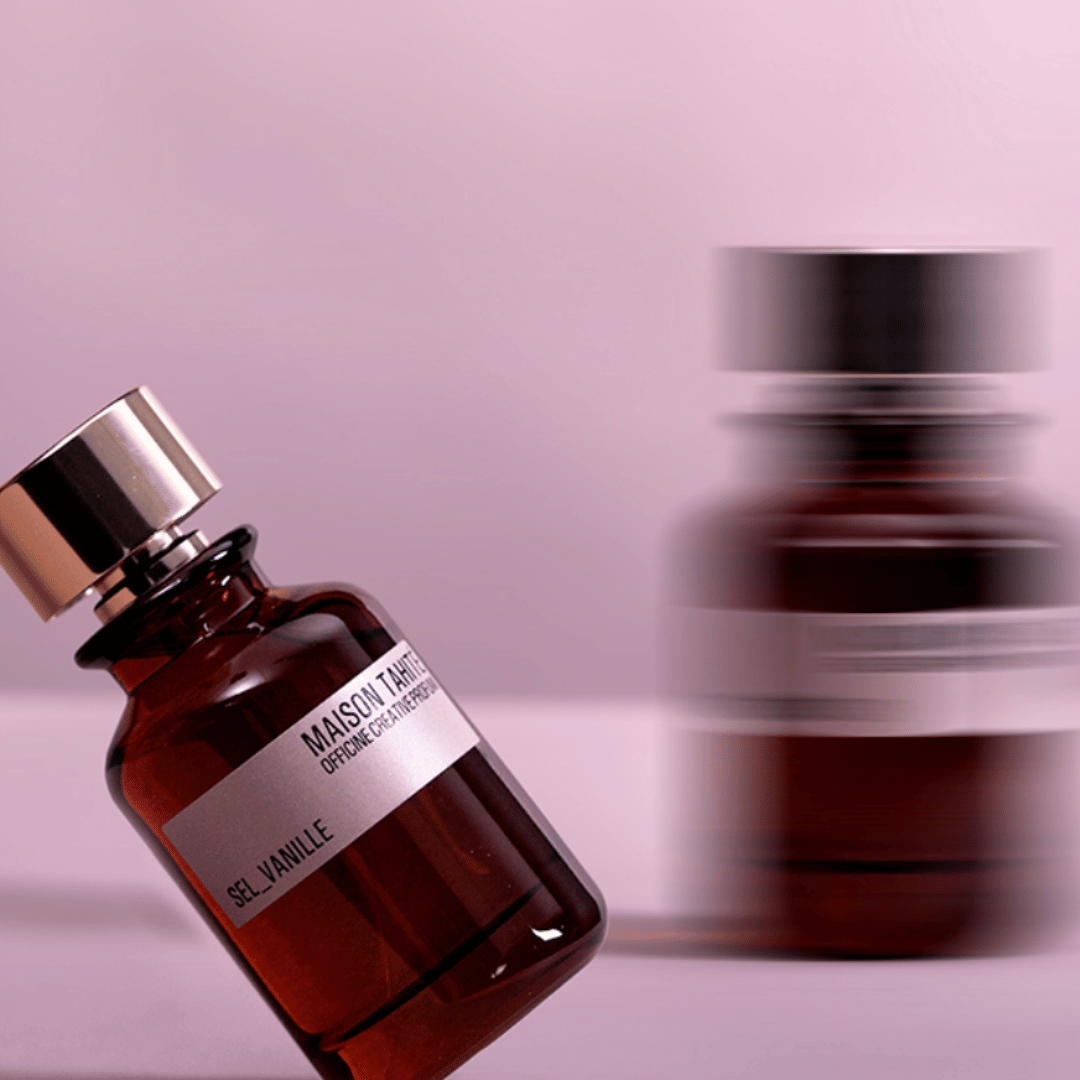
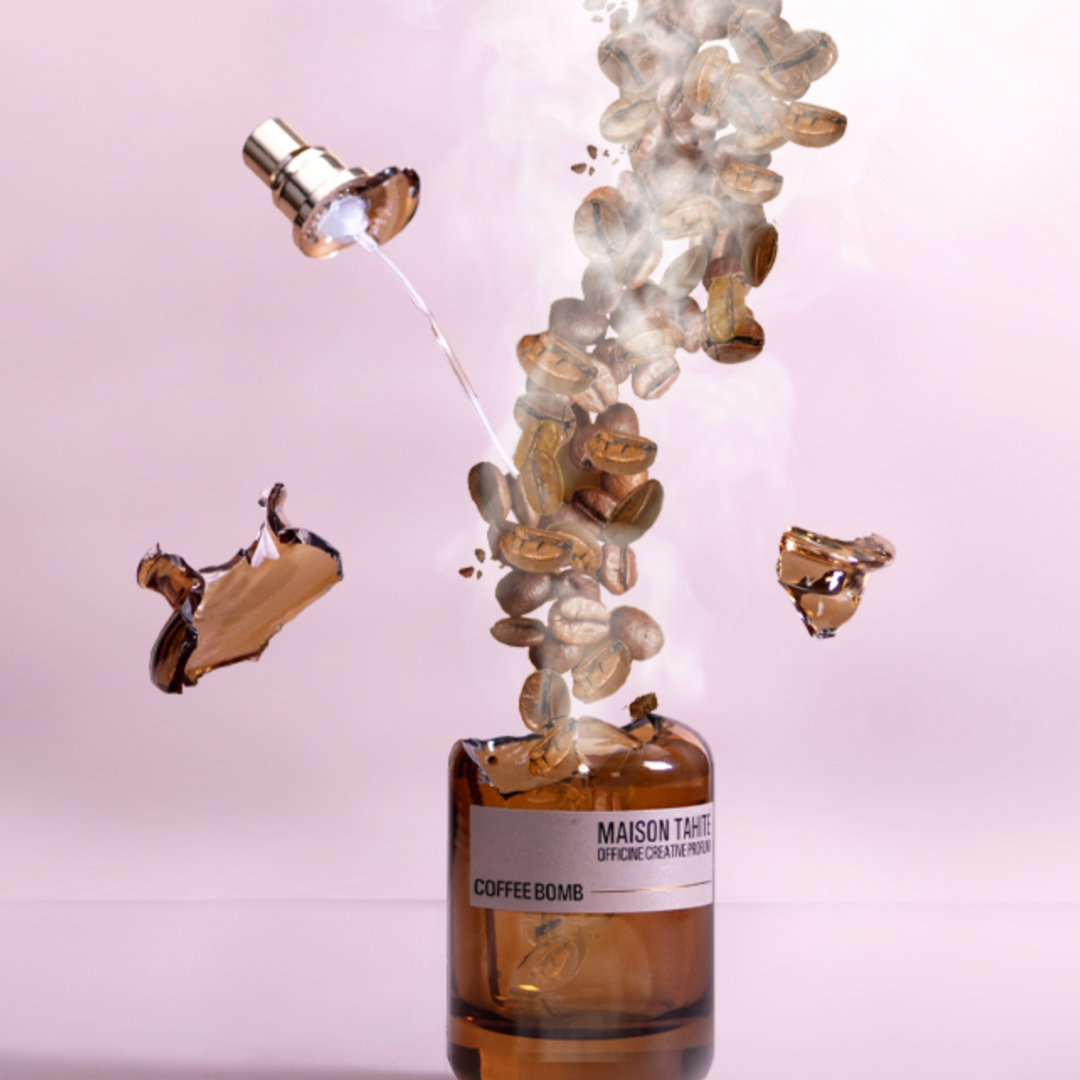
Maison Tahitè stands for Italian gourmand niche fragrances made with vanilla, cocoa, and coffee – modern, unisex, and long-lasting. The brand combines sensual warmth with clear structure and susta...

Leave a comment
All comments are moderated before being published.