


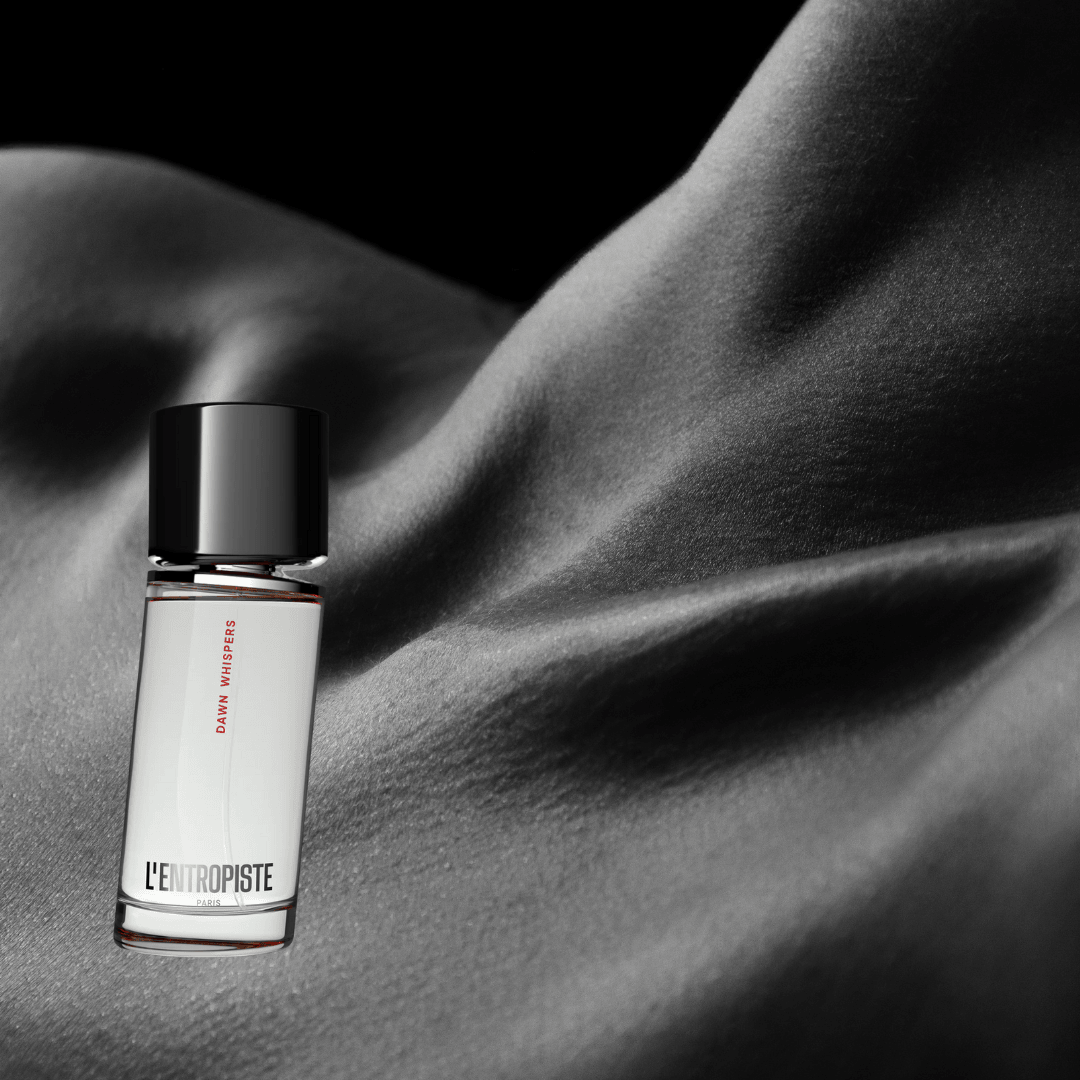
When skin becomes the invisible co-perfumer – the enigmatic truth behind every niche fragrance
It's one of the greatest paradoxes of the fragrance world: You fall in love with a perfume on someone else, spray it on your own skin, and suddenly feel like you're in a completely different universe. Less radiance. More sweetness. Unexpected dryness. A hint of metallic sheen. Or a warm shimmer you've never noticed on anyone else. This difference isn't a malfunction of a niche perfume , but the work of a silent player that's always present: your skin chemistry.
Especially during the colder months, when temperatures fluctuate, skin becomes drier, pH levels change, and the emotional peaks of the Advent season intensify everything, these effects are dramatically amplified. A luxurious niche perfume remains the same – but your body, your climate, your skin barrier, and your scent psychology are constantly changing. That's why the same fragrance smells different in December than in July, different on you than on friends, and different today than yesterday.
pH value, temperature and humidity – the triangle of scent change

Skin has a slightly acidic pH. However, this value shifts depending on stress, diet, hormones, temperature, and skincare. A lower pH makes vanilla , amber , resins , and musk appear softer and creamier. A higher pH slightly abrades the skin, giving it a dry, mineral edge.
Winter skin loses moisture, which causes fragrance molecules to break down more quickly. At the same time, the skin loses lipids, which normally act as a base for fragrances. While summer skin wears fragrances like a soft film, winter skin allows them to spread unevenly. And what about temperature? Cold skin inhibits the opening of fragrance molecules, while warm skin allows them to explode. A walk in the icy pre-Christmas air creates a completely different fragrance experience than an evening spent indoors in warm air with candles and a festive atmosphere.
The biochemistry behind it – why enzymes change your scent
The skin is a chemically active organism. It produces enzymes that break down certain molecules more or less quickly. Oxidation also plays a major role: the drier the skin, the more particularly sensitive notes like citrus or aromatic herbs oxidize. This is why a citrus scent often seems "short-lived" in winter, while resinous , woody , or ambery notes appear fuller and longer-lasting.
Skin lipids – ceramides, cholesterol, essential fatty acids – determine how well fragrance molecules adhere. When these lipids are reduced by winter cold, not only does the longevity change, but also the fragrance's development: notes that normally appear later move forward. Others lose depth. A fragrance doesn't become weaker – it's illuminated differently.
Microflora – the invisible community that records your scent
A vast, stable community of microorganisms lives on your skin. This microflora is sensitive to temperature, skincare, stress, diet, and winter climates. Some microorganisms break down musk , vanilla , woody notes , or amber more quickly than others. This is why the same fragrance can sound like two different scents on two different people.
In winter, this microflora changes more dramatically than at any other time of year. Cold weather, dry air from heating, and the stress of the holiday season affect sebum production, skin moisture, the immune system, and metabolism. The result: Your favorite fragrance suddenly smells warmer, darker, or drier – even though the formula hasn't changed.
Hormones, emotions, and nutrition – the silent architects of the fragrance melody

The body tells stories. Stress hormones make all fragrances drier and sharper. Lack of sleep intensifies the metallic or mineral aspects of a perfume. A sugary diet amplifies gourmand notes. Spicy food raises skin temperature and gives fragrances more projection.
And in the heart of Advent , when emotions, expectations, and memories are more intense than at any other time of year, the psyche influences the fragrance. Nostalgia, childhood memories, candlelight, baked goods, incense , pine resin – all these elements affect not only how you feel a scent, but also how you perceive it.
Molecules in winter – why modern fragrance chemistry works differently on your skin

Modern molecules are masters at reacting differently to skin.
Iso E Super can spread silkily on warm skin or become almost invisible on dry winter skin.
Ambroxan develops a deeper and more ambery character in winter because cold temperatures concentrate its diffuse nature.
Cashmeran may appear dustier on dry skin and creamier on well-cared-for skin.
Habanolides and Helvetolides® are extremely sensitive to the lipid balance and change their muscle tone with each layer of skin.
In a month that thrives on festivity, cold, and fluctuating temperatures, fragrances emerge that are as individual as fingerprints.
Why the same scent smells worlds apart on two people

Take a warm amber scent. On person A, it smells gourmand, on person B, woody. It's not the scent itself that changes – but the context in which it's perceived. Person A's winter skin is dry, so the scent feels warmer. Person B has more lipids, so the fragrance remains woodier and clearer.
Or take a gourmand fragrance : on one person it smells vanilla, on another spicier. Microflora, pH level, fat content, diet, and stress levels all play a role. This effect is even more pronounced during the Christmas season because emotions and the psychology of scent are so closely intertwined.
Clothing as a silent fixator – and why it is indispensable in winter
Wool, cashmere, mohair, and cotton retain scents better than any skin. Fabric alters molecules less because it is more neutral. That's why winter scents , Christmas fragrances , amber , resins , and vanilla often smell more harmonious on clothing. Winter coats, scarves, and knitwear become extended fragrance chambers, carrying your olfactory signature for hours.
Emotion, memory and Christmas time – why your fragrance sounds different during Advent
Fragrance is always emotion. Winter fragrances are an even more intense emotion. Childhood memories, fairy lights, cookies, incense in church, hot cocoa, the scent of fir trees, the stillness of the snow – all of these influence your olfactory system. When you wear a fragrance during Advent, it not only interacts with your skin chemistry but also with your personal story. That's why exceptional fragrances feel warmer, more personal, and deeper during the pre-Christmas season.
Scent layering in winter – why it works better now than in summer
Layering is a gift in winter. Cold air holds heavier notes together more tightly, allowing combinations of vanilla , amber , resins , wood , tobacco , or musk to blend more elegantly. A light base oil stabilizes the skin's chemistry, topped with a unisex perfume , perhaps a touch on fabric – and you create a signature scent that's uniquely yours.
Layering is not accidental. It's controlled skin chemistry. And especially in winter, this creates a depth that would never be possible in summer.
Why your nose deceives you – the scent is often still there.
The human sense of smell filters out familiar molecules after a short time. You might think the scent has disappeared, while others perceive it clearly. Amber , vanilla , resins , musk , and many winter scent molecules can linger for up to twelve hours—you just don't consciously smell them anymore. This is adaptation, not a sign of poor quality.
In conclusion – your fragrance is a living system, and you are part of it.
A fragrance is not static. It breathes. It reacts. It adapts. Winter, Advent, skin chemistry, mood, clothing, molecules, biochemistry – all of this shapes the olfactory truth of every moment. You are not a consumer, but a co-composer. And especially in the cold season, when everything smells denser, deeper, warmer, this truth becomes particularly apparent.
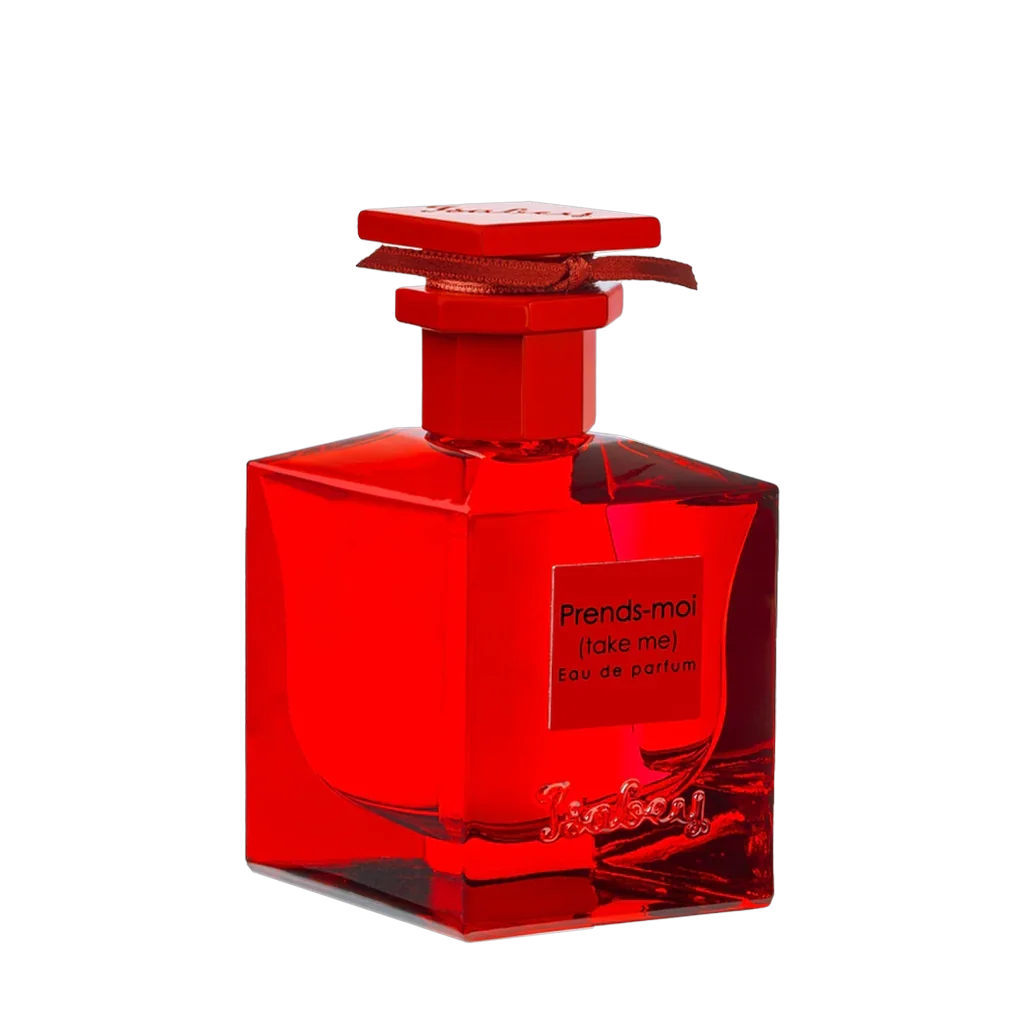
A luxurious niche perfume is therefore never just a fragrance – it is a reflection of your body, your story and your unique winter skin.
Discover the winter collections at scent amor and find, together with Georg R. Wuchsa, the fragrance that blends seamlessly with your skin chemistry – intense, individual and completely unique.
FAQ – Perfume & Skin Chemistry – everything you need to know!
This FAQ section answers your most important questions about skin chemistry, winter skin, fragrance development and perception.
Why does the same scent smell different on every person?
Every skin type has its own unique chemical signature, defined by pH, microflora, lipid content, temperature, and moisture. While a niche fragrance may retain its identical formulation, the skin it's applied to instantly alters its structure. Especially in winter, amber , resins , vanilla , wood , and musk can feel warmer, sweeter, drier, or softer depending on the skin's condition. This is why a fragrance smells so personal on you—and never like it does on someone else.
Why does the season change my scent so drastically?
Winter skin loses moisture and oils, which normally stabilize fragrance molecules. Cold air slows down light notes, while warm indoor spaces allow them to suddenly blossom. At the same time, heavy winter fragrances , Christmas scents , amber , woods , and incense gain depth. The Advent season is olfactorily more intense because temperature changes, emotions, and skin chemistry interact more closely than in any other season.

How does skincare affect the longevity and development of a fragrance?
Protected, moisturized skin gives fragrance molecules support and structure. Dry winter skin, on the other hand, causes delicate notes to oxidize more quickly and weakens their projection. An unscented oil or a rich cream extends the fragrance's longevity by hours and stabilizes the facets of a perfume. Many exceptional fragrances only unfold their full depth on well-cared-for winter skin.
Why can't I smell my own scent anymore, even though others can still clearly perceive it?
This is due to olfactory adaptation. Your brain filters out molecules like musk , amber , vanilla , resins , or iso-E components after a short time. You think the scent has disappeared – but others often smell it more intensely than you do. This effect is particularly pronounced in winter when warm molecules appear denser and rounder.
Which fragrances work best on dry winter skin?
Warm, rich fragrance families like amber , resins , vanilla , woody accords , musk , tobacco , or incense harmonize perfectly with winter skin. They require less moisture to reveal their depth and blend particularly well with clothing, scarves, and coats. Many discover their perfect luxury niche perfume right now, because it displays its strongest personality during Advent.

Can clothing help if a fragrance smells too different on my skin?
Yes. Fabric behaves neutrally and distorts the molecular structure less than skin. A spritz on cashmere, a coat, or a scarf often reveals how a fragrance is truly intended. Especially in winter - when you're wearing more layers anyway—clothing becomes the ideal fixative, making niche fragrances more stable, warmer, and longer-lasting.
Copyright by scent amor © 2025 (grw)
More articles on the scent news blog by scent amor:
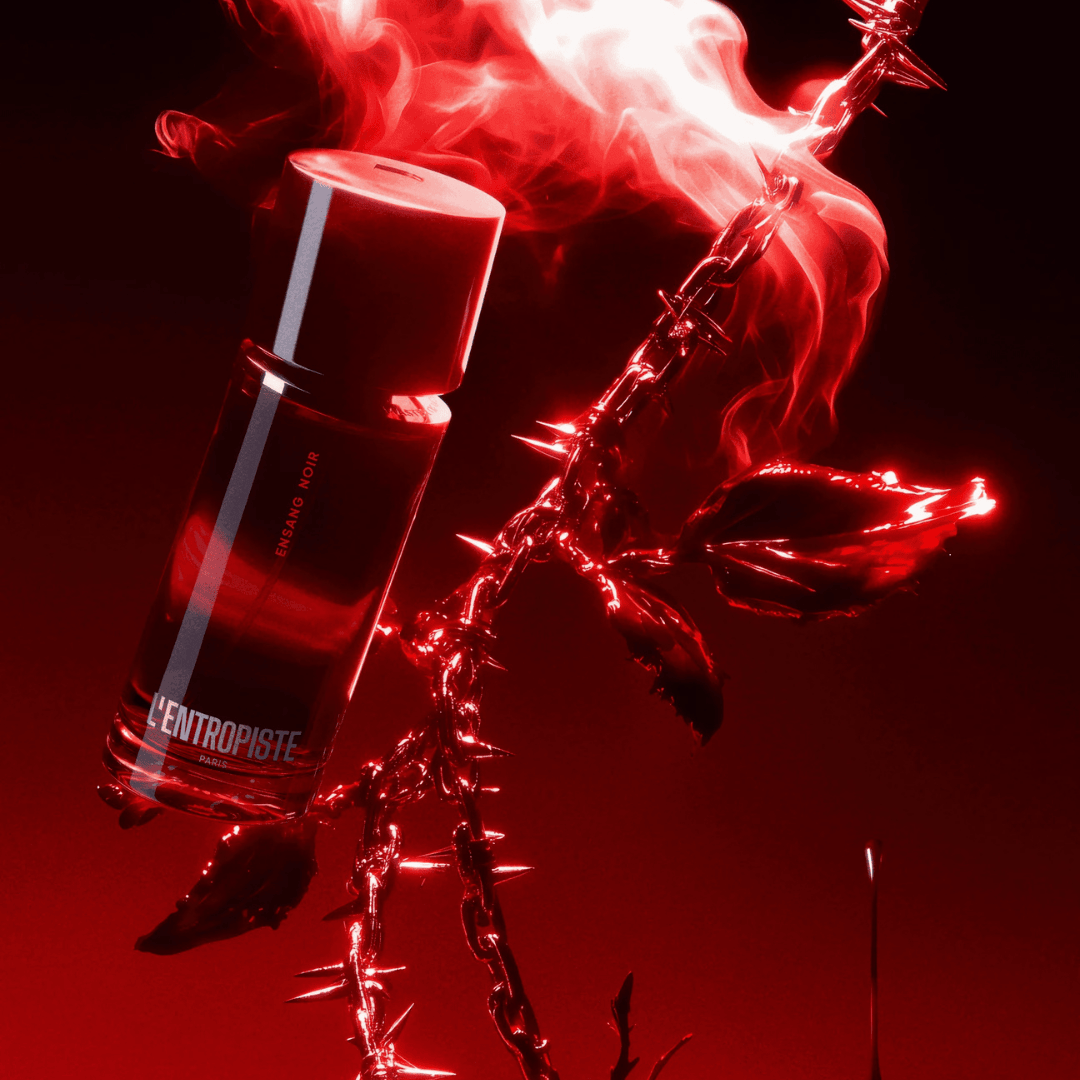
L'Entropiste – The quiet radicalism of a house and the signature style of Bertrand Duchaufour
L'Entropiste demonstrates what exceptional fragrances sound like today: precise, urban, and full of depth – a true niche perfume that offers substance over mere showmanship. The collaboration with ...


Leave a comment
All comments are moderated before being published.