
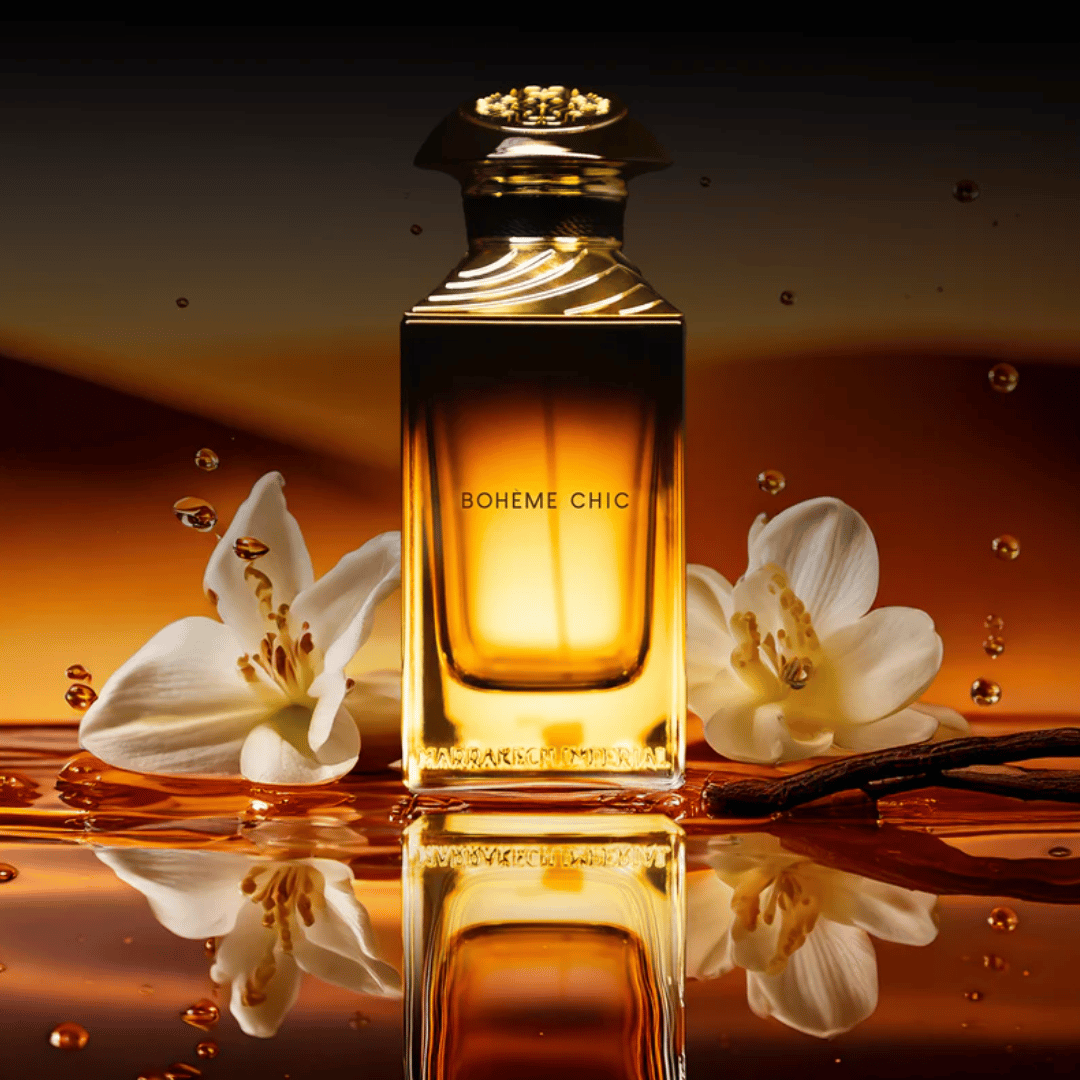

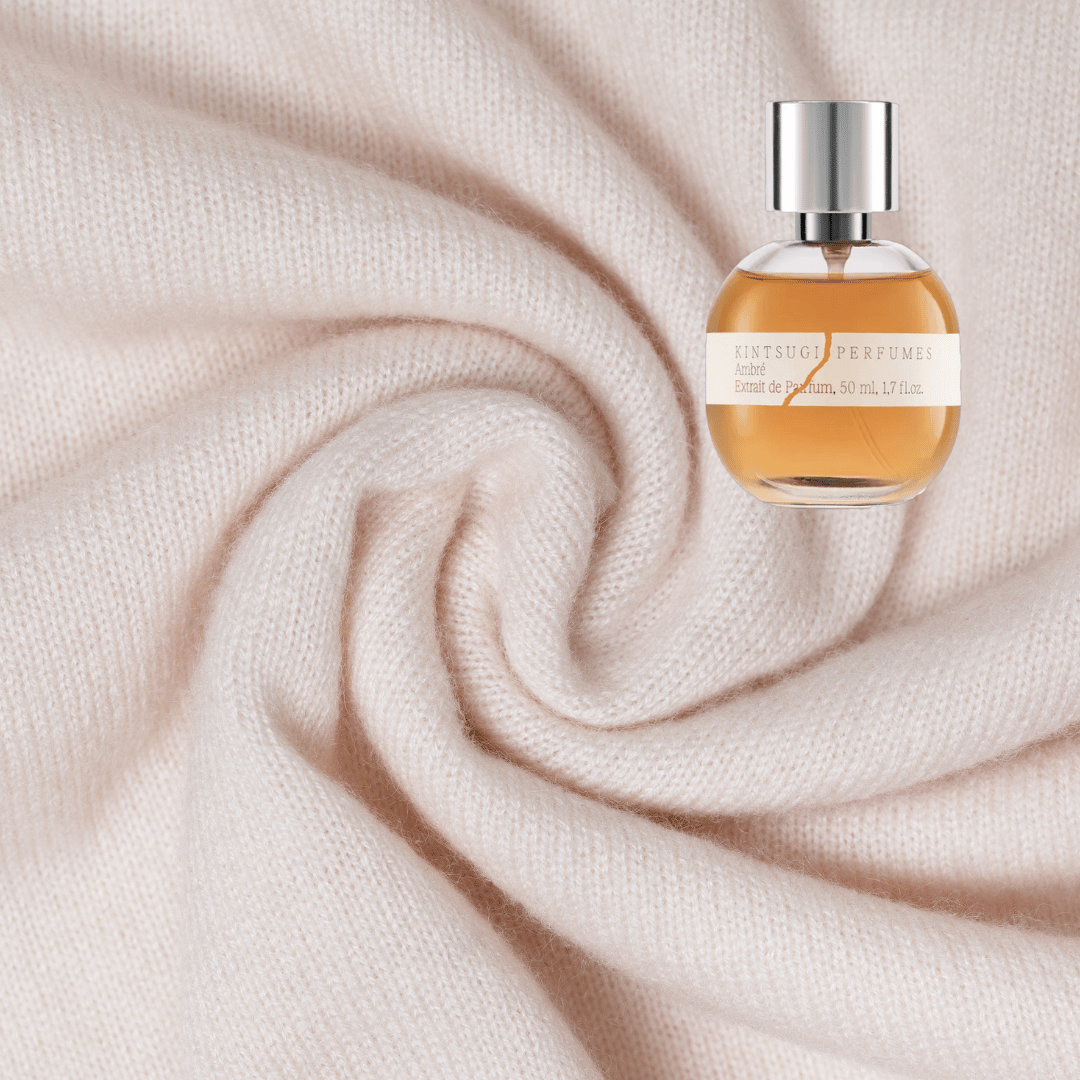
If your niche fragrance fades too quickly on your skin, the art of layering begins – like an invisible scarf of fragrance.
You know the feeling: A niche fragrance sits beautifully on your skin – but sometimes you're missing a nuance. More warmth. More depth. More clarity. Or simply that moment when the fragrance not only smells good, but is a perfect match for you. This is precisely where scent layering comes in. Not as a gimmick, not as a fragrance cocktail to attract attention – but as a precise way to blend your niche perfume with your skin chemistry, instead of working against it.
Scent layering is essentially a decision: you don't let your skin dictate how a fragrance ends up – you guide it. This is a real upgrade, especially in winter. Cold weather diminishes the fragrance's potential. Dry air often makes scents more brittle. And skin becomes more demanding: less moisture, less natural surface area for absorption, more friction as the fragrance develops. You might recognize the result: the fragrance starts out clear but loses its essence too soon. Layering is like an invisible scarf – you give the fragrance support, body, and a longer, softer development.
The best part: If you want to buy niche perfume without making a string of mistakes, layering isn't just about style—it's about strategy. You can transform a fragrance you love into multiple versions: lighter during the day, richer in the evening, cleaner for the office, warmer on the skin. One bottle becomes an entire wardrobe.

Layering doesn't start with perfume – it starts with your skin.
Many people make the same mistake: they layer fragrances on top of each other and then wonder why it looks messy. But control starts much earlier. Your skin is the stage. And if that stage is dry, hot, over-treated, or heavily perfumed, even a luxurious niche fragrance won't perform well.
This is especially difficult in winter. Heated air, cold weather, frequent washing – the skin loses moisture, and its surface becomes more irritated. A fragrance can then fall apart more quickly: the top notes evaporate abruptly, the heart notes linger, and the base becomes either too dry or too sweet. For some, this is "too little fragrance," for others "too much base." Both are the same problem: the fragrance lacks a stable development.
The solution isn't over-spraying. The solution is a conscious foundation. Neutrally cared-for, lightly hydrated skin prolongs the fragrance's development, smooths transitions, and keeps it closer to you. And this "closer to you" is precisely what many consider the most beautiful form of niche fragrance : not loud, but magnetic.
What layering really is: Architecture instead of a hodgepodge
Scent layering sounds like freedom – but it's actually architecture. You're building a fragrance body. And you build it best from clear layers: a calm base, a character at its heart, a light at the top.
This looks particularly elegant if you think of it in terms of textures: wood as a frame, musk as skin, amber as warmth, citrus as a blade, florals as silk. Many exceptional fragrances work so well in layering because they aren't just "nice," but have a clear form. You're not just choosing any fragrance; you're choosing a structure.
If you layer correctly, it won't smell like "two perfumes". It will smell like a single fragrance – only more intense, more complete, more personal.
The three skin chemistry types – and how to control them
You'll probably find yourself in one of these profiles. And once you know which one, you can use layering almost like a remote control.
1) Dry skin – fragrance quickly fades
You spray it on, it's lovely, but after a short time it all starts to look thin. Then you don't need more fragrance, you need more staying power. Layering here means applying the fragrance to a softer base. This transforms the fleeting scent into a lasting, long-lasting fragrance. You'll be surprised how much longer a unisex perfume can last when your skin doesn't immediately absorb it all.
2) Warm skin – fragrance darkens faster
On warm skin, everything accelerates. Ambers become denser, woods drier, spices more pronounced. This can be sexy – or too much. Layering helps to smooth the fragrance without softening it. You take away the harshness without losing character. That's precisely the difference between "heavy" and "luxurious."
3) Oily skin – fragrance lasts a long time, but can turn sour.
Longevity is rarely the issue here. It's more about balance. Some accords come across as too sweet, too warm, too intense. Layering then means creating transparency. You introduce air and definition so that the fragrance remains refined – rather than saturated.
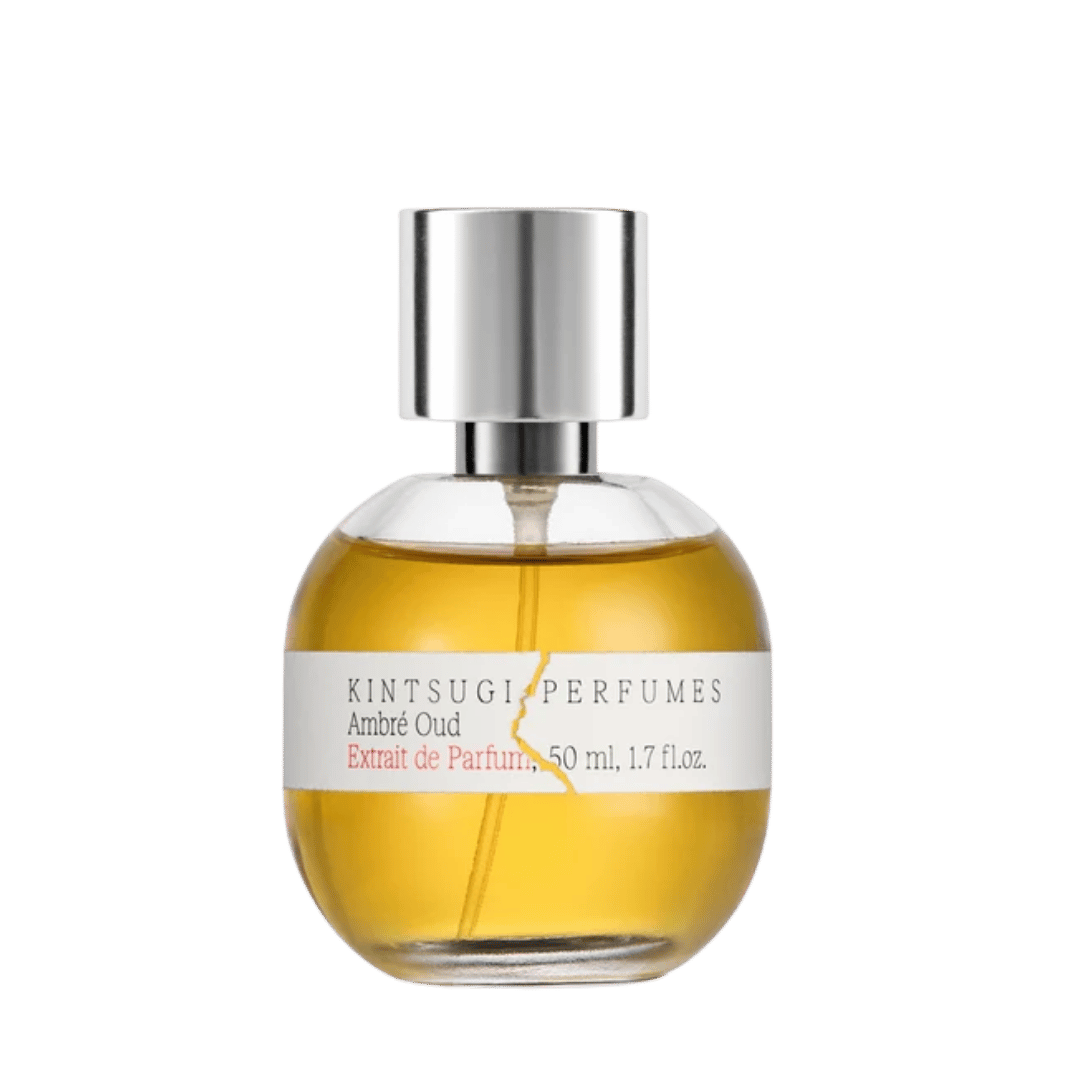
Winter layering: How to give your niche perfume a cashmere coat

In winter, you rarely just want "fresh." You want warmth, depth, tranquility. But without overpowering perfume. Many winter fragrances are too much and suffocating. Layering can prevent exactly that: You create your own winter scent – elegant, controlled, and wearable.
A truly effective winter layering strategy almost always relies on a warm base. Not necessarily sweet, but supportive. Molecules like cashmeran or ambery woods create precisely this effect: like a soft fabric, not like sugar. Musk complements this for a close, skin-like feel – here, modern musk components like Habanolide® demonstrate their superiority: clean, silky, but never cold.
If you then add a light accent – a touch of bergamot or something aromatic – the fragrance won't feel heavy, but rather sophisticated. That's the trick: winter can be warm without being suffocating. Layering transforms a heavy scent into something elegant.
Layering on skin vs. layering on fabric: Two versions, one signature
Fragrance behaves differently on fabric than on skin. Fabric is more neutral, more stable, less "alive." That might sound boring at first—but it's a gift. Because you can use it to separate layering: skin for intimacy, fabric for aura.
If you want your signature scent to be most noticeable close to you, layer it on your skin. If you want it to linger around the room, give it a subtle echo on your scarf or collar. This is especially effective in winter because clothing acts like a scent reservoir. But don't overdo it – otherwise you'll smell like your clothes, not like yourself.
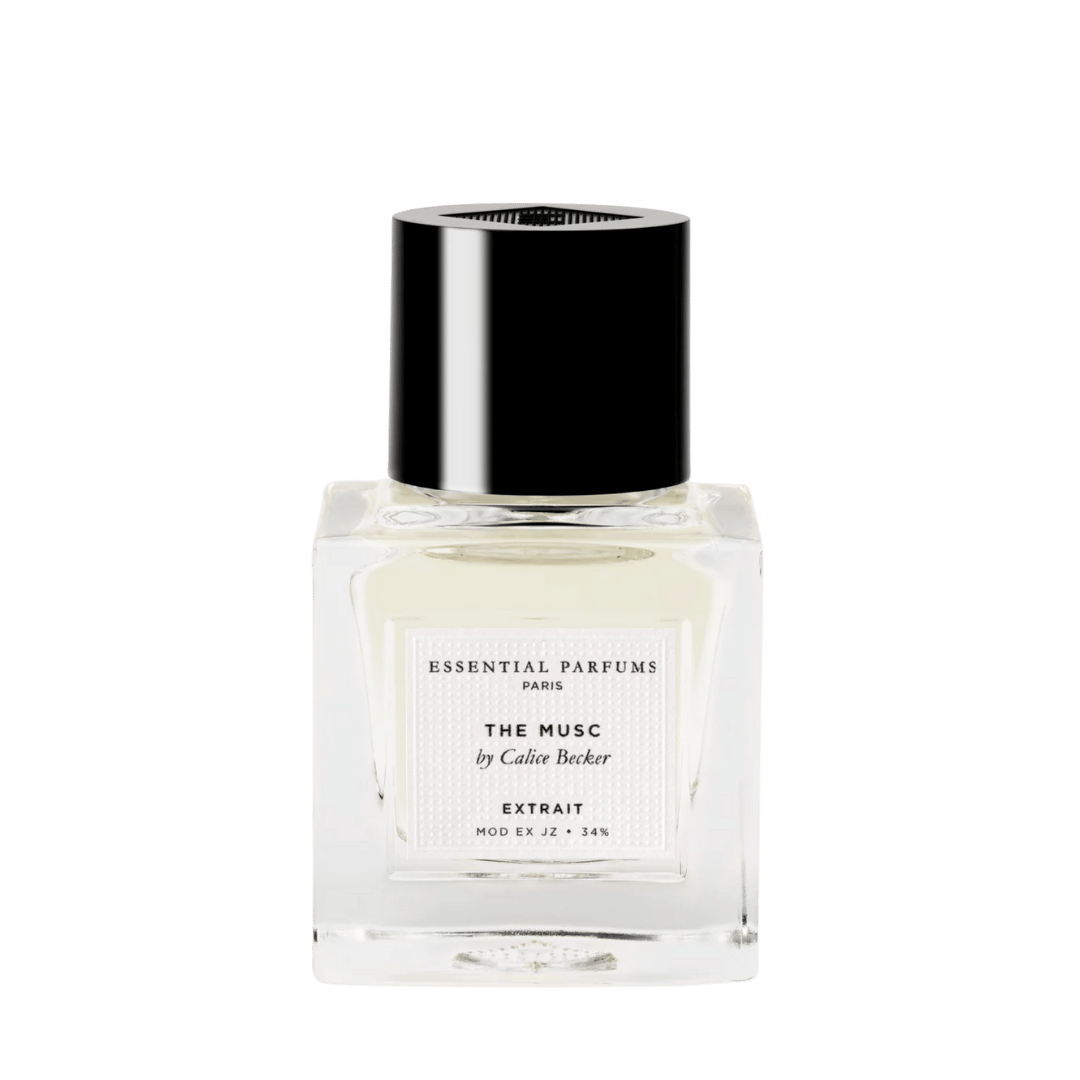
The most common mistakes in scent layering – and why they ruin everything
Honestly: Most layering attempts fail not because of the fragrances, but because of ego. Too much, too fast, too wild. A niche perfume isn't a DJ set. It's a composition that deserves respect.
The biggest mistake is layering two dominant scents on top of each other. Then they clash, and you end up with a muddy mess instead of depth. Also dangerous: sweetness on sweetness. This often becomes cloying – and your skin's chemistry then turns it into something that annoys you after two hours.
Another mistake is impatience. Layering takes time. You need to give the first fragrance five to ten minutes before applying the second. Otherwise, you'll spray into a cloud instead of into the texture, and you'll lose control.
And yes, location matters too. Wrists are mobile, warm, and evaporate quickly. The neck is more stable. The chest is often calmer, more intimate. Layering is also about placement.
Layering is the shortcut to your ideal fragrance profile.

Once you understand how your skin "draws" fragrances, your sense of taste becomes clearer. You'll recognize more quickly what suits you, what flatters you, and what you only like on paper. That's precisely why layering isn't just a luxury—it saves you from impulse buys. It transforms your shelf into a system.
You learn: You don't need fifteen bottles to create fifteen moods. You need a few true favorites and the ability to shape them. That's the grown-up version of fragrance passion: less collecting, more signature.
And that's exactly why samples are invaluable. You can't plan layering effectively if you have to treat every test as a full purchase. Samples give you freedom: You test combinations without pressure. You find your perfect match before you decide. And you develop a feel for how a unisex perfume truly feels on your skin.
Here's how to find your layering signature – without it smelling like an experiment.
The best method is surprisingly simple: Choose a base fragrance that you love and that suits you. Then find a second fragrance that has only one purpose: to complement or enhance. Nothing more.
Want more warmth? You don't layer "another fragrance," you layer warmth. Want more cleanliness? Then you layer clarity. Want more depth? Then you layer texture. As soon as you think this way, layering suddenly becomes precise, not chaotic.
A niche perfume is like a garment made of fine fabric. You can wear it alone – it works. But you can also combine it with other perfumes, and then it becomes personal. Layering is your style tool, not your trick.
Once you master this game, something wonderful happens: you no longer smell like "a fragrance". You smell like yourself.

FAQ: Scent Layering & Skin Chemistry
What does scent layering mean in niche fragrances?
Scent layering means combining two fragrances in such a way that they create a single, new signature. You control warmth, depth, clarity, and longevity – instead of leaving it to chance.
Why does layering work particularly well in winter?
Cold and dry air often shorten the development of fragrances. Layering stabilizes the base, prolongs the scent, and makes a niche perfume more rounded and wearable.
Which skin types benefit most from layering?
Dry skin gains durability and depth, warm skin becomes more balanced, and oily skin more transparent. Layering is essentially a method of consciously influencing skin chemistry.
Should I layer on my skin or on my clothes?
Both are possible: skin appears more intimate and vibrant, clothing more durable and longer-lasting. A combination is ideal – but in very small doses.
How do I test layering without risking bad purchases?
With fragrance samples. This allows you to test combinations at your leisure, find your signature scent, and only then decide whether you want to buy niche perfume .
Copyright by scent amor © 2026 (grw)
More articles on the scent news blog by scent amor:
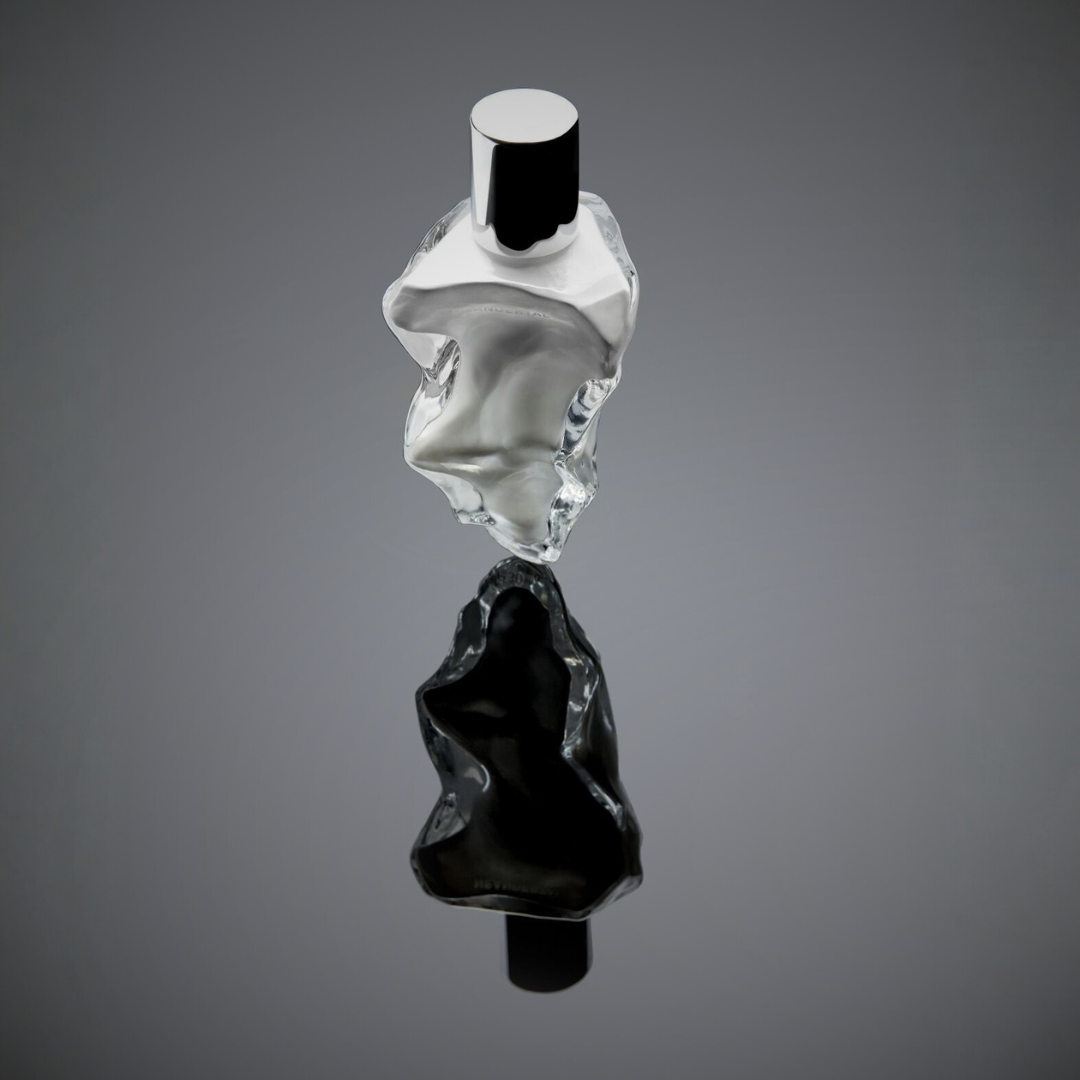
NEANDERTAL is™ and NEANDERTAL was™ are two conceptual niche fragrances , created from the same brief yet fundamentally different. is™ is bright, abstract, and synthetically fruity, while was™ trans...


Leave a comment
All comments are moderated before being published.